
Michelin Plate
Our verdict
A Michelin Plate-recognised kaiseki restaurant in Taito City, Takahashi operates at the quieter, more considered end of Tokyo's Japanese dining spectrum. The chef's training in Japan followed by hospitality experience in Singapore informs both the precision of the food and the attentiveness of the service.

Pearl is the En Primeur Club membership app — saves, bookings, and concierge access live there. Same editors, same standards.
- Address
- Japan, 〒110-0015 Tokyo, Taito City, Higashiueno, 5 Chome−17−8 中銀第2東上野マンシオン 1F-101号
- Phone
- +81 3-5830-3763
- Hours
- Mon–Sat 11:30 AM–1:30 PM, 6–9:30 PMSun Closed
- Directions
- Get directions
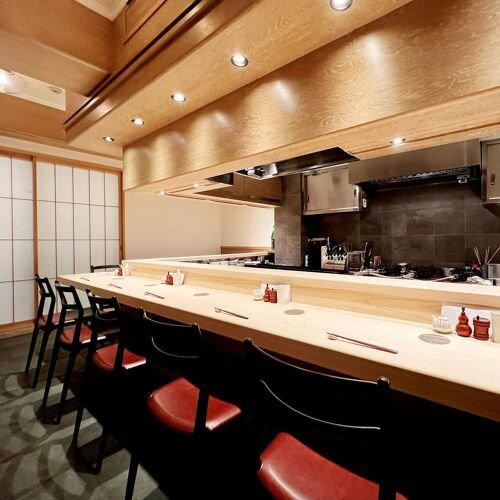
Ingredient-First Kaiseki in Higashiueno
In Tokyo's mid-tier kaiseki bracket, the difference between a forgettable meal and a memorable one often comes down to procurement. The city's most disciplined practitioners don't delegate sourcing to suppliers — they treat market visits as a non-negotiable part of the cooking process itself. The chef personally inspects ingredients at market before service, a practice that positions the restaurant within a peer group defined not by ceiling price but by sourcing rigour.
Kaiseki, in its classical form, is a seasonal multi-course structure inherited from the formal dining of Kyoto's tea ceremony culture. Each course responds to the time of year — not in a decorative sense, but in the sense that specific ingredients are available, at their peak, and chosen to reflect where the season sits. What separates modern kaiseki practitioners in Tokyo from their Kyoto counterparts is that the capital's chefs frequently draw on a wider ingredient geography, sourcing across prefectures rather than working within a single regional tradition. Takahashi's market-first approach fits this broader Tokyo pattern while retaining the philosophical seriousness that distinguishes kaiseki from other multi-course formats.
The Role of the International Arc
Among Tokyo's kaiseki practitioners, a period working abroad has become a meaningful credential, not because foreign cooking technique enters the food, but because it recalibrates how a Japanese chef sees Japanese ingredients. A spell cooking in another country tends to produce one of two outcomes: the chef either integrates foreign influence or, more commonly in formal Japanese contexts, returns with a sharpened appreciation for what Japanese produce and seasonality actually offer. Takahashi's chef studied kaiseki in Japan, then moved to Singapore before returning. The award notes characterise the return as motivated by renewed appreciation for Japanese ingredient quality, a trajectory that places Takahashi in the second camp, the one where the overseas period functions as contrast rather than fusion.
This matters to how the restaurant reads in Tokyo's dining context. Venues that absorbed foreign influence directly sit in a different competitive set from those where the international experience deepened traditional practice. Takahashi's Michelin Plate recognition in 2025 aligns it with a tier of restaurants where consistent, serious cooking is acknowledged without the additional stratification of stars. For reference, the kaiseki category in Tokyo extends from this mid-tier to full star-bearing houses like Azabu Kadowaki, Kagurazaka Ishikawa, and Ginza Fukuju, each operating at the ¥¥¥¥ price point and with multi-year booking pressures that reflect their status. Takahashi's ¥¥¥ pricing places it below that ceiling, accessible to a wider range of diners without functioning as an entry-level experience.
What the ¥¥¥ Tier Means in Tokyo Kaiseki
Tokyo's kaiseki pricing splits more sharply than most cuisines. At the upper end, ¥¥¥¥ restaurants like Myojaku and Jingumae Higuchi operate on reservation waitlists and prix-fixe structures priced for a specific kind of occasion. The ¥¥¥ tier occupies the more navigable middle ground, still formal in structure and serious in execution, but without the six-month lead time or the occasion-specific framing. This makes Takahashi a practical choice for visitors who want a genuine kaiseki experience rather than a simplified interpretation, without committing to the full financial and logistical requirements of the star-tier restaurants.
Higashiueno, as an address, lacks the profile of Ginza, Azabu, or Kagurazaka, all areas where high-end dining is anchored by foot traffic, proximity to luxury hotels, and neighbourhood brand.
Seasonal Structure and Aesthetic Discipline
Kaiseki's appeal for serious diners isn't the number of courses, it's the internal logic that connects them. Courses are sequenced to move through textures, temperatures, and intensities in a way that reflects the chef's reading of the season rather than a fixed template. The aesthetic principles that govern this, wabi (the beauty of imperfection and transience), ma (negative space), and the idea that less on the plate communicates more, are not decorative choices but structural ones that determine plating, portion, and pacing. Restaurants that take these seriously tend to be identifiable by what they leave out as much as what they include.
Kaiseki dining in Japan extends well beyond Tokyo. Gion Sasaki in Kyoto and Isshisoden Nakamura in Kyoto operate within the tradition's original geographic heartland, while Kashiwaya Osaka Senriyama represents the Osaka interpretation. Reading Takahashi in this context, the Tokyo version of the tradition tends to be more ingredient-diverse and occasionally more cosmopolitan in its ingredient sources, even when philosophically conservative in form.
Planning a Visit
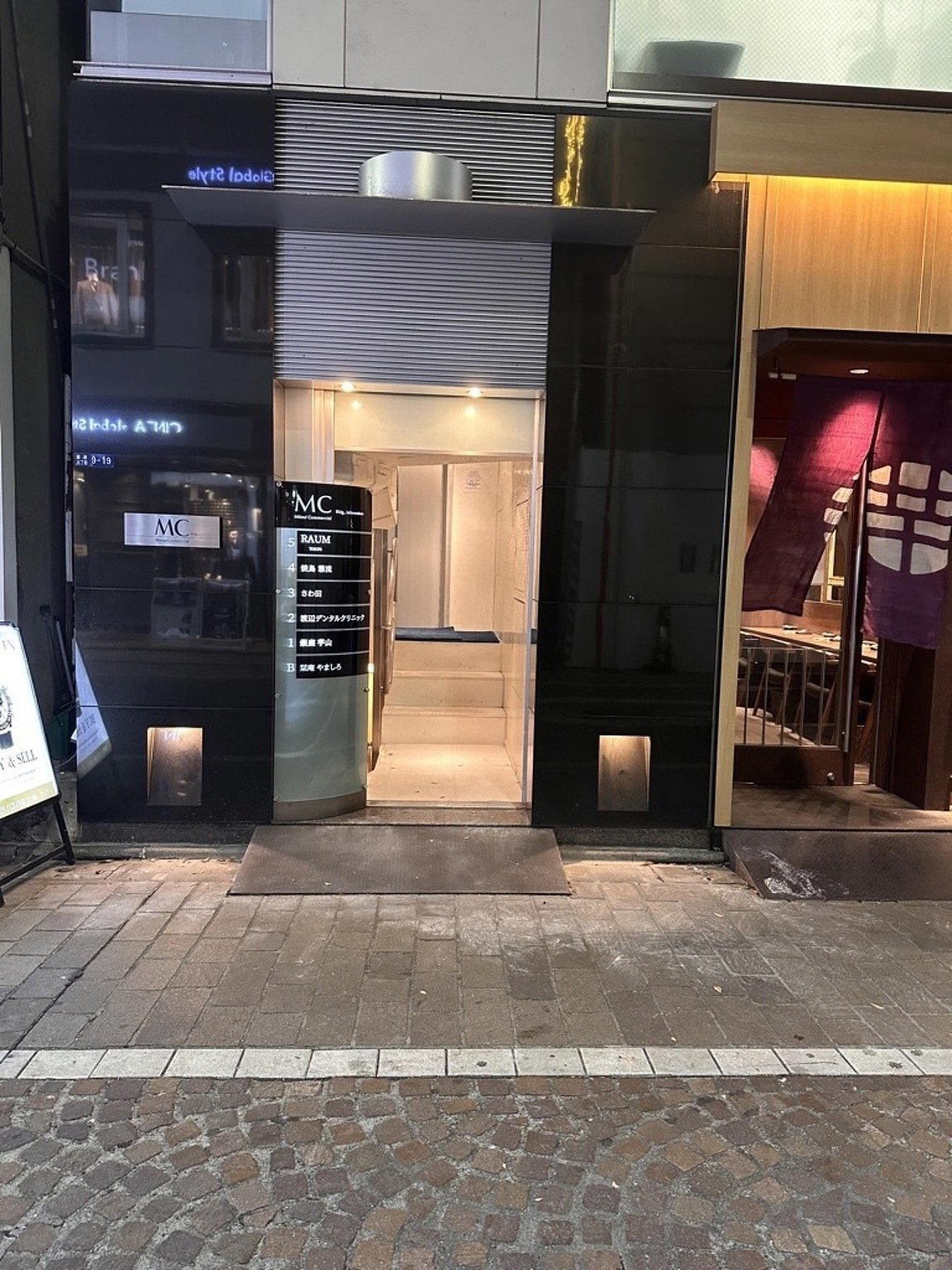
Takahashi is located at 5 Chome-17-8 Higashiueno, Taito City, Tokyo, in a ground-floor unit of a residential building, a format common among serious Japanese restaurants that prioritise controlled dining environments over street-level visibility. The ¥¥¥ price point suggests a per-person spend that sits comfortably below the star-tier kaiseki houses in Ginza or Azabu, making it one of the more approachable serious kaiseki options in the city.
For broader Tokyo dining context, our full Tokyo restaurants guide covers the city's full range of categories and price points. If accommodation is part of your planning, our Tokyo hotels guide provides neighbourhood-level orientation. Those building a Japan itinerary beyond the capital will find relevant comparisons in HAJIME in Osaka, akordu in Nara, Goh in Fukuoka, 1000 in Yokohama, and 6 in Okinawa. Tokyo's bar and experience programming is covered in our Tokyo bars guide and our Tokyo experiences guide, with our Tokyo wineries guide relevant for those exploring Japanese wine and sake alongside the food.
Frequently asked questions
How do I find Takahashi?
Takahashi is located at Japan, 〒110-0015 Tokyo, Taito City, Higashiueno, 5 Chome−17−8 中銀第2東上野マンシオン 1F-101号, Tokyo.
What's the price range at Takahashi?
Pricing at Takahashi is listed as ¥¥¥.
Is Takahashi award-winning?
Takahashi has received recognition including: After studying kaiseki cuisine, the chef moved to Singapore to spread awareness of Japanese cuisine. He returned out of renewed appreciation for the quality of Japanese ingredients. Exceptionally particular about his ingredients, the chef r….
What do people recommend at Takahashi?
Takahashi follows a seasonal kaiseki structure, meaning there is no fixed dish to single out — the chef personally inspects ingredients at market before each service, so what arrives at the table is dictated by what was worth buying that day. Given the Michelin Plate recognition in 2025, the multi-course sequence itself is the draw, not any one preparation. Expect the meal to reflect classical kaiseki logic: courses sequenced by texture, temperature, and seasonal intent rather than individual showstoppers.
Should I book Takahashi in advance?
Yes. Kaiseki restaurants in Tokyo operate on fixed course formats with small seat counts and ingredient orders placed ahead of service — walk-ins are not a realistic option. Takahashi's Michelin Plate status in 2025 adds pressure to availability, particularly on weekends. check the venue's official channels to confirm current booking windows, as lead times at this tier typically run from two to four weeks minimum.
Side-by-Side Snapshot
A quick peer reference to anchor this venue in its category.
| Venue | Cuisine | Price | Awards | Notes |
|---|---|---|---|---|
| TakahashiThis venue — the venue you are viewing | Kaiseki Japanese Cuisine | $150–200 | Michelin Plate | Not listed |
| Harutaka | Edo-Style Omakase Sushi | $200–300 | 3 Michelin Stars · World's 50 Best #76 | Sushi |
| RyuGin | Modern Kaiseki | $500+ | 3 Michelin Stars · World's 50 Best #41 | Kaiseki, Japanese |
| L'Effervescence | Modern French with Japanese Influences | $200–300 | 3 Michelin Stars · World's 50 Best #69 | French |
| HOMMAGE | Modern French with Japanese Influences | $150–200 | 2 Michelin Stars · World's 50 Best #78 | Innovtive French, French |
| MAZ | Innovative Peruvian-Japanese Fusion | $150–200 | 2 Michelin Stars · World's 50 Best #28 | Innovative |
Recognition history
Dated appearances from independent guides and award organizations, with the underlying list record or original source where available.
Michelin Plate
Michelin
Full recognition history (2 entries)
Michelin Plate
Michelin










Details
- Elegant
- Intimate
- Sophisticated
- Special Occasion
- Date Night
- Sake Program
- Local Sourcing
- Omakase
Current opening hours
- Monday
- 11:30 AM–1:30 PM, 6–9:30 PM
- Tuesday
- 11:30 AM–1:30 PM, 6–9:30 PM
- Wednesday
- 11:30 AM–1:30 PM, 6–9:30 PM
- Thursday
- 11:30 AM–1:30 PM, 6–9:30 PM
- Friday
- 11:30 AM–1:30 PM, 6–9:30 PM
- Saturday
- 11:30 AM–1:30 PM, 6–9:30 PM
- Sunday
- Closed
Hours can change for holidays and private events. Last verified .
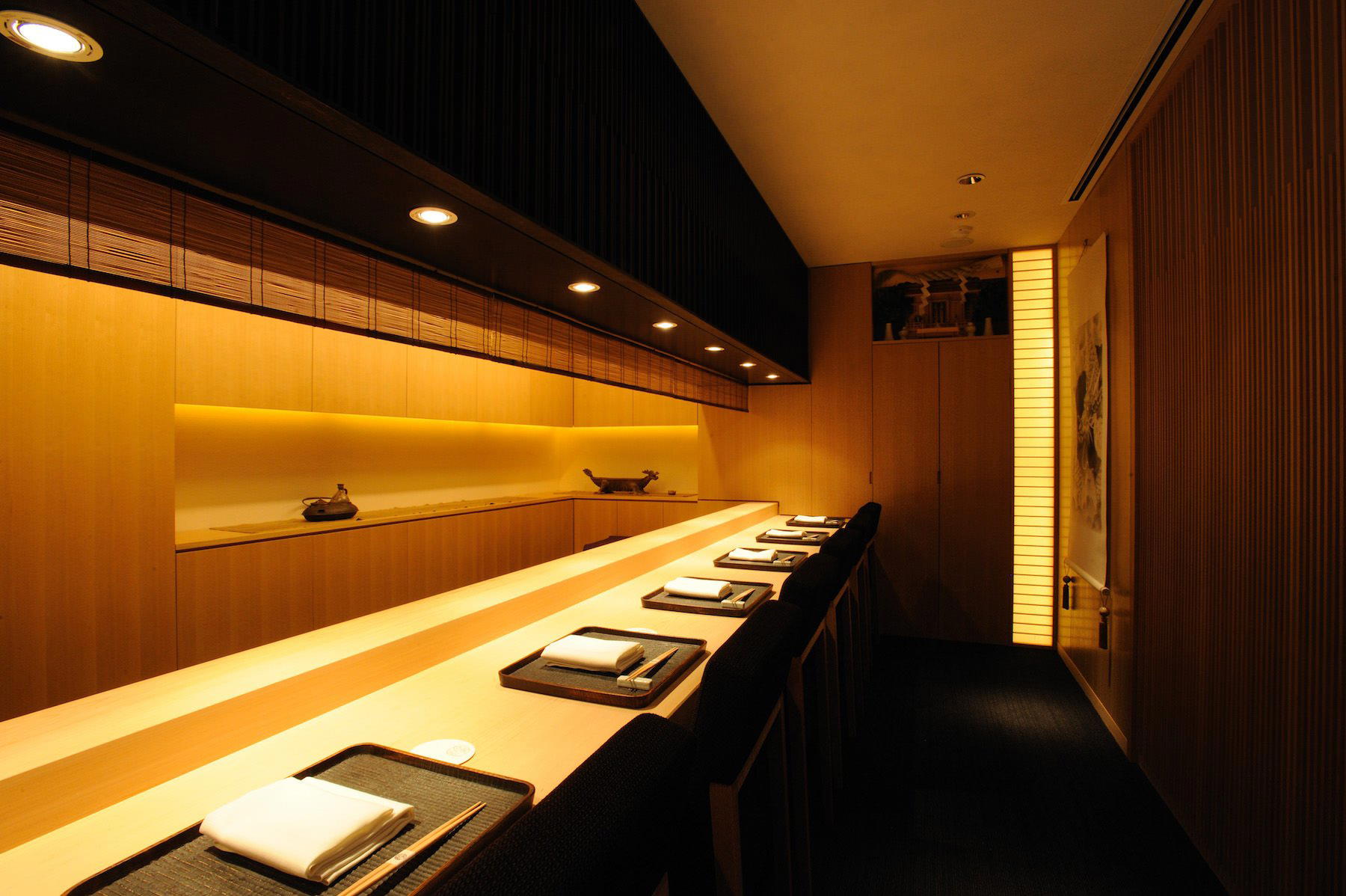
Stylish and relaxing counter seating space with attentive hospitality.