Toh Lim

Michelin Plate
Our verdict
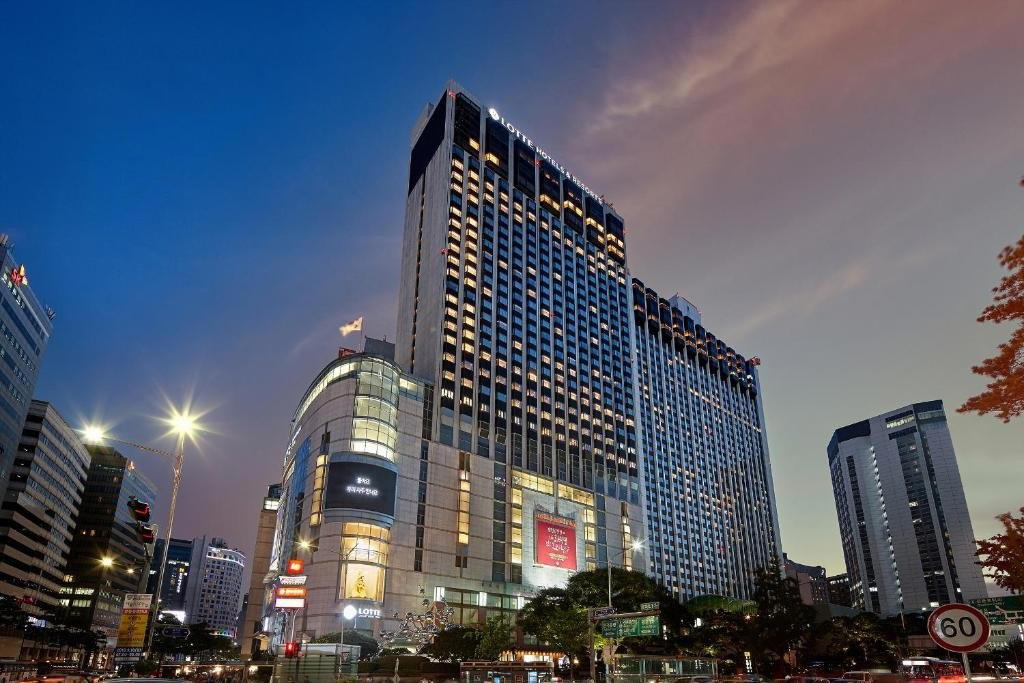
Toh Lim occupies the 37th floor of Lotte Hotel Seoul's Main Tower in Jung District, bringing Cantonese and broader Chinese cooking to one of the city's most prominent hotel dining addresses. The restaurant has held a Michelin Plate in both 2024 and 2025, placing it in Seoul's recognised tier of Chinese fine dining alongside a small group of hotel-based peers.

Pearl is the En Primeur Club membership app, where members save venues, book tables and use the concierge.
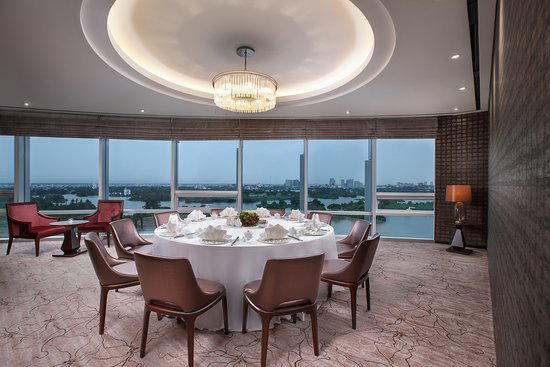
Chinese Fine Dining at Altitude: Seoul's Hotel Tower Tier
There is a specific register of restaurant that only a certain kind of city produces: the high-floor hotel dining room that manages, against the odds, to be taken seriously by critics. Seoul has several candidates, and Toh Lim on the 37th floor of Lotte Hotel Seoul's Main Tower in Eulji-ro, Jung District, has earned its place among them. Two consecutive Michelin Plate recognitions, in 2024 and 2025, confirm that the kitchen is operating at a level the guide's inspectors consider worth noting, even if it has not yet crossed into starred territory. At the ₩₩₩₩ price point, it competes directly with Seoul's premium Chinese dining rooms, most of which are also hotel-anchored, and the altitude here is not merely a metaphor for ambition: the 37th floor puts the Han River basin and the northern mountain ridge into the frame, which shapes the experience before a single dish arrives.
Seoul's Chinese restaurant scene has a character that differs from the Chinese dining ecosystems in Hong Kong, Singapore, or Taipei. The city has a long-established Sino-Korean culinary tradition rooted in Incheon's Chinatown and the Jajangmyeon lineage, but the fine-dining tier is a more recent construction, driven largely by hotel groups competing for business entertainment and wedding banquet revenue. That context matters when assessing somewhere like Toh Lim: the hotel Chinese restaurant in Seoul is a specific institutional form, built for a clientele that measures occasion dining in terms of setting and service reliability as much as kitchen creativity. The Michelin Plate, awarded to restaurants the guide considers worth a stop without rising to starred level, is the natural recognition for a well-executed entry in this category.
What the Awards Signal About the Kitchen
The Michelin Plate is sometimes misread as a consolation prize, but its function in the guide's taxonomy is precise: it marks cooking that is good, consistent, and appropriate to its context. For a ₩₩₩₩ hotel Chinese room in Seoul, holding the Plate in back-to-back years signals that inspectors returned and found the kitchen maintaining its standards. That continuity is the meaningful data point. Seoul's competitive tier of Chinese fine dining includes Haobin, Yu Yuan, and Crystal Jade, all operating at comparable price brackets and with overlapping guest profiles. Within that set, sustained Michelin recognition across multiple cycles is not automatic; plenty of hotel dining rooms in Seoul's luxury tier have not received it.
Globally, the category of Chinese fine dining inside Western or non-Chinese-heritage cities has produced some of the guide's more interesting recognitions. Restaurant Tim Raue in Berlin and Mister Jiu's in San Francisco both demonstrate how Chinese culinary frameworks can earn serious critical attention outside their originating geographies, while VELROSIER in Kyoto shows how that dynamic plays out in another East Asian capital. Toh Lim operates in a different mode, closer to the institutional hotel fine dining model than to the chef-led independent, but the Michelin signal is the same language across all of them: the kitchen is doing its job at the level the category demands.
Hotel restaurants at this price point often accumulate reviews from a mix of hotel guests, local business diners, and occasion celebrants, which can dilute the signal. A sustained 4.5 across 233 responses suggests broad satisfaction rather than polarised reception, which is consistent with the profile of a kitchen optimised for reliability.
Positioning Toh Lim within its immediate competitive set requires a brief map of how Seoul's Chinese fine dining tier is structured. Hong Yuan and Jin Jin occupy overlapping territory, and the ₩₩₩₩ bracket across all of these venues reflects the shared reality that premium Chinese cooking in Seoul, particularly in hotel settings, prices at the upper end of the city's dining range. For context, that same ₩₩₩₩ tier is also occupied by Korean fine dining rooms like Gaon and Kwon Sook Soo, both of which carry Michelin stars, meaning Toh Lim's price point is calibrated against starred Korean competition as much as against its Chinese-cuisine peers.
The Jung District location is relevant to the guest profile. Lotte Hotel Seoul sits in the central business district, drawing a corporate and diplomatic clientele that differs from the leisure-skewed crowds of Gangnam's hotel dining rooms. Banquet formats and private dining rooms are typically a structural feature of Chinese hotel restaurants in this part of the city, serving the group business that underpins much of the revenue model at this address.
When and How to Visit
Jung District's central position makes Toh Lim accessible from most of Seoul's accommodation clusters, with Euljiro 1-ga station on Line 2 providing the most direct metro access to the Lotte Hotel building. The 37th floor position means natural light and cityscape views are a meaningful part of the dining experience, which is worth factoring into booking timing: lunch on a clear day offers the full panorama, while dinner frames the city grid in lights. Seoul's dining calendar peaks around Chuseok and Lunar New Year, when business entertainment volumes rise sharply and hotel restaurant reservations fill well in advance.
At ₩₩₩₩, Toh Lim sits in the bracket where advance booking is expected rather than optional. Guests approaching Seoul's broader dining and hospitality picture for the first time can orient via our full Seoul restaurants guide, our full Seoul hotels guide, our full Seoul bars guide, our full Seoul wineries guide, and our full Seoul experiences guide. Those extending beyond the capital can note that serious kitchen work is also happening elsewhere in the country, at places like Mori in Busan and Baegyangsa Temple in Jangseong-gun, and further afield at The Flying Hog in Seogwipo.
Quick Comparison: Premium Chinese Dining in Seoul
| Venue | Price Tier | Michelin Recognition | Setting |
|---|---|---|---|
| Toh Lim | ₩₩₩₩ | Plate 2024, 2025 | Hotel tower, 37F, Jung District |
| Haobin | ₩₩₩₩ | See venue page | Seoul |
| Yu Yuan | ₩₩₩₩ | See venue page | Seoul |
| Crystal Jade | ₩₩₩₩ | See venue page | Seoul |
| Hong Yuan | ₩₩₩₩ | See venue page | Seoul |
What Regulars Order at Toh Lim
Chinese hotel restaurants at this tier in Seoul typically anchor their menus around Cantonese-rooted preparations: whole roasted meats, dim sum at lunch, and composed seafood dishes that allow the kitchen to demonstrate technical range. Banquet-format set menus are standard for group bookings, while à la carte options serve the solo business diner or couple celebrating an occasion. For Toh Lim specifically, regulars who have left reviews point toward the reliability of the cooking across multiple visits rather than a single standout dish, which is consistent with a kitchen built for consistency over surprise. The ₩₩₩₩ price point implies multi-course dining where the value proposition is the setting and service package as much as any individual plate.
Frequently asked questions
What kind of recognition has Toh Lim received?
Toh Lim has received recognition including: Michelin Plate (2025); Michelin Plate (2024).
What do regulars order at Toh Lim?
At this price point within a major international hotel tower, banquet-style set menus typically drive repeat visits. For confirmed current dishes, contacting the Lotte Hotel Seoul directly through the main tower is the most reliable route.
What price level is Toh Lim?
Pricing at Toh Lim is listed as ₩₩₩₩.
How do I find Toh Lim?
Toh Lim is located at South Korea, Seoul, Jung District, Eulji-ro, 30 롯데호텔서울 Main Tower 37층, Seoul.
Peers in This Market
| Venue | Cuisine | Price | Awards | Notes |
|---|---|---|---|---|
| Toh LimThis venue (the venue you are viewing) | Authentic Cantonese Fine Dining | $100–150 | Michelin Plate | Not listed |
| 7th Door | Modern Korean Fermentation Fine Dining | $100–150 | 1 Michelin Star · World's 50 Best #49 | Korean, Contemporary |
| Solbam | Contemporary Neo-Classical Korean | $200–300 | 1 Michelin Star · World's 50 Best #55 | Contemporary |
| Onjium | Modern Korean Royal Court Cuisine | Not listed | 1 Michelin Star · World's 50 Best #14 | Korean |
| L'Amitié | Classic French Fine Dining | $100–150 | 1 Michelin Star · La Liste Top Restaurants | French |
| Zero Complex | Modern French Neo-Bistro | $100–150 | 1 Michelin Star · La Liste Top Restaurants | Korean-French, Innovative |
Recognition history
Dated appearances from independent guides and award organizations, with the underlying list record or original source where available.
Michelin Plate
Michelin
Full recognition history (3 entries)
Michelin Plate
Michelin
Michelin Plate
Michelin
Continue exploring
More in Seoul
Restaurants in Seoul
All restaurants in Seoul →
Bars in Seoul
All bars in Seoul →
Details
- Elegant
- Sophisticated
- Modern
- Business Dinner
- Family
- Special Occasion
- Panoramic View
- Private Dining
- Hotel Restaurant
- Sake Program
- Skyline
- Mountain
- A La Carte
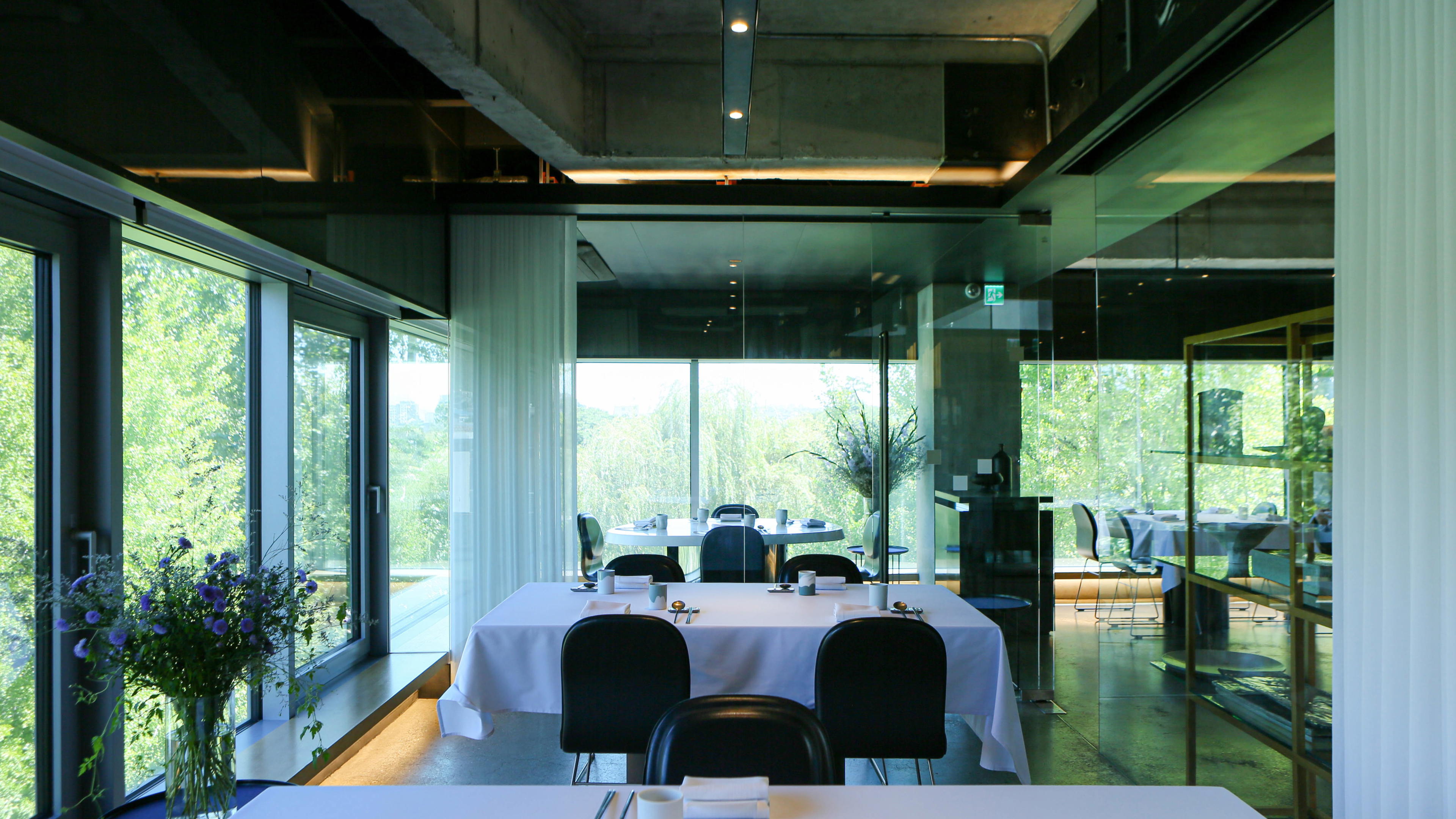
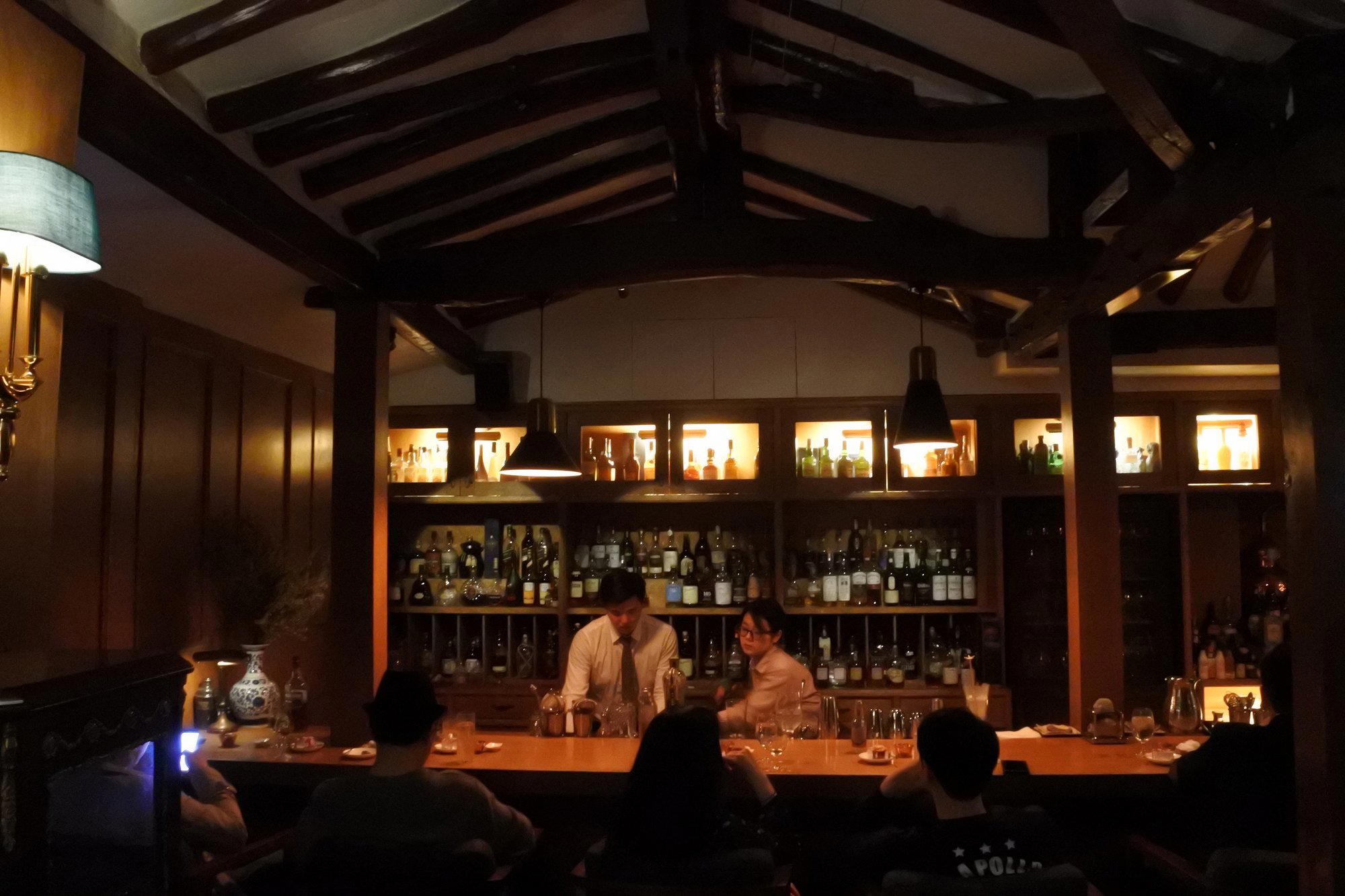
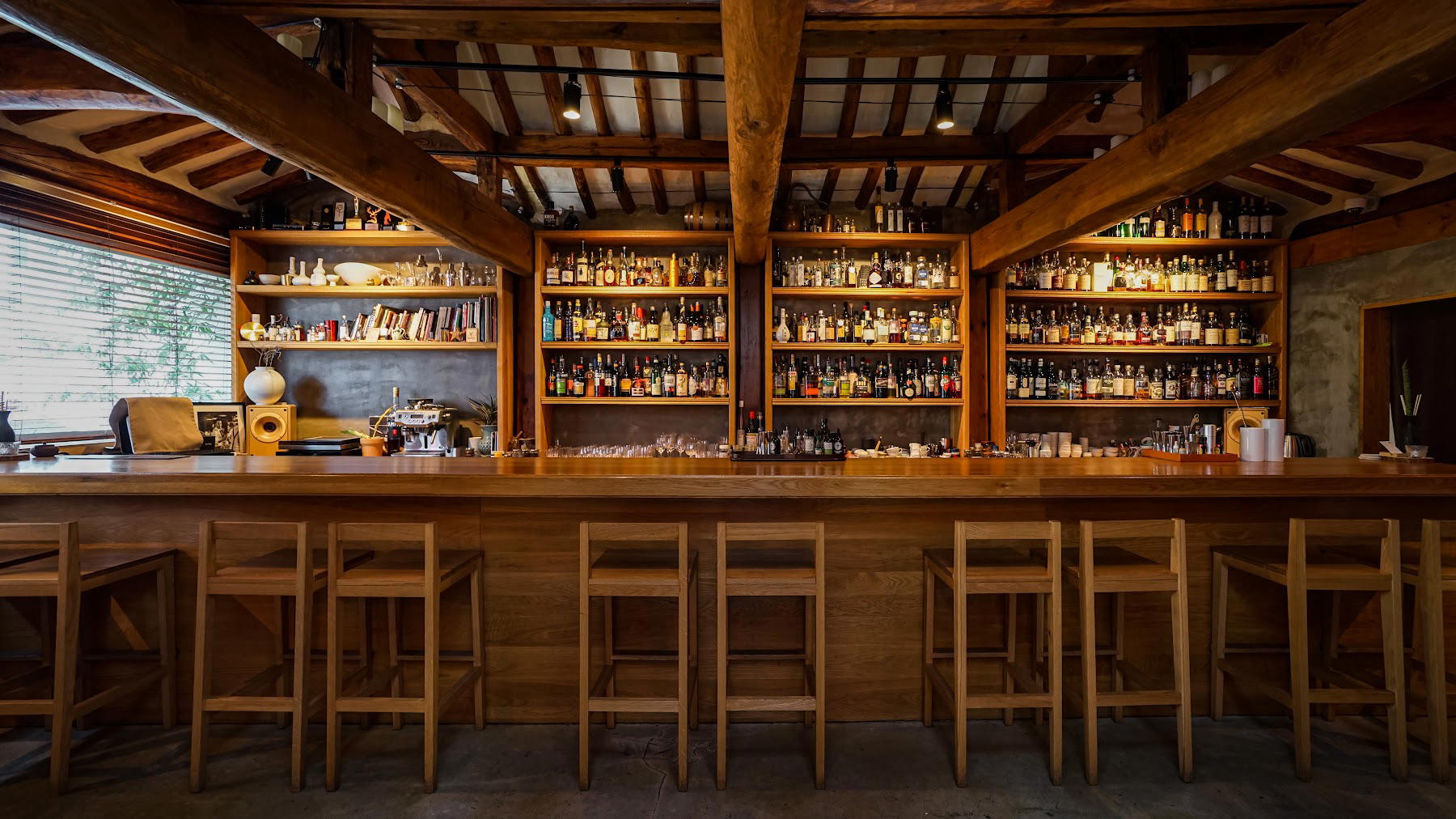
Refined, East-inspired setting with elegant lighting, jade green and natural wood tones, and a gallery-like atmosphere.