Rialto


Michelin Plate · Gambero Rosso 1 Forchetta
Our verdict
A Michelin Plate holder in Gangnam's Samseong-ro corridor, Rialto brings Italian cooking to a neighbourhood better known for corporate dining and Korean fine-dining flagships. The ₩₩ price range makes it one of the more accessible addresses in that bracket.

Pearl is the En Primeur Club membership app, where members save venues, book tables and use the concierge.
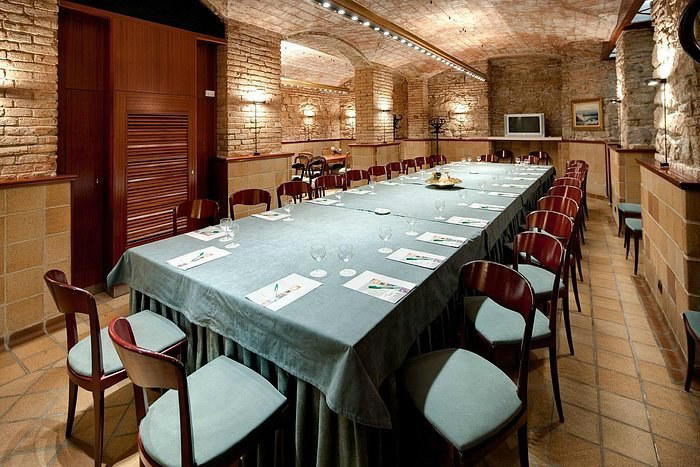
Italian Structure in a Korean Fine-Dining District
Gangnam's Samseong-ro corridor runs between corporate towers and high-end residential blocks, and its restaurant mix reflects that duality: Korean tasting-menu houses at the leading end, neighbourhood specialists filling the middle ground. Italian cooking occupies a specific niche in this context. It sits outside the dominant Korean and French fine-dining registers that define the area's prestige tier, yet it draws a consistent audience, partly because the structural logic of Italian menus, antipasti, primi, secondi, translates readily to Seoul diners already accustomed to multi-course progression. Rialto, at 13 2F Samseong-ro 149-gil, occupies the second floor of a building in that corridor, a physical position that signals a deliberate removal from ground-level foot traffic in favour of a more contained dining room.
The second-floor placement matters more than it might seem in Seoul, where the vertical distribution of restaurants is a real indicator of format. Street-level positions in Gangnam tend toward high-turnover casual or flagship visibility. Second and third floors belong to restaurants that depend on destination intent rather than passing trade. For an Italian address holding two consecutive Michelin Plate recognitions, 2024 and 2025, the expectation from that audience is a focused, menu-driven experience rather than a casual drop-in.
What Two Michelin Plate Recognitions Signal
The Michelin Plate designation, awarded in both 2024 and 2025, marks Rialto as a restaurant the Michelin inspectors consider worth eating at, a meaningful distinction in a city where the Guide's Seoul coverage is dense and competitive. The Plate sits below starred status but above the broader field; in practice, it functions as a quality signal for diners who trust the Guide's framing. Italian restaurants earning Michelin recognition here tend to sit in one of two modes: either full fine-dining formats with Italian-Korean ingredient integrations, or more classically structured trattorias and osterie that make their case through technique and sourcing rigour rather than conceptual novelty. The ₩₩ price range at Rialto aligns it with the latter approach, where the argument is made through cooking rather than through ambition of format or ingredient prestige.
For comparison, Borgo Hannam and Il Vecchio represent other Italian addresses in Seoul's competitive field, each making distinct arguments about what Italian cooking looks like in this city. Rialto's Gangnam location and mid-range pricing place it in a different strategic position from Hannam-dong counterparts, serving a different neighbourhood demographic while competing for the same critical recognition.
Menu Architecture: Italian Sequence in a Korean Context
The structural logic of Italian menus has a particular resonance in Seoul. Korean dining already operates through sequence and shared distribution, so the progression from antipasti through primi and secondi reads less as foreign formality and more as a parallel grammar. What distinguishes Italian restaurants that earn sustained critical attention in Asian cities, from 8 1/2 Otto e Mezzo Bombana in Hong Kong at the starred end to cenci in Kyoto in Japan, is how they handle the pasta course. Pasta represents the clearest technical test in Italian cooking: the ratio of flour and egg, the hydration, the texture under tooth, and the sauce's integration with the pasta's surface. In markets where Italian cooking competes against deeply ingrained local noodle and grain traditions, getting pasta right is not a baseline, it is the argument.
Rialto's ₩₩ positioning means the menu operates within a price discipline that favours Italian staples over prestige ingredients. That constraint is not necessarily a limitation. Some of the most convincing Italian cooking in Asian cities comes from addresses that commit to this lane, Frasca Food and Wine in Boulder offers a reference point for how regional Italian focus within a mid-tier budget can produce a coherent, critically recognised identity. The Michelin Plate confirmation across two consecutive years suggests Rialto has found a consistent register within that discipline.
Addresses like Doughroom, Egg and Flour, and Osteria Orzo represent the broader Seoul market for Italian-adjacent carbohydrate-focused cooking, each with a different format and audience. Rialto's critical positioning separates it from that casual-leaning cohort while staying below the investiture required by Seoul's top-end Italian or French addresses.
Gangnam and Seoul's Italian Restaurant Geography
Seoul's Italian restaurant geography has shifted over the past decade. The earlier concentration in Itaewon and Hannam-dong, areas with high expat density and a tradition of Western dining, has expanded into Gangnam, where local Korean professionals have developed appetite for European formats that go beyond the business-entertainment Korean restaurant. Samseong-ro specifically sits close to COEX and the major hotel belt, which creates a mixed audience of corporate diners, hotel guests, and destination-seekers. Italian at the ₩₩ level in this zone competes not just with other Italian addresses but with Korean casual-to-mid formats that have significant home-turf advantage.
For visitors building a Seoul itinerary around the city's full dining spectrum, Rialto functions as one waypoint among a broader set. Gaon in Seoul and Kwon Sook Soo in Gangnam-gu represent the highest tier of Korean fine dining in the same broad district, while Rialto offers an alternative register in the same geography.
Beyond Gangnam, Mori in Busan and Baegyangsa Temple in Jangseong-gun illustrate the geographic breadth of Korea's dining recognition, while The Flying Hog in Seogwipo shows how Western cooking finds footholds in unexpected Korean regions. Seoul's Italian category remains the densest concentration of that Western-in-Korea dynamic.
For deeper coverage of the city's restaurant field, our full Seoul restaurants guide maps the full range. Our Seoul hotels guide, bars guide, wineries guide, and experiences guide complete the planning picture for visitors building a full itinerary.
Know Before You Go
- Address: 13 2F Samseong-ro 149-gil, Gangnam District, Seoul, South Korea
- Cuisine: Italian
- Price range: ₩₩ (mid-range)
- Awards: Michelin Plate 2024; Michelin Plate 2025
- Floor: Second floor, destination dining, not walk-in casual
- Getting there: Samseong-ro is served by Samseong station (Line 2) and is within walking distance of the COEX complex
What Rialto Is Known For
Rialto does not have a single documented signature dish in EP Club's verified data, and generating specific menu claims without a confirmed source would misrepresent the record. What the Michelin Plate designation across 2024 and 2025 does confirm is consistent kitchen performance within an Italian format at a mid-range price point in one of Seoul's most competitive dining districts. In the context of Seoul's Italian category, that consistency, rather than a single headline dish, is the more meaningful signal. Italian cooking earns sustained critical recognition in Asian markets when the fundamentals of pasta, sauce integration, and sourcing discipline hold across service rather than peaking on a single showpiece item. The two-year Plate record suggests that standard is being met at Rialto with enough regularity to satisfy Michelin's inspection threshold.
Credentials Lens
A quick peer reference to anchor this venue in its category.
| Venue | Cuisine | Price | Awards | Notes |
|---|---|---|---|---|
| RialtoThis venue (the venue you are viewing) | Northern Italian Trattoria | Not listed | Michelin Plate · Gambero Rosso 1 Forchetta | Not listed |
| 7th Door | Modern Korean Fermentation Fine Dining | $100–150 | 1 Michelin Star · World's 50 Best #49 | Korean, Contemporary |
| Solbam | Contemporary Neo-Classical Korean | $200–300 | 1 Michelin Star · World's 50 Best #55 | Contemporary |
| Onjium | Modern Korean Royal Court Cuisine | Not listed | 1 Michelin Star · World's 50 Best #14 | Korean |
| L'Amitié | Classic French Fine Dining | $100–150 | 1 Michelin Star · La Liste Top Restaurants | French |
| Zero Complex | Modern French Neo-Bistro | $100–150 | 1 Michelin Star · La Liste Top Restaurants | Korean-French, Innovative |
Recognition history
Dated appearances from independent guides and award organizations, with the underlying list record or original source where available.
Michelin Plate
Michelin
Gambero Rosso 1 Forchetta
Gambero Rosso
Full recognition history (4 entries)
Michelin Plate
Michelin
Michelin Plate
Michelin
Continue exploring
More in Seoul
Restaurants in Seoul
All restaurants in Seoul →
Bars in Seoul
All bars in Seoul →

Details
- Cozy
- Elegant
- Date Night
- Special Occasion
- Natural Wine
- Local Sourcing
- A La Carte
- Natural Wine
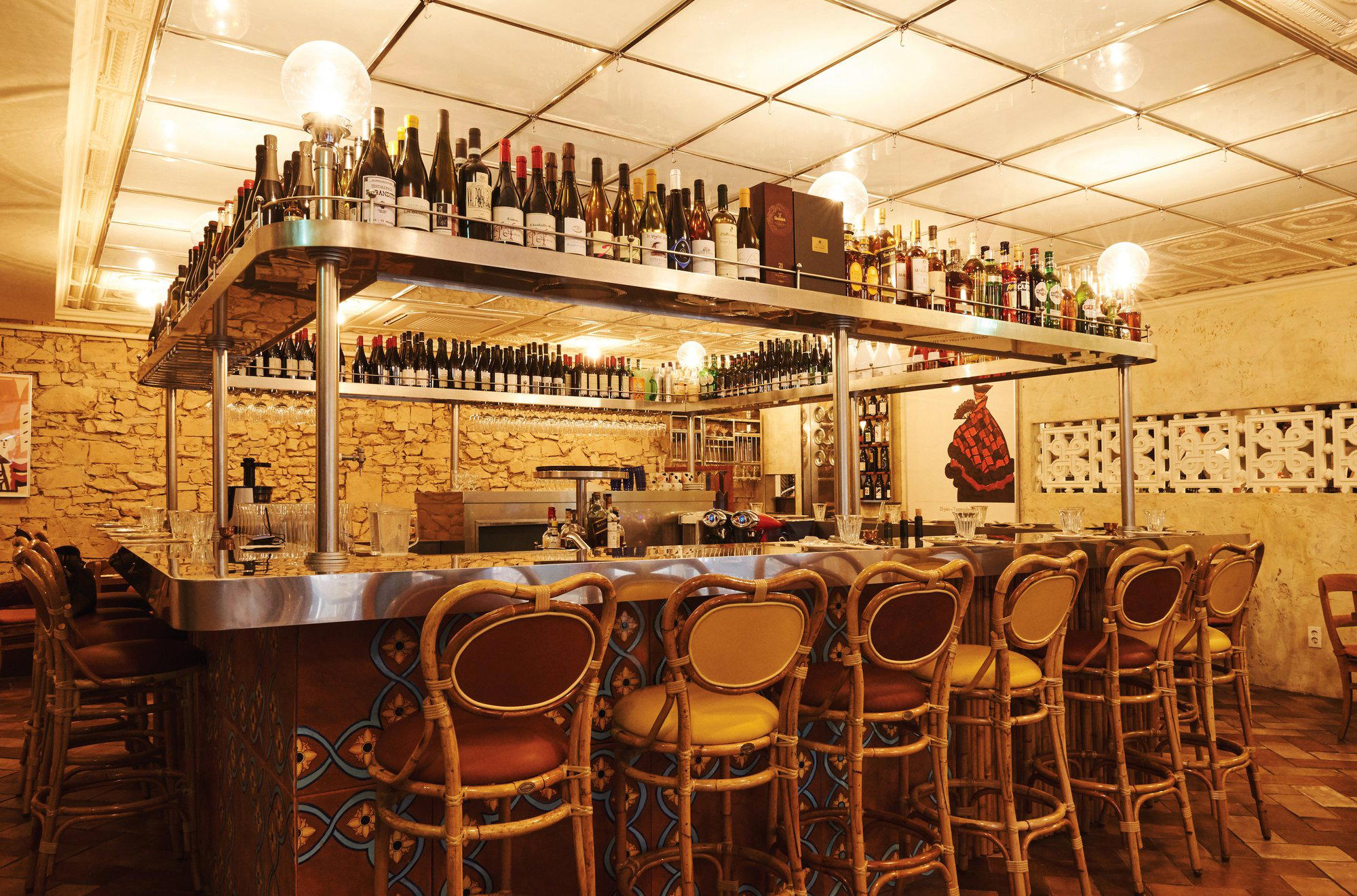
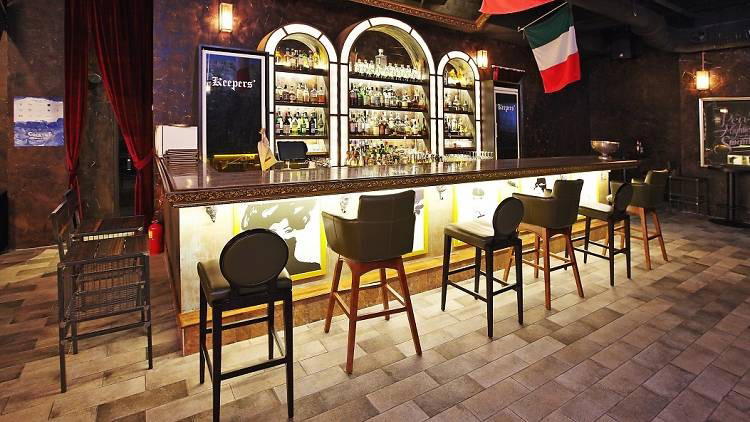
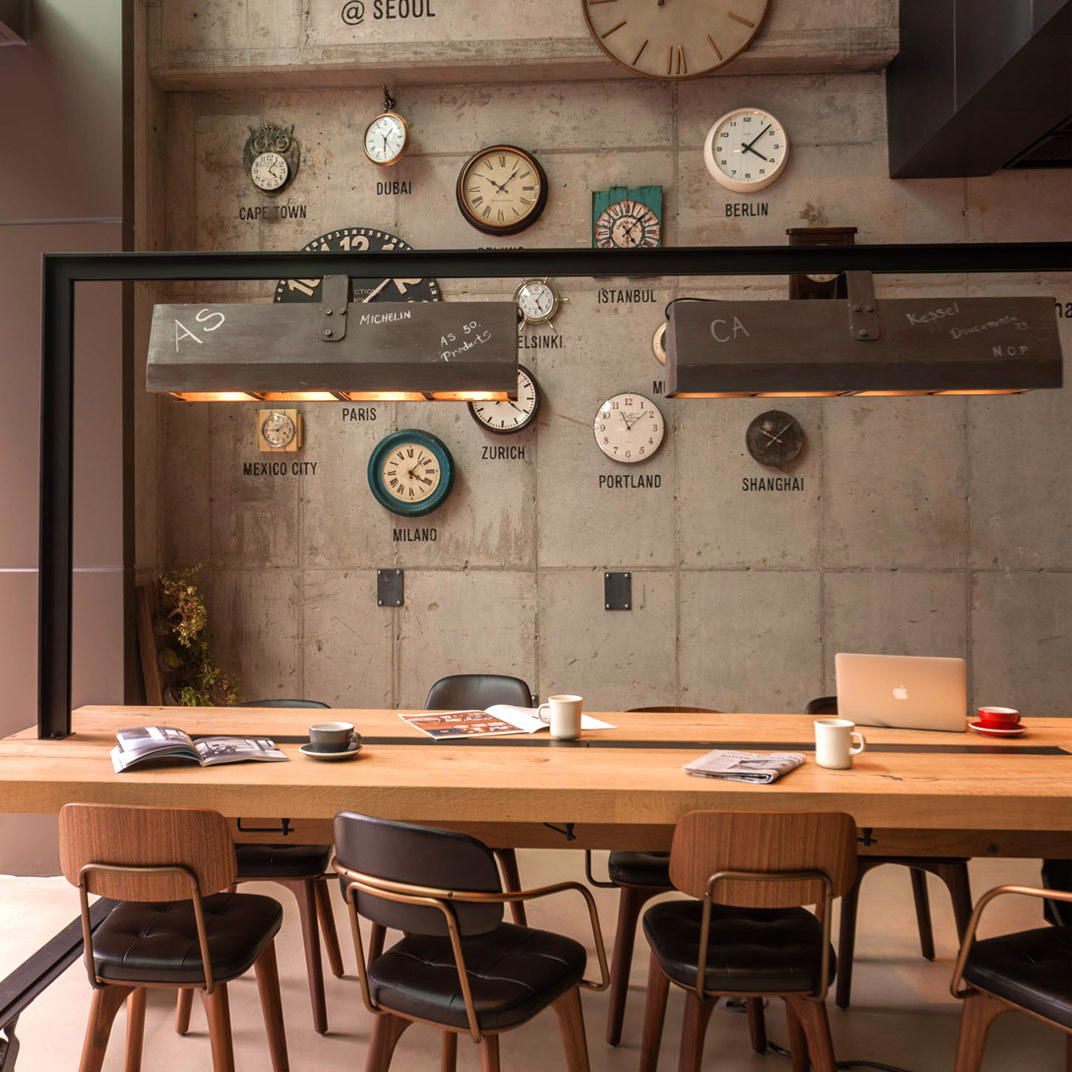
Cozy ambiance with warm hospitality, enveloped by aromas of freshly baked bread and simmering sauces.