Tlamanalli
Our verdict
In the weaving village of Teotitlán del Valle, Tlamanalli occupies a particular position in Oaxacan dining: a kitchen grounded in pre-Hispanic culinary practice, where ingredients sourced from the surrounding valley and highlands shape every dish. The cooking here draws from Zapotec tradition with a directness that urban Oaxacan restaurants often reference but rarely replicate at this proximity to the source.

Pearl is the En Primeur Club membership app — saves, bookings, and concierge access live there. Same editors, same standards.
- Address
- Tecutlan, 70420 Teotitlán del Valle, Oaxaca, Mexico
- Phone
- +52 951 524 4006
- Hours
- Mon ClosedTue–Sun 1–4 PM
- Directions
- Get directions
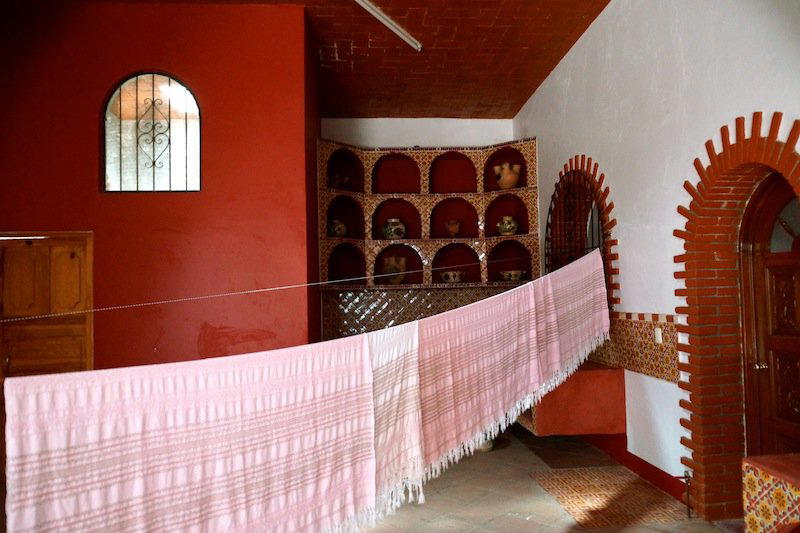
A Village Kitchen at the Edge of the Valley
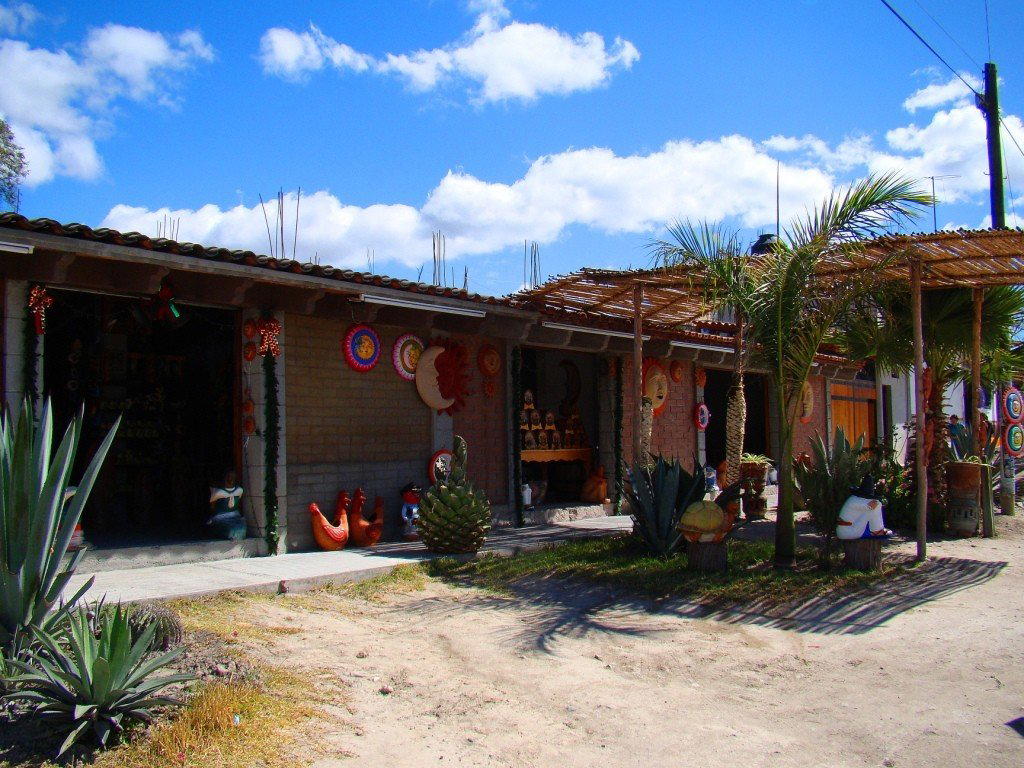
Teotitlán del Valle sits roughly 30 kilometres east of Oaxaca City on the road toward Mitla, a Zapotec weaving community where wool-dyed textiles hang from storefronts and the pace of commerce follows market day rather than tourist schedules. This is not a restaurant destination in the way Oaxaca City has become one. There is no cluster of wine bars nearby, no boutique hotel strip feeding foot traffic toward a dining room. Tlamanalli exists within the village on its own terms, which is precisely what makes its position in Oaxacan food culture worth understanding.
Approaching the restaurant, the physical context announces itself before the food does: the Sierra Juárez mountains frame the horizon to the north, agave and corn occupy the fields between the village and the highway, and the air carries the kind of altitude clarity that the city, at a lower elevation, does not. That geography is not incidental to the cooking. It is the cooking's primary argument.
Why Ingredient Origin Defines This Kitchen
The broader conversation about Mexican fine dining has spent the past decade circling around sourcing language: provenance, terroir, indigenous ingredients recovered from near-obscurity. At destinations like Pujol in Mexico City or Le Chique in Puerto Morelos, that sourcing narrative operates at a remove from origin, communicating through tasting menus and fine-dining frameworks what the ingredients represent. Tlamanalli's situation is structurally different: the kitchen is in the community where many of those ingredients are grown, traded, and consumed daily.
The Oaxacan valley produces a specific ecology of flavor that informs local cuisine in ways that are difficult to replicate outside it. Criollo corn varieties cultivated in the Central Valleys carry different starch profiles than commercial hybrids; the chiles grown at altitude in the Sierra Juárez develop heat curves and aromatics shaped by soil and diurnal temperature swings. Herbs like hierba santa and pitiona, the latter a Oaxacan wild oregano used in black bean preparations and mezcal, grow locally and lose volatile compounds quickly after harvest. In a kitchen at this proximity to those sources, those compounds are present in a way that urban kitchens cannot fully recover through supply chains, however careful.
This is the ingredient argument that Tlamanalli represents in the Oaxacan dining picture. It is not positioned against restaurants like Levadura de Olla in Oaxaca City so much as it occupies a different point in the sourcing geography entirely. Where city kitchens absorb ingredients from the surrounding valleys, this kitchen sits inside one of those valleys, within reach of the milpa systems and local market networks that supply the region.
Zapotec Culinary Tradition as the Working Framework
Oaxacan cuisine carries one of the most documented pre-Hispanic food lineages in Mexico, built around the milpa agricultural complex (corn, beans, squash grown together), a diverse mole tradition with regional variants across the eight regions of the state, and fermentation practices that predate colonial contact. In Teotitlán specifically, the Zapotec cultural continuity is more intact than in urban settings: the village has maintained its weaving cooperative structure, its calendar of festivals, and its food practices across generations in a way that urban migration and tourism pressure make harder to sustain in the city.
Restaurants that work within living culinary traditions rather than interpreting them through a modernist or fine-dining lens occupy a different critical category than their urban counterparts. The comparison set is not Arca in Tulum or Alcalde in Guadalajara, both of which engage indigenous ingredients through contemporary frameworks. Tlamanalli's culinary reference points are internal to Zapotec practice, which gives the cooking a different kind of authority: not the authority of innovation, but the authority of continuity.
That distinction matters for how a visitor should approach the meal. Expectations calibrated to modernist tasting menus or urban Mexican fine dining at the level of Pangea in San Pedro Garza García or KOLI Cocina de Origen in Monterrey will miss what the kitchen is doing. The measure here is fidelity to ingredient and tradition, not formal elaboration.
The Oaxacan Village Dining Format
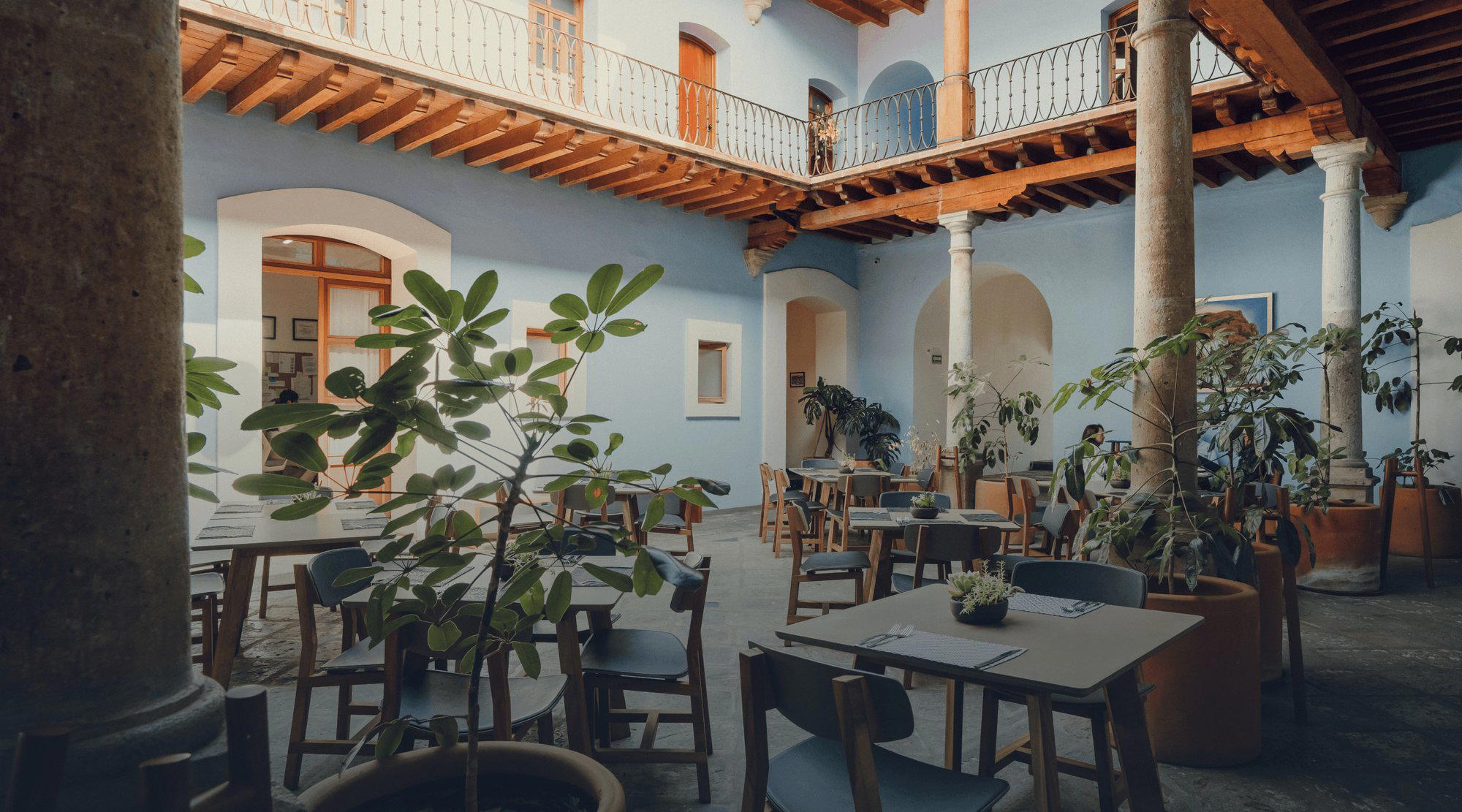
Village restaurants in the Central Valleys operate differently from city establishments. Hours follow local rhythms rather than tourist schedules; midday is typically the main service window, aligned with how Mexicans across the region organize their primary meal of the day. The physical setting in Teotitlán tends toward courtyard and covered patio configurations, integrating the surrounding agricultural and architectural landscape into the dining experience in a way that enclosed urban dining rooms cannot approximate.
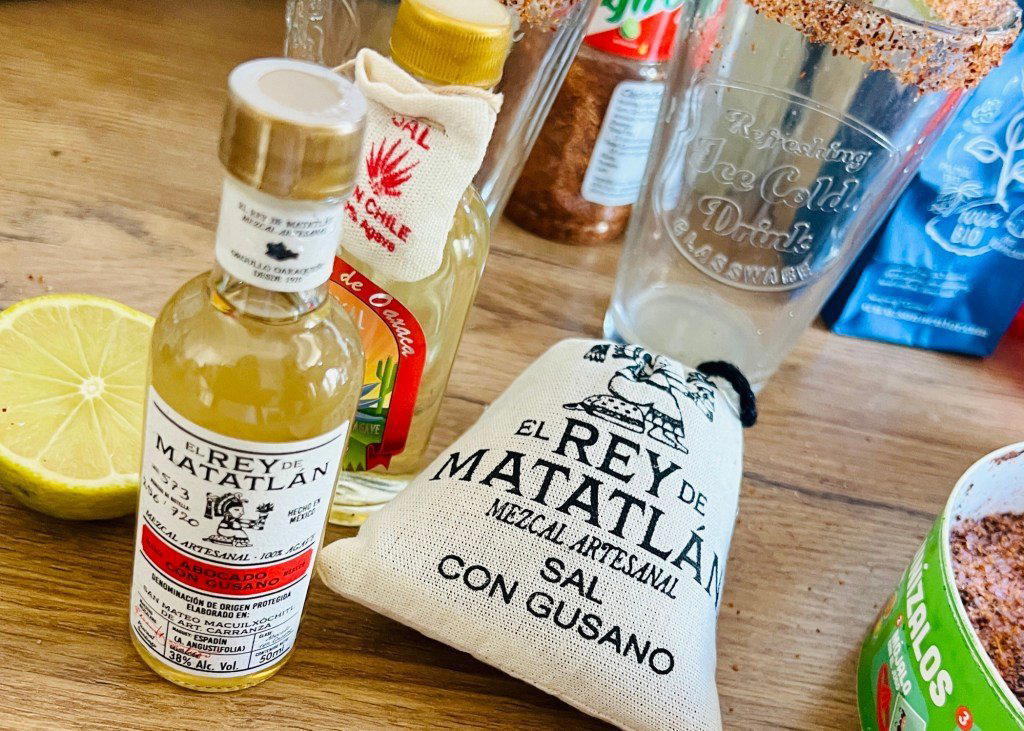
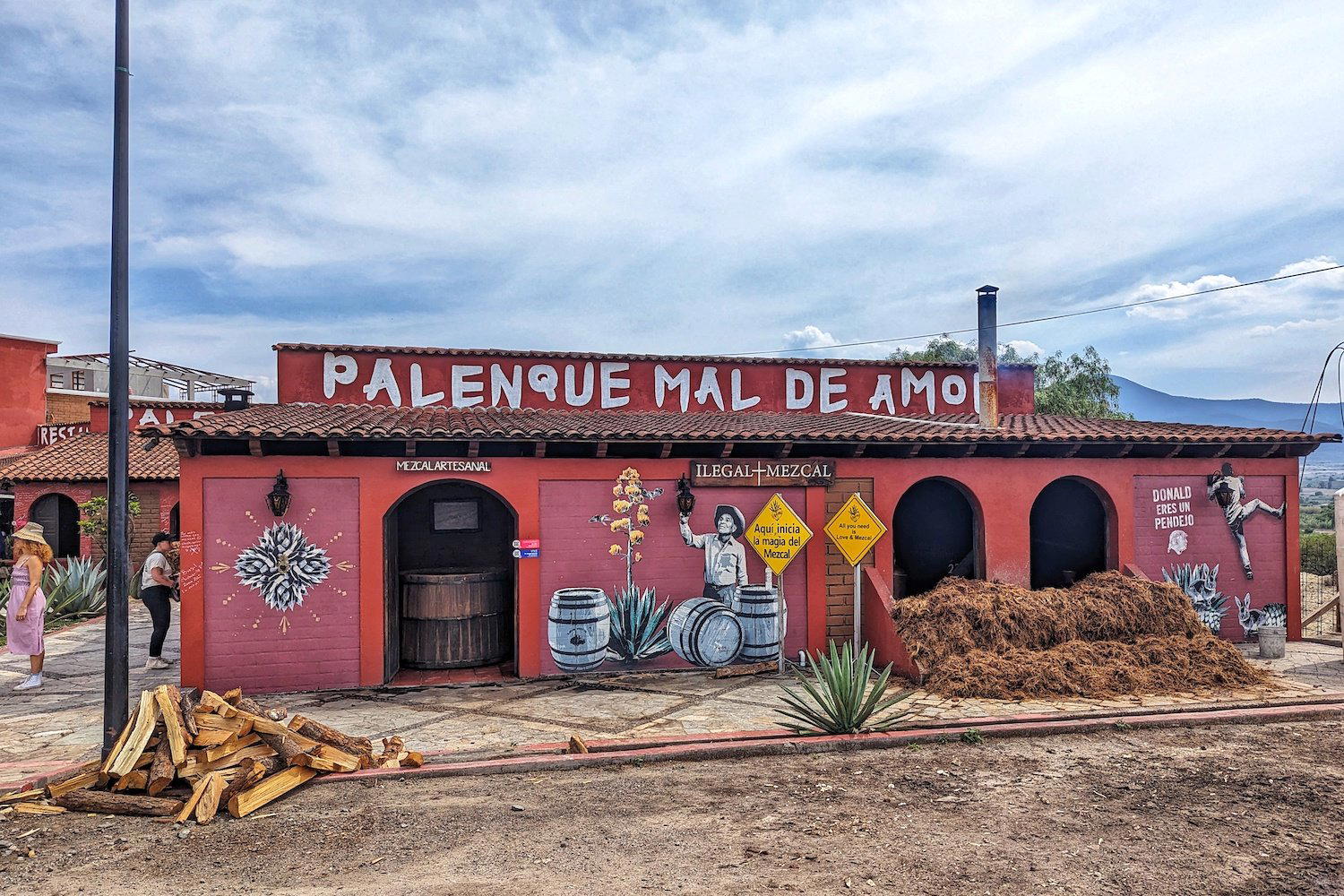
For travelers coming from Oaxaca City, the 30-kilometre drive east on Federal Highway 190 takes under an hour and pairs naturally with the Tlacolula market on Sundays, the Mitla archaeological site, or the mezcal producers in Santiago Matatlán that sit along the same road corridor. Building this into a day itinerary rather than treating it as a standalone dinner destination aligns with how the valley is leading experienced. Our full Teotitlan del Valle restaurants guide covers the broader dining picture in the village and the surrounding valley communities.
Where Tlamanalli Sits in the Wider Mexican Sourcing Conversation
The premium Mexican dining circuit has developed an increasingly sophisticated sourcing vocabulary over the past decade, and several restaurants along that circuit have built national and international reputations on it. Animalón in Valle de Guadalupe frames its identity around Baja's agricultural terroir. Olivea Farm to Table in Ensenada works within a farm-to-table framework with its own production land. HA' in Playa del Carmen and Huniik in Merida engage Yucatecan and Maya ingredient traditions through their respective lenses.
What Tlamanalli represents is a different point on that spectrum: not a contemporary kitchen that has chosen to source locally and communicate that choice through a curated dining format, but a community-embedded kitchen where local sourcing is the baseline condition rather than the editorial position. That distinction is not a hierarchy. It is a different category of experience, and one that the current wave of ingredient-forward Mexican dining has arguably made more, not less, relevant to travelers who want to understand what that sourcing language actually means at its origin.
For those making the case for why Oaxaca remains one of Mexico's most important culinary regions, restaurants like Gaia at Maykana in Riviera Maya, Tuna Blanca in Punta de Mita, or Lunario in El Porvenir offer points of comparison across Mexico's regional ingredient traditions. But the Oaxacan case is grounded in a cultural and agricultural continuity that the Central Valleys, and Teotitlán specifically, preserve more intact than almost anywhere else in the country.
Planning Your Visit
Teotitlán del Valle is accessible by car or taxi from Oaxaca City; local colectivos run along the highway but require a walk into the village from the turnoff. Midday is the practical window for lunch service in village restaurants of this type, making an early departure from the city advisable. The village's Sunday market and its proximity to the Tlacolula tianguis create natural pairing itineraries. Visitors should confirm current hours and availability directly on arrival or through local contacts, as small village restaurants in Oaxaca do not always maintain online booking infrastructure. For context on the broader Oaxacan bar and social scene before or after the valley drive, Bar Jardín Zócalo in Oaxaca City represents the city's more informal end of the hospitality picture.
Frequently asked questions
Can I bring kids to Tlamanalli?
Tlamanalli operates as a village kitchen in Teotitlán del Valle, a community setting that tends to be relaxed rather than formal. The format aligns with family dining in the Central Valleys tradition, where meals are served at communal pace. That said, hours follow local rhythms rather than tourist schedules, so confirming availability before arriving with children is advisable.
What is the atmosphere like at Tlamanalli?
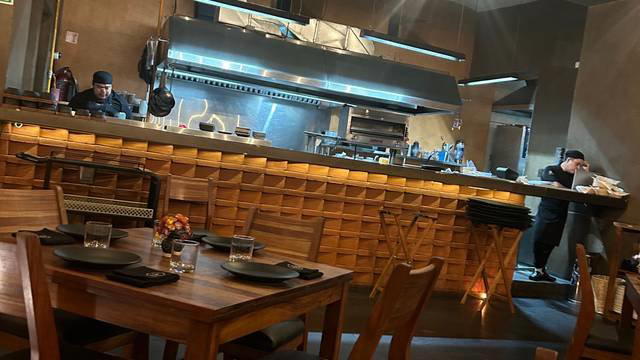
The setting is a village kitchen in Teotitlán del Valle, a Zapotec weaving community roughly 30 kilometres east of Oaxaca City. Expect a domestic, unhurried register rather than a city restaurant dining room — textiles, local materials, and a midday pace that reflects the surrounding community rather than a hospitality industry template.
Is Tlamanalli the right place to eat traditional Oaxacan food outside the city?
For visitors specifically seeking Zapotec culinary tradition rather than the contemporary Oaxacan dining scene, Teotitlán del Valle is one of the Central Valleys communities where that tradition has been maintained through daily cooking rather than recreation for tourism. Tlamanalli sits within that context in a village already known internationally for its Zapotec textile heritage, making the food and the setting mutually reinforcing rather than incidental.
What do regulars order at Tlamanalli?
Tlamanalli's kitchen draws from the Zapotec milpa tradition — corn, beans, squash, and chiles as the structural ingredients — so the ordering logic follows pre-Hispanic Oaxacan patterns rather than a menu built around proteins. Dishes tied to mole preparation and heirloom corn applications represent the kitchen's working framework, consistent with the broader Zapotec culinary lineage documented in the Central Valleys.
Where exactly is Tlamanalli?
Tlamanalli is located at Tecutlan, 70420 Teotitlán del Valle, Oaxaca, Mexico, Teotitlan Del Valle.
How far ahead should I plan for Tlamanalli?
Village restaurants in the Central Valleys, including those in Teotitlán del Valle, typically operate on midday service and close early or on variable days. Arriving without confirmation risks a closed door. Reaching out in advance — ideally through local contacts or accommodation in Oaxaca City — is the standard approach given that phone and web contacts are not publicly listed.
What's Tlamanalli best at?
Tlamanalli's core strength is anchoring Zapotec cooking in its actual geographic and cultural context: a working village in the Central Valleys where the ingredients, the traditions, and the community are the same ones that inform the food. That coherence between place and plate is what separates this kitchen from Oaxacan restaurants that adopt sourcing language without the underlying continuity.
How It Stacks Up
| Venue | Cuisine | Price | Awards | Notes |
|---|---|---|---|---|
| TlamanalliThis venue — the venue you are viewing | Traditional Zapotec Oaxacan | Not listed | Not listed | Not listed |
| Pujol | Modern Mexican Fine Dining | $200–300 | 2 Michelin Stars · World's 50 Best #60 | Mexican |
| Quintonil | Modern Mexican Fine Dining | $300–500 | 2 Michelin Stars · World's 50 Best #7 | Modern Mexican, Contemporary |
| Rosetta | Mexican-Italian Fusion Fine Dining | $30–50 | 1 Michelin Star · World's 50 Best #39 | Italian, Creative |
| Le Chique | Avant-Garde Mexican Tasting Menu | $200–300 | 1 Michelin Star · World's 50 Best #58 | Mexican, Contemporary |
| Pangea | Contemporary Mexican Fine Dining | Not listed | 1 Michelin Star · La Liste Top Restaurants | Modern Mexican, Contemporary |
Continue exploring
More in Teotitlan Del Valle
Restaurants in Teotitlan Del Valle
Browse all →
Bars in Teotitlan Del Valle
Browse all →


Hotels in Teotitlan Del Valle
Browse all →


Details
- Rustic
- Cozy
- Intimate
- Special Occasion
- Historic Building
- Local Sourcing
- Family Style
Current opening hours
- Monday
- Closed
- Tuesday
- 1–4 PM
- Wednesday
- 1–4 PM
- Thursday
- 1–4 PM
- Friday
- 1–4 PM
- Saturday
- 1–4 PM
- Sunday
- 1–4 PM
Hours can change for holidays and private events. Last verified .
Cozy and intimate home-like atmosphere with fresh food preparation visible to guests.