Our verdict
Casa Mook occupies a Centro address in Oaxaca de Juárez, one of Mexico's most scrutinized dining cities, where market tradition and contemporary technique increasingly share the same block. Positioned within a neighbourhood where mole traditions run deep and culinary ambition is openly debated, it sits at a price point and register worth understanding before you arrive.

Pearl is the En Primeur Club membership app, where members save venues, book tables and use the concierge.

What the Streets Around Vicente Guerrero Tell You First
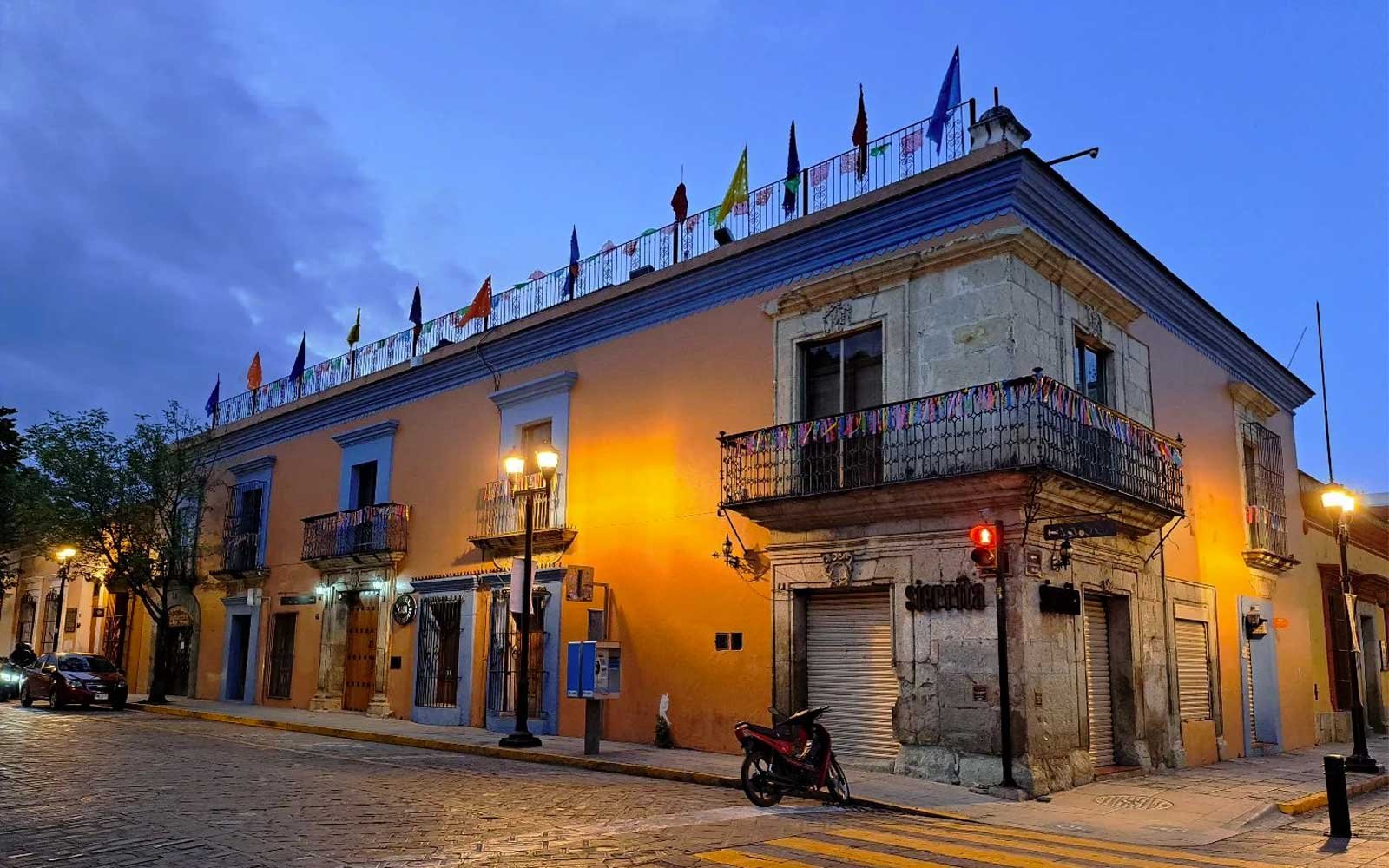
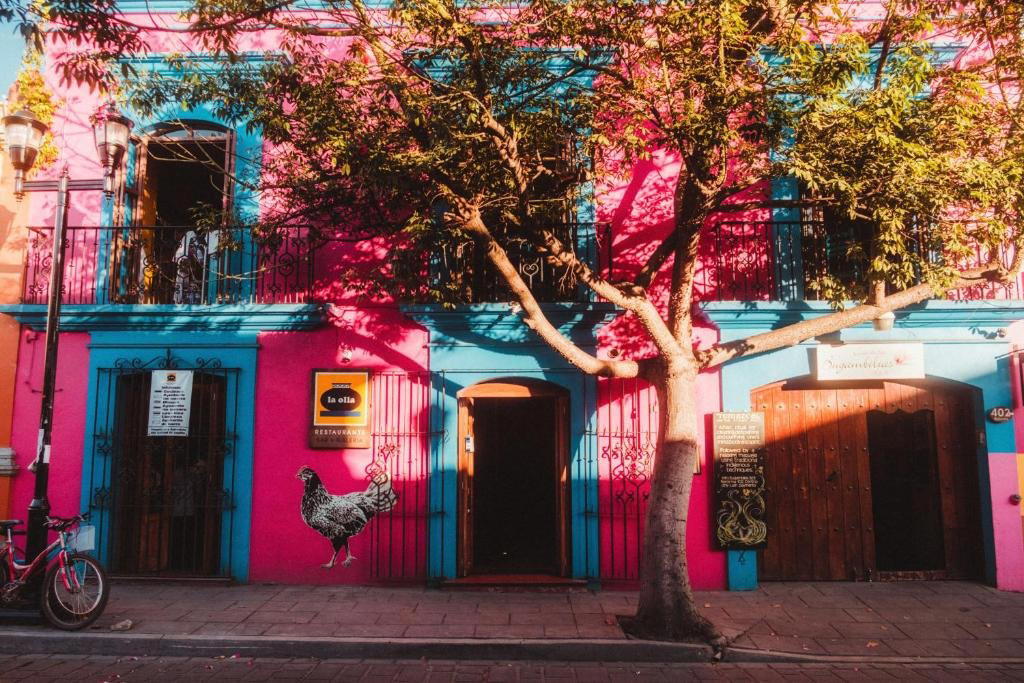
Oaxaca's Centro Histórico rewards the kind of attention that slows your walk. On Vicente Guerrero, the architectural rhythm is colonial, heavy doorways, tiled courtyards, walls that have absorbed decades of copal smoke, and the culinary backdrop is one of the most contested in Mexico. This is a city where a single street can hold a tlayuda stall operating since the 1970s and a restaurant earning international press coverage for its fermentation program, sometimes within a few metres of each other. Casa Mook sits inside that tension, at an address where the expectations of both locals and visiting critics arrive simultaneously.
That layering matters because Oaxacan dining is not a monolith. The city's food culture is built around ingredient sovereignty, chiles, chocolate, corn in dozens of forms, proteins that have never required international supply chains, and the leading tables in Centro treat that material history as an active constraint rather than a decorative theme. Across the wider Centro dining circuit, you can trace a clear split between rooms that perform Oaxacanness for export (mole in branded clay, mezcal flights with laminated tasting notes) and places where the cuisine's internal logic still governs the plate. Understanding which register Casa Mook occupies is the more useful question.
Oaxacan Cuisine and the Cultural Weight It Carries
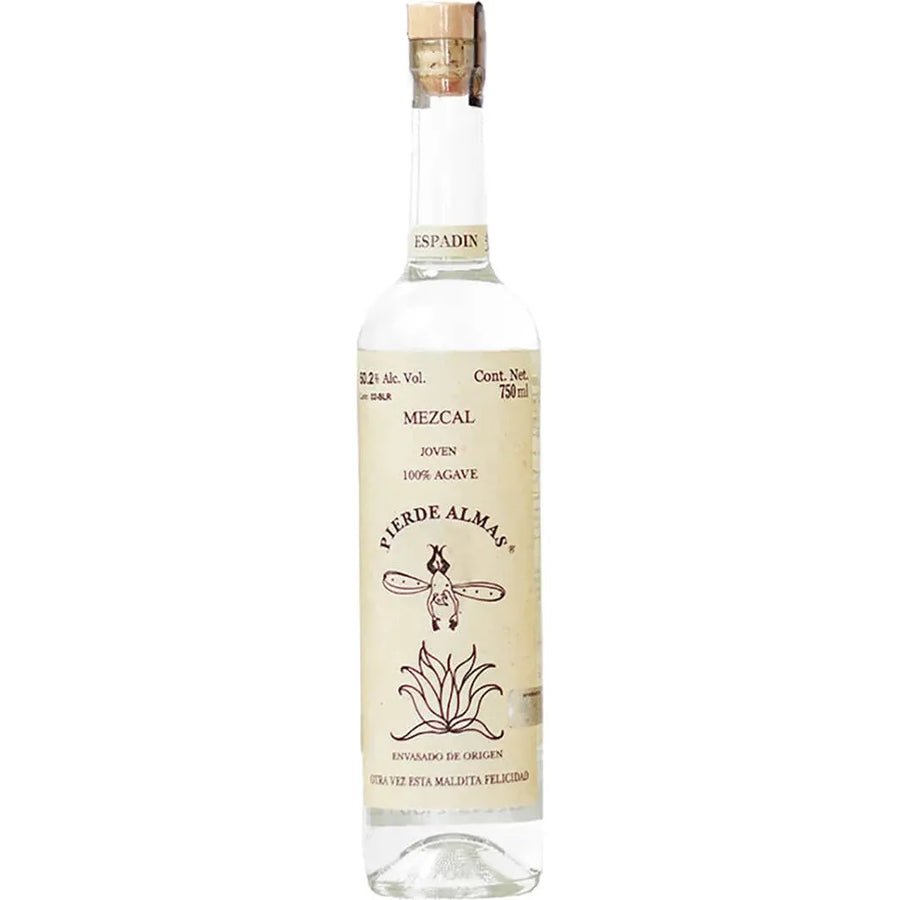
Few Mexican states carry as much culinary expectation per square kilometre as Oaxaca. The seven moles are the shorthand most visitors arrive with, but the cuisine's actual scope is considerably wider: tasajo, memela, chapulines, tejate, corn-derived preparations that shift by altitude and microclimate, and a mezcal tradition that has been produced in the Valles Centrales for centuries before international demand reshaped its economics. UNESCO recognised Oaxacan cuisine as part of Mexico's intangible cultural heritage alongside the country's broader food traditions, a designation that reflects how embedded the techniques are in communal life rather than individual authorship.
What that heritage creates in practice is a dining environment with unusually high baseline standards, but also significant price stratification. At the lower end of the market, Levadura de Olla Restaurante demonstrates how a mid-range price point can still deliver rigorous traditional technique. At the upper tier, Los Danzantes Oaxaca and others operate with the pricing and format of destination dining. Between those poles sits a range of addresses, some working through regional tradition with genuine depth, others relying on the city's reputation to compensate for cooking that is at leading competent. Casa Mook's positioning within that range, and what that implies for what you'll find on the plate, is the operative question for any reader deciding where to direct an evening.
The Centro neighbourhood where Casa Mook operates is also the territory where Oaxaca's dining conversation is most audible. Restaurants here compete for the same pool of internationally aware visitors who have also read about Alfonsina and Aguacate Oaxaca, and who may be carrying reference points from Pujol in Mexico City or destinations further afield like Animalón in Valle de Guadalupe. That visitor profile shapes what a Centro restaurant has to do to justify its cover, not least because the regional ingredients are available to everyone, and sourcing alone no longer functions as a differentiator.
Within the Centro micro-market, price tier is one of the clearest signals about what a room is attempting. The mid-range tier, broadly the $$-$$$ band that includes places like Levadura de Olla and Adamá, tends to be where ingredient-led cooking and accessible format coexist most naturally in Oaxaca. Above that, rooms take on the grammar of destination dining: longer menus, tasting formats, a degree of theatrical presentation. Below it, the focus narrows to single preparations executed at high repetition.
Casa Mook's address on Vicente Guerrero places it inside the Centro circuit where that competition is sharpest. Rooms in this zone are compared to each other constantly, and the cohort includes restaurants with documented award recognition and named critical attention from both Mexican and international outlets. That competitive pressure tends to clarify what a place actually does well, rather than what it claims to represent.
Mexico's broader contemporary restaurant conversation also sets a frame for how visitors arrive in Oaxaca. Tasting-menu formats at Le Chique in Puerto Morelos, coastal-ingredient-focused rooms like HA' in Playa del Carmen, and technique-driven northern Mexican tables such as KOLI Cocina de Origen in Monterrey and Pangea in San Pedro Garza García have raised the national reference point. Oaxacan restaurants now operate in a country where the ambition at Alcalde in Guadalajara and the coastal intelligence of Olivea Farm to Table in Ensenada are part of how serious diners calibrate their expectations before they land.
Planning Your Visit
Casa Mook is located at Vicente Guerrero 417 in the Centro district of Oaxaca de Juárez, a walkable address from the city's main zócalo and the surrounding market infrastructure of the Mercado 20 de Noviembre. For visitors building a considered Oaxaca itinerary, the Centro works well when you treat its dining options as a circuit rather than isolating a single table. The neighbourhood's food culture is cumulative: a morning market visit, a midday stop for tasajo, an evening reservation, each informs the next. For a wider view of what Centro and the surrounding barrios offer, our full Oaxaca restaurants guide maps the range across price tiers and formats. Those extending their Mexico travel beyond Oaxaca will also find reference points in Arca in Tulum and Lunario in El Porvenir, both of which share Oaxaca's interest in regional-ingredient discipline applied with contemporary precision.
Frequently asked questions
What's Casa Mook's location?
Casa Mook is located at Vicente Guerrero 417, Zona Feb 10 2015, Centro, 68000 Oaxaca de Juárez, Oax. Mexico, Oaxaca.
Is Casa Mook worth visiting if you're staying outside Oaxaca's Centro district?
Vicente Guerrero 417 sits in the Centro Histórico of Oaxaca de Juárez, which functions as the city's primary pedestrian and cultural core. For visitors based outside Centro, in Jalatlaco or further afield, the address is reachable on foot or by a short taxi ride, and the surrounding blocks justify the trip independently: markets, churches, and several of the city's most-discussed kitchens are all within a few minutes' walk of the same address.
What's the must-try dish at Casa Mook?
Arriving with an appetite for the regional canon is the practical approach. Ask staff directly what is sourced locally that week, as Centro restaurants at this address level tend to rotate based on market availability.
What's the best way to book Casa Mook?
Walking in or asking your hotel concierge to call ahead on your behalf is the most reliable approach for Centro addresses where online booking infrastructure can lag behind the physical operation. Arriving at opening or during off-peak hours improves your odds considerably.
What's the standout thing about Casa Mook?
Casa Mook's address on Vicente Guerrero places it within Oaxaca's Centro Histórico, a district where the architectural and culinary density is higher per block than almost anywhere else in the state. For visitors oriented around Oaxacan food culture rather than resort tourism, that positioning matters.
Is Casa Mook good for vegetarians?
Oaxacan cuisine structurally supports vegetarian eating better than most Mexican regional traditions, the mole-and-masa backbone of the cuisine means vegetables, chillies, and legumes appear throughout menus rather than as afterthoughts. Whether Casa Mook maintains a dedicated vegetarian section is not confirmed, but the regional context is genuinely accommodating. Confirming with staff on arrival is advisable for dietary restrictions beyond the general.
Price and Recognition
| Venue | Cuisine | Price | Awards | Notes |
|---|---|---|---|---|
| Casa MookThis venue (the venue you are viewing) | Authentic Oaxacan Mexican | Not listed | Not listed | Not listed |
| Casa Oaxaca | Modern Oaxacan | $50–100 | Michelin Plate · La Liste Top Restaurants | Oaxacan |
| Criollo | Modern Oaxacan Tasting Menu | $100–150 | Michelin Plate · La Liste Top Restaurants | Mexican |
| Itanoní | Traditional Oaxacan Corn Antojitos | $10–20 | Michelin Plate | Mexican |
| Levadura de Olla Restaurante | Traditional Oaxacan | $10–20 | 1 Michelin Star | Mexican |
| Labo Fermento | Modern Asian Fermentation Fusion | $30–50 | Michelin Bib Gourmand | Asian |
Continue exploring
More in Oaxaca
Restaurants in Oaxaca
All restaurants in Oaxaca →
Bars in Oaxaca
All bars in Oaxaca →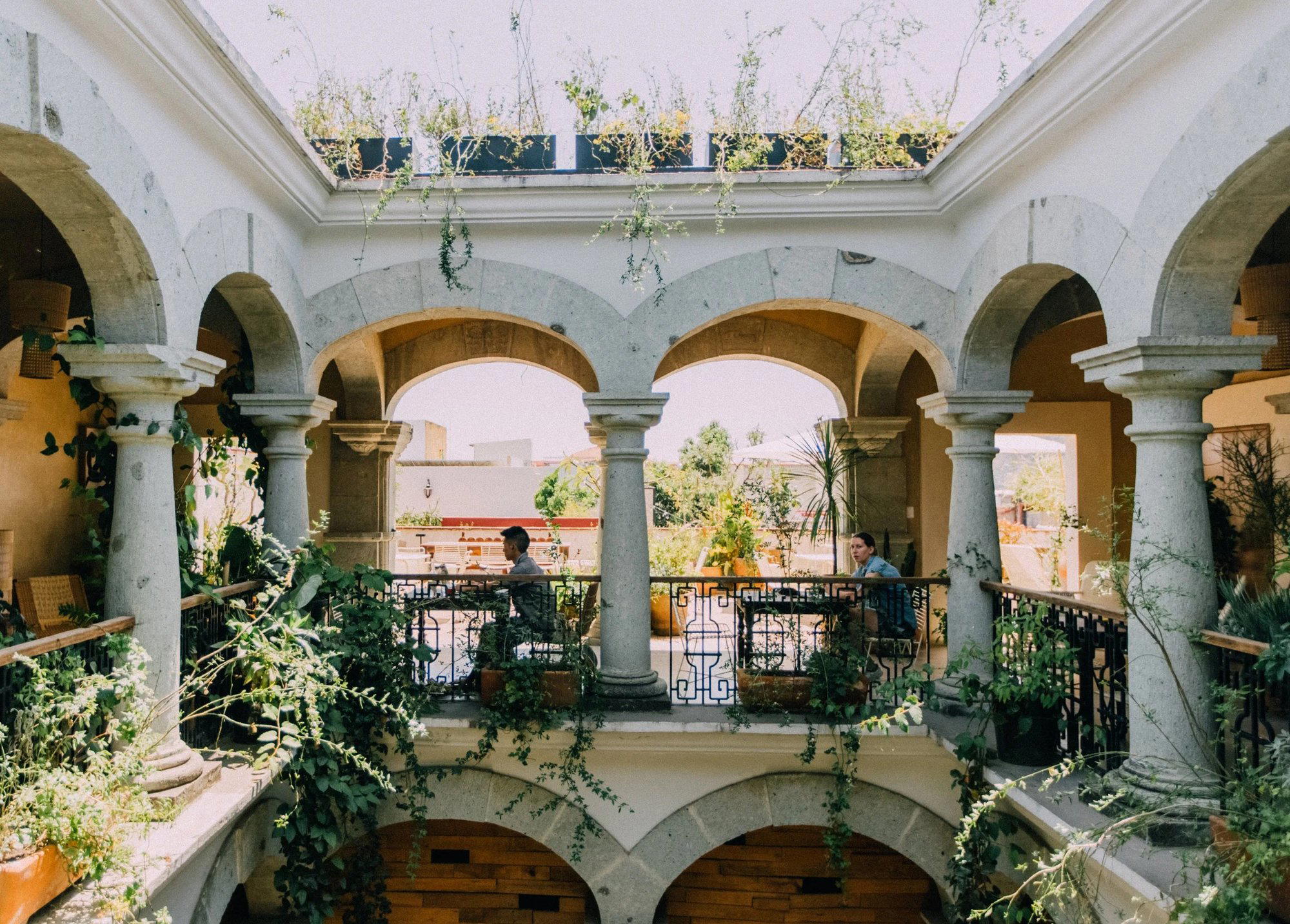
Hotels in Oaxaca
All hotels in Oaxaca →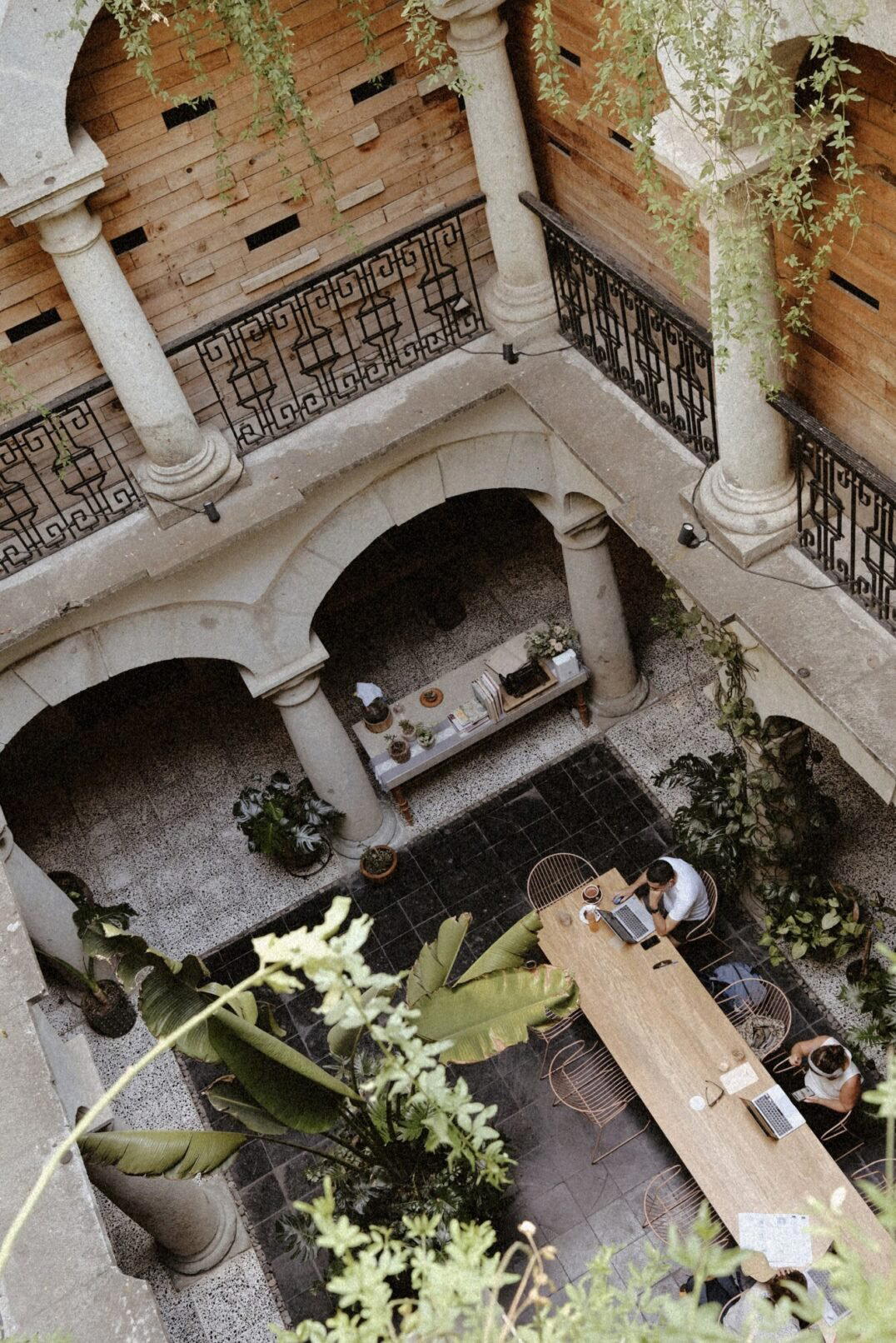
Details
- Modern
- Cozy
- Trendy
- Casual Hangout
- Date Night
- Courtyard
- Local Sourcing
- A La Carte
- Gluten Free Options
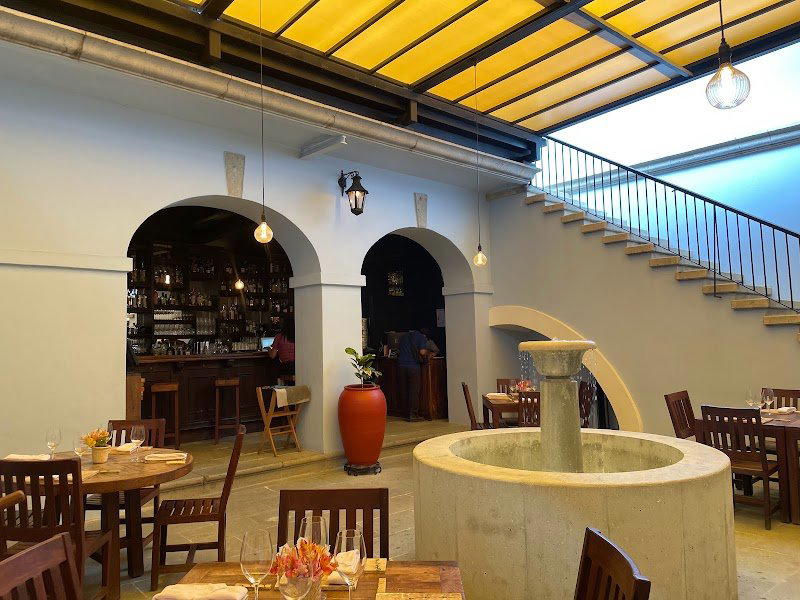
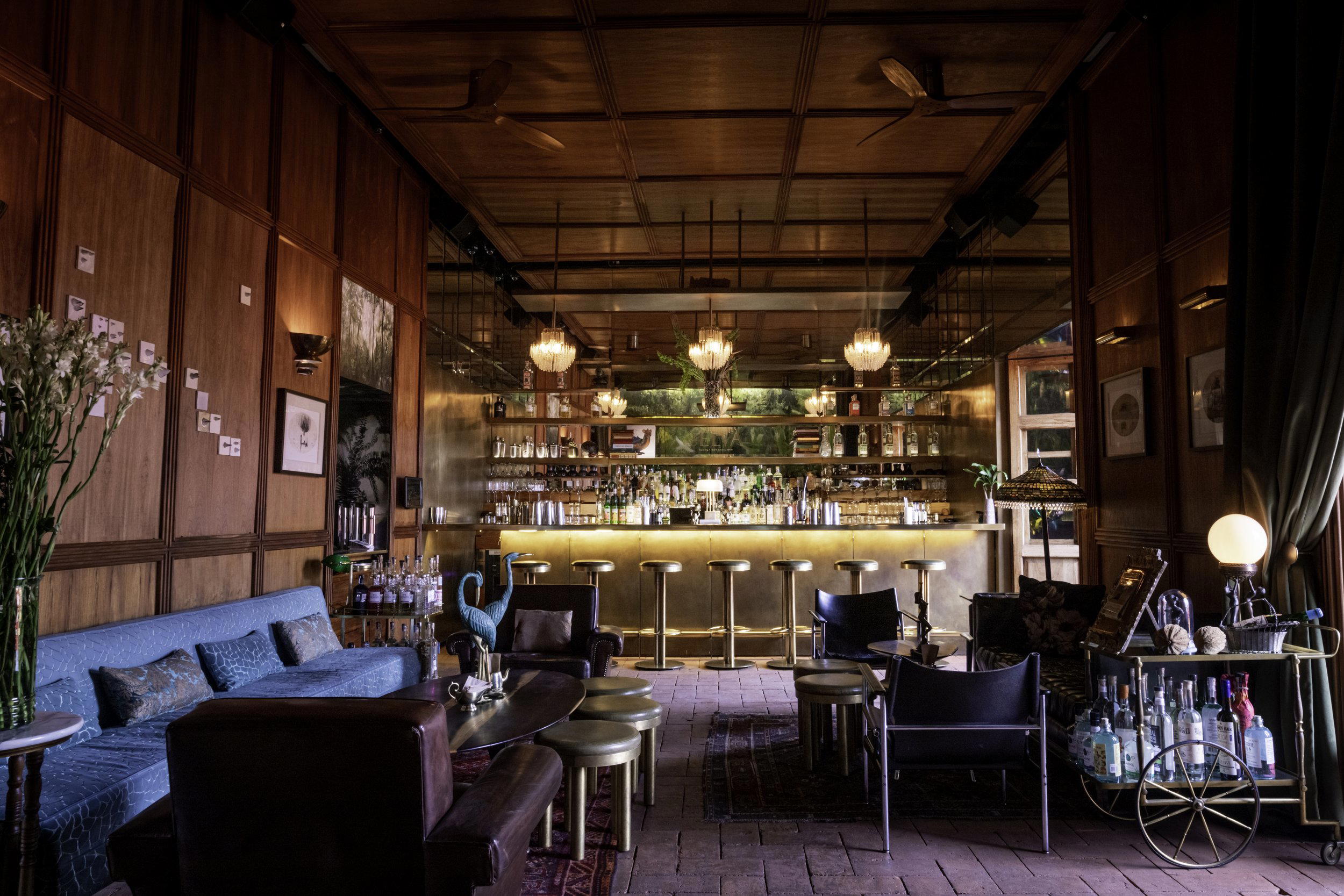
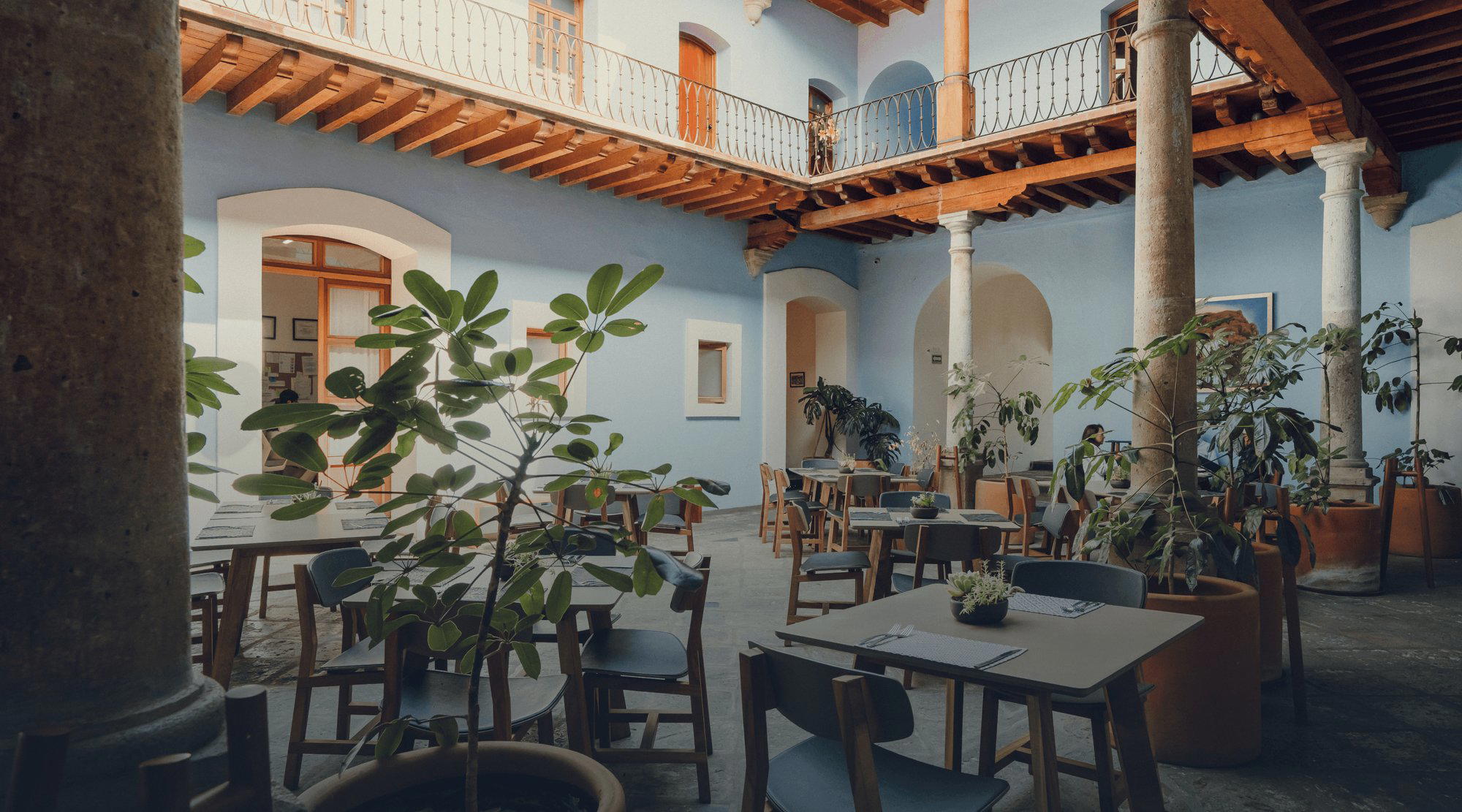
Sleek and contemporary with dramatic art gallery-like décor and an inviting inner courtyard.