Yerbabuena Del Sisal
Our verdict
On a quiet side street in Valladolid's colonial centre, Yerbabuena Del Sisal occupies a position in the city's mid-tier dining scene that rewards visitors who look past the better-known names on Calle 41. The kitchen draws on Yucatecan traditions while the setting reflects the unhurried rhythm of a town that functions as both a living community and a gateway to the broader peninsula.

Pearl is the En Primeur Club membership app, where members save venues, book tables and use the concierge.
The menu
What to order
- Chilaquiles
- Tamales
- Papadzules
A Colonial Street, a Yucatecan Table
Valladolid sits roughly midway between Mérida and Cancún, and that geography has always shaped how the city eats. Unlike Mérida, which has developed a self-conscious fine-dining scene built partly for export, think venues competing in the same conversation as Pujol in Mexico City, Valladolid remains oriented toward its own residents and the steady flow of travellers passing through to Chichén Itzá and the cenotes. The dining that emerges from that context tends to be less performative and more grounded in what Yucatán actually produces and eats.
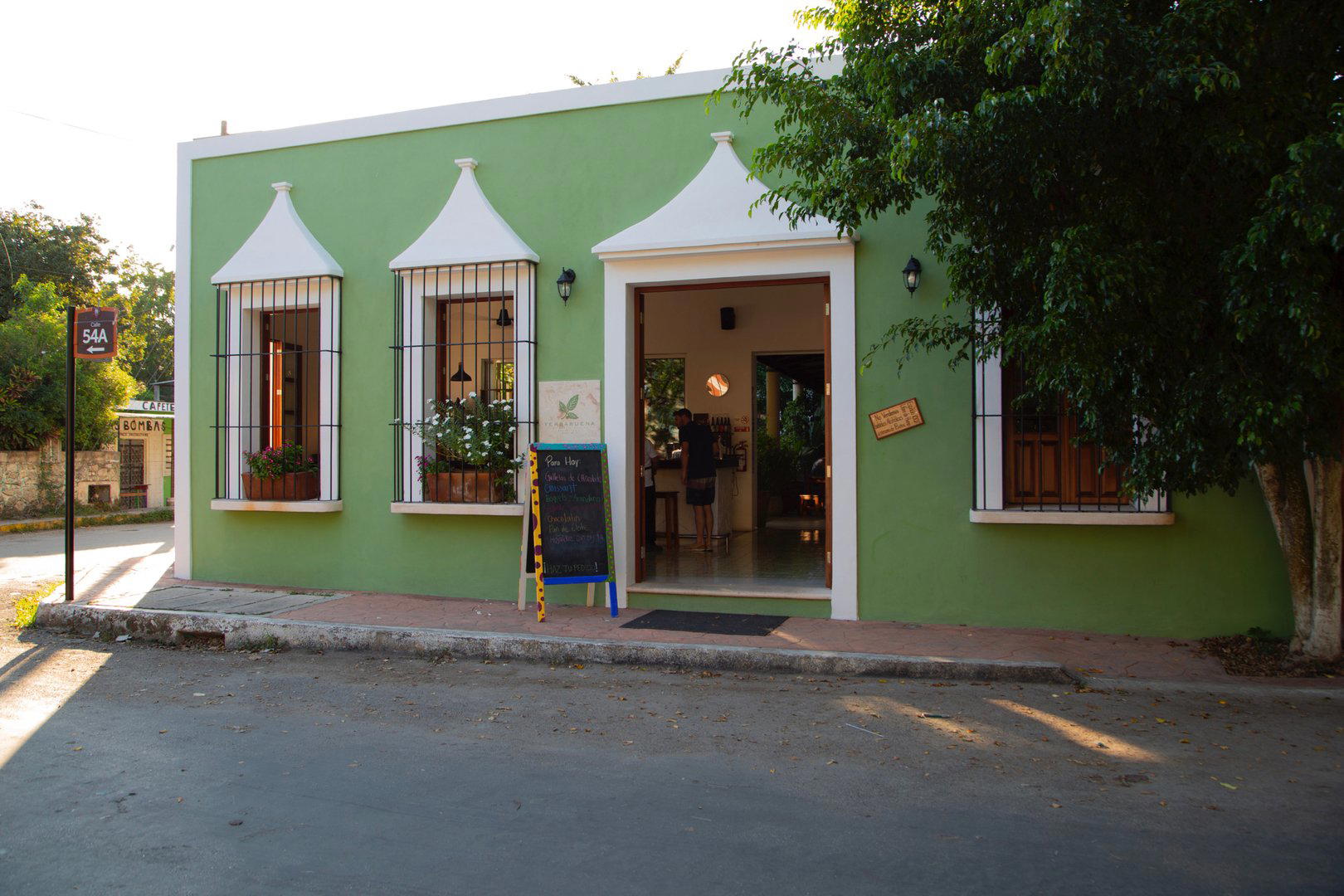
Yerbabuena Del Sisal occupies an address on Calle 54A, away from the central plaza's tourist concentration. That placement is meaningful. Restaurants that set up on or immediately adjacent to the parque principal in Valladolid are largely positioning for foot traffic. Those a block or two removed are, generally, positioning for return visits. The address at numbers 217, between Calles 49 and 45, puts this kitchen in a quieter residential-commercial corridor where the surrounding street life is more neighbourhood than spectacle.
What Valladolid's Dining Scene Actually Looks Like
To place Yerbabuena Del Sisal in context, it helps to understand how Valladolid's restaurant offerings divide. At the higher end, venues like Alquimia - Laboratorio and Trigo operate in a creative and modern cuisine register at €€€ price points, building menus that engage with regional ingredients through a contemporary lens. Below that, a cluster of farm-to-table operations, including 5 Gustos and Dámaso, work at more accessible price levels with direct sourcing as an editorial identity. Elsewhere in the city, El Atrio del Mayab sits in a different category altogether, drawing on the region's Mayan heritage as a frame for the menu.
This stratification matters because Yucatecan cuisine is not monolithic. The peninsula produces a distinct culinary tradition built around achiote, habanero, sour orange, and slow-cooking methods like pib (underground pit-roasting) that have no direct equivalents in central Mexican or Oaxacan cooking. The range of approaches across Mexico's serious regional kitchens, from Levadura de Olla in Oaxaca to KOLI Cocina de Origen in Monterrey, illustrates how wide that interpretive spectrum has become nationally.
The Yucatecan Pantry as Starting Point
Any kitchen working seriously within Yucatecan tradition has access to one of Mexico's most distinctive regional pantries. Cochinita pibil, panuchos, salbutes, relleno negro, papadzules, and sikil pak each carry enough specificity, in technique, in ingredient sourcing, in regional variation, to reward close attention. The sour orange (naranja agria) that defines many Yucatecan marinades is not widely used elsewhere in Mexican cooking; neither is the recado negro, a charred-chili paste that gives Valladolid's relleno negro its characteristic colour and depth.
Restaurants in this city that take the regional pantry seriously tend to source locally, which in Yucatán means proximity to small producers of achiote paste, fresh epazote, chaya (a leafy green endemic to the peninsula), and citrus. That supply chain proximity is part of what makes the farm-to-table designation meaningful here in a way it can sometimes lack in larger cities where sourcing claims are harder to verify. The broader Mexican approach to locality-driven cooking, evident in venues like Animalón in Valle de Guadalupe and Olivea Farm to Table in Ensenada, finds a Yucatecan parallel in how peninsula kitchens talk about and handle their ingredients.
Planning a Visit: Practical Notes
Valladolid is most commonly reached by road from Mérida (roughly two hours by bus or car via the toll highway) or from Cancún (approximately two and a half hours). The city is compact enough to walk between most dining destinations, and Calle 54A is accessible on foot from the central plaza in under ten minutes. Visitors coming specifically for this kitchen should verify current operating hours directly on arrival or through local inquiry, as smaller independent restaurants in secondary cities across Mexico frequently adjust schedules seasonally. For a full picture of options in the city, the EP Club Valladolid restaurants guide covers the broader scene.
Travellers using Valladolid as a base for day trips to the Yucatán Peninsula's archaeological and natural sites, which is the most common pattern, often find that lunch is the dominant meal, with kitchens like this one serving as a reason to return to the city centre by midday. That rhythm suits the town's pace, which slows noticeably in the afternoon heat and picks up again in the early evening around the parque principal.
Where This Kitchen Sits in a Wider National Context
Mexico's regional dining scene has developed unevenly over the past decade. The most prominent addresses, Alcalde in Guadalajara, Pangea in San Pedro Garza García, Le Chique in Puerto Morelos, HA' in Playa del Carmen, and Lunario in El Porvenir, have attracted international attention and the award recognition that follows. Valladolid, as a second city within a peninsula increasingly defined by Mérida's culinary ambition and the Riviera Maya's resort-driven dining infrastructure, occupies a different position: a place where the cooking is for the town first, and for travellers second.
That ordering tends to produce kitchens with less incentive to perform and more reason to cook with consistency. For visitors used to the technical programs at venues like Le Bernardin in New York City or Atomix, what Valladolid offers is a different register entirely, one where the quality signal is in fidelity to tradition and ingredient quality rather than innovation. Yerbabuena Del Sisal, based on its address and positioning within the local market, reads as part of that category: a neighbourhood-anchored kitchen in a city that still eats like a Yucatecan town rather than a destination.
Frequently asked questions
What part of town is Yerbabuena Del Sisal in?
Yerbabuena Del Sisal is located at Calle 54A - 217 (49 y 45), 97784 Valladolid, Yucatán, Valladolid.
Is Yerbabuena Del Sisal a good option for experiencing Yucatecan food between Mérida and Cancún?
Valladolid sits roughly two hours by road from both Mérida and Cancún, making it a logical stop on that corridor, and its dining scene is considerably less developed than either city. Yerbabuena Del Sisal is one of the addresses on Calle 54A that represents the town's move toward more deliberate regional cooking rather than tourist-facing menus. For travellers specifically seeking Yucatecan cooking grounded in local tradition rather than resort interpretation, Valladolid as a detour has a strong case.
What should I eat at Yerbabuena Del Sisal?
Yerbabuena Del Sisal works within the Yucatecan regional pantry, which means dishes built around ingredients and techniques specific to this corner of Mexico. Valladolid is one of the strongest places in the country to encounter that tradition in a sit-down setting, so the kitchen's starting point is already distinctive. Specific current dishes are best confirmed directly with the venue before your visit.
Do I need a reservation for Yerbabuena Del Sisal?
Valladolid has a comparatively small number of serious sit-down restaurants relative to visitor numbers, particularly in the mid-range and above. Venues at that level in the city do fill up, especially around weekends and peak travel periods between Mérida and Cancún. Contacting the restaurant in advance is the sensible approach; walk-in availability will vary by day and season.
What's the standout thing about Yerbabuena Del Sisal?
The address itself is part of the answer: Calle 54A places the restaurant within Valladolid's colonial grid, which gives it a context most Yucatecan restaurants in Mérida or tourist corridors lack. Valladolid sits at a genuine crossroads between the indigenous culinary tradition of the interior and the better-known restaurant scenes further west and north. For visitors moving between Mérida and Cancún, that positioning matters.
Do they accommodate allergies at Yerbabuena Del Sisal?
The Yucatecan pantry includes a number of ingredients, achiote, habanero, citrus-based marinades, that may be relevant for guests with specific dietary concerns. Staff awareness of local ingredients is generally an asset in kitchens working closely with regional supply.
Is Yerbabuena Del Sisal worth the price?
No pricing data for Yerbabuena Del Sisal is currently documented, which makes direct comparison difficult. Within Valladolid's dining scene, the city occupies a different price tier than Mérida, and restaurants here tend to sit below the cost of comparable Yucatecan cooking in the capital. Checking current menu prices directly with the venue will give you the clearest picture before committing.
The Quick Read
| Venue | Cuisine | Price | Awards | Notes |
|---|---|---|---|---|
| Yerbabuena Del SisalThis venue (the venue you are viewing) | Healthy Mexican Café | $10–20 | Not listed | Not listed |
| Alquimia - Laboratorio | Creative Modern Spanish Molecular | Not listed | 1 Michelin Star · Guía Repsol 1 Sol | Creative |
| Trigo | Contemporary Spanish Fine Dining | $50–100 | 1 Michelin Star · Guía Repsol 2 Soles | Modern Cuisine |
| La Cocina de Manuel | Modern Spanish with Fusion | $30–50 | Michelin Bib Gourmand · Macarfi 7.2 Food Rating | Traditional Cuisine |
| 5 Gustos | Mediterranean Tapas with Castilian Influences | $50–100 | Michelin Plate · Macarfi 7.1 Food Rating | Farm to table |
| Paco Espinosa | Spanish Seafood & Tapas | $50–100 | Michelin Plate · Macarfi 7.5 Food Rating | Seafood |
Continue exploring
More in Valladolid
Restaurants in Valladolid
All restaurants in Valladolid →
Details
- Cozy
- Rustic
- Bohemian
- Casual Hangout
- Family
- Brunch
- Solo
- Terrace
- Standalone
- Organic
- Local Sourcing
- Street Scene
- A La Carte
- Vegetarian Friendly
- Vegan Options
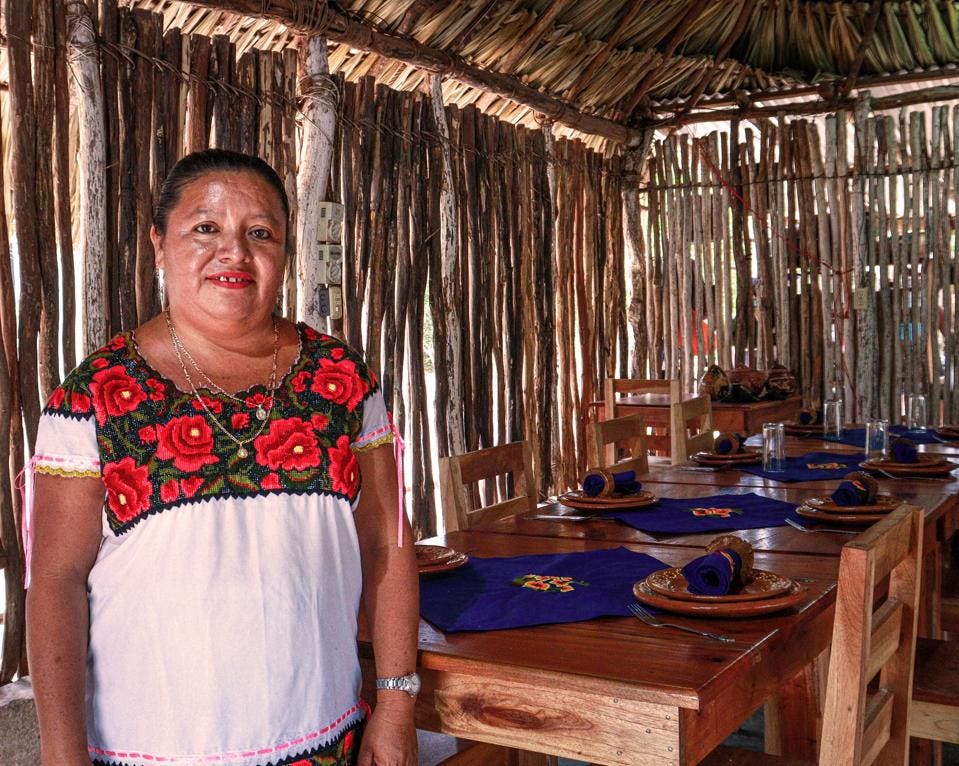
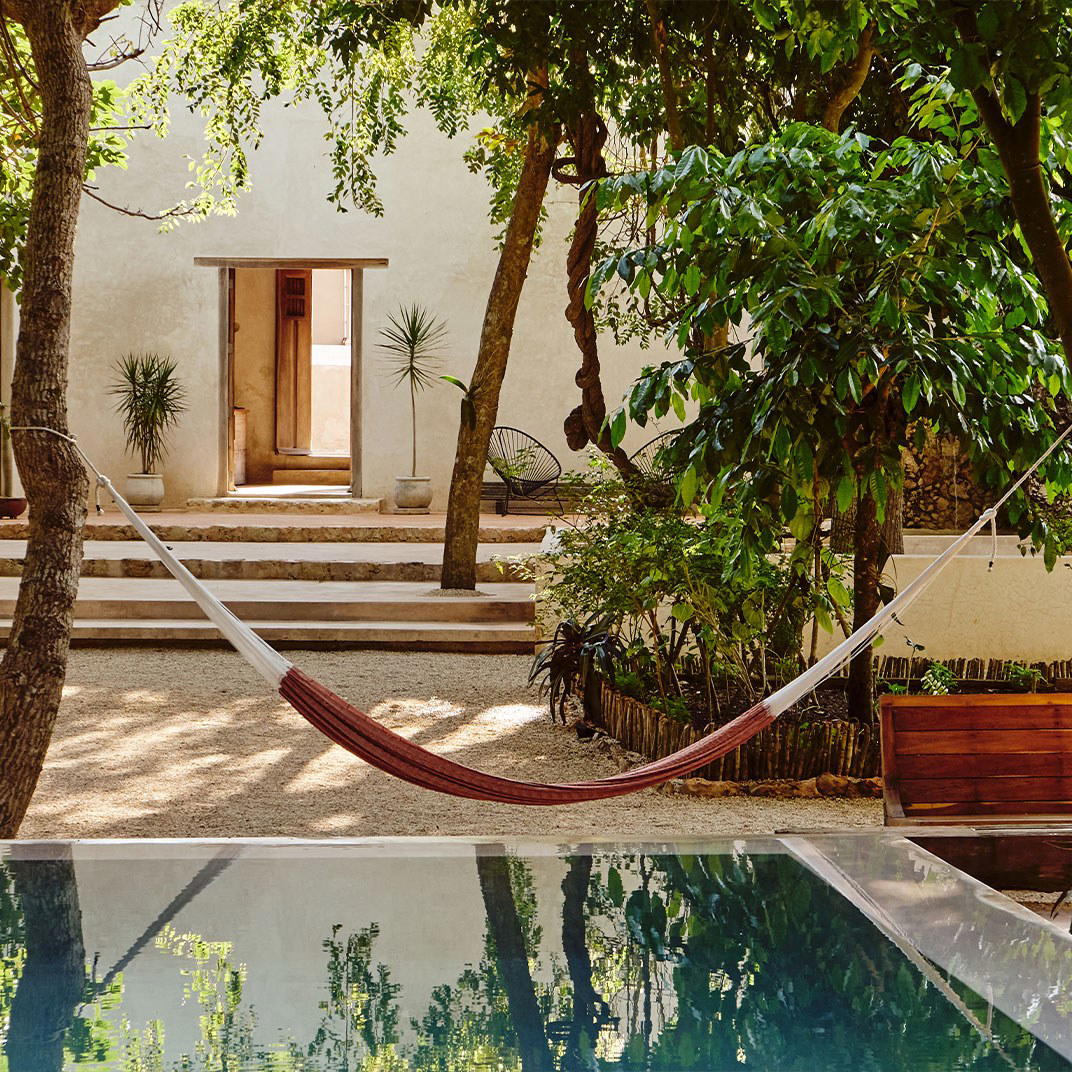
Casual and relaxed, with a natural café feel and an outdoor terrace setting.