Tlayudas Doña Flavia
Our verdict
On the highway connecting Oaxaca's Central Valleys, Tlayudas Doña Flavia operates as a reference point for the region's most elemental street format: the tlayuda, Oaxaca's large-format tortilla loaded with indigenous ingredients that have defined this corridor for generations. The address on Carretera Internacional places it squarely in the roadside tradition that keeps regional cooking honest, accessible, and rooted in local supply chains.

Pearl is the En Primeur Club membership app, where members save venues, book tables and use the concierge.
The menu
What to order
- Tlayuda de chapulines y arrachera
Where the Road Meets the Comal
The Carretera Internacional running through Santa Lucía del Camino is not a destination in the conventional sense. It is a working artery connecting Oaxaca city to the surrounding Central Valleys, and the roadside spots that line it exist outside the curated dining circuits that have made Oaxaca's urban centre a reference point for Mexican gastronomy. Tlayudas Doña Flavia sits on this highway at address Carretera Internacional 2019 (Independencia), and that location tells you something before you have eaten a single bite: this is cooking that answers to the ingredient and the region, not to a metropolitan audience or a tasting-menu format.
Roadside tlayuda spots in this corridor operate within a tradition that pre-dates the restaurant category entirely. The tlayuda, Oaxaca's characteristic large, semi-dried tortilla, is cooked on a comal over wood or charcoal, spread with asiento (unrefined pork fat) or black bean paste, and loaded with Oaxacan string cheese, tasajo, chorizo negro, or cecina depending on what the cook sources locally that week. The ingredients are not interchangeable with what you find in Mexico City or at polished addresses like Pujol in Mexico City or Le Chique in Puerto Morelos. They are Oaxacan in the specific, traceable sense: Oaxacan cheese from small producers, chiles grown at altitude in the valleys, and corn masa from local mills using regional varieties.
The Ingredient Logic Behind the Tlayuda
Understanding the tlayuda format requires understanding Oaxacan agriculture. The state produces over 35 varieties of corn, and the masa that becomes the tortilla base carries flavour distinctions that factory-ground masa flour cannot replicate. The Central Valleys corridor, where Santa Lucía sits, has historically been the agricultural engine feeding Oaxaca city, which means the supply chain between field and comal here is short by design, not by marketing choice. This is the ingredient-sourcing logic that higher-end Oaxacan restaurants have spent years trying to articulate on tasting menus. At a roadside stop like Doña Flavia, it is simply the operating condition.
Tasajo, the thin-cut, air-dried beef that appears on most regional tlayudas, is a good lens for understanding this sourcing geography. Produced primarily in the Cañada Chica area outside Oaxaca city, quality tasajo depends on altitude-assisted drying conditions and specific cuts. Cecina enchilada, the chile-rubbed pork alternative, follows a similar logic. These are not generic cured meats; they are products of a regional curing tradition that the Oaxacan food corridor has maintained without interruption. Restaurants such as Levadura de Olla in Oaxaca have built serious reputations by foregrounding exactly these ingredients in more formal settings. The roadside version skips the framing and goes directly to the thing itself.
Quesillo, the pulled-string cheese that stretches across a properly made tlayuda, is produced in villages throughout the Central Valleys, with Etla's producers among the most referenced. Fresh quesillo has a milky, lactic flavour and a texture that separates into ribbons when the cheese is warm from the comal's heat. The difference between fresh local quesillo and the refrigerated version that travels to other cities is significant enough to make Oaxaca the only context in which the ingredient performs as intended. This is the ingredient argument for eating tlayudas in the Central Valleys rather than at a derivative version elsewhere.
The Atmosphere Along This Stretch
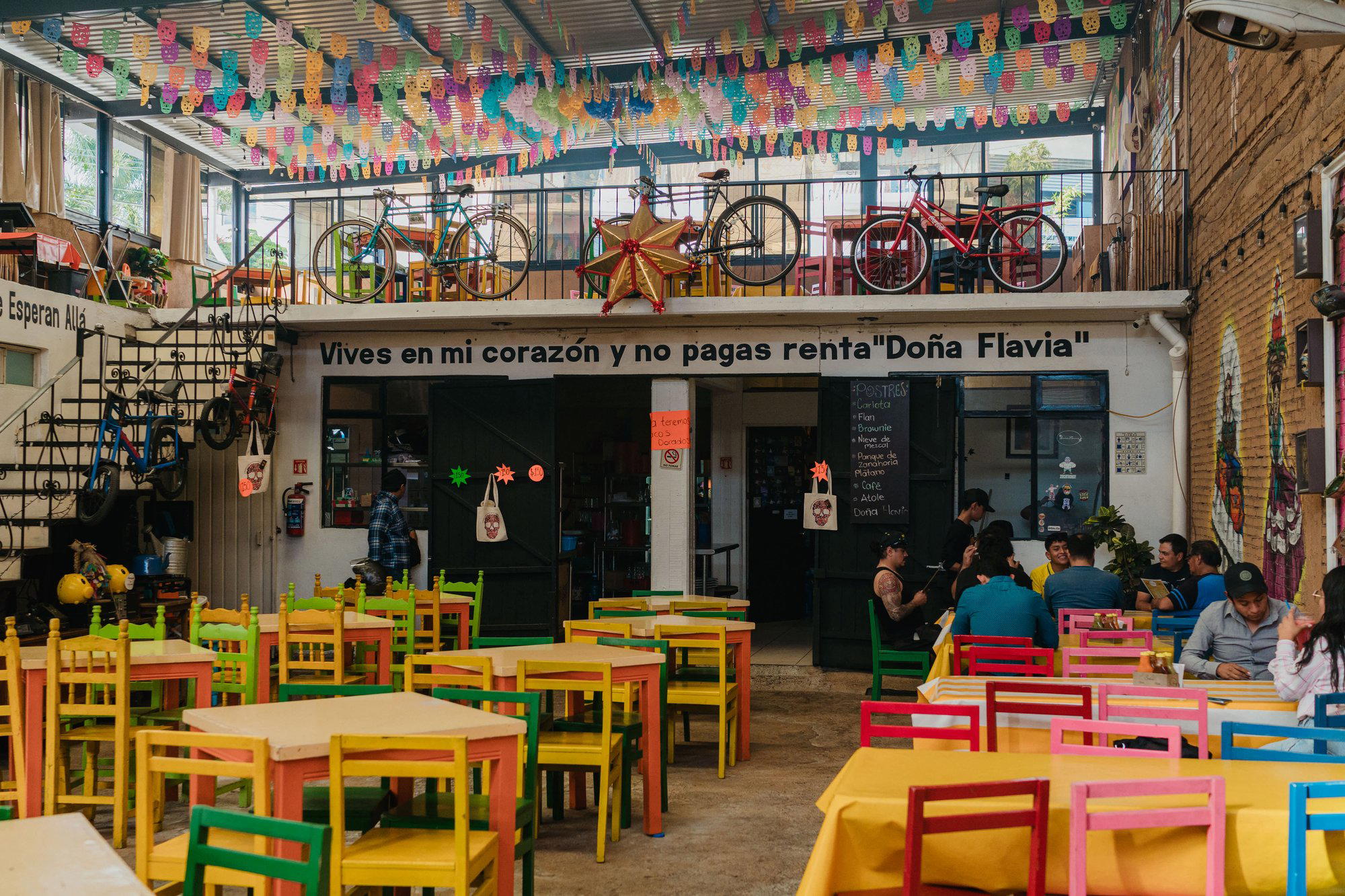
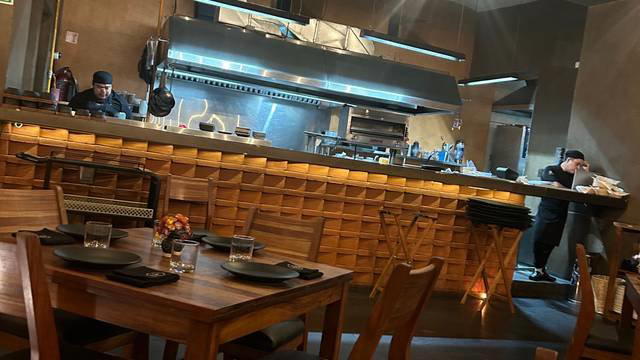
The physical environment of a highway tlayudería in the Santa Lucía corridor reflects its function. These are not formatted for lingering. Seating is typically practical, service is direct, and the comal is the visual centre of the operation. The sound is charcoal and smoke, not ambient music. The clientele at this hour of the day and along this stretch of road skews toward Oaxacans moving between the city and outlying communities, which is its own form of endorsement: roadside spots on working corridors survive on repeat local customers, not on tourist foot traffic.
For the traveller coming from Oaxaca city, Santa Lucía del Camino is close enough to the urban centre to be reached without significant planning. The address on Carretera Internacional 2019 places Doña Flavia on the highway itself, making it accessible by car or by the frequent colectivo services that run between Oaxaca's second-class bus terminal and the valley towns. Arriving without a reservation is the standard approach for this format; showing up and eating is how it works. Compare this to the booking lead times at premium addresses such as KOLI Cocina de Origen in Monterrey or Pangea in San Pedro Garza García, and the friction difference is stark. The low-barrier format is part of what these roadside spots preserve.
Where This Fits in the Oaxacan Eating Picture
Oaxaca's dining identity has bifurcated over the past decade. On one side, the city has produced internationally recognised restaurants, drawn chefs with serious pedigrees, and attracted the kind of traveller who cross-references their itinerary with the extended leading lists of Latin American dining awards. On the other side, the Central Valleys corridor maintains a parallel eating culture that predates the recognition economy entirely and functions on different terms: ingredient proximity, affordability, and deep local use. For the reader planning a serious Oaxaca trip, treating these two tiers as separate rather than hierarchical is the productive framing. Spots like Animalón in Valle de Guadalupe or Arca in Tulum occupy a design-led, ingredient-forward fine dining tier; Tlayudas Doña Flavia operates in a tradition that those restaurants study and reference. Eating at both is not contradictory. It is thorough.
The broader Mexican roadside eating tradition that Doña Flavia represents has counterparts throughout the country. Carnitas Don Vasco in Cancún occupies a comparable position in its regional format. Olivea Farm to Table in Ensenada and Alcalde in Guadalajara represent the more formalised end of ingredient-led thinking. Huniik in Merida, HA' in Playa del Carmen, and Lunario in El Porvenir each work within specific regional ingredient frameworks at different price points. The tlayudería format sits at the base of this spectrum, where the cost of entry is low and the ingredient argument is made without editorial assistance. See our full Santa Lucía restaurants guide for additional context on eating along this corridor.
Planning Your Visit
Tlayudas are typically a daytime and early-evening format in Oaxaca; the comal tradition at roadside spots along the Carretera Internacional generally runs through late afternoon. Arriving during the lunch window, roughly midday to three in the afternoon, gives the leading chance of catching the operation at full pace. Payment is cash in these settings; no phone or website is associated with Doña Flavia, which is consistent with the format. The address, Carretera Internacional 2019 (Independencia), 71228 Santa Lucía, Oaxaca, is specific enough to locate by map. The surrounding area is not set up for extended exploration on foot, so most visitors arrive by vehicle or colectivo, eat, and continue along the highway. For the traveller whose itinerary includes more formally structured stops, comparing the experience here against what Casa Barroca in Puebla does with regional Mexican ingredients in a restaurant format illustrates how wide the spectrum runs.
Frequently asked questions
Would Tlayudas Doña Flavia be comfortable with kids?
The roadside tlayudería format on the Carretera Internacional in Santa Lucía is among the more family-accommodating eating contexts in Oaxacan food culture. There is no dress code, no fixed seating arrangement to observe, and the open-comal setup means children can watch the food being made in real time. The informality of the highway stop format suits families who want regional food without the structure of a sit-down restaurant.
What should I expect atmosphere-wise at Tlayudas Doña Flavia?
This is a working roadside stop on the Carretera Internacional in Santa Lucía del Camino, not a formatted dining room. The comal is the operational centre, seating is functional rather than decorative, and the pace reflects a clientele moving between Oaxaca city and the Central Valleys. Come for the food and the immediacy of the format, not for a prolonged sit.
Can you reach Tlayudas Doña Flavia on the Carretera Internacional without a car?
Yes. The colectivo network running from Oaxaca city's second-class terminal connects regularly and cheaply to Santa Lucía del Camino, placing the Carretera Internacional 2019 address within reach for visitors without a vehicle. The route is the same corridor locals use to move between the city and the Central Valleys, so frequency is not an issue during daytime hours.
What dish is Tlayudas Doña Flavia famous for?
The tlayuda is both the format and the point of the visit. In Oaxacan tradition, this means a large semi-dried corn tortilla cooked directly on a comal and finished with local asiento, beans, and regional toppings. Oaxaca produces over 35 varieties of corn, and the masa underpinning a properly made tlayuda reflects that agricultural specificity in a way that sets the dish apart from other regional tortilla formats.
Where exactly is Tlayudas Doña Flavia?
Tlayudas Doña Flavia is located at Carretera Internacional 2019 (Independencia), 71228 Santa Lucía, Oaxaca, Santa Lucia.
In Context: Similar Options
| Venue | Cuisine | Price | Awards | Notes |
|---|---|---|---|---|
| Tlayudas Doña FlaviaThis venue (the venue you are viewing) | Oaxacan Tlayudas | $1–10 | Not listed | Not listed |
| Pujol | Modern Mexican Fine Dining | $200–300 | 2 Michelin Stars · World's 50 Best #60 | Mexican |
| Quintonil | Modern Mexican Fine Dining | $300–500 | 2 Michelin Stars · World's 50 Best #7 | Modern Mexican, Contemporary |
| Rosetta | Mexican-Italian Fusion Fine Dining | $30–50 | 1 Michelin Star · World's 50 Best #39 | Italian, Creative |
| Pangea | Contemporary Mexican Fine Dining | Not listed | 1 Michelin Star · La Liste Top Restaurants | Modern Mexican, Contemporary |
| Le Chique | Avant-Garde Mexican Tasting Menu | $200–300 | 1 Michelin Star · World's 50 Best #58 | Mexican, Contemporary |
Continue exploring
More in Santa Lucia
Restaurants in Santa Lucia
All restaurants in Santa Lucia →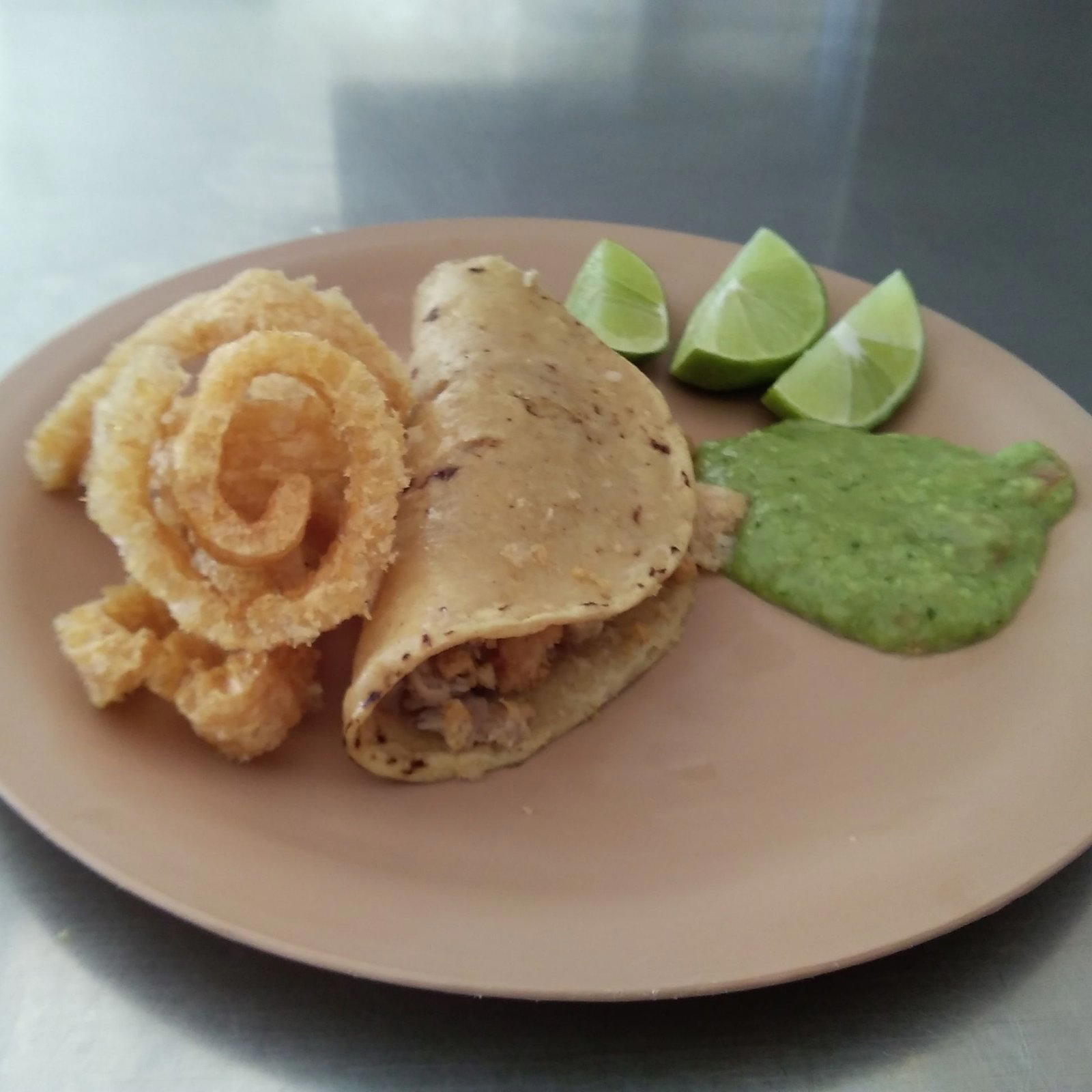
Bars in Santa Lucia
Browse all →


Hotels in Santa Lucia
Browse all →

Details
- Rustic
- Cozy
- Casual Hangout
- A La Carte
Casual and welcoming atmosphere focused on authentic Oaxacan street food with excellent service and delicious meats.