Bar Jardin Zocalo sits at Portal Las Flores 10A, directly on Oaxaca City's historic central square, where the zócalo's street-level energy and the shade of the portales frame every visit. It occupies a position that places it in the long tradition of Oaxacan portal bars: open-air, sociable, and oriented around mezcal and regional produce rather than destination dining formality.
Pearl is the En Primeur Club membership app — saves, bookings, and concierge access live there. Same editors, same standards.
- Address
- Portal Las Flores 10A, OAX_RE_BENITO JUAREZ, Centro, 68000 Oaxaca de Juárez, Oax., Mexico
- Phone
- +52 951 516 2092
- Website
- deljardin.com.mx
- Directions
- Get directions
 Saves & bookings on Pearl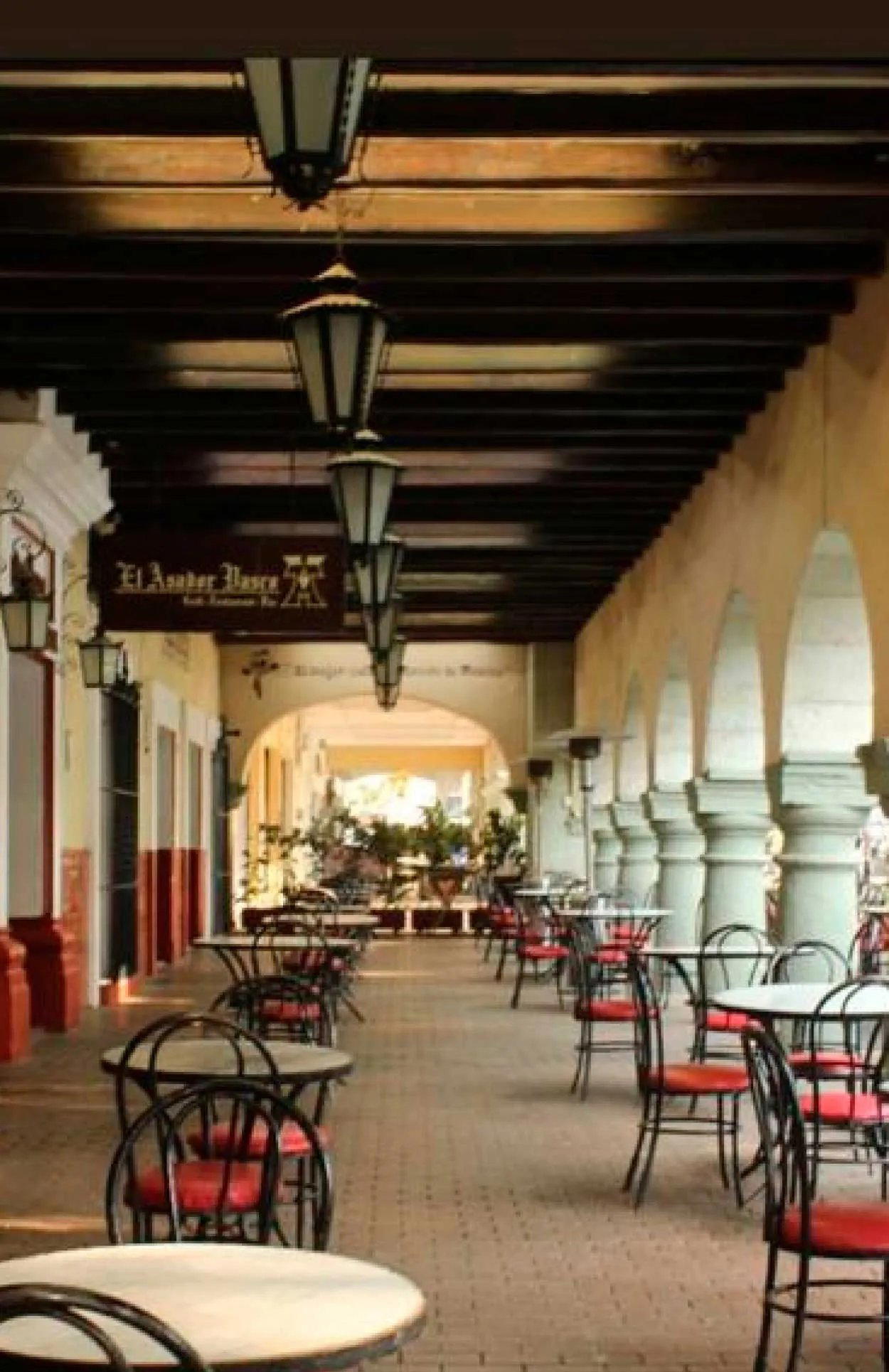
The Portales Tradition: Drinking in the Zócalo
In Oaxaca City, the portales, the covered arcades that ring the central square, have functioned as the social centre of public life for centuries. Restaurants and bars under those arches operate in full view of the cathedral, the passing market sellers, and the political murals of the state government building. That visibility is the point. Sitting at a table on the Portal Las Flores side of the zócalo is not a private act; it is a form of participation in the city's daily rhythm. Bar Jardin Zocalo, at Portal Las Flores 10A, sits inside that tradition, in the tier of open-air portal establishments where location and atmosphere carry as much weight as what arrives at the table.
The broader category of portal bars in Oaxaca tends to attract a specific kind of visitor: one who wants the experience of the square, the afternoon light, and a glass of something local, without committing to the focused tasting formats of the city's more inward-looking dining rooms. That is a legitimate and well-understood appetite, and the zócalo's portales serve it reliably. Bar Jardin occupies a position in that category, drawing on the square's foot traffic and the natural pull of the cathedral view.
Oaxaca's Ingredient Map and What It Means for the Glass
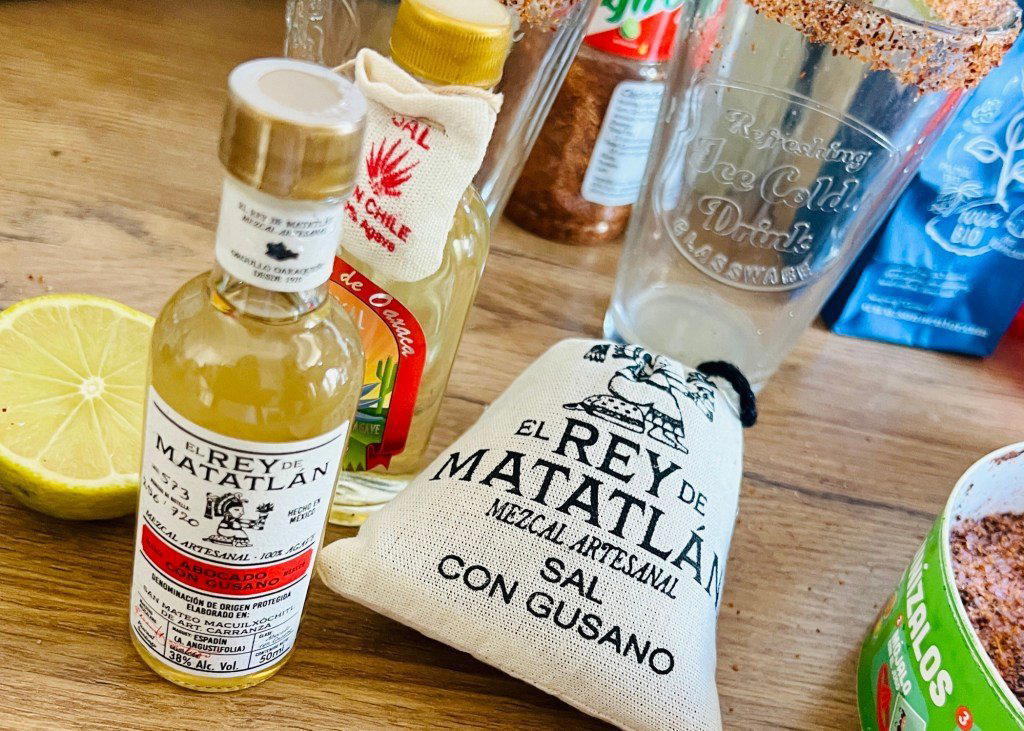
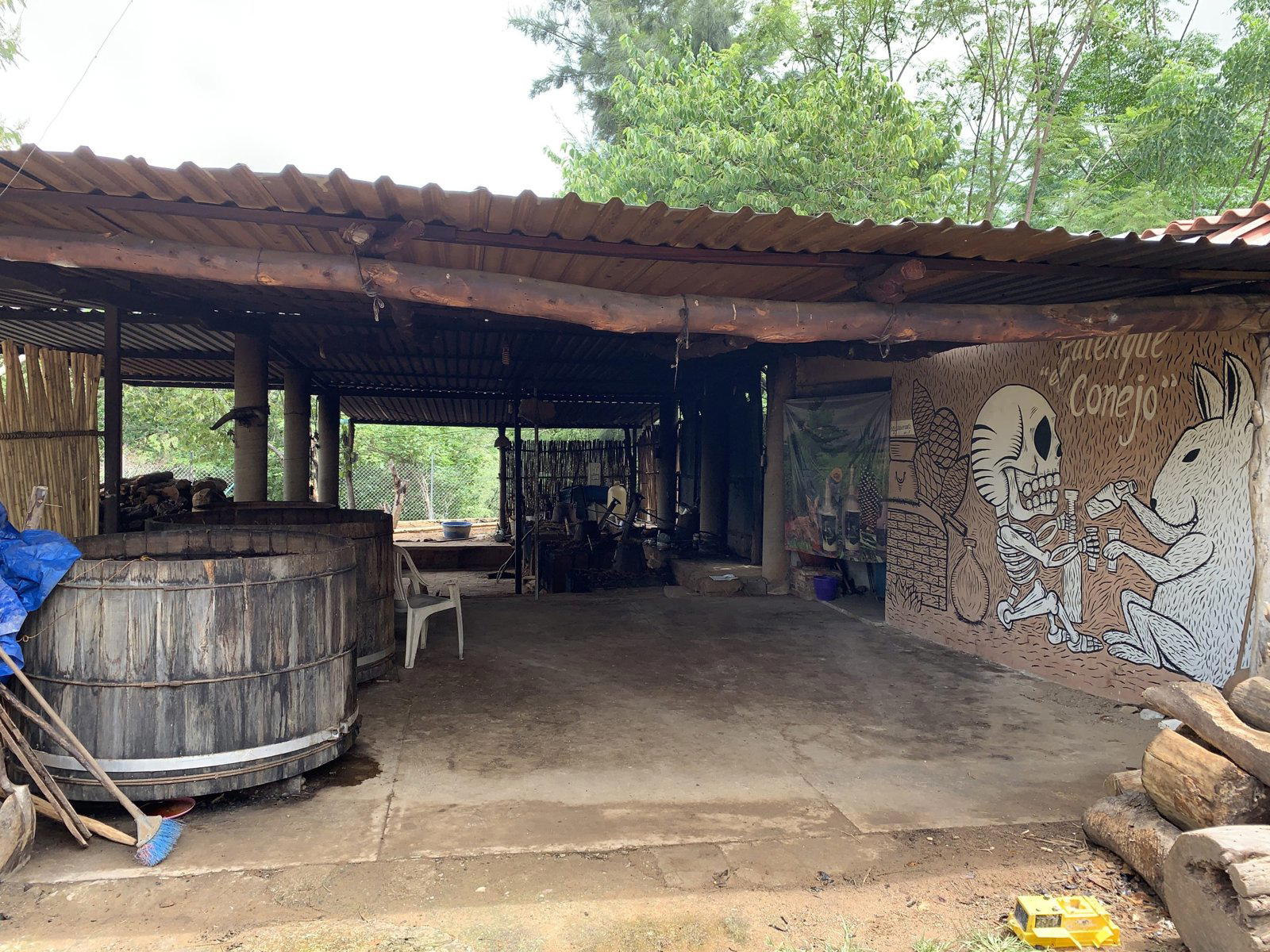
Understanding what a bar in this part of the city is likely to pour requires understanding the regional supply chain that surrounds it. The Central Valleys of Oaxaca produce a concentration of agave-based spirits, chocolate, chapulines (dried grasshoppers used as a bar snack and garnish), and the fermented corn drink tejate, all within relatively short distances of the city centre. Mezcal, sourced from palenques in villages such as Matatlán, Santiago Sola, and San Luis del Río, dominates the local drinks culture in a way that has no parallel in Mexico's other major cities. A portal bar on the zócalo is, almost by default, plugged into that supply network, even if informally.
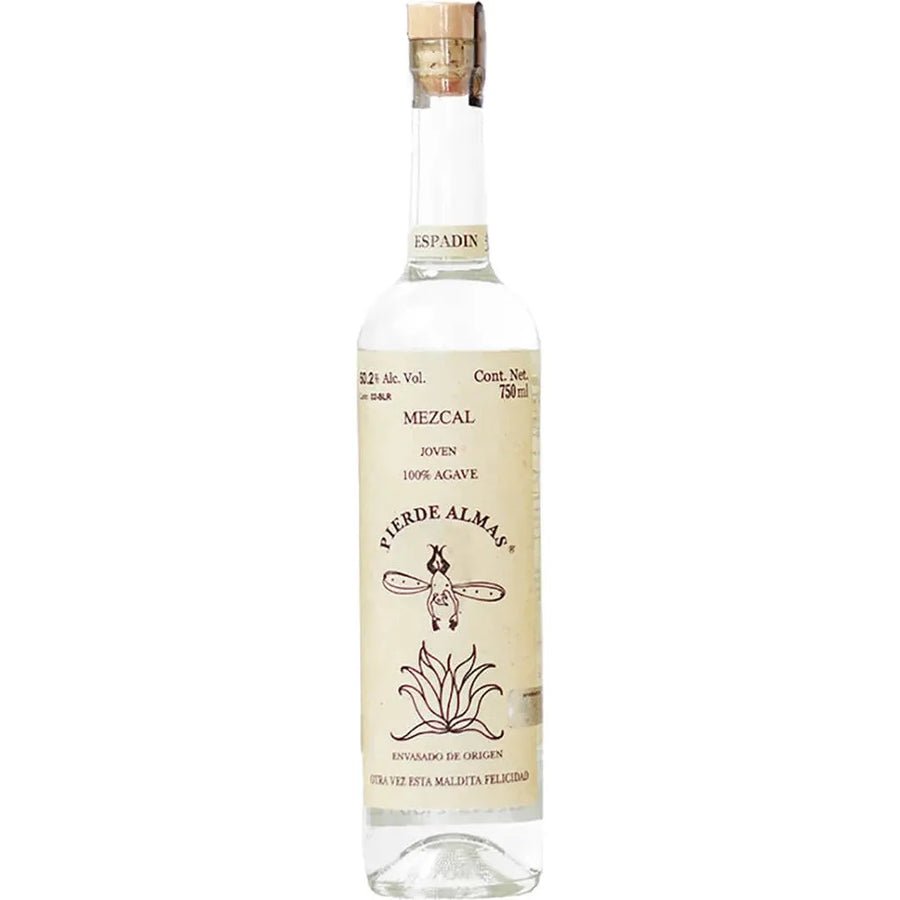
The regional sourcing argument matters here because mezcal is not a standardised product. A joven espadín from a large commercial producer tastes and costs very differently from a wild-harvested tobalá or tepeztate from a small village palenque. The bars along the portales vary considerably in how seriously they engage with that spectrum. At the entry level, you will find well-known commercial labels; at the more considered end, lists that move through village-specific expressions and lesser-known agave varieties. Where Bar Jardin sits on that spectrum is leading assessed on arrival, by asking what the house pours by default and whether the staff can speak to origin.
This sourcing context matters equally for food. The snack and small-plate formats common to portal bars draw on one of Mexico's most ingredient-rich regions. Tlayudas, quesillo, tasajo, chorizo negro, and the moles that Oaxaca exports globally in paste form are all produced within the state, many within the valleys immediately surrounding the city. A bar on the zócalo that does not connect to those ingredients at some level is working against its own geography. For other venues that engage more explicitly with Oaxacan sourcing as a primary editorial principle, Levadura de Olla Restaurante in Oaxaca offers a useful reference point at the more committed end of the local-produce spectrum.
The portal bars that ring Oaxaca's central square are not interchangeable, though they can appear so from the street. The competitive differences tend to show up in three areas: the depth of the mezcal list, the quality of the food programme, and the degree to which the kitchen connects to regional producers rather than generic catering supply. Catedral Restaurant and comparable portal establishments operate in the same visual context as Bar Jardin, with similar sightlines across the square, but each develops its own character through the specifics of its offer.
For travellers who want a fuller picture of Oaxaca's dining range, the city's mid-tier and destination-level rooms operate in a different register entirely. Casa Crespo and Cafe Los Cuiles represent the kind of considered, ingredient-forward cooking that has helped Oaxaca build its current reputation in serious food circles. At the bakery and grain end, Boulenc has developed a following built on Oaxacan grain sourcing. And for neighbourhood-scale, family-run cooking that sits apart from the tourist corridor entirely, Comedor María Teresa operates in a different economy. Bar Jardin belongs to none of those categories; it belongs to the portal format, which has its own logic and its own pleasures.
Across Mexico more broadly, the farm-to-table framing that has shaped destination dining at places like Animalón in Valle de Guadalupe, Olivea Farm to Table in Ensenada, and Alcalde in Guadalajara reflects a national conversation about provenance that Oaxaca's own food culture predates by several generations. The village-to-table logic of mezcal production, the mercado supply chains, and the seasonal use of chapulines and huitlacoche are not trends imported from fine dining; they are structural features of how this region has always eaten and drunk. A bar on the zócalo is as close as you can get to that foundation without leaving the city centre.
Planning a Visit
Portal Las Flores 10A places Bar Jardin at a walkable distance from the city's main cultural points: the Museo de las Culturas de Oaxaca, the Templo de Santo Domingo, and the Mercado Benito Juárez are all within a ten-to-fifteen minute walk. The zócalo itself operates at full energy from late morning through to late evening, with peak crowds arriving in the late afternoon when the marimba bands set up and the paseo begins in earnest. That window, roughly four to seven in the evening, represents the most atmospheric time to sit at a portal table, though it also brings the most competition for seats. For anyone building a broader Oaxaca itinerary, our full Oaxaca City restaurants guide covers the spectrum from market stalls to destination dining rooms. Those interested in how Oaxacan-style sourcing principles translate into more formal tasting formats should look at Pujol in Mexico City or KOLI Cocina de Origen in Monterrey as reference points for how the regional ingredient conversation has developed at the national level.
How Bar Jardin Zocalo Oaxaca compares with similar nearby venues.
| Venue | Cuisine | Price |
|---|---|---|
| Brio | Mexican | $$ |
Continue exploring
More in Oaxaca
Restaurants in Oaxaca
Browse all →
Bars in Oaxaca
Browse all →
Hotels in Oaxaca
Browse all →
At a Glance
- Classic
- Well Known
- Lively
- Casual Hangout
- Brunch
- Terrace
- Historic Building
- Craft Cocktails
- Street Scene
Current opening hours
- Monday
- 8 AM–11 PM
- Tuesday
- 8 AM–11 PM
- Wednesday
- 8 AM–11 PM
- Thursday
- 8 AM–11 PM
- Friday
- 8 AM–11 PM
- Saturday
- 8 AM–11 PM
- Sunday
- 8 AM–11 PM
Hours can change for holidays and private events. Last verified .
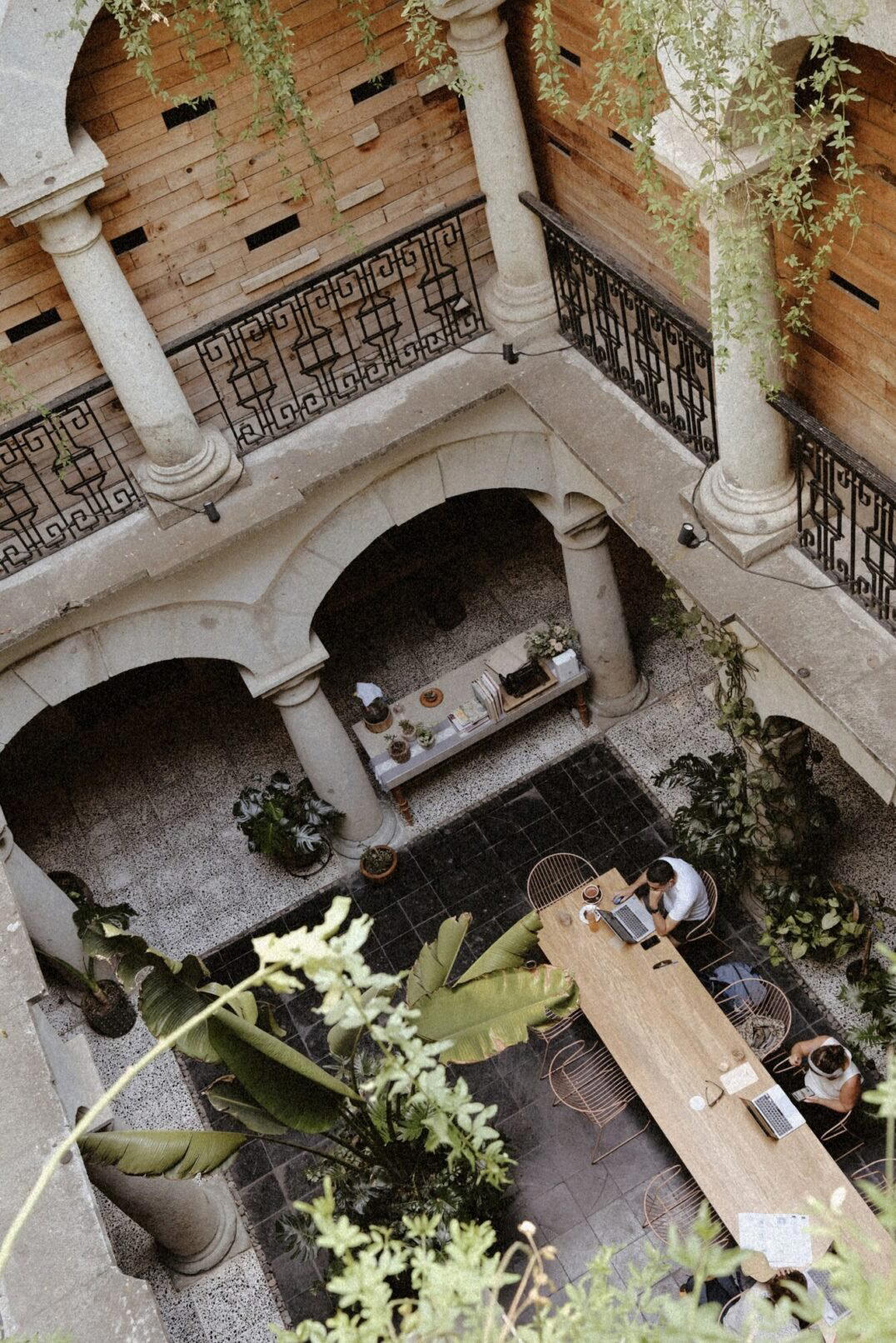
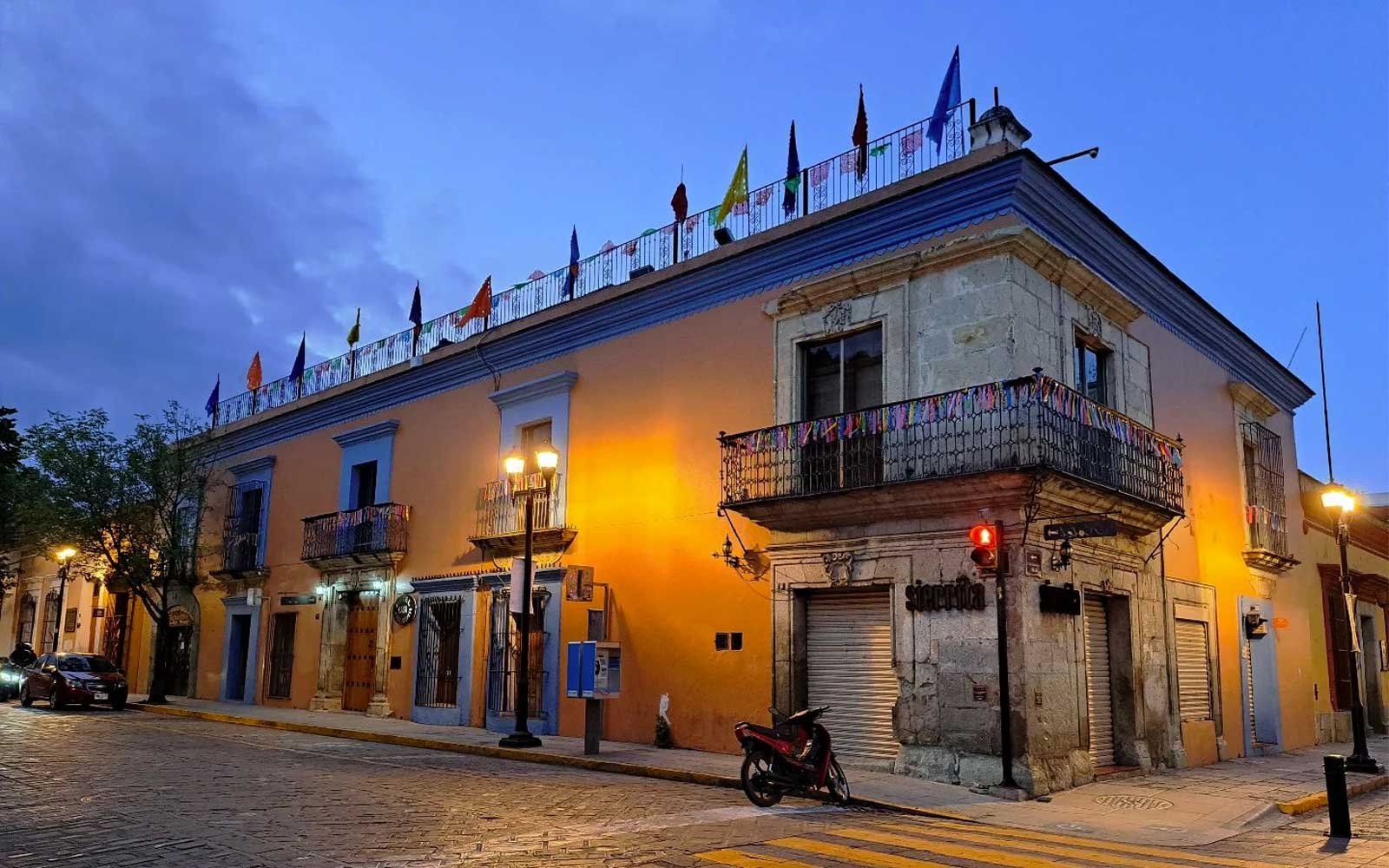
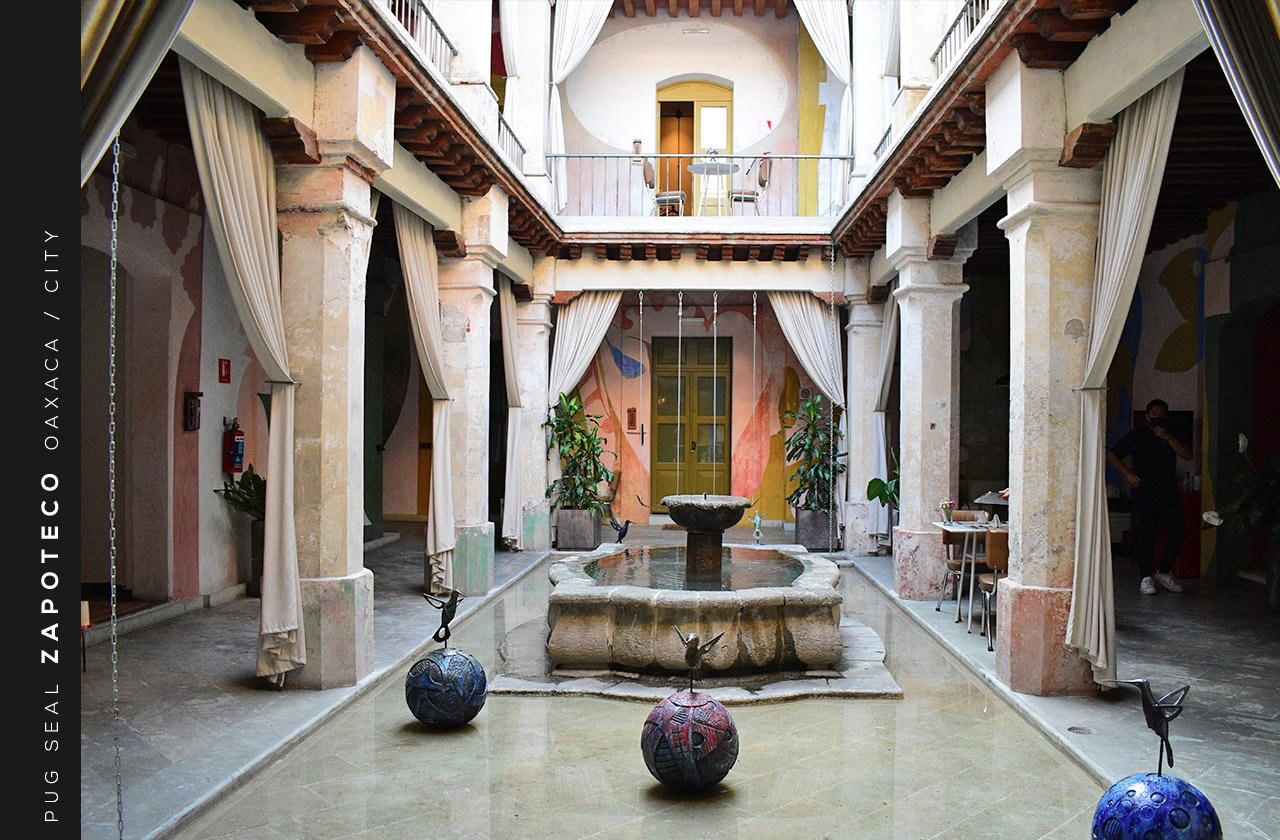
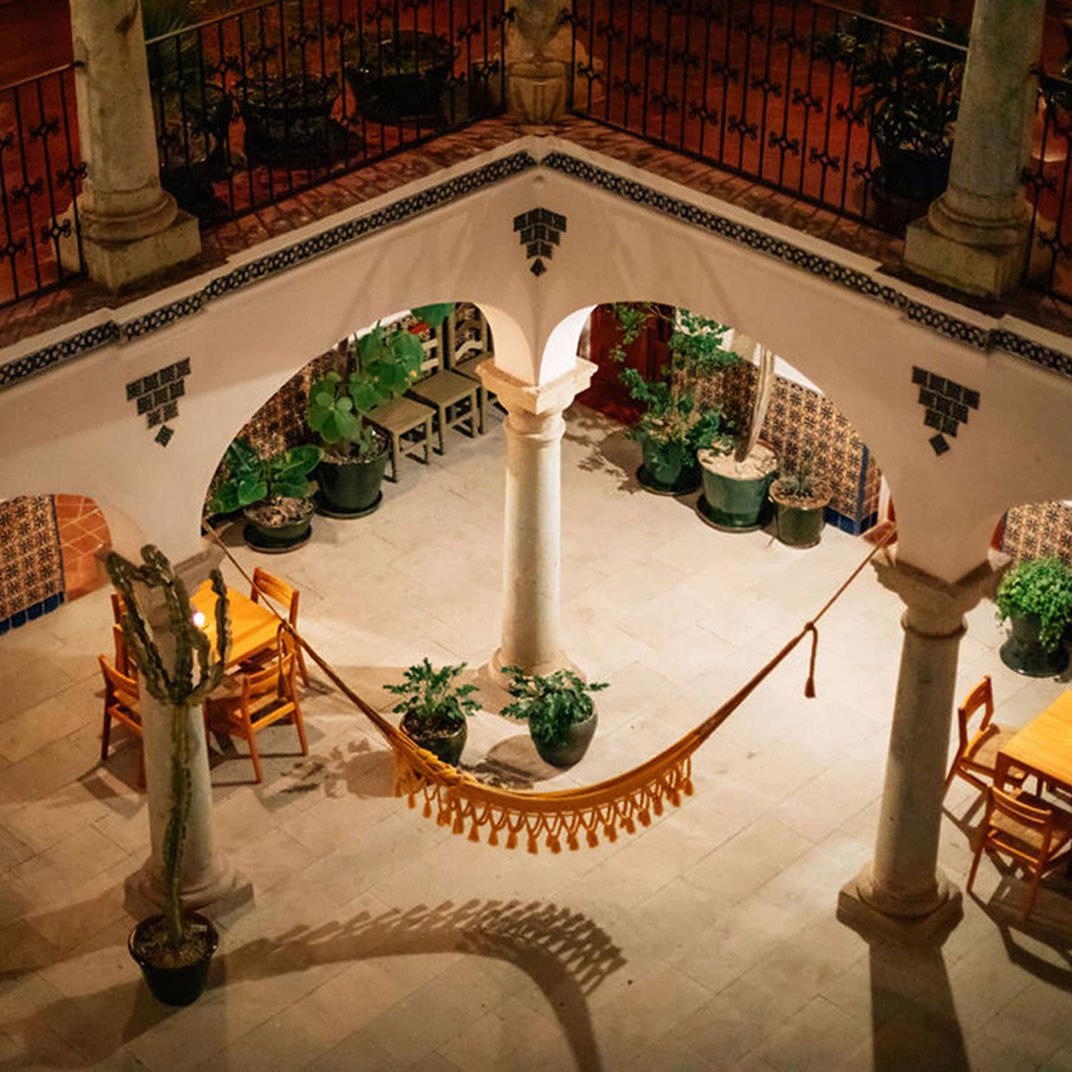
Bustling open-air terrace under picturesque arcades overlooking the lively Zocalo square, with people-watching and occasional street marimba ambiance.
Know Before You Go
- Getting there
- Portal Las Flores 10A, OAX_RE_BENITO JUAREZ, Centro, 68000 Oaxaca de Juárez, Oax., Mexico