On Rajićeva Street in central Belgrade, Thyme occupies a position in the city's growing tier of address-conscious dining rooms where wine selection and seasonal cooking share equal billing. The address places it within easy reach of the Republic Square corridor, where Belgrade's more considered restaurant scene has been quietly consolidating over the past decade. For visitors tracking Serbia's shift toward cellar-serious dining, Thyme warrants attention.
Pearl is the En Primeur Club membership app — saves, bookings, and concierge access live there. Same editors, same standards.
- Address
- Rajićeva 12, Beograd 11000, Serbia
- Phone
- +38163434335
- Website
- thyme.rs
- Directions
- Get directions
 Saves & bookings on Pearl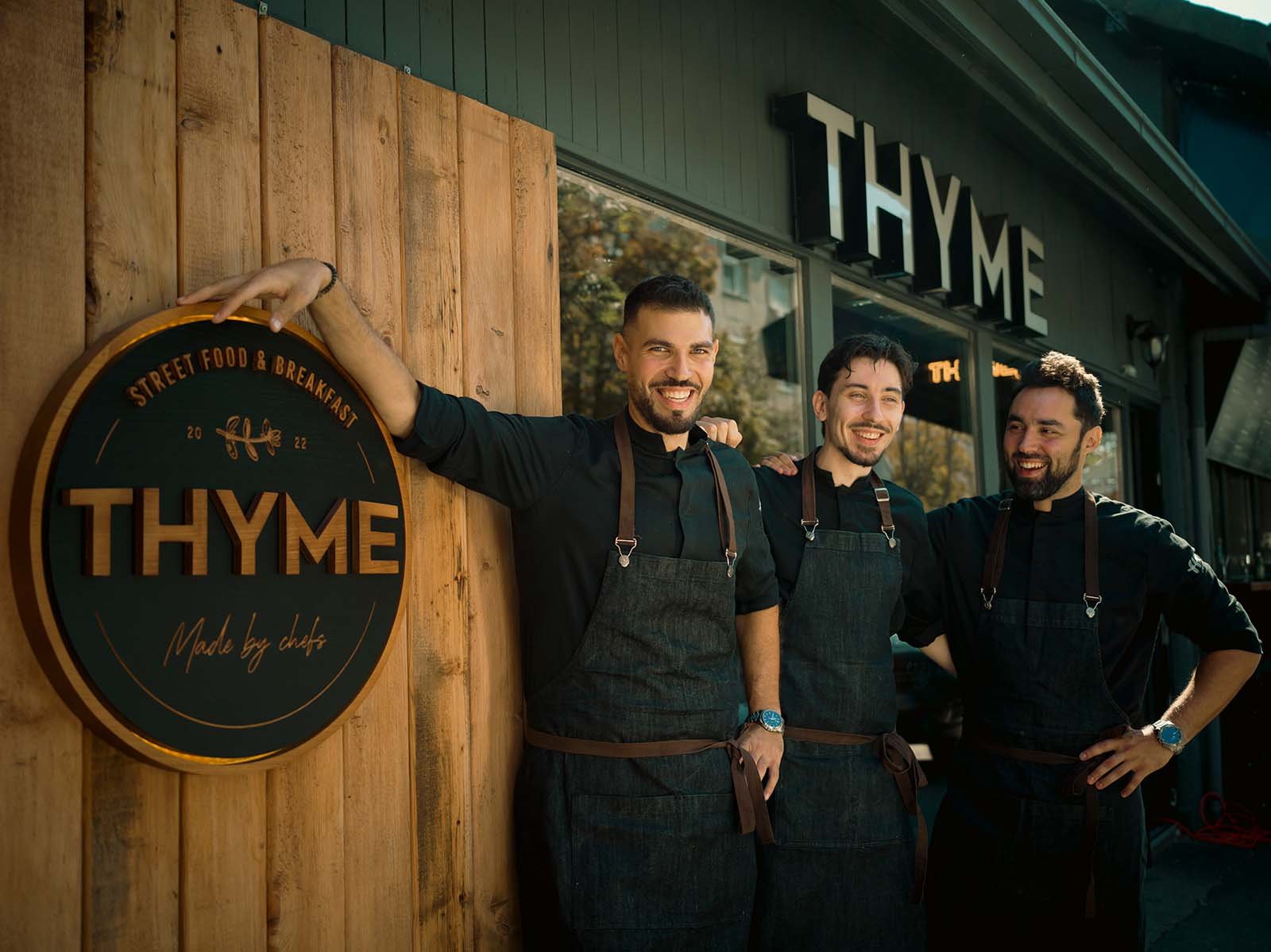
Rajićeva and the Architecture of Belgrade's Wine-Forward Dining Scene
Belgrade's restaurant culture has been through a visible sorting in recent years. The city's older model, anchored by kafana tradition and grilled-meat simplicity, has not disappeared, but alongside it a second tier has emerged: rooms where wine selection, seasonal sourcing, and kitchen precision carry as much weight as the heritage on the plate. Rajićeva Street sits at the centre of that shift. The pedestrian corridor running between Knez Mihailova and the Republic Square area has become one of the city's more concentrated stretches of address-conscious dining, attracting restaurants that want proximity to Belgrade's cultural and commercial core without the tourist-trap dynamics of the main boulevard.
Thyme, at Rajićeva 12, occupies that territory. The address is specific enough to signal intentionality: this is not a restaurant that ended up here by accident. In a city where the gap between a well-curated list and a perfunctory wine card has started to matter to a growing segment of local and visiting guests, placement on Rajićeva functions as a kind of shorthand for a certain seriousness of purpose.
The Wine Question in a City Finding Its Cellar Voice
Serbia's wine culture is in an interesting transitional period. The country has indigenous varieties, Tamjanika, Prokupac, Frankovka, that have historically been underserved by the restaurant trade, either ignored in favour of international labels or presented without the context that makes them legible to guests unfamiliar with the region.
For a restaurant on the editorial angle of wine, the question worth asking is not simply whether a list exists, but what its architecture reveals about the kitchen's relationship to the cellar. Do the Serbian labels sit in a separate, almost apologetic section, or are they integrated into a logic that positions them by weight, producer profile, and food pairing? The latter approach, increasingly common in the city's more considered rooms, reflects a broader shift in how Belgrade restaurants think about Prokupac in particular: not as a lesser domestic option but as a variety with genuine structural interest when sourced from the right producer in Toplica or the Niš area.
Belgrade's wine-forward tier sits in a different competitive frame than comparable rooms in, say, Zagreb or Bucharest. The city's dining public skews toward value consciousness, which means the list architecture has to justify its depth without alienating a guest base that remains price-sensitive relative to Western European counterparts. Venues in the €€-€€€ range, comparable to The Square in its mid-range Contemporary French positioning, tend to solve this by offering a serious by-the-glass programme rather than front-loading the list with prestige bottles. That structural decision says something specific about who a room is built for.
Reading the Room: Atmosphere as Editorial Statement
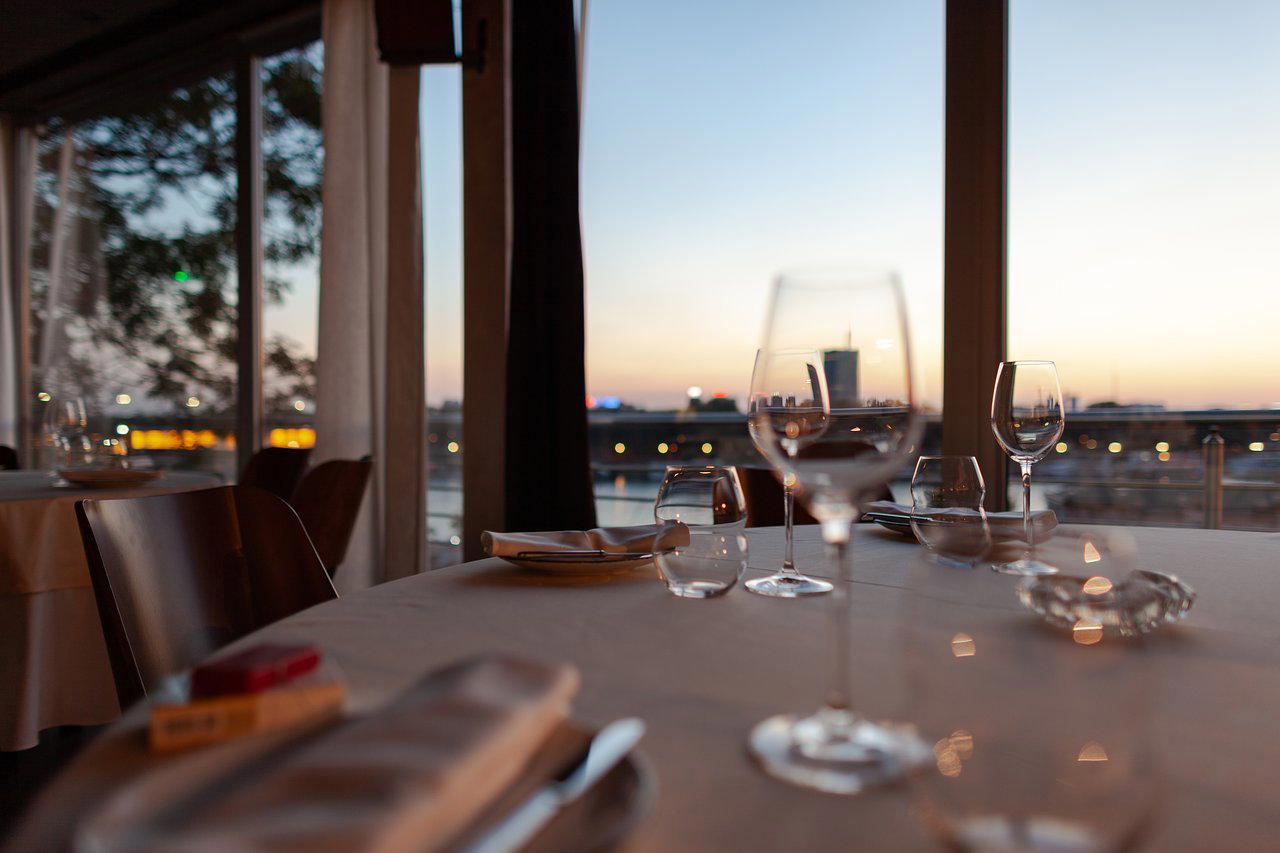
Approaching a restaurant on Rajićeva in the early evening, the street has a particular quality that Belgrade's more touristy stretches lack: it is populated by people who live and work in the city rather than people consulting maps. That matters for atmosphere in ways that are difficult to engineer. The ambient density of the corridor at dinner hour, the sound of Serbian rather than exclusively English at adjacent tables, the sense that this is a functioning urban dining room rather than a hospitality product aimed at passing visitors, all of this is part of what a restaurant on this address inherits.
The name Thyme itself points toward a kitchen identity: herb-driven, ingredient-focused, aligned with the broader European shift toward produce-led cooking that has defined serious mid-market restaurants since roughly the mid-2010s. Whether the execution leans French, contemporary Balkan, or something more eclectic is not verifiable from available data, but the naming convention is consistent with rooms where seasonal sourcing is meant to be legible on the plate.
Where Thyme Sits in Belgrade's Dining Tier
Belgrade's premium dining scene is not large by the standards of a Western European capital, but it has become more internally differentiated. At one end, rooms like Langouste operate at the €€€€ level with Modern Cuisine ambitions that compete on a European rather than purely local frame. At the other, entry-level modern rooms offer contemporary plating at accessible prices. The middle tier, where a guest expects considered wine service, seasonal menus, and a kitchen with some technical range, is where the more interesting editorial story is currently being written in Belgrade.
Thyme's Rajićeva address places it in conversation with that middle tier. Ambar represents the Balkan-sharing format that has found international traction; Avala and Barrel House extend the range of styles available in the city's dining core. For guests building a Belgrade itinerary around table quality rather than landmark status, understanding how individual rooms differ from each other matters more than treating them as interchangeable options.
Visitors who want to extend their Serbia experience beyond the capital will find that the country's restaurant culture is more distributed than its reputation suggests. Kafe Restoran Maša in Novi Sad operates in a city with its own distinct dining character, while Kod Brana in Cacak and Lovački dom in Valjevo offer regional perspectives that contrast with what Belgrade's urban rooms produce. Further afield, Etno Kuća Dinar in Vrsac, Windmill in Pancevo, KAFANA DUKAT in Pirot, Kod poštara in Aran Elovac, Aleksandar Gold in Uzice, Grand in Kopaonik, and ČARDA ZLATNA KRUNA in Apatin each represent a different register of Serbian hospitality.
Know Before You Go
- Address: Rajićeva 12, Belgrade 11000, Serbia
- Area: Rajićeva pedestrian corridor, central Belgrade, within walking distance of Republic Square
- Booking: Walk-ins are welcome.
- Leading approach: Rajićeva is pedestrianised; approach on foot from Knez Mihailova or from Republic Square
- When to visit: The restaurant is open daily from 12 PM to 12 AM.
The Short List
Comparable venues nearby, for context on price, style, and recognition.
| Venue | Cuisine | Price | Notes |
|---|---|---|---|
| ThymeThis venue — the venue you are viewing | Not listed | $$ | Not listed |
| Lorenzo & Kakalamba | Belgrade center, Florentine-Pirot Fusion | $$ | Not listed |
| Trattoria Campania | Not listed | $$ | Belgrade Center, Authentic Neapolitan Italian Trattoria |
| Smokvica | Not listed | $$ | Stari Grad, European Fusion with International Influences |
| Srpska kafana | Old Town, Authentic Serbian Kafana | $$ | Not listed |
| KAFE POSLASTIČARNICA FINI | city center, Serbian Pastry Cafe | $$ | Not listed |
At a Glance
- Lively
- Trendy
- Cozy
- Casual Hangout
- Date Night
- Open Kitchen
- Craft Cocktails
Current opening hours
- Monday
- 12 PM–12 AM
- Tuesday
- 12 PM–12 AM
- Wednesday
- 12 PM–12 AM
- Thursday
- 12 PM–12 AM
- Friday
- 12 PM–12 AM
- Saturday
- 12 PM–12 AM
- Sunday
- 12 PM–12 AM
Hours can change for holidays and private events. Last verified .
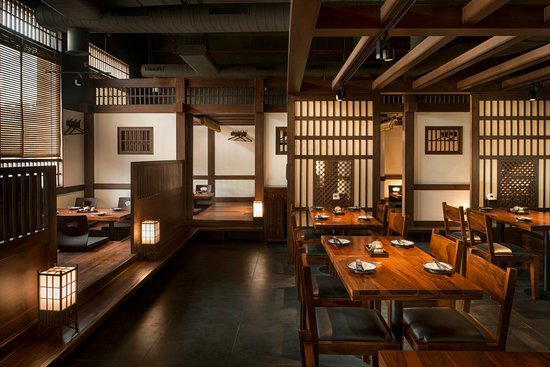
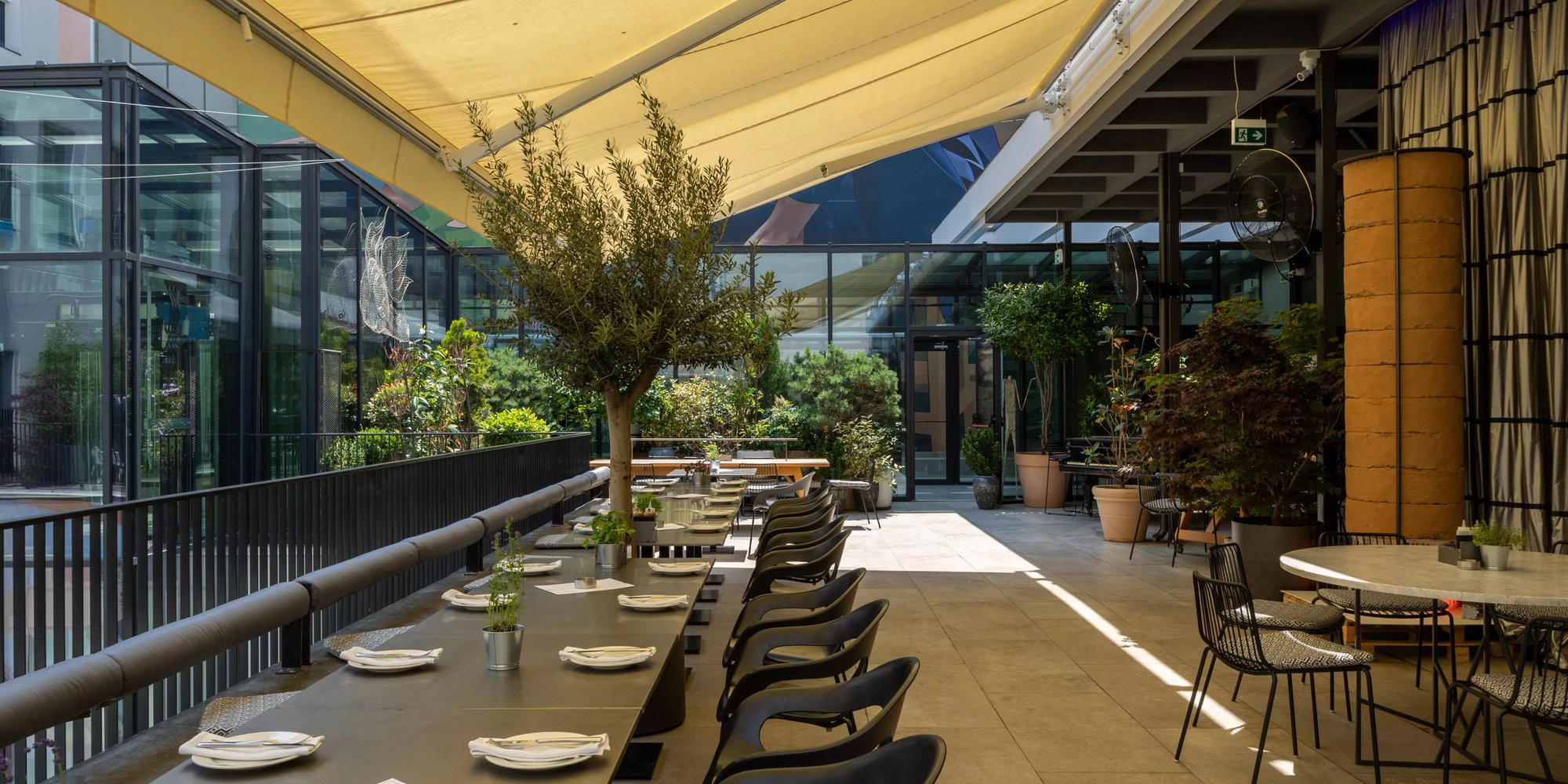
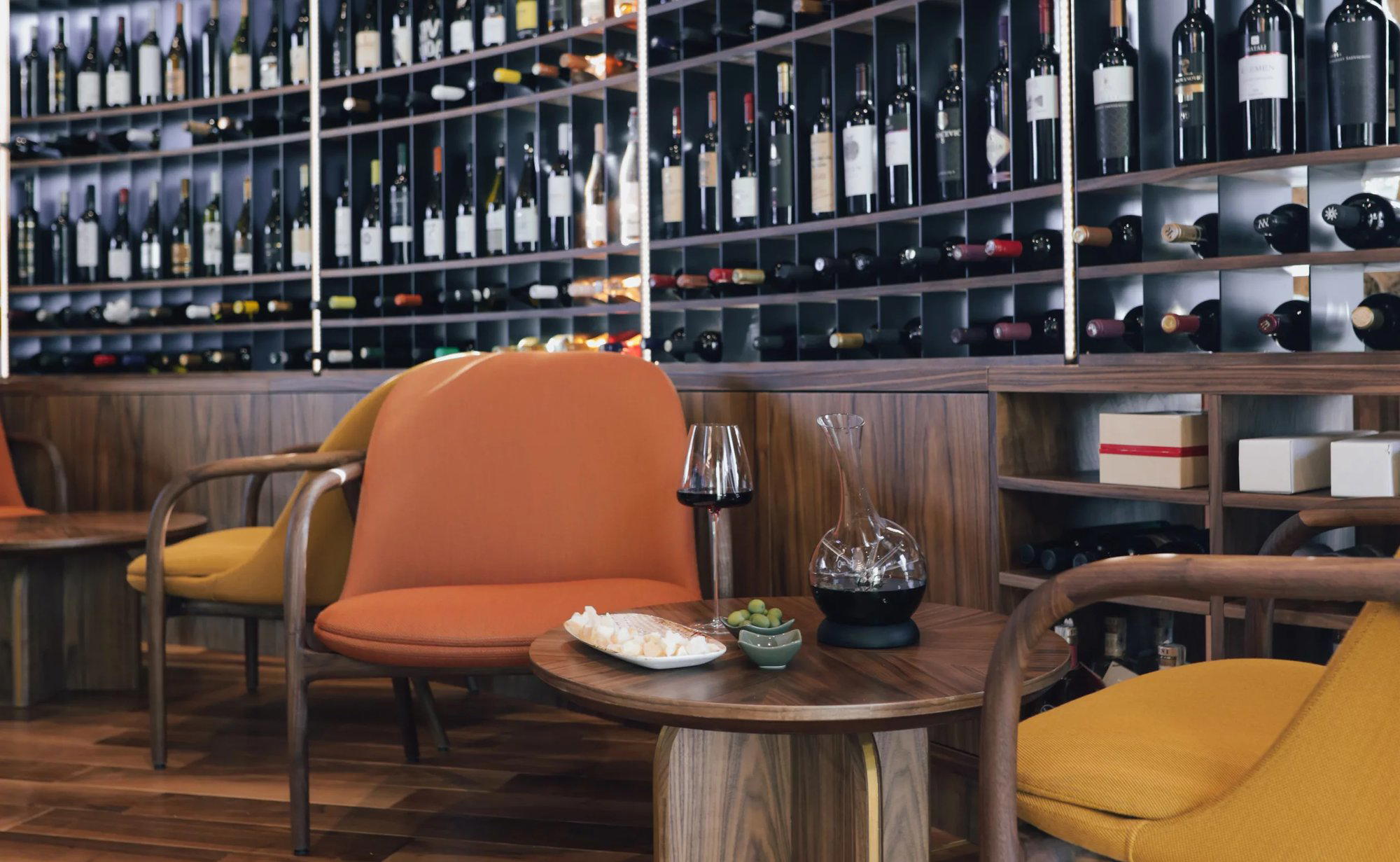
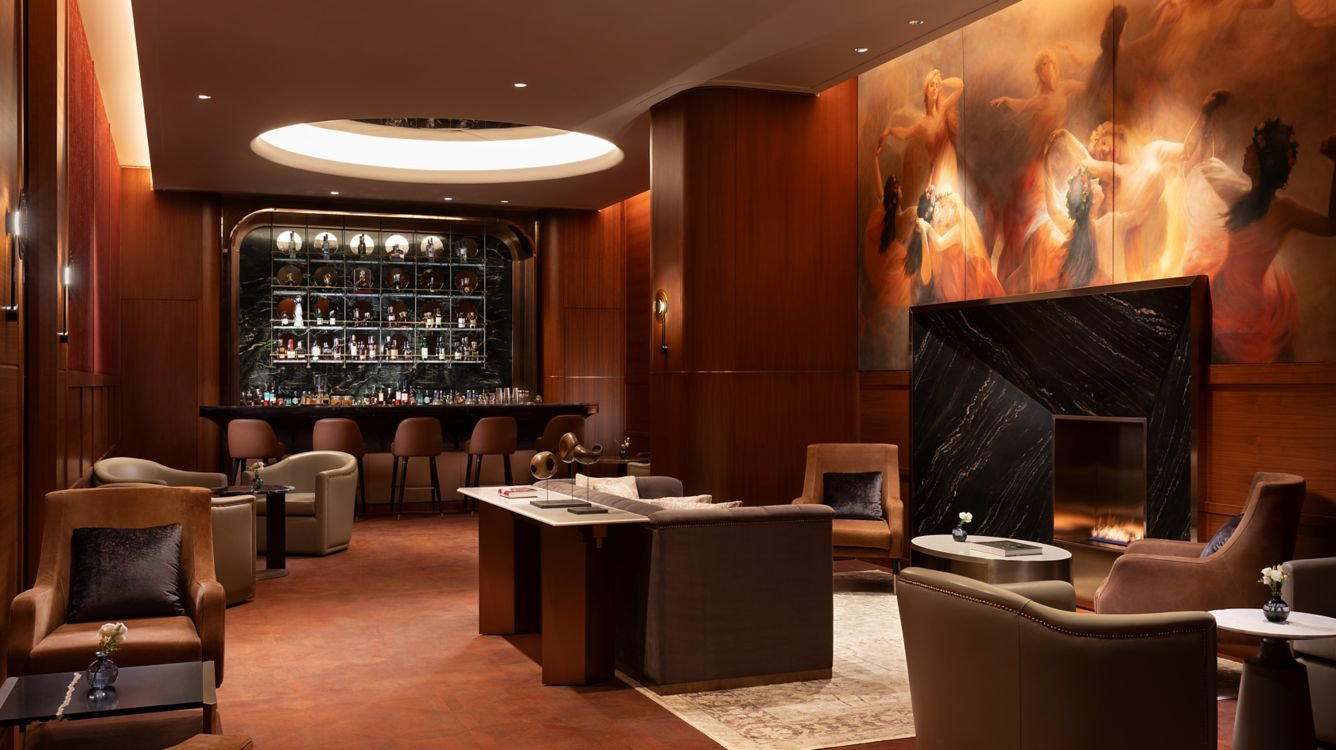
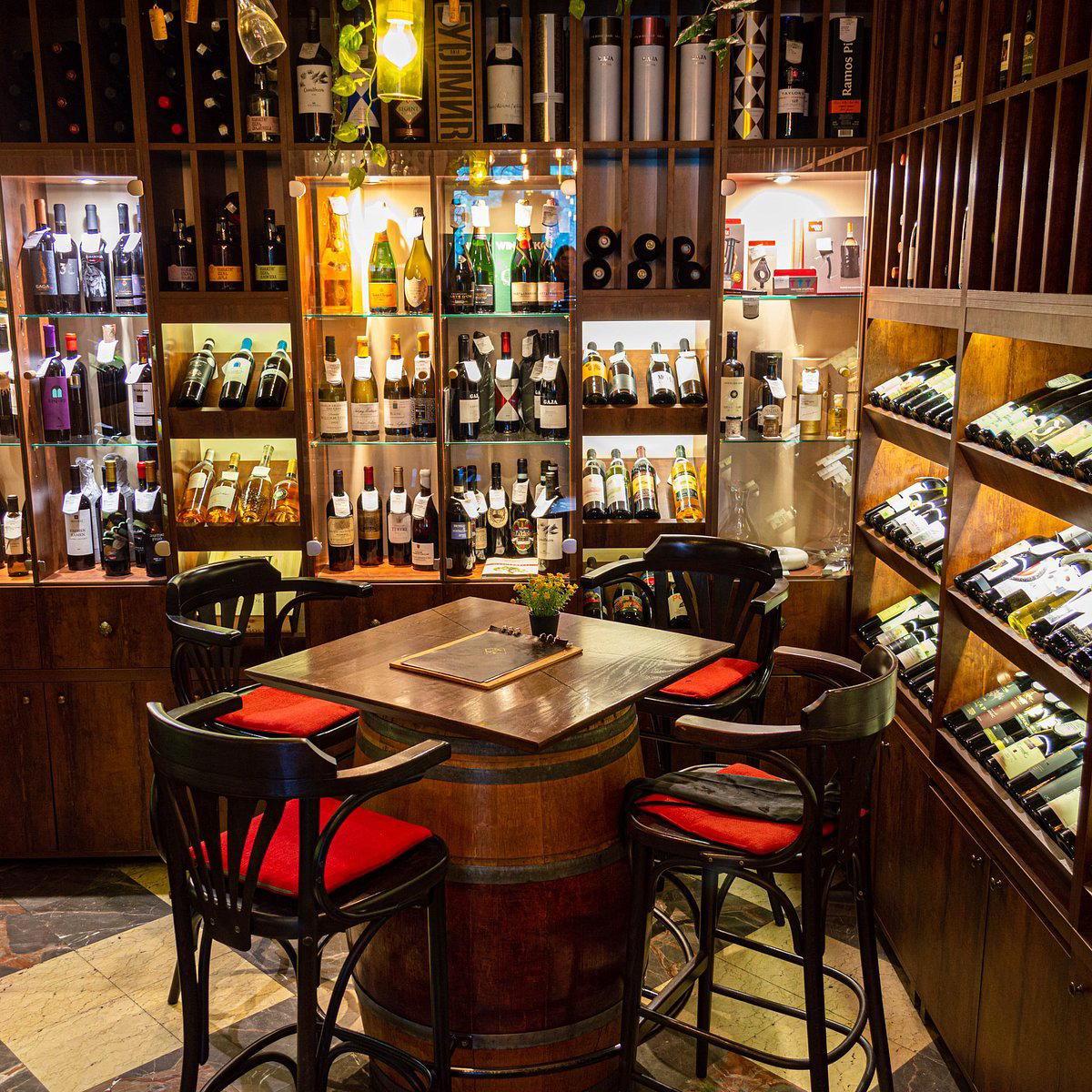
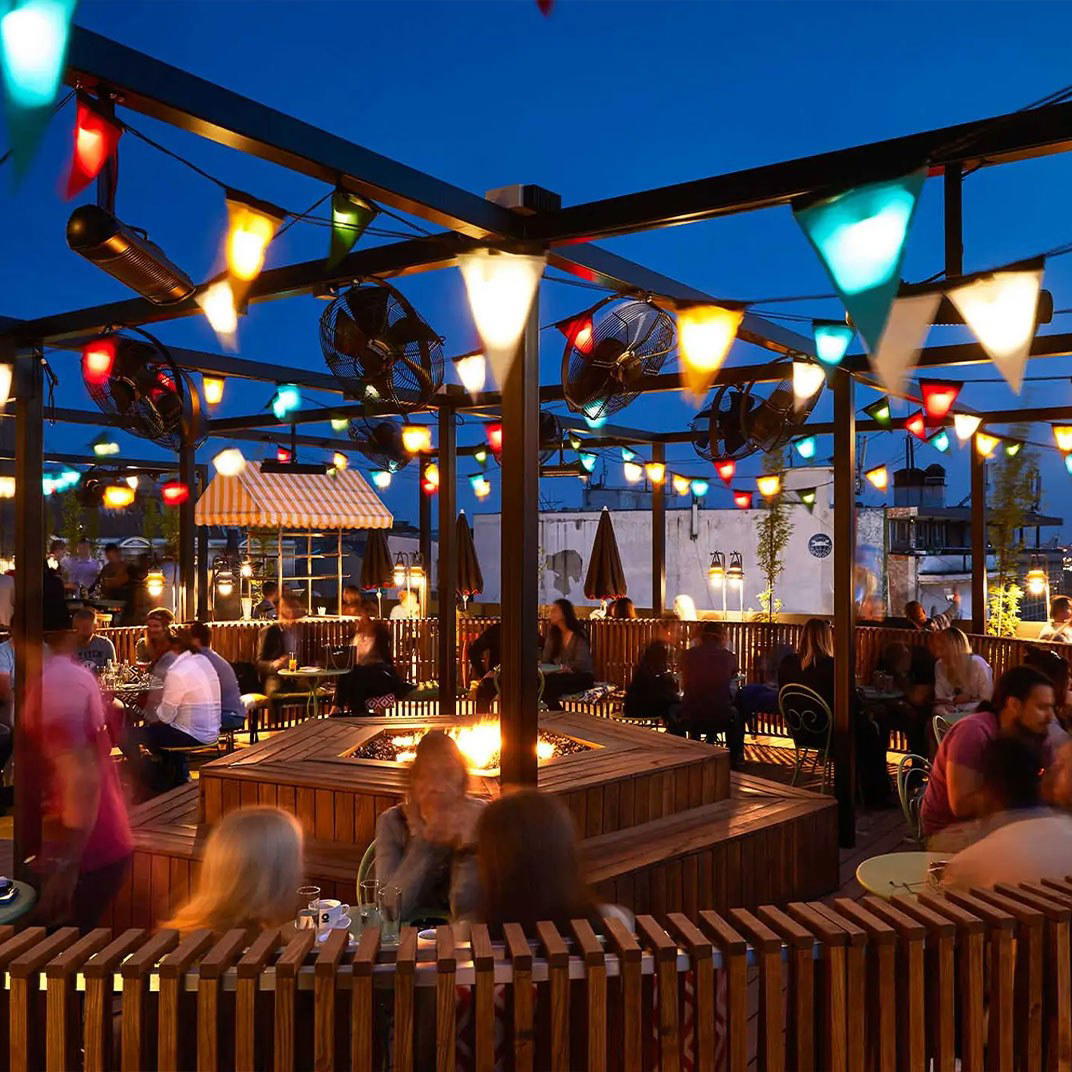
Lively and welcoming with a cool, chic yet comfortable atmosphere and lively energy, especially during 2-for-1 drink specials.