Lorenzo & Kakalamba occupies a corner of Belgrade's Cvijićeva street that rewards deliberate visitors over passing trade. The address, accessed from Vladetina street, signals a certain resistance to easy discovery, a quality shared by the more considered end of Belgrade's restaurant scene. For those tracking Serbia's evolving wine culture and neighbourhood dining, it belongs on the itinerary alongside the city's other address-driven destinations.
Pearl is the En Primeur Club membership app — saves, bookings, and concierge access live there. Same editors, same standards.
- Address
- CVIJICEVA 110, entrance from Vladetina street, Cvijićeva, Beograd 11000, Serbia
- Phone
- +381113295351
- Website
- lk.rs
- Directions
- Get directions
 Saves & bookings on Pearl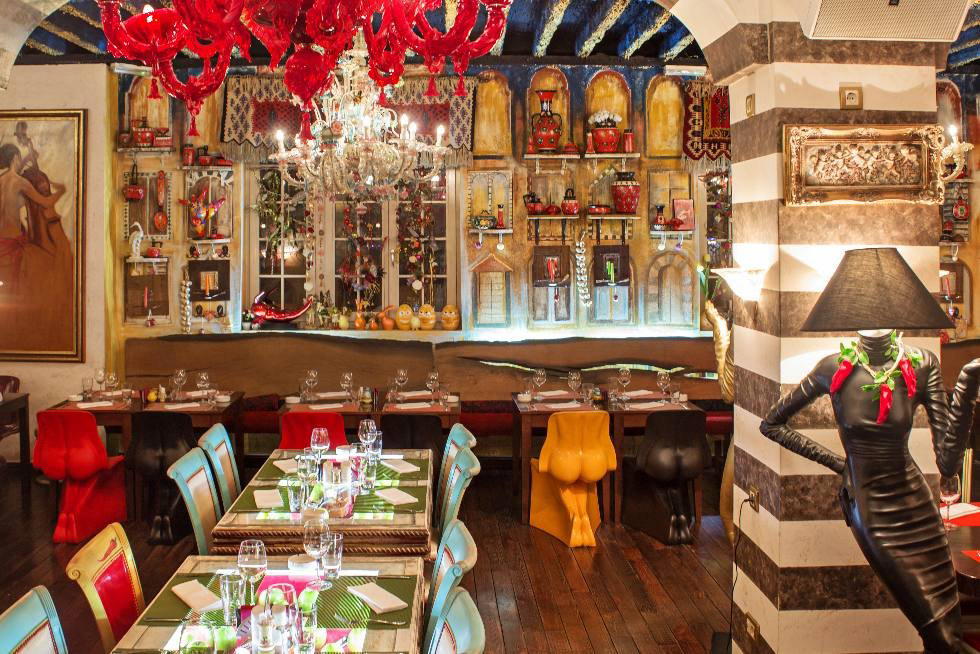
A Belgrade Address That Asks Something of You
Belgrade's dining culture has always sorted itself by geography as much as by category. The further you move into the residential grid north of the centre, toward Cvijićeva and its side streets, the more the character shifts. These are neighbourhood addresses. They assume you already know why you're coming.
Lorenzo & Kakalamba sits at that kind of address: Cvijićeva 110, with the entrance from Vladetina street, a detail that functions almost as a filter. You either looked it up or someone told you.
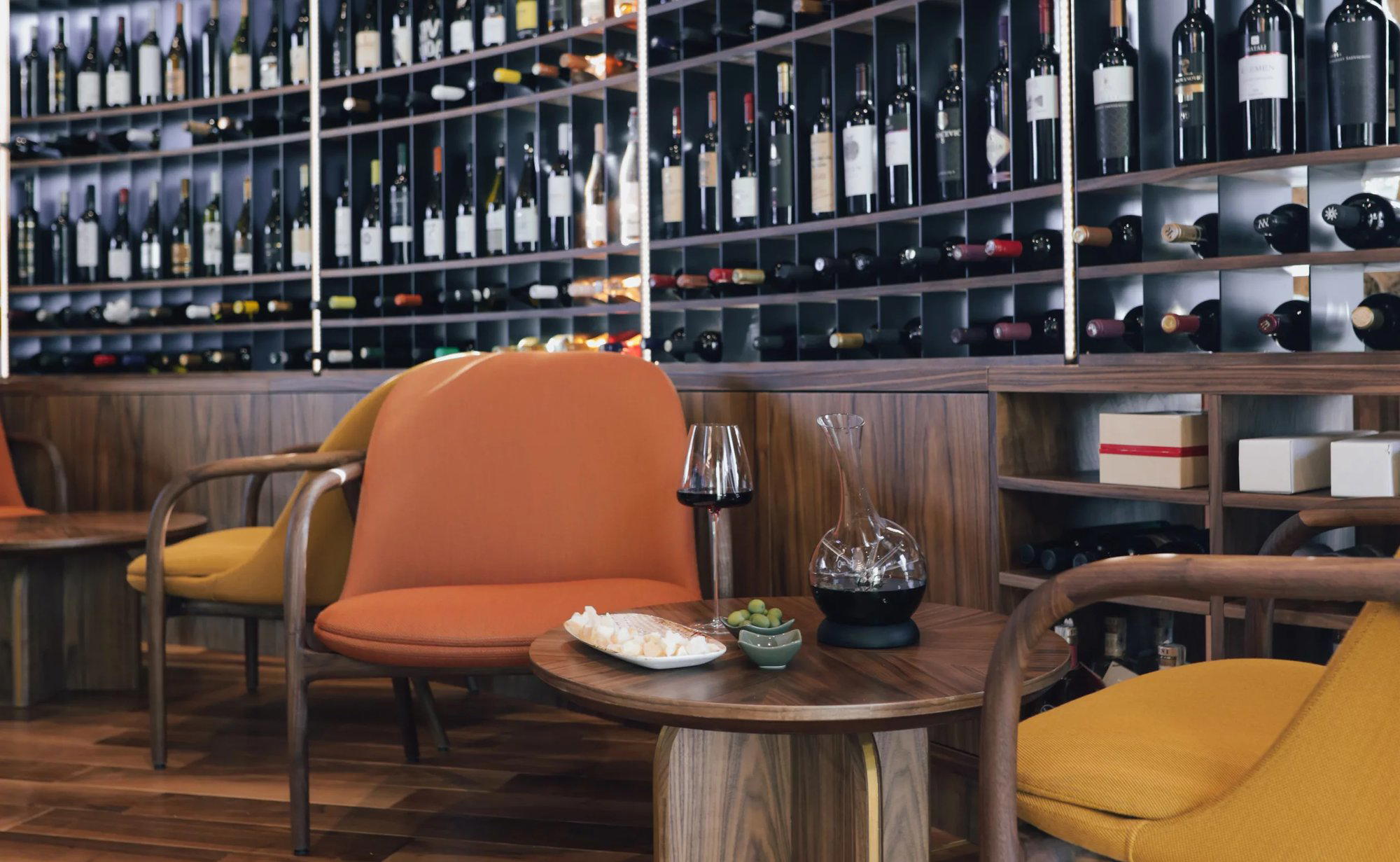
The Wine Argument: Why the Cellar Defines the Room
In Belgrade's current restaurant tier, the wine list is increasingly where operators separate themselves. The city's upper-end modern kitchens, places like Langouste and The Square, have invested in cellars that can hold a conversation with international peers. The mid-range has lagged, tending toward functional lists built around familiar Montenegrin and Macedonian labels rather than anything that reflects Serbia's growing domestic wine ambition.
The more interesting question for any Belgrade restaurant with wine at its core is how it navigates the tension between Serbian terroir and international reference points. Serbia's wine geography spans Župa, Fruška Gora, Negotin, and Timočka Krajina, regions producing Prokupac, Tamjanika, and Cabernet-heavy blends that now attract serious winemaker attention. A cellar that engages with this domestic landscape alongside European selections signals an operator with genuine curatorial intent, rather than one who has simply outsourced the list to a distributor's recommendation sheet.
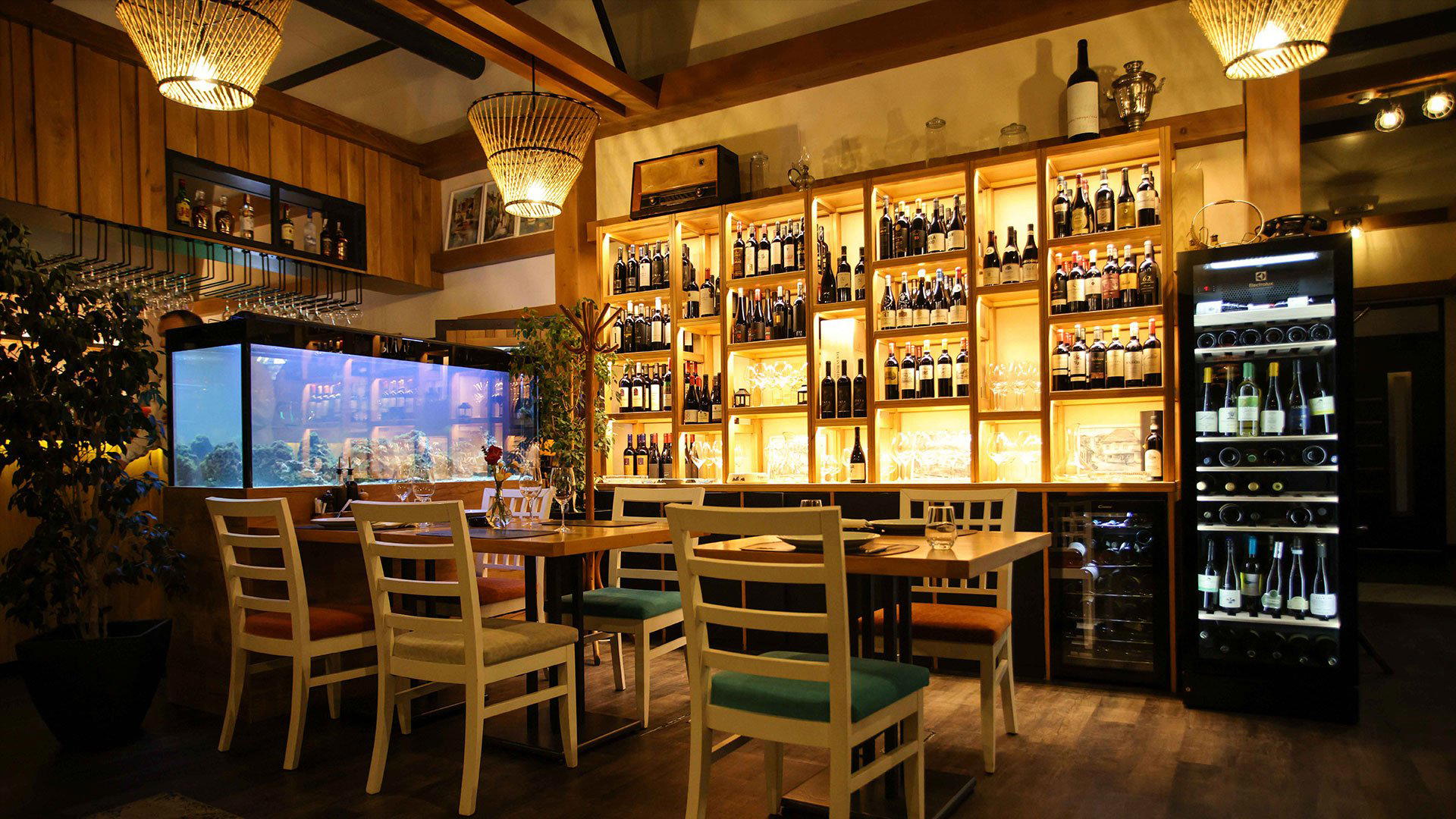
At the level where Lorenzo & Kakalamba operates, a neighbourhood address with a name that suggests Mediterranean or cross-cultural influence, wine curation tends to define the experience more than any single kitchen decision. The list becomes a key reason to book in advance.
Neighbourhood Dining and the Logic of the Side Entrance
The Cvijićeva area, sitting in Belgrade's older residential fabric, has produced a particular kind of restaurant: lower overhead, longer tenure, and a clientele that stays loyal because the dining room feels like a known quantity. This is where Ambar's Balkan sharing format has found its local audience, and where addresses like Avala have maintained relevance by staying close to a core proposition. The pattern across this part of the city is consistency over reinvention.
The entrance from Vladetina street rather than directly from Cvijićeva reinforces that neighbourhood logic. It's a detail that reads, in practice, as an invitation to slow down. Restaurants in Serbian cities that operate with this kind of quiet confidence about their address, no signage arms race, no visible queuing, tend to have sorted their regulars from their tourists before the meal begins.
Placing Lorenzo & Kakalamba in Serbia's Wider Table
Serbia's restaurant geography extends well beyond Belgrade, and any serious exploration of the country's food culture eventually maps outward from the capital. The comparative frame matters here: Barrel House in Belgrade represents a different register of the wine-and-food pairing argument, while regional addresses like Kod Brana in Cacak and Lovački dom in Valjevo anchor the tradition in older Serbian hospitality forms. Further afield, Etno Kuća Dinar in Vrsac and Windmill in Pancevo illustrate how the country's restaurant culture disperses from Belgrade into smaller cities with their own distinct identities.
Within the capital's comparable set, the price and format bracket that Lorenzo & Kakalamba appears to occupy sits below the upper-tier modern kitchens but above the casual kafana format. That middle band is where Belgrade's most confident neighbourhood operators tend to cluster, more considered than Kafe Restoran Maša in Novi Sad's accessible register, less formal than the tasting-menu rooms that have defined Belgrade's upward ambitions in the past decade. For visitors arriving from cities where that middle band barely exists, where the choice collapses into fine dining or fast casual, the Serbian neighbourhood restaurant at its leading represents something worth seeking out specifically.
The international comparison is instructive too. A restaurant like Le Bernardin in New York City operates on the principle that technical mastery justifies formality; a place like Atomix in the same city has built its identity around cultural specificity expressed through a tightly controlled format. Belgrade's most interesting neighbourhood restaurants operate from a third logic: that place, regularity, and the particular pleasure of a known room are sufficient justification. It's a different kind of confidence.
Planning a Visit: What You Need to Know
The Cvijićeva 110 address requires attention: the entrance is from Vladetina street, not the main road front, so first-time visitors should build in a minute or two to locate the correct approach. This is the kind of operational detail that separates a good visit from a slightly disorienting one. Belgrade's neighbourhoods reward pedestrian navigation, and the area around Cvijićeva is walkable from the city's inner residential zones.
Seasonal timing matters in Belgrade: the autumn months bring the Prokupac harvest to the table in serious wine-focused rooms, and any cellar with domestic Serbian ambition will have its leading argument to make from September through November. Spring reopens the terrace season across the city's neighbourhood restaurants, which tends to shift the energy of an evening considerably.
Peers in This Market
Comparable venues nearby, for context on price, style, and recognition.
| Venue | Cuisine | Price | Notes |
|---|---|---|---|
| Lorenzo & KakalambaThis venue — the venue you are viewing | Florentine-Pirot Fusion | $$ | Not listed |
| KOORDINATA STREET | Modern European Fusion with Serbian Influences | $$ | Zemun |
| Bistro Tri | Modern Serbian Bistro | $$ | Vračar |
| RESTORAN NOVAK 1 | Modern International with Serbian Influences | $$ | New Belgrade |
| MIG | Italian Pizza and Gelato | $$ | Novi Beograd |
| Restoran Paša | Freshwater Fish by the Danube | $$ | Zemun |
At a Glance
- Whimsical
- Cozy
- Trendy
- Date Night
- Casual Hangout
- Group Dining
- Open Kitchen
Current opening hours
- Monday
- 12 PM–12 AM
- Tuesday
- 12 PM–12 AM
- Wednesday
- 12 PM–12 AM
- Thursday
- 12 PM–12 AM
- Friday
- 12 PM–1 AM
- Saturday
- 12 PM–1 AM
- Sunday
- 12 PM–12 AM
Hours can change for holidays and private events. Last verified .
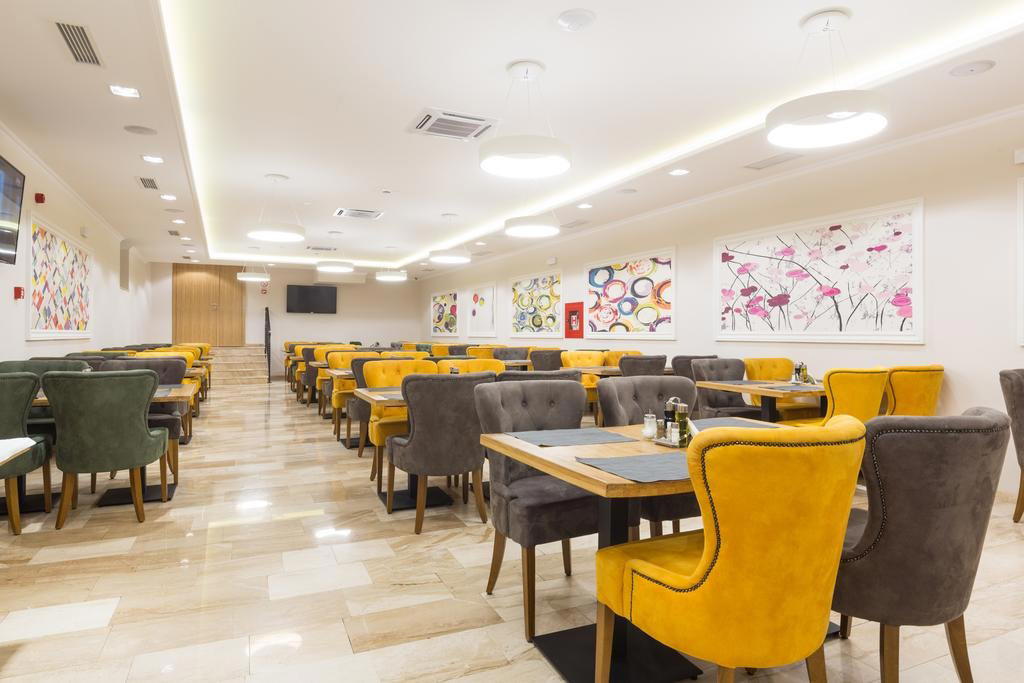
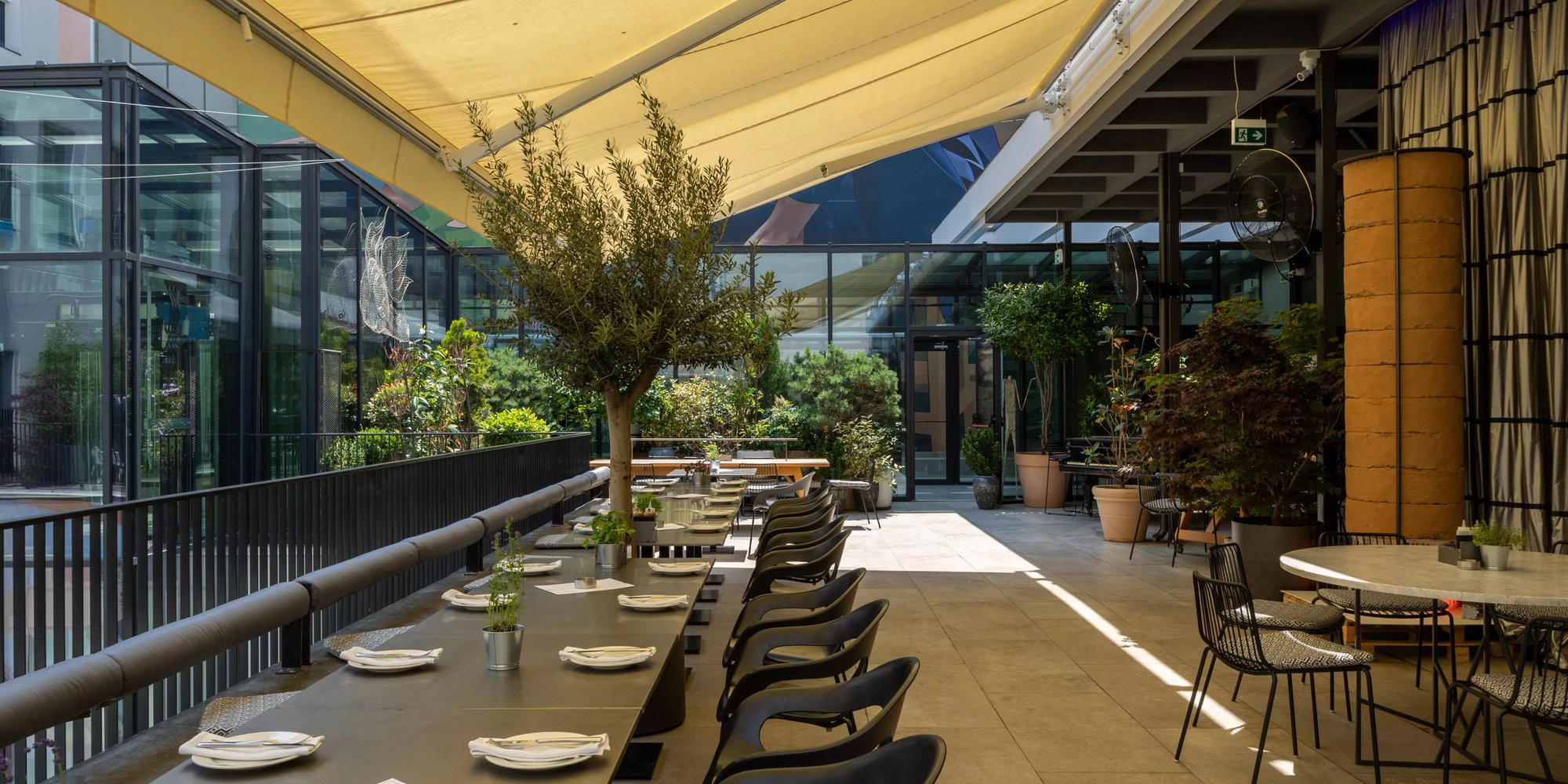
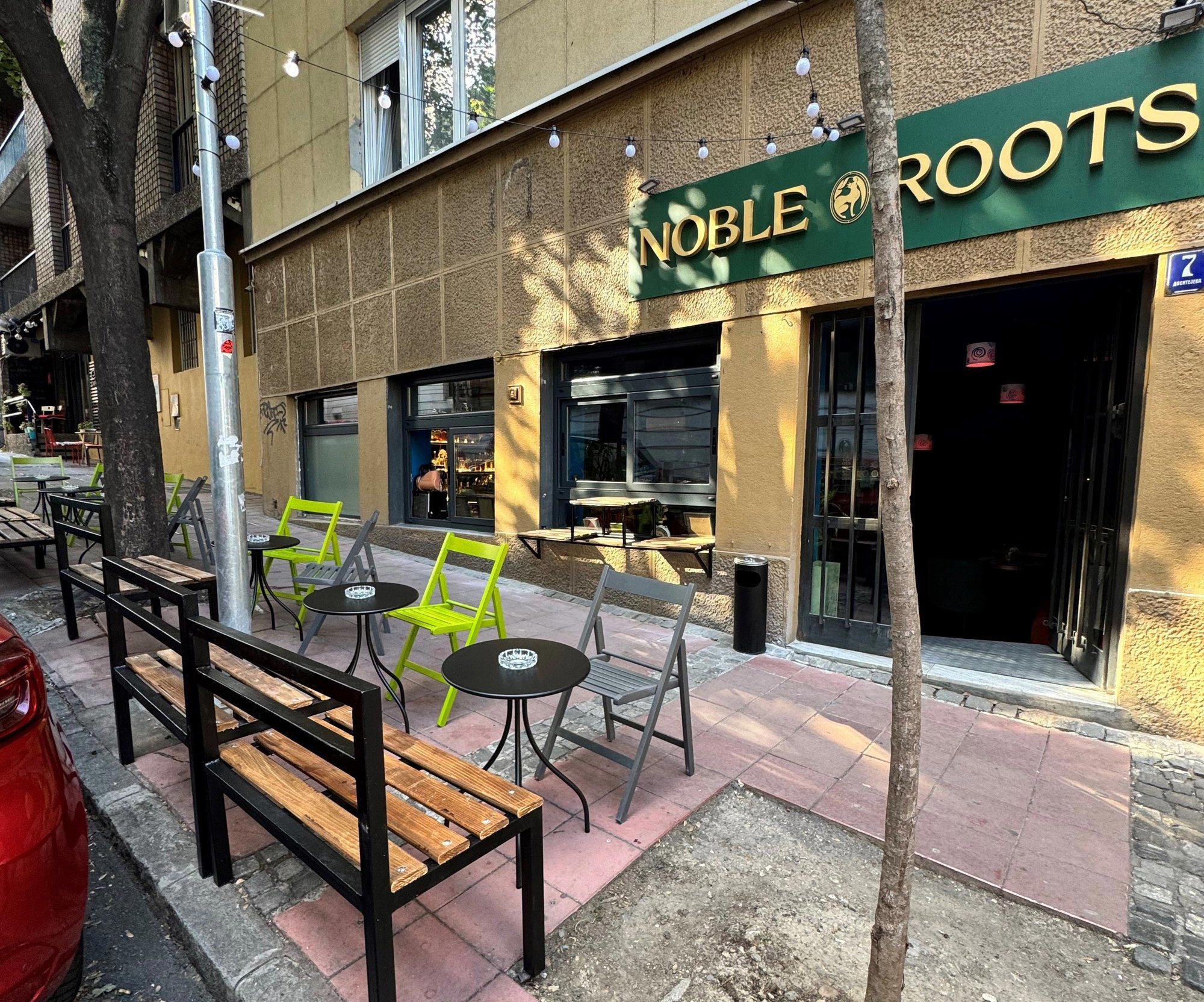
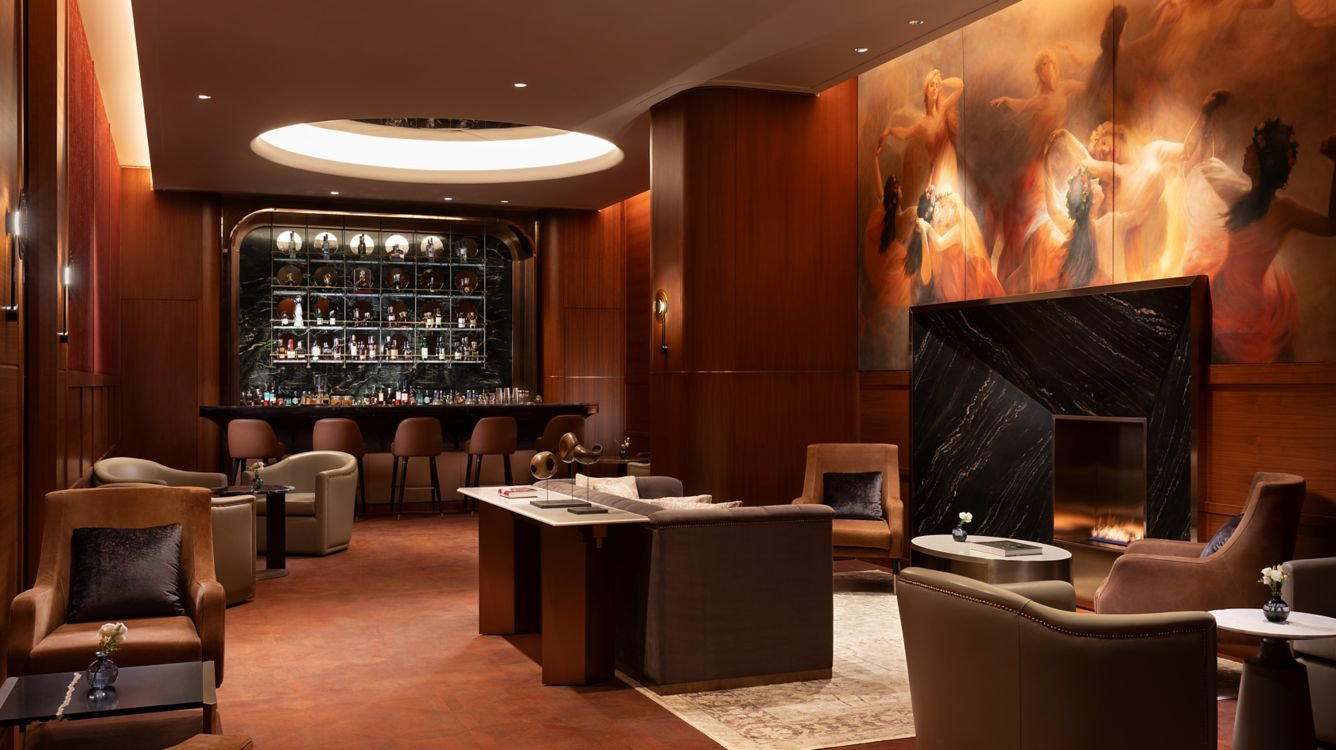
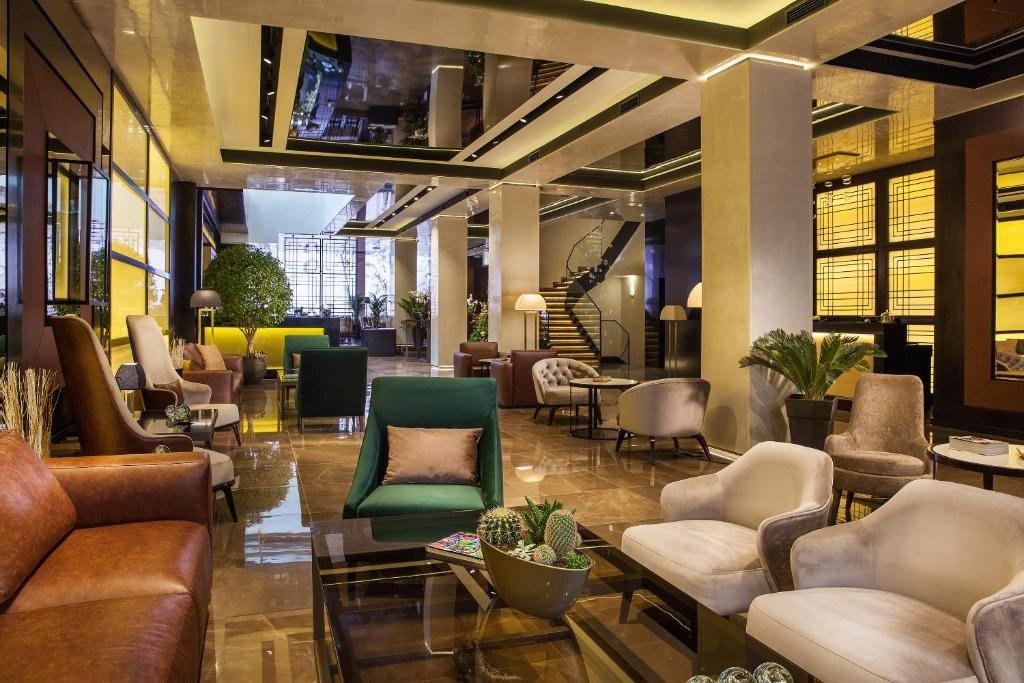
Lively and entertaining with tongue-in-cheek architecture, art nods to Renaissance and Serbian elements like upside-down sheep and garlic-adorned trees, creating a quirky indoor Garden of Eden.