Our verdict
In a city where producer relationships define the serious end of the dining scene, The Tasmanian Juice Press occupies a specific niche within Hobart's growing slate of produce-led venues. Tasmania's agricultural and oceanic larder gives operations like this a distinct regional footing that few mainland equivalents can replicate. Confirmation of current hours and booking arrangements is best handled directly through the venue.

Pearl is the En Primeur Club membership app — saves, bookings, and concierge access live there. Same editors, same standards.
- Address
- Hobart, Australia
- Website
- tasjuicepress.com
- Directions
- Get directions
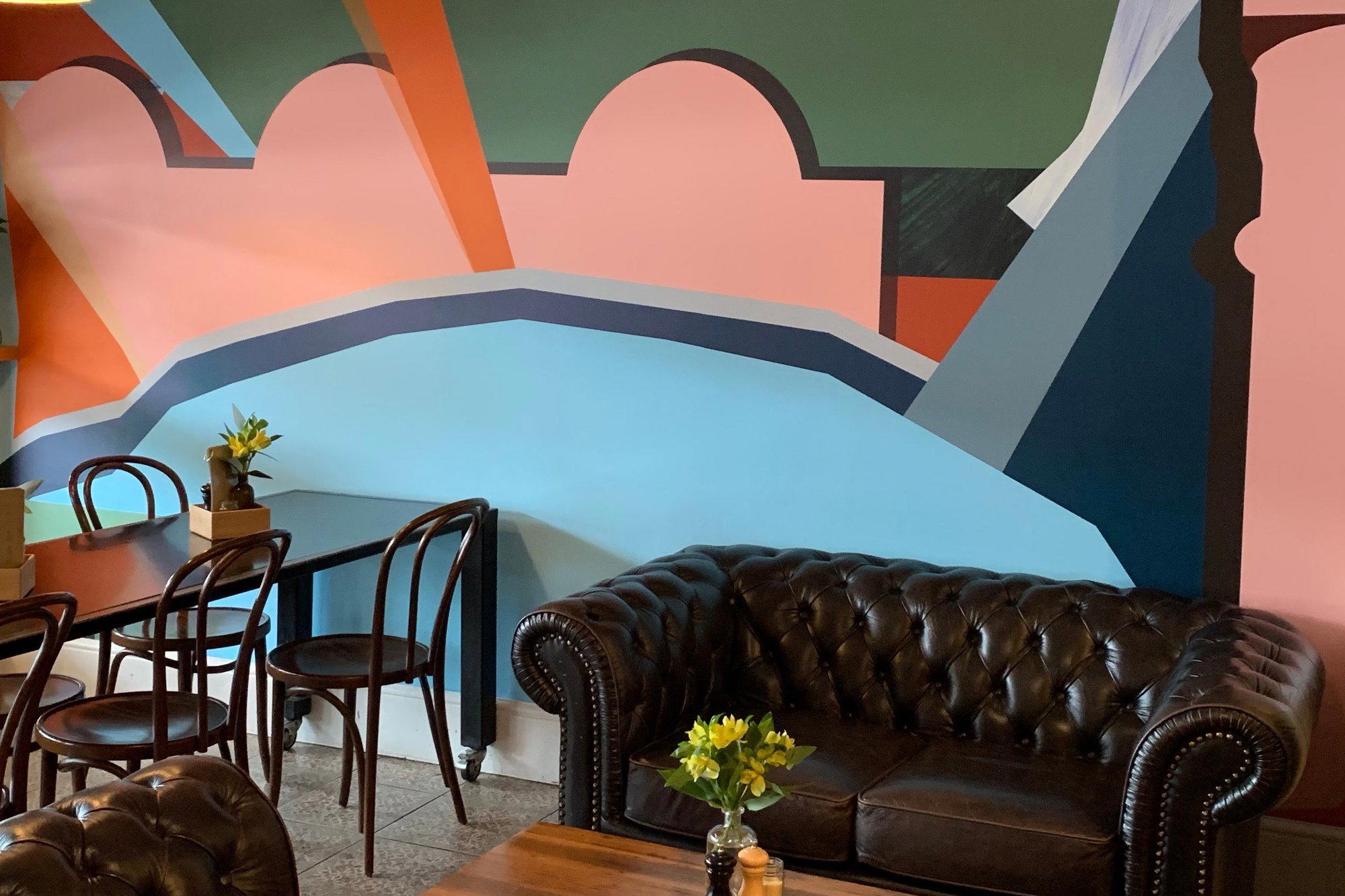
The menu
What to order
- Cold-pressed juices
- Rice bowls
- Smoothies
Hobart's Produce Logic and Where The Tasmanian Juice Press Fits
Hobart has undergone a slow but measurable shift over the past decade. The city that once exported its leading produce south to fine-dining rooms in Melbourne and Sydney now has a dining tier capable of absorbing it locally. That shift produced a particular kind of venue: operations whose identity is inseparable from the Tasmanian agricultural calendar, where the sourcing philosophy is not a marketing footnote but the operating principle. The Tasmanian Juice Press sits within that current, in a city where the distance between paddock and plate is short enough to be architecturally significant.
Tasmania's case for produce primacy is well-documented. The island's cool climate, clean water systems, and low industrial agriculture footprint produce ingredients with measurable distinction: Atlantic salmon from the Huon Valley, saffron from the Huon region, wasabi from the Huon River, stone fruit from the Derwent Valley, and an oyster harvest from the east coast that consistently draws comparison with France's finest cold-water beds. Any venue in Hobart operating with serious intent has access to this larder. The question the city's better addresses answer is not whether to use it, but how deeply to commit to it — seasonally, structurally, and in terms of producer relationships.
The Neighbourhood Frame
Hobart's dining geography rewards some orientation. The CBD waterfront, anchored by Salamanca Place and the docks, concentrates the highest volume of visitor-facing restaurants. The inner suburbs — particularly South Hobart, North Hobart's Elizabeth Street strip, and Battery Point, tend to house smaller, more idiosyncratic operations where local regulars form the economic base. The distinction matters for understanding what you're walking into: a waterfront address often signals a broader, more tourist-calibrated format, while an off-waterfront location in Hobart frequently indicates a room built around repeat custom and a more fixed culinary point of view.
This geographic split also shapes the wine and drinks offer across the city. Producers from the Coal River Valley and the Tamar Valley have established enough export credibility, Frogmore Creek, Josef Chromy, and Pooley among them, that local wine lists in the serious tier carry regional bottles that hold their own against mainland benchmarks. A venue with a thoughtful drinks programme in Hobart is, almost by default, anchored in Tasmanian viticulture, and that anchoring tends to reinforce the regional coherence of the food offer.
The productive end of Hobart's restaurant scene spans a range of formats, from the long-tasting-menu model typified by Agrarian Kitchen, which runs cooking school, restaurant, and larder operations from a converted mental asylum in New Norfolk, about forty minutes from the city, to the tighter, more neighbourhood-scaled ambitions of venues like Aloft and Cugini Restaurant. Italian-influenced addresses including Don Camillo Restaurant have maintained long-standing relationships with the local dining public, demonstrating that Hobart's appetite for sustained, non-trend-driven restaurants is genuine.
The Tasmanian Juice Press, from its name, suggests an orientation toward fresh, cold-pressed, or liquid-led production. In the national context, Hobart's size means venues in this category operate in a niche: the market for premium non-alcoholic or fresh-pressed offerings is smaller than in Sydney or Melbourne, but the ingredient quality available regionally makes the proposition coherent. Across Australia, the serious end of the produce-led drinks and food category has developed a vocabulary that connects venues in Hobart with peers further afield. Operations like Brae in Birregurra and Pipit in Pottsville have built national reputations around similar commitments to regional sourcing and restraint in production method. In that broader frame, a Hobart venue pressing Tasmanian fruit and vegetables operates with raw material that the mainland equivalents would consider an advantage rather than a limitation.
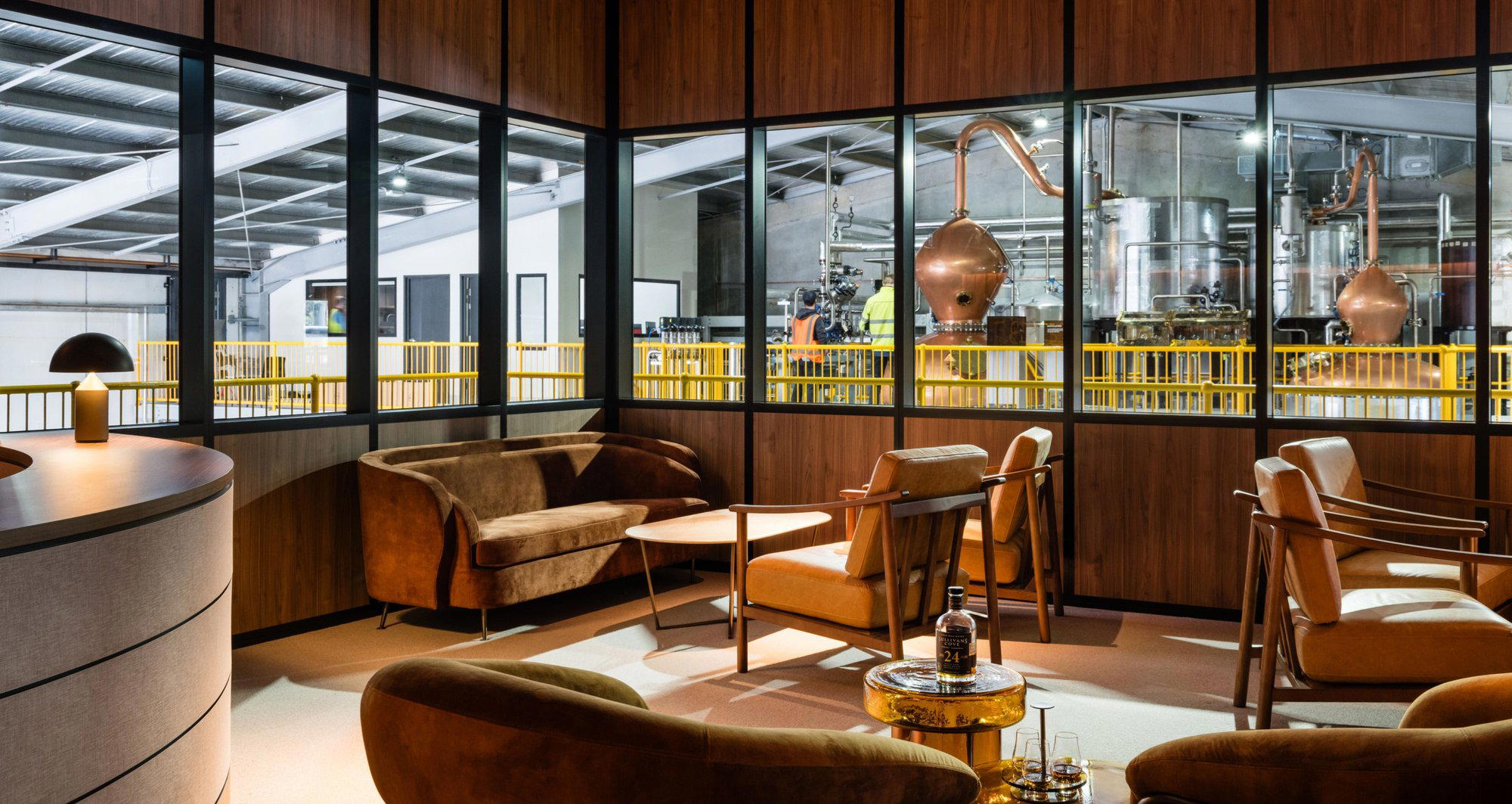
Callington Mill Distillery at MACq 01 Hobart offers a useful adjacent reference point: it demonstrates how Tasmanian producers can translate raw agricultural material into a premium product with genuine regional identity. The logic is the same whether the output is whisky or cold-pressed juice.
The Australian Context for Serious Juice and Drinks Venues
Nationally, the premium non-alcoholic and fresh-beverage category has matured significantly since 2018. What was once a dietary accommodation has become, at the better end, a production discipline with its own seasonal logic, supplier relationships, and culinary seriousness. Venues like Attica in Melbourne and Botanic in Adelaide have extended thoughtful non-alcoholic pairing programmes that draw on the same farm networks supplying their kitchens. The conversation has also moved internationally: Le Bernardin in New York City and Lazy Bear in San Francisco have both treated the non-alcoholic pairing as a parallel track to the wine list, with corresponding production care. Against those benchmarks, a Hobart address working with Tasmanian ingredients carries raw material credentials that require only competent execution to be compelling.
The broader Australian fine-dining tier has also normalised the regional produce argument across multiple formats. Rockpool in Sydney, Hentley Farm in Seppeltsfield, Laura at Pt Leo Estate in Merricks, Ormeggio at The Spit in Mosman, and Provenance in Beechworth all operate with a version of this argument. And resort contexts like Lizard Island Resort in Lizard Island demonstrate how place-specific sourcing can anchor a food and beverage identity even in geographically remote settings. Tasmania's relative isolation, in that frame, is not a constraint on ambition.
Planning Your Visit
Hobart's better small-format venues routinely book ahead, particularly on weekends and during the January–March peak summer season when visitor numbers to the city spike alongside the local festival calendar. The Tasmanian Juice Press, operating in a niche category, is worth contacting well in advance of your intended date. For a broader view of what the city offers across formats and price points, our full Hobart restaurants guide maps the current scene in useful detail.
Frequently asked questions
Does The Tasmanian Juice Press use locally grown Tasmanian produce in its drinks?
The venue's name and Hobart positioning place it squarely within a broader movement of Tasmanian producers and hospitality businesses prioritising regional sourcing over imported ingredients. Tasmania's regulated agricultural environment and geographic isolation give its fruit and vegetable growers a distinct terroir argument, one that a juice-press format can express directly in the glass. Confirm specific sourcing details with the venue, as supplier arrangements change seasonally.
What should I order at The Tasmanian Juice Press?
The venue's name signals its core offer: pressed juices drawing on Tasmania's cold-climate fruit and vegetable growing regions. Hobart's produce calendar runs strongly through stone fruit in summer and brassicas and root vegetables in the cooler months, so what's available shifts with the season. Confirm the current menu directly with the venue before visiting.
How far ahead should I plan for The Tasmanian Juice Press?
That said, Hobart's hospitality scene concentrates significant foot traffic around Salamanca Place and the waterfront precinct, so arriving outside peak lunch hours on weekends is a reasonable precaution. check the venue's official channels to confirm current arrangements.
What's the standout thing about The Tasmanian Juice Press?
In a national context where the premium non-alcoholic beverage category has matured considerably since 2018, a venue operating specifically under a juice-press identity in Hobart occupies a distinct position: it puts Tasmanian produce at the centre of the drink, rather than treating fresh juice as a breakfast sideline. That produce-first logic is what sets the format apart from a generalist cafe drinks list.
Is The Tasmanian Juice Press allergy-friendly?
A fresh-juice and pressing operation by nature tends to offer more transparency around ingredients than a cooked-food kitchen, since the inputs are typically whole fruits and vegetables rather than compound preparations. Raise your requirements directly with staff before ordering.
Is The Tasmanian Juice Press worth it?
The case rests on what Hobart's agricultural hinterland actually produces: cool-climate apples, berries, and vegetables from some of Australia's cleanest farming country, pressed into drinks rather than shipped to mainland fine-dining rooms. For anyone treating beverage quality with the same seriousness they'd apply to wine or coffee, a venue built around that produce logic in Hobart is a credible destination.
The Short List
| Venue | Cuisine | Price | Awards | Notes |
|---|---|---|---|---|
| The Tasmanian Juice PressThis venue — the venue you are viewing | Healthy Cold-Pressed Juices & Light Eats | $10–20 | Not listed | Not listed |
| Agrarian Kitchen | Modern Farm-to-Table Degustation | $150–200 | Tatler Listed in Best Restaurants Asia-Pacific · Gourmet Traveller State Winner Tasmania | Not listed |
| Aloft | Modern Australasian Fine Dining | $100–150 | We're Smart World 2 Radishes | Not listed |
| Lost in Asia | Pan-Asian Share Plates | Not listed | Not listed | South-East Asian |
| Scholé | Japanese-inspired Tasmanian | $100–150 | Gourmet Traveller State Winner Tasmania | Japanese-influenced; wine bar |
| Templo | Italian-inspired Seasonal Tasting Menu | $100–150 | Not listed | Not listed |
Continue exploring
More in Hobart
Restaurants in Hobart
Browse all →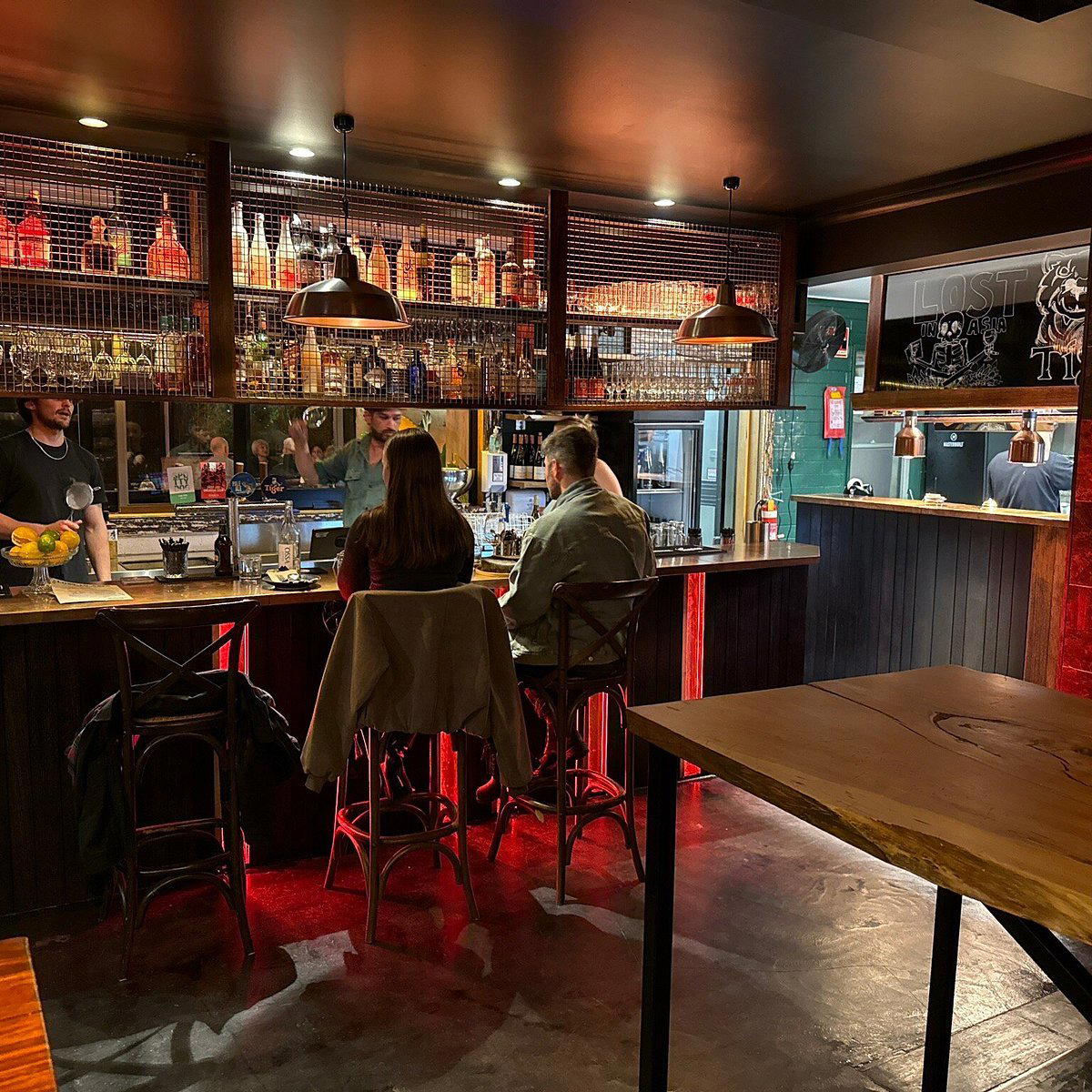
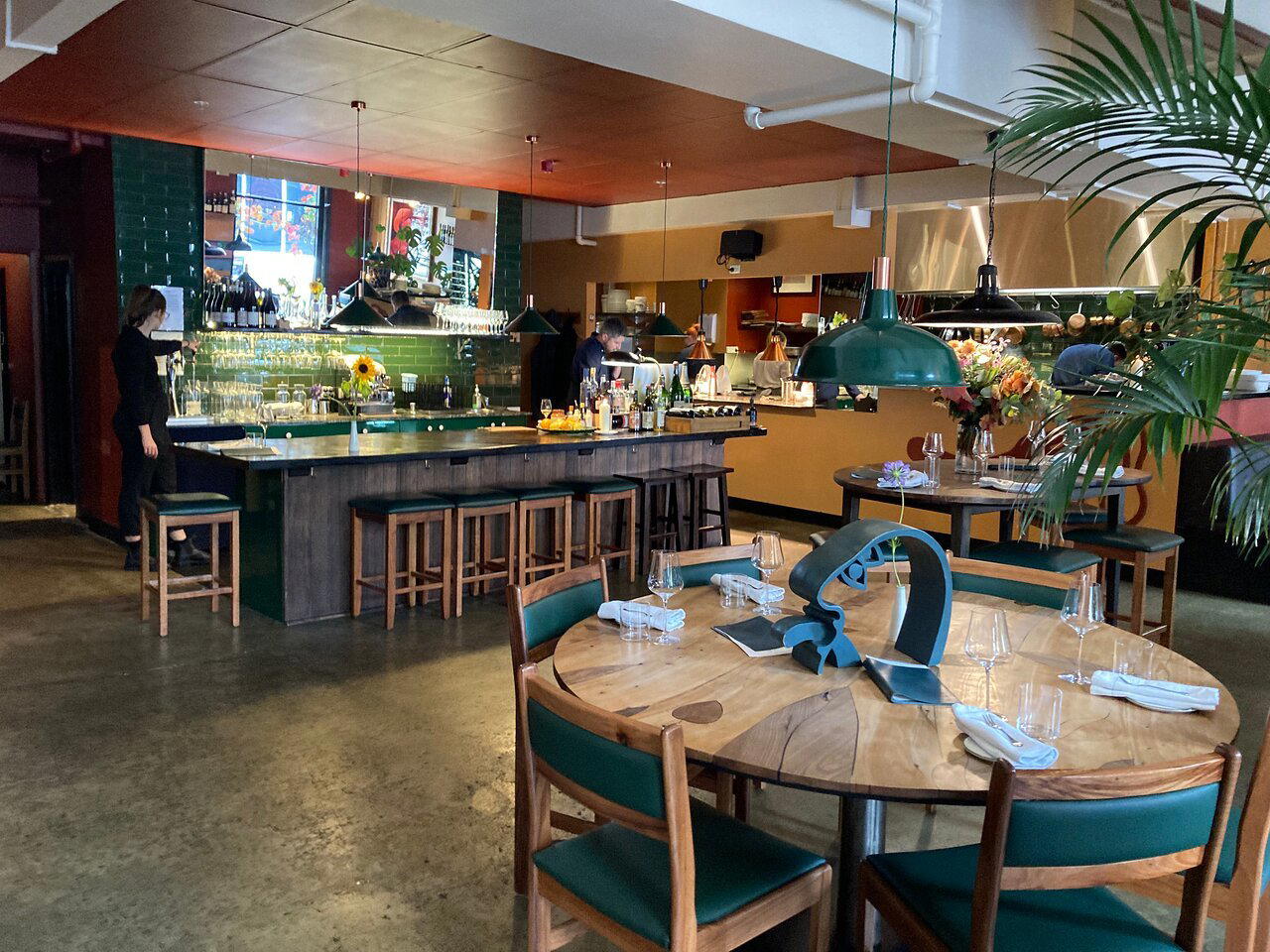
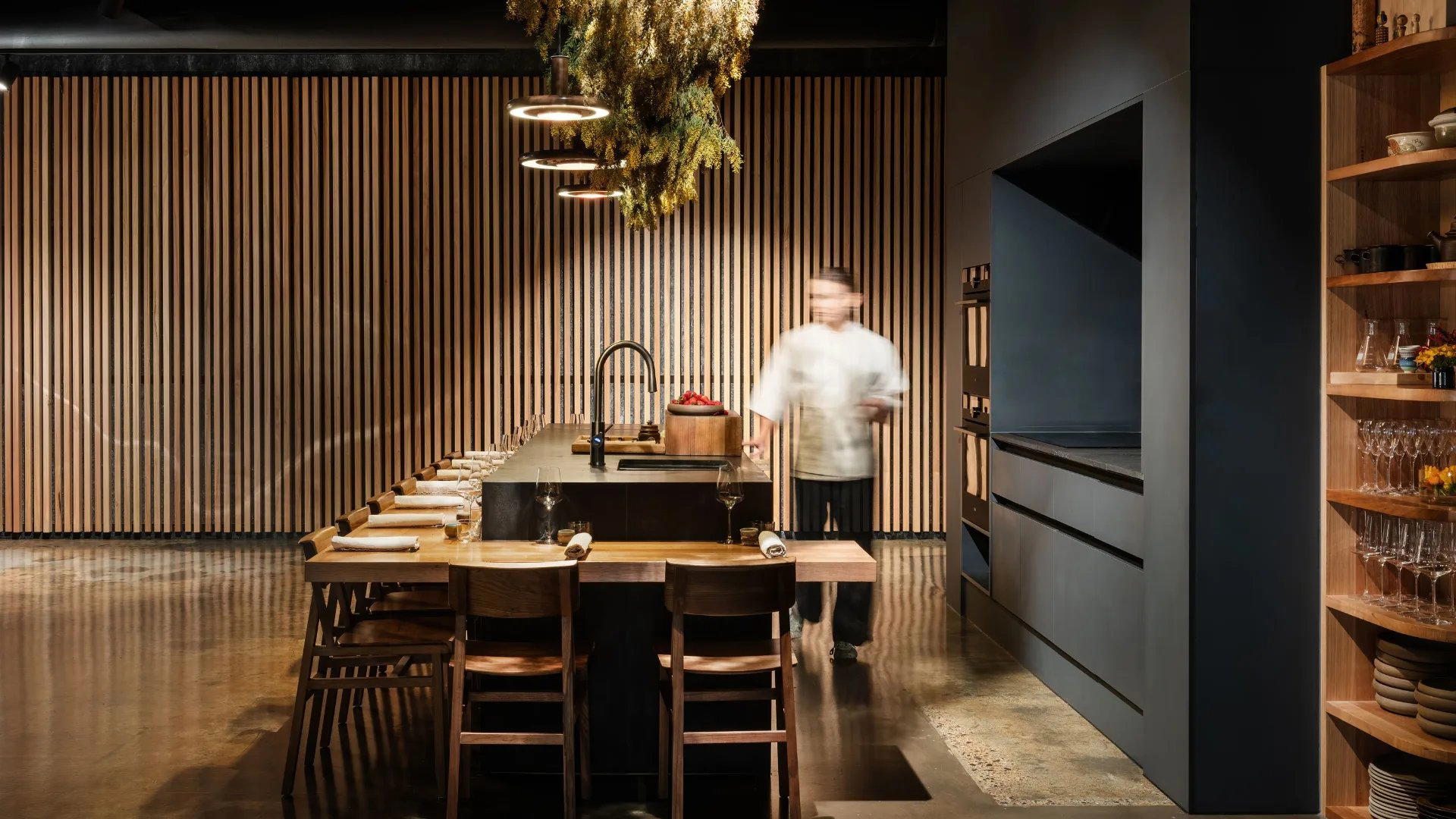
Bars in Hobart
Browse all →
Hotels in Hobart
Browse all →
Details
- Cozy
- Casual Hangout
- Local Sourcing
- A La Carte
- Fresh Juice
- Vegetarian Friendly
Bright and wholesome atmosphere focused on health and nutrition.