The Spirit occupies a quiet address on Via Piacenza in Milan's Porta Romana district, positioning itself within the city's growing tier of ingredient-led dining rooms that resist easy categorisation. Where Milan's flagship creative restaurants operate at maximum visibility, The Spirit works at a different register, smaller in profile, deliberate in approach, and worth tracking for anyone moving beyond the obvious Michelin circuit.
Pearl is the En Primeur Club membership app — saves, bookings, and concierge access live there. Same editors, same standards.
- Address
- Via Piacenza, 15, 20135 Milano MI, Italy
- Phone
- +393282482995
- Website
- thespirit.it
- Directions
- Get directions
 Saves & bookings on Pearl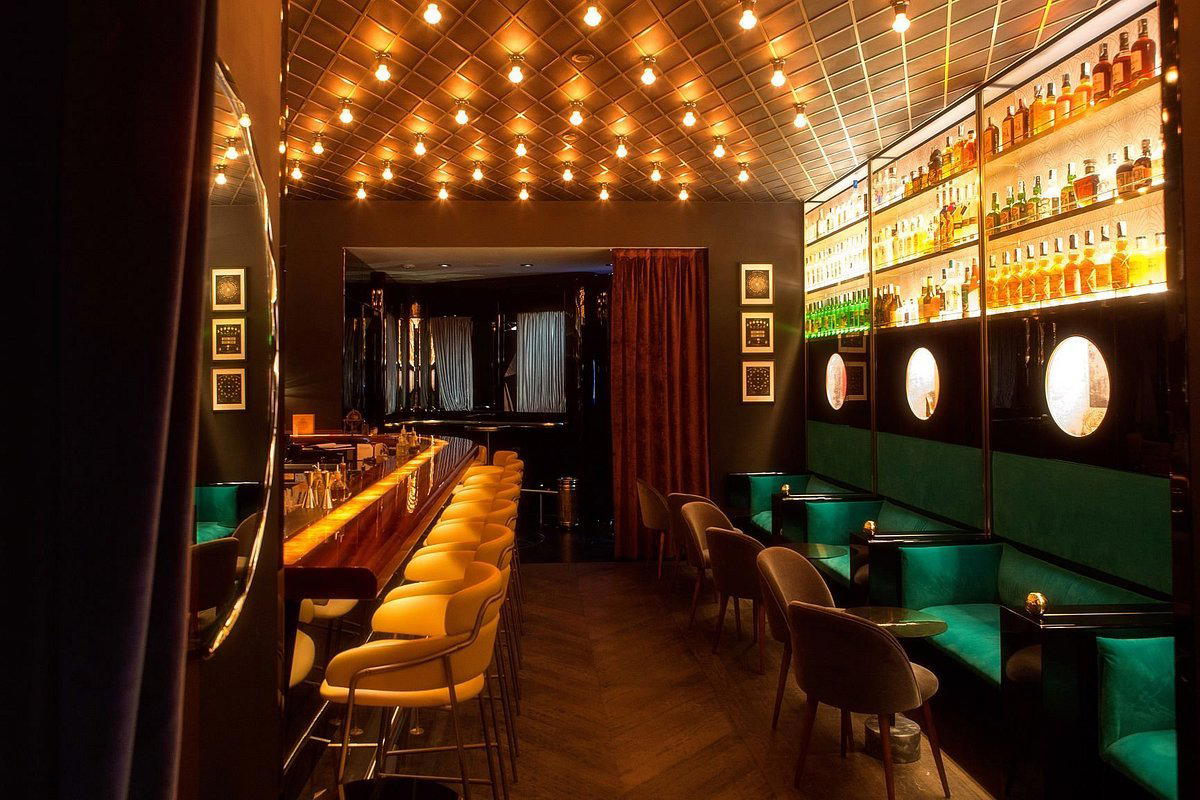
Via Piacenza and the Case for Quiet Dining Rooms
Milan's restaurant conversation tends to orbit the same addresses: the glass atrium of Cracco in Galleria, the museum-quarter precision of Andrea Aprea, the Mudec-adjacent ambition of Enrico Bartolini. These are rooms where the booking is part of the social transaction and the address itself carries weight. Via Piacenza, in the Porta Romana neighbourhood southeast of the city centre, operates at a different register. The street runs through a residential quarter that has absorbed successive waves of Milanese professional life without becoming a dining destination in the conventional sense. It is precisely that remove from the circuit that makes venues here worth attention.
The Spirit sits at Via Piacenza, 15. The approach is low-key by Milan standards: no canopy branding, no queue management, no street-level spectacle to signal what is happening inside. In a city where Italian fine dining has increasingly adopted the language of international luxury, that restraint functions as an editorial position rather than an absence of effort.
Ingredient Sourcing as the Central Argument
Across Italy's most serious contemporary kitchens, the question of where ingredients come from has shifted from background context to foreground argument. At Osteria Francescana in Modena, the provenance of Emilian produce is woven into the conceptual fabric of each dish. At Atelier Moessmer Norbert Niederkofler in Brunico, the Alpine supply chain is the explicit creative constraint. At Uliassi in Senigallia, the Adriatic coast functions as both geography and larder. In each case, sourcing is not marketing language, it is the structural logic that determines what reaches the plate and in what form.
The Spirit occupies a position within that broader Italian tendency, though Milan as a sourcing context is more complicated than Modena or the Adriatic coast. The city does not have a defining regional larder in the way that Piedmont does for Piazza Duomo in Alba or Campania does for Quattro Passi in Marina del Cantone. What Milan has instead is access: to the Po Valley, to the lakes, to Lombardy's dairy and grain traditions, and to the logistical reach that comes with being Italy's commercial capital. A kitchen that knows how to use that access well can assemble a supply network that no single-region restaurant could match. The interesting question with any Milan restaurant working in this register is whether it earns that access through genuine sourcing discipline or simply uses proximity to gesture at provenance.
Where The Spirit Sits in Milan's Current Scene
Milan's fine dining tier has expanded and differentiated considerably over the past decade. The flagship bracket, anchored by multi-Michelin addresses like Seta and the Bartolini operation at the Mudec, competes on international terms: the comparable set is global, the pricing reflects that, and the room is often as much the product as the food. Below that, and in some ways more interesting for ingredient-focused dining, sits a cohort of smaller rooms that have built followings through what happens on the plate rather than through the scale of the surrounding project. Verso Capitaneo belongs to that cohort. The Spirit operates in similar territory.
The Porta Romana address places the restaurant outside the Brera-Navigli-Tortona triangle where most visiting diners concentrate their attention. That geography is not a disadvantage for a room working in this register, it filters the clientele toward people who sought the place out rather than stumbled across it while covering the standard circuit. The dining rooms that tend to develop particularly consistent ingredient sourcing relationships are often precisely those that do not depend on walk-in traffic or tourist itineraries.
The Italian Sourcing Tradition and What It Demands
Italy's strongest kitchens share a structural commitment that goes beyond chef preference: the supply chain is treated as a creative constraint rather than a logistical problem to solve. Dal Pescatore in Runate has maintained relationships with specific producers across multiple generations of the same family. Le Calandre in Rubano operates with Veneto producers whose output is partially reserved for the restaurant's use. Reale in Castel di Sangro has built an entire agricultural project around the question of what the surrounding Apennine territory can produce at a level worthy of the tasting menu.
These are not isolated examples, they represent a structural feature of how Italy's serious contemporary kitchens have chosen to differentiate themselves in a global dining conversation where technical execution alone is no longer sufficient. The comparison that travels furthest outside Italy is Le Bernardin in New York City, where the sourcing logic around seafood has been the defining creative discipline for decades, or Atomix in New York City, where Korean ingredient provenance is the lens through which the tasting menu is constructed. In both cases, what the kitchen knows about its ingredients shapes the experience more than any single technique or presentation choice.
For a Milan room on Via Piacenza, the sourcing argument has to be made through what arrives at the table rather than through press releases.
Milan's Creative Restaurant Tier: Context for First-Time Visitors
Anyone approaching Milan's fine dining scene for the first time should understand that the city now sustains a genuine range of ambitions across its restaurant population. The flagship addresses visible in the international press, Enrico Bartolini, Cracco, Andrea Aprea, Seta, represent one end of a spectrum that extends toward smaller, less publicised rooms with comparable kitchen seriousness. For a fuller picture of where the restaurant sits within that range, see our Milan restaurants guide across neighbourhoods and price points. The comparison set also extends to Italy's broader fine dining circuit: Enoteca Pinchiorri in Florence and Casa Perbellini 12 Apostoli in Verona offer reference points for how Italian fine dining performs outside the Milan context.
Know Before You Go
Address: Via Piacenza, 15, 20135 Milano MI, Italy
Neighbourhood: Porta Romana, southeast Milan
Booking: Contact details not currently listed, check the venue directly or enquire through your hotel concierge
Price range: About $45 per person
Hours: Mon: Closed; Tue: 6:30 PM-2 AM; Wed: 6:30 PM-2 AM; Thu: 6:30 PM-2 AM; Fri: 6:30 PM-2 AM; Sat: 6:30 PM-2 AM; Sun: 6:30 PM-2 AM
A Minimal comparable set
Comparable venues nearby, for context on price, style, and recognition.
| Venue | Cuisine | Price | Notes |
|---|---|---|---|
| The SpiritThis venue — the venue you are viewing | Not listed | $$ | Not listed |
| Cantina della Vetra | Duomo, Traditional Milanese Trattoria | $$ | Not listed |
| Ristorante Trattoria Al Buon Pastore | Not listed | $$ | Q. Re Gallaratese - Q. Re San Leonardo - Lampugnano, Classic Italian Trattoria |
| CANTINE A MARE | Not listed | $$ | Buenos Aires - Porta Venezia - Porta Monforte, Italian Seafood |
| Killer | Xxii Marzo, Italian Casual | $$ | Not listed |
| Maio Restaurant | Duomo, Modern Italian with Duomo Views | $$$ | Not listed |
Continue exploring
More in Milan
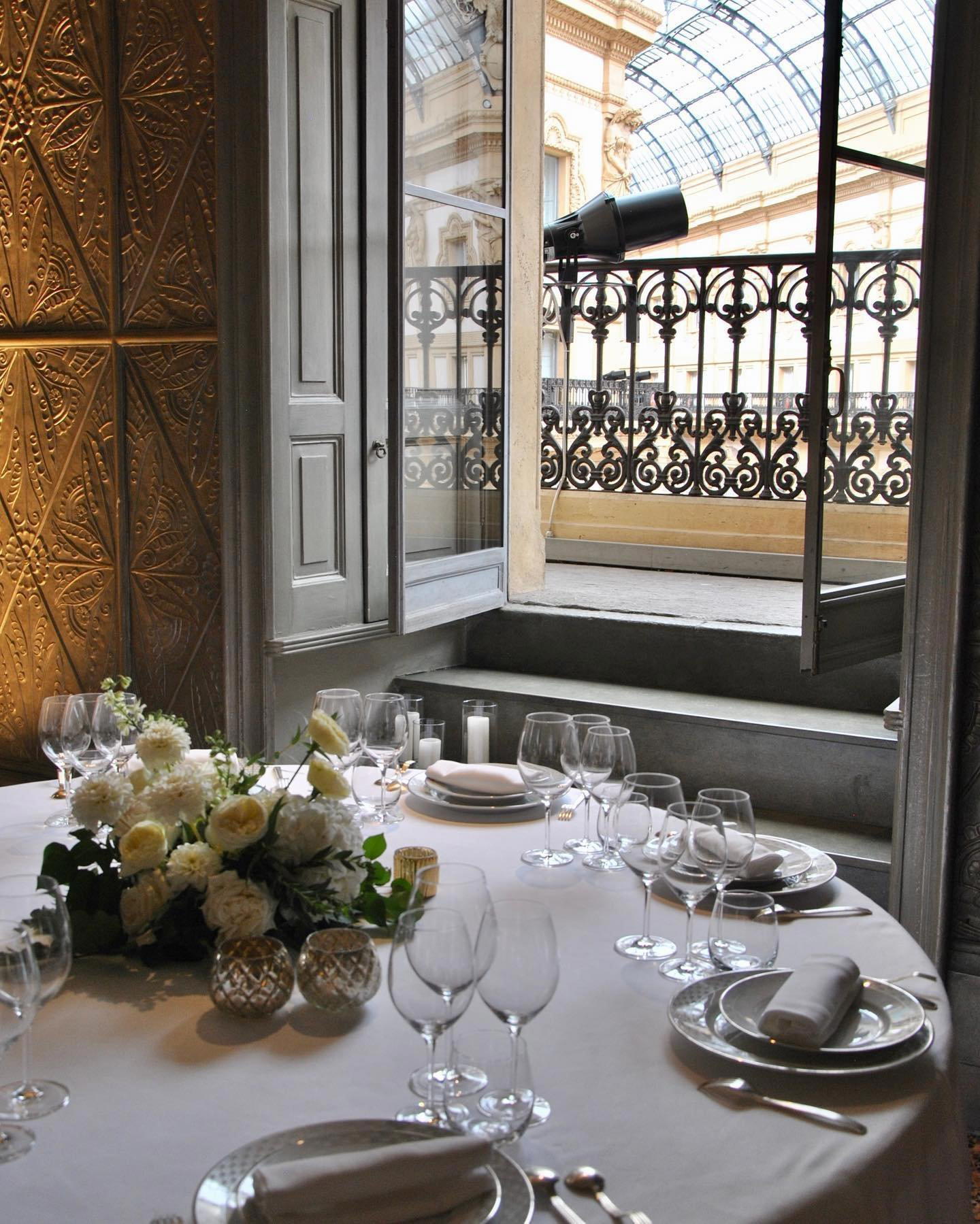
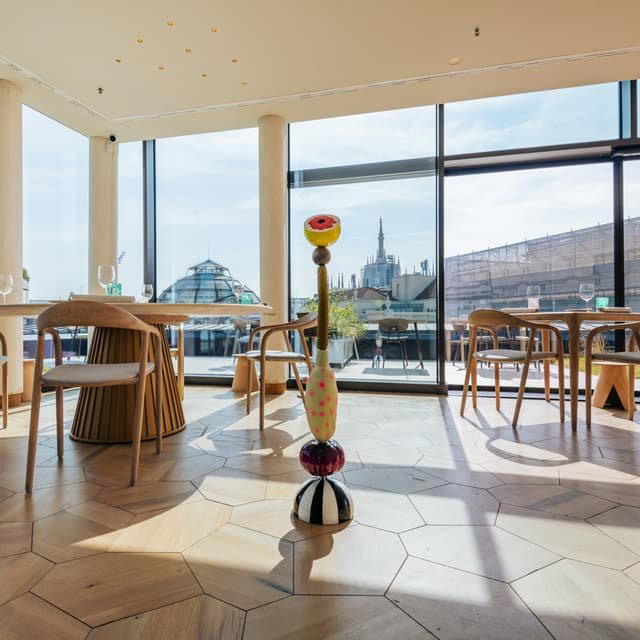
Restaurants in Milan
Browse all →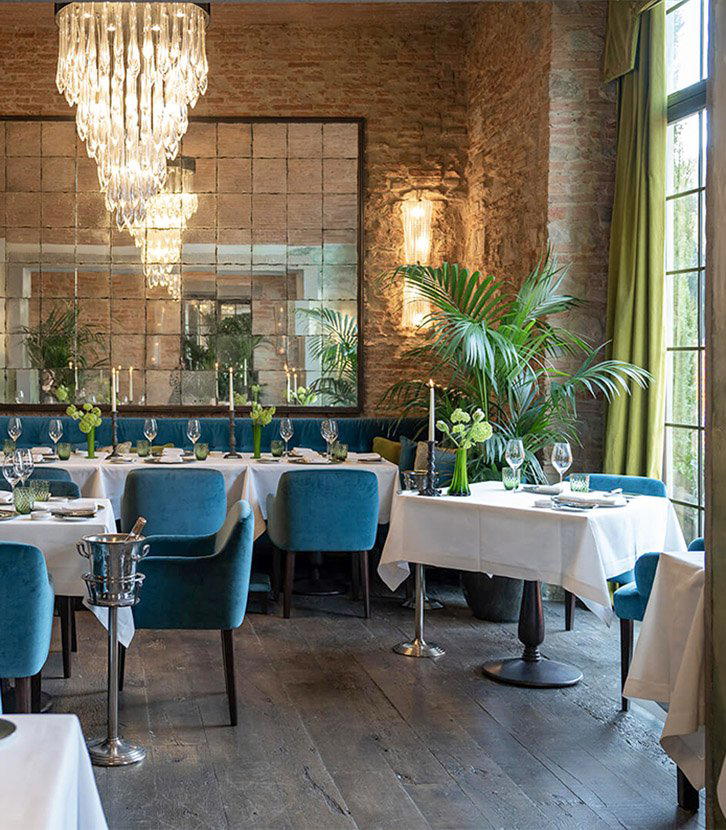
Bars in Milan
Browse all →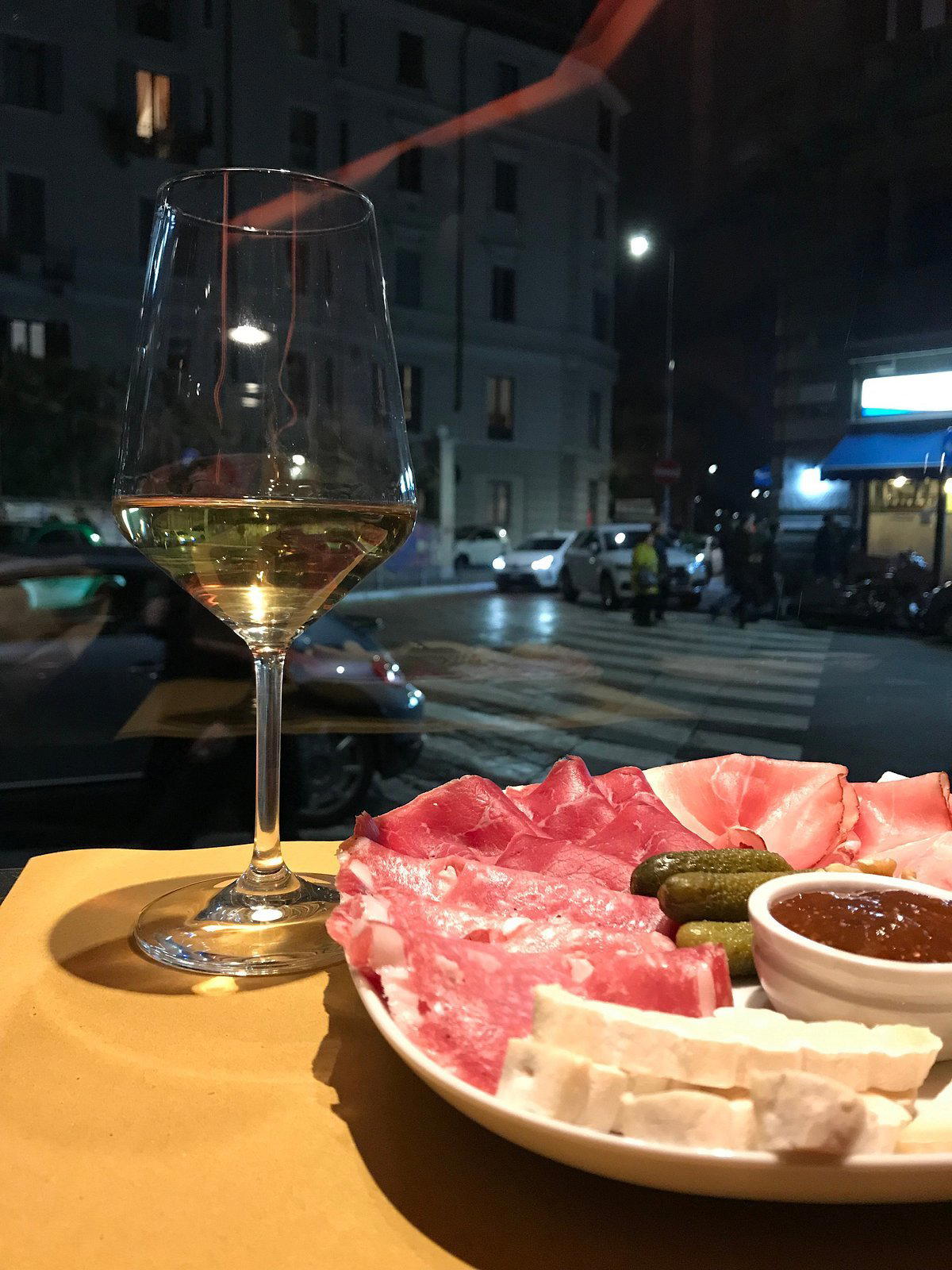
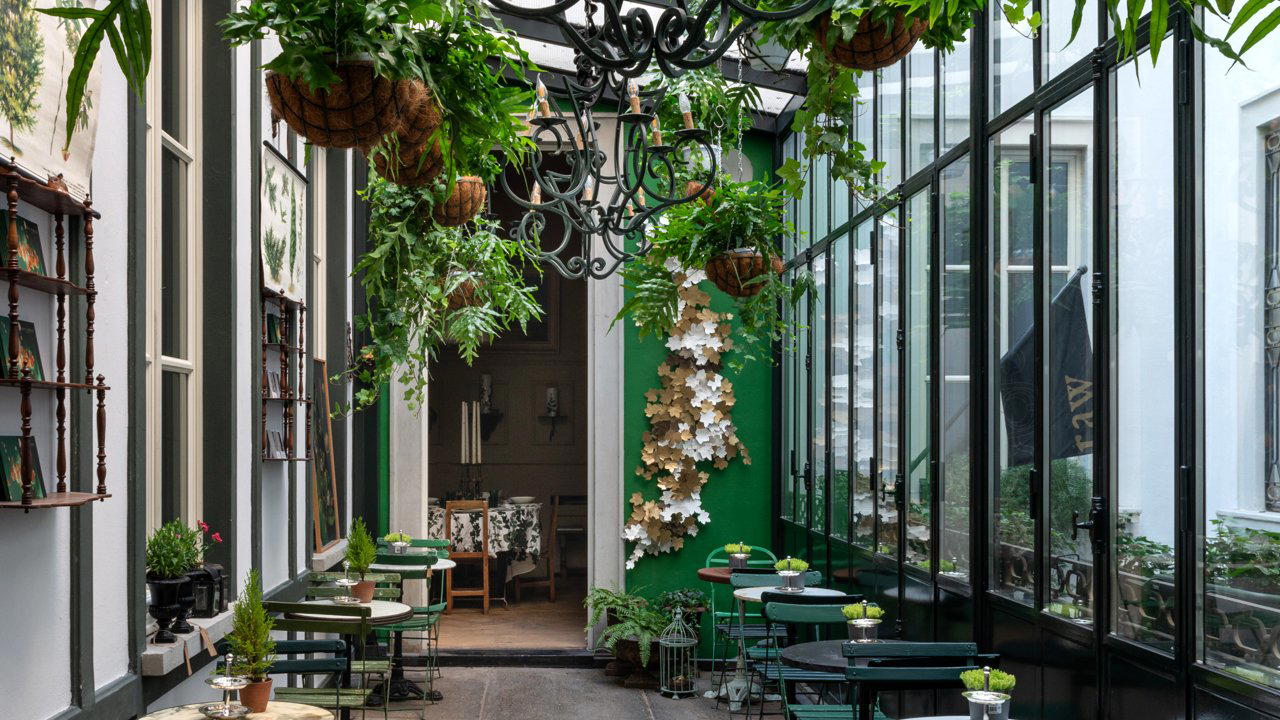
Hotels in Milan
Browse all →
Wineries in Milan
Browse all →
At a Glance
- Elegant
- Lively
- Industrial
- Whimsical
- Group Dining
- Celebration
- Casual Hangout
- After Work
- Late Night
- Live Music
- Design Destination
- Craft Cocktails
- Beer Program
- Local Sourcing
Current opening hours
- Monday
- Closed
- Tuesday
- 6:30 PM–2 AM
- Wednesday
- 6:30 PM–2 AM
- Thursday
- 6:30 PM–2 AM
- Friday
- 6:30 PM–2 AM
- Saturday
- 6:30 PM–2 AM
- Sunday
- 6:30 PM–2 AM
Hours can change for holidays and private events. Last verified .
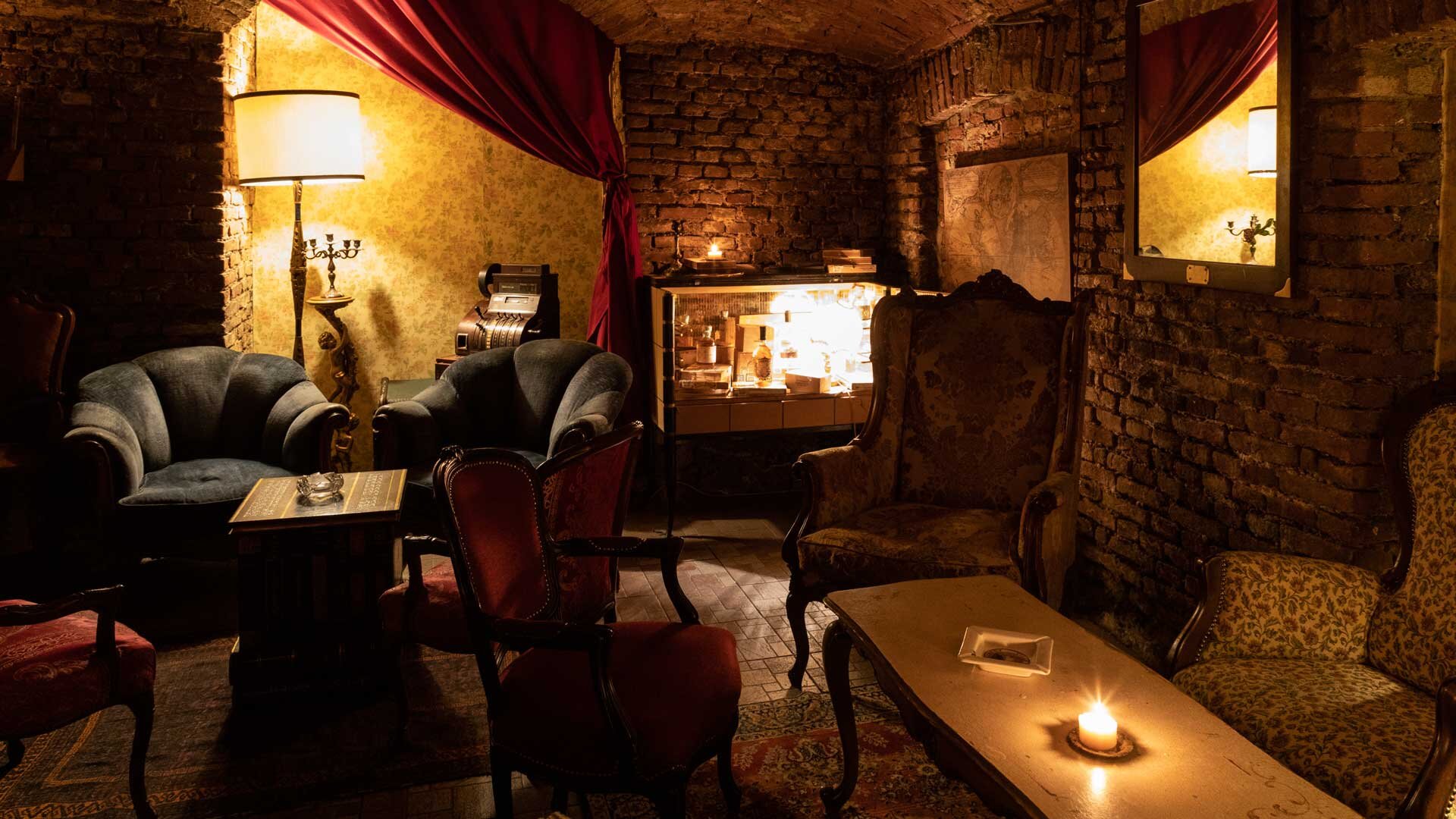
Ultra-elegant with green velvet sofas, extravagant mirrors, and plays of light creating a dreamlike atmosphere; industrial warehouse aesthetic with modern touches; lively background music and social energy.