



2 Michelin Keys · La Liste Top Hotels · Forbes 5-Star
Four interconnected 18th-century palazzos on Via Andegari house 104 rooms and suites designed by Antonio Citterio, steps from La Scala and the Golden Quadrangle. Seta, the hotel's Michelin-starred restaurant, draws on southern Italian and French influences alongside a wine list of more than 1,300 labels. A 900-square-metre spa completes one of Milan's most coherent luxury addresses, recognised with a Michelin 1 Key (2024) and 99 points from La Liste Top Hotels (2026).

Pearl is the En Primeur Club membership app, where members save venues, book tables and use the concierge.
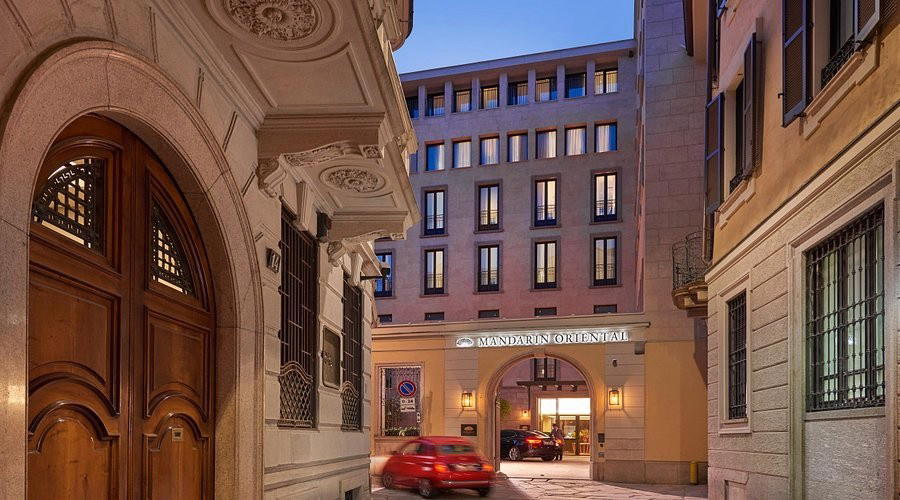
Four Palazzos, One Coherent Argument
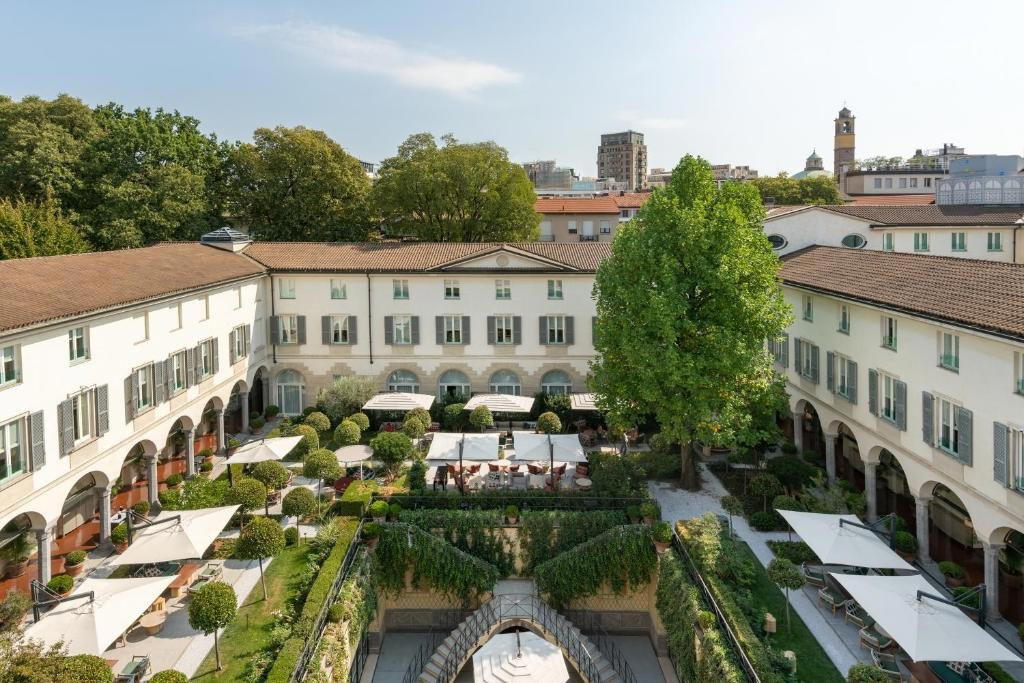
Milan's luxury hotel market divides along a fairly clear line. On one side sit the grand-boulevard properties that trade on scale and ceremony; on the other, a smaller cohort of architecturally specific addresses where the building itself does most of the positioning work. The Mandarin Oriental Milan belongs firmly to the second group. It occupies four interconnected 18th-century palazzos on Via Andegari, a quiet street in the Brera-adjacent quadrant that sits equidistant between La Scala opera house and the boutique density of the Golden Quadrangle. The cobblestone setting is not incidental: it frames the experience before guests cross the threshold, and it establishes a tone that the interior design then carries forward.
That interior is the work of Antonio Citterio, the Milanese architect responsible for a significant share of contemporary Italian luxury interiors over the past three decades. His approach here is legible: muted beige and purple palettes, boiserie walls, black oak wardrobes, and wooden floors that reference Northern Italy's craft traditions without pastiche. Rooms begin at 409 square feet, which reads as generous by the compressed standards of old Milan's protected building stock. The 34 suites open at 537 square feet and scale up to the 1,612-square-foot Presidential Suite, which includes a private kitchen and Brazilian marble bathroom floors. Two design-led signature suites reference specific Italian cultural figures: the Fornasetti Suite draws on the maximalist graphic vocabulary of Piero Fornasetti, while the Premier Suite pays homage to designer Gio Ponti. Bathrooms throughout feature Italian marble, double sinks, Dr. Vranjes products, and a glass wall that switches between transparent and opaque at the push of a button.
The hotel holds a Michelin 1 Key (2024) and scored 99 points in the La Liste Leading Hotels ranking for 2026, placing it in the upper tier of Milan's luxury set alongside properties like the Bvlgari Hotel Milan, the Portrait Milano, and the Armani Hotel. Each of those properties makes a distinct architectural and editorial argument; the Mandarin Oriental's is among the most coherent, in part because Citterio's design does not compete with the palazzos but works through them.
Seta: Where Three Disciplines Converge
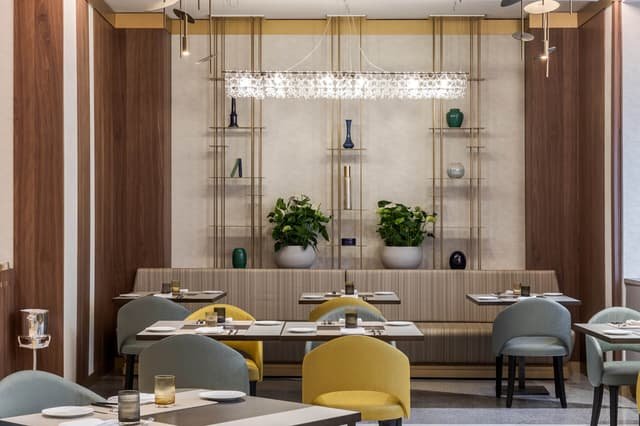
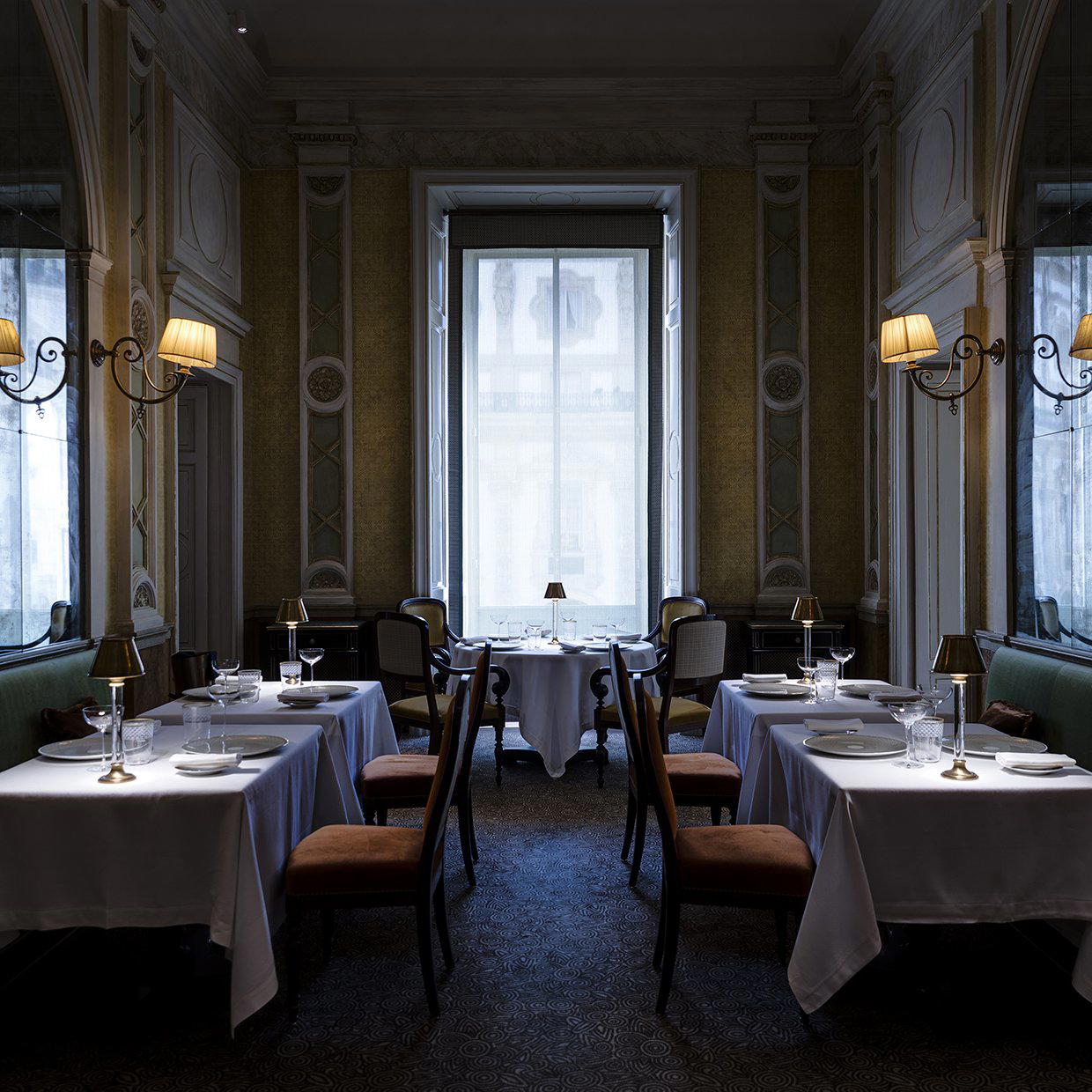
Italy's leading hotel restaurants have, over the past decade, increasingly been understood not as hotel amenities but as standalone dining destinations with their own competitive identities. Seta operates in that register. The restaurant holds Michelin recognition under Executive Chef Antonio Guida, and its position inside a luxury hotel has not narrowed its ambition: the menu moves across southern Italian, Lombard, and French reference points, a range that reflects the kind of cross-regional culinary conversation that characterises Milan's more serious dining rooms.
What distinguishes Seta at the operational level is the coordination between kitchen, sommelier, and front-of-house. A wine list of more than 1,300 labels is, arithmetically, an extraordinary commitment for a hotel restaurant of this scale. The number is not just a count; it signals a cellar built over time and curated with specificity, requiring a sommelier team capable of navigating that depth in real service conditions. The result is a restaurant where the floor operates as a genuinely integrated team rather than a bifurcated kitchen-and-service arrangement. Guests who approach the wine programme as a conversation rather than a transaction tend to get the most from it.
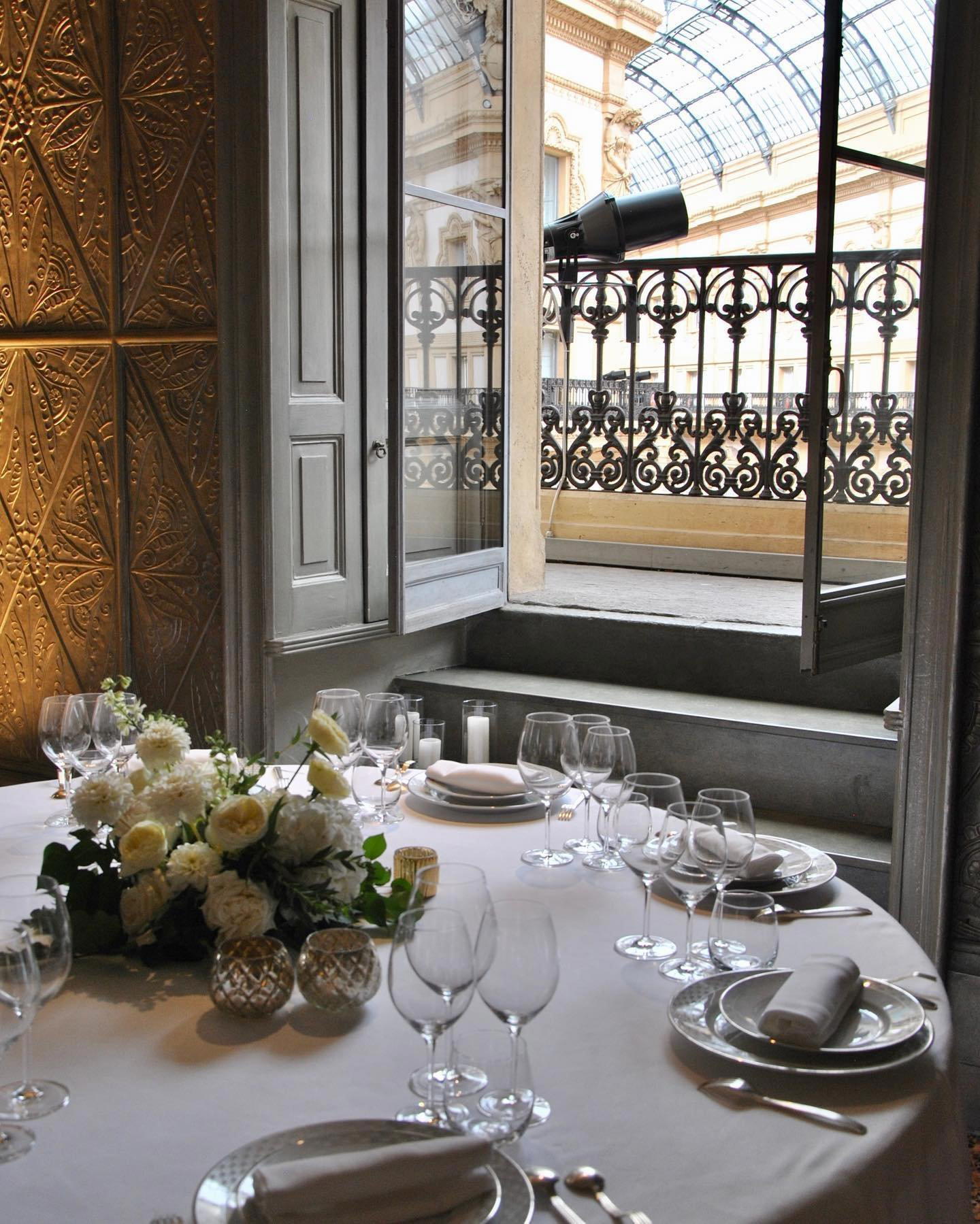
The private dining room at Seta adds another dimension. Designed by Piero Fornasetti, it seats up to eight guests in an intimate marble setting, functioning as one of the more architecturally considered private dining spaces in Milan. At that capacity, it suits the kind of focused dinner where the conversation matters as much as the food.
Adjacent to Seta, the Mandarin Garden bar-bistrot operates in a different register: contemporary cocktails and lighter food served in two al fresco courtyards. The courtyard format in an old Milanese palazzo is not a common offering, and the outdoor space gives the bar a character that interior-only bars in the neighbourhood cannot replicate.
The Spa as a Separate Destination
At 900 square metres, the spa at the Mandarin Oriental Milan is positioned as the city's most comprehensive hotel spa offering. The design references feng shui principles through material choices: variegated and granite stone, warm mid-toned wood, and a treatment philosophy structured around the five feng shui elements. An indoor heated pool, finished in retro turquoise tile, anchors the lower level alongside a sauna, steam room, and relaxation area. Six private treatment rooms include a VIP double treatment room and a dedicated Thai massage room.
The spa pre-treatment protocol is worth noting. Guests booked for treatments are advised to arrive at least 30 minutes before their appointment to use the steam room and participate in a signature foot ritual before the therapist consultation begins. This sequencing reflects a broader shift in how serious spas structure the treatment arc, treating the preparation phase as part of the experience rather than a waiting formality. It also means that the spa rewards guests who treat it as a half-day commitment rather than a single-treatment stop.
Position and Proximity
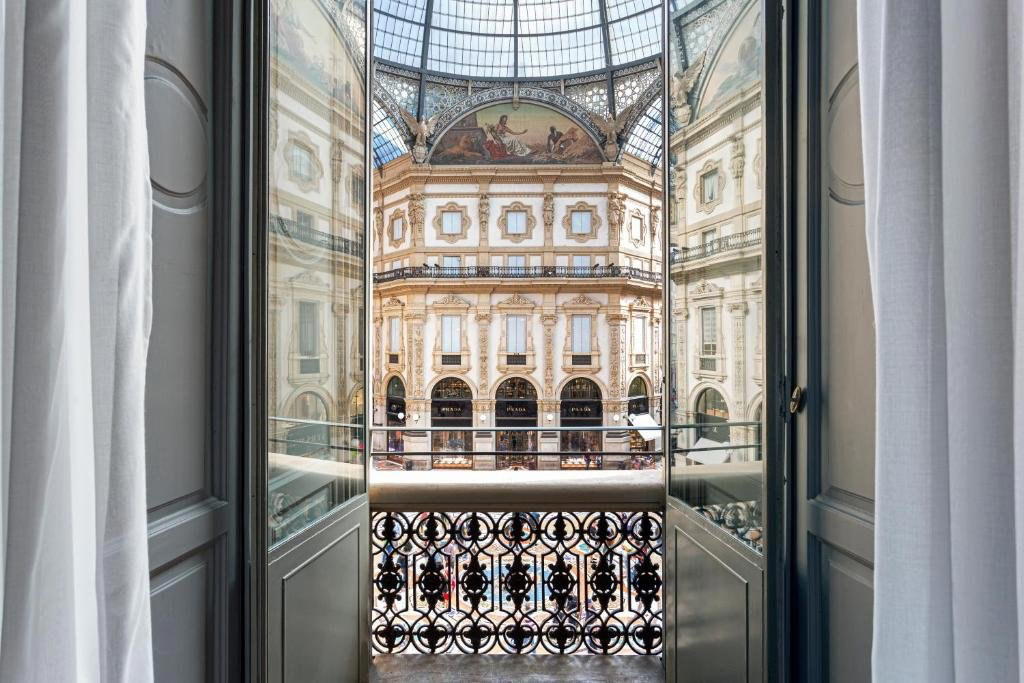
The Via Andegari address places the hotel within a 20-minute walk of the Duomo, Galleria Vittorio Emanuele II, Sforza Castle, La Scala, and Santa Maria delle Grazie, which houses Leonardo da Vinci's The Last Supper. Few hotels in Milan can make that proximity claim across all five landmarks simultaneously without being on an arterial road. The Golden Quadrangle, Milan's highest-concentration luxury retail zone, is essentially adjacent.
For guests arriving for Fashion Week or the Salone del Mobile, the location is operationally efficient in a way that matters: the hotel is walkable to the major show venues and design showrooms in the Brera district, and its meeting and events infrastructure is substantial enough to function as a working base rather than just a place to sleep.
Those considering Milan's luxury hotel tier alongside properties with different spatial characters might look at the Grand Hotel et de Milan or the Hotel Principe di Savoia, Dorchester Collection for more traditional grand-hotel scale, or the Vico Milano for a smaller, more boutique-oriented alternative. Elsewhere in Italy, comparable palazzo-conversion luxury can be found at the Four Seasons Hotel Firenze in Florence and at Aman Venice, both of which operate in historic structures with analogous positioning logic. For a broader view of what Milan's dining and hotel scene offers, see our full Milan guide.
Booking the Mandarin Oriental Milan follows standard luxury hotel practice: reservations are made through the hotel directly or via the Mandarin Oriental Hotel Group channels. For Seta specifically, given its Michelin recognition and limited covers, reservations well in advance of travel are advisable, particularly during Fashion Week in February and September and during the Salone del Mobile in April. The Fornasetti private dining room at Seta requires advance coordination through the hotel and is not available as a walk-in option given its eight-seat format.
Across Italy, the EP Club editors have tracked a range of properties that share the Mandarin Oriental's commitment to placing serious design and food programming inside historic structures. These include Borgo Egnazia in Savelletri di Fasano, Rosewood Castiglion Del Bosco in Montalcino, Passalacqua in Moltrasio, Il Pellicano in Porto Ercole, Borgo Santandrea on the Amalfi Coast, Il San Pietro di Positano, JK Place Capri, Bulgari Hotel Roma, Castello di Reschio in Lisciano Niccone, Corte della Maestà in Civita di Bagnoregio, and Casa Maria Luigia in Modena. For international reference points on the Mandarin Oriental's brand tier, Aman New York, The Fifth Avenue Hotel, and Amangiri in Canyon Point represent the same upper bracket of design-led luxury operating in very different landscapes.
Reputation First
Comparable venues nearby, for context on price, style, and recognition.
| Venue | Cuisine | Price | Awards | Notes |
|---|---|---|---|---|
| Mandarin Oriental MilanThis venue (the venue you are viewing) | Contemporary Italian design in historic 18th-century buildings with feng shui influences | Not listed | 2 Michelin Keys · La Liste Top Hotels | Not listed |
| Bvlgari Hotel Milan | Renovated 18th-century Milanese palazzo with contemporary luxury design | Not listed | 2 Michelin Keys · La Liste Top Hotels | Brera |
| Grand Hotel et de Milan | Historic luxury palace hotel in Milan's fashion district | Not listed | 2 Michelin Keys · Leading Hotels of World Member | Brera |
| Hotel Principe di Savoia, Dorchester Collection | Beaux Arts luxury heritage hotel with Milanese elegance | $300–500 | 1 Michelin Key · La Liste Top Hotels | Stazione Centrale - Ponte Seveso |
| Vico Milano | Boutique guesthouse in former fashion atelier blending global design with artisan craftsmanship. | $500–750 | 1 Michelin Key · Mr & Mrs Smith Seal of Approval | Porta Ticinese - Conca Del Naviglio |
| Portrait Milano | luxury historic seminary conversion | Not listed | 2 Michelin Keys · World's 50 Best #39 | Duomo |
Recognition history
Dated appearances from independent guides and award organizations, with the underlying list record or original source where available.
Michelin 2 Keys
Michelin
La Liste Top Hotels
La Liste
Forbes 5-Star
Forbes
Virtuoso Luxury Hotel Partner
Virtuoso
Full recognition history (7 entries)
Forbes 5-Star
Forbes
Michelin 2 Keys
Michelin
Michelin 1 Key
Michelin
Continue exploring
More in Milan
Hotels in Milan
All hotels in Milan →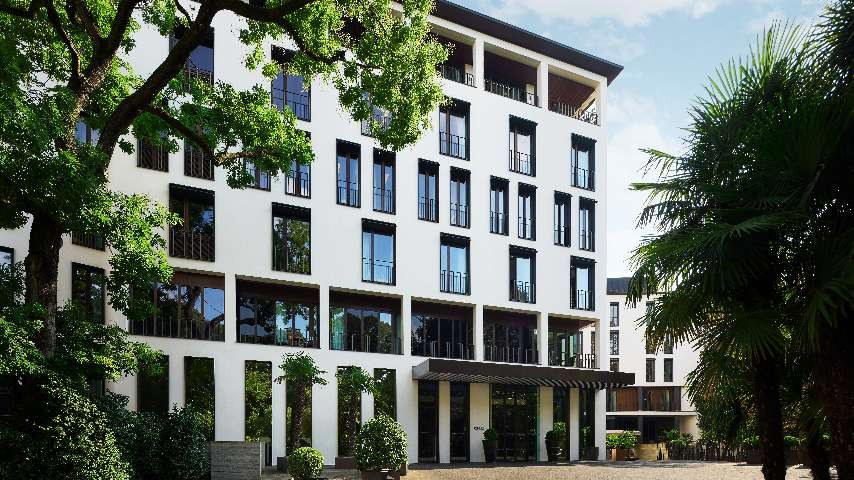
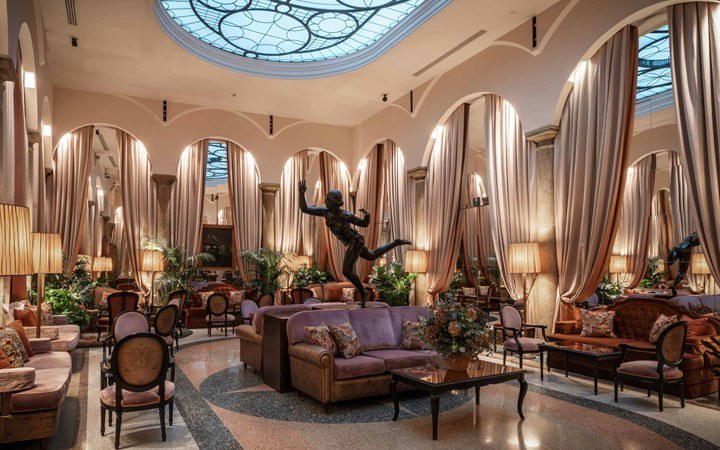
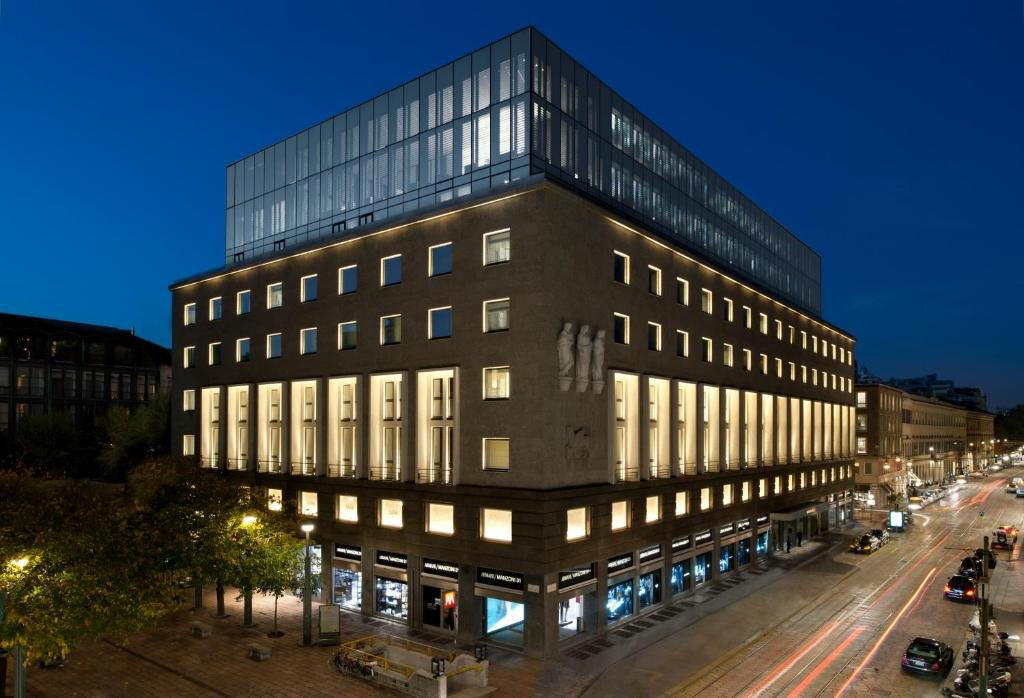
Bars in Milan
All bars in Milan →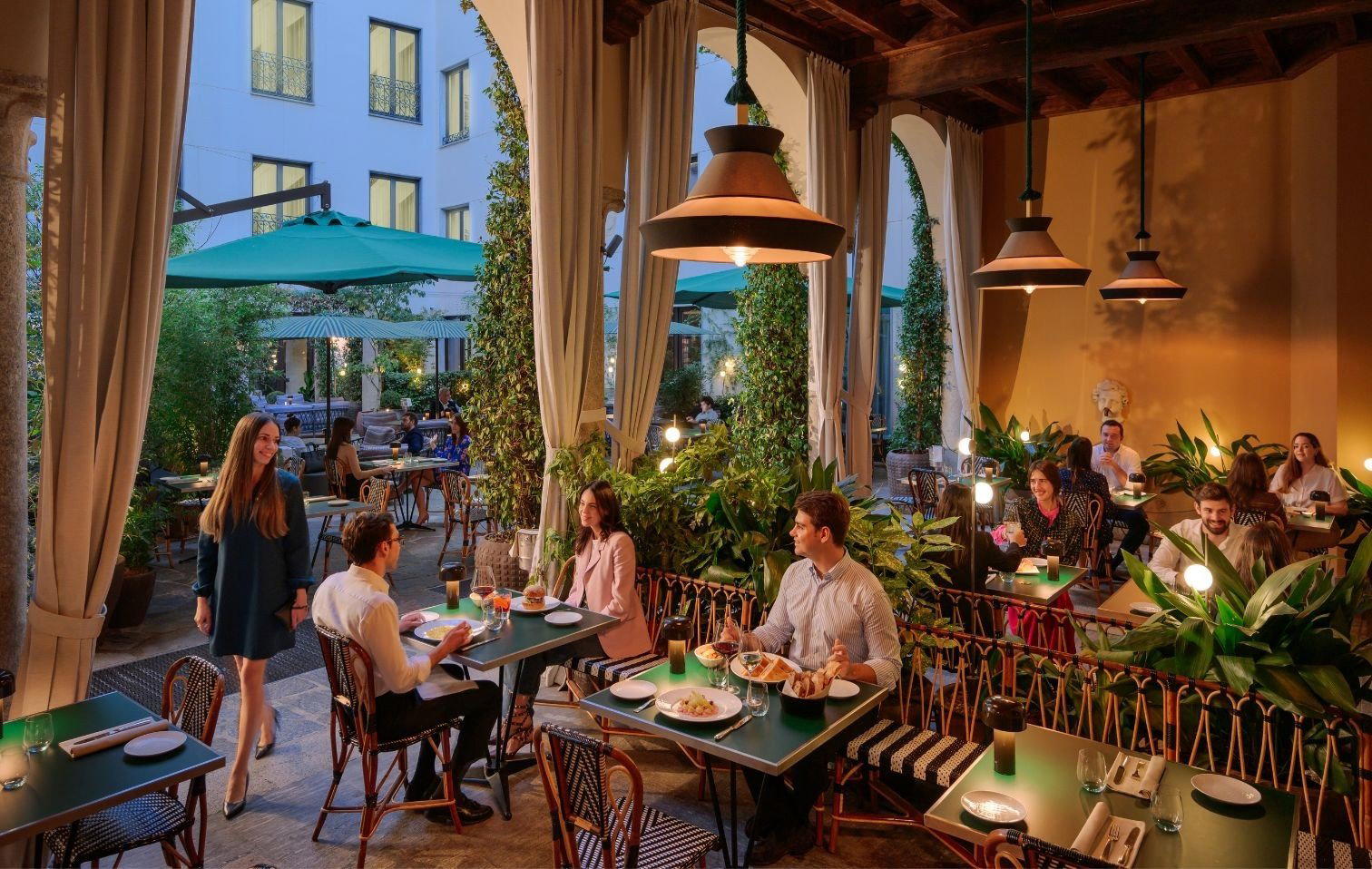
Restaurants in Milan
All restaurants in Milan →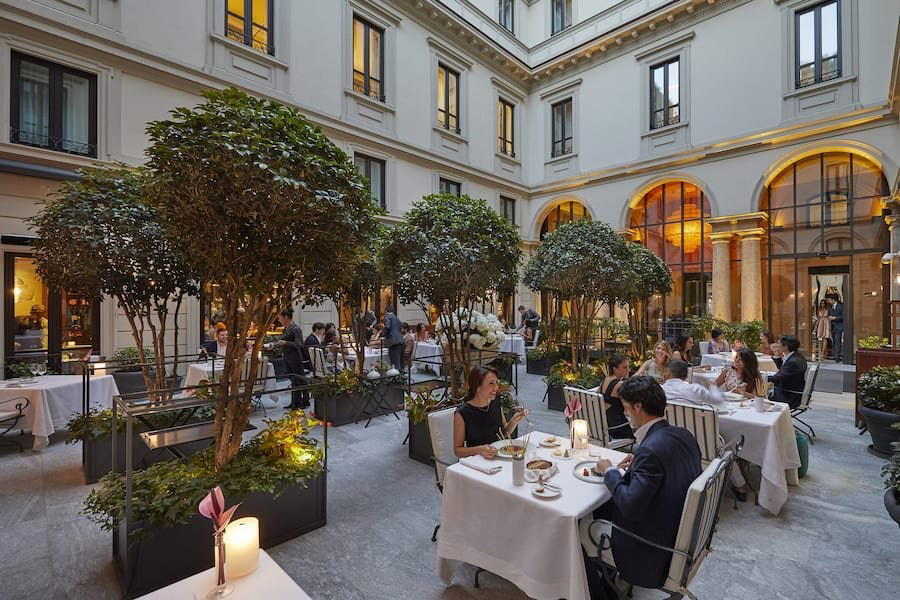
Details
- Elegant
- Sophisticated
- Modern
- Ornate
- Romantic Getaway
- Business Trip
- Wellness Retreat
- Anniversary
- Terrace
- Historic Building
- Wi Fi
- Pool
- Spa
- Fitness Center
- Room Service
- Concierge
- Business Center
- Valet Parking
- EV Charging
- Street Scene
- Wheelchair Accessible
- Elevator
- Step Free Entrance
- Accessible Parking
Elegant and sophisticated with dim lighting, neutral palettes, soundproof rooms, and a calm, luxurious atmosphere praised for its immaculate cleanliness and attentive service.