


1 Michelin Star · La Liste Top Restaurants · Star Wine List
Our verdict
A Michelin-starred address in Milan's Navigli-adjacent district, Contraste pairs chef Matias Perdomo's progressive Italian cooking with sommelier Thomas Piras's wine program across two distinct tasting menus. The venue occupies a period building with a courtyard that doubles as an aperitif space, and its La Liste recognition, 83.5 points in 2025, places it firmly within Milan's upper tier of modern dining.

Pearl is the En Primeur Club membership app, where members save venues, book tables and use the concierge.
The menu
What to order
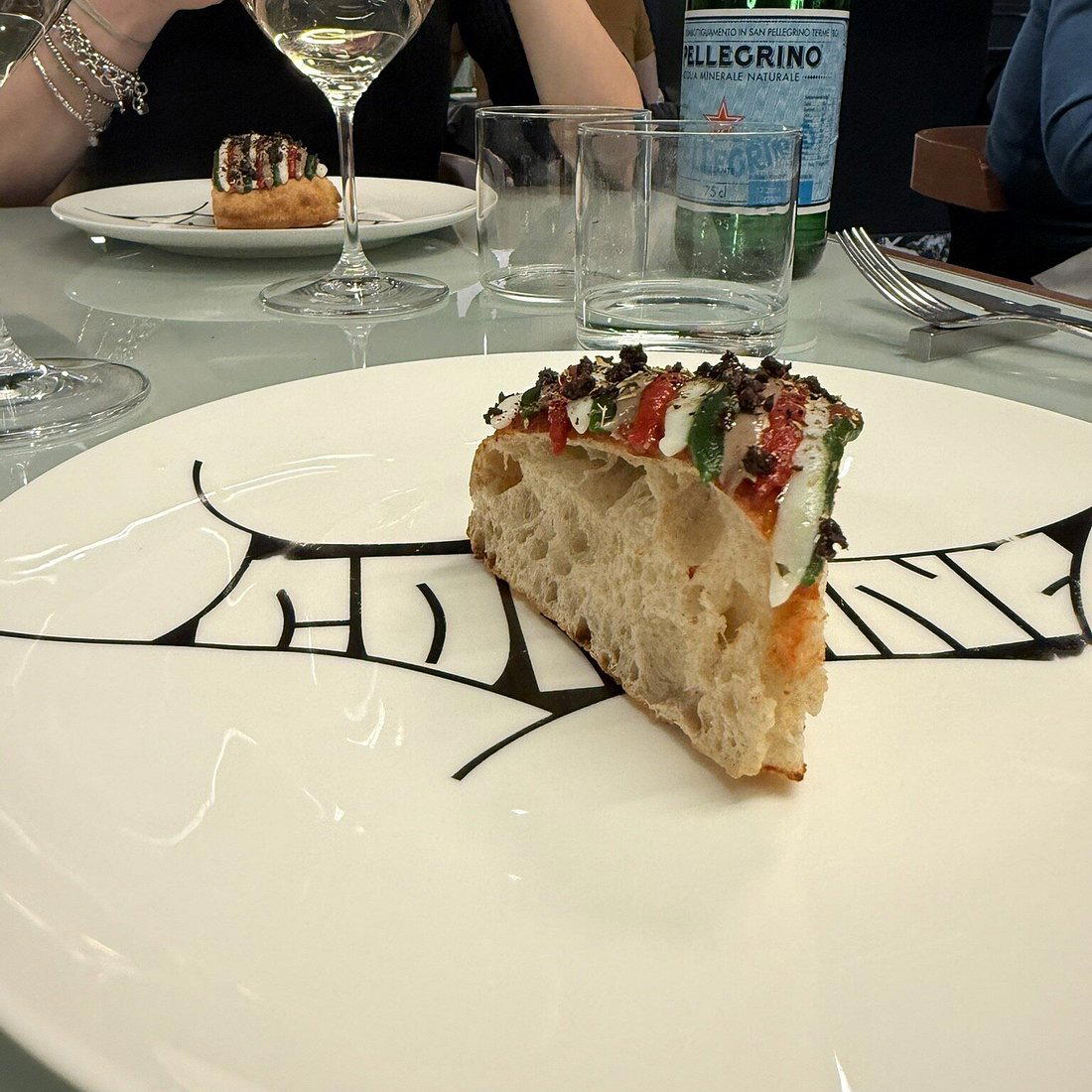
- Donut alla bolognese
- Foie gras creme brulee
Where Milan's Modernist Dining Impulse Takes a Southern Detour
Milan has long operated as Italy's most forward-looking dining city. While Rome argues over the correct fat content in cacio e pepe and Naples protects its pizza orthodoxies with near-constitutional seriousness, Milan has consistently granted its chefs a longer leash. The result is a concentration of progressive Italian restaurants at the €€€€ tier that would be unusual anywhere else in the country. Within that bracket, the restaurants that sustain Michelin recognition across multiple cycles tend to share a particular quality: they are not simply modern for modernity's sake, but have worked out a coherent argument between innovation and Italian culinary identity. Contraste, on Via Giuseppe Meda in the Navigli district, belongs to that cohort.
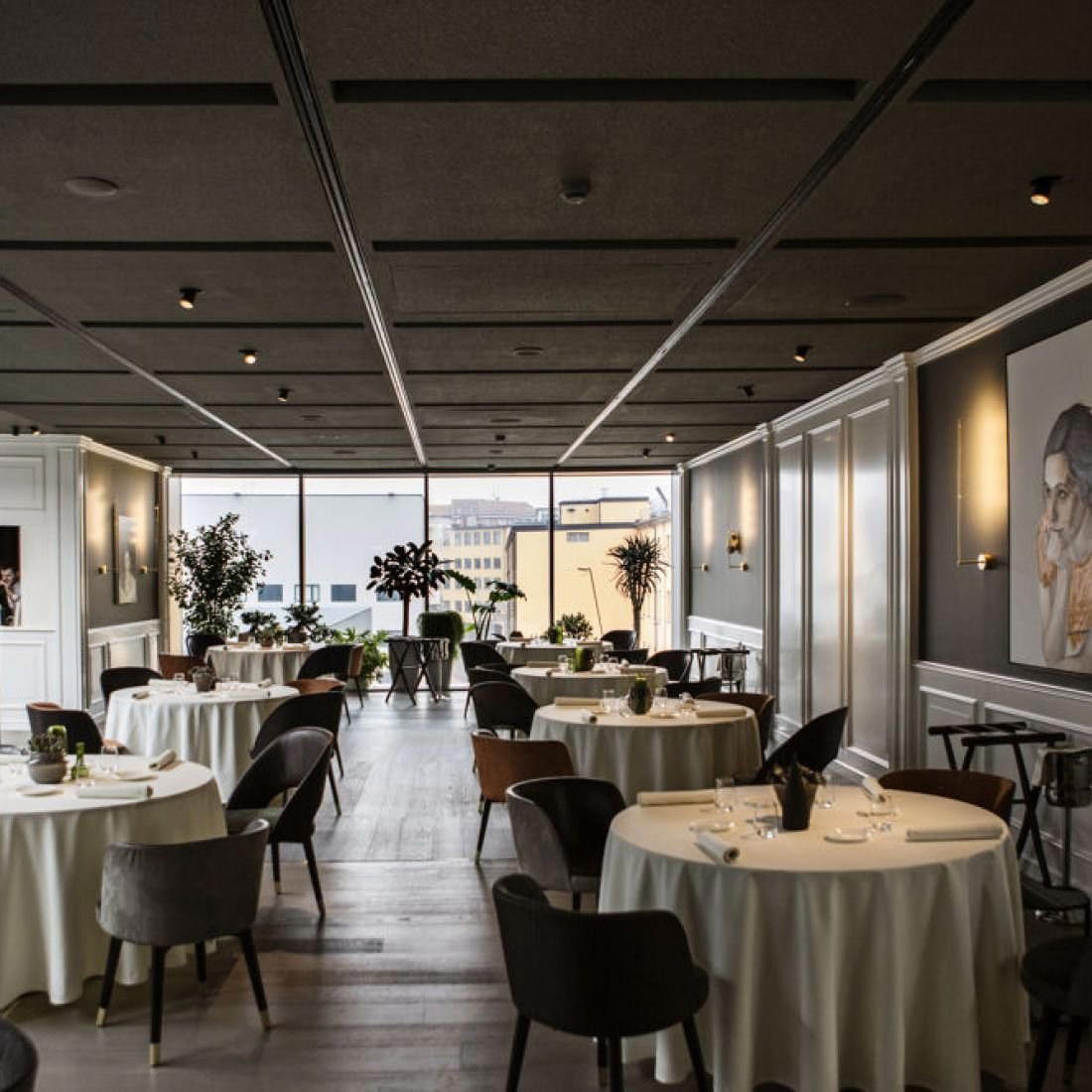
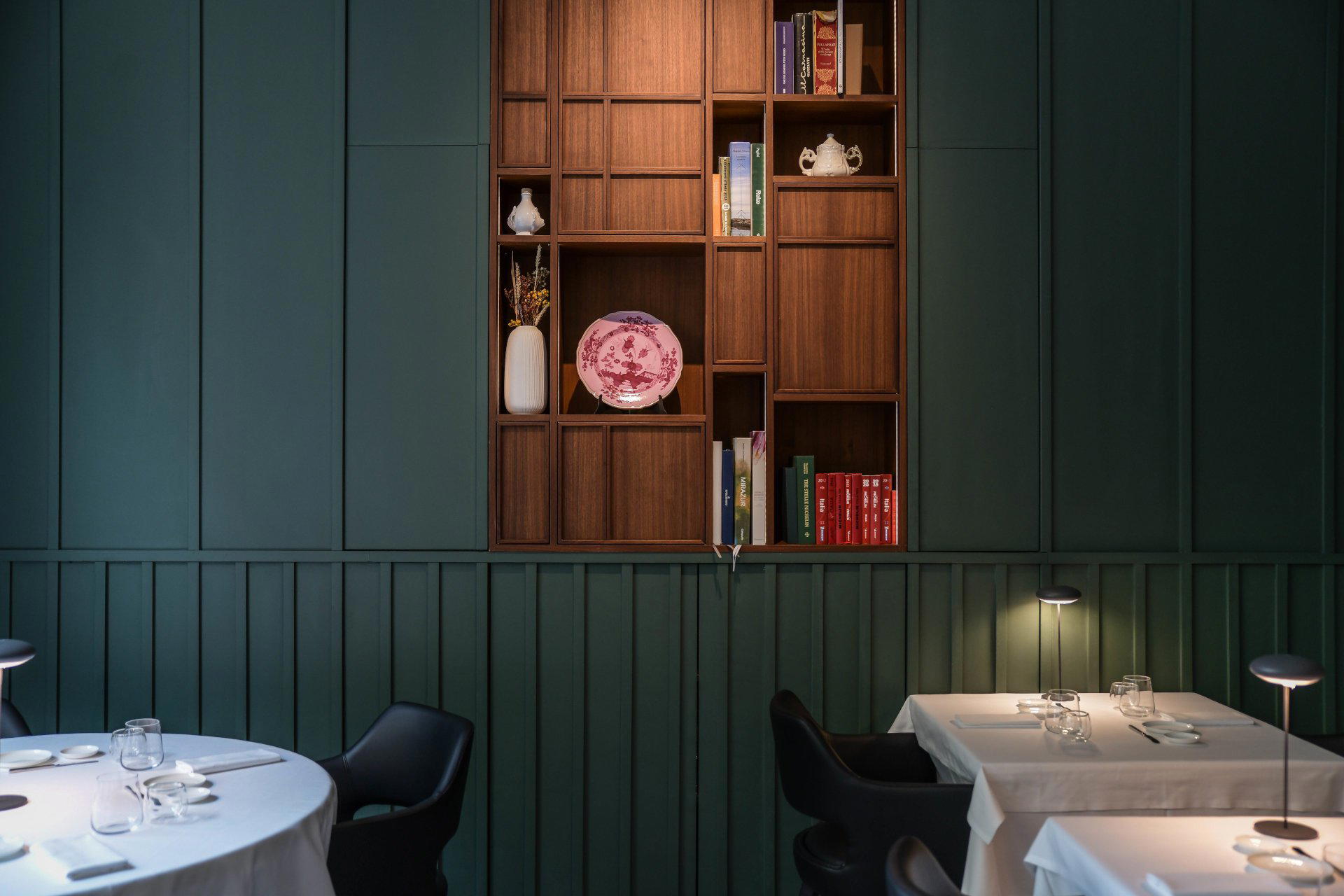
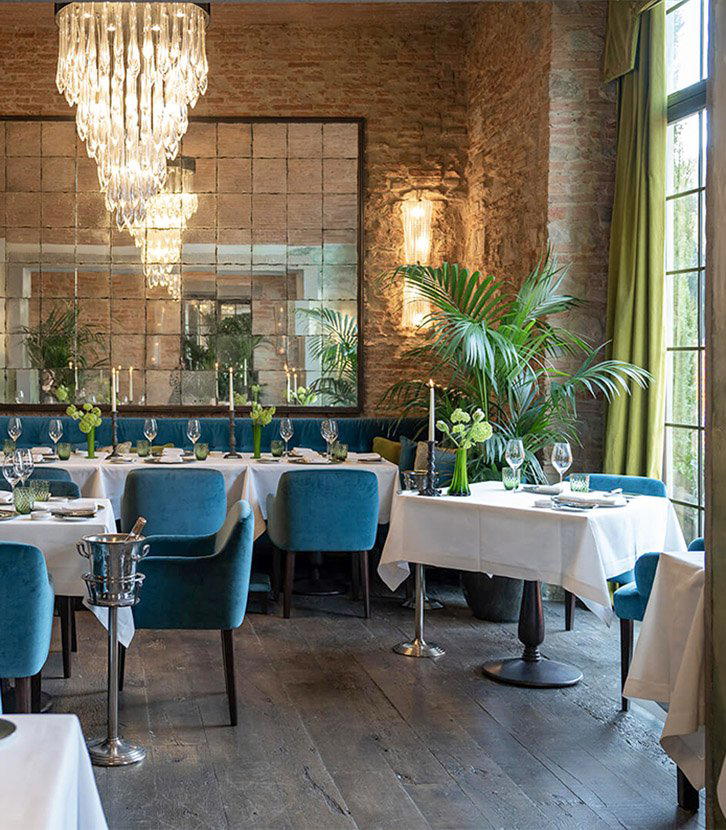
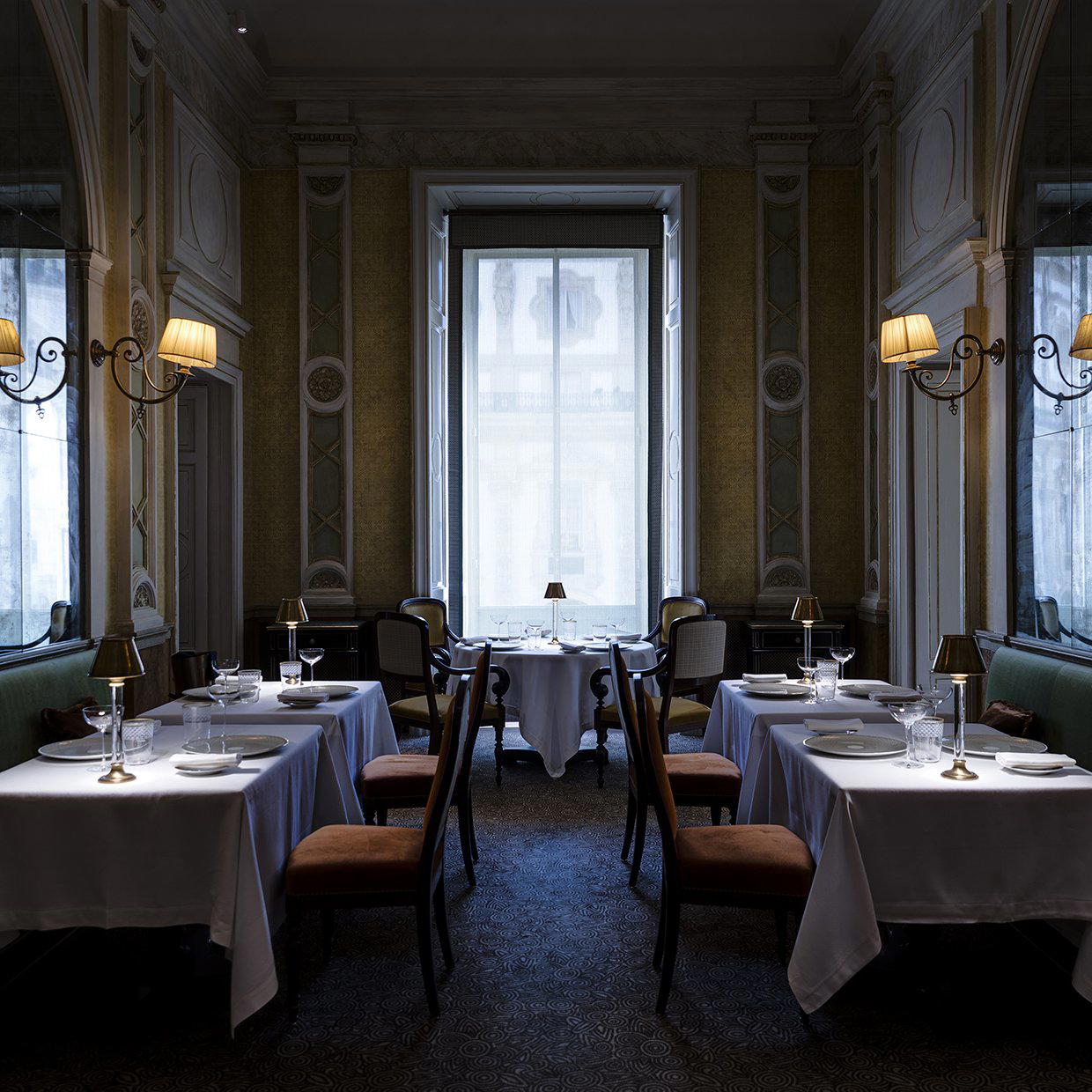
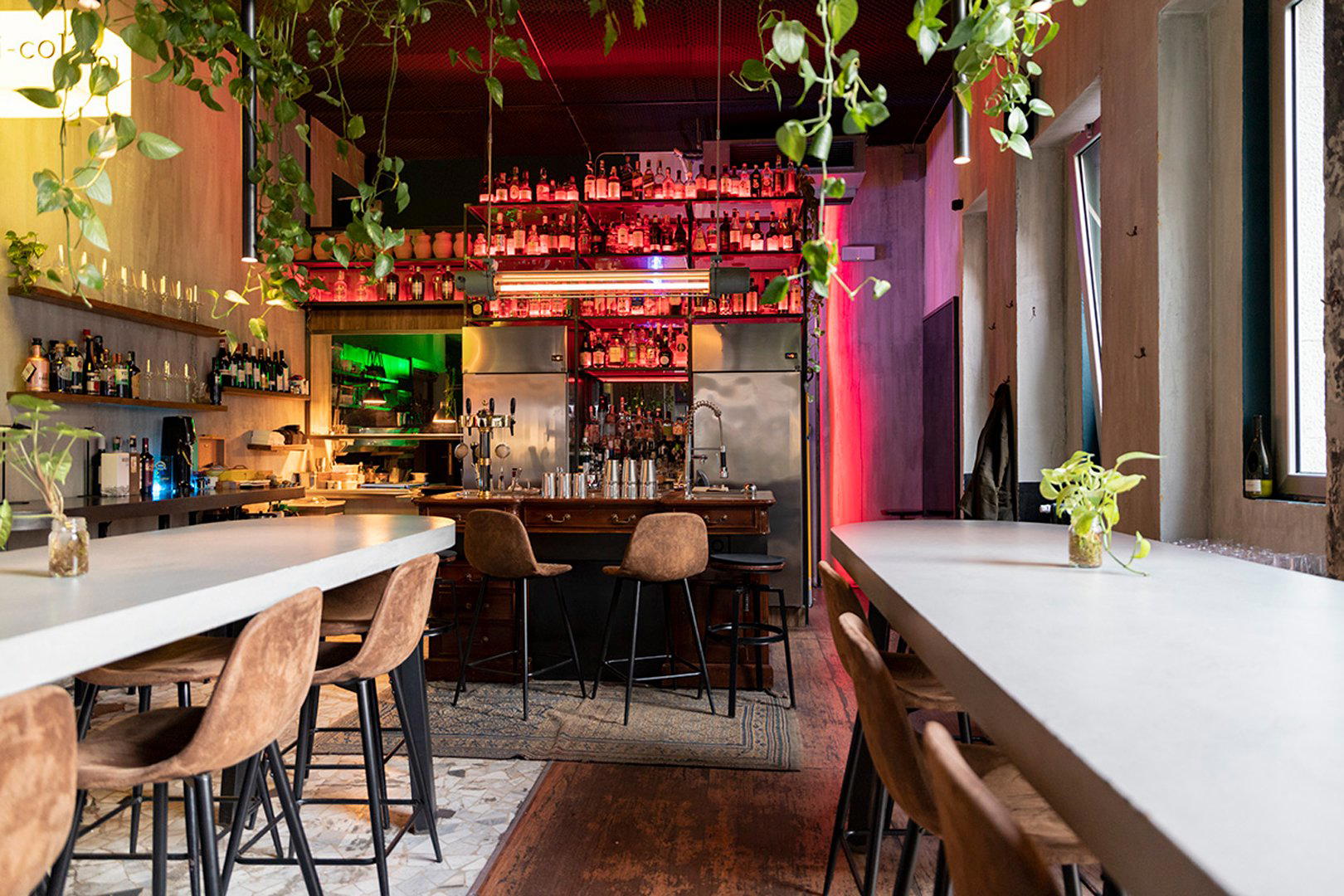
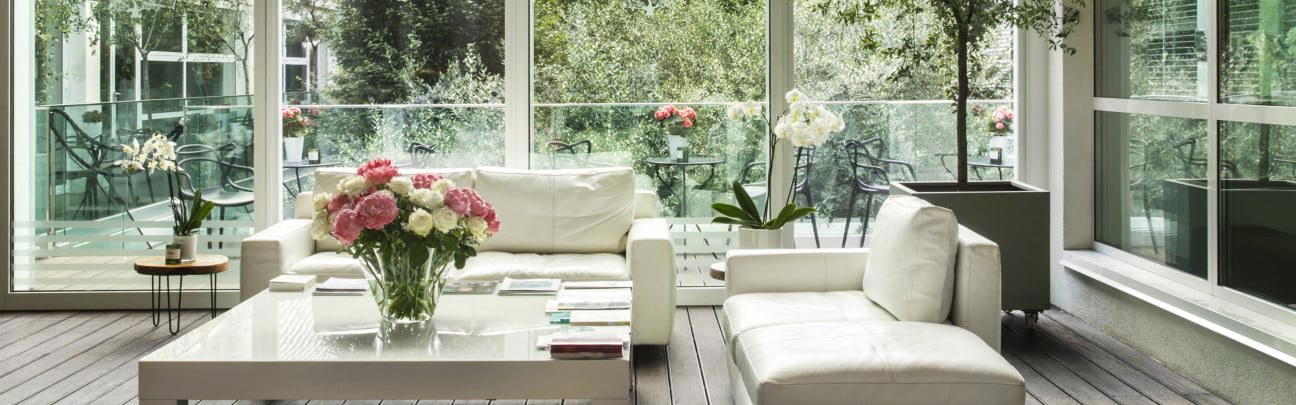
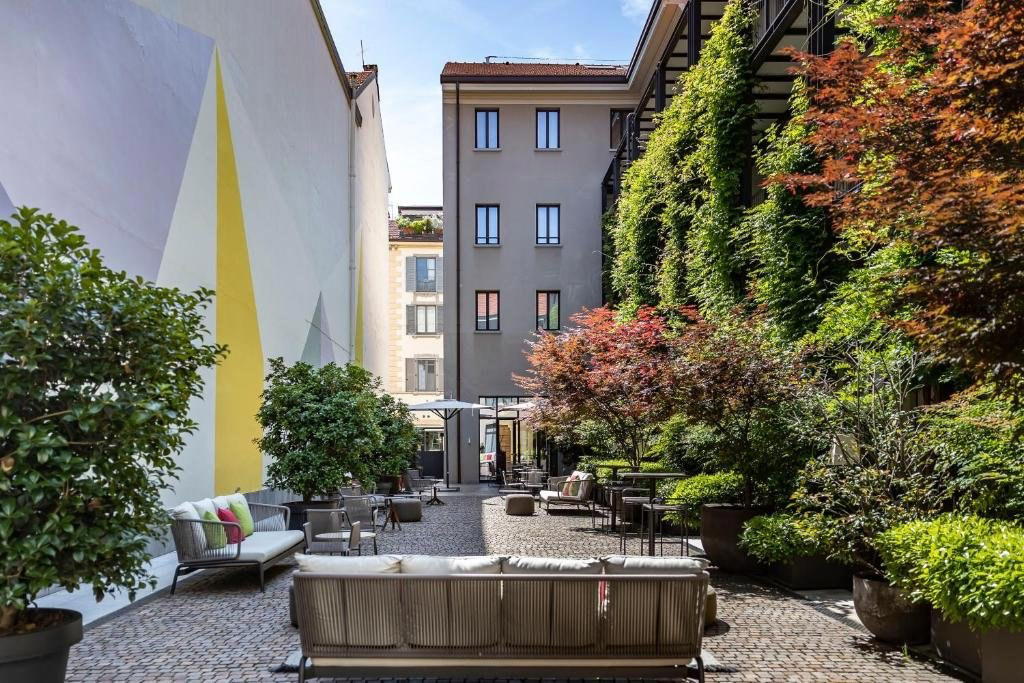
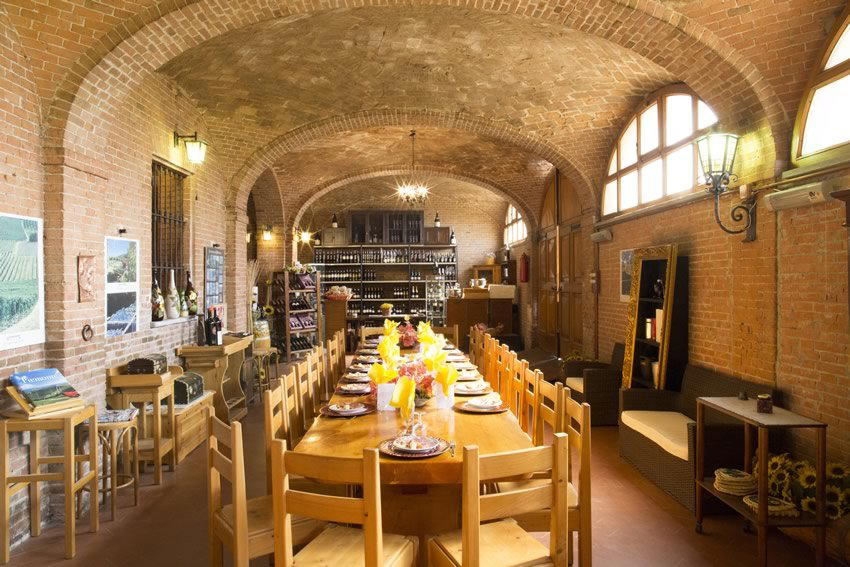
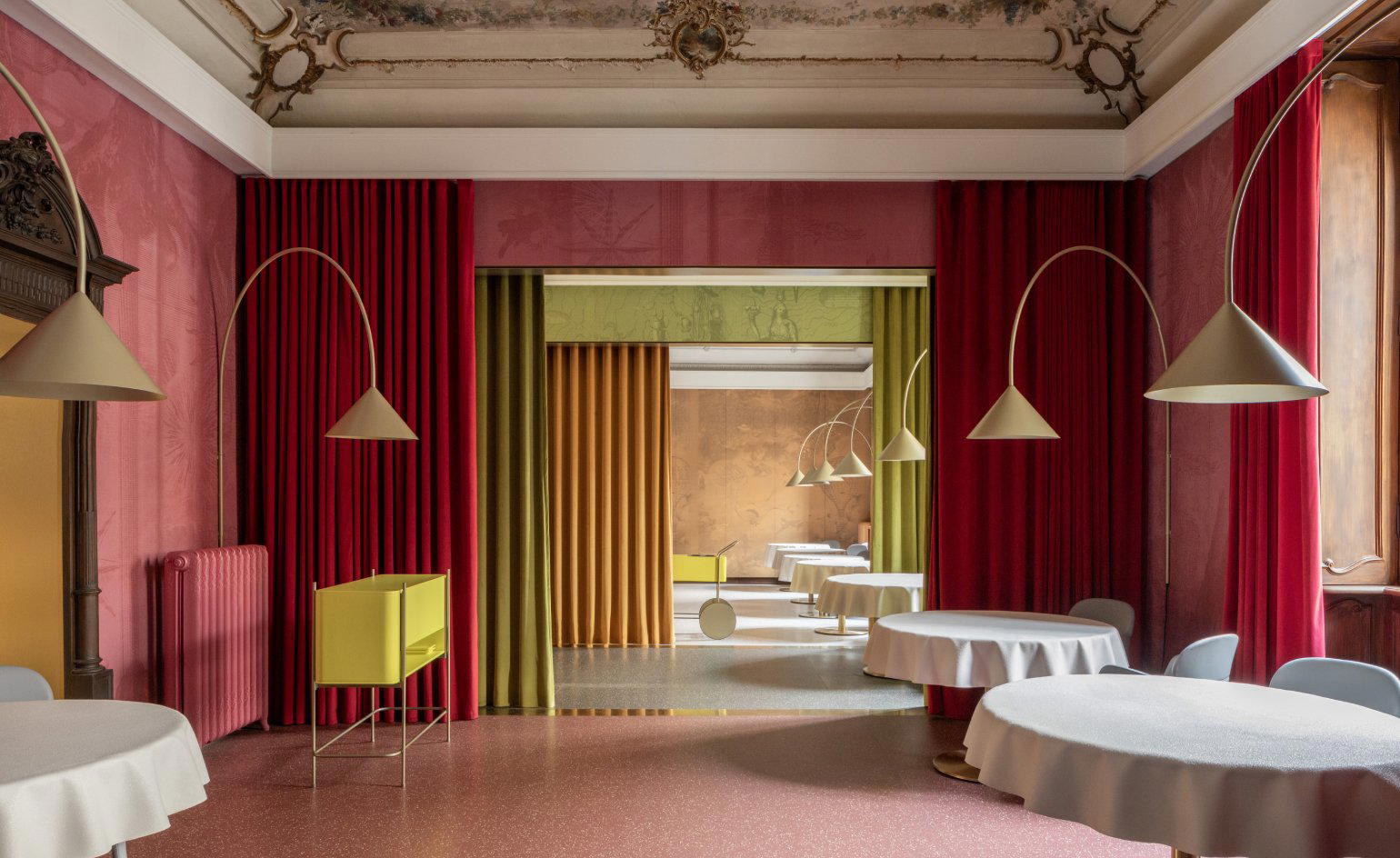
The building itself sets the frame before you eat a single course. A period structure that reads as old Milan from the street, it was refurbished in a way that deliberately rejects the neutral-toned minimalism common to high-end dining rooms across European cities. The interior runs to blues, reds, and greens, a chromatic argument that the room should have a point of view. Off the main space, a courtyard provides a pocket of green in what is otherwise a dense urban block, functioning as the natural spot for an aperitif or, after the meal, a cigar. The physical environment here is not incidental; it reflects the same logic that governs the menus.
Two Menus, One Argument
Milan's progressive restaurants have broadly split into two camps: those that offer a single chef's-vision tasting menu and those that present a choice of frameworks. Contraste takes the second approach, offering two distinct paths. The Riflesso menu applies modern technique to traditional dishes, functioning as a kind of precision reimagining of the Italian canon. The Riflessioni menu moves further out, combining unusual ingredient pairings and bolder creative decisions. The structure itself is an editorial position: it acknowledges that not every diner arriving at a progressive Italian table wants the same degree of departure from what they know.
This two-menu architecture has a particular resonance in the Milanese context. The city's dining culture has always had one foot in the cosmopolitan and one in the regional. Risotto alla Milanese, ossobuco, and cotoletta remain deeply embedded in the local identity, even at the top of the market. The Riflesso menu's premise, that traditional dishes, handled with modern technique, are still worth the conversation, is a position that makes sense here in a way it might not in, say, a Spanish-influenced tasting menu environment where the clean break from tradition is the point. The kitchen at Contraste reads as genuinely interested in the tension between those two positions, which is what sustains interest across both menu options.
The Wine Program as Equal Partner
The dynamic between kitchen and floor at top-tier Italian restaurants has changed considerably over the past decade. Sommeliers at the highest level now function less as curators of a list and more as co-authors of the dining experience. At Contraste, sommelier Thomas Piras operates in that expanded role. The wine list covers international labels with a documented emphasis on France, and the service team is equipped to recommend both wine and non-alcoholic pairings. La Liste, which rated Contraste 83.5 points in 2025 and 82 points in 2026, specifically highlights the wine-food relationship as central to what the restaurant does. That kind of recognition from a ranking system that aggregates hundreds of international guide assessments is a meaningful signal about where the floor program sits relative to peers.
In the broader range of Milan's fine dining, this matters. Restaurants like Seta and Andrea Aprea both hold two Michelin stars and operate at the same price tier, with strong wine programs of their own. Enrico Bartolini holds three stars and competes at the very best of the city's recognition hierarchy. Cracco in Galleria, at one star, shares the €€€€ pricing bracket.
Milan's Progressive Italian Scene in National Context
To understand where Contraste sits, it helps to map the wider Italian progressive restaurant conversation. The most discussed addresses are distributed across the country's different culinary regions: Osteria Francescana in Modena, which operates in the heartland of Emilian product culture; Piazza Duomo in Alba, rooted in Piedmontese seasonal rhythms; Le Calandre in Rubano, which has sustained three stars in the Veneto for an extended period; Enoteca Pinchiorri in Florence, a reference point for Italian fine dining's relationship with great cellars; and Atelier Moessmer Norbert Niederkofler in Brunico, which operates within the distinct Alpine-Italian identity of South Tyrol. Each of those addresses draws heavily on its specific regional product base and culinary tradition.
Milan's progressive restaurants, including Contraste, operate differently. The city is not a primary agricultural region, and Milanese chefs working at this level tend to source from across Italy and occasionally beyond, rather than anchoring their menus to hyper-local product. Chef Matias Perdomo's background brings an additional layer to this: the kitchen's imagination is not bounded by the expectations of a single Italian regional tradition. That freedom is part of what gives the Riflessioni menu its range. It is also worth noting that restaurants such as Dal Pescatore in Runate and Andreina in Loreto represent the other end of the spectrum, deeply place-rooted Italian tables where the regional identity is inseparable from the cooking. Contraste is a consciously Milanese answer to the same question those restaurants ask by different means.
A Note on the Navigli Setting
Via Giuseppe Meda sits in the southern reaches of central Milan, within the Navigli district that has historically attracted a more local, less tourist-facing restaurant culture than the Duomo or Brera areas. At the €€€€ tier, Contraste is not a neighbourhood restaurant by price point, but its location gives it a certain remove from the more performative circuits of Milan dining. The courtyard, accessible from the main building, reinforces that quality: it is a space for pausing, not for being seen. For visitors staying in central Milan and exploring the city's restaurant scene more broadly, the full Milan restaurants guide, hotels guide, bars guide, wineries guide, and experiences guide provide the wider context. Within the progressive Italian bracket specifically, Verso Capitaneo is another creative-leaning address worth considering alongside Contraste when building a Milan dining itinerary.
Planning Your Visit
Contraste opens for dinner Tuesday through Friday from 7:30 pm to midnight, and adds a Saturday and Sunday lunch service running 12:30 to 3 pm, with dinner on both weekend days following the same evening hours. Monday dinner service runs from 7:30 pm to midnight. Pricing is at the €€€€ level, consistent with Milan's peer group of starred restaurants. Given the La Liste recognition and Michelin star, advance reservation is advisable; for an internationally recognised progressive table in this city, booking several weeks ahead is a reasonable baseline assumption. The address is Via Giuseppe Meda, 2, in the 20136 postcode.
Frequently asked questions
Is Contraste award-winning?
Contraste has received recognition including: Contraste is the perfect wine and food experience in Milan. This restaurant embodies the pure sharp creativity of a chef, Mathias Perdomo, with the profound knowledge of a sommelier, Thomas Piras. The...; La Liste Top Restaurants (2026): 82….
What's the address for Contraste?
Contraste is located at Via Giuseppe Meda, 2, 20136 Milano MI, Italy, Milan.
What's the must-try dish at Contraste?
Contraste does not publish a fixed signature dish. The more instructive choice is which menu to commit to: the Riflesso menu applies modern technique to traditional Italian reference points, while the Riflessioni menu takes sharper creative risks with unconventional combinations. Asking the floor team is the most reliable approach, sommelier Thomas Piras's team is specifically noted by La Liste for the quality of its pairing recommendations across both menus.
How would you describe the cuisine at Contraste?
Is Contraste more mid-range or high-end?
Pricing at Contraste is listed as €€€€.
What time does Contraste open and close?
Hours at Contraste: Hours: Monday 7:30 pm–12 am Tuesday 7:30 pm–12 am Wednesday 7:30 pm–12 am Thursday 7:30 pm–12 am Friday 7:30 pm–12 am Saturday 12:30–3 pm, 7:30 pm–12 am Sunday 12:30–3 pm, 7:30 pm–12 am.
Who is the chef at Contraste?
The chef associated with Contraste is Matias Perdomo.
Awards and Standing
| Venue | Cuisine | Price | Awards | Notes |
|---|---|---|---|---|
| ContrasteThis venue (the venue you are viewing) | Modern Italian Fine Dining | $150–200 | 1 Michelin Star · La Liste Top Restaurants | Not listed |
| Enrico Bartolini | Modern Italian Fine Dining | $300–500 | 3 Michelin Stars · World's 50 Best #85 | Creative |
| Cracco in Galleria | Modern Italian Fine Dining | $150–200 | 1 Michelin Star · World's 50 Best #33 | Modern Cuisine |
| Andrea Aprea | Modern Italian Fine Dining | $200–300 | 2 Michelin Stars · La Liste Top Restaurants | Modern Italian, Italian Contemporary |
| Seta | Modern Italian Fine Dining | $150–200 | 2 Michelin Stars · La Liste Top Restaurants | Modern Italian |
| Il Luogo Aimo e Nadia | Italian Contemporary | Not listed | Michelin 1 Star | Not listed |
Recognition history
Dated appearances from independent guides and award organizations, with the underlying list record or original source where available.
Michelin 1 Star
Michelin
La Liste Top Restaurants
La Liste
Star Wine List
Star Wine List
Opinionated About Dining Top Restaurants in Europe Ranked #96
Opinionated About Dining
The Best Chef Two Knives
The Best Chef
Full recognition history (7 entries)
La Liste Top Restaurants
La Liste
Michelin 1 Star
Michelin