On Viale Umbria in Milan's Porta Romana quarter, Killer occupies a stretch of the city where neighbourhood character still outweighs tourist traffic. The address places it outside the central fine-dining cluster around Duomo and Brera, positioning it within a more local, less choreographed tier of the Milan restaurant scene. Booking intelligence and an understanding of the surrounding context matter here before you arrive.
Pearl is the En Primeur Club membership app — saves, bookings, and concierge access live there. Same editors, same standards.
- Address
- Viale Umbria, 120, 20135 Milano MI, Italy
- Phone
- +39236509626
- Website
- facebook.com
- Directions
- Get directions
 Saves & bookings on Pearl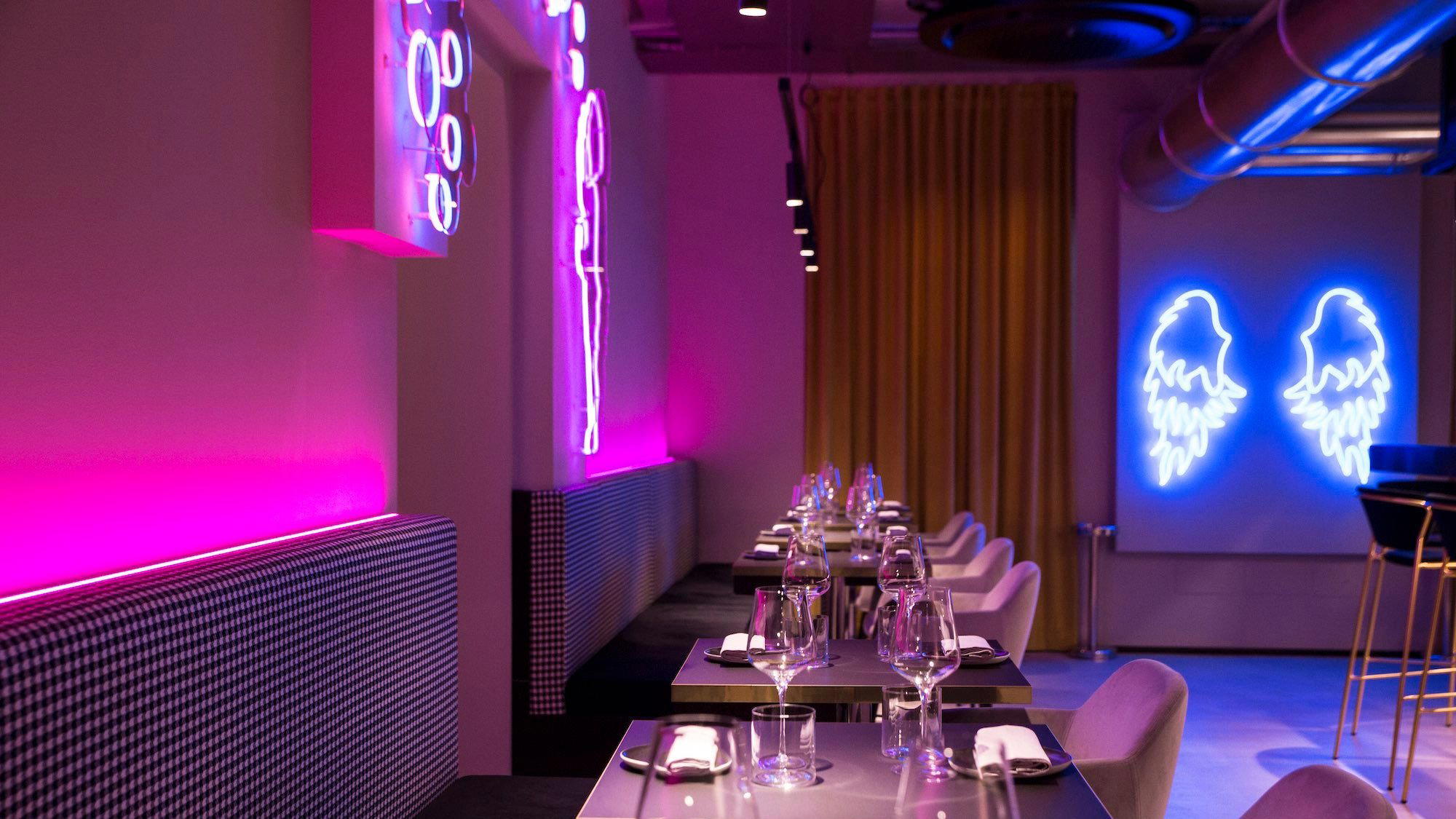
A Corner of Milan That Doesn't Perform for Visitors
Viale Umbria runs through the Porta Romana district, one of Milan's older residential corridors where the restaurant density reflects a neighbourhood feeding itself rather than a city marketing itself to outsiders. This part of the city sits southeast of the centre, away from the design-hotel clusters of Brera and the tourist circuits around Piazza del Duomo. The venues that survive here tend to do so on repeat local custom rather than guidebook placement. Killer, at number 120 on that viale, is a casual Italian restaurant. The address alone signals something about the likely format: not a destination tasting-menu house in the mould of Enrico Bartolini or Seta, but a room shaped by a different set of pressures and a different kind of loyalty.
Milan's fine-dining tier, represented by addresses like Cracco in Galleria and Andrea Aprea, concentrates in the centre and prices accordingly. Venues further out, particularly in Porta Romana and the surrounding zones, operate in a different register. The gap between those two tiers is not merely geographic, it reflects different assumptions about what a meal is for, who is paying, and how far in advance anyone is expected to plan. Understanding where Killer sits in that gap is the first piece of useful intelligence for anyone considering a visit.
What the Address Tells You About the Booking Experience
In Milan, the difficulty of securing a table tracks closely with a venue's position in the recognised fine-dining hierarchy. The rooms with Michelin recognition and extensive press coverage, Verso Capitaneo among the more recent additions to that circuit, operate booking windows that can stretch weeks or months ahead. Venues operating outside that tier, particularly those without a substantial digital presence, tend to have a different rhythm: shorter advance windows, more reliance on phone or walk-in, and less infrastructure around the reservation process itself.
Killer has no published booking method, phone number, or website. That absence of digital infrastructure is itself informative. It suggests either a informal booking approach, common in neighbourhood trattorie and casual bars across Italian cities, or simply a venue that has not yet built the online layer that many diners now expect. Either way, the practical implication is the same: a visit requires more groundwork than a quick online reservation, and flexibility on timing is likely more useful than attempting to lock in a specific date weeks ahead.
For comparison, Italy's most planned-for restaurants, Osteria Francescana in Modena, Le Calandre in Rubano, or Piazza Duomo in Alba, have highly structured booking systems built around their international reputation. At the other end of the spectrum, neighbourhood venues across the country operate on handshake terms with locals and answer their phones when they feel like it. Killer's data profile suggests it sits closer to the latter model, which changes the planning approach considerably.
Reading the Milan Context
Milan's dining scene has developed in several distinct directions over the past decade. The central fine-dining axis has become increasingly formalised, with tasting menus, sommelier programs, and international press attention driving a concentration of recognised restaurants in a relatively small geographic footprint. Meanwhile, the city's outer districts have retained a more varied, less legible character, home to neighbourhood osterie, informal wine bars, and a category of venue that resists easy classification.
Italy's broader restaurant culture supports this kind of distribution. Across the country, from the Adriatic coast to the Alpine foothills, particularly interesting eating is often in rooms without significant digital presence, without awards, and without the friction of a structured booking process. Uliassi in Senigallia and Dal Pescatore in Runate represent one extreme of Italian restaurant identity, formal, multigenerational, internationally recognised. Killer, based on its address and available data, operates somewhere else on that spectrum entirely, in a register more aligned with the everyday fabric of Italian neighbourhood dining.
It makes it worth visiting for different reasons, and with different expectations.
Planning a Visit: What to Know
Given the absence of a published website, phone number, or booking system in the available record, one reliable approach for visiting Killer is to arrive with a degree of spontaneity or to use local knowledge. Speaking directly with the venue, either in person on a preliminary visit to the Viale Umbria address, or via a hotel concierge with working neighbourhood contacts, is likely to be more productive than searching for an online booking link that may not exist. This is a pattern common to a significant portion of Milan's neighbourhood dining options, and it rewards visitors who treat the planning process as part of the experience rather than an obstacle to it.
Timing matters in this context. Milan's restaurant rhythms shift around fashion weeks, trade fairs, and the summer slowdown when many neighbourhood venues reduce hours or close entirely. Visiting outside the Salone del Mobile period in April or the fashion calendar peaks in February and September tends to produce a more relaxed version of the city's neighbourhood dining, shorter waits, more attention from front-of-house, and a room populated by regulars rather than by visitors navigating the city on a tight itinerary.
For those whose primary interest is Milan's formalised fine-dining circuit, the city's central addresses are easier to plan around, with published booking systems and clear pricing. For those interested in the less legible, more local version of the city's eating culture, the version that sustains a venue on Viale Umbria rather than Via Montenapoleone, a higher tolerance for uncertainty is both required and, usually, rewarded.
Where Killer Sits in a Wider Italian Frame
Italy's restaurant identity has always been broader than its Michelin map suggests. The country's most celebrated rooms, Enoteca Pinchiorri in Florence, Reale in Castel di Sangro, Atelier Moessmer Norbert Niederkofler in Brunico, represent one tradition. The neighbourhood trattoria, the informal wine bar, the room without a website or a press kit, represents another. Both are real, and both are worth understanding on their own terms. Quattro Passi in Marina del Cantone and Casa Perbellini 12 Apostoli in Verona occupy the middle tier, regionally significant, formally structured, internationally known to a narrower audience. Killer's available profile places it outside all of those categories and closer to the informal neighbourhood end of the spectrum, which is where much of Italy's actual daily eating still happens.
For readers whose reference points are the level of Le Bernardin in New York City or Atomix, Killer will feel less structured, less documented, and harder to plan around.
In Context: Similar Options
Comparable venues nearby, for context on price, style, and recognition.
| Venue | Cuisine | Price | Notes |
|---|---|---|---|
| KillerThis venue — the venue you are viewing | Italian Casual | $$ | Not listed |
| Osteria del Treno | Traditional Milanese Osteria | $$ | Stazione Centrale - Ponte Seveso |
| Taverna del Borgo Antico | Italian Trattoria & Pizzeria | $$ | Brera |
| Pizzium | Regional Neapolitan Pizza | $$ | Sarpi |
| Fradiavolo Milano Premuda | Contemporary Neapolitan Pizza | $$ | Xxii Marzo |
| Il Tavolino | Traditional Italian Trattoria & Pizzeria | $$ | Porta Garibaldi - Porta Nuova |
Continue exploring
More in Milan
Restaurants in Milan
Browse all →
Bars in Milan
Browse all →
Hotels in Milan
Browse all →

At a Glance
- Lively
- Casual
- Trendy
- Casual Hangout
- After Work
- Craft Cocktails
Current opening hours
- Monday
- 6:30 PM–1 AM
- Tuesday
- 6:30 PM–1 AM
- Wednesday
- 6:30 PM–1 AM
- Thursday
- 6:30 PM–1 AM
- Friday
- 6:30 PM–1 AM
- Saturday
- 6:30 PM–1 AM
- Sunday
- 6:30 PM–1 AM
Hours can change for holidays and private events. Last verified .
Casual, energetic neighborhood bar atmosphere with a focus on cocktails and approachable cuisine.