On a quiet Via Pio IV in Milan's historic Porta Ticinese quarter, Cantina della Vetra occupies a register that sits apart from the city's headline fine-dining circuit. The address draws a neighbourhood-first crowd rather than a destination-seeking one, making advance planning and local knowledge the two most useful tools a visitor can bring.
Pearl is the En Primeur Club membership app — saves, bookings, and concierge access live there. Same editors, same standards.
- Address
- Via Pio IV, 3, 20123 Milano MI, Italy
- Phone
- +39289403843
- Website
- cantinadellavetra.it
- Directions
- Get directions
 Saves & bookings on Pearl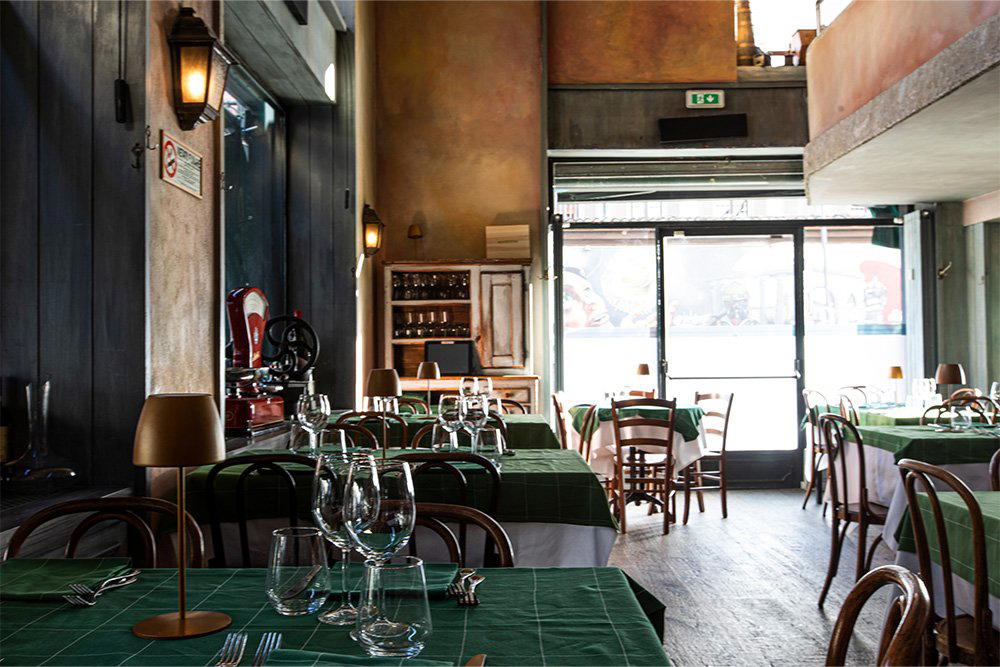
A Quiet Address in a Loudly Competitive City
Milan's dining scene has pulled in two directions for most of the past decade. On one side, the city's headline tables, Enrico Bartolini, Cracco in Galleria, Andrea Aprea, and Seta, have consolidated around tasting-menu formats, Michelin recognition, and an increasingly international guest profile. On the other, a quieter tier of neighbourhood-anchored addresses has held its ground, drawing regulars rather than tourists and operating on the logic of the local rather than the seasonal pilgrim. Cantina della Vetra is a Traditional Milanese Trattoria on Via Pio IV in Milan, with a casual dress code, a recommended reservation policy, and an average price of about $35 per person.
That geographic specificity matters. Porta Ticinese sits just south of the Navigli canal network, a zone that Milan's upwardly mobile have been reappropriating for the better part of two decades without fully erasing its older, more grounded character. This is not the Milan of the Quadrilatero della Moda or the gleaming Porta Nuova towers. It is a denser, older neighbourhood, and the kind of restaurant that survives here does so by serving people who live nearby, not by chasing accolades. Across Italy, some of the country's most durable restaurants, from Dal Pescatore in Runate to Osteria Francescana in Modena, built their foundations in exactly this way: neighbourhood credibility first, broader recognition later, if at all.
The Setting as a Statement
The approach to the restaurant along Via Pio IV already signals what kind of experience is being offered. The street is narrow, the buildings are old, and there is none of the visual theatre that announces many of Milan's more ambitious addresses. Inside, the room reads as a cantina in the original sense: a space where wine and food coexist on roughly equal terms, where the setting is functional rather than designed for social media documentation. This is a meaningful distinction in a city where Verso Capitaneo and its contemporaries have invested heavily in dramatic interiors as part of their editorial proposition. Cantina della Vetra makes a different argument: that the quality of what is on the table should not require the room to make the case for it.
Italian restaurants of this type tend to perform leading in certain seasons. Late autumn and winter, when the appetite runs toward braised meats, aged cheeses, and wines with some weight behind them, are historically when the cantina format earns its keep. Arriving in November or February, when Milan operates at its most local and least touristic, is worth considering if the visit can be timed accordingly. Summer, when the Navigli area draws considerably more foot traffic and the city's dining rooms compete harder for covers, is a different proposition entirely.
Planning the Visit: What to Know Before You Go
The editorial angle that matters most for a place like Cantina della Vetra is not what is on the menu but how to actually secure a table. Reservations are recommended. Google Maps and its associated reservation links have also become the de facto booking interface for addresses that do not maintain their own online presence.
Arriving without a reservation on a Friday or Saturday evening carries some risk.
For those building an Italy itinerary around serious dining and want to compare the cantina format against the country's highest-tier addresses, the reference points extend well beyond Milan. Reale in Castel di Sangro, Uliassi in Senigallia, Piazza Duomo in Alba, and Le Calandre in Rubano all represent Italy's fine dining continuum at its most structured and credential-heavy. At the other end of the spectrum, Atelier Moessmer Norbert Niederkofler in Brunico demonstrates what Italian culinary identity looks like when filtered through a regional, ingredient-led lens. The restaurant belongs to a different bracket altogether, one where the competition is measured in neighbourhood loyalty rather than Michelin stars. Beyond Italy, internationally recognised neighbourhood-anchored formats include Lazy Bear in San Francisco and, at a different register, Le Bernardin in New York, which built its reputation on consistency and precision over decades before accumulating accolades. The trajectory is different, but the underlying logic, that a restaurant earns authority through repetition rather than spectacle, is shared.
The cantina model, with its implicit promise that the cellar is as considered as the kitchen, has deeper roots in Florence and Verona than in Milan, which makes the restaurant's address in the Porta Ticinese all the more deliberate as a positioning statement.
City Peers
Comparable venues nearby, for context on price, style, and recognition.
| Venue | Cuisine | Price | Notes |
|---|---|---|---|
| Cantina della VetraThis venue — the venue you are viewing | Traditional Milanese Trattoria | $$ | Not listed |
| Bagni Misteriosi | Modern Italian Aperitivo | $$ | Pta Romana |
| Baladin Milano | Italian Craft Beer Gastropub | $$ | Brera |
| Killer | Italian Casual | $$ | Xxii Marzo |
| My Heart | Gluten-Free Italian Pizzeria | $$ | Xxii Marzo |
| Savô Pizzeria Gourmet | Gourmet Italian Pizza | $$ | Porta Garibaldi - Porta Nuova |
Continue exploring
More in Milan
Restaurants in Milan
Browse all →
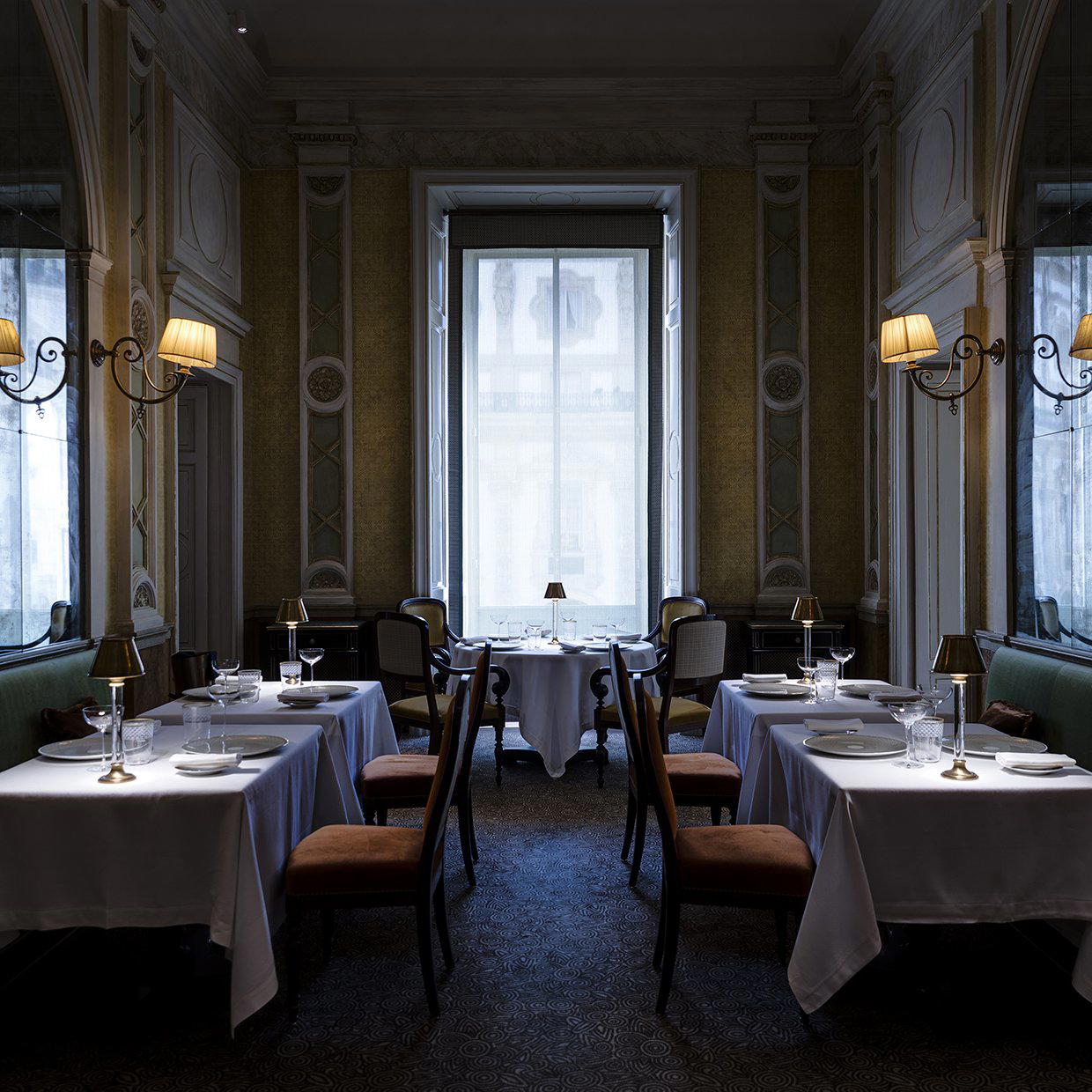
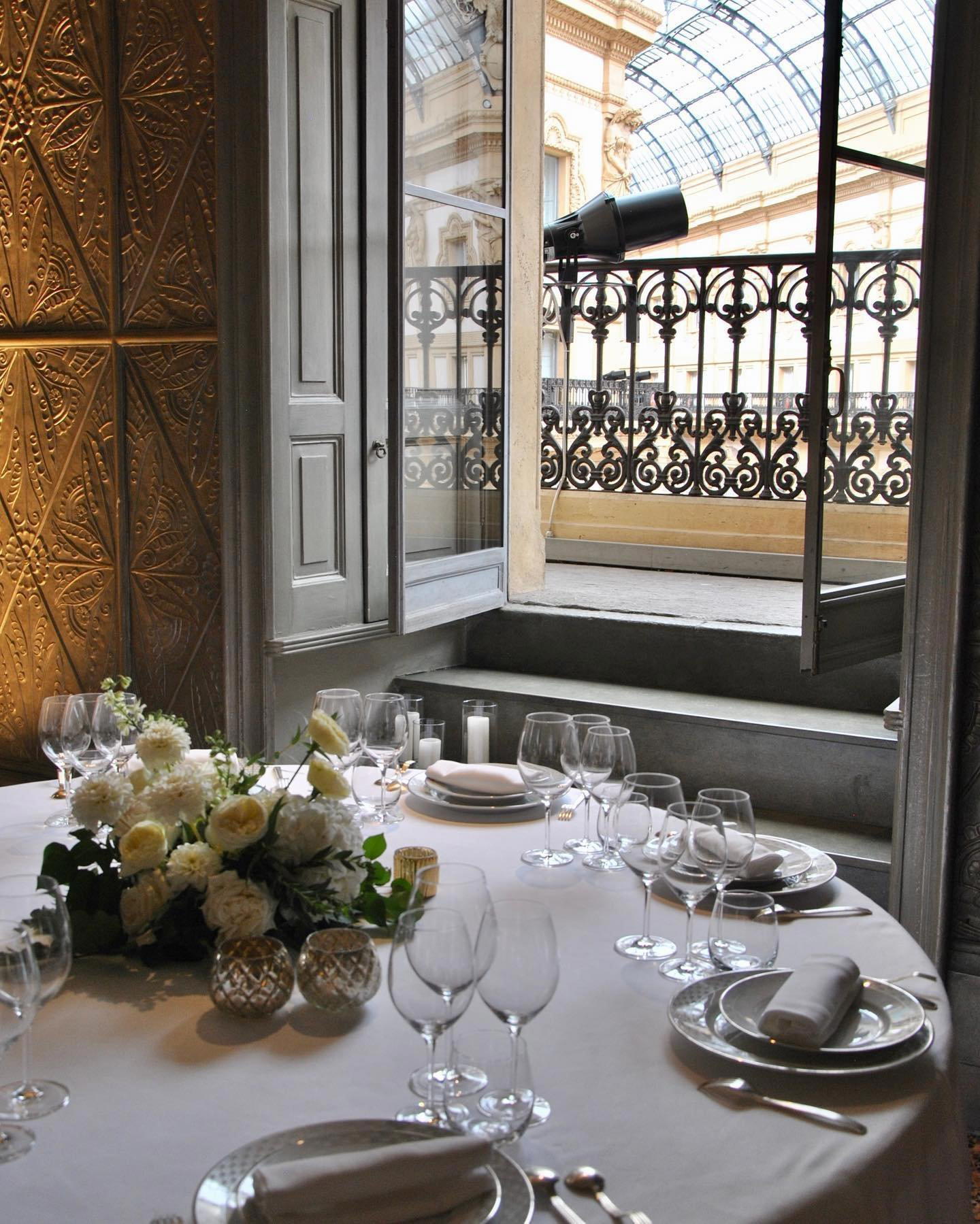
Bars in Milan
Browse all →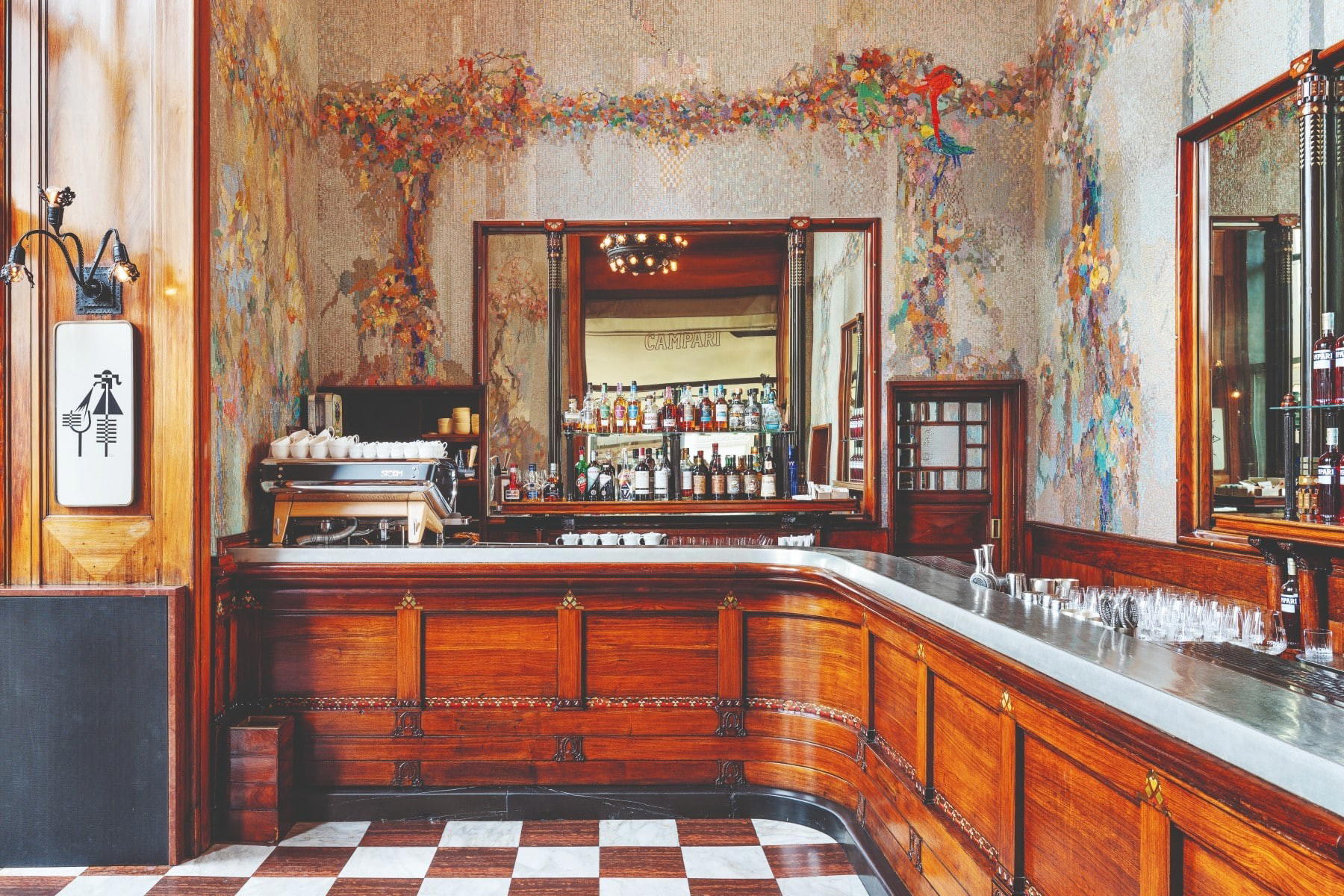
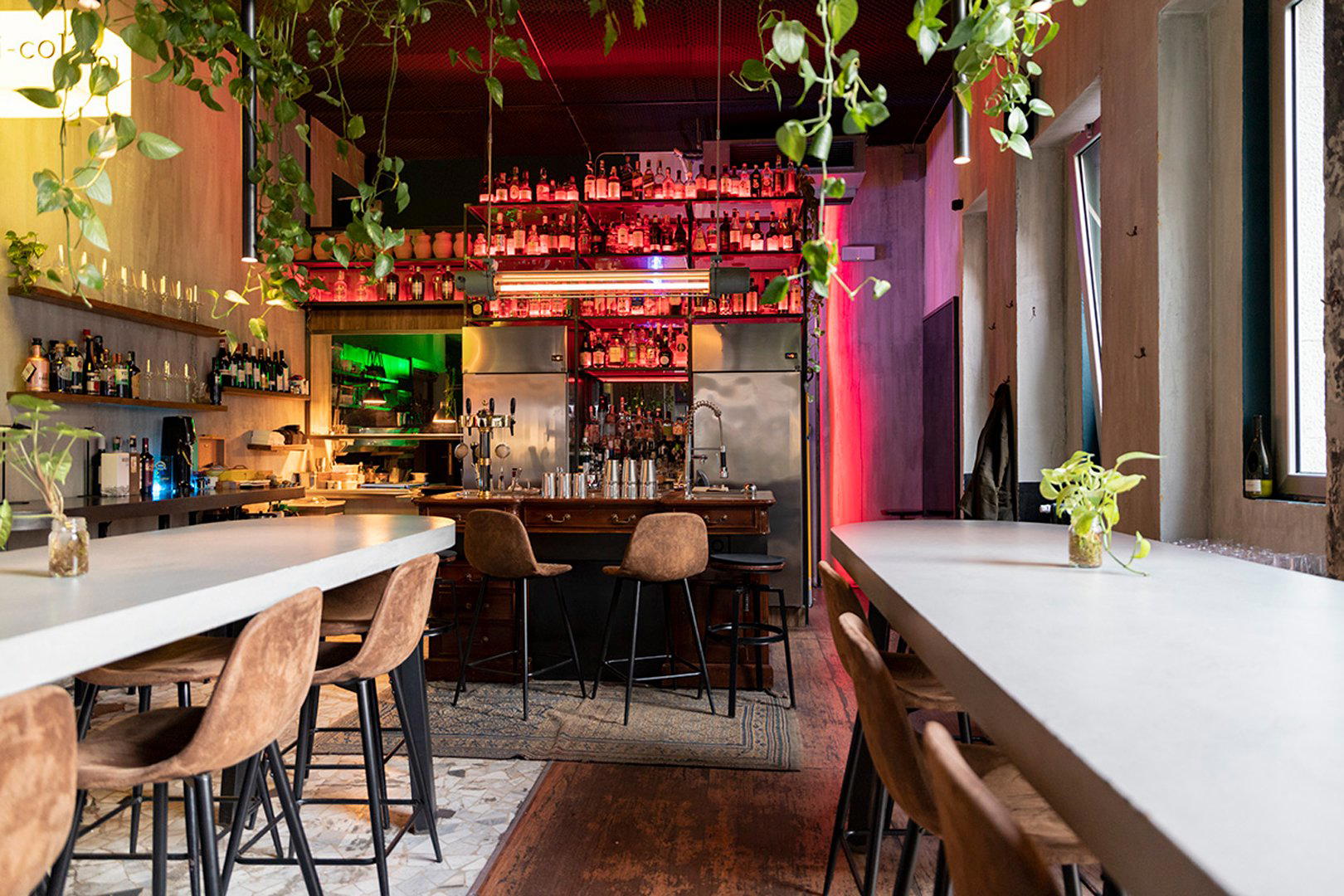
Hotels in Milan
Browse all →
At a Glance
- Rustic
- Cozy
- Intimate
- Classic
- Casual Hangout
- Family
- Business Dinner
- Historic Building
- Extensive Wine List
- Local Sourcing
- Street Scene
Current opening hours
- Monday
- 12–11:30 PM
- Tuesday
- 12–11:30 PM
- Wednesday
- 12–11:30 PM
- Thursday
- 12–11:30 PM
- Friday
- 12–11:30 PM
- Saturday
- 12–11:30 PM
- Sunday
- 12–11:30 PM
Hours can change for holidays and private events. Last verified .
Rustic and welcoming with candlelit tables, checked tablecloths, glass walls overlooking the basilica, and a warm informal atmosphere.