
One of Milan's most historic wine bars, Cavallante on Via Lodovico Muratori operates without a sign on the door and with almost no internet presence — the kind of place that persists entirely on word of mouth and the loyalty of those who already know it. For a milestone drink or a quiet celebration away from the city's more conspicuous venues, it occupies a tier of its own: earned, unhurried, and deliberately low-profile.
Pearl is the En Primeur Club membership app — saves, bookings, and concierge access live there. Same editors, same standards.
- Address
- Via Lodovico Muratori, 3, 20135 Milano MI, Italy
- Phone
- +39 02 5410 7325
- Directions
- Get directions
 Saves & bookings on Pearl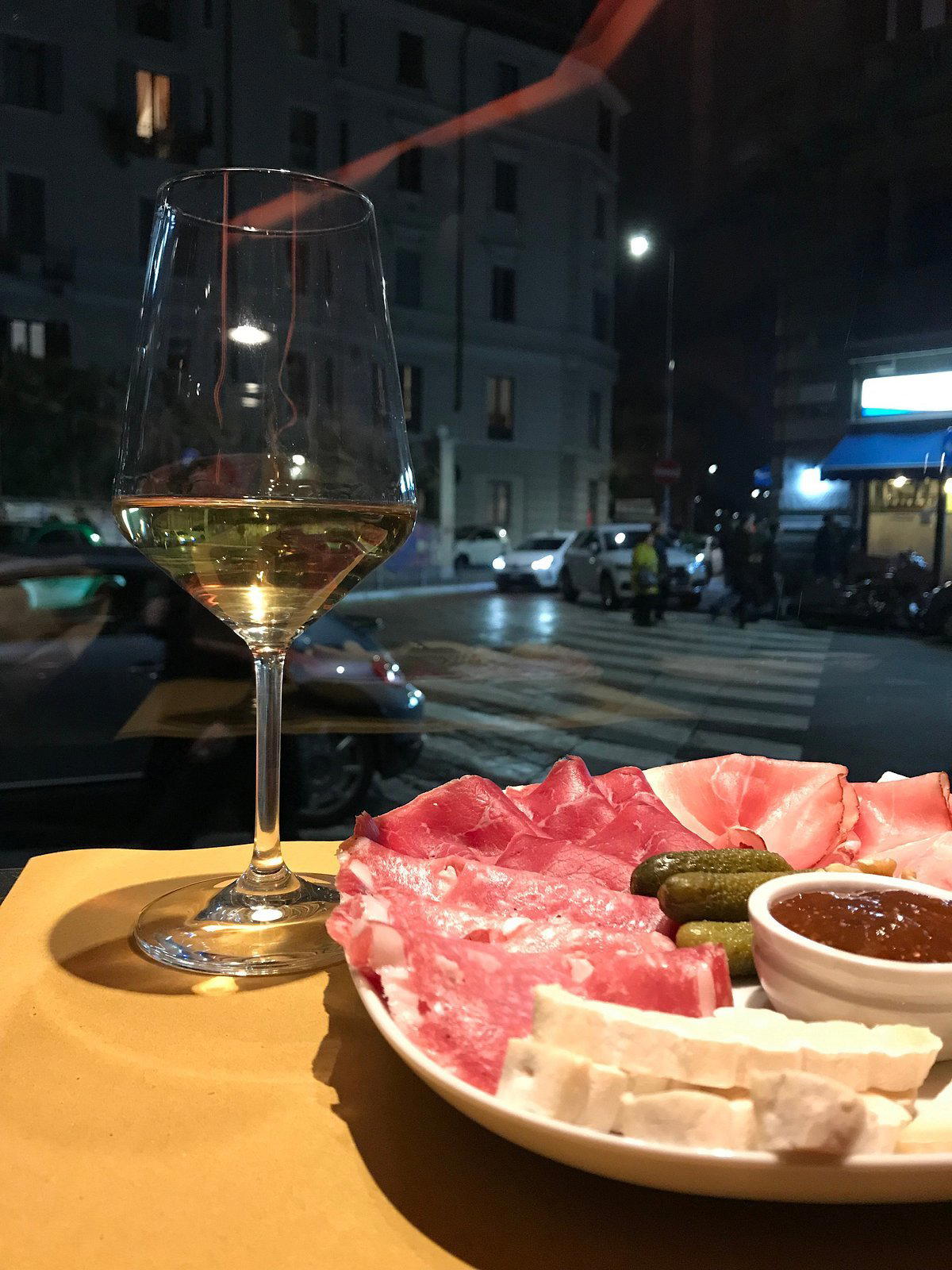
The Door That Doesn't Announce Itself
Milan has spent the last decade building a drinking culture that rewards visibility: neon-lit aperitivo terraces in the Navigli, polished cocktail bars in Brera with Instagram-optimised interiors, and a handful of internationally recognised programmes that compete on technique and press attention. Cavallante, on Via Lodovico Muratori in the Porta Romana neighbourhood, belongs to none of that. There is no sign above the door, and it has a modest profile in the neighborhood. The facade offers nothing to the passing pedestrian. If you arrive without knowing what you are looking for, you will walk past it.
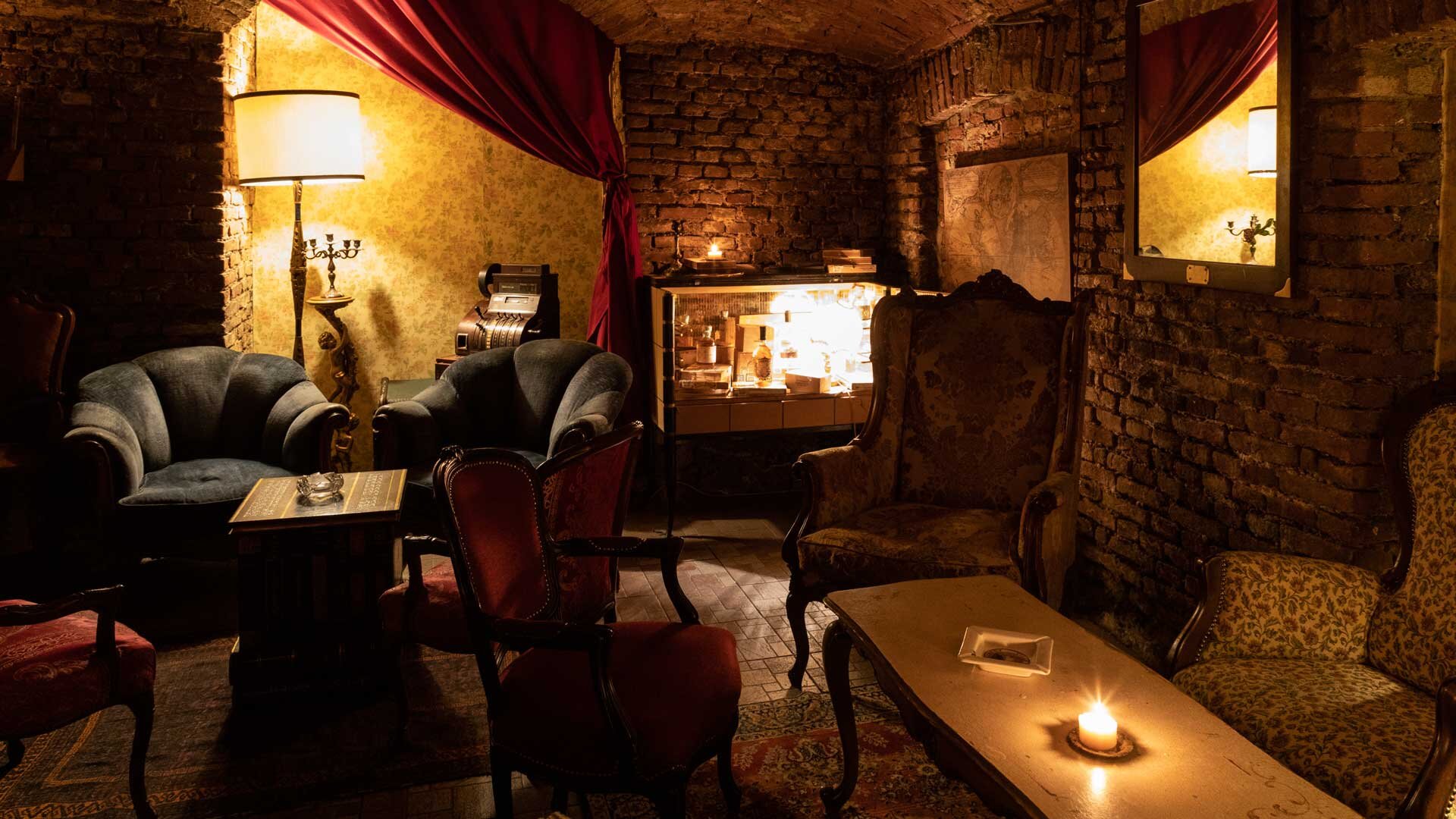
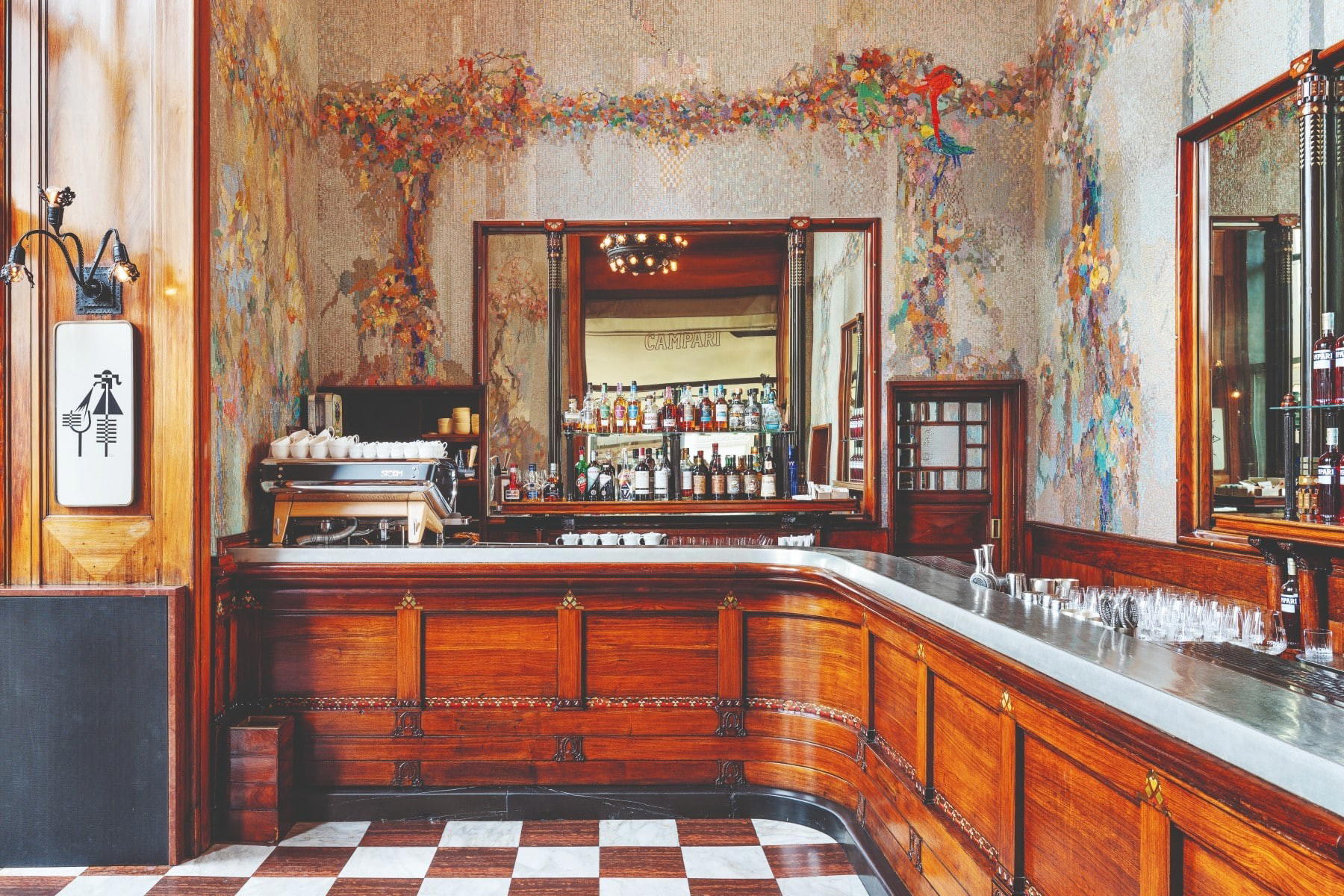
That studied invisibility is not an affectation. It is the residue of a genuinely historic wine bar operating on terms it set long before obscurity became a style choice. In a city where bars like 1930 built their identity around hidden-entry theatre, and where Camparino in Galleria trades on century-old grandeur in the Galleria Vittorio Emanuele II, Cavallante operates on a different register entirely: it is historic not as a selling point, but simply as a condition of its existence.
Occasion Drinking, Milanese Style
The logic of choosing a wine bar for a significant occasion rather than a restaurant is well established in northern Italy. A table at a ristorante frames an evening around a kitchen's ambitions; the right enoteca frames it around conversation, around what is in the glass, around the accumulation of small decisions — this bottle or that one, a plate of salumi to extend the hour, another pour because the company warrants it. The format suits moments that deserve duration without the structural obligation of a tasting menu.
Cavallante sits precisely in that tradition. Milan's most enduring wine bars have always served a social function distinct from restaurants: they are where locals mark the low-key milestones, the returns from long trips, the birthdays that don't require ceremony but do require somewhere that feels earned. The absence of digital signposting — almost no social media presence, no prominent listing, no website to pre-visit, means that arriving at Cavallante carries a weight of effort and intention that amplifies whatever occasion brought you there.
This is not incidental. Across Italy, the enotece that have lasted longest are the ones that never needed to reach outward for custom. Enoteca Storica Faccioli in Bologna and Al Covino in Venice operate on similar principles: the room is small, the selection is serious, and the clientele has self-selected by the act of finding them. Cavallante fits that cohort in Milan.
What the Porta Romana Address Tells You
Via Lodovico Muratori sits in a part of Milan that doesn't appear in most aperitivo itineraries. Porta Romana is a residential neighbourhood with working-scale streets and an absence of the tourist infrastructure that concentrates drinking and eating around Brera, the Duomo, or the Navigli canal banks. Venues that persist here do so because the neighbourhood itself sustains them, regulars who walk rather than cab, who return weekly rather than for special occasions, and who have little patience for performance.
That neighbourhood context matters when you are choosing where to mark something. A bar in Brera puts you in competition with the ambient theatre of the street. A bar in Porta Romana gives you the room to focus on whoever is across the table. For celebration meals or anniversary drinks, that distinction is not trivial.
Milan's more programmatic cocktail venues, Moebius Milano and Nottingham Forest, each with their own following and technical language, operate on a different premise: the drink is the event. At Cavallante, the wine serves the conversation rather than directing it. Both approaches have their place; they are just answers to different questions about how an evening should be organised.
Finding It, Then Planning Around It
The practical realities of Cavallante are the extension of its character. There is no phone number in public circulation and no website to consult for hours. The address on Via Lodovico Muratori, 20135 Milano, is where the planning ends and the discovery begins. This is a venue where a connection to someone who knows it, a Milanese contact, a concierge with neighbourhood depth, is worth more than any search result.
The bar is open Monday through Friday from 6 PM to 12:30 AM and is closed Saturday and Sunday. Arriving early in the evening window, before the neighbourhood crowd settles in, is the sensible approach for a first visit, particularly if there are more than two of you.
Cuisine and Credentials
Comparable venues nearby, for context on price, style, and recognition.
| Venue | Cuisine | Price | Notes |
|---|---|---|---|
| CavallanteThis venue — the venue you are viewing | wine_bar | $$ | Not listed |
| Rita's Tiki Room | tiki_bar | $$ | Porta Ticinese - Conchetta |
| Bar Brera | cocktail_bar | $$ | Brera |
| La Piola | cocktail_bar | $$ | Buenos Aires - Porta Venezia - Porta Monforte |
| Mercato Centrale Milano | cocktail_bar | $$ | Stazione Centrale - Ponte Seveso |
| Ristorante Ratanà | Bar | $$$ | Isola |
Recognition history
Dated appearances from independent guides and award organizations, with the underlying list record or original source where available.
Star Wine List
Star Wine List
Continue exploring
More in Milan
Bars in Milan
Browse all →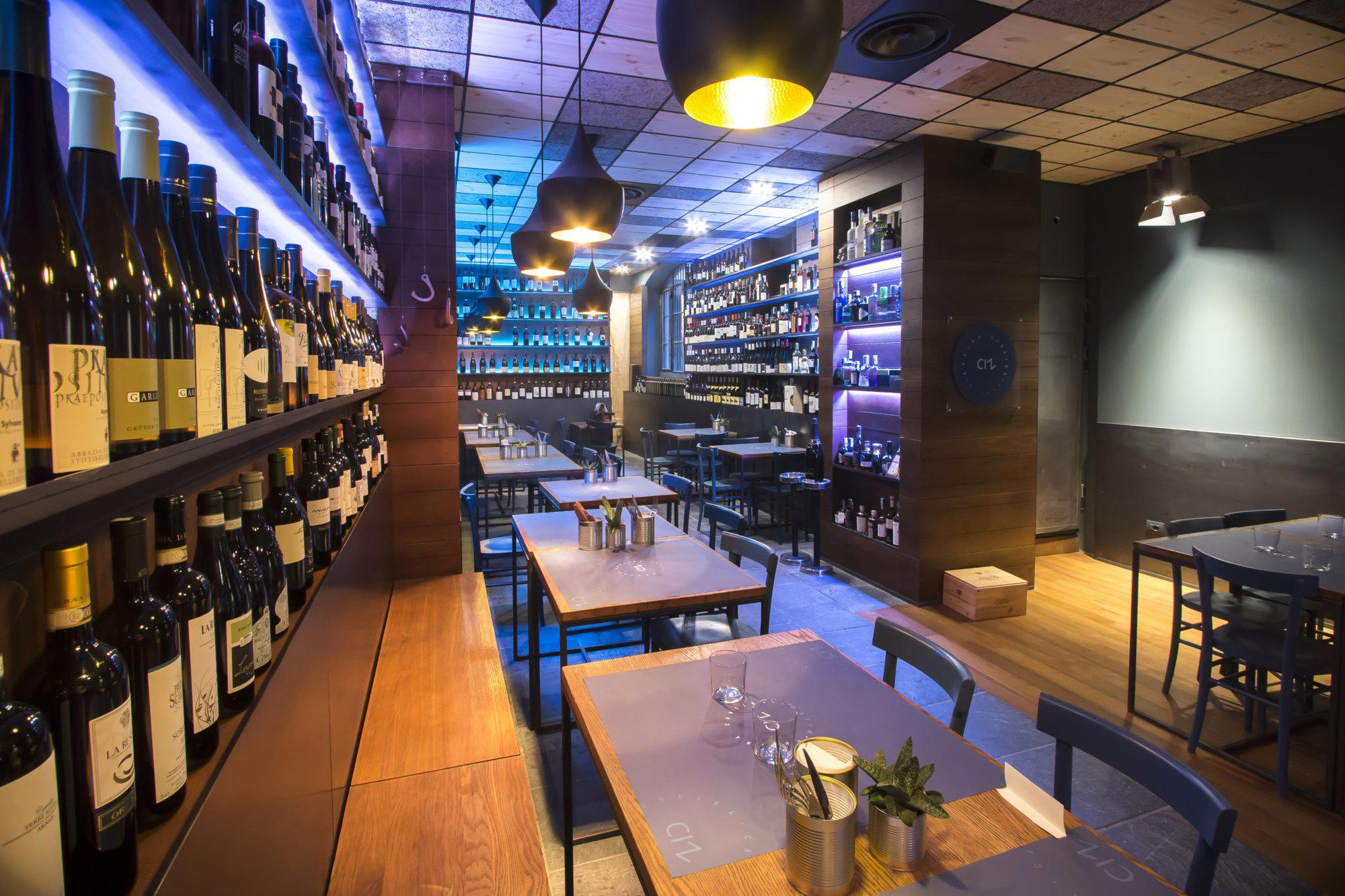
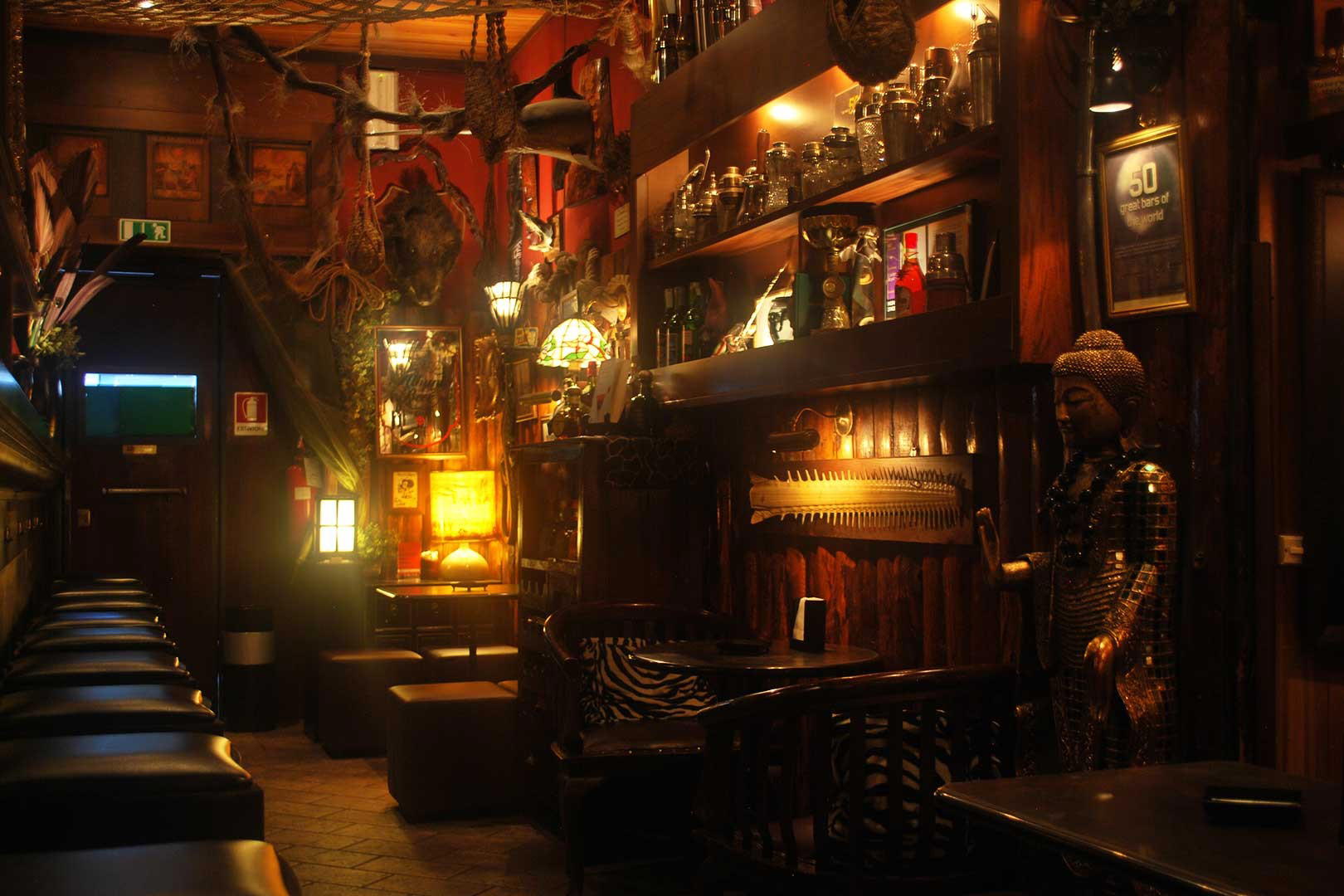
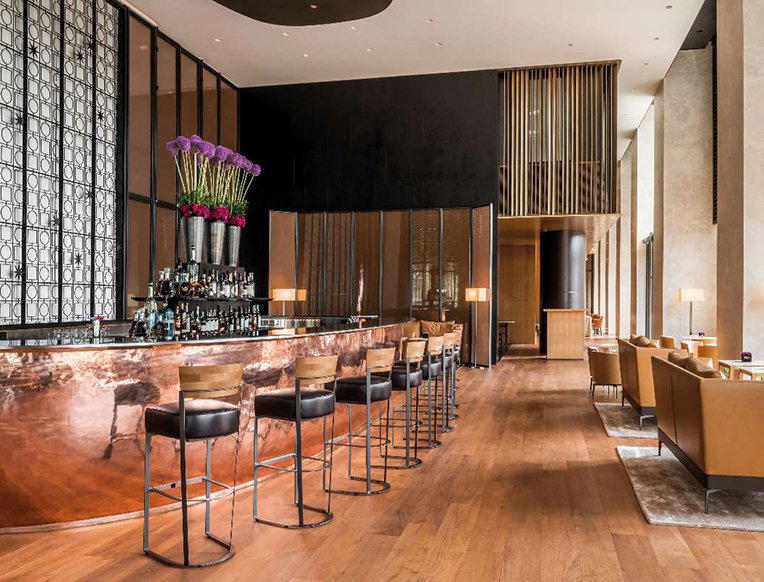
Restaurants in Milan
Browse all →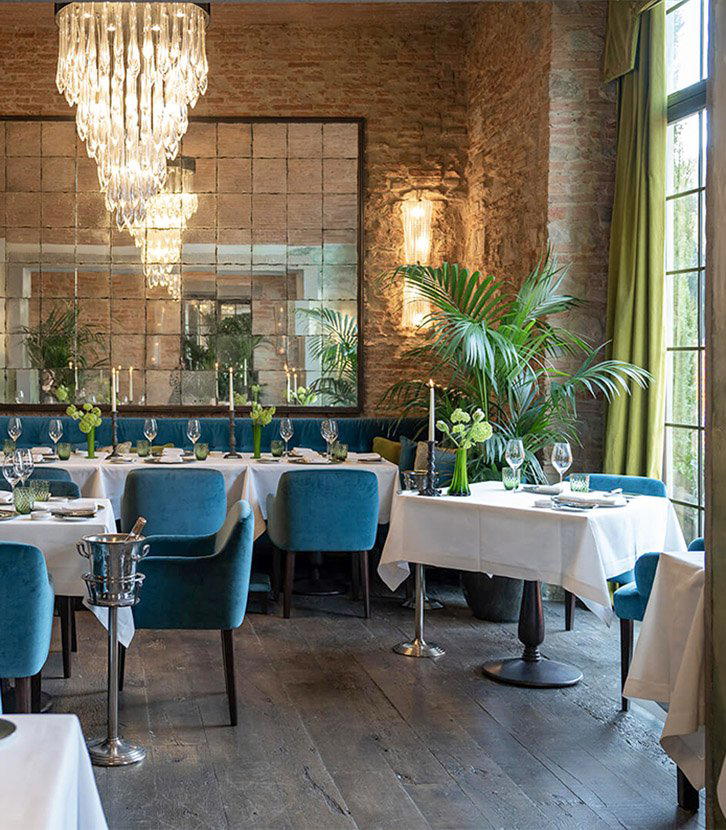
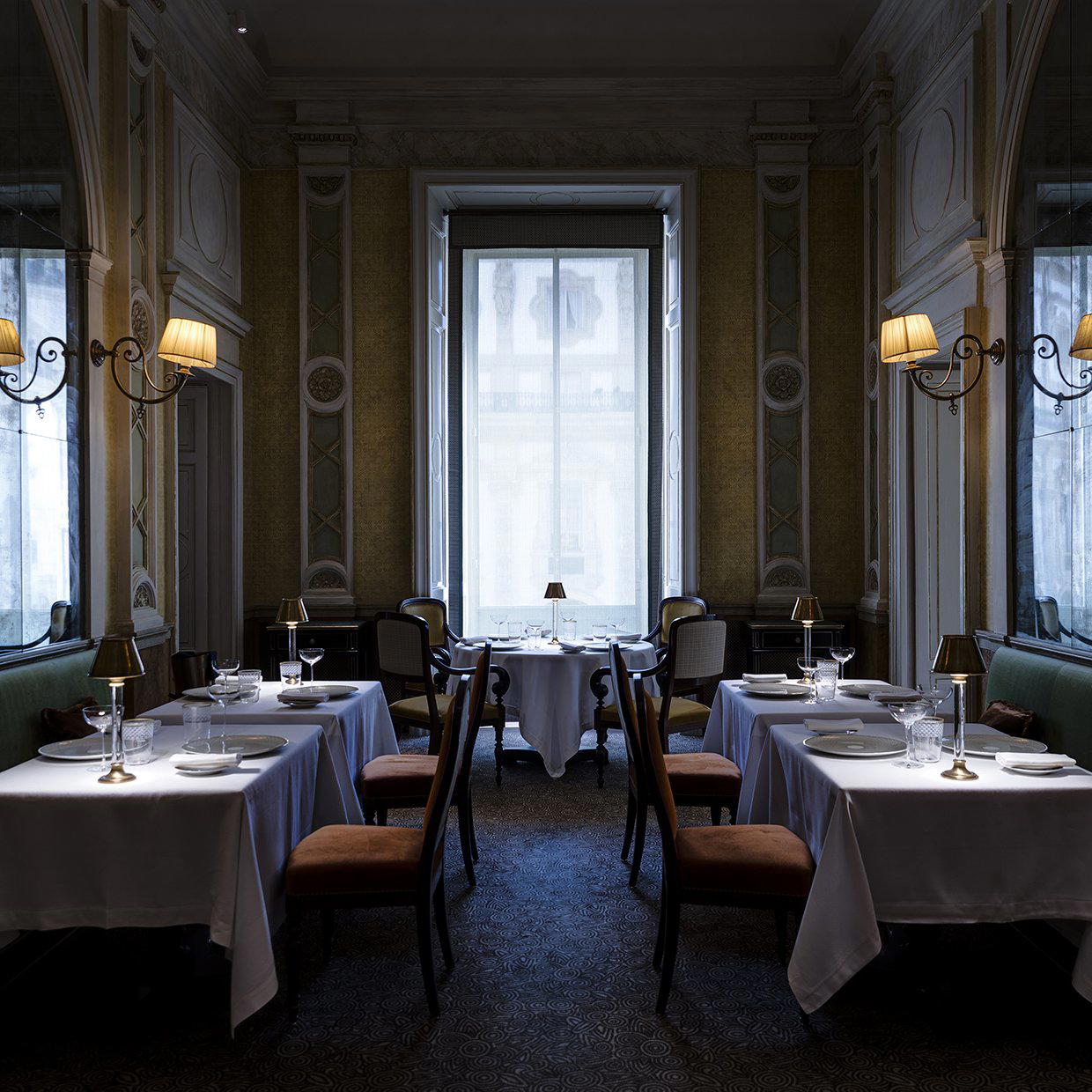
Hotels in Milan
Browse all →
At a Glance
- Cozy
- Intimate
- Classic
- After Work
- Casual Hangout
- Seated Bar
- Communal Tables
- Conventional Wine
Current opening hours
- Monday
- 6 PM–12:30 AM
- Tuesday
- 6 PM–12:30 AM
- Wednesday
- 6 PM–12:30 AM
- Thursday
- 6 PM–12:30 AM
- Friday
- 6 PM–12:30 AM
- Saturday
- Closed
- Sunday
- Closed
Hours can change for holidays and private events. Last verified .
Cozy and relaxed with warm lighting and friendly unpretentious atmosphere.