

2 Michelin Keys · Leading Hotels of World Member
Occupying a palazzo steps from La Scala on Via Manzoni, Grand Hotel et de Milan has anchored Milan's heritage hotel tier since the 19th century. With 95 rooms, a 2024 Michelin Two Keys award, and Leading Hotels of the World membership, it sits in a different register from the city's newer luxury arrivals, one shaped by Verdi, Callas, and Nureyev rather than fashion-week calendars. Rates from $823 per night.

Pearl is the En Primeur Club membership app, where members save venues, book tables and use the concierge.
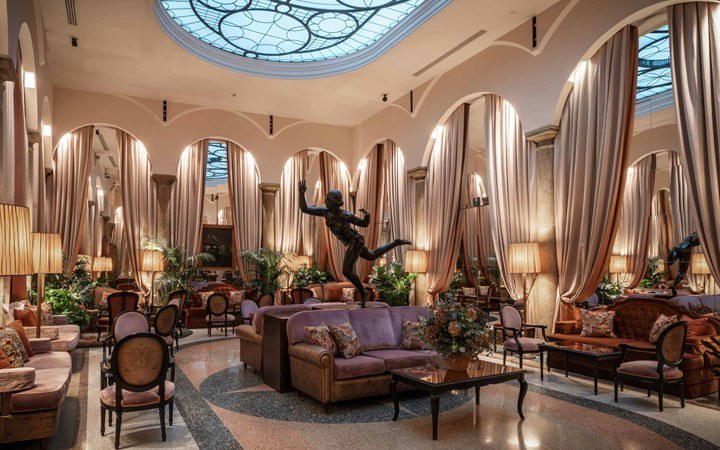
Via Manzoni, Where Milan's Heritage Stays Concentrated
Walk north from the Duomo along Via Manzoni and the city's civic posture changes quickly. The boutiques thin out into consulates, private banks, and apartment facades with brass plaques. By the time you reach number 29, you are already in the orbit of La Scala, whose rear portico stands fewer than a hundred metres away. That proximity is not incidental, it is the founding condition of Grand Hotel et de Milan's existence and the reason its guestbook reads the way it does.
This stretch of Milan represents a specific kind of luxury: not the fashion-week adjacency of newer arrivals further north, nor the corporate efficiency of the business-district tier around the train stations. It is old-city formality, the kind that assumes guests arrive with their own social calendars and require the hotel to match, not create, the occasion. Among Milan's luxury properties, that positioning sets Grand Hotel et de Milan apart from neighbours like Mandarin Oriental Milan or the newer Bvlgari Hotel Milan, both of which carry a design-forward, contemporary identity that places them in a different competitive register entirely.
A Building That Predates Its Guests' Expectations
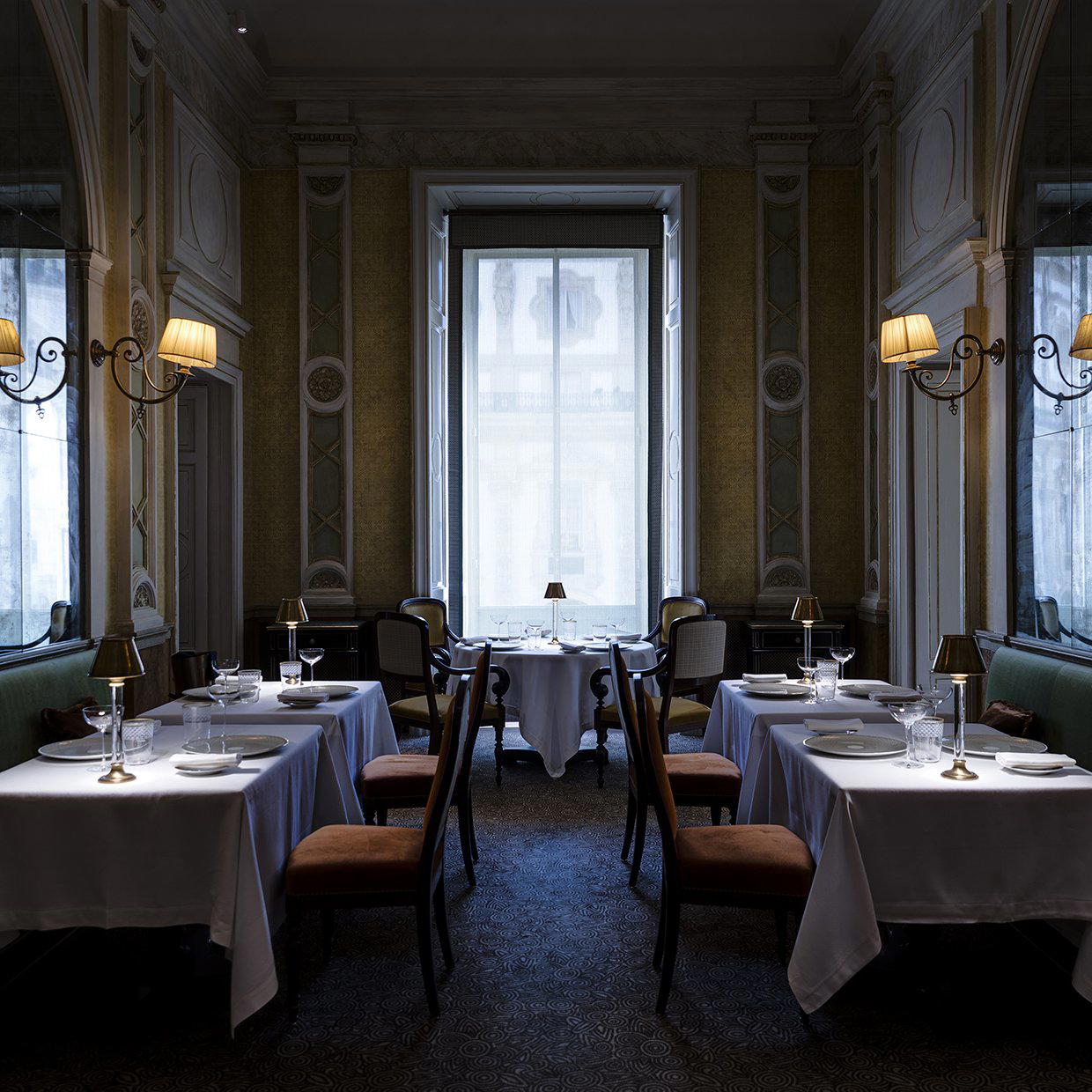
The hotel's interior communicates its era without apology. The public rooms retain the antique furnishings, marble floors, and Oriental rugs that Giuseppe Verdi occupied for 27 years through to his death in 1901, a tenure that has shaped the hotel's identity more than any renovation or rebranding cycle. The fact that those rooms remain largely as Verdi left them is not nostalgia for its own sake; it reflects a deliberate decision that the building's original character is an asset rather than a liability.
That decision has consequences for how the property sits in the current Milan hotel market. Design-led boutiques like Portrait Milano or the fashion-inflected Armani Hotel compete on curation and contemporary aesthetic. Grand Hotel et de Milan competes on documented history and the kind of atmospheric density that no renovation budget can manufacture after the fact. The 95-room count keeps the property in a mid-scale heritage tier, large enough to maintain full services, small enough to avoid the convention-hotel anonymity that can afflict properties like the Hotel Principe di Savoia at scale.
The La Scala Effect on Room Demand and Timing
The hotel's relationship with La Scala opera house is the most operationally significant fact about its location. La Scala's season runs from December through July, with the opening night gala on 7 December, Sant'Ambrogio, Milan's patron saint's day, representing the most prestigious single evening on the Milanese social calendar. In that period, and especially around the December opening, rooms at Via Manzoni 29 are not simply hotel accommodation; they are position. Guests attending La Scala and staying here can walk to the theatre in under two minutes, a logistical advantage that no property further afield can replicate.
The practical implication: the December-through-March window carries both high demand and concentrated cultural programming. Booking during the opera season requires significantly more lead time than the hotel's quieter summer months, when Milanese residents decamp to the lakes and the city's hospitality scene slows noticeably. For La Scala attendance specifically, securing rooms for opening night typically means booking months in advance at a minimum.
Rates start at approximately $823 per night, positioning the hotel firmly within Milan's premium tier, though below the nightly averages at the most architecturally ambitious new-build luxury hotels. For the location relative to La Scala, and for a building with this depth of cultural record, that price point reflects the heritage premium rather than a contemporary amenity premium.
Room Categories and the Verdi Question
The 95 rooms divide across a range of decorative periods, nineteenth-century historicist, art deco, and art nouveau, rather than presenting a single unified aesthetic. That variety is a genuine differentiator from hotels that impose design consistency across every room category. The trade-off is predictability: guests who want to know exactly what they are walking into should specify preferences at booking rather than leaving room assignment to chance.
Suite 105 occupies a category of its own. It is the suite where Verdi lived and died, and it carries a documentary weight that no amount of contemporary interior design can approach. For guests to whom that provenance matters, and in a hotel of this kind, many of them will, it represents the hotel's most meaningful room by a considerable margin. Whether Suite 105 is available, what it commands in rate, and how far ahead it books are details to confirm directly with the property, but the cultural logic of securing it for any occasion linked to La Scala or Italian opera history is self-evident.
Grand Hotel et de Milan holds Michelin Two Keys recognition (2024) and membership in Leading Hotels of the World (2025). Read together, those two trust signals describe a hotel that the relevant arbiters place in the serious heritage category rather than the lifestyle-hotel tier. Michelin's hotel keys programme, launched to complement its restaurant guide infrastructure, applies criteria around service consistency, environmental quality, and character, all areas where documented history gives a property like this an inherent head start.
The Leading Hotels of the World membership is the more commercially significant signal for international travellers, indicating a property that meets independently audited standards across service, facilities, and guest experience. Within Italy, that network includes properties with very different personalities, from the Passalacqua in Moltrasio on Lake Como to the Il Pellicano in Porto Ercole. Grand Hotel et de Milan's urban heritage position within that group is a relatively specific niche.
For travellers calibrating Milan's luxury hotel offer more broadly, it is worth mapping the alternatives clearly. The newer design-forward properties, Vico Milano among them, offer a sharply contemporary Milan experience. Properties with strong food-and-drink programming, like 10 Corso Como Café and 3Rooms 10 Corso Como, pitch to a culturally specific fashion-and-design crowd. Grand Hotel et de Milan is not competing for those guests. It is competing for the traveller who regards a hotel as a chapter in a longer story about a city, and who wants that story told in the building's own vocabulary.
Planning Your Stay
The hotel sits at Via Alessandro Manzoni, 29, in Milan's 20121 central district, a short walk from the Montenapoleone metro stop and within easy reach of the Quadrilatero della Moda shopping district. For opera visits, the proximity to La Scala is the headline; for everything else, the central location puts the Duomo, Brera, and the aperitivo bars of the Garibaldi quarter all within twenty minutes on foot or a brief taxi ride. Given the hotel's scale, 95 rooms, and its known appeal to cultural travellers with fixed La Scala dates, advance booking is the correct approach across all seasons, and becomes essential for the December opera opening period.
For travellers building a wider Italian itinerary, the hotel pairs logically with properties that carry a similar register of historical seriousness: Aman Venice to the east, Four Seasons Hotel Firenze to the south, or for those heading into Tuscany's wine country, Rosewood Castiglion Del Bosco in Montalcino. For those extending south toward the coast, Borgo Santandrea and Il San Pietro di Positano represent the Amalfi equivalent of heritage-weighted hospitality in a very different register. See our full Milan guide for broader context on where this hotel fits within the city's dining, drinking, and cultural programming.
Comparable Venues
Comparable venues nearby, for context on price, style, and recognition.
| Venue | Cuisine | Price | Awards | Notes |
|---|---|---|---|---|
| Grand Hotel et de MilanThis venue (the venue you are viewing) | Historic luxury palace hotel in Milan's fashion district | Not listed | 2 Michelin Keys · Leading Hotels of World Member | Not listed |
| Mandarin Oriental Milan | Contemporary Italian design in historic 18th-century buildings with feng shui influences | Not listed | 2 Michelin Keys · La Liste Top Hotels | Brera |
| Bvlgari Hotel Milan | Renovated 18th-century Milanese palazzo with contemporary luxury design | Not listed | 2 Michelin Keys · La Liste Top Hotels | Brera |
| Palazzo Parigi Hotel & Grand Spa Milano | Meticulously designed private palace with dazzling marble floors and light-filled spaces by architect Paola Giambelli. | Not listed | 1 Michelin Key · La Liste Top Hotels | Brera |
| Hotel Principe di Savoia, Dorchester Collection | Beaux Arts luxury heritage hotel with Milanese elegance | $300–500 | 1 Michelin Key · La Liste Top Hotels | Stazione Centrale - Ponte Seveso |
| Casa Cipriani Milano | Historic palazzo transformed into an intimate luxury retreat reminiscent of gentlemen's clubs. | Not listed | 1 Michelin Key · Virtuoso Luxury Hotel Partner | Guastalla |
Recognition history
Dated appearances from independent guides and award organizations, with the underlying list record or original source where available.
Michelin 2 Keys
Michelin
Leading Hotels of World Member
Leading Hotels of World
Full recognition history (4 entries)
Michelin 2 Keys
Michelin
Michelin 2 Keys
Michelin
Continue exploring
More in Milan
Hotels in Milan
All hotels in Milan →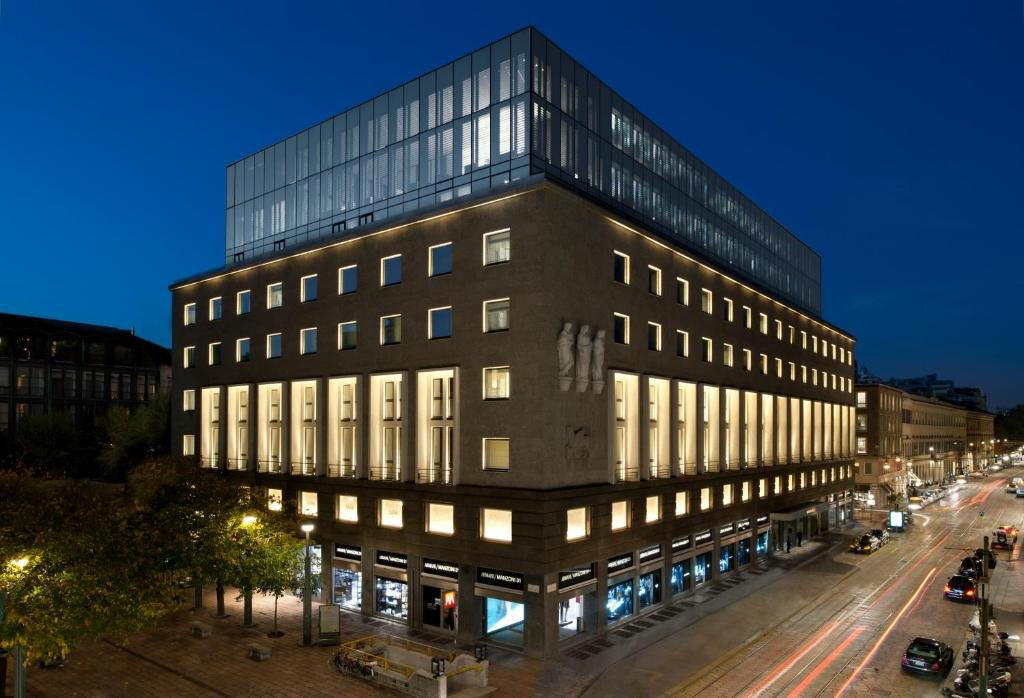
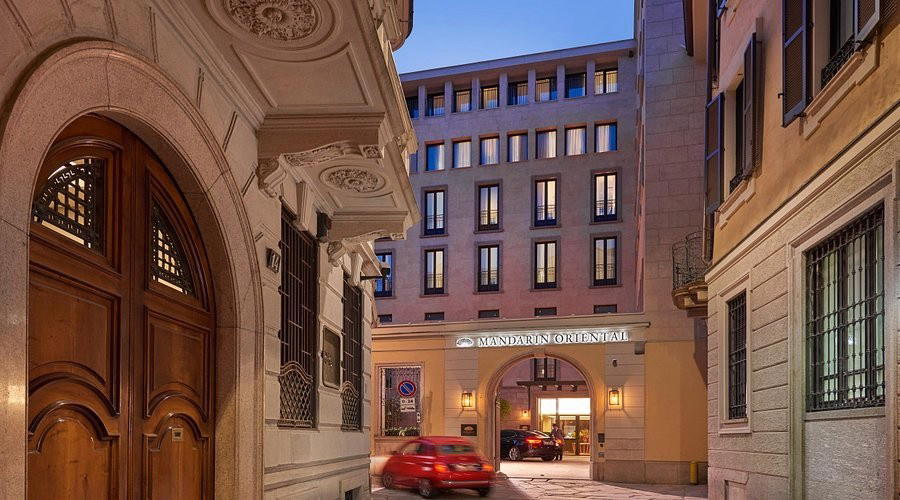
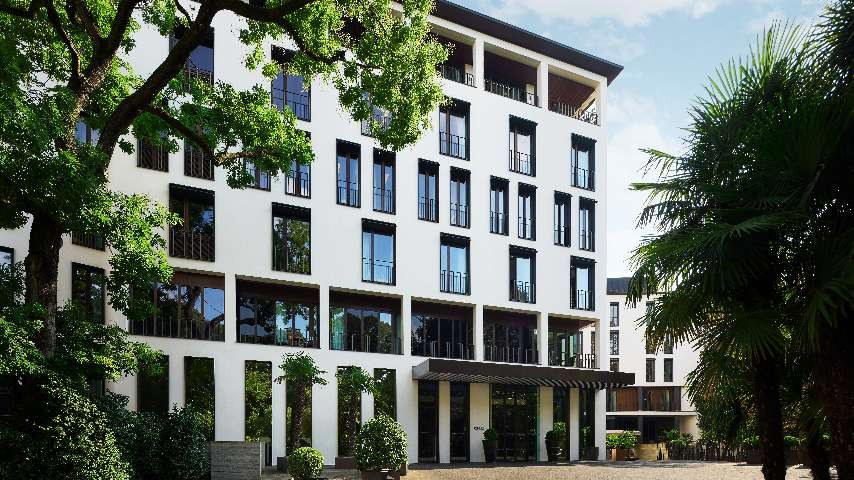
Bars in Milan
All bars in Milan →
Restaurants in Milan
All restaurants in Milan →
Details
- Classic
- Elegant
- Sophisticated
- Ornate
- Well Known
- Romantic Getaway
- Anniversary
- Business Trip
- Historic Building
- Terrace
- Wi Fi
- Fitness Center
- Spa
- Room Service
- Concierge
- Business Center
- Valet Parking
- EV Charging
- Wheelchair Accessible
- Elevator
- Step Free Entrance
- Accessible Parking
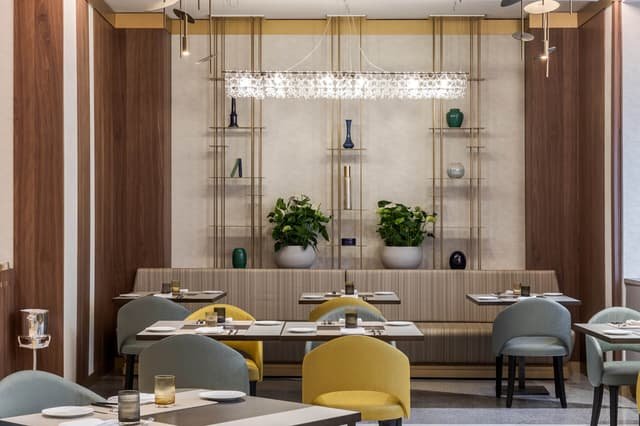
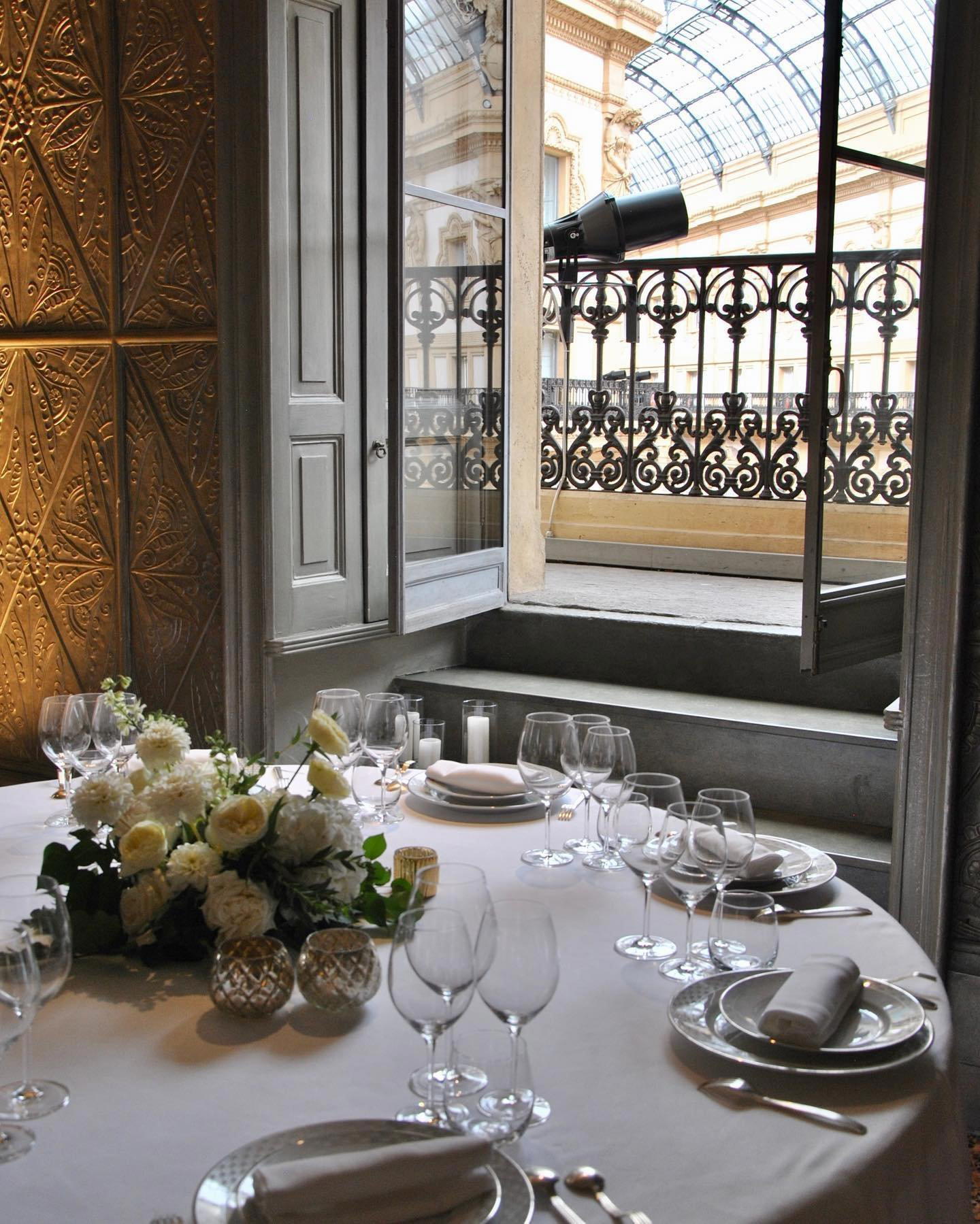
Classic elegance with 18th-century furniture, parquet floors, marble bathrooms, and a tranquil oasis atmosphere amid the city bustle.