Cantine a Mare occupies a quietly significant address on Via Carlo Goldoni in Milan's eastern residential belt, where the city's appetite for seafood-led dining has carved out a distinct alternative to the expense-account creative tasting menus dominating the centre. The restaurant positions itself within a local tradition of marine cooking that prizes product and technique over theatrical presentation, making it a considered choice for those tracking Milan's less-publicised dining currents.
Pearl is the En Primeur Club membership app — saves, bookings, and concierge access live there. Same editors, same standards.
- Address
- Via Carlo Goldoni, 58, 20129 Milano MI, Italy
- Phone
- +39289696018
- Website
- cantinemilano.com
- Directions
- Get directions
 Saves & bookings on Pearl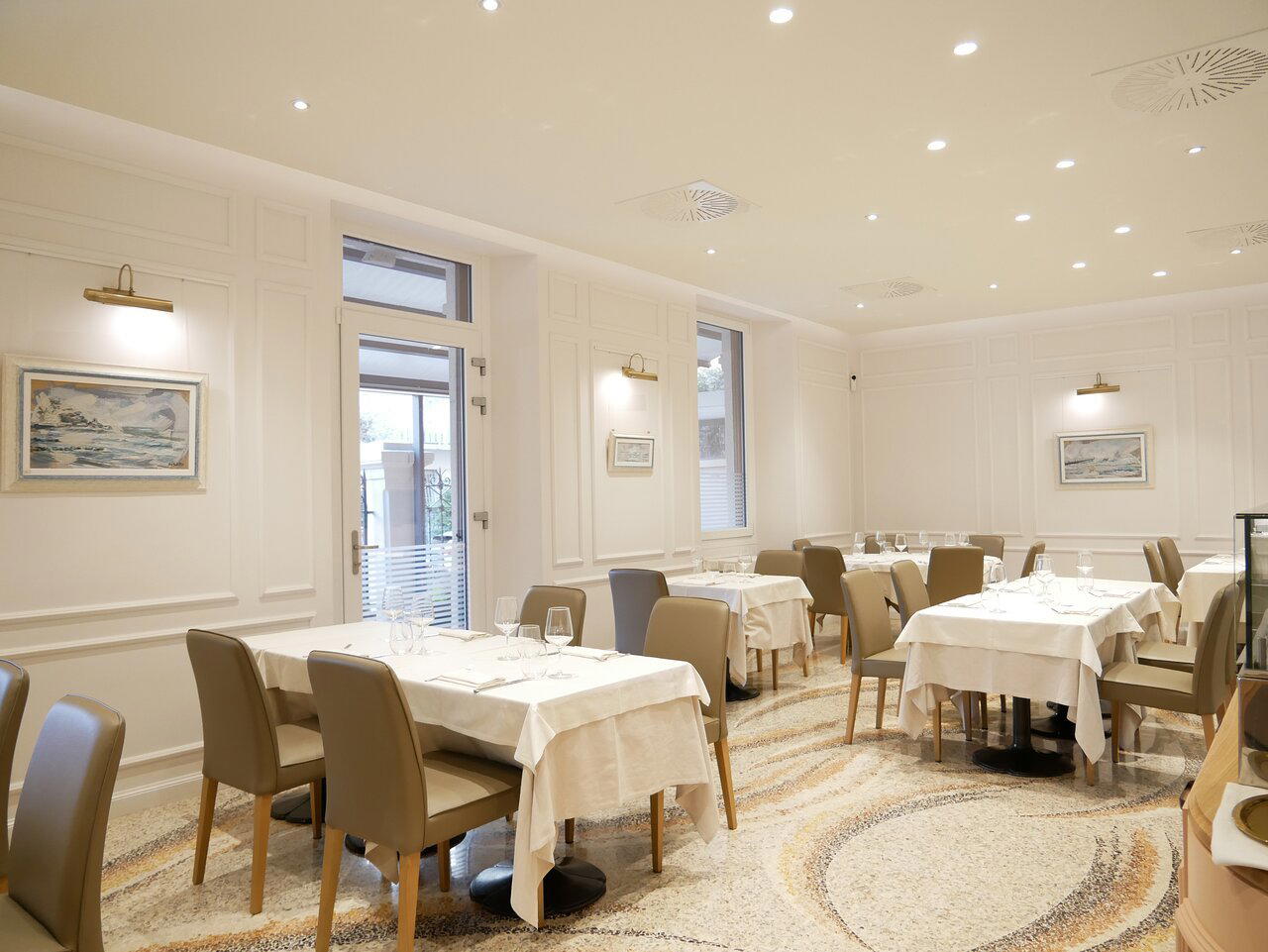
Via Carlo Goldoni and the Geography of Milan's Seafood Dining
Milan sits roughly 200 kilometres from the nearest coastline, which makes its relationship with seafood dining a telling cultural story. The city's fish restaurants have historically operated under a particular pressure: ingredients travel, and the kitchens that work with them well earn loyalty through sourcing discipline rather than proximity to water. Along Via Carlo Goldoni, in the 20129 postal district east of the city centre, that tradition plays out away from the tourist corridors and the cluster of headline addresses around Brera and the Duomo. This part of Milan reads as a working residential neighbourhood, and restaurants here tend to serve a local clientele with specific expectations rather than a transient audience chasing recognisable names.
The broader context matters. Milan's dining scene includes creative and modern Italian restaurants: Enrico Bartolini operates at the city's highest creative register, Cracco in Galleria anchors modern cuisine inside one of Europe's most architecturally imposing spaces, and Andrea Aprea and Seta represent the polished contemporary Italian dining that the city's business and fashion community gravitates toward. Cantine a Mare sits outside that constellation, in a register where the proposition is built on a different set of priorities.
What Marine-Focused Cooking Looks Like in a Landlocked City
Seafood restaurants in Milan operate in a competitive and unforgiving sub-category. The logistics of running a fish-led kitchen at distance from the coast demand a level of supply-chain precision that few other cuisine types require. Restaurants that do it well tend to build their credibility through consistency: the same sourcing relationships maintained across seasons, the same handling standards applied whether the booking is light or the room is full. This is where service team coordination becomes structurally important. In a kitchen where product condition determines quality before technique can contribute anything, the front-of-house conversation about what arrived that morning, what the kitchen is confident in, and what the sommelier is pairing against it becomes the actual editorial of the dining experience.
Italy has several reference points for understanding where serious seafood cooking lands at altitude. Uliassi in Senigallia operates at three Michelin stars on the Adriatic, and its integration of kitchen and service into a coherent marine narrative represents one benchmark. Quattro Passi in Marina del Cantone holds two stars on the Amalfi coast, where proximity to ingredient gives it a different starting advantage. Inland, the dynamic shifts: Dal Pescatore in Runate and Reale in Castel di Sangro demonstrate that geography need not constrain ambition, but it does shape how a kitchen must organise itself. In Milan, the equivalent discipline tends to produce restaurants that are more tightly focused than their coastal counterparts, and often more technically precise as a consequence.
The Team Dynamic as the Actual Product
In a restaurant where the cuisine type places this kind of structural weight on communication between kitchen and floor, the team dynamic is not incidental to the experience, it is the experience. The moment a guest is guided toward what the kitchen received this morning rather than what they came intending to order is the moment a service team earns its position. This is different from the scripted upselling that characterises lesser operations. It requires a front-of-house team with genuine knowledge of ingredient condition and kitchen intent, and a sommelier who has had a real conversation with the kitchen before service, not a cursory briefing.
This model of integrated service has precedent across the register. Le Bernardin in New York has demonstrated for decades that technically precise seafood cooking in a major city depends on an invisible architecture of team coordination that only becomes visible when it breaks down. Osteria Francescana in Modena and Enoteca Pinchiorri in Florence represent different versions of the same principle at the upper end of Italy's dining hierarchy: rooms where the interaction between chef, sommelier, and floor team produces something a kitchen alone cannot. Lazy Bear in San Francisco frames this collaboration explicitly as its format. At Cantine a Mare, the scale is different, but the underlying logic applies: a marine-focused kitchen on a residential Milan street succeeds or fails on whether its team functions as one coherent operation rather than three separate departments.
Italy's Wider Creative Dining Circuit as Benchmark
Understanding where a restaurant like this sits requires some awareness of what Italy's serious dining circuit looks like at scale. Piazza Duomo in Alba and Le Calandre in Rubano represent the northern Italian creative establishment at its most awarded. Atelier Moessmer Norbert Niederkofler in Brunico demonstrates what happens when a kitchen commits entirely to a regional ingredient philosophy. Casa Perbellini 12 Apostoli in Verona and Verso Capitaneo in Milan show how creative Italian cooking continues to develop outside the handful of cities that dominate international attention. In this landscape, a seafood-focused address on Via Carlo Goldoni represents a specific and relatively underexplored position: serious marine cooking, urban context, no coastline advantage, operating for a neighbourhood that eats out regularly and notices consistency.
Planning a Visit
Cantine a Mare is located at Via Carlo Goldoni 58, in the 20129 district of Milan. The address is in the eastern residential zone, reachable from the city centre by public transport via the Palestro or Lima metro stops on Line 1, or by taxi from the Duomo in under fifteen minutes depending on traffic. The restaurant recommends reservations. Anyone with dietary restrictions or allergy requirements should communicate those directly with the restaurant at the time of booking, when the kitchen can give a reliable account of what the menu can and cannot accommodate on a given day.
Quick Comparison
Comparable venues nearby, for context on price, style, and recognition.
| Venue | Cuisine | Price | Notes |
|---|---|---|---|
| CANTINE A MAREThis venue — the venue you are viewing | Italian Seafood | $$ | Not listed |
| Fradiavolo Milano Premuda | Contemporary Neapolitan Pizza | $$ | Xxii Marzo |
| Bagni Misteriosi | Modern Italian Aperitivo | $$ | Pta Romana |
| Montesoprano Street | Sicilian Street Food | $$ | Duomo |
| Panini Galiano 1974 | Gourmet Italian Panini | $$ | De Angeli - Monte Rosa |
| Montesoprano | Sicilian Meat & Barbecue | $$ | Guastalla |
Continue exploring
More in Milan
Restaurants in Milan
Browse all →
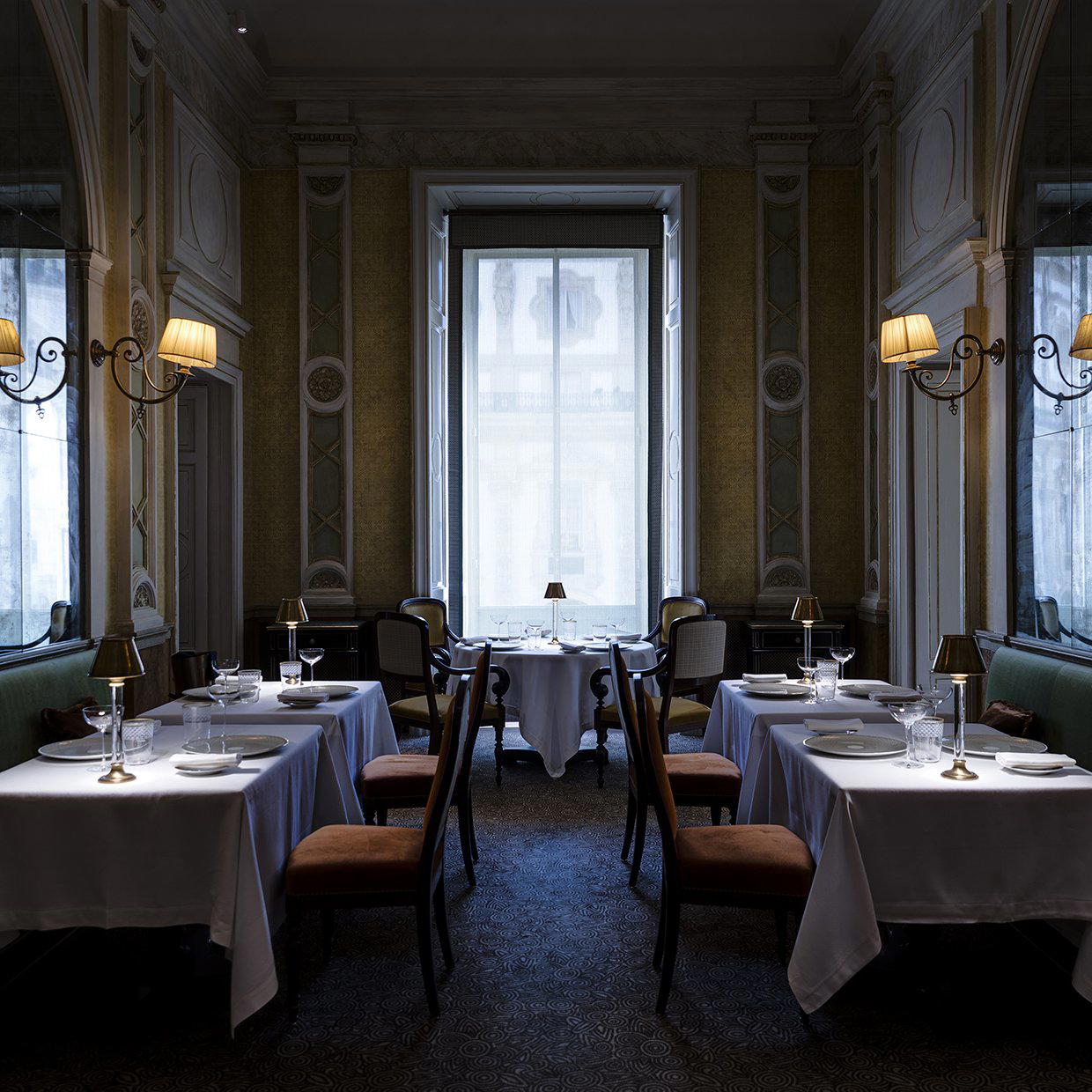
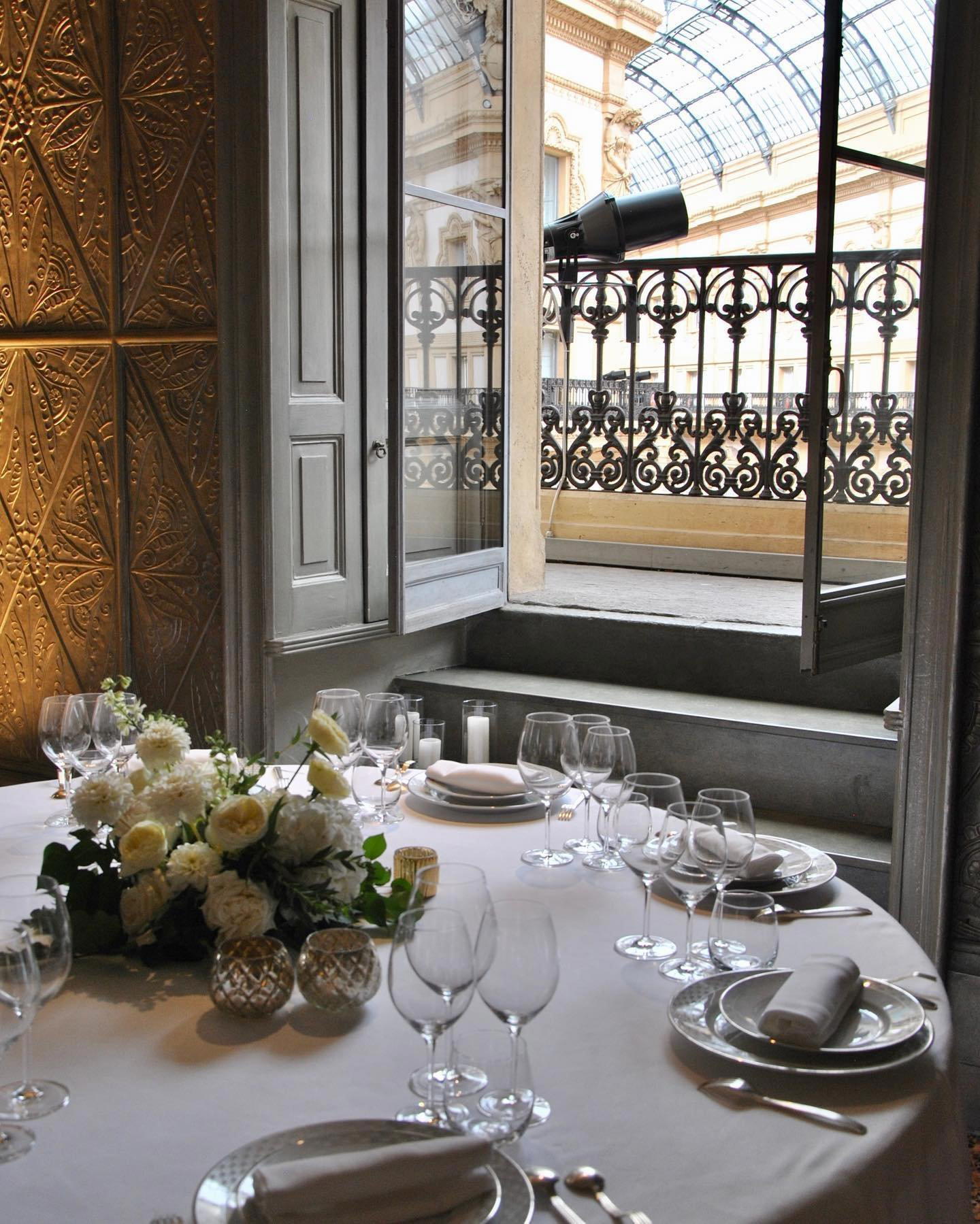
Bars in Milan
Browse all →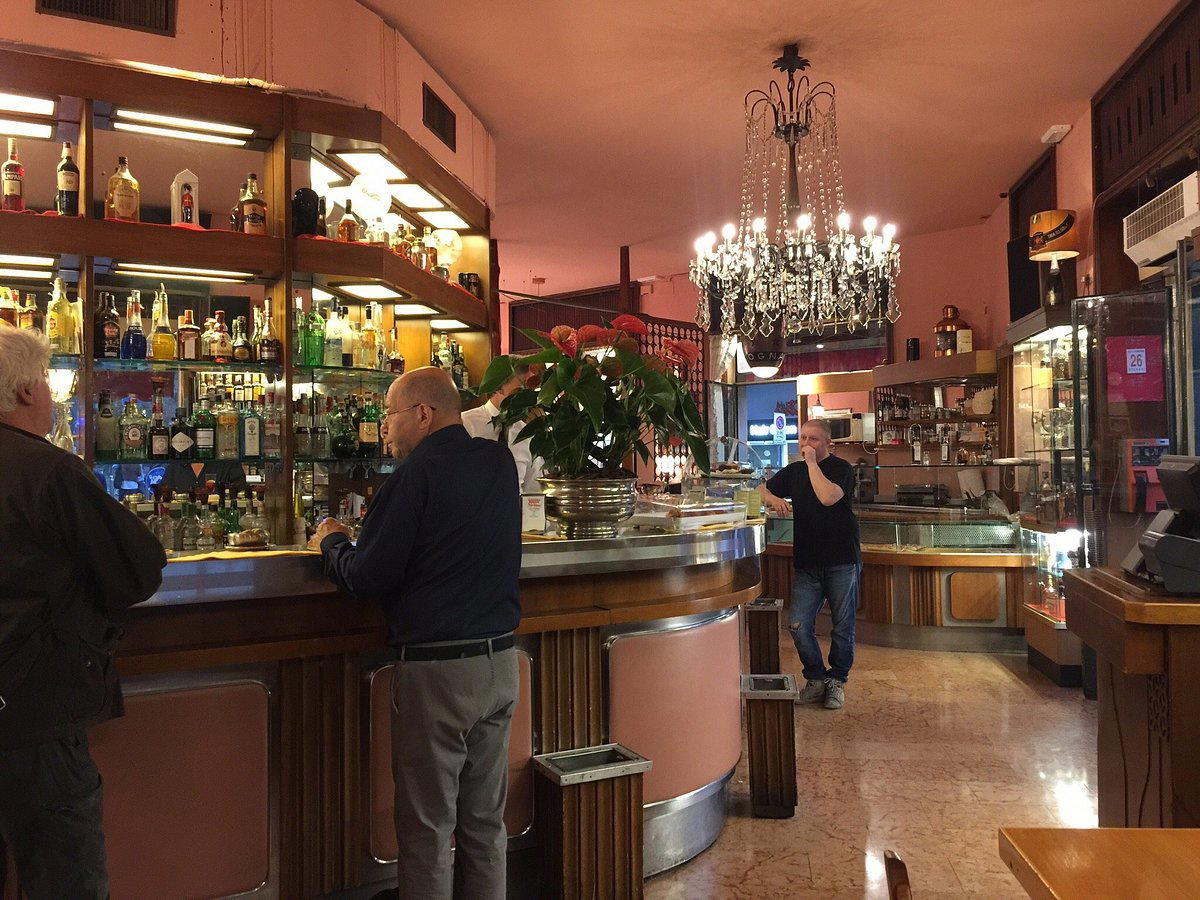
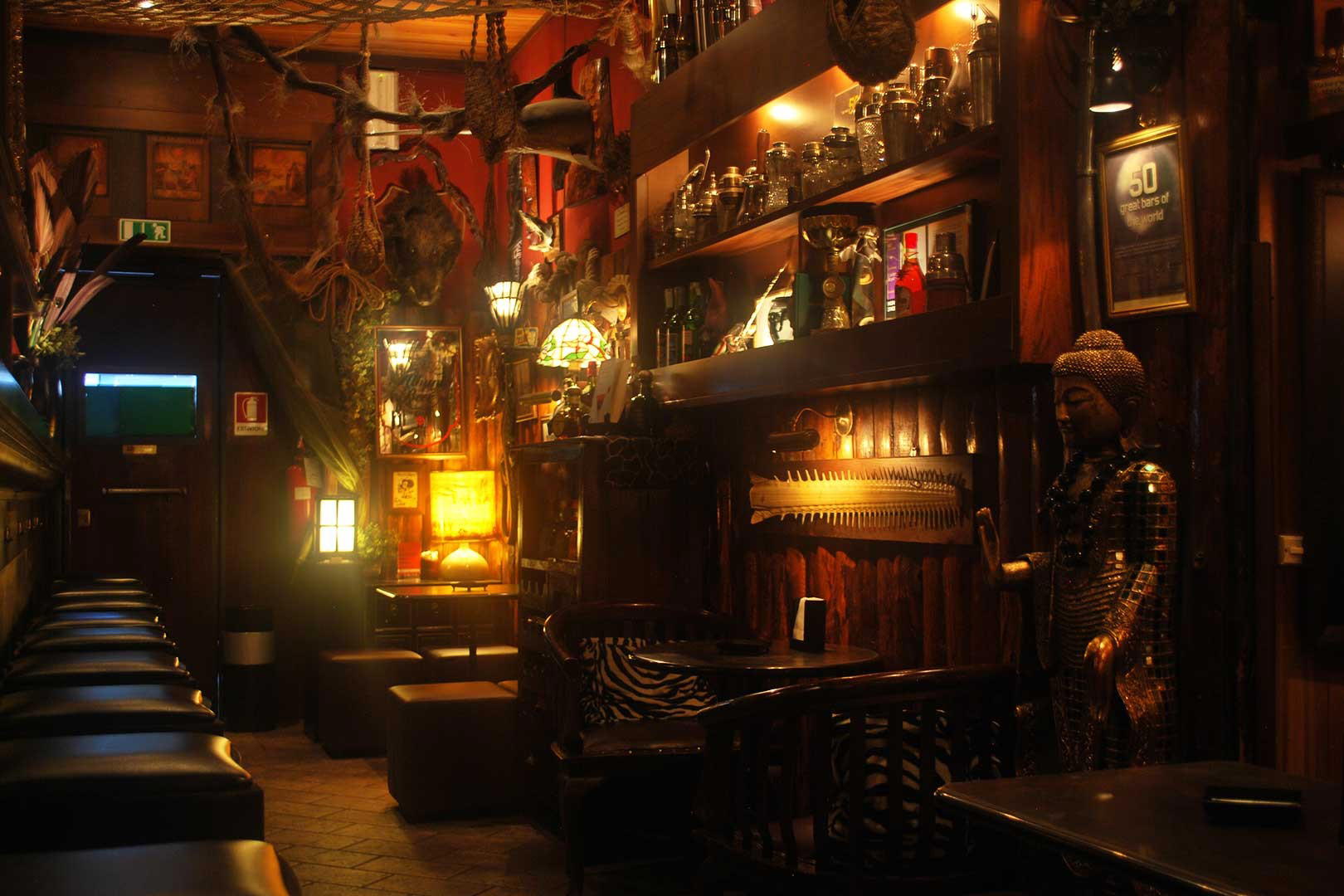
Hotels in Milan
Browse all →
At a Glance
- Elegant
- Sophisticated
- Date Night
- Business Dinner
- Special Occasion
- Open Kitchen
- Extensive Wine List
Current opening hours
- Monday
- 12:30–2:30 PM, 7–11 PM
- Tuesday
- 12:30–2:30 PM, 7–11 PM
- Wednesday
- 12:30–2:30 PM, 7–11 PM
- Thursday
- 12:30–2:30 PM, 7–11 PM
- Friday
- 12:30–2:30 PM, 7–11 PM
- Saturday
- 12:30–2:30 PM, 7–11 PM
- Sunday
- 12:30–2:30 PM, 7–11 PM
Hours can change for holidays and private events. Last verified .
Refined and welcoming atmosphere ideal for seafood and wine pairings.