
Michelin Plate
Our verdict
Aroma holds a Michelin Plate recognition (2025) and occupies the mid-to-upper price tier (¥¥¥) among Guangzhou's European dining options, located in the Tianhe North commercial district.

Pearl is the En Primeur Club membership app, where members save venues, book tables and use the concierge.
The menu
What to order
- Pan-seared foie gras with fig jam and berry-port sauce
European Cooking in a City That Doesn't Need It to Explain Itself
Tianhe North, Guangzhou's commercial spine running through the city's most densely developed district, is not where you expect a European kitchen to feel at home. The street-level retail at 460 Tianhe North Road, anchored by the Wokai Street complex, is a zone built for transaction: office towers, mall podiums, the commuter logic of a city that moves fast. And yet that context is precisely what makes European fine dining here interesting. It doesn't arrive as an imported curiosity or a luxury-hotel default. It arrives as a choice made by a city that already has one of the world's great culinary traditions on its doorstep, and chooses European cooking anyway, on its own terms.
Aroma holds a Michelin Plate for 2025, the Guide's signal that a kitchen is producing food worth the attention of a serious diner, even without the starred recognition that places like Imperial Treasure Fine Chinese Cuisine (Cantonese) carry in the same city. The Plate designation sits below starred recognition but above the noise of the broader market, it's a credentialing, not a coronation, and for a European kitchen in Guangzhou, the credential matters. It signals that the kitchen is operating with enough consistency and ambition to register on a guide that, in this city, skews heavily toward Cantonese and Chinese regional formats.
The Cultural Calculus of European Cuisine in Guangzhou
Guangzhou has less tolerance for European food that doesn't earn its position. This is a city where Cantonese cooking, one of China's most technically demanding and ingredient-focused traditions, sets the default standard for what a serious meal looks like. The local diner who chooses a European kitchen at the ¥¥¥ price point is making a deliberate comparison: the same spend could go toward Chao Zhou cooking at Jiang by Chef Fei (Cantonese), toward a formal Cantonese spread at an equivalent tier, or toward the kind of refined Chinese regional cooking that Guangzhou does better than almost anywhere on the mainland.
That comparison is not a handicap for European kitchens, it's a calibration. The European restaurants that sustain in Guangzhou tend to do so because they're legible on their own terms: coherent kitchens with a clear point of view, not generalist menus designed to cover every base. Across mainland China's first-tier cities, the European dining category has shifted toward formats that can make a genuine argument for their place on the table, literally and commercially. You see this in Shanghai with kitchens like 102 House, in Macau with Chef Tam's Seasons threading Western technique into a broader culinary conversation, and in how European-trained cooks across the region have learned to build menus that speak to a local audience with genuine culinary literacy.
Aroma's position at ¥¥¥ places it at the same price tier as Stiller and Ebony, two other Guangzhou restaurants operating in adjacent non-Chinese categories at comparable spend levels. At that price point, the expectation from a Guangzhou diner is not that European cooking will replicate what's possible in Paris or London, it's that it will demonstrate kitchen discipline, product sourcing, and a format that justifies the price against a highly competitive local alternative. The Michelin Plate suggests it does.
What European Cooking Looks Like at This Tier in China
The European category in mainland Chinese fine dining has matured significantly over the past decade. Early-generation European restaurants in cities like Guangzhou, Shanghai, and Beijing often operated as lifestyle propositions, imported wine lists, French names, menu formats transplanted directly from European originals. The current generation operates differently. European kitchens now earning guide recognition in mainland China tend to show a more deliberate relationship with local sourcing alongside classical European technique, adapting format and pacing to the expectations of Chinese dining culture without abandoning the cooking's structural logic.
At the ¥¥¥ level, a European kitchen in a commercial district like Tianhe competes for the business lunch trade, the corporate dinner, and the occasion meal in roughly equal measure. The physical setting, ground floor retail within Wokai Street, suggests a format designed for accessibility and regularity rather than a destination-only model. That positioning has proven durable for European kitchens in mainland China: proximity to office density drives weekday covers, while Michelin recognition provides the occasion-meal credential for evenings and weekends.
For comparison within the broader European dining scene in China, 1 York Place in Bristol and Arlington in London represent the European originals that kitchens like Aroma are in indirect conversation with, not as copies, but as part of the same broader tradition of European cooking that has spread outward from its source and taken root in cities with no particular obligation to it.
Where Aroma Sits in Guangzhou's Broader Dining Picture
Guangzhou's Michelin selection for 2025 is weighted heavily toward Chinese formats, which makes the handful of European and cross-category restaurants with plate or star recognition more visible as a group. Alongside Aroma, the city's guide-recognized non-Chinese kitchens include innovative formats like Chōwa (one star) and French contemporary at Rêver (one star, ¥¥¥¥). Aroma operates at the Plate level, one tier below starred recognition, and at a price point below Rêver, a positioning that makes it the more accessible entry point into Guangzhou's European dining tier with guide credentials attached.
For travelers or residents building a broader picture of Guangzhou's dining, the city's restaurant scene extends well beyond this category. Li Château represents another European-influenced option in the city, while the full range of Guangzhou's recognized kitchens spans Cantonese, Chao Zhou, and international formats. The EP Club full Guangzhou restaurants guide maps the competitive set across all categories, and the full Guangzhou hotels guide, bars guide, wineries guide, and experiences guide cover the city's full hospitality picture for visitors planning time here.
Comparable European dining scenes in other mainland Chinese cities worth cross-referencing include Ru Yuan in Hangzhou, Xin Rong Ji in Chengdu, Dai Yuet Heen in Nanjing, and Xin Rong Ji in Beijing, all operating in Chinese cities where the European or hybrid-format kitchen has had to find its footing against a dominant local culinary tradition.
Aroma is located at 117 Wokai Street, 1F, 460 Tianhe North Road, Tianhe District, Guangzhou (postcode 510635). The ¥¥¥ price range positions it in the mid-to-upper tier of the Guangzhou dining market. Direct booking details are not available through this listing; the Wokai Street address places it within the broader Tianhe North commercial area, accessible via the Tianhe North Road metro corridor.
What People Recommend at Aroma
Frequently asked questions
What's the address for Aroma?
Aroma is located at China, CN 广东省 广州市 天河区 天河北路 460 460号沃凯街1层117铺 邮政编码: 510635, Guangzhou.
Is Aroma Michelin-listed?
Aroma has received recognition including: Michelin Plate (2025).
Price Lens
Comparable venues nearby, for context on price, style, and recognition.
| Venue | Cuisine | Price | Awards | Notes |
|---|---|---|---|---|
| AromaThis venue (the venue you are viewing) | Modern European | $50–100 | Michelin Plate | Not listed |
| Ersha No.1 | Modern Cantonese with Lingnan flair | $50–100 | Michelin Plate | Guangzhoushi, Modern Cantonese with Lingnan flair |
| Zen Tea | Zen Vegetarian Cantonese | $50–100 | Michelin Plate | Guangzhoushi, Zen Vegetarian Cantonese |
| Tung Fook Superior Cuisine | Classic Cantonese | Not listed | Michelin Plate | Guangzhoushi, Classic Cantonese |
| Leowe | Japanese Fine Dining | Not listed | Michelin Plate | Guangzhoushi, Japanese Fine Dining |
| Four Seasons Pavilion · Rùn | Chinese Contemporary with Peking Duck | Not listed | Michelin Plate · Wine Spectator Award of Excellence | Guangzhoushi, Chinese Contemporary with Peking Duck |
Recognition history
Dated appearances from independent guides and award organizations, with the underlying list record or original source where available.
Michelin Plate
Michelin · Michelin Guide Guangzhou & Shenzhen 2026
Full recognition history (2 entries)
Michelin Plate
Michelin
Aroma
Featured Guides
Continue exploring
More in Guangzhou
Restaurants in Guangzhou
All restaurants in Guangzhou →
Bars in Guangzhou
All bars in Guangzhou →
Details
- Elegant
- Sophisticated
- Modern
- Scenic
- Date Night
- Business Dinner
- Special Occasion
- Hotel Restaurant
- Panoramic View
- Private Dining
- Waterfront
- Extensive Wine List
- Sommelier Led
- Farm To Table
- Local Sourcing
- Waterfront
- Skyline
- A La Carte
- Set Menu
- Wine
- Cocktails
- Vegetarian Friendly
- Allergy Accommodating
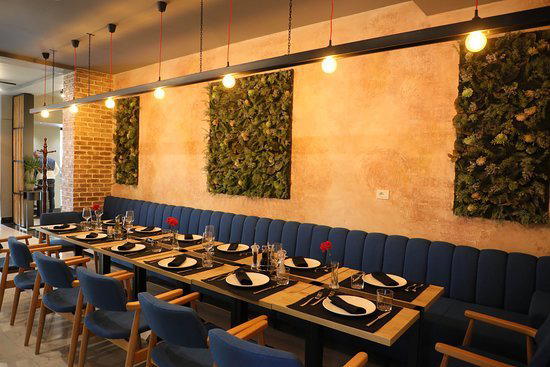
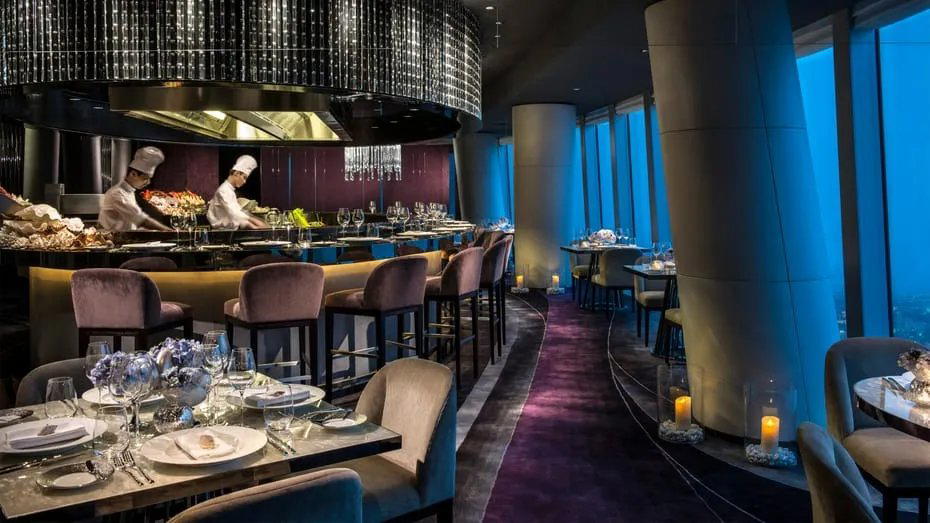
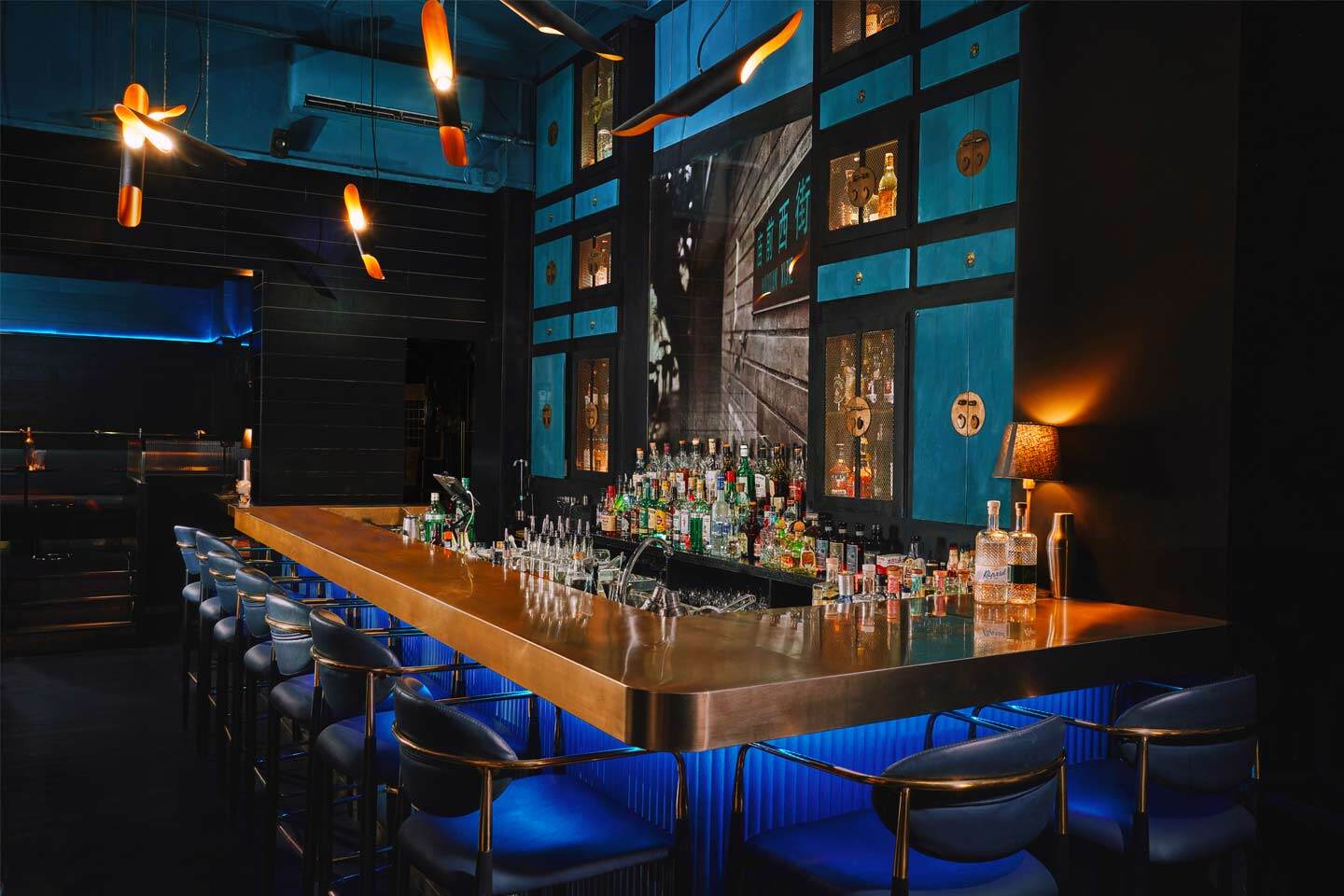
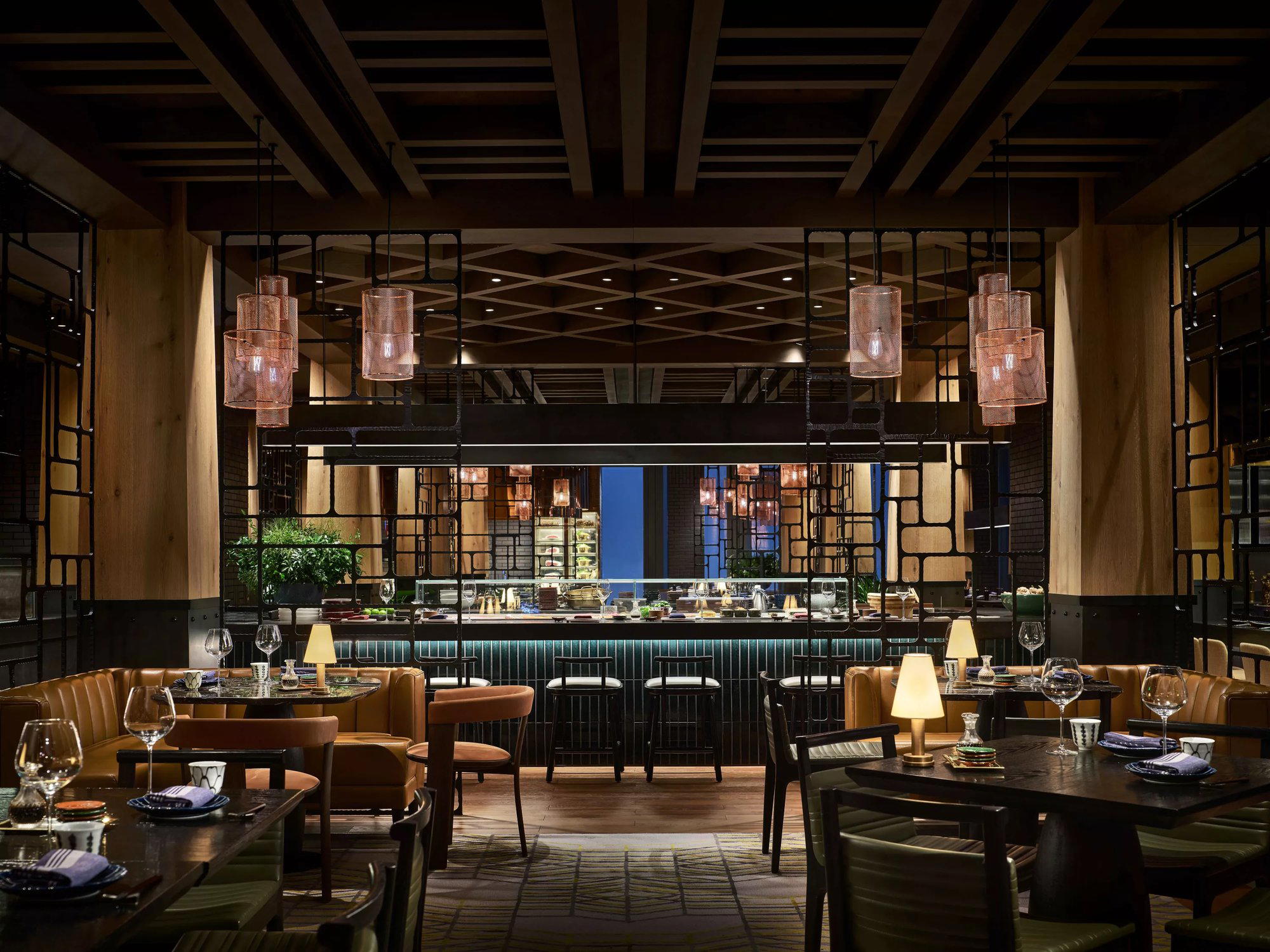
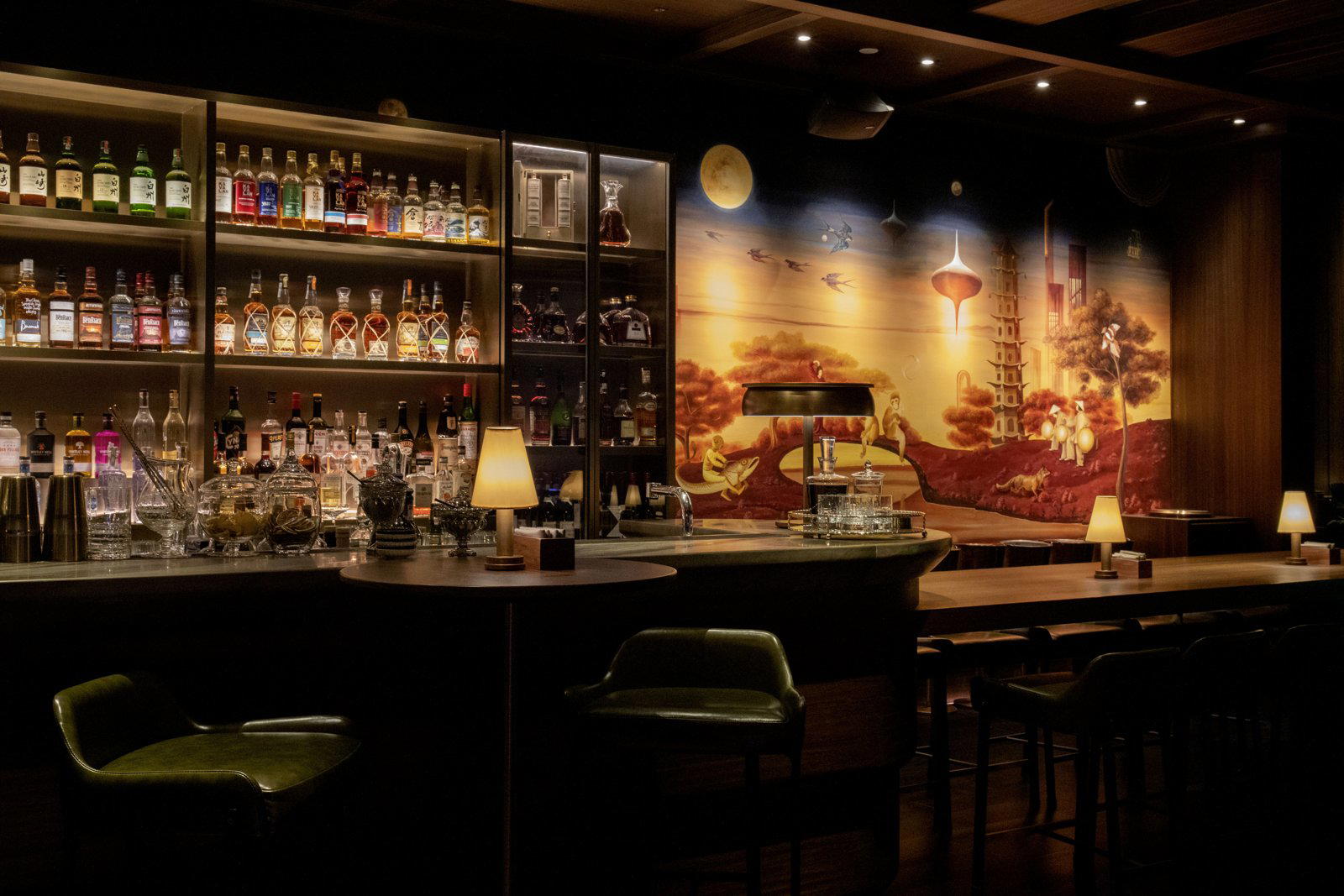
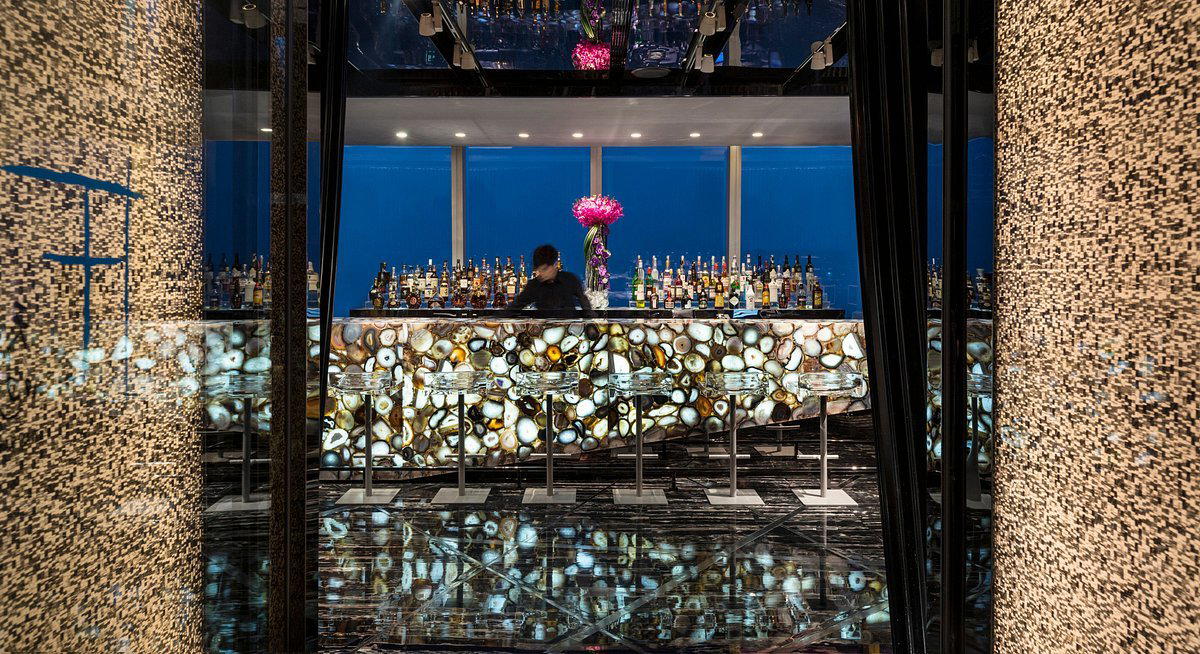
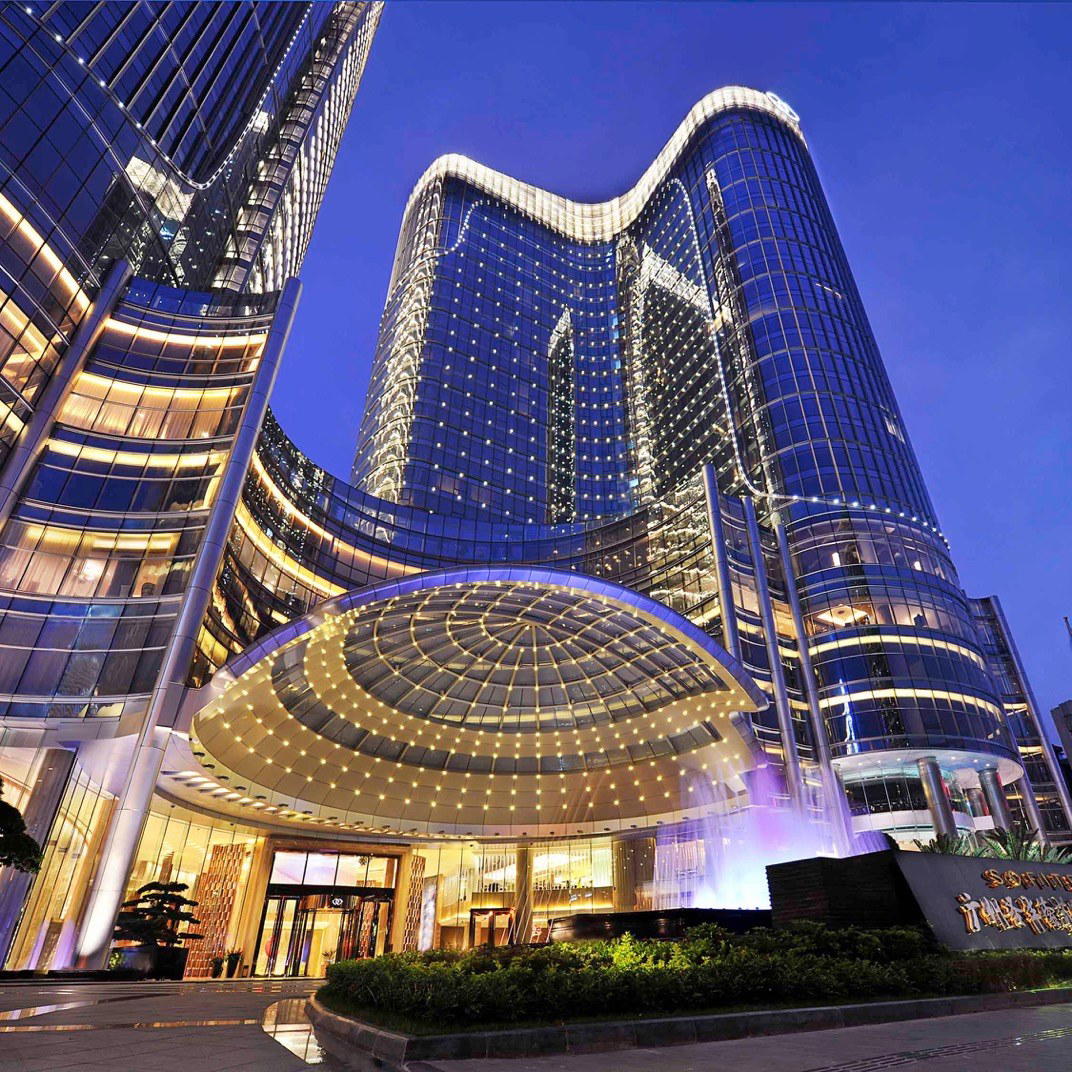
Modern, sophisticated dining atmosphere with floor-to-ceiling windows, modern furniture, and bronze ornaments creating an informal yet pleasant setting with panoramic city views.