The Point D.C.
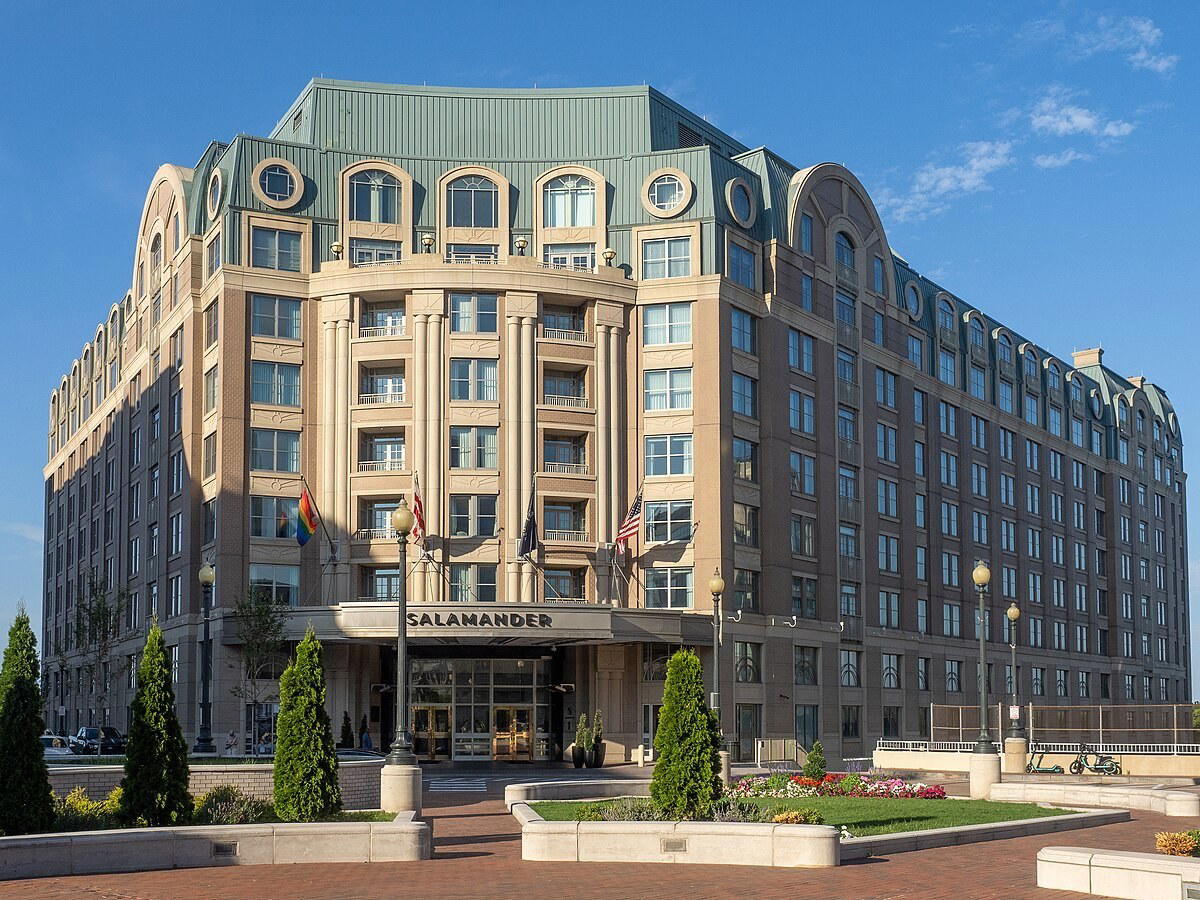
The Point D.C. occupies a distinctive address in Southwest Washington, a neighbourhood that has seen significant culinary investment in recent years. Set against the waterfront character of 2nd Street SW, it enters a D.C. dining conversation that increasingly rewards specificity of place and ambition of format. Details on cuisine, chef, and booking are best confirmed directly with the venue.
 Discover on Pearl
Pearl is the En Primeur Club membership app — saves, bookings, and concierge access live there. Same editors, same standards.
- Address
- 2100 2nd St SW, Washington, DC 20024
- Phone
- +12029482522
- Website
- thepointdc.com
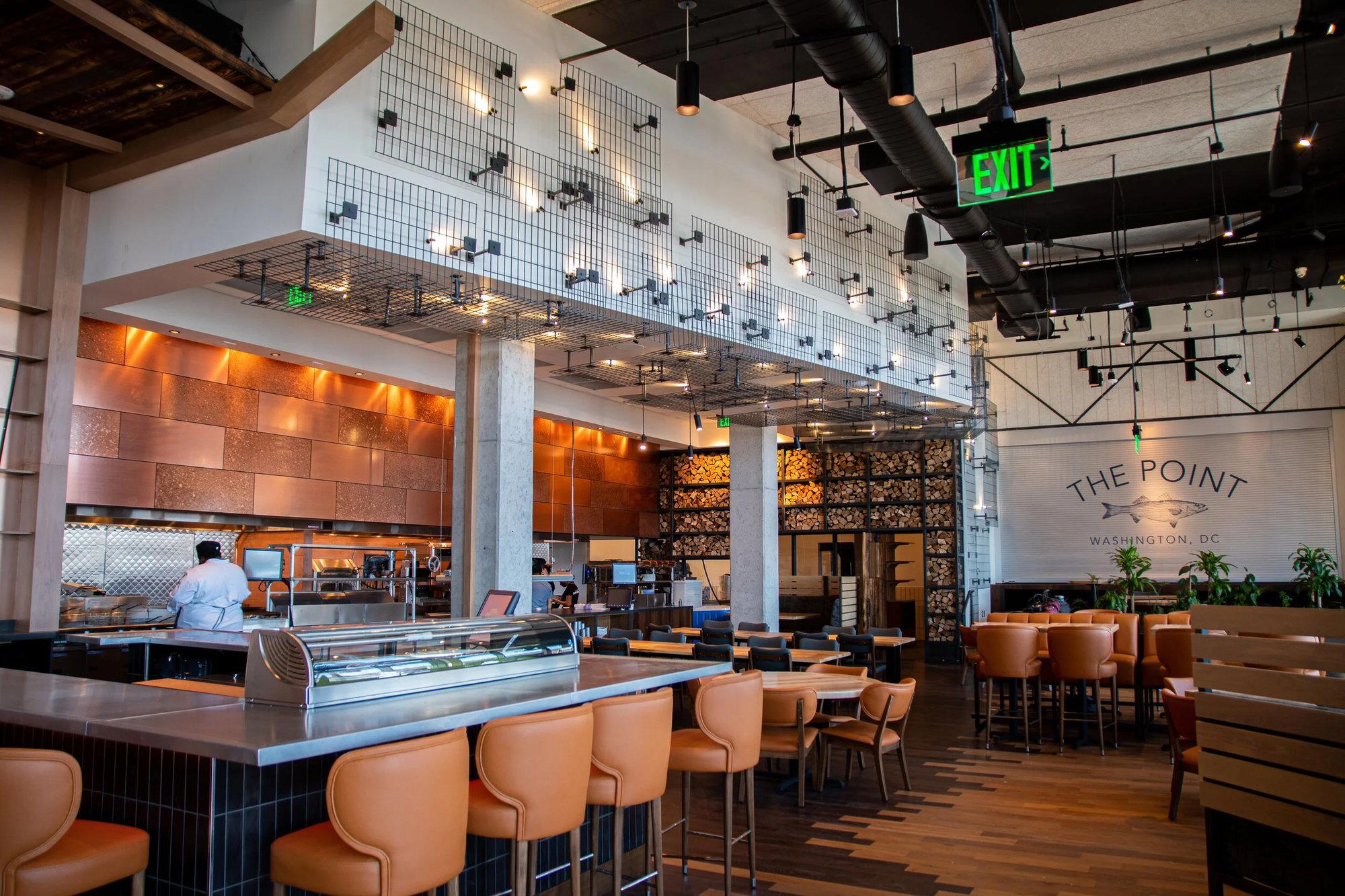
Where the Waterfront Meets Washington's Evolving Fine Dining Scene
Southwest D.C. has undergone a quiet but consequential transformation over the past decade. The neighbourhood that once sat on the margins of the capital's restaurant conversation now draws the kind of attention that used to belong exclusively to Penn Quarter and 14th Street. That shift matters because it changes not just geography but expectation: diners arriving at an address like 2100 2nd Street SW are already primed for something that feels deliberate, placed with intention against the Anacostia waterfront rather than slotted into a more established dining corridor.
The Point D.C. occupies that context. Its precise format, cuisine type, and kitchen leadership are details confirmed directly with the venue, given the pace at which Southwest's dining roster continues to evolve. What the address signals, however, is positioning within a neighbourhood tier that is currently commanding attention from the same diners who have exhausted the familiar options elsewhere in the city.
The Arc of a Meal in Washington's Most Ambitious Tier
D.C.'s serious dining scene has matured into a format where the progression of a meal matters as much as any individual dish. The city's most discussed tables, from the counter-service precision of Jônt to the boundary-dissolving experiments at minibar, are built around sequenced experiences where each course comments on the last. This is not a D.C.-specific invention, but the capital has adopted the multi-course tasting format with particular seriousness, producing a cluster of restaurants where the narrative arc of the meal is the menu.
That broader movement frames what a venue at The Point D.C.'s address is entering. The Southwest waterfront location, with its proximity to the District Wharf development, has attracted the kind of investment that supports extended, deliberate dining formats. Guests who sit down at serious waterfront tables tend to allocate the evening rather than the hour, and menus in this context are typically designed to reward that allocation.
Across the city, tasting progression formats have split into two dominant modes: those that emphasise regional American sourcing as a narrative thread, as seen at Oyster Oyster with its sustainable New American framework, and those that draw from global technique with a more cosmopolitan lens, as Causa does through a Peruvian idiom. The Point D.C. enters a scene where both modes are already credibly represented, which means its own angle will define where it sits in that comparable set.
Neighbourhood Context: Southwest as a Culinary Destination
The District Wharf precinct has changed the calculation for Southwest D.C. in ways that parallel what happened to Brooklyn's waterfront or Chicago's Fulton Market corridor: a formerly peripheral area receives infrastructure investment, and dining follows as both cause and consequence of broader foot traffic. That dynamic has attracted venues across multiple tiers, from casual seafood to more considered formats, which means the neighbourhood now offers enough density that diners plan around it rather than making single-destination journeys.
For a venue operating at the top of that local tier, the competitive reference points extend beyond the immediate neighbourhood. D.C.'s premium dining conversation includes Albi, Ryan Huber's Middle Eastern-inflected counter in Navy Yard that holds a Michelin star, and the Modern French rigour of Bresca and Gravitas, both of which price at the $$$$ tier and draw a guest list that treats the meal as the evening's main event. The Point D.C. is entering that category-level conversation from a neighbourhood position that is still establishing its premium credentials.
That position carries both risk and advantage. Southwest diners who have already committed to the waterfront are a self-selected audience for serious dining, but the neighbourhood has not yet produced the kind of sustained critical consensus that 14th Street or Penn Quarter carry. For a venue with genuine ambition, that gap is the opportunity.
Placing The Point D.C. in a National Frame
Washington's fine dining tier is regularly measured against the country's most discussed rooms. The standard-bearers at the top of that national conversation include The French Laundry in Napa, Alinea in Chicago, and Le Bernardin in New York City, all of which have sustained their positions through decades of consistent kitchen discipline and media recognition. Closer in format and scale, venues like Lazy Bear in San Francisco, Single Thread Farm in Healdsburg, and Blue Hill at Stone Barns in Tarrytown have demonstrated that the tasting format can carry strong regional identity alongside technical ambition.
D.C. has its own entry in that company through The Inn at Little Washington, Patrick O'Connell's three-Michelin-star property that has been the region's most decorated table for decades. The city's newer tier, represented by the venues above, is building a different kind of credential: less reliant on a single founding chef's reputation, more oriented toward format, sourcing narrative, and the kind of media cycle that rewards innovation over tenure.
Further afield, the tasting format conversation includes Atomix in New York City, Providence in Los Angeles, Addison in San Diego, and internationally, 8 1/2 Otto e Mezzo Bombana in Hong Kong, each of which demonstrates that high-format dining has a genuinely global competitive frame. D.C. diners with experience across that range will bring calibrated expectations to any serious table in the capital. For full context on where The Point D.C. sits within D.C.'s broader restaurant picture, see our Washington, D.C. restaurants guide.
Planning Your Visit
The table below positions the venue against its nearest Southwest and city-wide peers on the details we can confirm, to help calibrate the visit.
| Venue | Cuisine | Price Tier | Neighbourhood |
|---|---|---|---|
| The Point D.C. | Confirm directly | Confirm directly | Southwest / Waterfront |
| Causa | Peruvian | $$$$ | D.C. |
| Oyster Oyster | New American / Sustainable | $$$ | D.C. |
| Albi | Middle Eastern | $$$$ | Navy Yard |
| Emeril's (New Orleans) | Contemporary American | $$$ | New Orleans |
Where It Fits
Comparable venues nearby, for context on price, style, and recognition.
| Venue | Cuisine | Price | Awards | Notes |
|---|---|---|---|---|
| The Point D.C.This venue — the venue you are viewing | Seafood Grill with Open Flame Cooking | $$$ | , | |
| Catahoula | New Orleans-style Cajun & Creole seafood with Viet-Cajun influences | $$$ | , | Navy Yard |
| Red Hook Lobster Pound | Maine Lobster Rolls | $$ | , | Southwest Waterfront |
| Lucky Danger | Modern American Chinese | $$$ | , | Penn Quarter / Chinatown |
| Birch & Barley | Modern American Gastropub | $$$ | , | Logan Circle |
| Dirty Martini | Contemporary American Dining & Cocktails | $$$ | , | Dupont Circle |
Continue exploring
More in Washington DC
Restaurants in Washington DC
Browse all →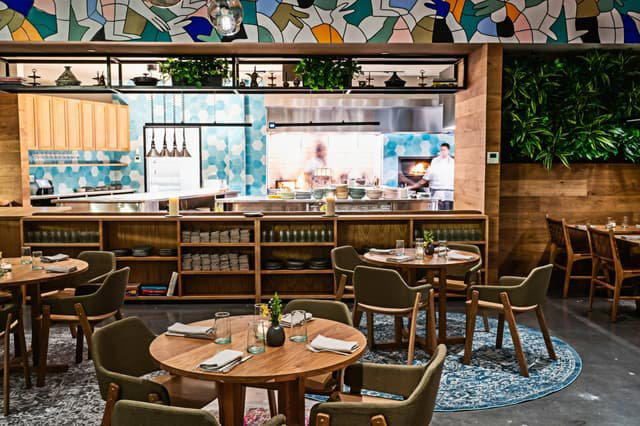
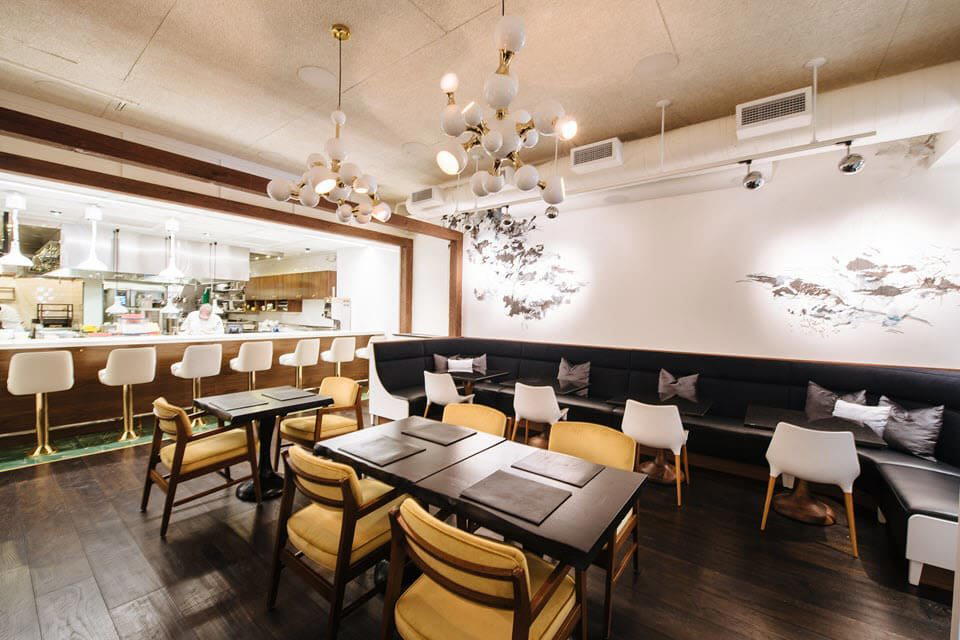
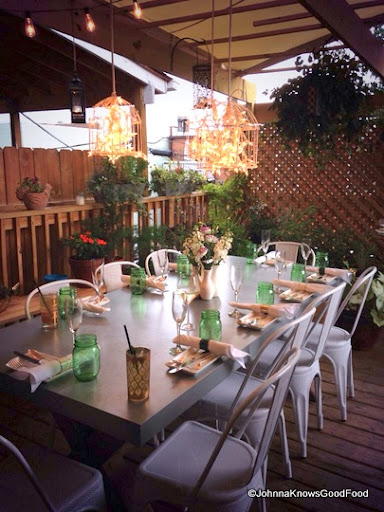
Bars in Washington DC
Browse all →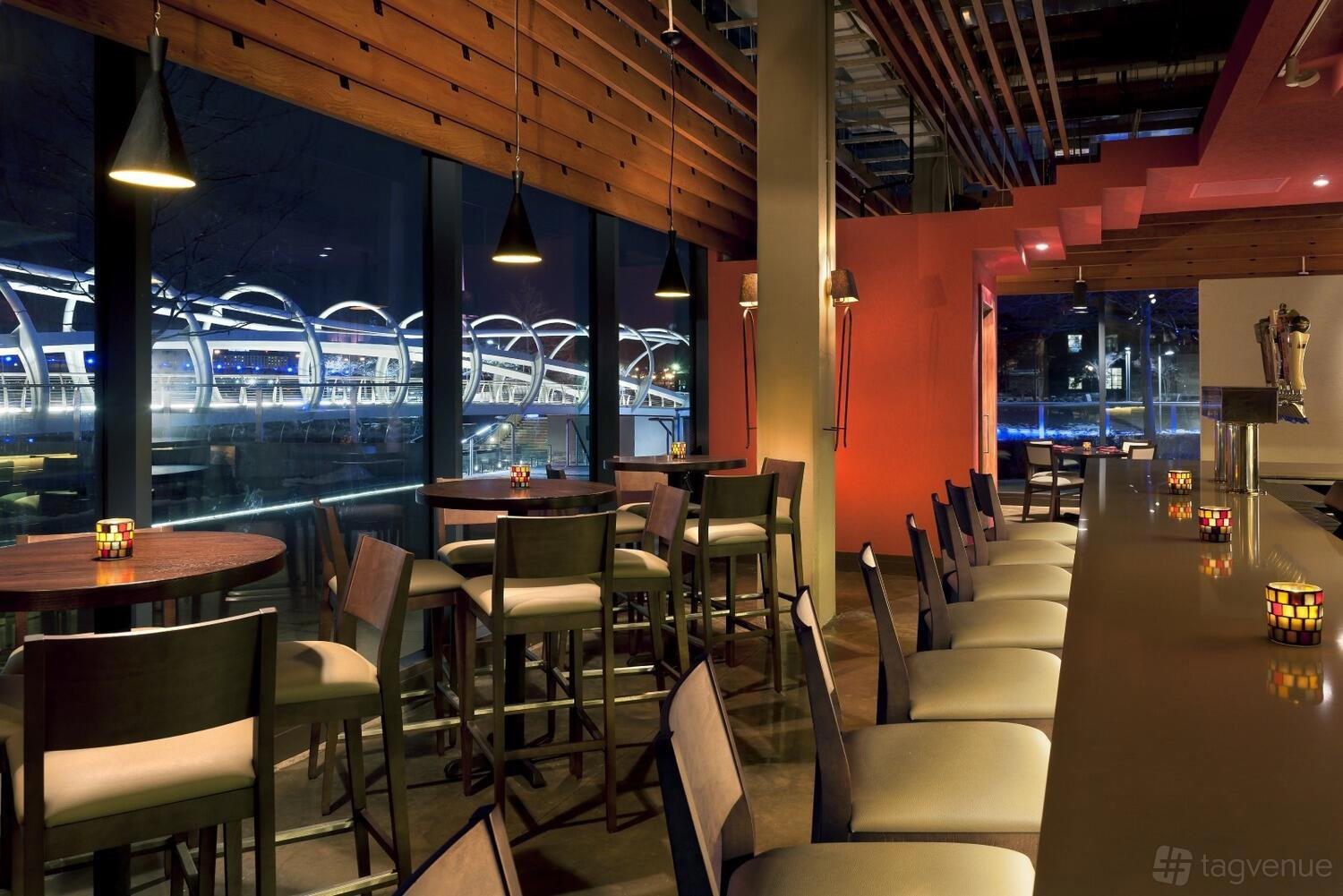
Hotels in Washington DC
Browse all →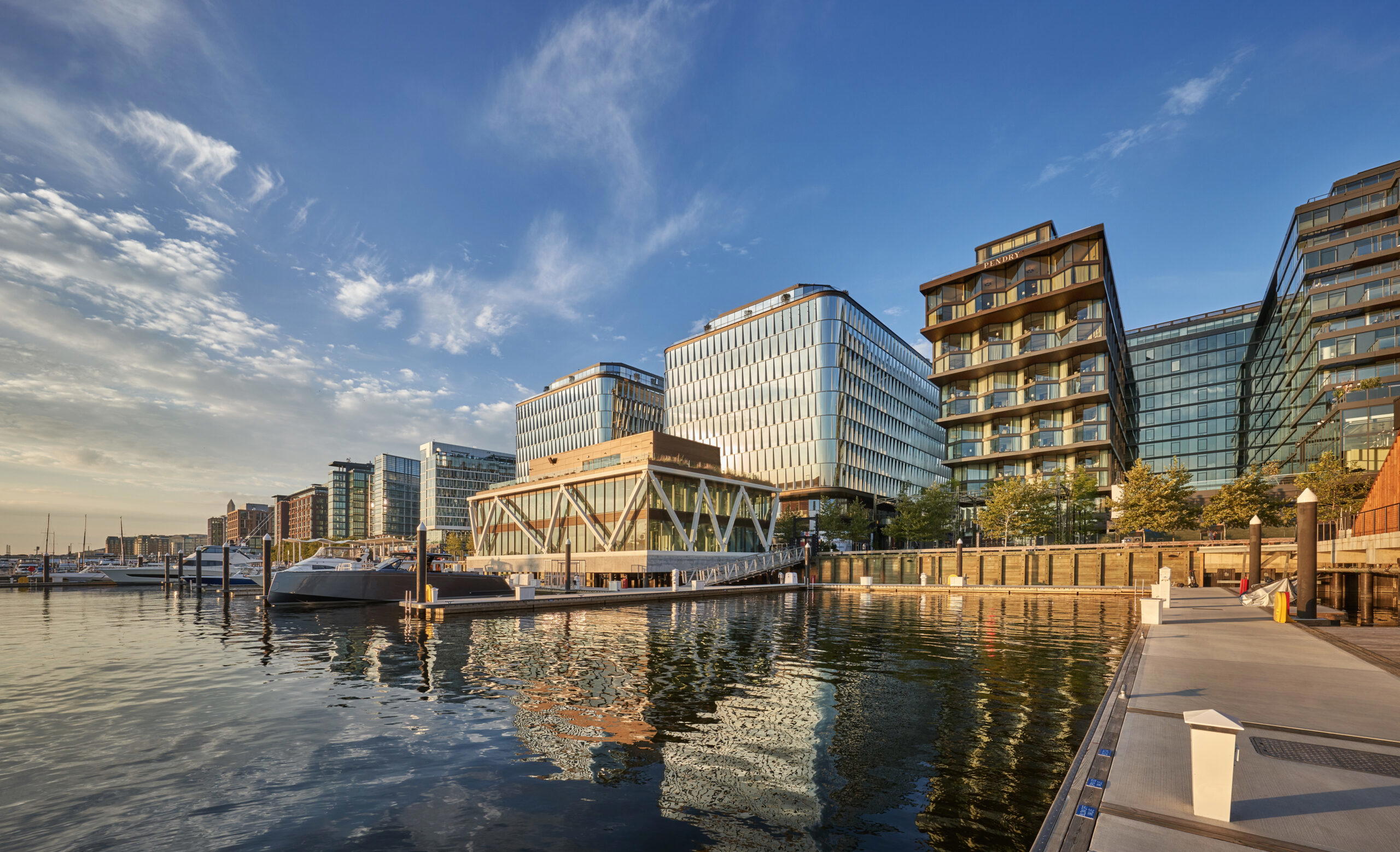
At a Glance
- Lively
- Scenic
- Trendy
- Modern
- Group Dining
- Brunch
- Celebration
- Waterfront
- Terrace
- Open Kitchen
- Private Dining
- Craft Cocktails
- Local Sourcing
- Sustainable Seafood
- Waterfront
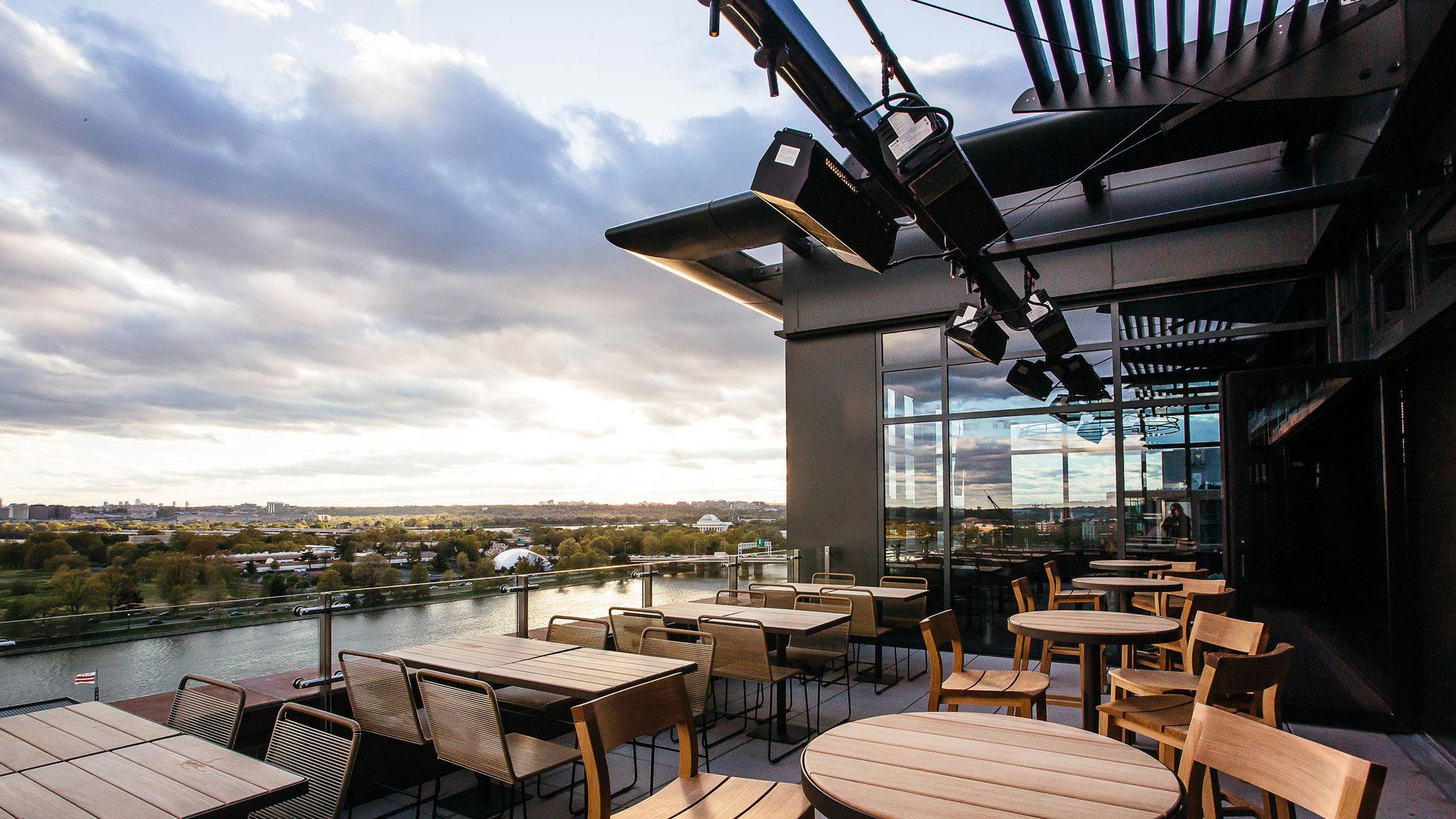
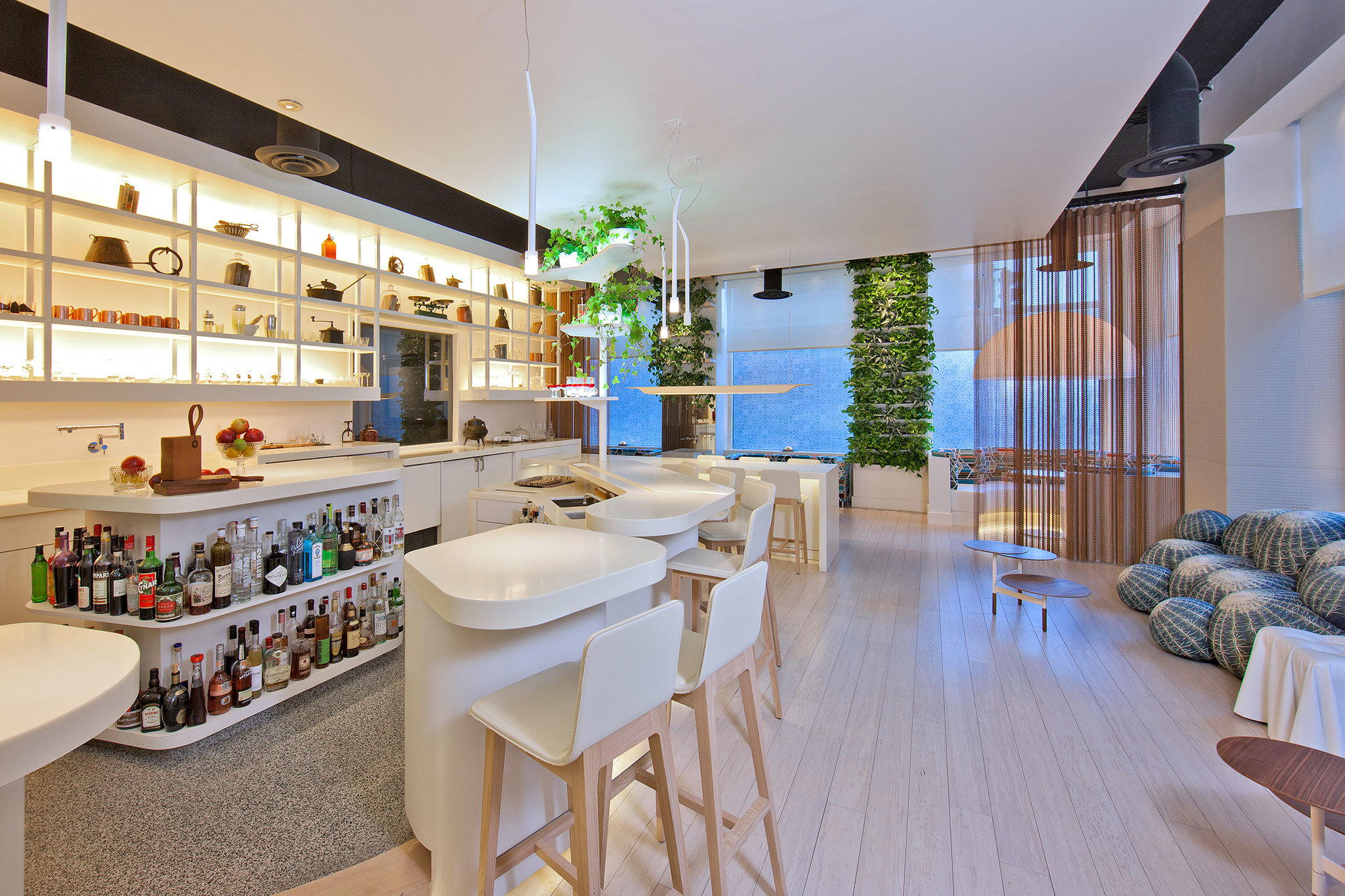
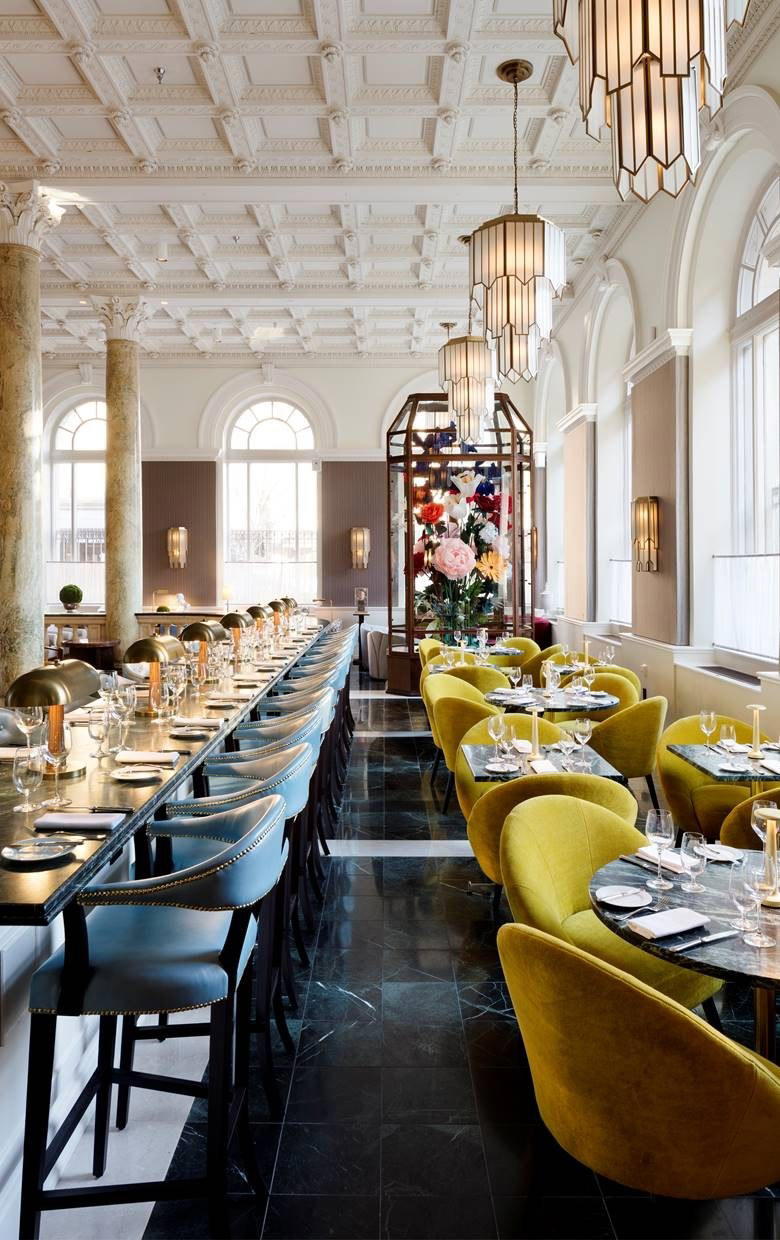
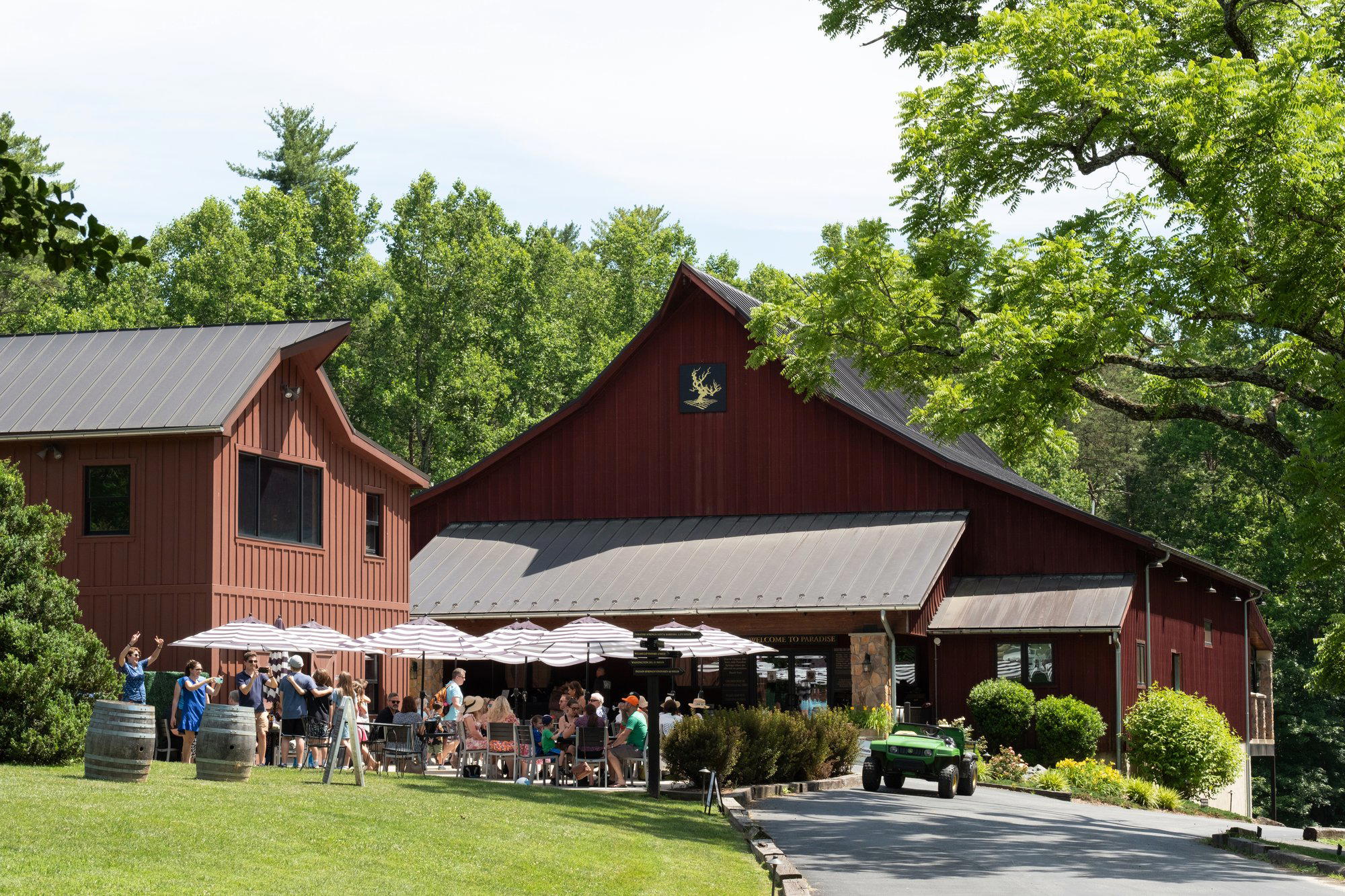
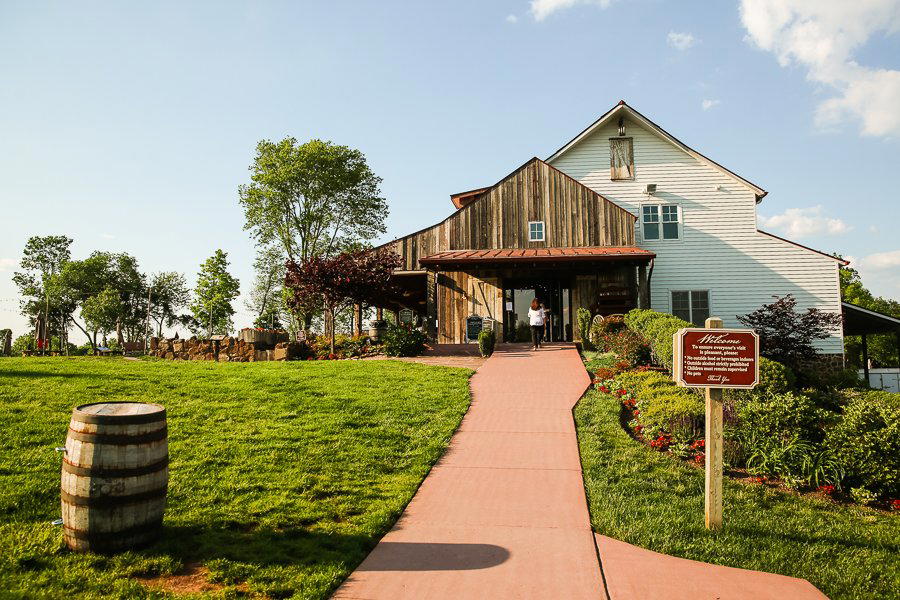
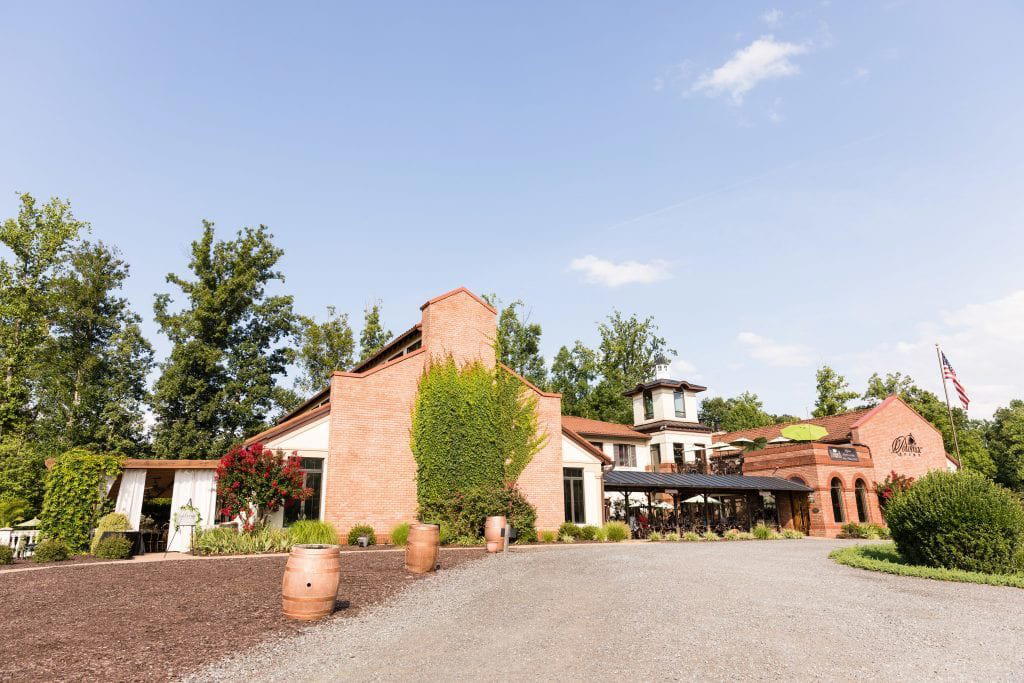
Contemporary design with live green walls, high ceilings, tranquil open-air patio, fire pits, and lively bar area enhanced by waterfront views and warm lighting.