Waldorf Astoria Washington DC



Set within the restored Old Post Office on Pennsylvania Avenue, Waldorf Astoria Washington DC occupies one of the capital's most historically weighted addresses, positioned between the White House and the U.S. Capitol. The property holds a Forbes 4-Star rating (2025) and a Star Wine List recognition (2026), and offers 263 guestrooms among the largest in the city by footprint.
Pearl is the En Primeur Club membership app — saves, bookings, and concierge access live there. Same editors, same standards.
- Address
- 1100 Pennsylvania Ave NW, Washington, DC 20004
- Phone
- +1 202-695-1100
- Website
- hilton.com
- Directions
- Get directions
 Saves & bookings on Pearl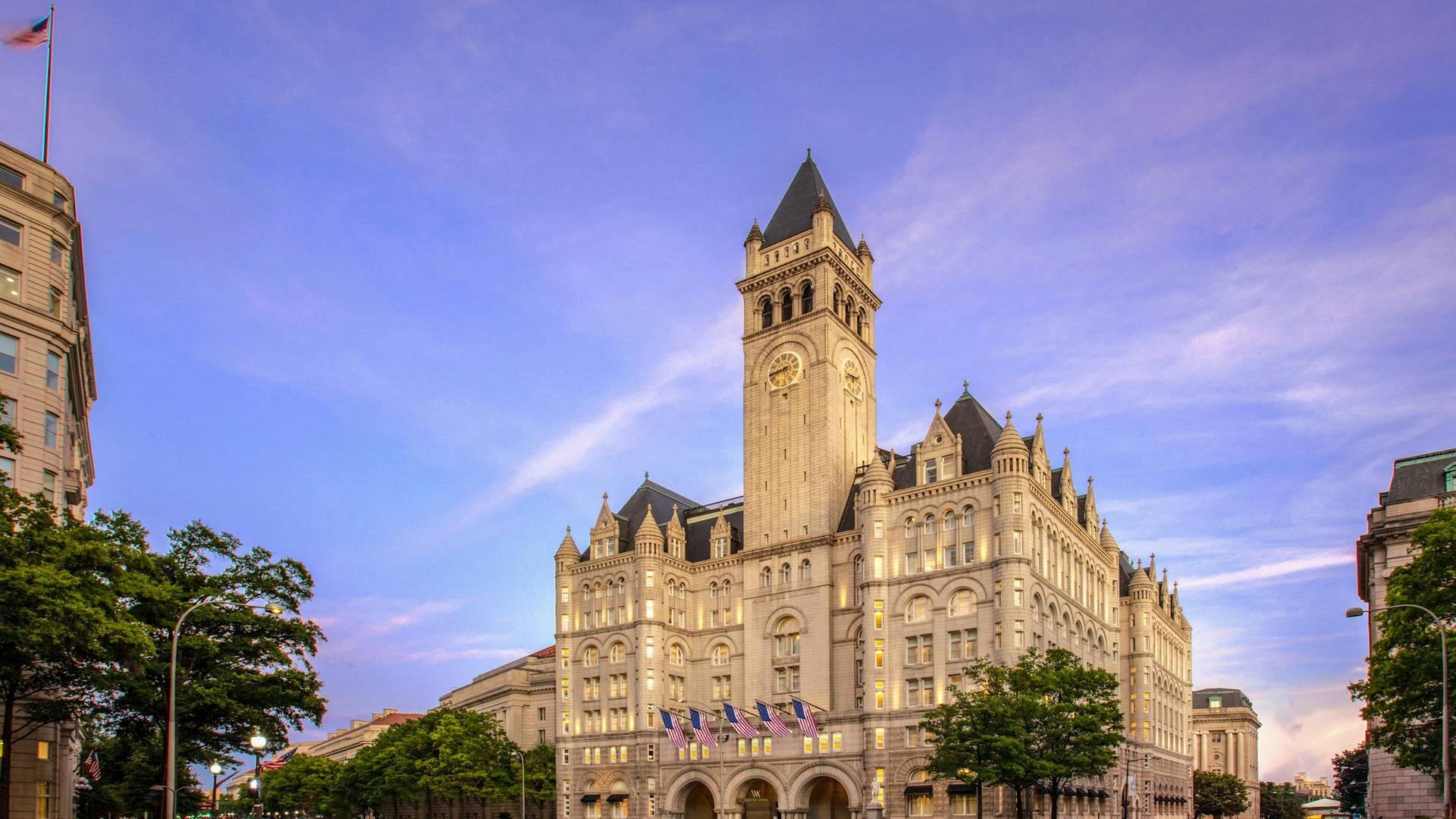
Pennsylvania Avenue as a Hotel Address
Pennsylvania Avenue carries a particular kind of civic gravity. The stretch between Capitol Hill and the White House has served as the processional corridor of American political life for two centuries, and the address at 1100 has anchored that stretch since the Old Post Office was completed in 1899. When a hotel occupies a building of that age and symbolic weight, the location is not merely convenient; it structures the entire experience of staying there. Waldorf Astoria Washington DC, part of the Hilton Worldwide portfolio and a 5-star hotel, works within that frame deliberately.
Washington's luxury hotel market clusters around a handful of distinct address types: Georgetown's residential quiet (see The Hay-Adams Hotel for the Lafayette Square orientation), Dupont Circle's embassy-district texture (represented by The Dupont Circle Hotel), and the monumental core. Waldorf Astoria Washington DC belongs firmly to the third category, where proximity to federal landmarks is the primary spatial logic. For guests whose itinerary centers on the Mall, the Capitol, or the Pennsylvania Avenue corridor itself, the address eliminates the need for a car or rideshare to reach the central sites.
The Building Before the Hotel
The Old Post Office's civic biography matters here. Completed in 1899 in Romanesque Revival style at a moment when the federal government was deliberately building monuments to American institutional permanence, it was for a time one of the tallest structures in the city. The postmaster general held a cabinet seat during that era, which gave the building genuine political centrality rather than mere administrative function. Its clock tower remains publicly accessible, operated by the National Park Service, which means guests are sleeping inside a building that continues to serve a civic role, an unusual condition for a luxury hotel anywhere.
The restoration that produced the current hotel required working within historic preservation constraints that would not apply to a ground-up build. The result is guestroom proportions shaped by original architecture: 263 rooms and suites that register among the larger footprints available in Washington's luxury segment. In a city where many premium hotels occupy relatively compact historic buildings, square footage at this scale carries real practical weight for longer stays or travelers who use the room as a working base.
Positioning Within Washington's Premium Tier
Washington's upper hotel tier has expanded and segmented over the past decade. The city now supports a range from institutional luxury properties with long corporate and diplomatic histories to newer design-led independents. Rosewood Washington, D.C. represents one pole of the independent-luxury approach; The Jefferson another, with its emphasis on American antiques and political memorabilia. Riggs Washington DC occupies a former bank building on F Street with a distinct adaptive-reuse identity. Pendry Washington DC at The Wharf anchors a different neighborhood entirely, with a waterfront orientation that serves a different guest profile.
The Waldorf Astoria brand sits within the international luxury chain tier, which comes with specific expectations around service consistency, loyalty program integration, and amenity depth that independent properties often cannot or do not attempt to match. For travelers who hold Hilton Honors status or who prefer the operational reliability of a global brand in an unfamiliar city, that positioning is a feature rather than a limitation. Its 5-star classification places it in the upper band of that category domestically.
Dining and the Peacock Alley Tradition
The Peacock Alley name carries weight within Waldorf Astoria's institutional history. The original Peacock Alley at the New York property was a public corridor where the socially prominent gathered, a concept that tied hotel dining to civic display rather than private consumption. Reinterpreting that format within a Washington context, where the civic and political audiences overlap in ways they do not in most cities, gives the dining program a specific social texture. The Star Wine List recognition for 2026 signals a wine program that meets the standards of that specialist publication's assessment criteria.
Waldorf Astoria Spa extends the property's service proposition beyond the room and restaurant, a relevant consideration for guests arriving for multi-day itineraries where recovery time between engagements matters. Washington's pace during peak political and conference seasons can be demanding, and a full-service spa within the building is a practical differentiator against properties that rely on local partnerships instead.
When to Stay and How to Plan
Spring brings Washington's most concentrated visitor pressure, particularly during the National Cherry Blossom Festival in late March and early April, when demand across all hotel categories compresses availability and pushes rates significantly. The period also coincides with school group season on the Mall, which affects the character of the surrounding public spaces. Fall, particularly September through mid-November, tends to offer better rate conditions alongside favorable weather for walking the monumental core. January inaugurals represent a category of their own: the city's most extreme compression event, where even properties at this tier book out months in advance at rates that reflect the demand spike.
For travelers comparing options at the planning stage, the Pennsylvania Avenue location makes this property particularly logistically central for itineraries that prioritize the federal monuments and major Smithsonian institutions. Those whose Washington agenda centers on Georgetown, the Wharf, or Dupont Circle may find properties in those neighborhoods, such as Eaton D.C. or Mayflower Inn, better matched to their movement patterns.
Internationally, guests comparing Washington luxury stays against other historic-building conversions might reference Raffles Boston for a comparable adaptive-reuse premium-chain approach in a civic context, or Badrutt's Palace Hotel in St. Moritz for the longer view of what institutional hotel grandeur sustains over time. Properties oriented around landscape rather than urban fabric, such as Amangiri in Canyon Point, Post Ranch Inn in Big Sur, or Sage Lodge in Pray, answer a fundamentally different demand.
Peers You’d Cross-Shop
Comparable venues nearby, for context on price, style, and recognition.
| Venue | Cuisine | Price | Notes |
|---|---|---|---|
| Waldorf Astoria Washington DCThis venue — the venue you are viewing | Historic luxury in restored landmark building | $$$$ | Not listed |
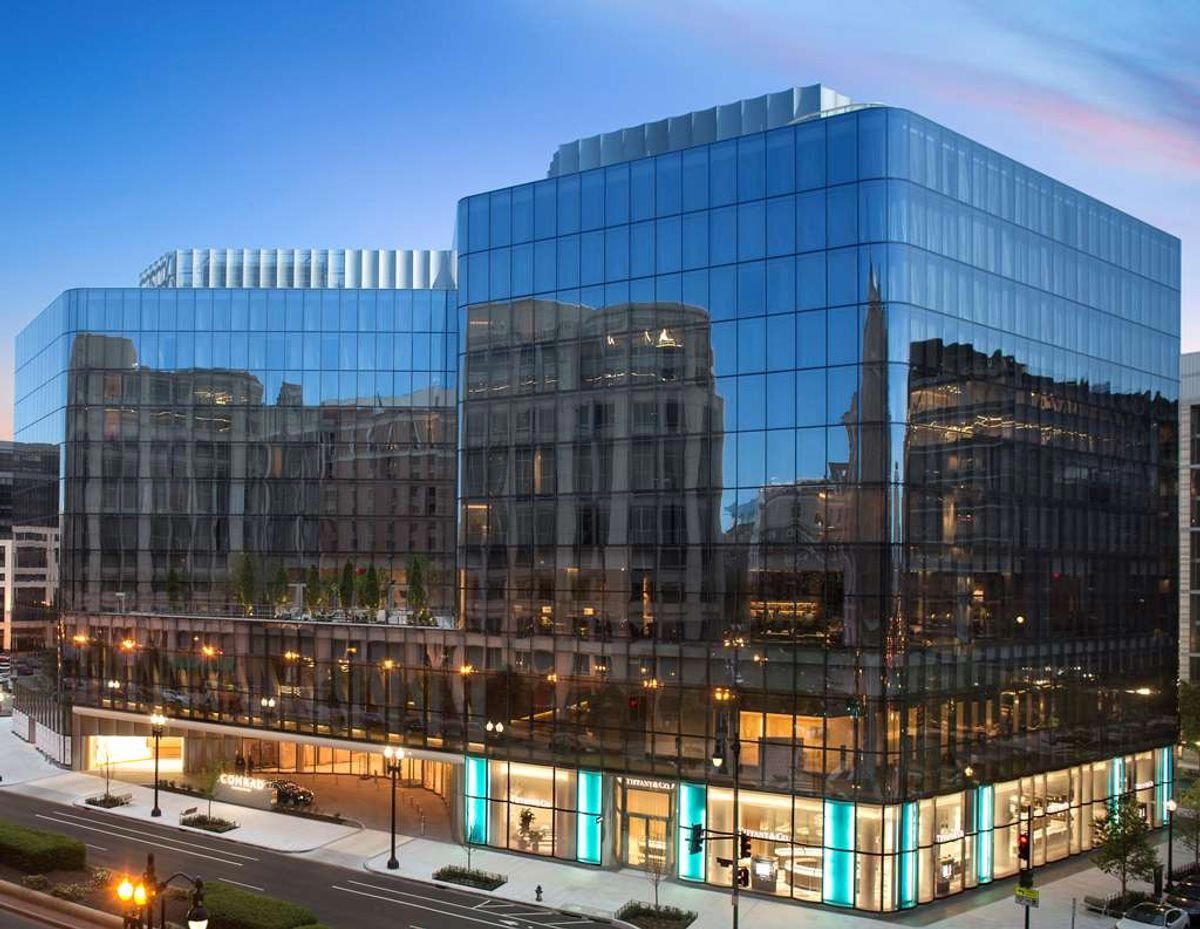
| Conrad Washington, DC | contemporary urban oasis | $$$$ | East End |
| The Ritz-Carlton, Washington, D.C. | Classic luxury hotel in DC's West End with Club Level exclusivity. | $$$$ | West End |
| The Watergate Hotel | Well-known mid-century modern luxury with wavy architectural design and wellness-focused amenities. | $$$$ | Foggy Bottom |
| Salamander Washington DC | Contemporary luxury with residential-inspired design; newly renovated with emphasis on timeless elegance and modern amenities in an urban waterfront setting. | $$$$ | Southwest Federal Center |
| The Darcy | Sophisticated boutique hotel evoking European elegance in downtown DC. | $$$$ | Logan Circle |
Recognition history
Dated appearances from independent guides and award organizations, with the underlying list record or original source where available.
Forbes 4-Star
Forbes
Star Wine List
Star Wine List
Virtuoso Luxury Hotel Partner
Virtuoso
Forbes 4-Star
Forbes
Continue exploring
More in Washington DC
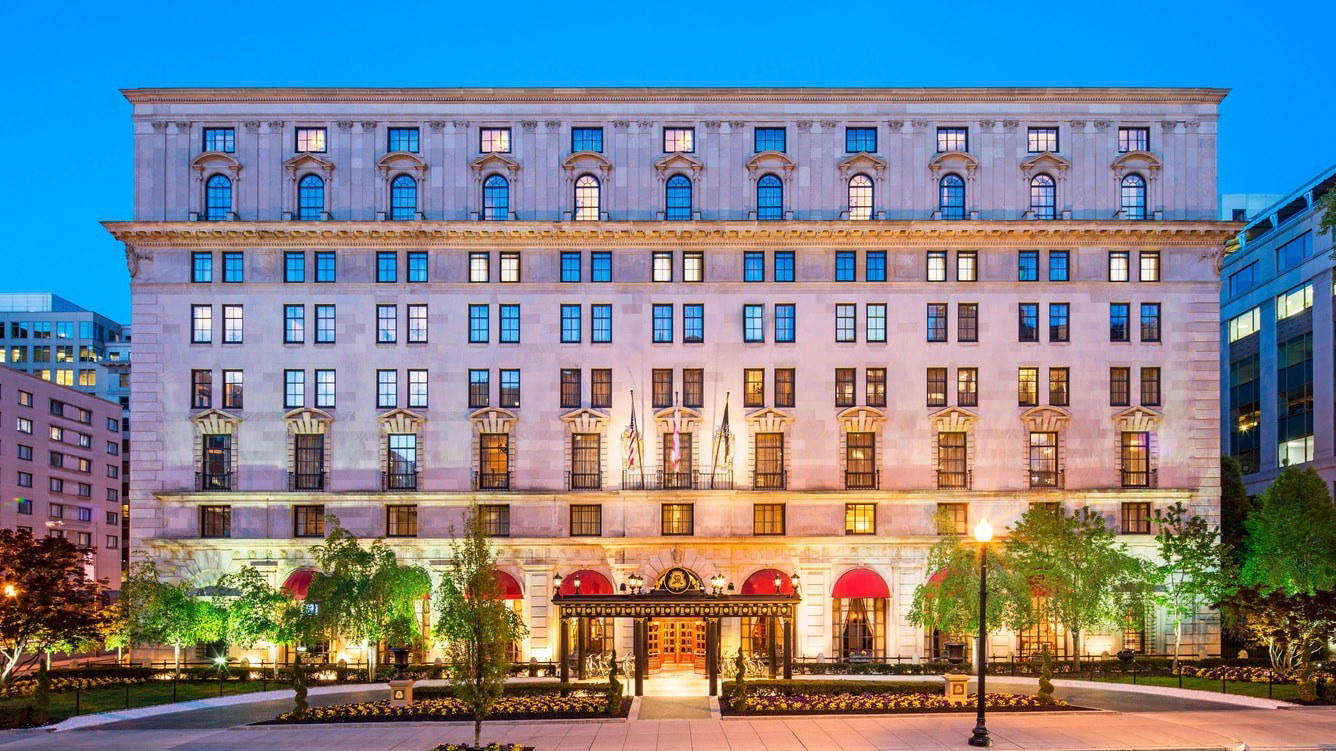
Hotels in Washington DC
Browse all →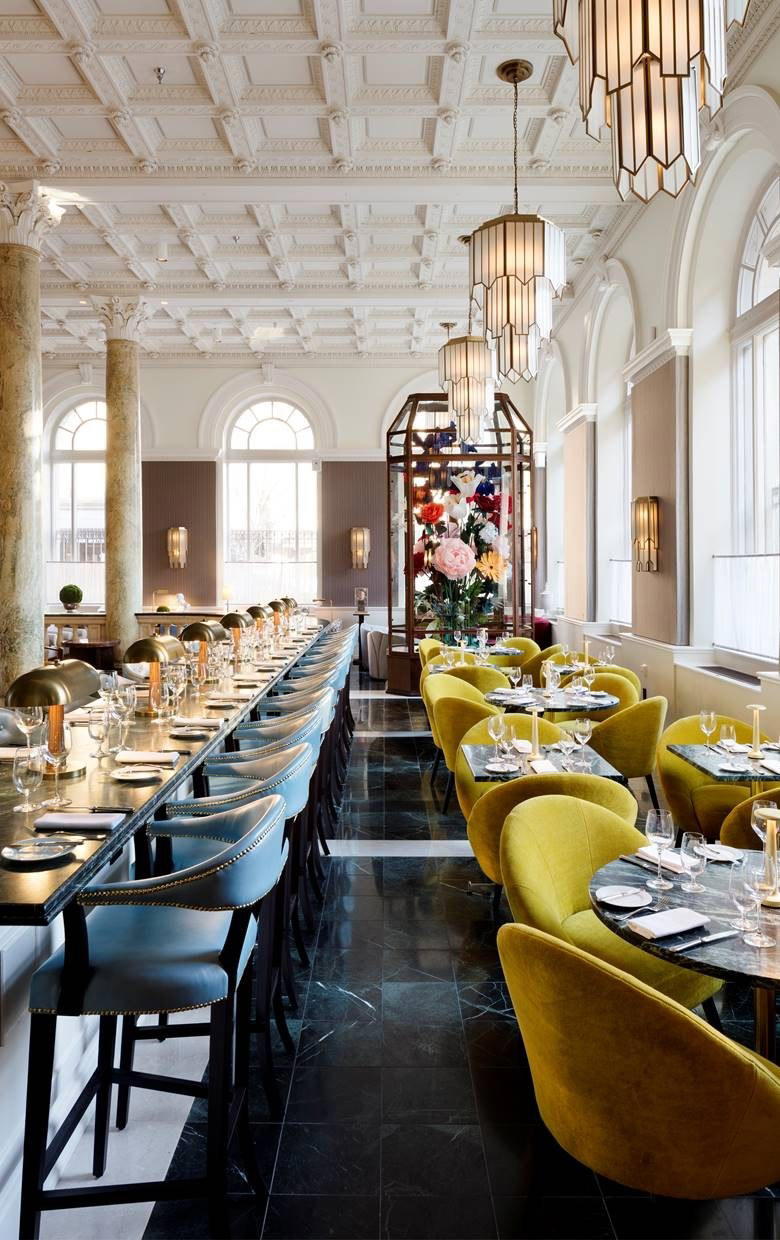
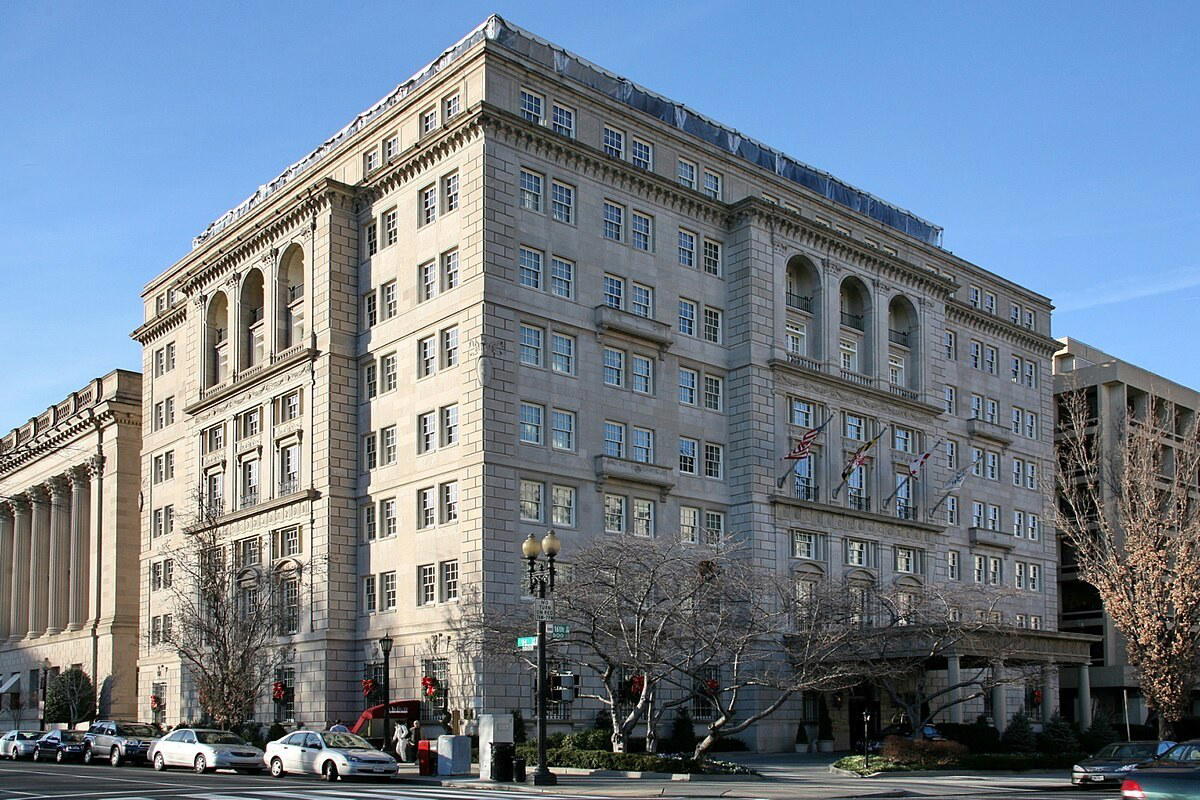
Bars in Washington DC
Browse all →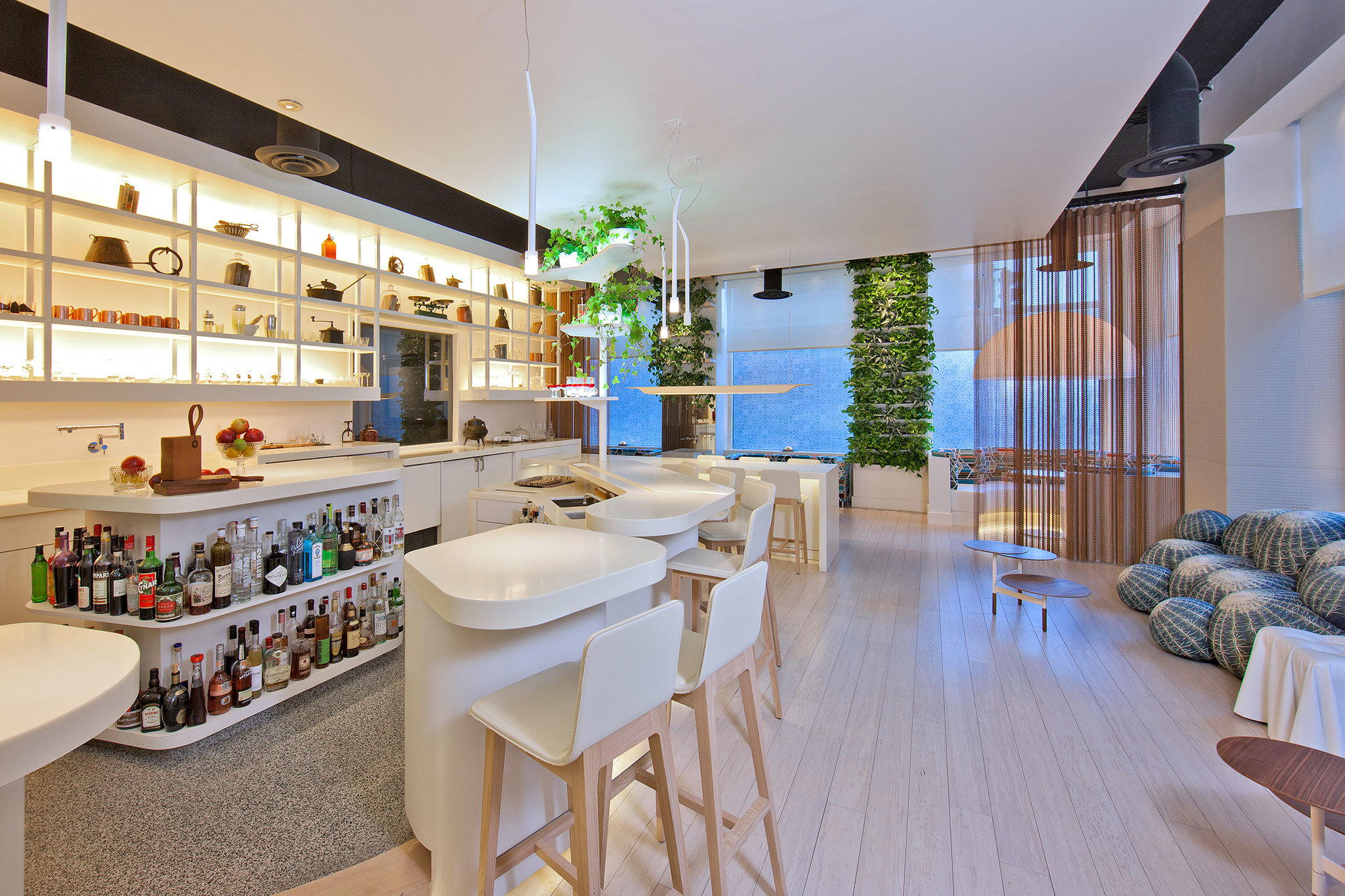
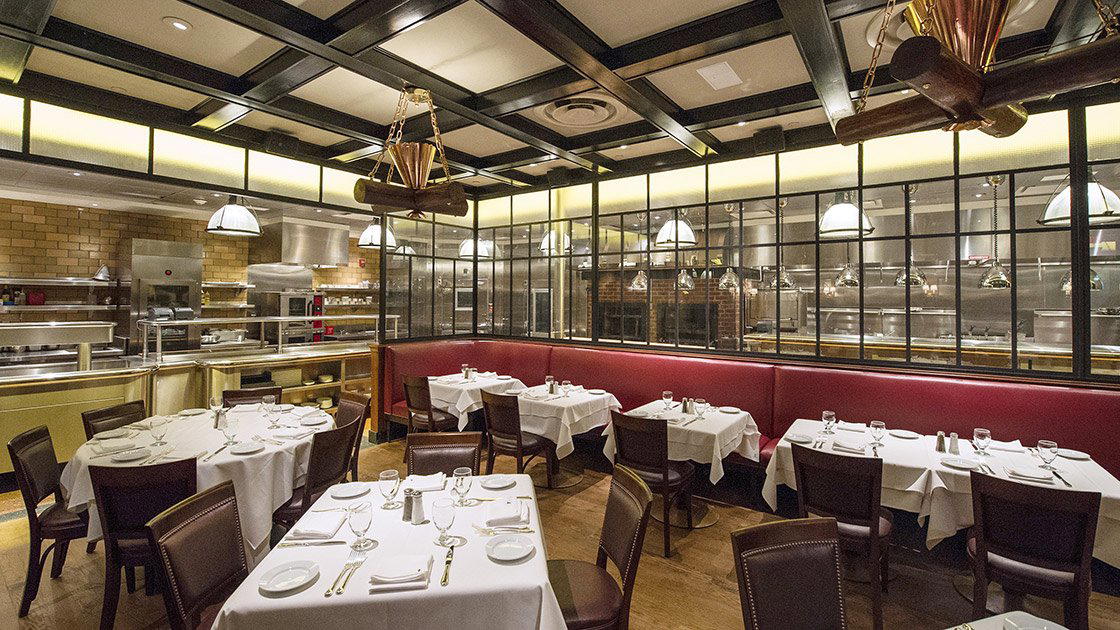
Restaurants in Washington DC
Browse all →
At a Glance
- Elegant
- Sophisticated
- Classic
- Ornate
- Well Known
- Business Trip
- Romantic Getaway
- Anniversary
- Historic Building
- Panoramic View
- Butler Service
- Spa
- Pool
- Fitness Center
- Room Service
- Concierge
- Business Center
- Valet Parking
- Wi Fi
- Skyline
- Spa
- Pool
- Fitness Center
- Room Service
- Concierge
- Business Center
- Valet Parking
- Wi Fi
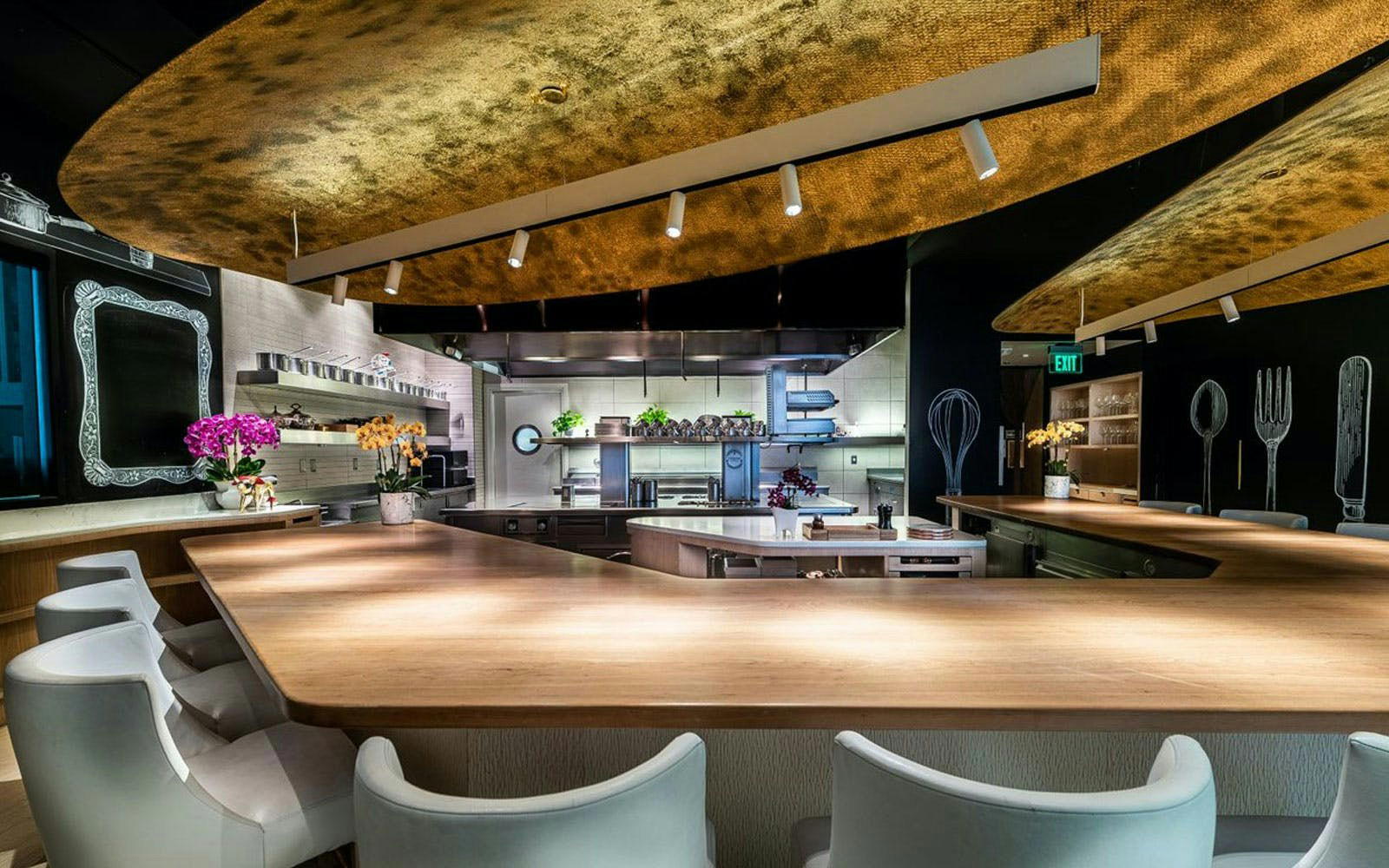
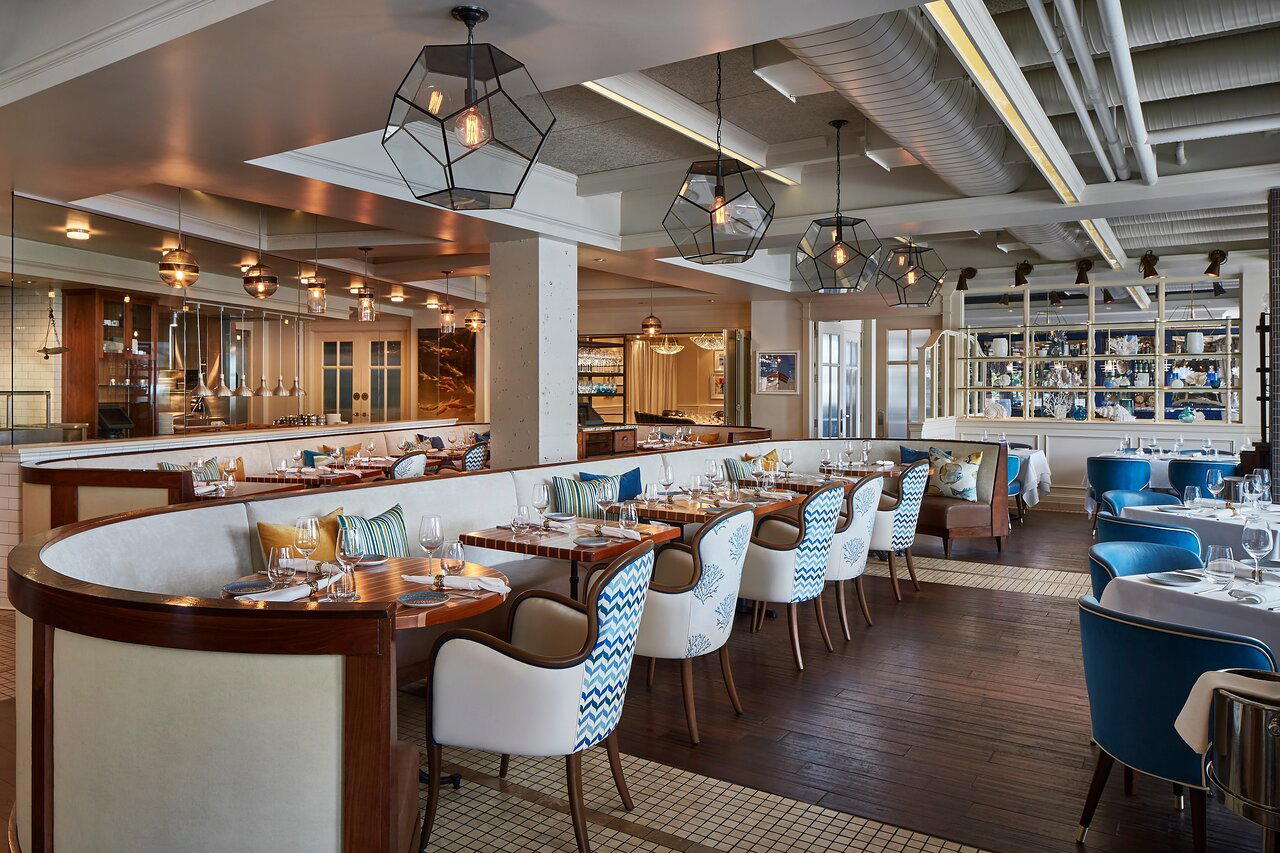
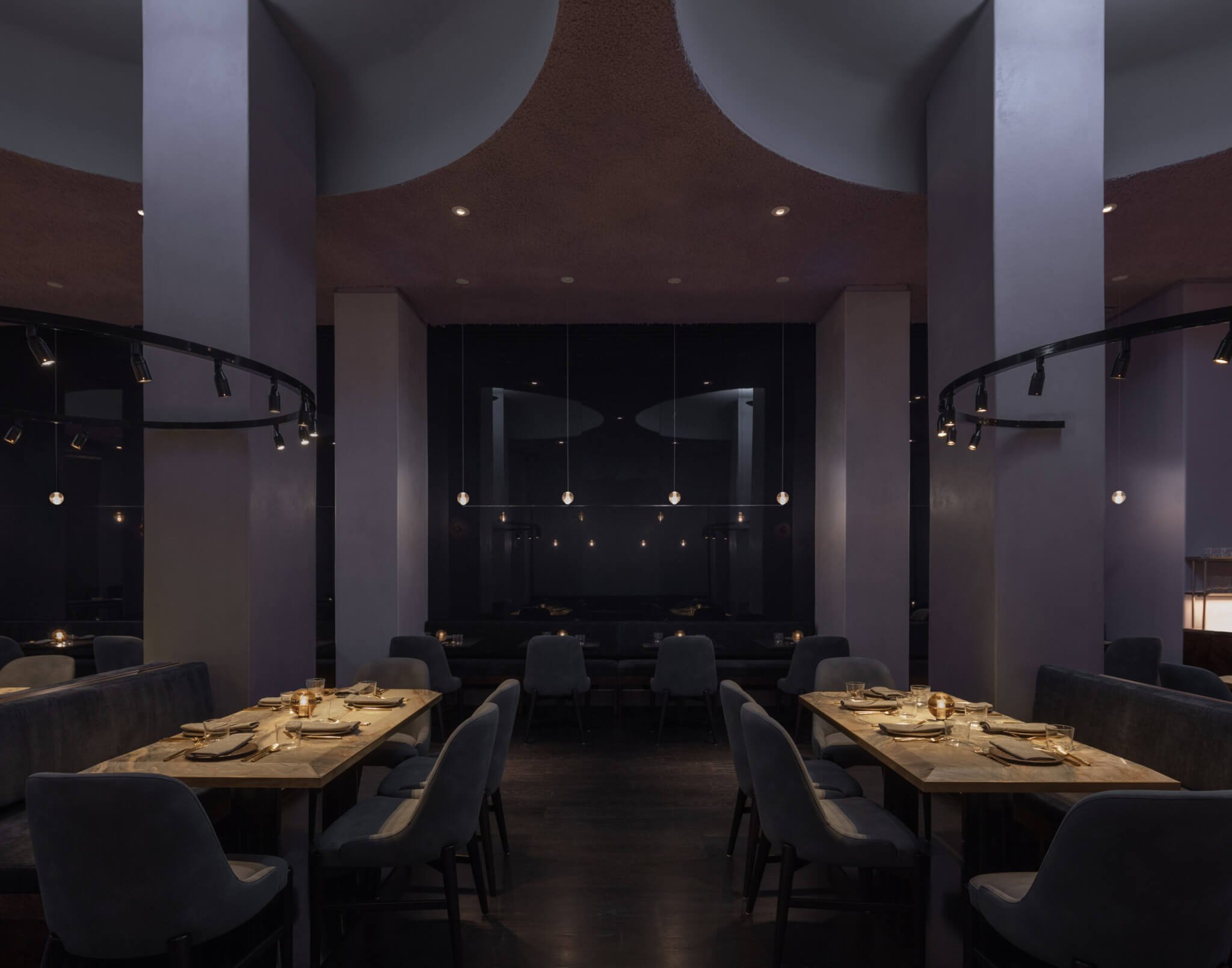
Elegant atmosphere blending historic grandeur with modern luxury, featuring soaring windows, sophisticated decor, and a serene spa-like feel.