Dirty Martini
Our verdict
Dirty Martini occupies a prime Connecticut Avenue address in Washington, D.C., positioning itself within the city's broader cocktail-bar conversation.

The menu
What to order
- Dirty martini
Connecticut Avenue After Dark
The stretch of Connecticut Avenue NW running through Dupont Circle has long functioned as one of Washington's most dependable after-work corridors. The blocks between Q Street and M Street concentrate a mix of neighborhood bars, polished cocktail rooms, and restaurant bars that serve a crowd split between Capitol Hill staffers winding down and local residents who have made this their regular circuit. Dirty Martini sits at 1223 Connecticut Ave NW, directly inside that pattern, occupying a position that places it in conversation with the area's mid-to-upper-range bar tier rather than with the city's fine-dining bar programs attached to tasting-menu restaurants.
That distinction matters. Washington's cocktail scene has matured considerably over the past decade, splitting into at least three identifiable tiers: the cocktail bars attached to destination restaurants like Jônt or minibar, where the drink program is subordinate to a larger culinary statement; the standalone craft-cocktail rooms that compete on technique and sourcing; and the accessible neighborhood bar format that trades on atmosphere, consistency, and a well-executed classics list. The name Dirty Martini signals an allegiance to the third tier, anchored in the language of classic American bar culture rather than in the avant-garde.
The Classic as a Category
Across American cities, a reliable pattern has emerged around bars that stake their identity on a single, historically resonant drink. The dirty martini, as a category, occupies a specific cultural position: it is not a cocktail that rewards molecular intervention or elaborate garnish theater. Its appeal is in precision, proportion, and the quality of its base ingredients. Gin or vodka selection, olive brine sourcing, and the temperature discipline of the pour are the variables that separate a competent rendition from a forgettable one.
This is where the ingredient-sourcing question becomes pointed. In a city where venues like Oyster Oyster have built their entire identity around Mid-Atlantic sourcing and supply-chain transparency, and where Causa and Albi both draw on specific regional ingredient traditions, a bar named for a classic martini variant is implicitly making a claim about what goes into the glass. The sourcing of spirits, brine, and garnish in a stripped-down drink like the dirty martini is more exposed than in a complex, multi-ingredient cocktail where one weak element can be masked by others. There is no cover in a two-ingredient format.
Nationally, the bars that have built the most durable reputations around classic formats have done so by treating ingredient sourcing as a front-of-house conversation, not just a back-of-house decision. At the farmstead end of the spectrum, venues like Single Thread Farm in Healdsburg and Blue Hill at Stone Barns in Tarrytown have made sourcing the organizing principle of the entire guest experience. That level of integration sits well outside the neighborhood-bar format, but the underlying logic transfers: when the format is restrained, the provenance of what you're serving is the story.
Where Dirty Martini Sits in D.C.'s Drinking Map
Washington's Dupont Circle bar scene is not the city's most architecturally ambitious, but it is one of its most consistent in terms of foot traffic and return-visitor patterns. The neighborhood draws a crowd that skews professional and relatively price-tolerant compared to areas further from the Metro corridors. For comparison, the city's more formally recognized drinking destinations, including the bar programs attached to restaurants in the full Washington, D.C. restaurants guide, tend to cluster in Shaw, Navy Yard, and the Penn Quarter, where newer developments have concentrated culinary investment.
Connecticut Avenue's character is different: it rewards accessibility and repeatability over discovery. A bar operating successfully on this strip is more likely doing so through consistent execution and a well-positioned price point than through novelty programming. That context frames what a visitor should expect from Dirty Martini, and what kind of evening it is suited for.
For guests calibrating expectations against other American bar-dining destinations, the reference points are instructive. The cocktail programs at Lazy Bear in San Francisco and Smyth in Chicago represent the format where drinks are fully integrated into a tasting-menu arc. At the other end, Emeril's in New Orleans and Providence in Los Angeles represent restaurant bar programs where the drinks support a culinary identity. Dirty Martini operates in neither of those modes. It belongs to the neighborhood-anchor category, where the measure of success is whether locals make it a regular rather than whether it attracts destination visitors.
What the Address Tells You
The 1223 Connecticut Ave NW address places Dirty Martini within walking distance of several of D.C.'s more formally regarded restaurants. The Inn at Little Washington operates about an hour outside the city and represents the region's most formally credentialed dining, while in-city venues like Atomix in New York City and Le Bernardin in New York City represent the tasting-menu tier that Washington's own ambition-driven restaurants, including Jônt, are increasingly benchmarking against. Dirty Martini is not in that competitive set, and that is not a criticism. The Dupont Circle address signals a different contract with the guest: reliable, atmospheric, within reach on a weeknight.
For guests who are also weighing dinner options in the same neighborhood, the bar format here positions Dirty Martini as either a pre-dinner aperitif stop or a standalone evening destination, rather than as part of a multi-course program. The Connecticut Avenue corridor has enough density to support that kind of sequential evening, particularly for visitors already oriented toward Dupont Circle. Venues at the more formal end, such as Addison in San Diego and Atelier Moessmer Norbert Niederkofler in Brunico, represent tasting-menu commitments that require a different kind of planning. Dirty Martini asks considerably less of your evening.
Know Before You Go
- Address: 1223 Connecticut Ave NW, Washington, DC 20036
- Neighborhood: Dupont Circle
- Phone: Not publicly listed
- Booking: Walk-in capacity confirmed; reservation details not available
- Hours: Not confirmed, verify directly before visiting
- Price range: Not publicly listed
- Dress code: Not specified
Frequently asked questions
Is Dirty Martini suitable for children?
A bar anchored around a classic cocktail format on a busy D.C. corridor is not a children's venue.
What should I expect atmosphere-wise at Dirty Martini?
Dupont Circle's Connecticut Avenue strip tends toward professional crowds and a consistent after-work energy. Bars in this corridor generally run toward polished-casual rather than experimental, and the name here signals that same register: familiar, reliable, geared toward a crowd that knows what it wants from an evening out rather than one looking for a programmed experience.
What dish is Dirty Martini famous for?
No confirmed menu or signature dishes are on public record. The name aligns with a cocktail-forward identity centered on the dirty martini format, but specific food or drink details cannot be verified without current menu access. For sourced dish-level detail at D.C. venues, the Washington, D.C. restaurants guide covers venues with documented menus and confirmed kitchen programs.
Can I walk in to Dirty Martini?
Walk-in appears to be the operating model for a neighborhood bar at this address, but confirming current policy directly before visiting is advisable, particularly on weekend evenings when Connecticut Avenue traffic is highest. No advance booking infrastructure has been confirmed publicly.
How does Dirty Martini compare to other cocktail-focused venues in the Dupont Circle area?
Connecticut Avenue's bar tier is broad, and Dirty Martini's name positions it squarely within the classics-oriented segment rather than the technique-driven craft-cocktail room category. For guests whose priority is a well-executed classic in a neighborhood setting rather than a destination bar program, the address delivers on that premise. Those seeking documented award recognition or a formal cocktail program with published sourcing credentials should cross-reference with D.C.'s more formally reviewed venues in the full city guide.
Price Lens
Comparable options at a glance, pulled from our tracked venues.
| Venue | Cuisine | Price | Awards | Notes |
|---|---|---|---|---|
| Dirty MartiniThis venue (the venue you are viewing) | Contemporary American Dining & Cocktails | Not listed | Not listed | Not listed |
| Oyster Oyster | Modern Vegetable-Focused Tasting Menu | Not listed | 1 Michelin Star · James Beard Award Outstanding Chef #1 | New American, Vegetarian, Vegetarian (Sustainable) |
| Albi | Modern Levantine Fine Dining | $300–500 | 1 Michelin Star · World's 50 Best #6 | United States, Middle Eastern |
| Causa | Modern Peruvian Fine Dining | $150–200 | 1 Michelin Star · James Beard Award Best Chef: Mid-Atlantic | Peruvian |
| Rooster & Owl | Modern Global Fusion Fine Dining | $50–100 | 1 Michelin Star · Washingtonian 100 Very Best Restaurants #65 | Contemporary |
| Rose’s Luxury | Modern American Fine Dining | $200–300 | 1 Michelin Star · James Beard Award Best Chefs | New American, Contemporary |
Continue exploring
More in Washington DC
Restaurants in Washington DC
All restaurants in Washington DC →
Bars in Washington DC
All bars in Washington DC →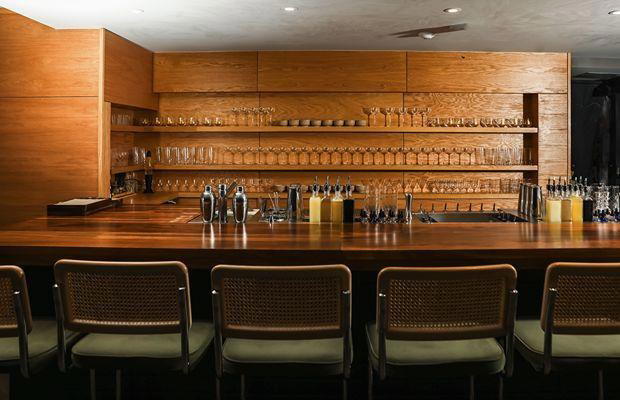


Details
- Sophisticated
- Elegant
- Modern
- Lively
- Date Night
- After Work
- Special Occasion
- Group Dining
- Private Dining
- Craft Cocktails
- A La Carte
- Cocktails
- Wine
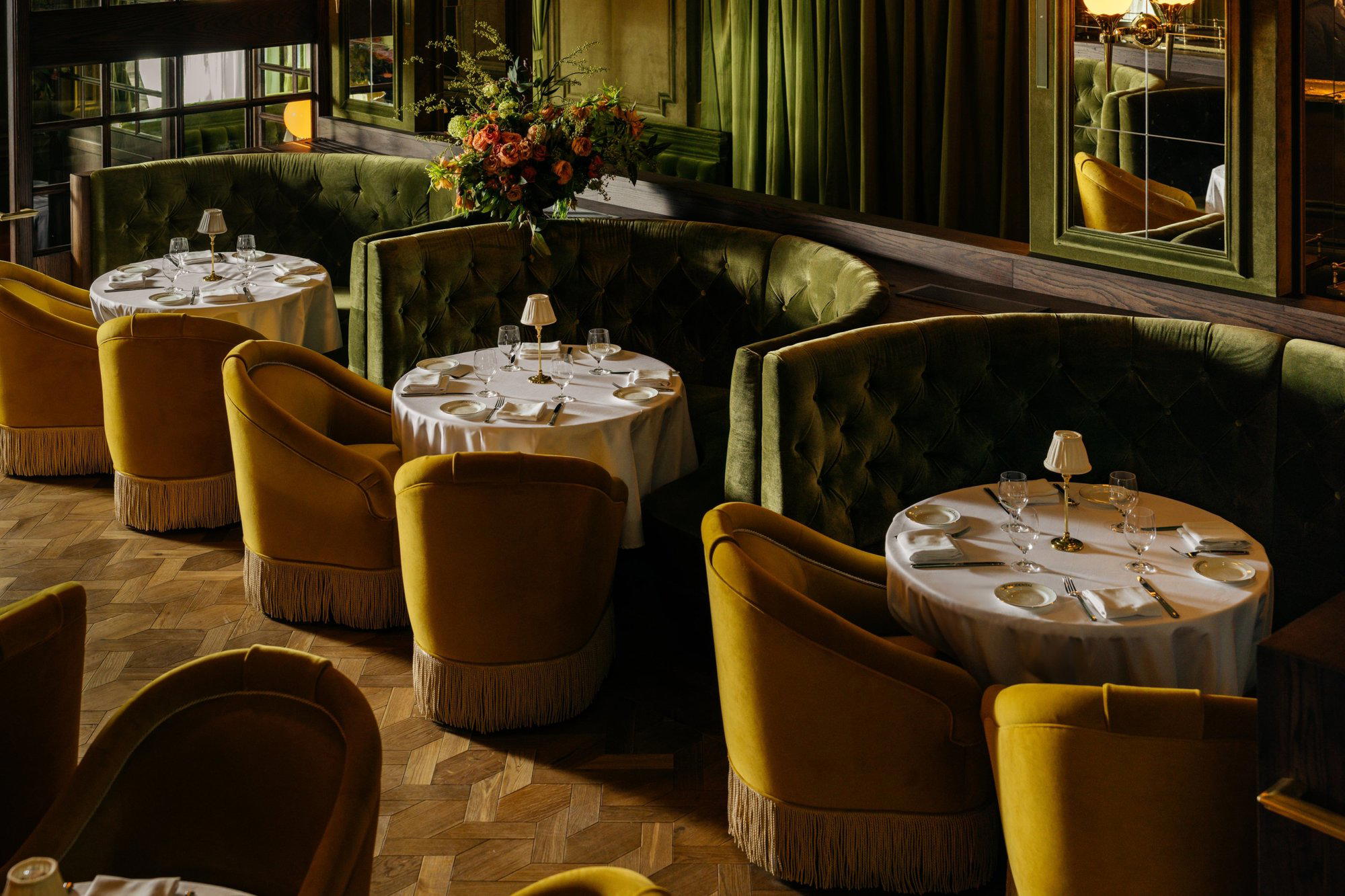
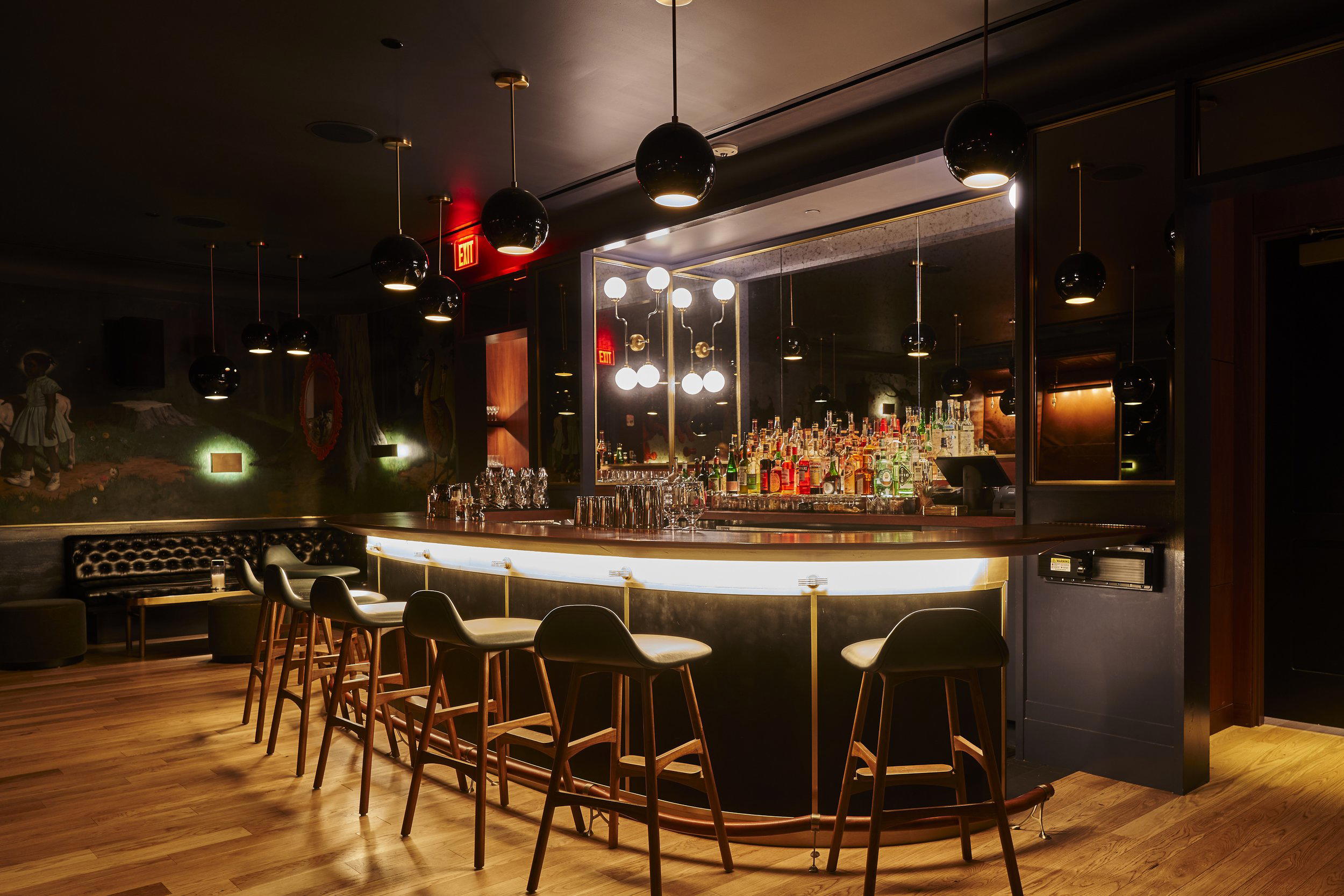
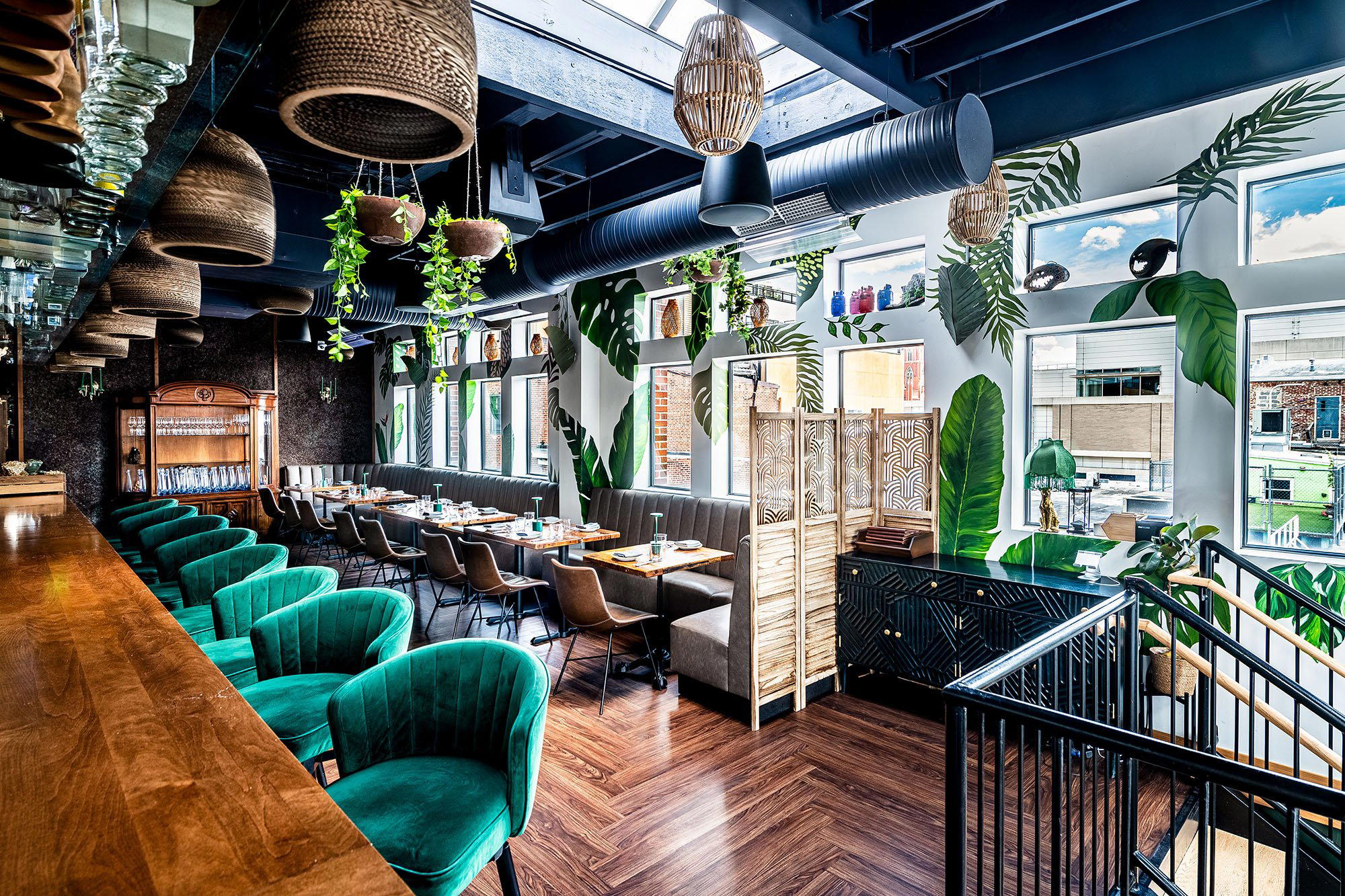
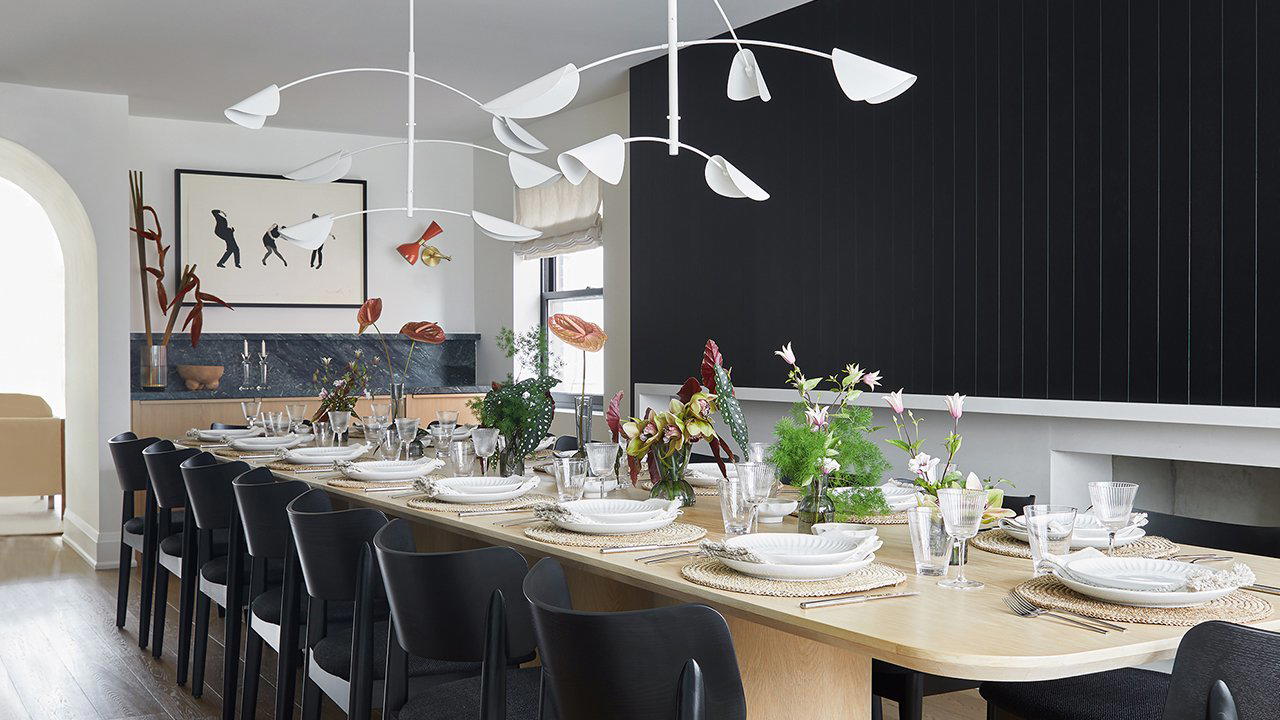
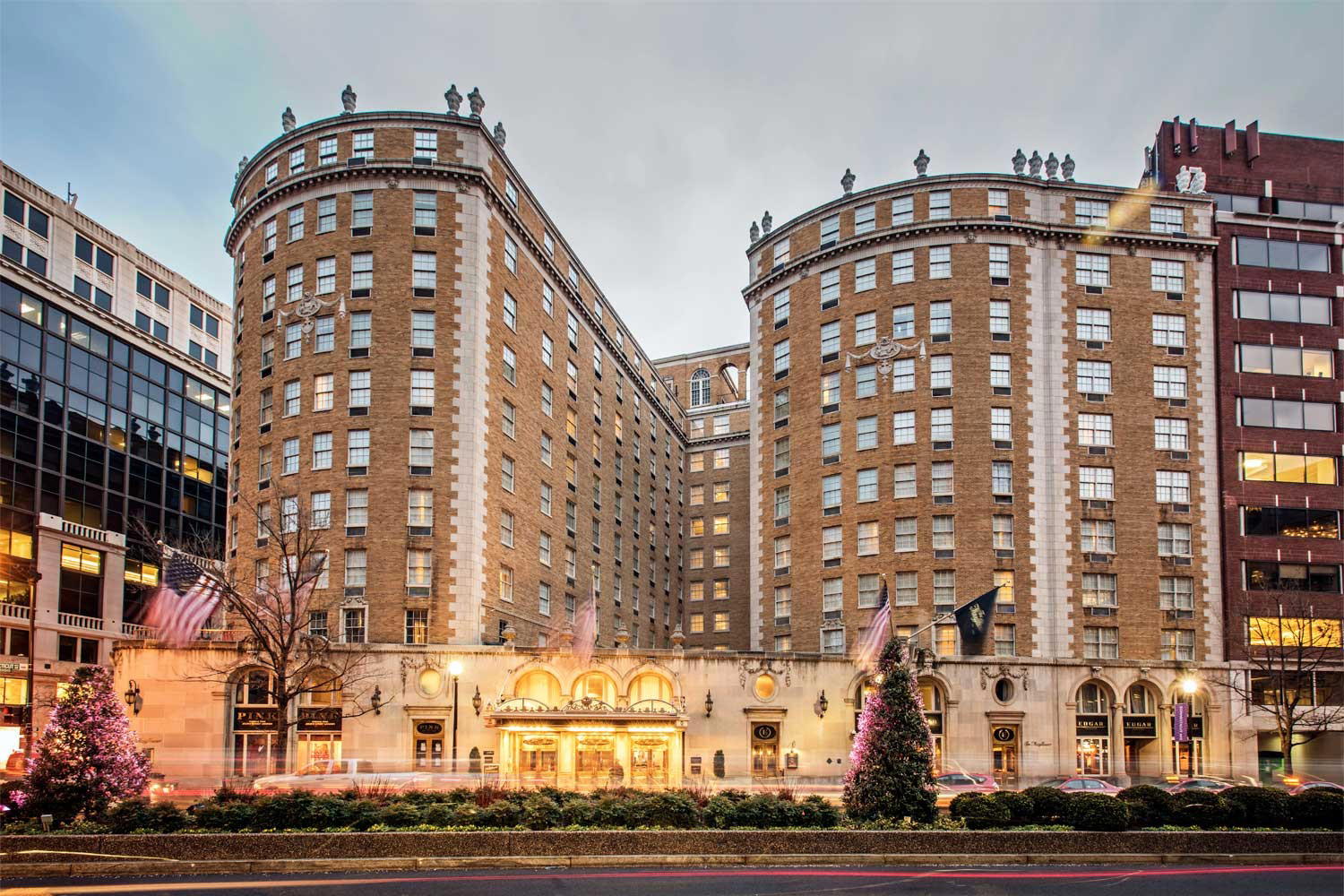
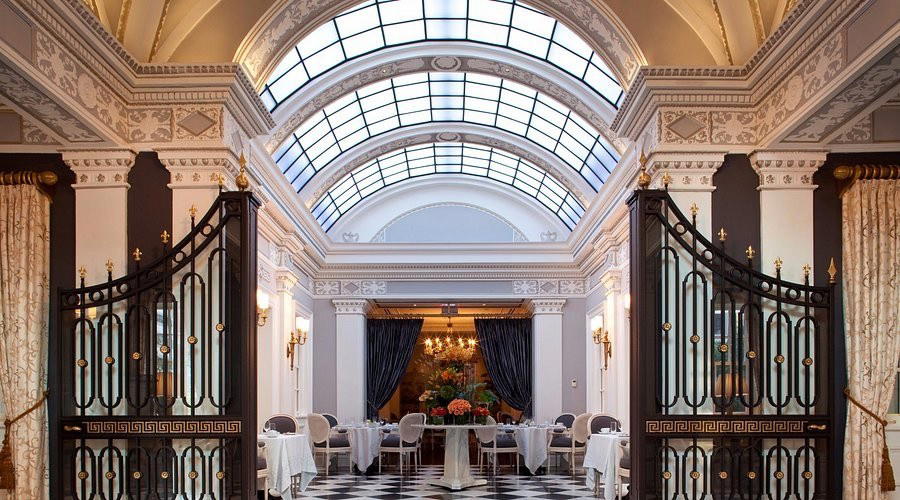
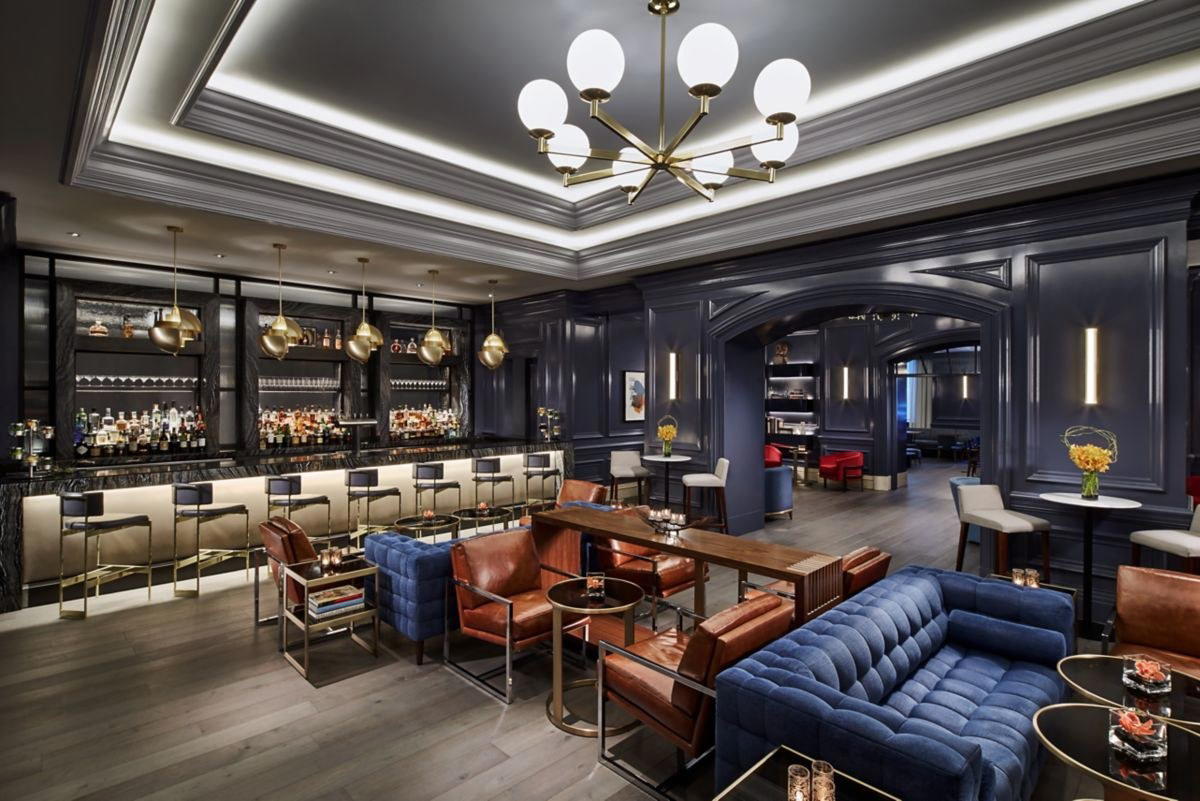
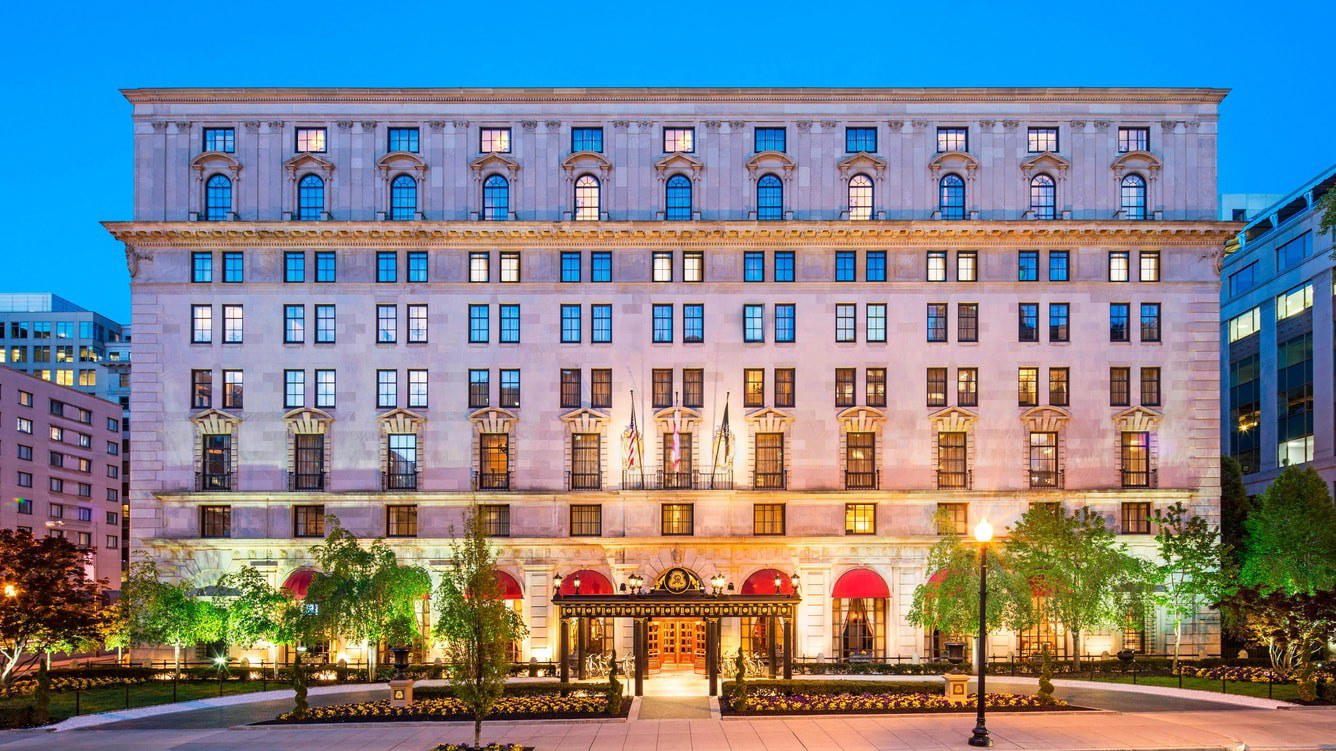
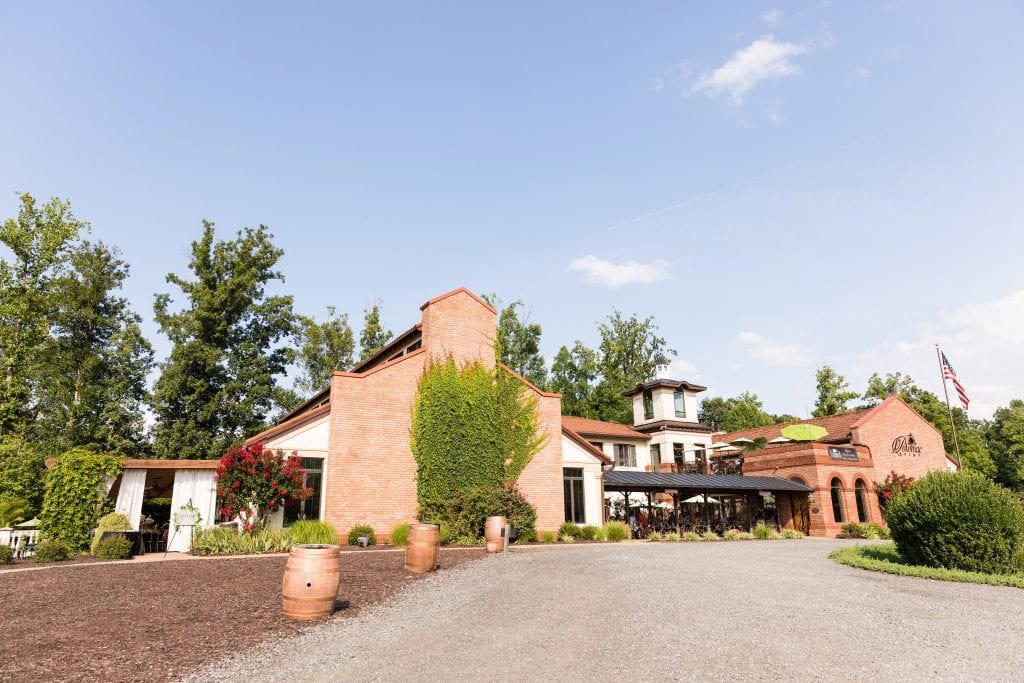
Sophisticated yet warm atmosphere with design elements; dramatic ceilings and refined interior create an upscale but approachable environment suitable for cocktails and dining.