12 Stories
Perched on the 12th floor at 75 District Square SW, 12 Stories occupies one of Washington, D.C.'s more considered bar positions — a rooftop-adjacent format where the city view and the programme share equal billing. The space draws from the broader D.C. trend toward drinks venues where the front-of-house team and bar team operate as a cohesive unit rather than parallel services.

Pearl is the En Primeur Club membership app — saves, bookings, and concierge access live there. Same editors, same standards.
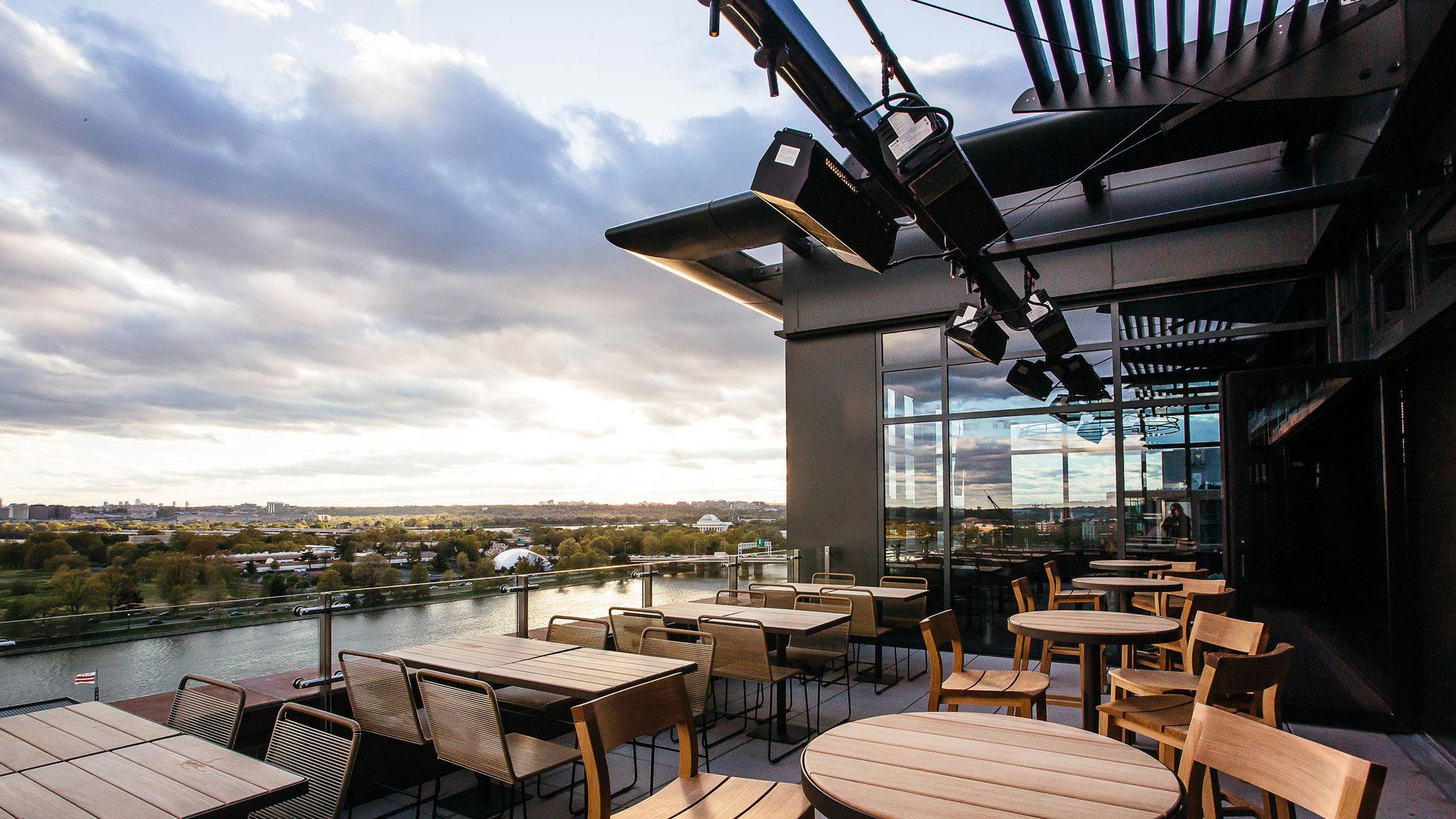
A Floor Above the Noise: D.C.'s Rooftop Bar Tier
Washington, D.C. has developed a distinct upper-floor bar culture over the past decade, driven partly by the city's building height restrictions and partly by a drinking public that expects something beyond the ground-level corner spot. At the higher end of this format, the split is between rooftop spaces that lean on the view as a substitute for programme, and those where the physical position and the drinks operation genuinely reinforce each other. 12 Stories, on the 12th floor at 75 District Square SW in the Southwest Waterfront district, sits in the latter category — a space where elevation is context, not content.
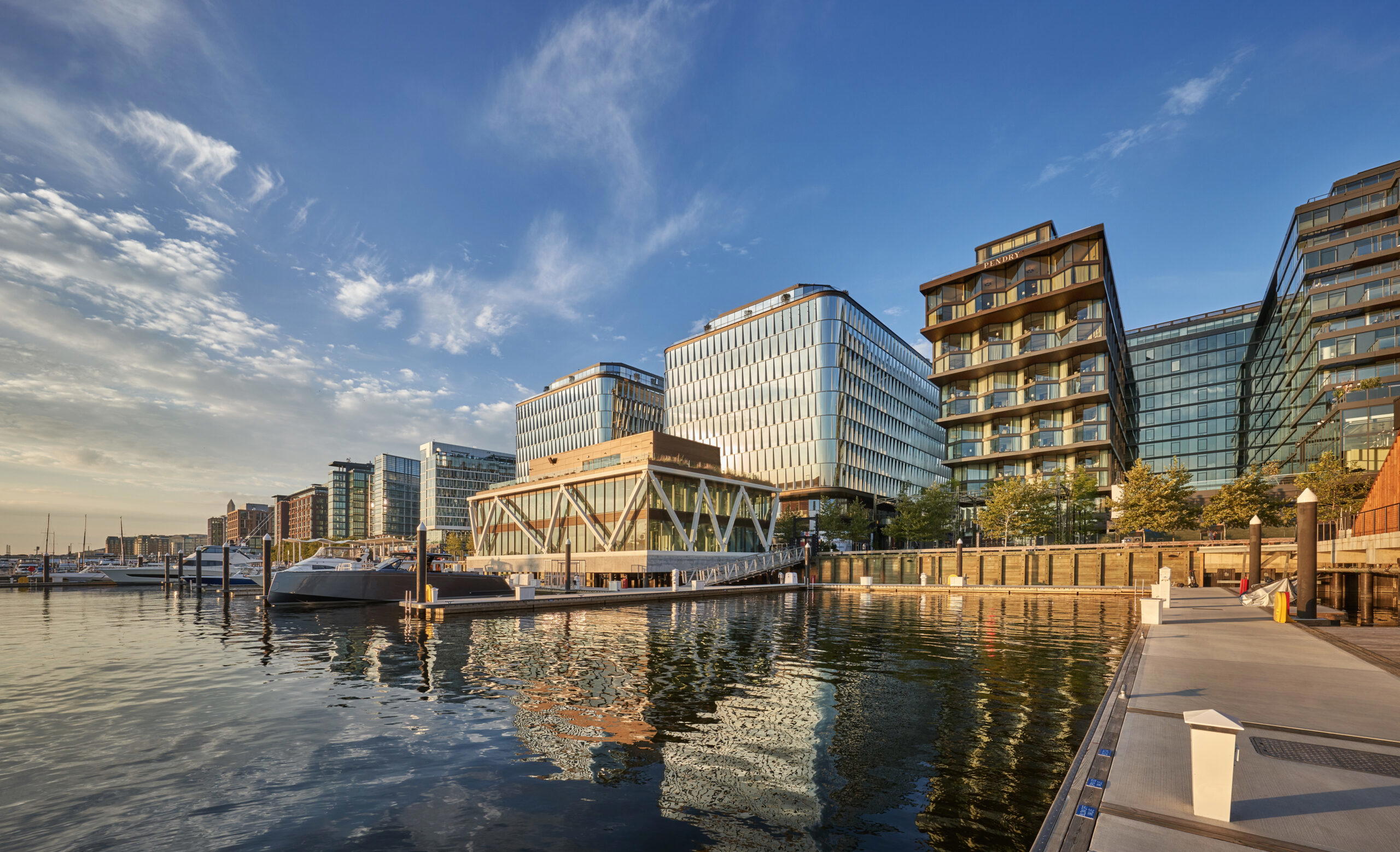
The Southwest Waterfront corridor, anchored by The Wharf development, represents one of the more deliberate neighbourhood transformations in recent D.C. history. What was a largely underserved stretch of waterfront has become a dense concentration of hospitality, and the bar and restaurant programmes that have taken root there are working within a visitor-heavy but increasingly local-loyal environment. For a bar on the 12th floor of a building in that corridor, the challenge is always the same: how do you build a reason to return that doesn't depend entirely on the novelty of the view?
The Service Architecture
In D.C.'s more considered bar programmes — Allegory, Silver Lyan, Service Bar, the front-of-house and bar team dynamic is increasingly the differentiating factor. A technically accomplished drink list means little if the pacing is wrong or if the room reads as indifferent to the guest. The bars that hold repeat business in the city tend to be ones where the handoff between hospitality and craft is managed deliberately: the floor team carries enough drinks knowledge to guide without defaulting to recitation, and the bar team paces production to match the rhythm of the room rather than optimising purely for throughput.
That collaboration model is the operating norm for venues positioning themselves in the premium-casual tier that the Southwest Waterfront has attracted. It requires a front-of-house team trained beyond the transactional, capable of reading table dynamics, adjusting pacing, and selling the programme rather than just delivering it. When it works, the experience of a rooftop bar shifts from a single-occasion destination to somewhere with a genuine return case.
Where 12 Stories Sits in the D.C. Bar Scene
D.C.'s cocktail bar scene has matured considerably since the mid-2010s, when a handful of programmes were doing serious technical work against a backdrop of largely unremarkable hotel bars and neighbourhood staples. The city now supports a layered ecosystem: the reference programmes at the leading, a competent mid-tier doing thoughtful but less ambitious work, and a growing number of view-and-vibe venues that trade primarily on location. The interesting question for any bar in a high-profile physical position is which of those tiers it is actually competing in.
Bars like 1226 36th St NW in Georgetown operate in a very different context, serving a neighbourhood-anchored clientele where the physical setting is residential rather than destination. The comparison is useful: location-led bars succeed through very different mechanisms depending on whether their draw is neighbourhood loyalty or destination gravity. The Wharf gives 12 Stories the latter, a built-in flow of visitors and event-goers, which means the programme needs to convert that foot traffic into something with a longer memory than the view.
For broader D.C. context, our full Washington, D.C. restaurants guide maps the city's dining and drinking scene by neighbourhood and tier.
The National Comparison Set
Across the United States, the rooftop and upper-floor bar format has produced a wide range of outcomes. The ones that have earned sustained recognition tend to share a common characteristic: the physical position is treated as one element of the experience rather than its organising principle. Bar Leather Apron in Honolulu operates in a comparably high-traffic city with a strong tourist draw, and has built credibility through programme depth rather than setting. Kumiko in Chicago demonstrates what happens when the service architecture, the coordination between floor, bar, and kitchen, is treated as a design problem rather than an operational afterthought.
Further south, Jewel of the South in New Orleans and Julep in Houston have both built reputations on a hospitality-first model where the front-of-house philosophy is as deliberate as the drinks list. On the West Coast, ABV in San Francisco has held a position in the serious bar tier through a similar discipline. In New York, Superbueno represents a different approach: high-energy, format-forward, with service designed around the energy of the room rather than quiet technical credibility. And internationally, The Parlour in Frankfurt shows how the collaboration model between bar and floor teams translates across markets and hospitality cultures.
The pattern across these references is consistent: the bars that sustain attention beyond their opening period are the ones where the team dynamic produces something the physical space alone cannot deliver.
Visiting 12 Stories: Practical Considerations
12 Stories occupies the 12th floor of its building at 75 District Square SW, putting it in the heart of The Wharf's hospitality cluster. The Southwest Waterfront is served by the Waterfront Metro station on the Green Line, making it accessible from most parts of the city without a car. Given the neighbourhood's event calendar, concerts at The Anthem, programming along the pier, timing a visit to avoid major event nights will generally produce a better experience if the bar itself, rather than the surrounding energy, is the point. Booking ahead is advisable on weekends and during peak season, when the waterfront draws the kind of traffic that fills upper-floor venues quickly. Specific hours, current booking method, and pricing are best confirmed directly with the venue before visiting.
Cost and Credentials
| Venue | Price | Awards |
|---|---|---|
| 12 StoriesThis venue (the venue you are viewing) | $50–100 | Not listed |
| Allegory | $30–50 | World's 50 Best #57 · Pinnacle Guide 2 Pins |
| Service Bar | $30–50 | World's 50 Best #39 · James Beard Award Semi Finalist |
| Barmini | $50–100 | Not listed |
| Eebee’s Corner Bar | $20–30 | Not listed |
Continue exploring
More in Washington DC
Bars in Washington DC
All bars in Washington DC →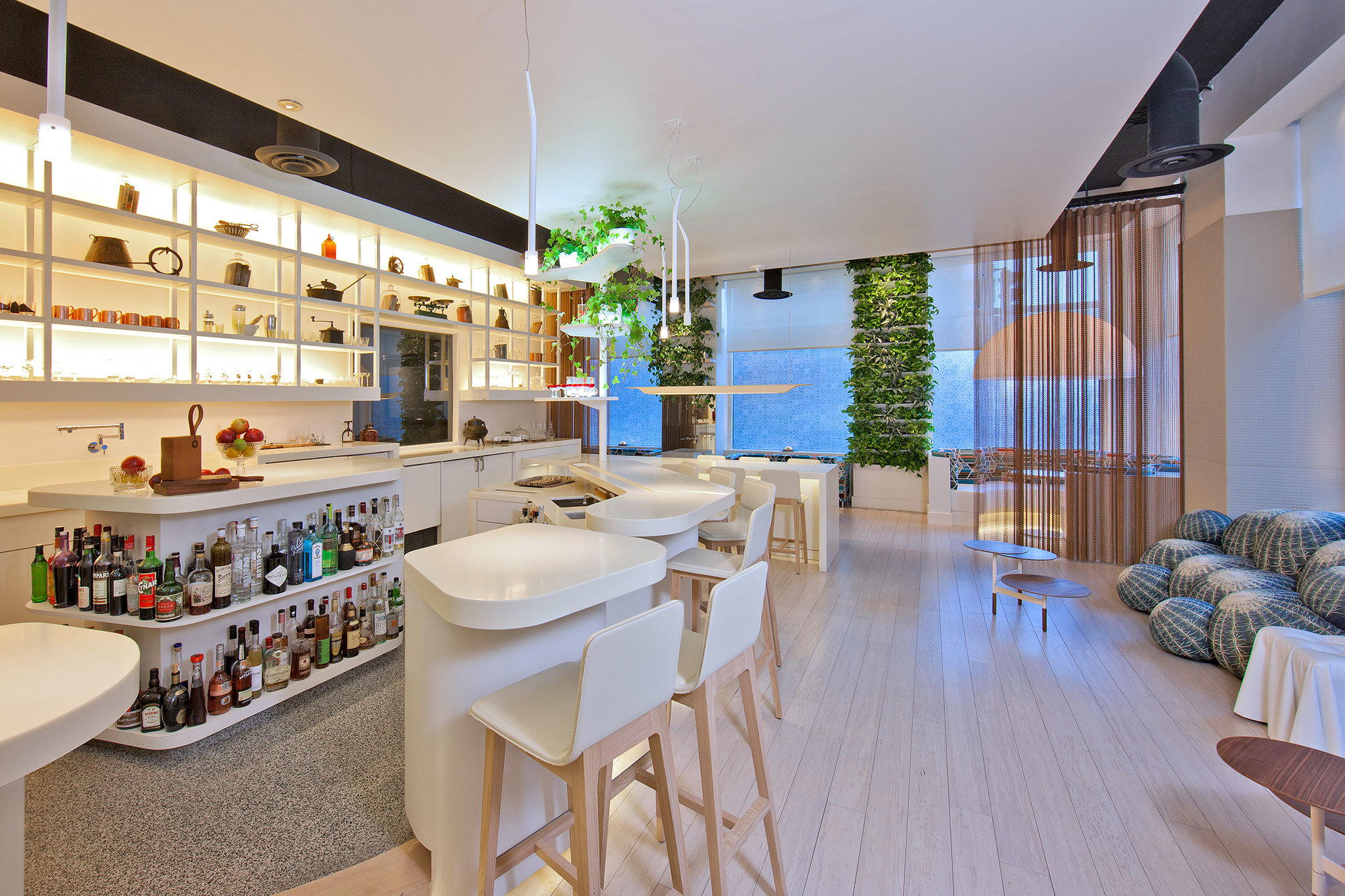
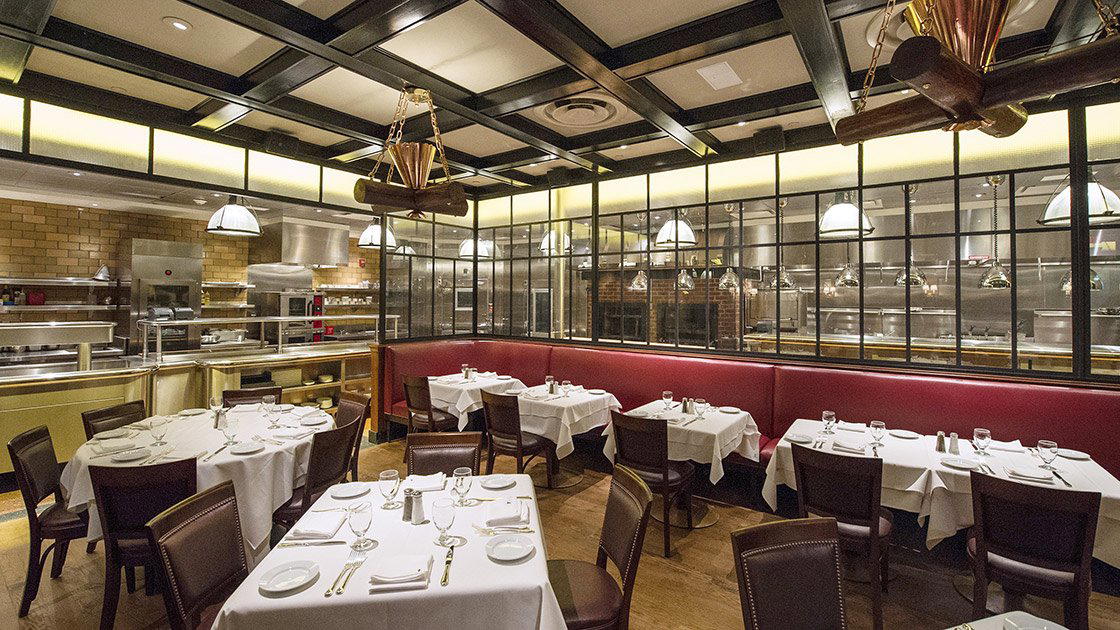
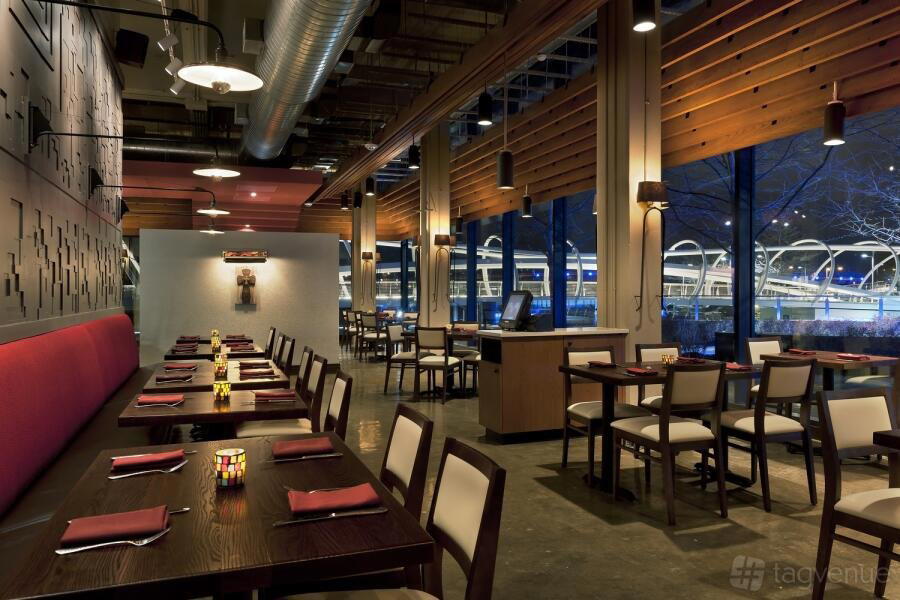
Restaurants in Washington DC
All restaurants in Washington DC →
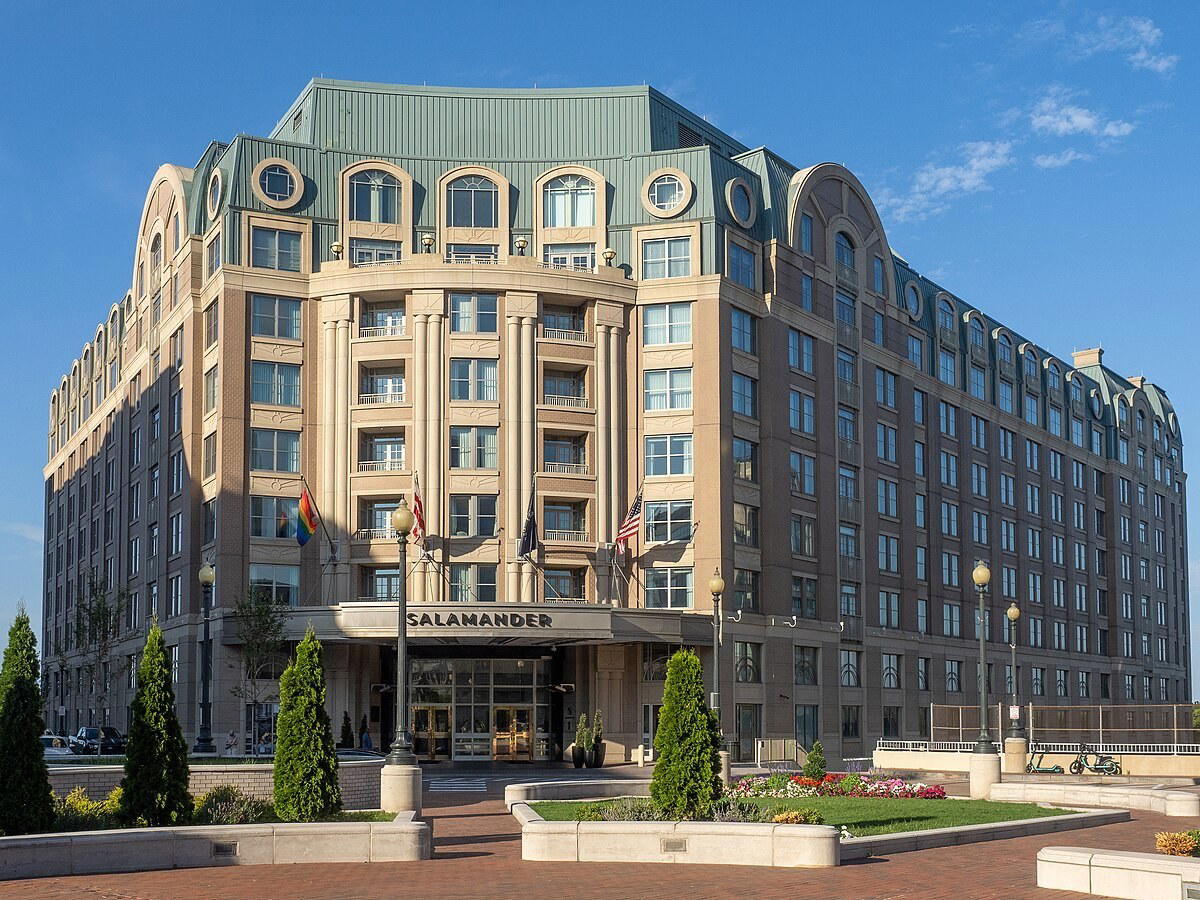
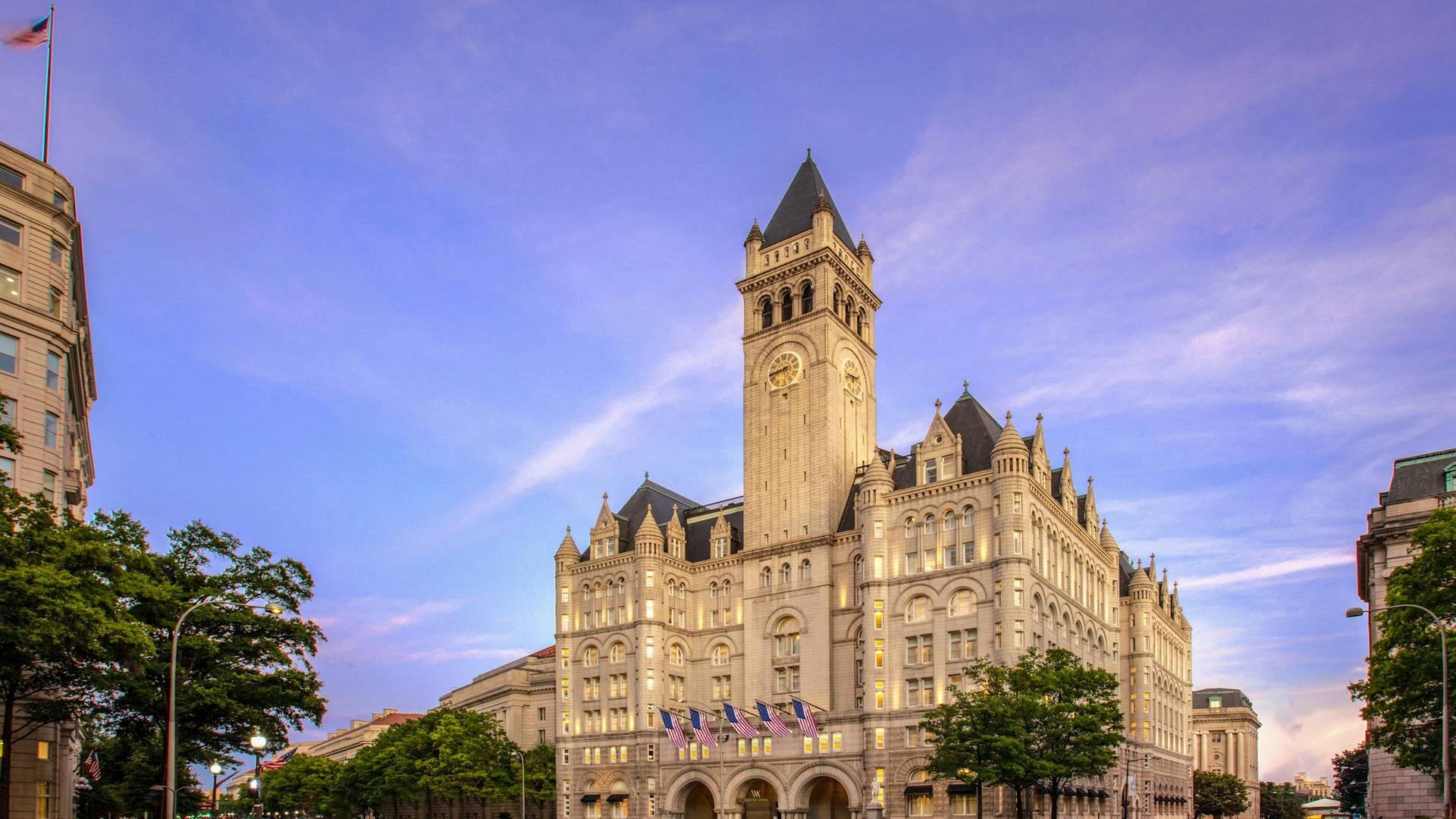
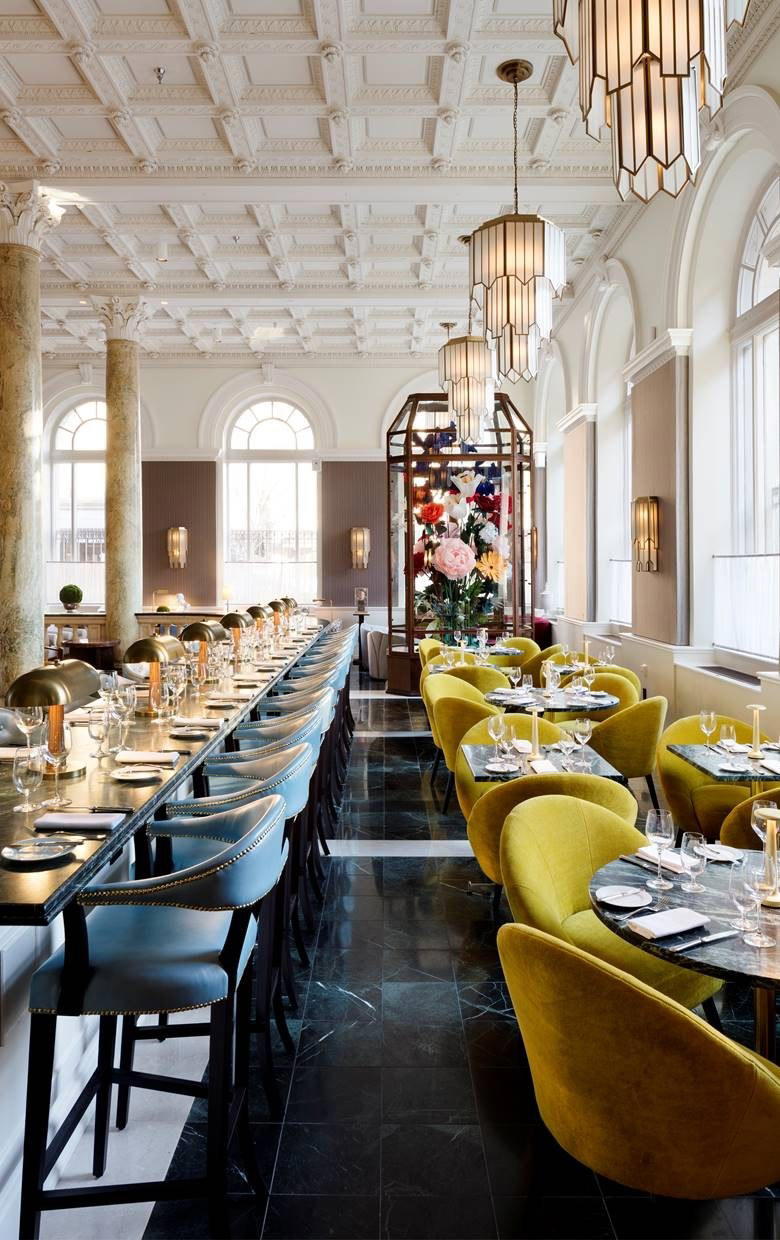
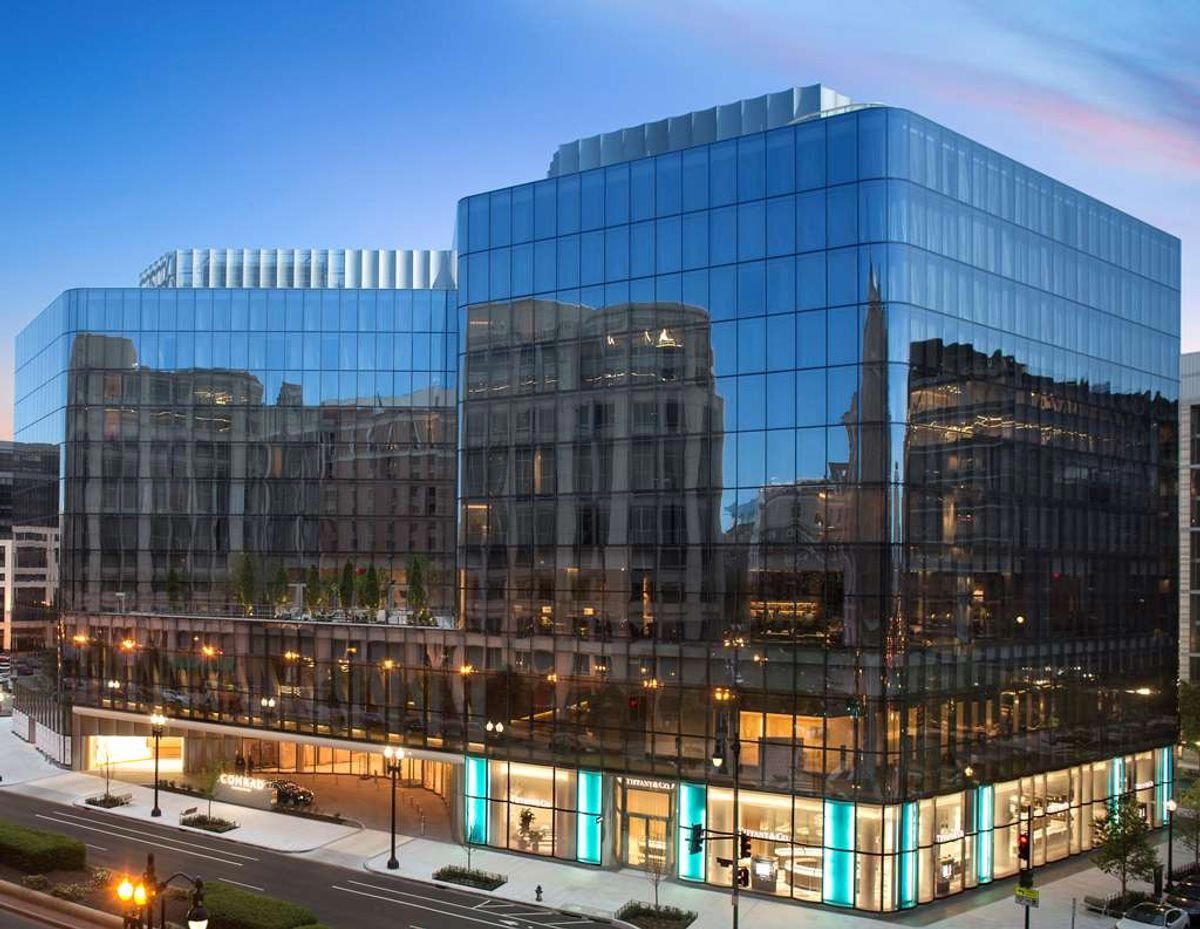
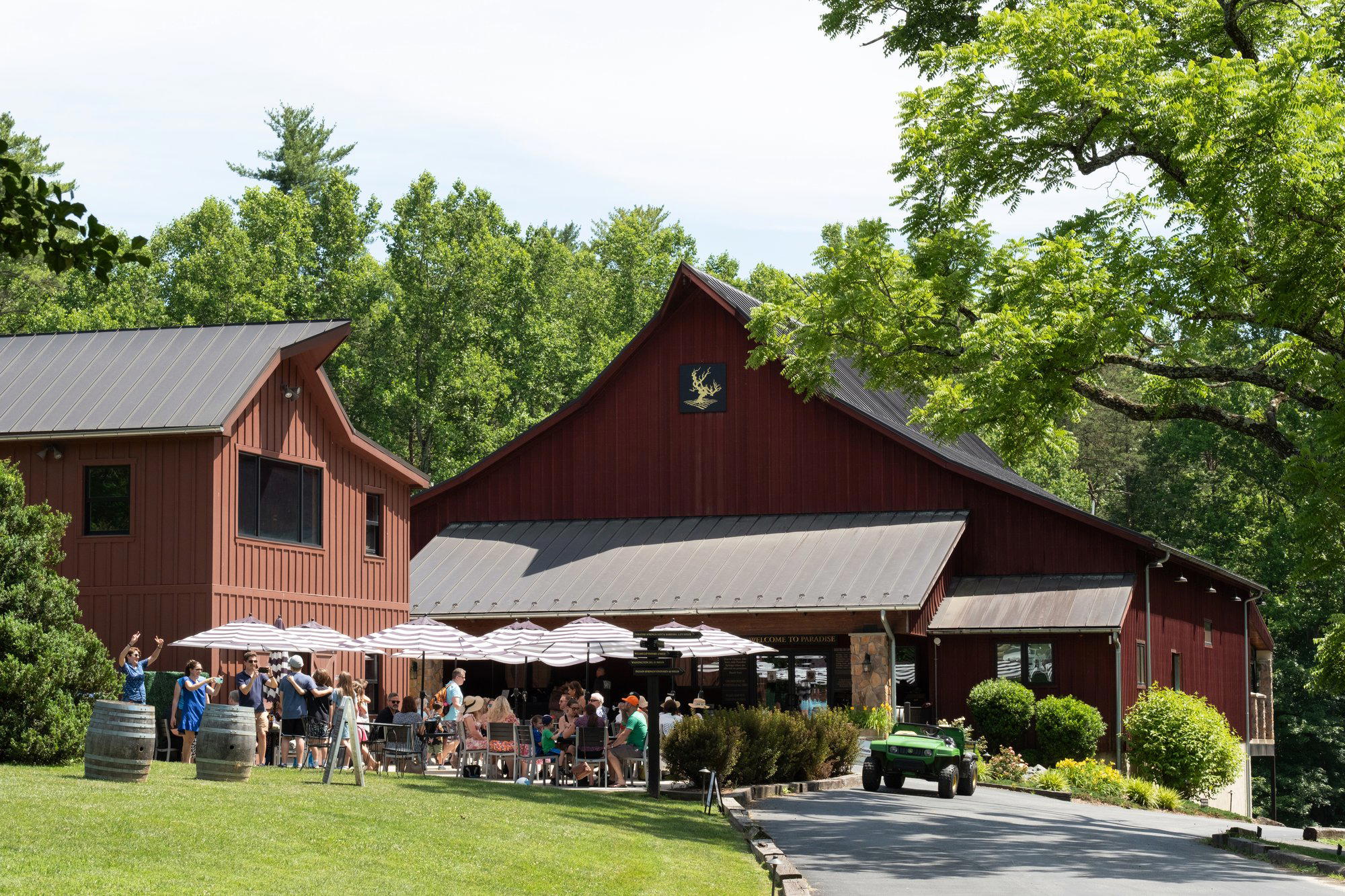
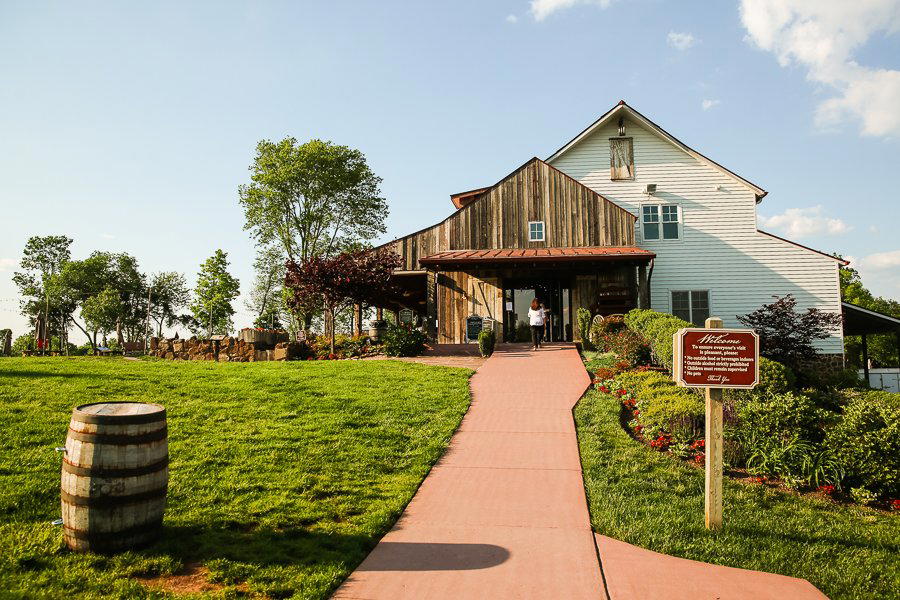
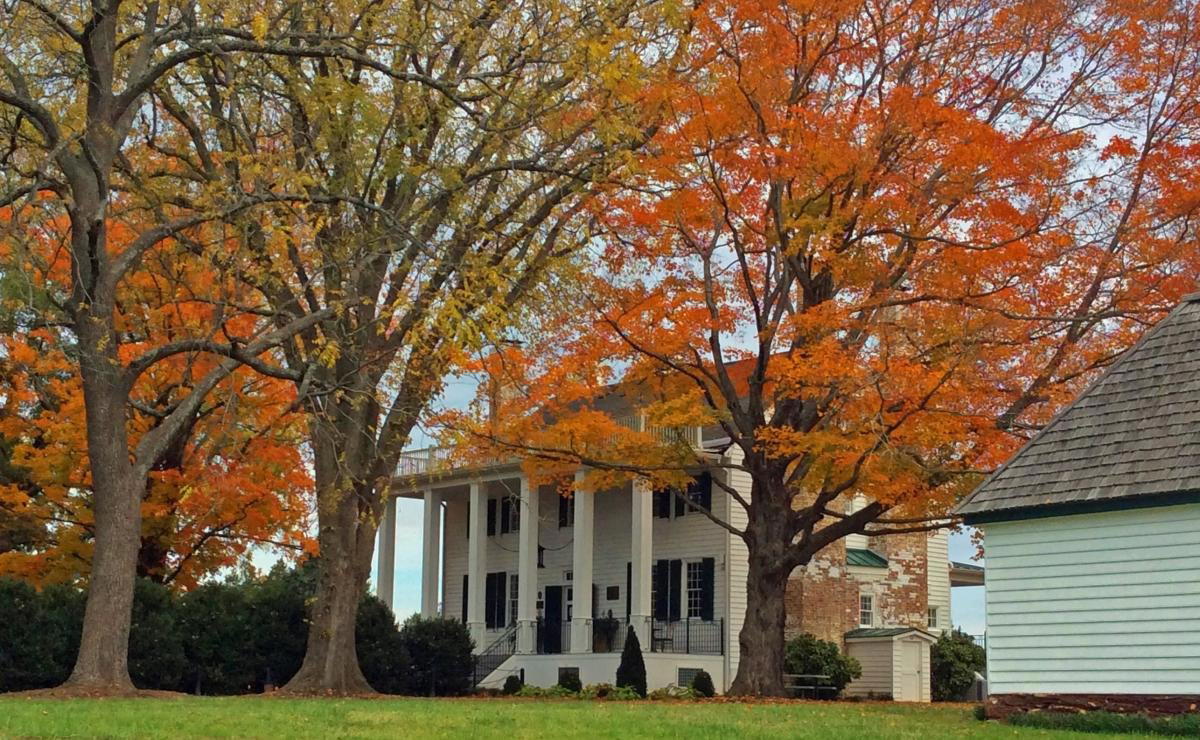
12 Stories
The wine
- Wine program
- Curated wine list
- Craft cocktails
- Classic cocktails
- Zero-proof drinks
Signature drinks: Codigo Margarita, GG Manhattan.
Details
- Modern
- Trendy
- Sophisticated
- Elegant
- Date Night
- Late Night
- Celebration
- Rooftop
- Panoramic View
- Lounge Seating
- Outdoor Terrace
- Craft Cocktails
- Classic Cocktails
- Zero Proof
- Skyline
- Waterfront
Current opening hours
- Monday
- Closed
- Tuesday
- Closed
- Wednesday
- 4 PM–12 AM
- Thursday
- 4 PM–12 AM
- Friday
- 4 PM–2 AM
- Saturday
- 3 PM–2 AM
- Sunday
- 3–10 PM
Hours can change for holidays and private events. Last verified .
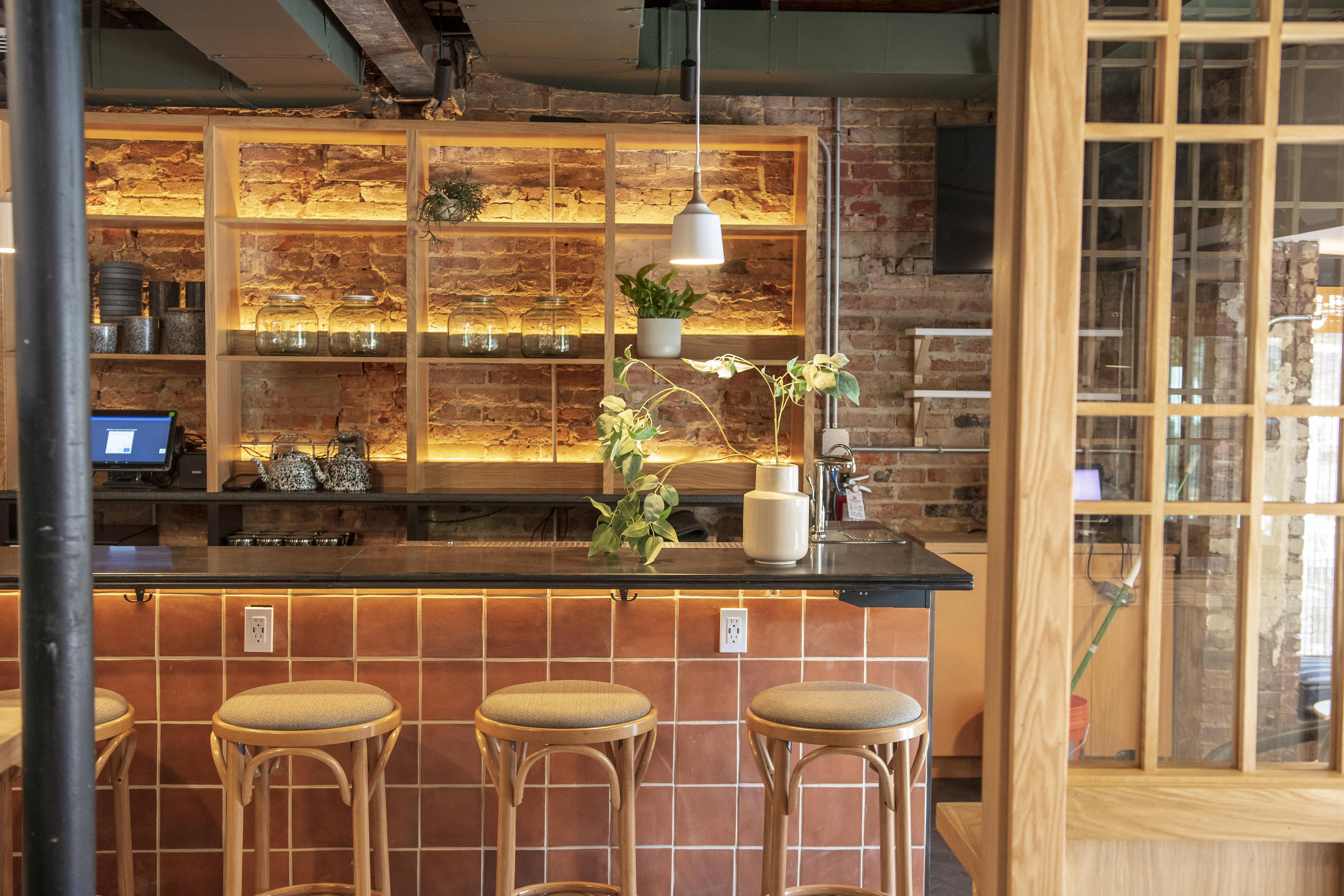
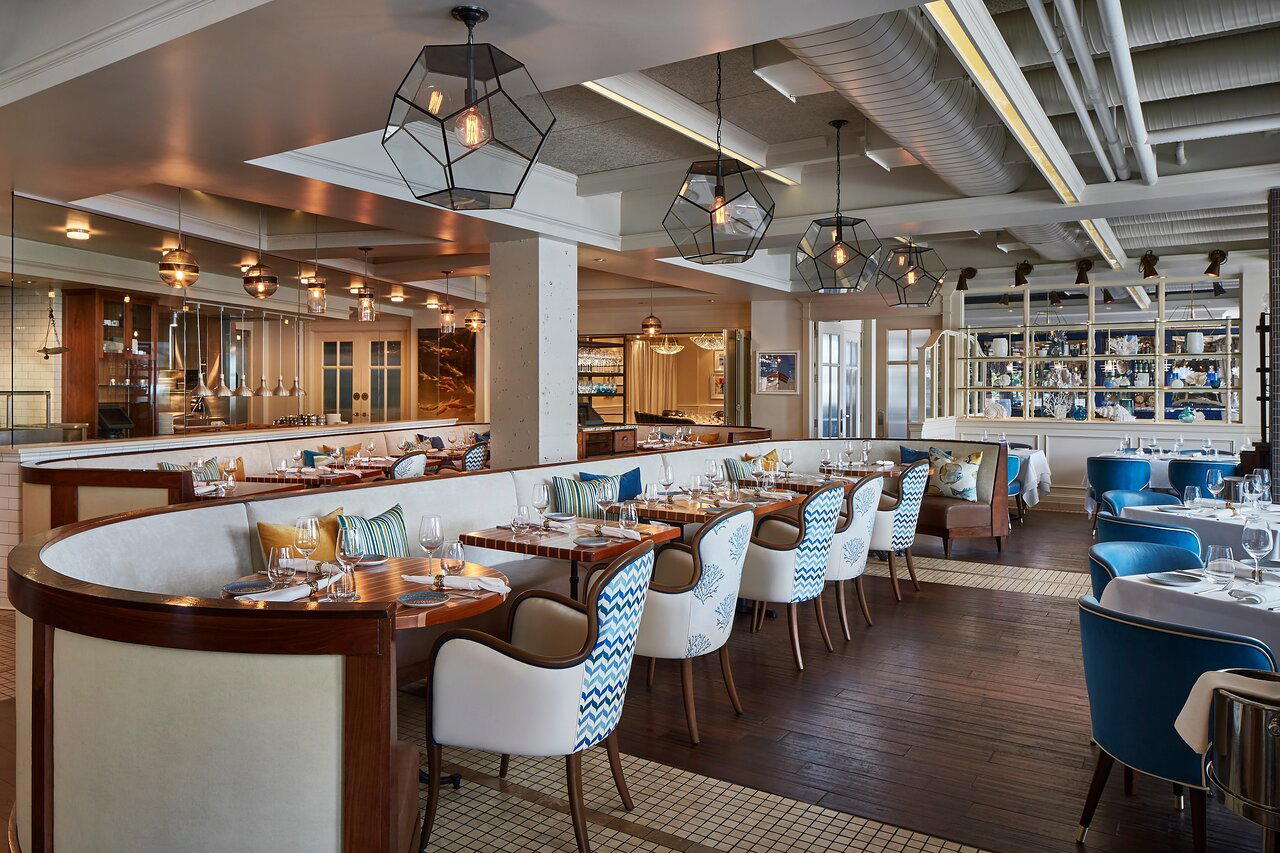
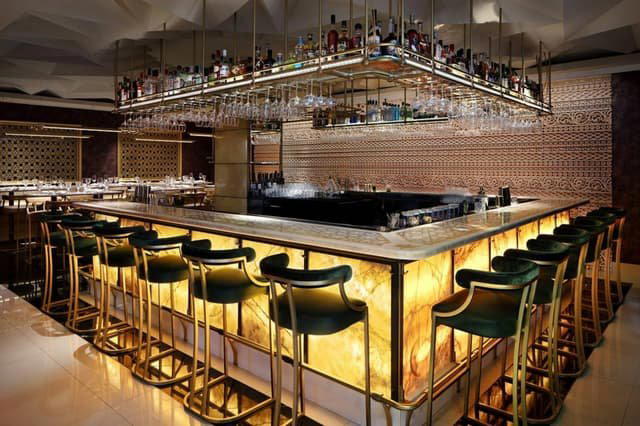
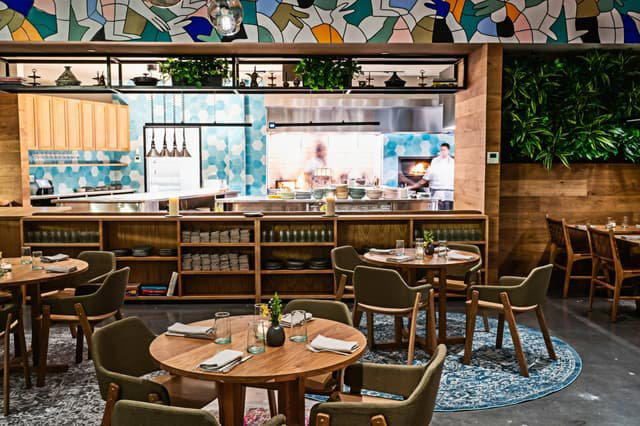
Industrial-chic design with concrete flooring, wired pendulum lighting, velvet, marble, leather and wood furniture, and glamorous indoor lounge with floor-to-ceiling windows.