Agua 301
Agua 301 sits along Washington D.C.'s Southeast waterfront at 301 Water St SE, a stretch of the city that has shifted from industrial neglect to one of its most actively redeveloped dining corridors. The restaurant's position on the water places it within a broader movement reshaping how the capital eats and gathers along the Anacostia riverfront.
Pearl is the En Primeur Club membership app — saves, bookings, and concierge access live there. Same editors, same standards.
- Address
- 301 Water St SE, Washington, DC 20003
- Phone
- +12024840301
- Website
- agua301.com
 Saves & bookings on Pearl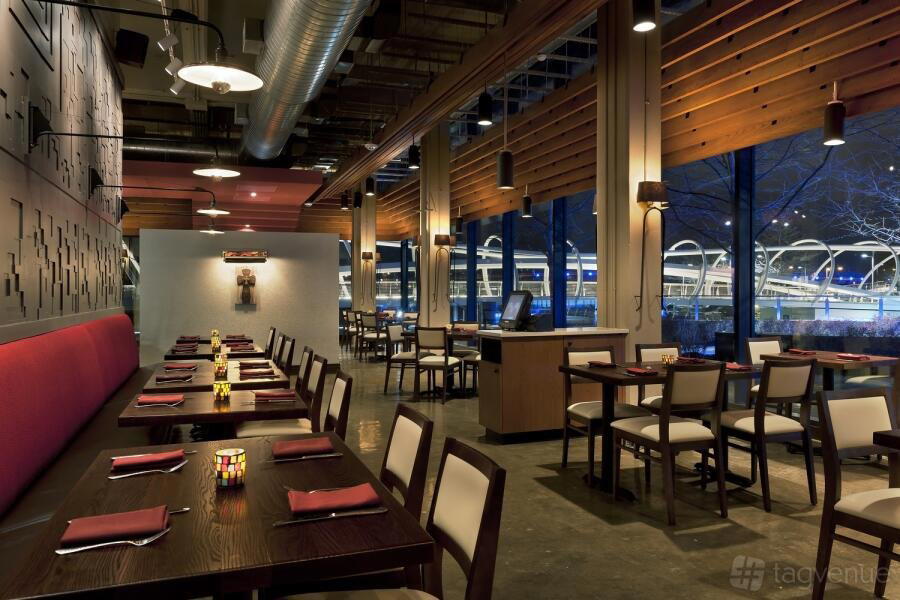
The Southeast Waterfront and What It Signals
Agua 301 is a Modern Mexican restaurant in Washington, D.C., at 301 Water St SE, with a Google rating of 4.0 and an average price of about $35 per person. Washington D.C.'s relationship with its waterfront has never been direct. For decades, the Southeast corridor along the Anacostia was a stretch the city largely ignored at the table, industrial, transit-adjacent, and well outside the orbit of Georgetown dining rooms or the Penn Quarter restaurant clusters that defined the capital's culinary ambitions. That calculus has changed. The Wharf development transformed the Southwest waterfront first, and the momentum pushed east toward Water Street SE, where a new generation of restaurant concepts have taken positions along the water's edge.
Agua 301, at 301 Water St SE, occupies that emerging geography. The address is not incidental, it places the restaurant within a neighbourhood that is actively redefining itself, where the dining scene skews toward a particular kind of ambition: accessible enough to draw the Navy Yard crowd arriving from Nationals Park, serious enough to hold its own against the wider D.C. restaurant conversation. That dual positioning is harder to execute than it sounds, and it shapes the kind of experience a waterfront address in this part of the city tends to produce.
Water as Setting, Not Just Address
In cities with mature waterfront dining cultures, think the Ferry Building district in San Francisco or the harbor-adjacent dining in Baltimore's Inner Harbor, the physical relationship between water and table carries real weight. The view does editorial work. It sets the pace of a meal, softens the formality of service, and gives a restaurant a built-in anchor for its identity that no amount of interior design fully replicates.
Southeast D.C.'s Water Street is still building that mythology. The restaurants along this stretch are, in a sense, writing the script for what a D.C. waterfront dining experience should feel like. Agua 301 is part of that first generation, arriving before the neighbourhood has fully settled into its identity, which is a position that carries both opportunity and expectation. Diners who make the trip from Capitol Hill, from Logan Circle, or from across the river in Virginia are not just choosing a restaurant; they are choosing to engage with a part of the city in active transformation.
Where Agua 301 Sits in the D.C. Scene
Washington D.C.'s restaurant scene has matured significantly over the past decade. The city now holds serious representation across the price and ambition spectrum, from the tasting-menu formalism of Jônt and the avant-garde register of minibar at the leading end, to the neighborhood-anchored sustainability work at Oyster Oyster and the Peruvian precision of Causa, to the fire-driven Middle Eastern cooking at Albi. That range means a new entry in Southeast has a crowded field to position against.
Waterfront restaurants in this context tend to occupy a specific niche: they draw on the energy and accessibility of a destination neighbourhood while competing against dining rooms with deeper critical credentials elsewhere in the city. The comparable set is less about cuisine type and more about the kind of diner experience the location enables, one where the journey to the restaurant is part of the evening, where the room's relationship to its surroundings matters as much as what arrives at the table.
For broader context on how D.C.'s dining corridors compare nationally, consider that the city now sits in the same serious conversation as destinations like Le Bernardin in New York City, Lazy Bear in San Francisco, Alinea in Chicago, and Providence in Los Angeles, cities where neighborhood-specific dining culture has developed its own gravitational pull. D.C. is building that same kind of neighborhood specificity block by block, and the Southeast waterfront is one of the more active fronts in that process.
The Navy Yard Effect on Dining
The Navy Yard neighbourhood's transformation has been driven substantially by the presence of Nationals Park and the residential development that followed it. That context matters for understanding what restaurants in the area are optimized for. A Tuesday night in this corridor looks different from a game-day Saturday, and the best-positioned restaurants in the area are built to handle both registers, the casual post-game crowd and the deliberate midweek dinner reservation.
This is a dynamic shared by waterfront dining in other American cities. Emeril's in New Orleans and Addison in San Diego both operate in neighbourhoods where the dining room must speak to a local regulars base while remaining legible to visitors. The Southeast D.C. corridor is developing that same dual audience, and Agua 301's Water Street position places it at the centre of that negotiation.
Planning a Visit
Reaching Agua 301 at 301 Water St SE is direct by Metro: the Navy Yard-Ballpark station on the Green Line puts the restaurant within easy walking distance, and the route from the station along the waterfront is part of the experience in warmer months. Given the neighbourhood's event calendar around Nationals Park, timing matters, evenings without a home game tend to allow for a more deliberate pace, both in the restaurant and in the neighbourhood itself. Diners coming from across the city or from Virginia via the 11th Street Bridge corridor will find parking options in the surrounding development, though weekend evenings around game days compress availability considerably.
For visitors building a D.C. itinerary around serious dining, Agua 301 pairs logistically with other Southeast and Capitol Hill options.
- Fish Tacos
- Fried Pork Belly al Pastor
- Chicken Tinga
- Enchiladas
- Yucca Fries
- Beef Barbacoa Tacos
- Short Rib Mole
Cuisine and Credentials
Comparable venues nearby, for context on price, style, and recognition.
| Venue | Cuisine | Price | Awards | Notes |
|---|---|---|---|---|
| Agua 301This venue — the venue you are viewing | Modern Mexican | $$ | , | |
| Ruben's Dupont Circle | Authentic Mexican | $$ | , | Dupont Circle |
| Guapo's | Mexican Cocina Mexicana | $$ | , | Tenleytown |
| Lucha Rosa | Modern Mexican Rooftop Taqueria | $$ | , | Shaw |
| The Well Dressed Burrito | Southwestern Burritos | $ | , | Dupont Circle |
| Milk & Honey - The Wharf | Southern Inspired Kitchen | $$ | , | Southwest Waterfront |
Continue exploring
More in Washington DC
Restaurants in Washington DC
Browse all →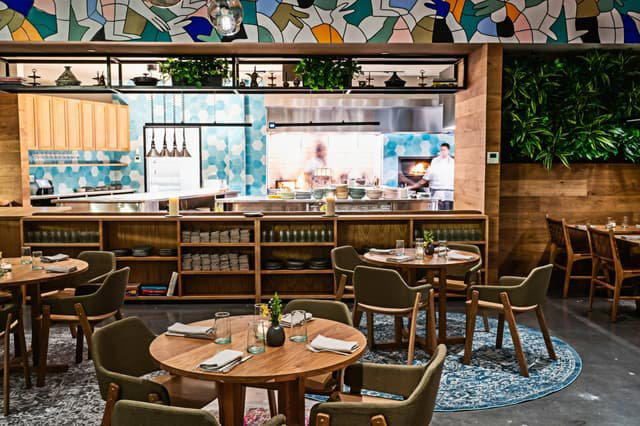
Bars in Washington DC
Browse all →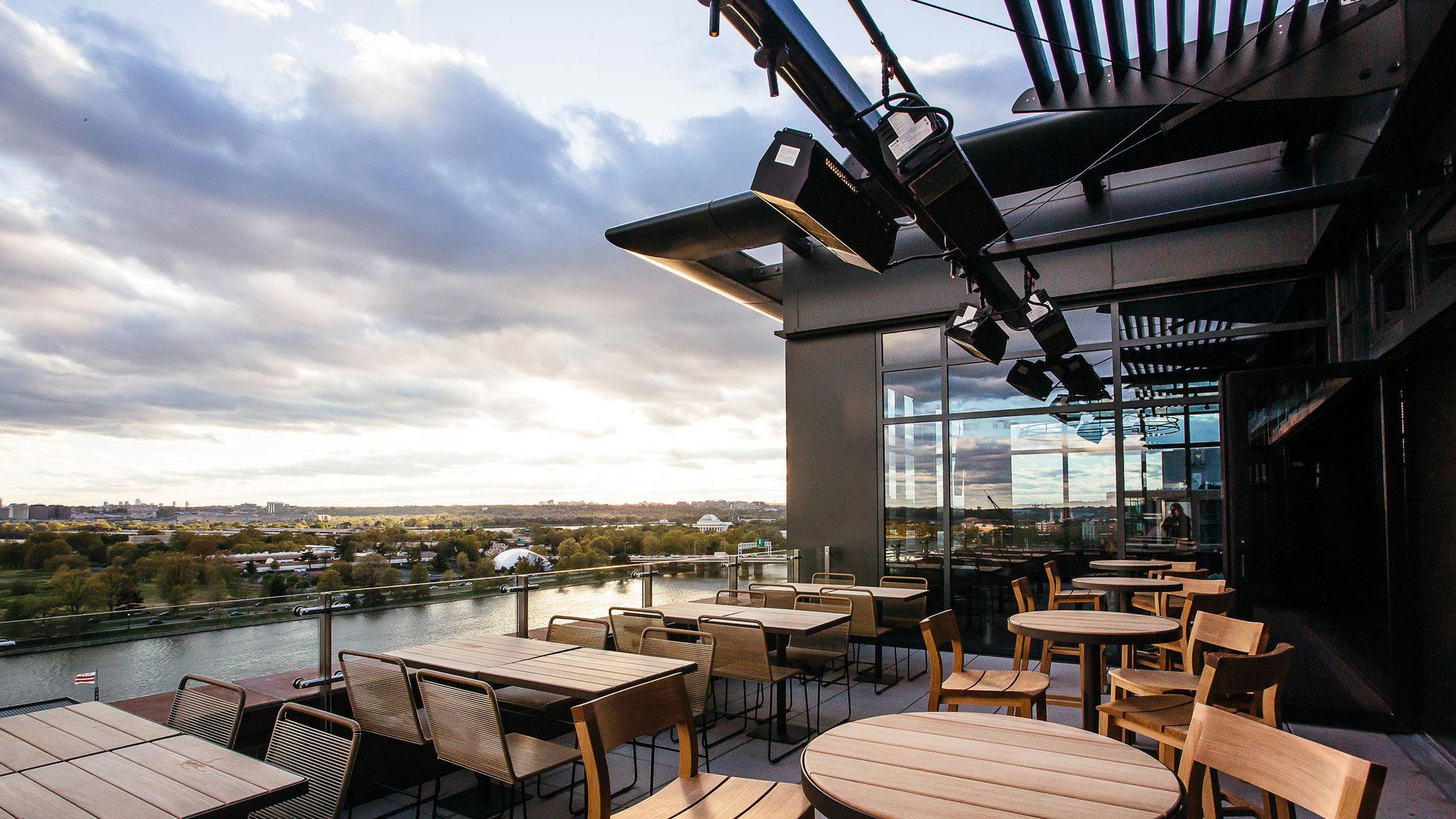
Hotels in Washington DC
Browse all →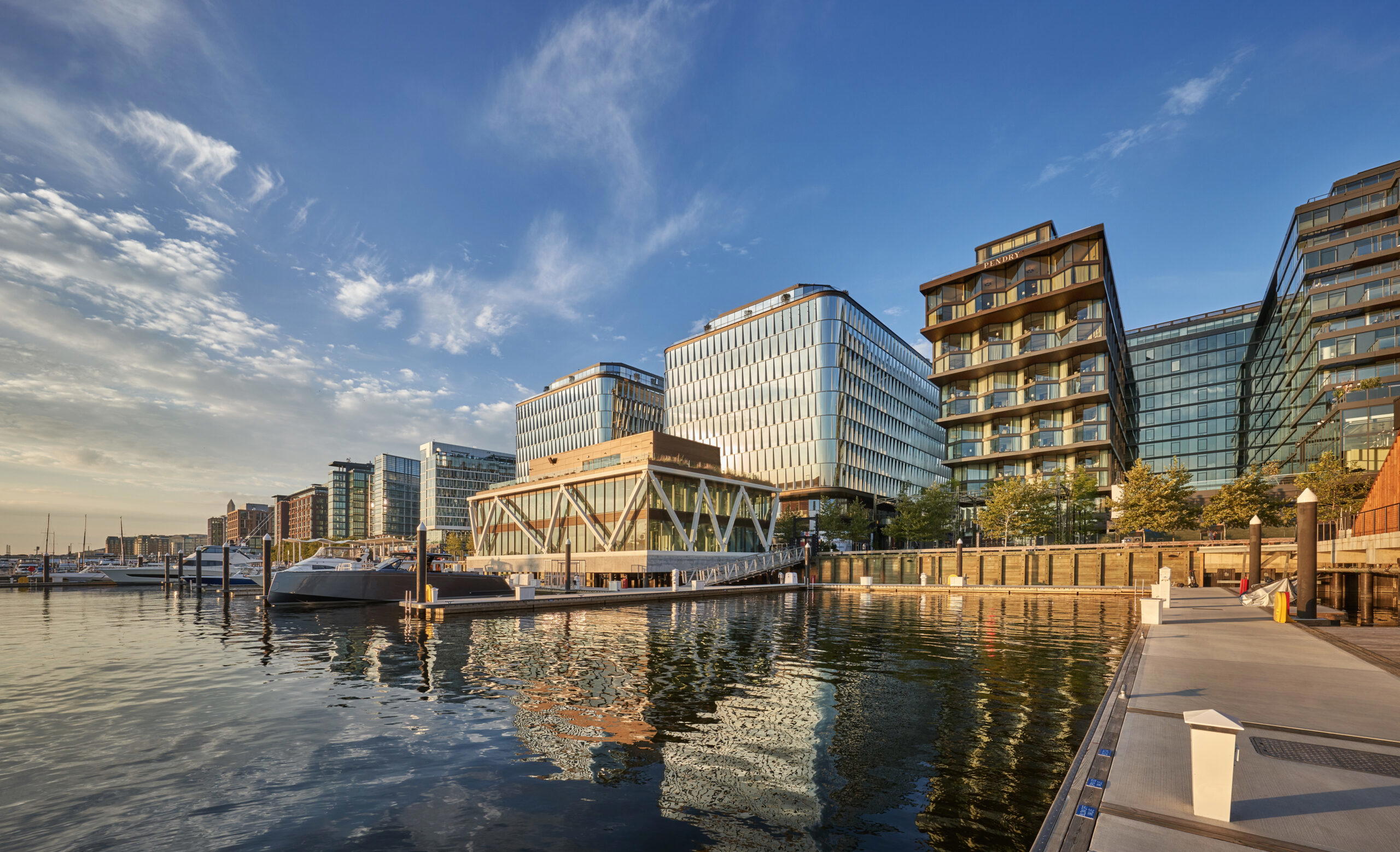
At a Glance
- Lively
- Modern
- Scenic
- Energetic
- Casual Hangout
- Date Night
- Group Dining
- After Work
- Brunch
- Waterfront
- Terrace
- Open Kitchen
- Craft Cocktails
- Beer Program
- Waterfront
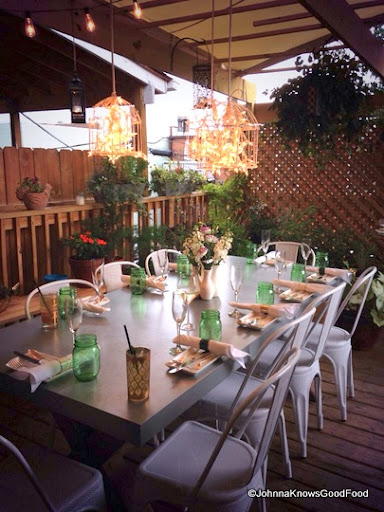
Hip and lively atmosphere with beautiful park setting, expansive river views, and both indoor and outdoor patio seating creating a vibrant urban waterfront dining experience.
- Fish Tacos
- Fried Pork Belly al Pastor
- Chicken Tinga
- Enchiladas
- Yucca Fries
- Beef Barbacoa Tacos
- Short Rib Mole