Lucky Danger

Washingtonian 100 Very Best Restaurants #21
Our verdict
Lucky Danger belongs to Washington’s compact, high-output Chinatown/Penn Quarter dining corridor, where fast-casual formats, office traffic, and serious cooking often overlap. Its No. 21 placement on Washingtonian’s 100 Very Best Restaurants 2026 list puts it in conversation with the city’s more established dining rooms, not just quick-service neighborhood options.

Pearl is the En Primeur Club membership app, where members save venues, book tables and use the concierge.
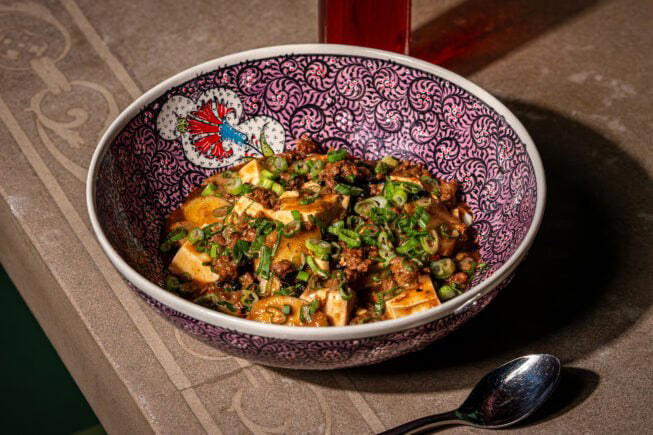
The menu
What to order
- General Tso’s Chicken
- Beef & Broccoli
- Crab Rangoon
- Cashew Chicken
Approaching Washington, D.C. the dining rhythm changes quickly: museums and federal buildings give way to lunch counters, pre-theater tables, and restaurants built for diners who may have limited time or a full evening. Lucky Danger fits that compressed urban pattern. The point is not ceremony; it is how much flavor and local relevance a compact restaurant can carry in a city where foot traffic, office schedules, and destination dining collide.
Washington has long treated international cooking as part of its daily dining grammar rather than a special-occasion detour. In the same city where Rasika helped define one modern dining room, Oyamel made its own cooking feel central to city eating, China Chilcano folded multiple ideas into the broader Washington conversation, and Jaleo kept small plates in the mainstream, a newer generation of restaurants has worked at a lower-key register. Lucky Danger’s No. 21 ranking on Washingtonian’s 100 Very Best Restaurants 2026 list matters because it places a casual-format Washington, D.C. restaurant inside the same civic dining argument as more formal rooms.
Washington energy without the old script
D.C.’s dining scene is no longer defined by any single restaurant category, and pretending otherwise misses the city’s present tense. The area functions as a hybrid zone: office workers, tourists, visitor traffic, and serious local diners all pass through the same compressed urban fabric. Restaurants here have to read quickly from the street and deliver without the insulation that quieter dining settings provide.
That context gives Lucky Danger its editorial weight. The restaurant reads less like a nostalgic preservation act than a response to how Washington actually eats in 2026. The service model is built for pace, but its recognition by Washingtonian signals that the kitchen is being judged beyond convenience. In a city where high-profile dining often leans on tasting menus, counters, or polished hospitality teams, this is the counterargument: broad access can coexist with critical attention.
The useful comparison is not only with restaurants in the same immediate category. It is with D.C. rooms that have turned a clear identity into repeatable urban utility. Rasika operates in a more formal lane; Oyamel and Jaleo sit in the city’s small-plates conversation; China Chilcano works through a more theatrical dining-room frame. Lucky Danger occupies a tighter, faster lane, which is exactly why its placement in a ranked citywide restaurant list is worth noticing.
Why the ranking matters in a city that overproduces ambition
Washington produces an unusual amount of restaurant ambition for its size. The city’s dining economy is fed by office culture, international influence, congressional calendars, neighborhood regulars, and a large visitor market. Recognition can therefore skew toward rooms with visible polish. A No. 21 position on Washingtonian’s 2026 list gives Lucky Danger a more precise signal: the restaurant has moved past being merely useful and into the tier where editors are measuring it against the city’s broader field.
That does not mean diners should arrive expecting the grammar of a formal tasting menu. The more relevant expectation is focus. Casual restaurants that earn serious local recognition usually do one of two things: compress a point of view into a sharp, repeatable menu, or translate a familiar category with enough discipline that regulars keep returning. In Washington, D.C. where diners already arrive with assumptions about quick, practical meals, that discipline matters more than decoration.
The broader D.C. pattern is easy to see across categories. A diner can move from formal special-occasion rooms to neighborhood staples, or from address-driven local fixtures into restaurants shaped by visitor traffic. Lucky Danger sits in that practical urban zone, but its award-list placement gives it more weight than a simple pre-event stop.
How to read Lucky Danger against the wider Washington table
The smarter way to plan around Lucky Danger is to treat it as part of a Washington, D.C. dining circuit rather than a destination isolated from its blocks. Washington, D.C. rewards diners who think by occasion: quick meals before an event, compact dinners before a performance, or a casual counterpoint to a more expensive reservation elsewhere in the week. That flexibility is part of the appeal, especially in a city where many acclaimed restaurants require more time, more planning, and more money than a spontaneous evening allows.
For travelers building a broader Washington itinerary, the surrounding guides help map the city by category rather than hype cycle: Our full Washington, D.C. restaurants guide, Our full Washington, D.C. hotels guide, Our full Washington, D.C. bars guide, Our full Washington, D.C. wineries guide, and Our full Washington, D.C. experiences guide. The national comparison is useful too: compact, focused restaurants in other U.S. cities show how strong editorial attention now reaches well beyond white-tablecloth formats.
The verdict is practical but not dismissive. Lucky Danger is for diners who want Washington, D.C. at street level: direct, compressed, and plugged into the city’s changing daily restaurant life rather than sealed off from it. Its 2026 Washingtonian ranking supplies the trust signal; the city supplies the context. Together, they make the restaurant a useful reading of where D.C. dining has moved: less dependent on formality, more interested in whether a place earns repeat attention in the middle of the city’s daily churn.
Frequently asked questions
What's Lucky Danger's location?
Washington, D.C.
Do I need a reservation for Lucky Danger?
Those details are not published. Its No. 21 ranking in Washingtonian’s 100 Very Best Restaurants 2026 points to steady demand. For a Washington, D.C. restaurant with that recognition, planning ahead is the sensible approach. Check the venue's official channels for the latest details.
What's the defining dish or idea at Lucky Danger?
The clearest idea is the restaurant itself: Lucky Danger is a Washington, D.C. dining room recognised by Washingtonian in its 2026 100 Very Best Restaurants list. Specific dish details are not published here. Check the venue's official channels for the latest details.
What is Lucky Danger known for?
Lucky Danger is known as a Washington, D.C. restaurant recognised by Washingtonian on its 100 Very Best Restaurants 2026 list.
Compact Comparison
Nearby venues at a similar price tier for orientation.
| Venue | Cuisine | Price | Awards | Notes |
|---|---|---|---|---|
| Lucky DangerThis venue (the venue you are viewing) | Modern American Chinese | $50–100 | Washingtonian 100 Very Best Restaurants #21 | Not listed |
| China Chilcano | Peruvian-Chinese-Japanese Fusion | $50–100 | Not listed | Peruvian-Japanese |
| Oyamel | Modern Mexican Small Plates | $50–100 | Michelin Bib Gourmand | Mexican |
| Rasika | Modern Indian | $50–100 | Michelin Plate · James Beard Award Best Chefs | Indian |
| Jaleo | Spanish Tapas | $50–100 | Michelin Plate · Wine Spectator Award of Excellence | Not listed |
| Jaleo | Spanish Tapas | $50–100 | Michelin Plate · Wine Spectator Award of Excellence | Tapas Bar, Spanish |
Recognition history
Dated appearances from independent guides and award organizations, with the underlying list record or original source where available.
Washingtonian 100 Very Best Restaurants #21
Washingtonian
Continue exploring
More in Washington DC
Restaurants in Washington DC
All restaurants in Washington DC →
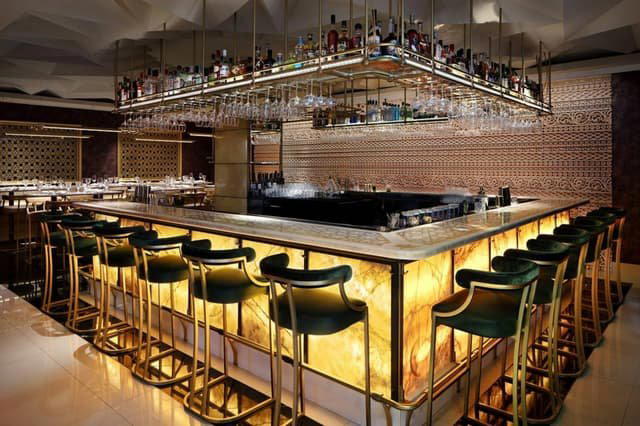
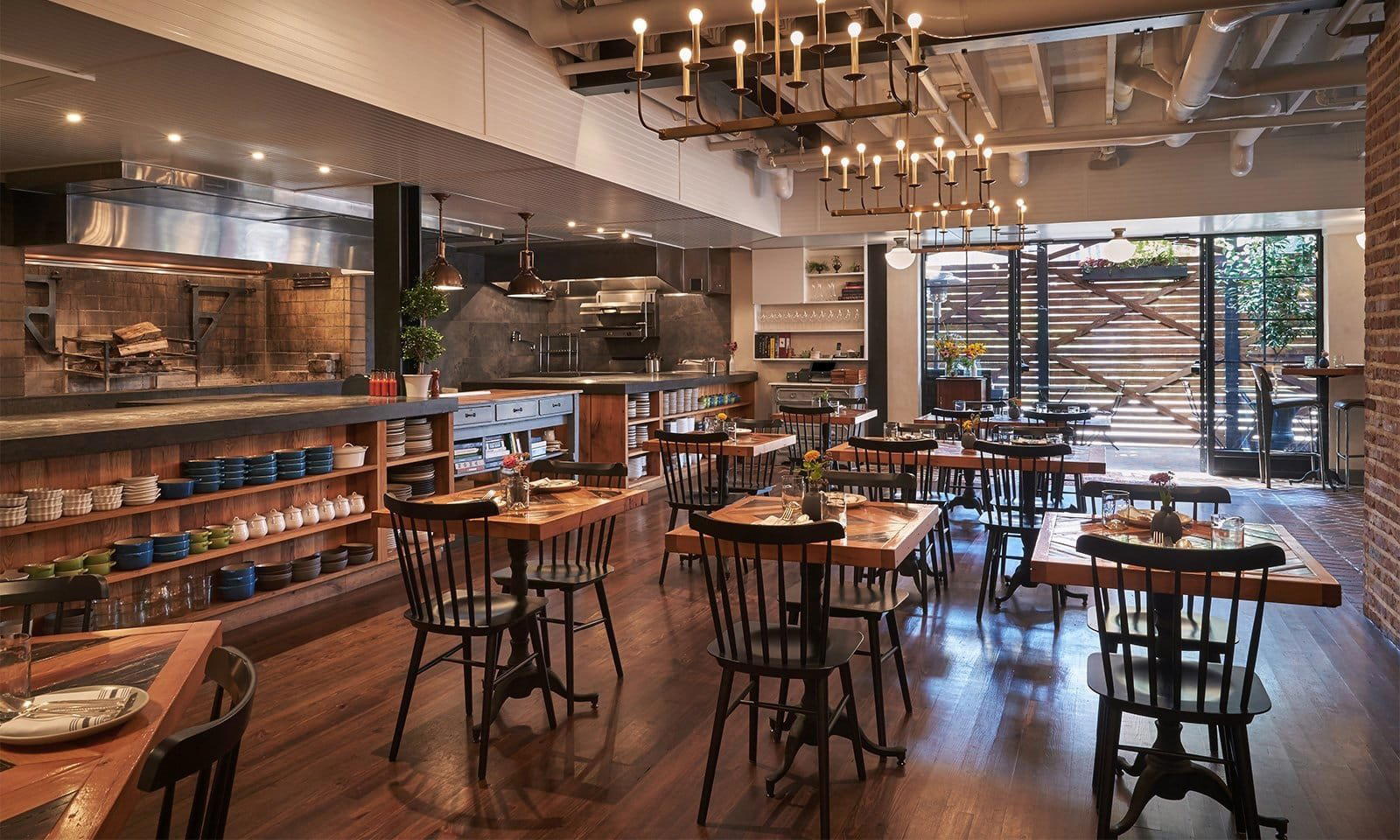
Bars in Washington DC
All bars in Washington DC →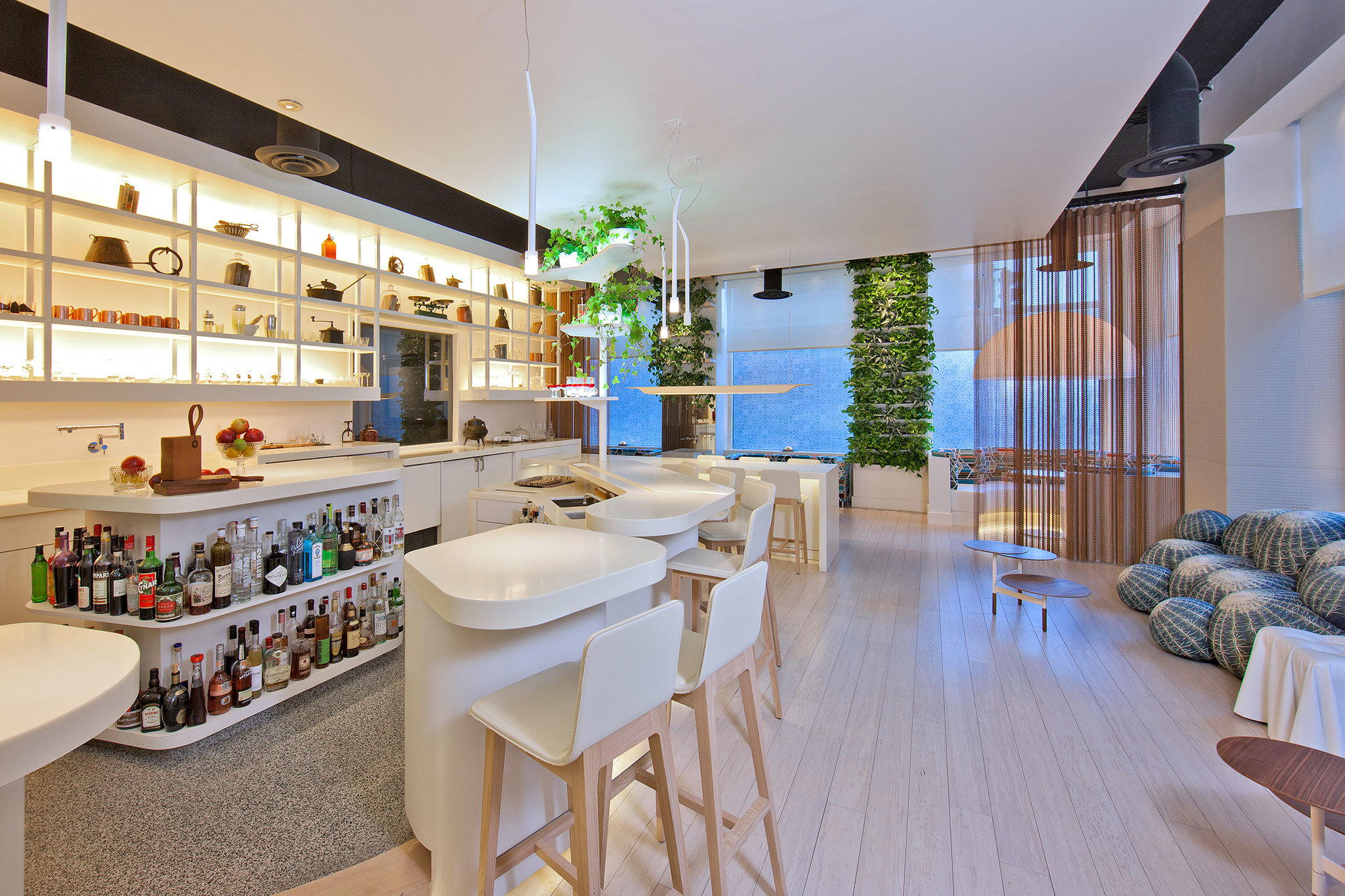
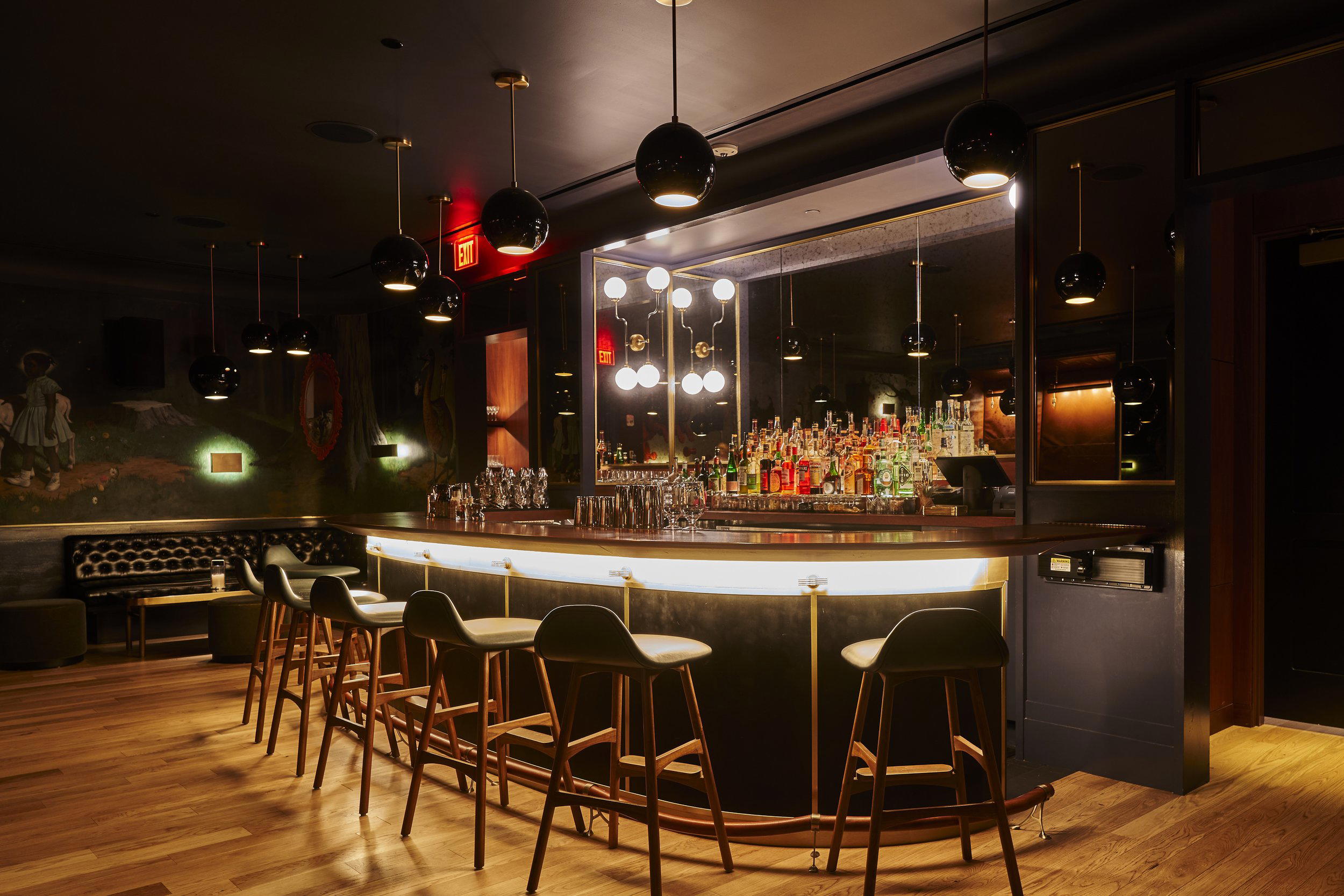

Details
- Lively
- Trendy
- Energetic
- Modern
- Intimate
- Casual Hangout
- After Work
- Group Dining
- Date Night
- Celebration
- Family
- Standalone
- Historic Building
- Design Destination
- Private Dining
- Craft Cocktails
- Beer Program
- A La Carte
- Small Plates
- Cocktails
- Beer
- Vegetarian Friendly
- Vegan Options
Current opening hours
- Monday
- 11:30 AM–2 PM, 4:30–9 PM
- Tuesday
- 11:30 AM–2 PM, 4:30–9 PM
- Wednesday
- 11:30 AM–2 PM, 4:30–9 PM
- Thursday
- 11:30 AM–2 PM, 4:30–9 PM
- Friday
- 11:30 AM–2 PM, 4:30–10 PM
- Saturday
- 4:30–10 PM
- Sunday
- Closed
Hours can change for holidays and private events. Hours as of .
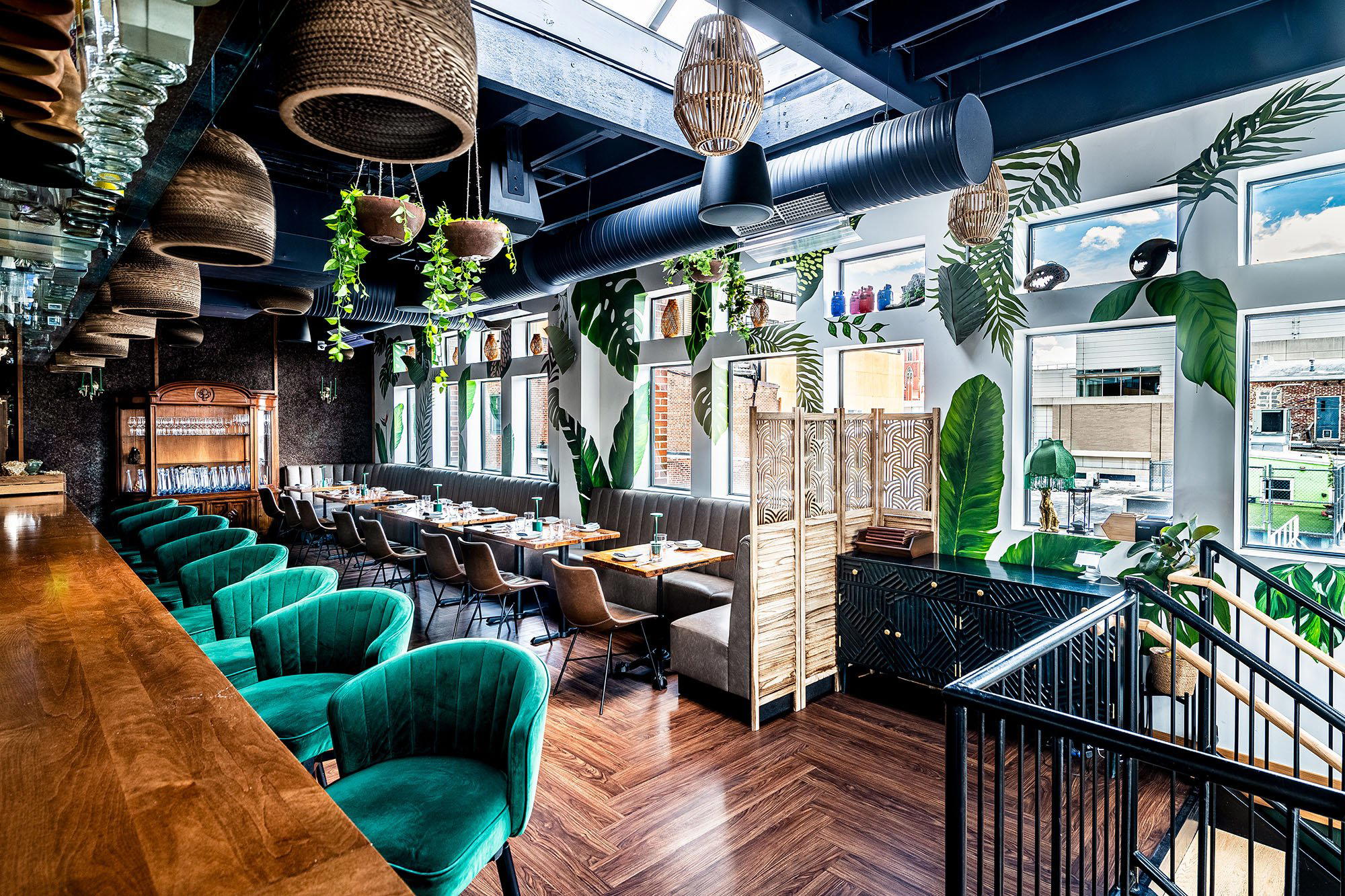
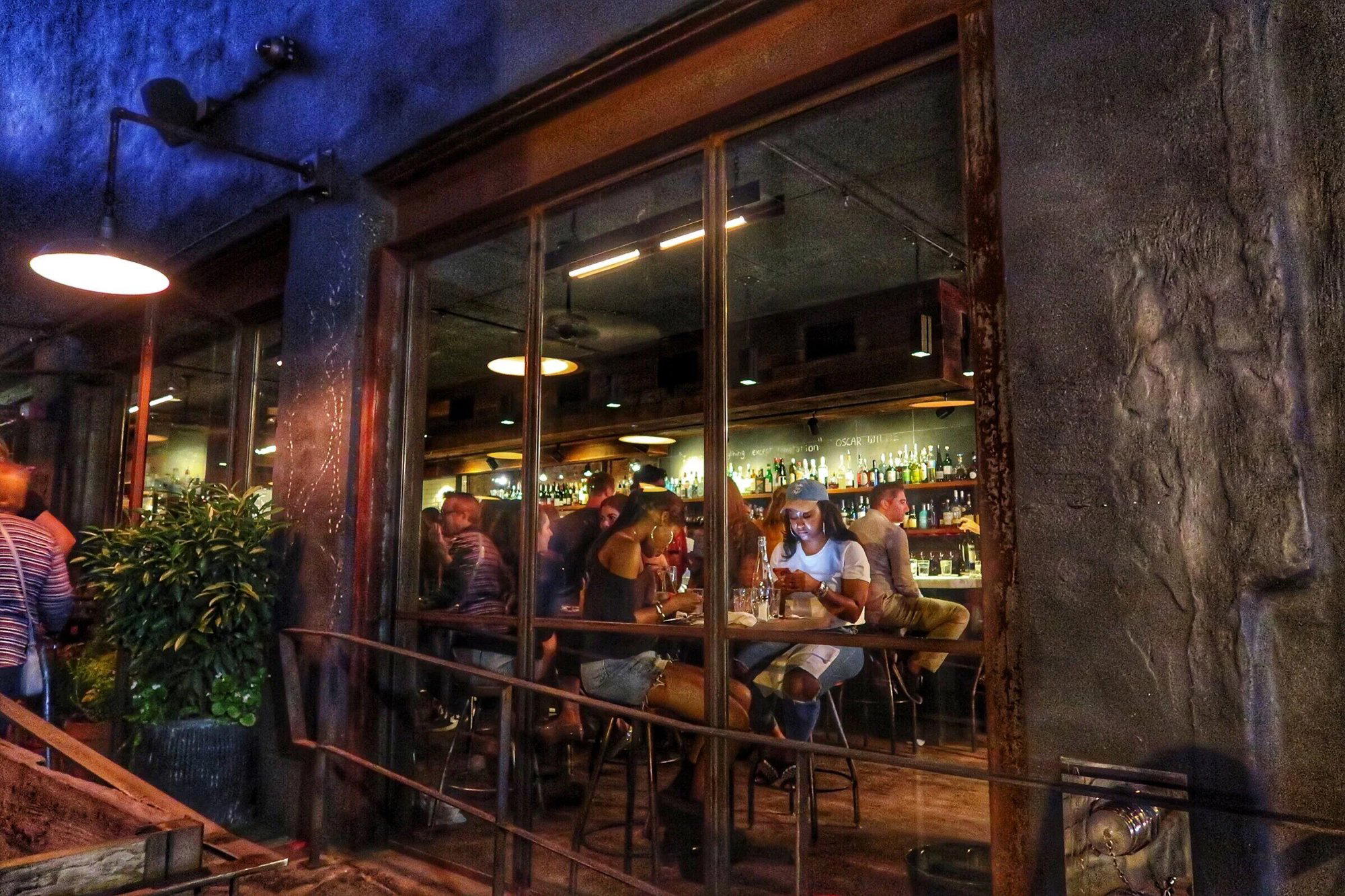
Bold, modern take on nostalgic American Chinese takeout, with an intimate yet energetic dining room, lively bar scene, and playful design touches that emphasize fun and edge over formality.