Salamander Washington DC





Salamander Washington DC occupies a key position along the Southwest Waterfront, where views of The Wharf and the Tidal Basin frame 373 rooms and 51 suites following a full property transformation. The hotel's signature restaurant, Dōgon, is helmed by James Beard Award-winning Chef Kwame Onwuachi, and the wine program has earned recognition from Star Wine List (2026). Reagan National Airport and two Metro stations make it among the more accessible luxury addresses in the city.
Pearl is the En Primeur Club membership app — saves, bookings, and concierge access live there. Same editors, same standards.
- Address
- 1330 Maryland Ave SW, Washington, DC 20024
- Phone
- +1 877-401-9818
- Website
- salamanderdc.com
- Directions
- Get directions
 Saves & bookings on Pearl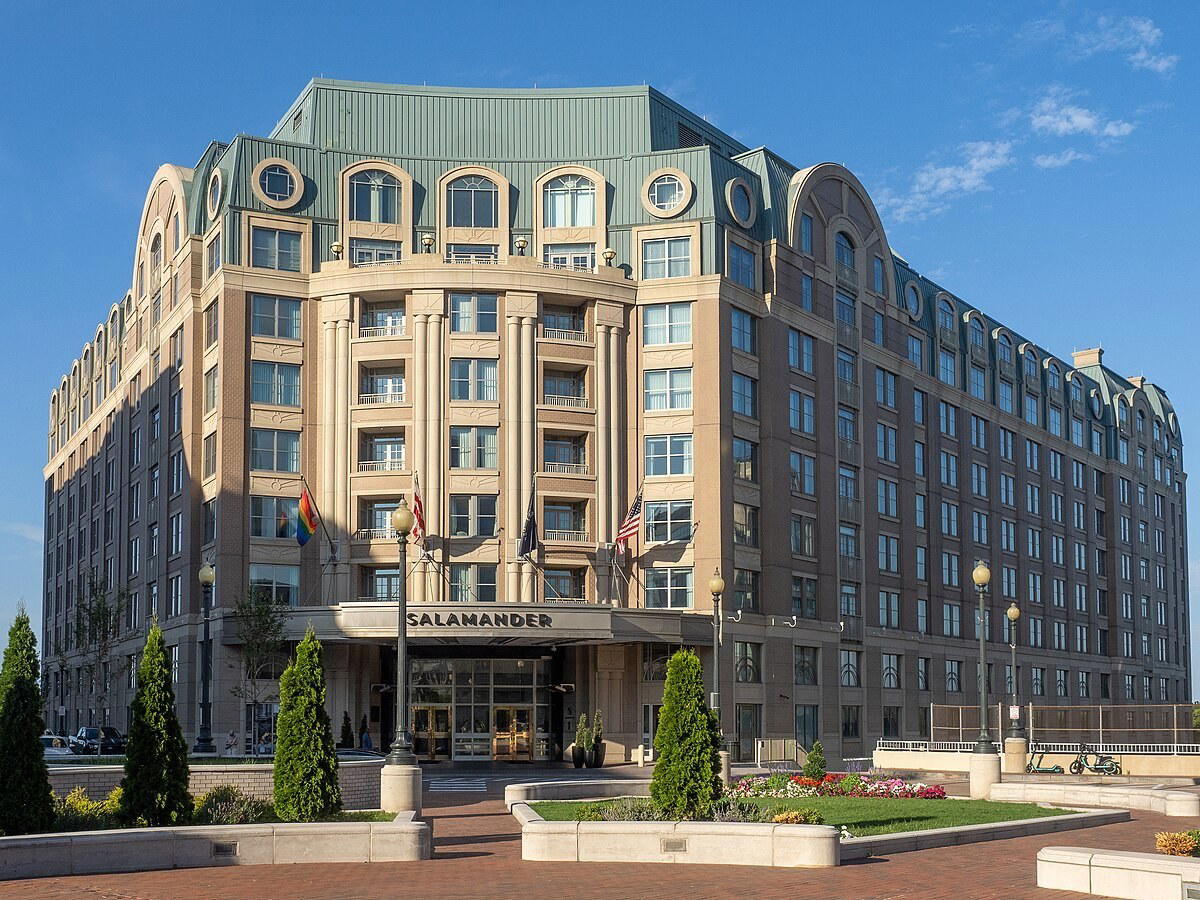
Where the Southwest Waterfront Repositioned Washington's Luxury Hotel Map
The redevelopment of Washington DC's Southwest Waterfront shifted the city's hospitality geography in ways that are still settling. For decades, the premium hotel tier clustered around Georgetown, Dupont Circle, and the corridors near the White House, where properties like Rosewood Washington, D.C., The Jefferson, and The Hay-Adams Hotel had long anchored the upper tier. The Wharf changed the calculus. A neighborhood built from scratch on the waterfront, it created a new zone of premium hospitality that trades the old-Washington formality of those central addresses for a more open, water-facing posture. Salamander Washington DC is the largest statement in that zone: 373 rooms and 51 suites at 1330 Maryland Ave SW, facing the Tidal Basin and The Wharf, with the National Mall a short walk north.
The physical approach sets expectations clearly. Arriving from the water side, the sight lines extend across the Potomac toward Virginia, and in late March and early April the cherry blossom canopy around the Tidal Basin frames the building in a way that no hotel closer to Pennsylvania Avenue can replicate. The property sits between two major Metro stations, which in a city where parking is genuinely difficult functions as a practical advantage. Reagan Washington National Airport is also within easy reach, a meaningful consideration for the business and diplomatic traveler who defines much of this city's premium demand.
The Rooms: Scale Managed Through Detail
At 373 keys, Salamander Washington DC occupies a different scale than the smaller-footprint design hotels that have become a reference point in American luxury travel, properties like Troutbeck in Amenia or SingleThread Farm Inn in Healdsburg, where limited keys are themselves the product. A hotel of this size in a capital city is a different kind of proposition: it serves large groups, extended-stay guests, and major events alongside leisure travelers, and the quality of individual room finishes tends to carry more weight than the intimacy of the property itself.
The post-transformation rooms feature spa-inspired marble bathrooms, Smart TVs, in-room minibars, and Wi-Fi. The 51 suites add sitting rooms, pullout sofa beds, double vanities, and Nespresso machines. City and waterfront views are distributed across the room mix, with the waterfront-facing category presenting the more compelling argument for a stay of any length. Connecting room options address the family and diplomatic-group market that Washington attracts in volumes few other American cities can match. The fitness center, indoor pool, and a guest pool overlooking the Potomac round out the amenity set, positioning the property to handle extended stays without guests feeling the absence of a neighborhood they can walk to, though in this case they have one directly outside the front entrance.
The Food and Beverage Program: A Deliberate Division of Labor
The editorial angle that matters most at Salamander Washington DC is the deliberate split between its food and beverage operations, and what that split says about how the property has positioned itself in Washington's increasingly serious dining scene. The hotel runs two distinct food fronts, and they serve different purposes with different competitive reference points.
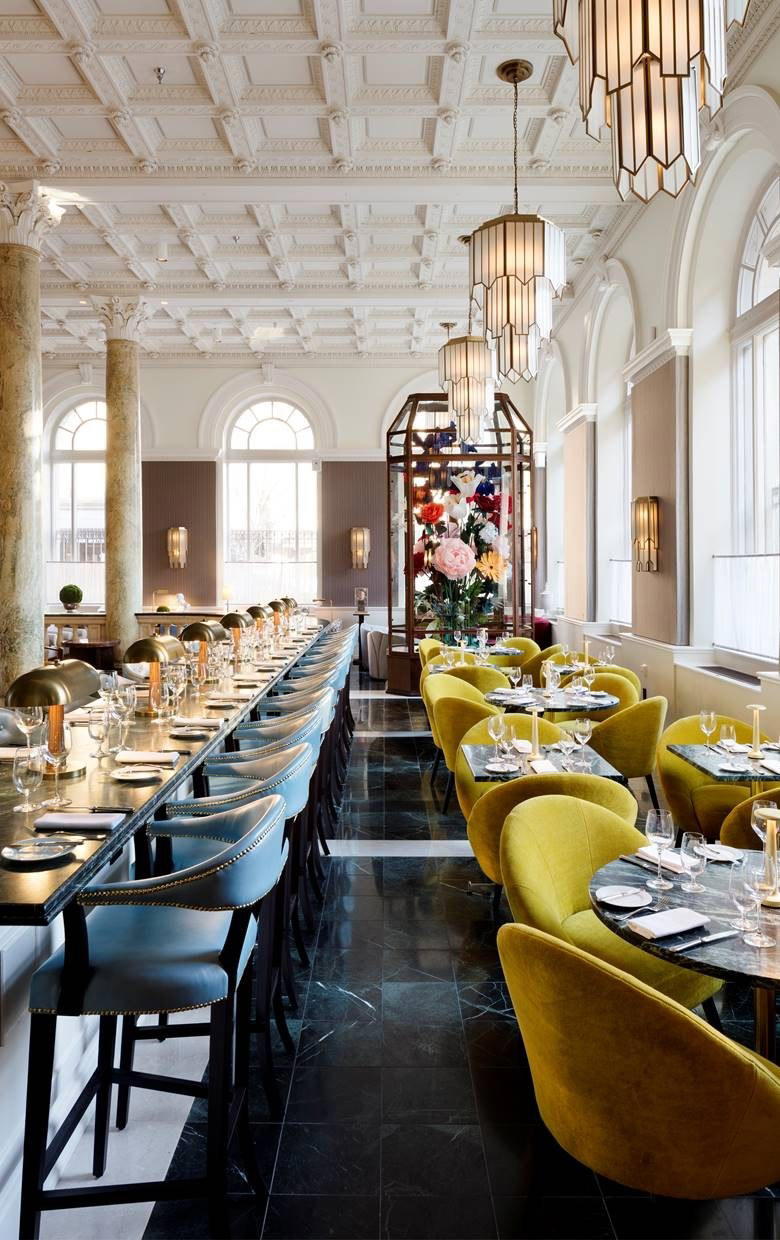
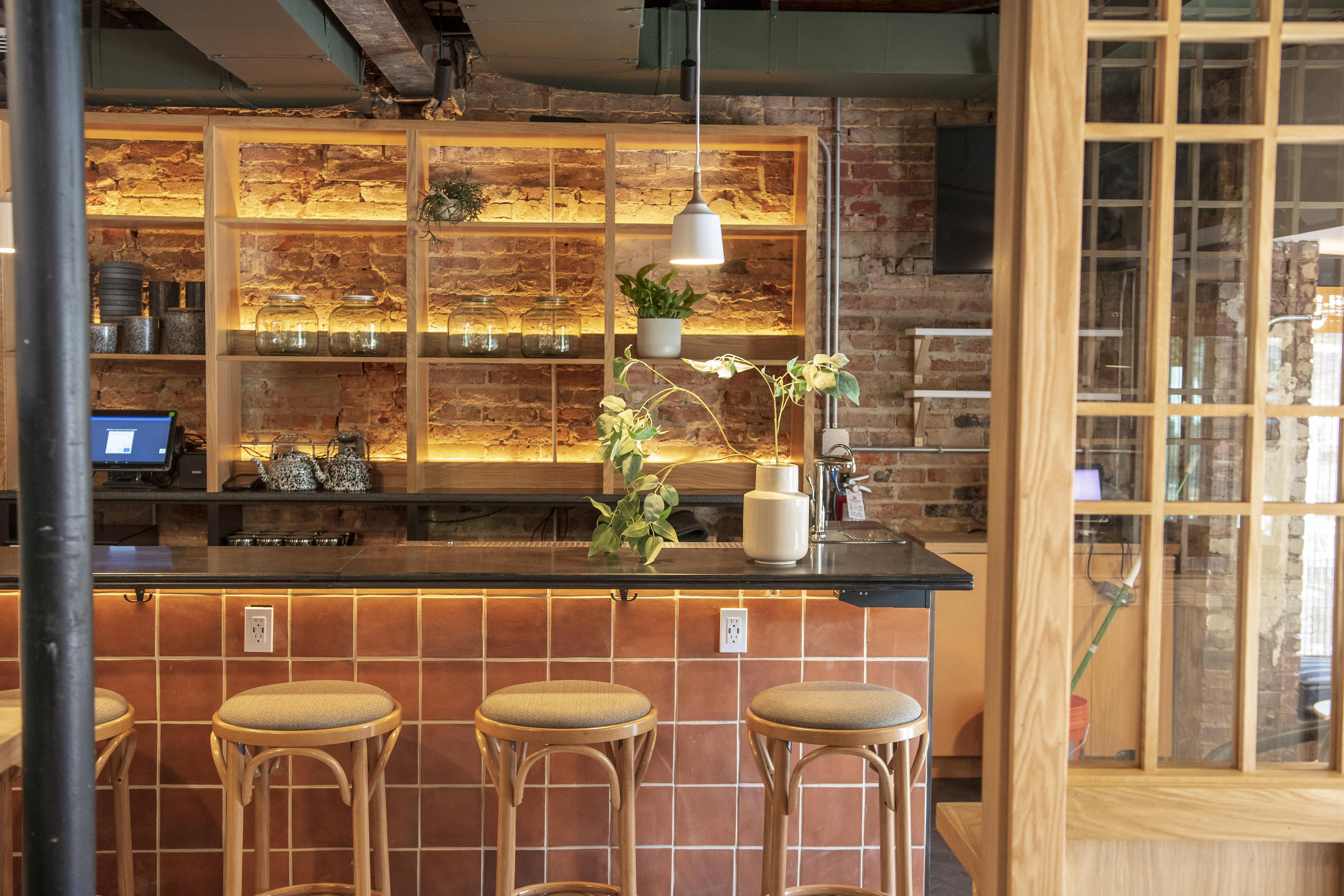
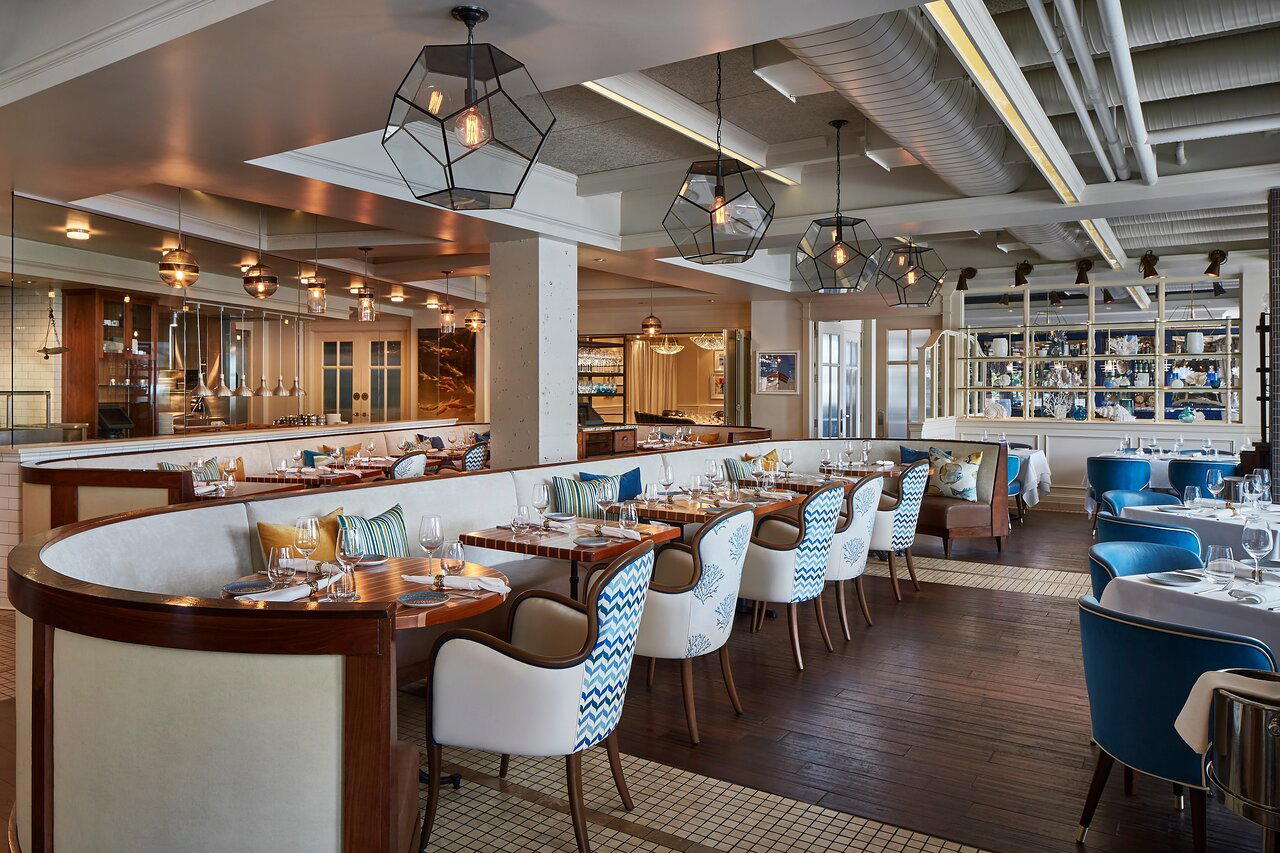
Lounge and Lounge Terrace, with Executive Chef Walter Alvarado at the kitchen, handles the hotel's everyday hospitality register: afternoon tea, seasonal programming, a menu designed to work for the guest who wants a proper meal without committing to a destination-dining experience. The indoor-outdoor format, with the Lounge Terrace extending the space during warmer months, reflects a broader shift in hotel F&B; thinking away from the sealed dining room and toward spaces that connect guests to the exterior, in this case a waterfront neighborhood that rewards that connection.
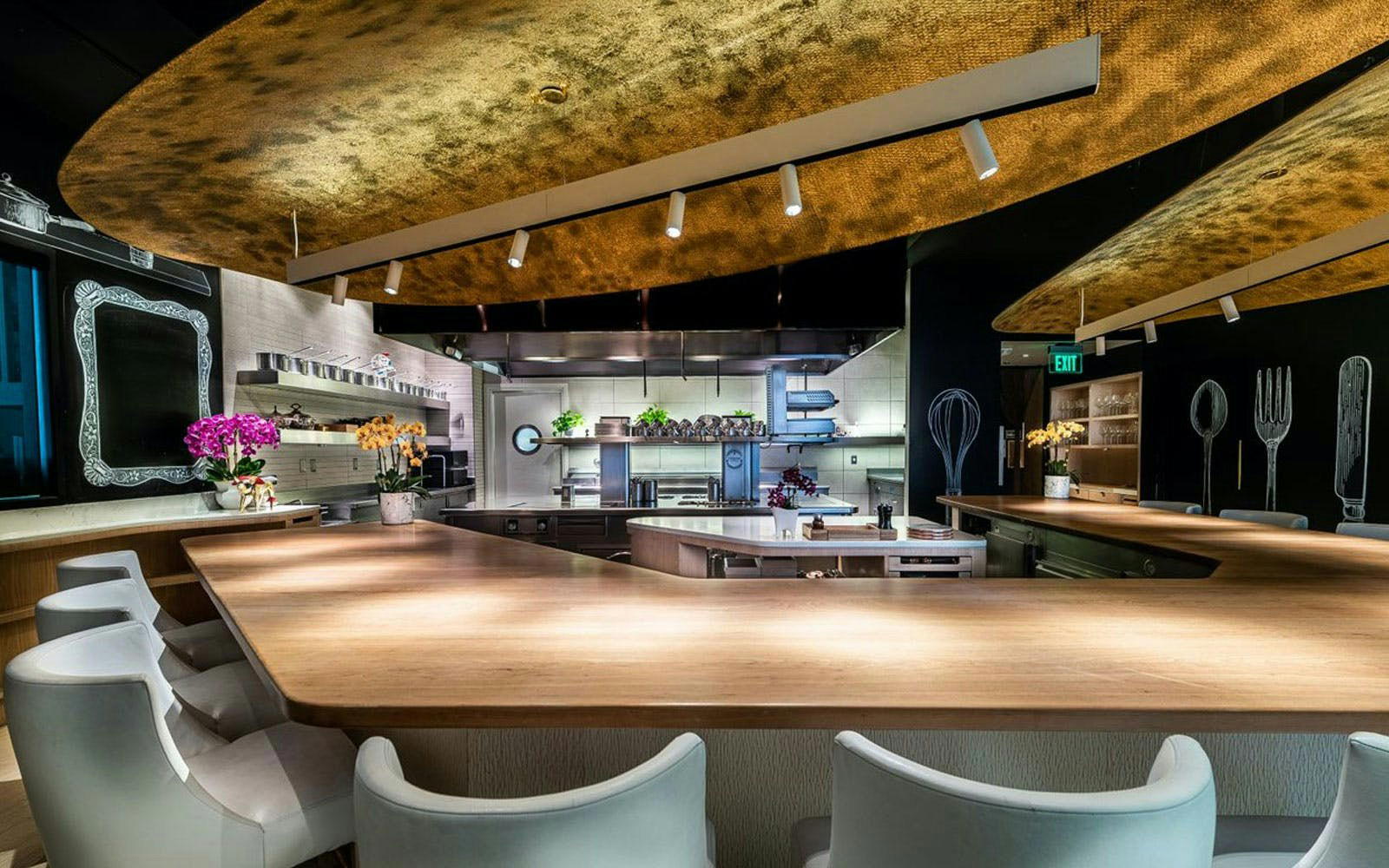
Dōgon operates as a separate proposition entirely. As a signature restaurant helmed by James Beard Award-winning Chef Kwame Onwuachi, it carries the weight of Washington's contemporary fine dining conversation in a way that most hotel restaurants in the city do not attempt. Onwuachi's James Beard credentials place Dōgon in a specific competitive tier: the hotel restaurant that earns coverage and reservations on the strength of its kitchen rather than its address. The Afro-Caribbean focus gives the program a culinary identity that differentiates it within DC's restaurant scene, where the dominant reference points have historically leaned toward mid-Atlantic and Continental traditions.
The wine program's Star Wine List recognition in 2026 adds a third layer to the food and beverage story. Star Wine List distinguishes programs based on selection depth and curation rather than cellar scale alone, and its recognition at a hotel property signals that the beverage operation is being held to a standard that can survive comparison with standalone wine bars and restaurant programs. This is the collaboration model worth noting: a kitchen led by a James Beard-decorated chef, a lounge program built for accessibility and seasonal relevance, and a wine program recognized independently of either. The three functions reinforce each other without collapsing into a generic hotel F&B; offer.
The Spa and Wellness Tier
Washington's luxury hotel spa market is competitive. Properties like The Dupont Circle Hotel and Riggs Washington DC have both invested in wellness programming as a differentiator. Salamander's two-level spa, with 14 treatment rooms, sauna, steam, water therapy, a Grooming Lounge, and a dedicated nail salon, represents the comprehensive spa footprint in the Southwest Waterfront submarket. The Movement Studio, with both class-based and self-guided programming, extends the offering beyond traditional spa treatment into the kind of structured wellness programming that has become a meaningful factor in hotel selection for a significant share of the luxury traveler demographic. For comparison, destination wellness properties like Canyon Ranch Tucson build their entire identity around this tier; at Salamander, it functions as a department within a full-service luxury hotel rather than as the organizing principle.
Position in the Washington Luxury Tier
The Southwest Waterfront positioning creates an interesting peer dynamic. Pendry Washington DC at The Wharf occupies the same neighborhood with a smaller footprint and a more design-forward identity. The central Washington properties, including Eaton D.C. and Mayflower Inn, serve different guest profiles: more embedded in the traditional Washington geography, closer to the power corridors that still drive much of the city's premium hotel demand. Salamander's bet is that the Wharf's combination of waterfront access, walkable dining, and proximity to the National Mall creates a competitive position that can hold its own against both the traditional center-city addresses and the smaller-format properties that have attracted significant editorial attention in recent years.
That argument is strongest for travelers who prioritize the spa offer, the Dōgon dining reservation, and the Tidal Basin view in spring. It is less compelling for guests whose Washington agenda is entirely focused on K Street or Capitol Hill meetings, where the central properties retain a genuine distance advantage. Among full-service luxury hotels nationally, the property's scale and amenity set puts it in a comparable tier to addresses like Raffles Boston or Four Seasons at The Surf Club in Surfside: properties where the full hotel offer, rather than any single department, is the product.
Planning a Stay
The hotel is accessible from Reagan Washington National Airport, and the two nearby Metro stations cover most of DC's major sites without the need for a car. Cherry blossom season, typically late March through early April, makes the Tidal Basin views from waterfront-facing rooms a specific seasonal argument for timing a visit. Reservations for Dōgon should be secured in advance given Kwame Onwuachi's profile in the national dining conversation. The spa's 14 treatment rooms across a two-level facility give it capacity that smaller hotel spas cannot match, but advance booking still applies during peak periods, particularly spring and fall when Washington's conference and tourism calendars run at full volume.
Accolades, Compared
Comparable venues nearby, for context on price, style, and recognition.
| Venue | Cuisine | Price | Awards | Notes |
|---|---|---|---|---|
| Salamander Washington DCThis venue — the venue you are viewing | Contemporary luxury with residential-inspired design; newly renovated with emphasis on timeless elegance and modern amenities in an urban waterfront setting. | $$$$ | 5-Star | Not listed |
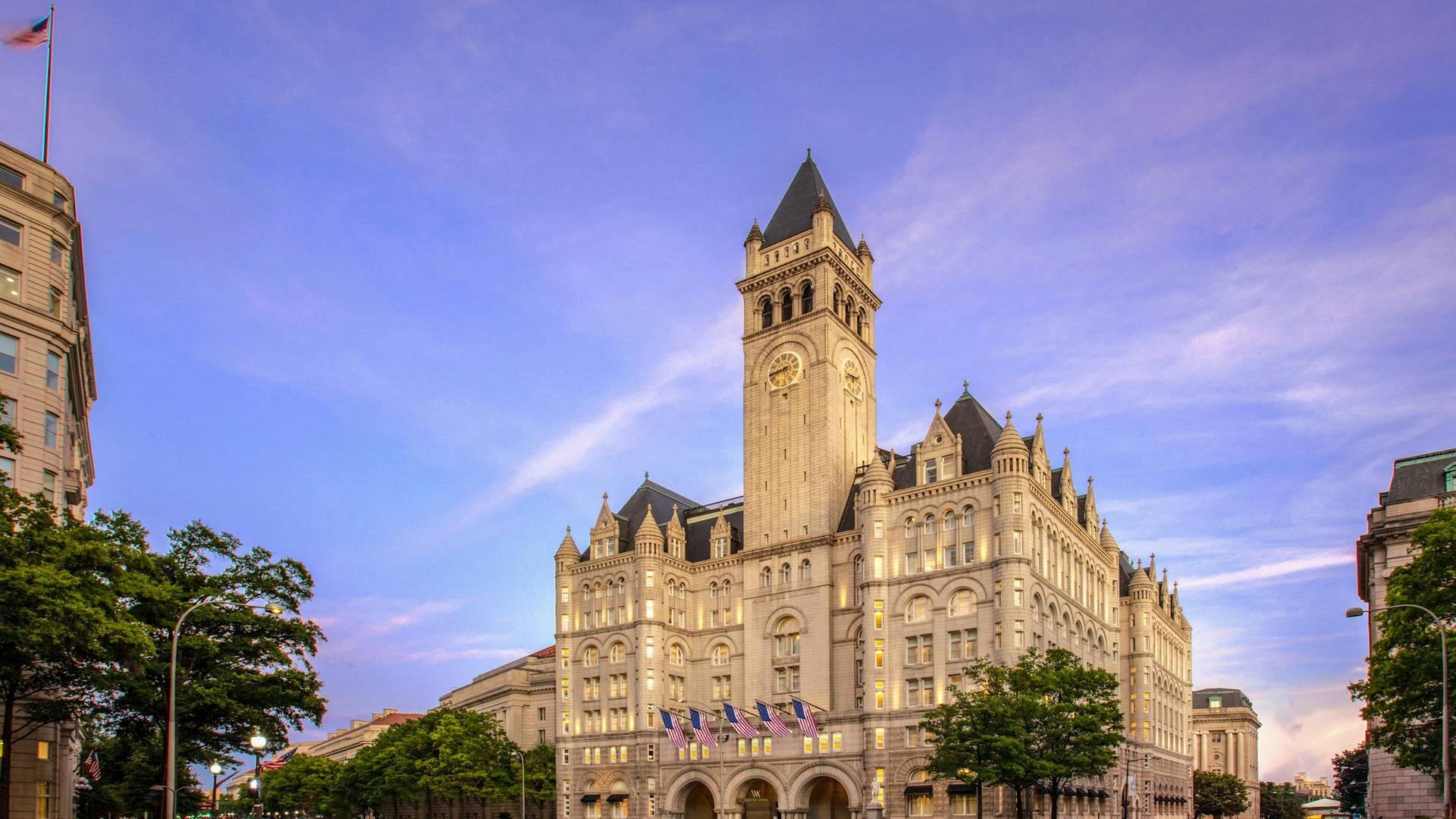
| Waldorf Astoria Washington DC | Historic luxury in restored landmark building | $$$$ | 5-Star | Federal Triangle |
| The Ritz-Carlton Georgetown, Washington, D.C. | Historic luxury urban retreat | $$$$ | 5-Star | Waterfront Georgetown |
| The Jefferson, Washington, DC | Italian Renaissance landmark hotel with Old World atmosphere and contemporary luxury details; positioned as a magnet for demanding travelers, politicians, and cultural cognoscenti. | $$$$ | 5-Star | Dupont Circle |
| The Watergate Hotel | Well-known mid-century modern luxury with wavy architectural design and wellness-focused amenities. | $$$$ | 5-Star | Foggy Bottom |
| Conrad Washington, DC | contemporary urban oasis | $$$$ | 5-Star | East End |
Recognition history
Dated appearances from independent guides and award organizations, with the underlying list record or original source where available.
Forbes Recommended
Forbes
Star Wine List
Star Wine List
Virtuoso Luxury Hotel Partner
Virtuoso
Michelin Selected
Michelin
Preferred Hotels Preferred Residences
Preferred Hotels
Continue exploring
More in Washington DC
Hotels in Washington DC
Browse all →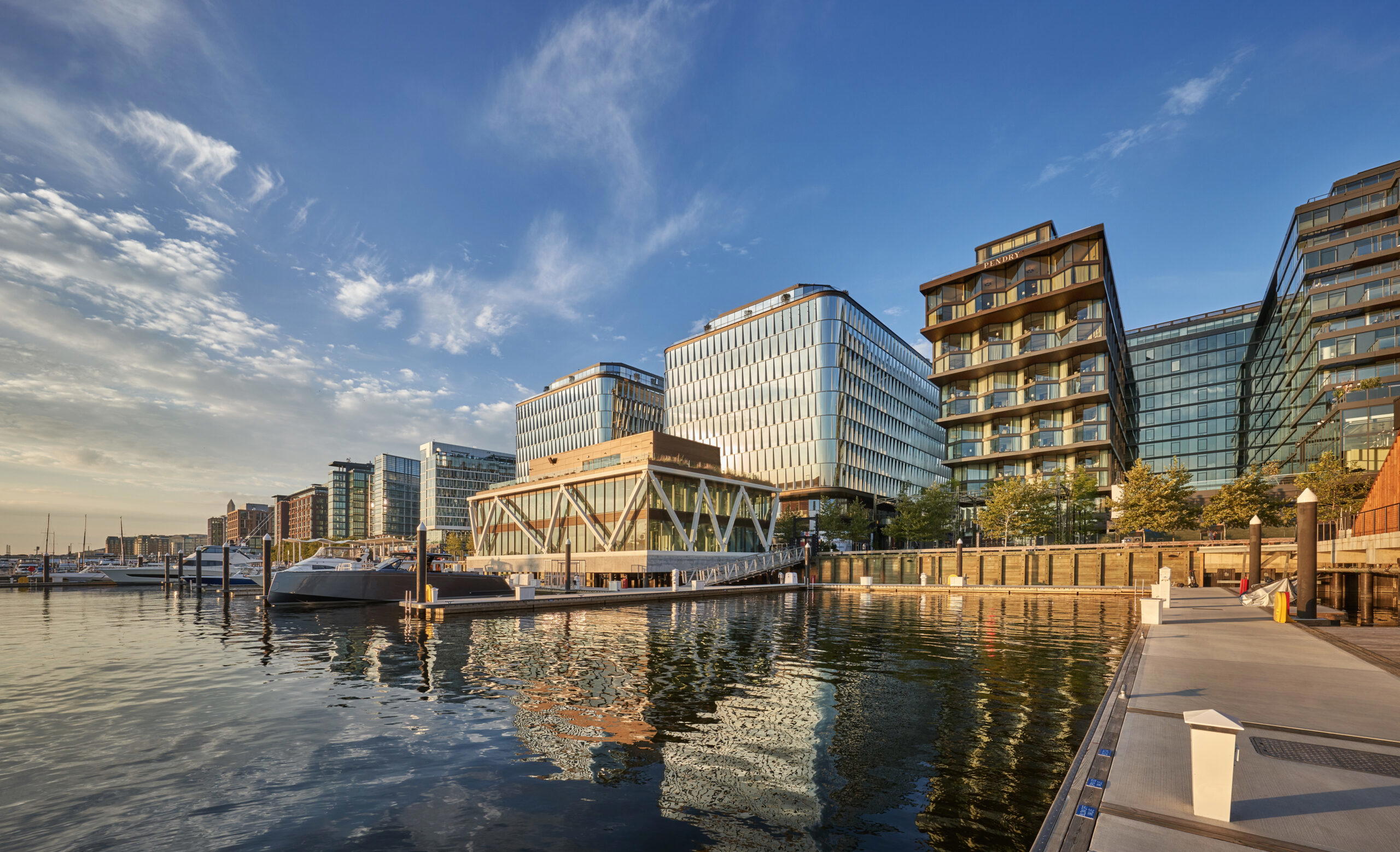
Bars in Washington DC
Browse all →
Restaurants in Washington DC
Browse all →
At a Glance
- Elegant
- Sophisticated
- Modern
- Scenic
- Romantic Getaway
- Business Trip
- Wellness Retreat
- Family Vacation
- Anniversary
- Celebration
- Waterfront
- Destination Spa
- Panoramic View
- Terrace
- Private Dining
- Garden
- Wi Fi
- Pool
- Spa
- Fitness Center
- Room Service
- Concierge
- Business Center
- Valet Parking
- EV Charging
- Restaurant
- Bicycle Rental
- Waterfront
- Skyline
- Wi Fi
- Pool
- Spa
- Fitness Center
- Room Service
- Concierge
- Business Center
- Valet Parking
- EV Charging
- Restaurant
- Bicycle Rental
Serene and refined with bright, modern design; elegant lobby and terrace with sweeping 270-degree water views; calm urban oasis balancing contemporary luxury with residential warmth.