Catahoula
Catahoula brings Creole and Cajun cooking into conversation with Vietnamese influence, a combination that makes sense in a city used to immigrant kitchens reshaping old American forms. The useful lens is fish sauce: fermentation, salt, funk, and restraint, rather than heat for its own sake.
Pearl is the En Primeur Club membership app — saves, bookings, and concierge access live there. Same editors, same standards.
- Address
- 79 Potomac Ave SE, Washington, DC 20003, United States
- Phone
- +1 202-802-8921
- Website
- catahouladc.com
- Directions
- Get directions
 Saves & bookings on Pearl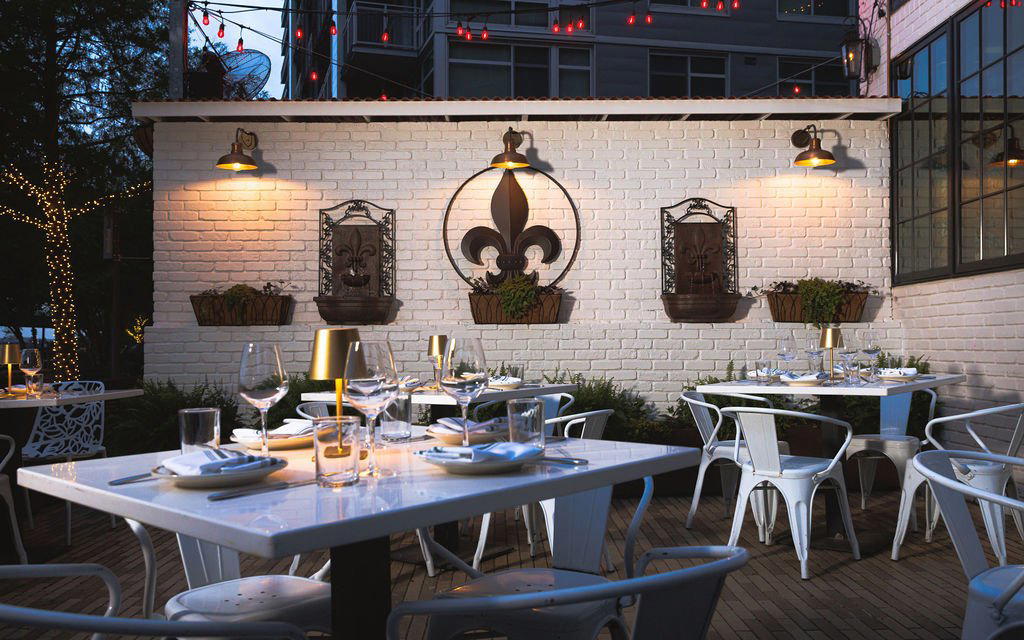
The first read should be aromatic rather than decorative: smoke, spice, rice, shellfish stock, chile, herbs, and the sharper bass note of fermented fish. In Washington, D.C. where power dining often favors polish over risk, Catahoula belongs to a more interesting register: food built around migration, adaptation, and the long afterlife of French colonial technique in Louisiana and Vietnam.
Creole and Cajun cooking are often flattened into a single idea of roux, sausage, and cayenne. The better reading is more precise. Creole cooking grew through ports, cities, enslaved labor, Caribbean exchange, European technique, and Gulf ingredients; Cajun cooking carries rural Acadian memory, smoke, rice, and resourcefulness. Vietnamese influence does not sit outside that history as a novelty. It sharpens a connection already present in the Gulf South, where Vietnamese fishing communities changed the way American diners understand shrimp, crab, crawfish, and the sauces that carry them.
Fish sauce gives the Creole-Cajun frame its sharper edge
Nuoc mam is not simply a condiment. Good fish sauce works like anchovy in a Caesar dressing or garum in Roman cooking: it deepens salt, stretches savoriness, and makes fat taste cleaner. In a Creole-Cajun setting, that matters because the food already has several heavy instruments in play: roux, sausage, shellfish, rice, butter, and braised vegetables. Vietnamese seasoning can cut through those structures without turning the plate into fusion theater.
Regional differences matter. Vietnamese fish sauce from Phu Quoc, Phan Thiet, or other coastal traditions can vary in salinity, aroma, sweetness, and finish; Louisiana seasoning traditions have their own geography of smoke, pepper, and seafood. Catahoula’s stated Creole, Cajun, and Vietnamese direction is compelling because the overlap is technical, not cosmetic. Fermentation does the work that another kitchen might ask of extra acid, extra chile, or another spoonful of fat.
That makes the restaurant more useful to read as part of Washington’s evolving casual-serious dining culture than as a novelty concept. The city has long supported formal rooms and expense-account rituals, but its sharper food conversations now often happen in smaller, more personal formats, where regional American cooking meets immigrant pantry logic. For nearby context across the city’s restaurant range, the address-led entries at 1226 36th St NW, 1339 H St NE, and 1608 14th St NW show how scattered the city’s serious eating map has become.
Washington's regional American cooking is getting less literal
There is a tired version of regional American dining that treats place as costume: a few inherited dishes, a soundtrack, a wall treatment, and enough nostalgia to flatten the source material. The stronger current is less literal. It asks what happens when old regional forms meet the pantry of the communities that now cook, fish, shop, and eat there. That is where a Creole-Cajun kitchen with Vietnamese influence earns attention: it connects the Gulf South to Southeast Asian fermentation through technique rather than decoration.
Washington is a fitting city for that conversation because its dining public is both transient and demanding. Diners arrive with strong ideas from New Orleans, Houston, Northern Virginia, Maryland seafood country, and overseas postings; weak regional cooking gets exposed quickly. Catahoula’s value lies in the way its cuisine category signals a broader American pattern: immigrant ingredients no longer need to be translated into European fine-dining grammar to be taken seriously.
For readers mapping a fuller D.C. trip, the city’s range is better understood by category than by neighborhood alone. The formal American lane appears in 1789 (American), while casual craft cooking has its own grammar at 2 Amys (Pizzeria). Broader planning sits in Our full Washington, D.C. restaurants guide, with sleep, drinking, wine, and cultural time covered through Our full Washington, D.C. hotels guide, Our full Washington, D.C. bars guide, Our full Washington, D.C. wineries guide, and Our full Washington, D.C. experiences guide.
How to read the menu without chasing heat
The mistake with this kind of cooking is to reduce it to spice level. Heat is only one line in the score. The more useful signals are stock, char, rice, pickled or fermented accents, herbs, shellfish depth, and whether the kitchen lets fish sauce act as seasoning rather than announcement. In a city full of confident dining rooms, restraint is often the difference between a clever idea and a meal with structure.
The wider American context helps. Japanese drinking-food precision at Jōdo Saké Bar in Los Angeles, rice-focused simplicity at Onigiri Time in Pasadena, Mexican casual cooking at ¿Por Qué No? in Portland, and Hawai‘i-rooted cooking at 'Ai Love Nalo in Waimanalo Beach all point to the same editorial lesson: casual formats can carry serious cultural information. That thread continues through 'āina in San Francisco, 'Ama 'Ama in Kapolei, -Grilled beef Sukiyaki- KAMAKURA TANUKIAN 鎌倉 たぬき庵 in Kamakura, and ¡Salud! in Los Angeles. Catahoula fits that broader reading: the point is not novelty, but how a pantry changes the grammar of a regional cuisine.
- crawfish boil
- po’ boys
- broiled oysters
- barbecue shrimp
- chicken-sausage gumbo
- corn-and-crab bisque
How It Compares
Comparable venues nearby, for context on price, style, and recognition.
| Venue | Cuisine | Price | Notes |
|---|---|---|---|
| CatahoulaThis venue — the venue you are viewing | New Orleans-style Cajun & Creole seafood with Viet-Cajun influences | $$$ | Not listed |
| The Salt Line | New England Seafood Oyster Bar | $$ | Near Southeast |
| Joe's Seafood, Prime Steak & Stone Crab Washington DC | Premium Seafood & Prime Steaks | $$$$ | Downtown |
| Ama | Northern Italian | $$$ | Near Southeast |
| Koryouri Urara | Modern Japanese Omakase | $$$ | Georgetown |
| The Duck & the Peach | Seasonal New American with California & New England influences | $$$ | Capitol Hill |
Continue exploring
More in Washington DC
Restaurants in Washington DC
Browse all →
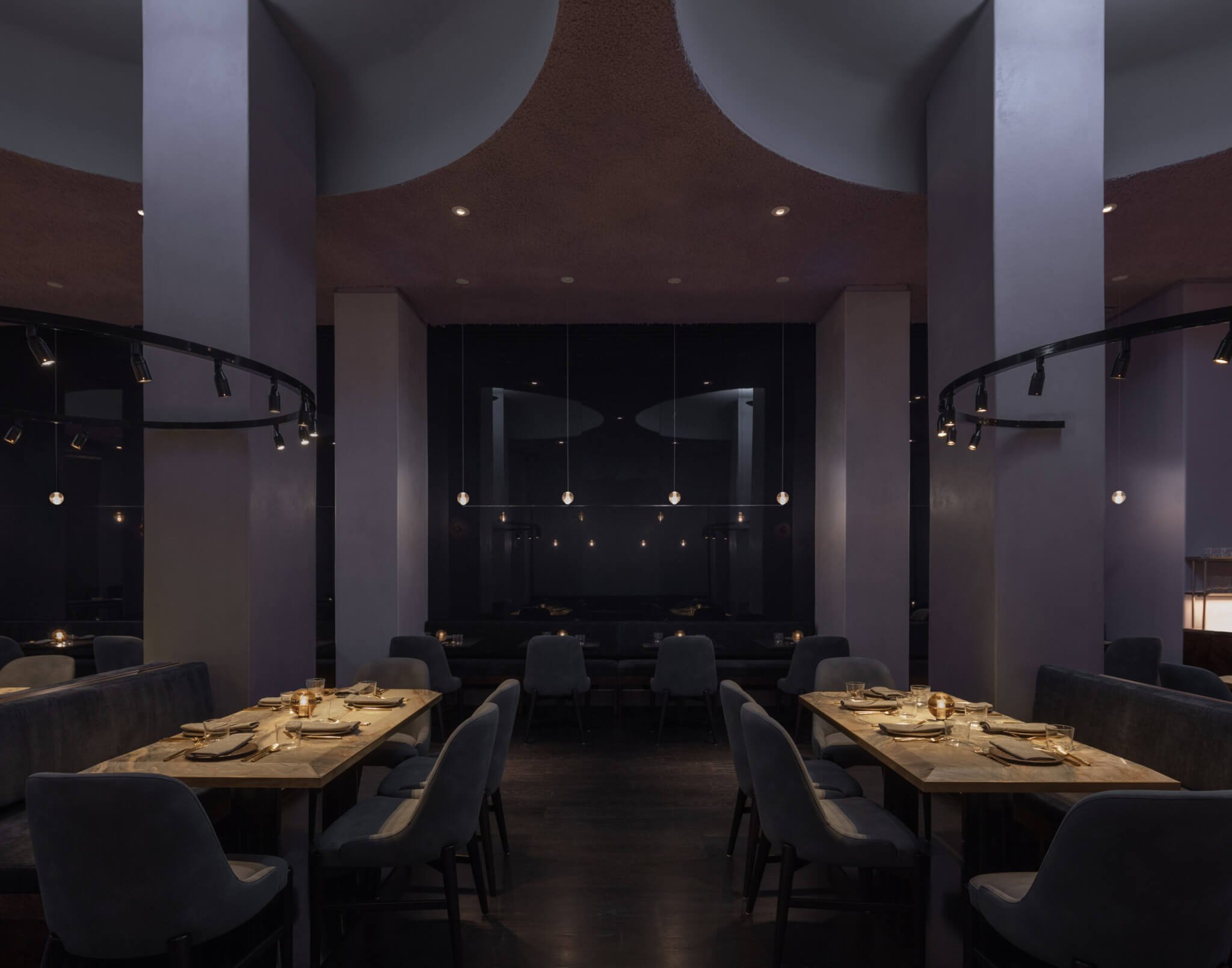
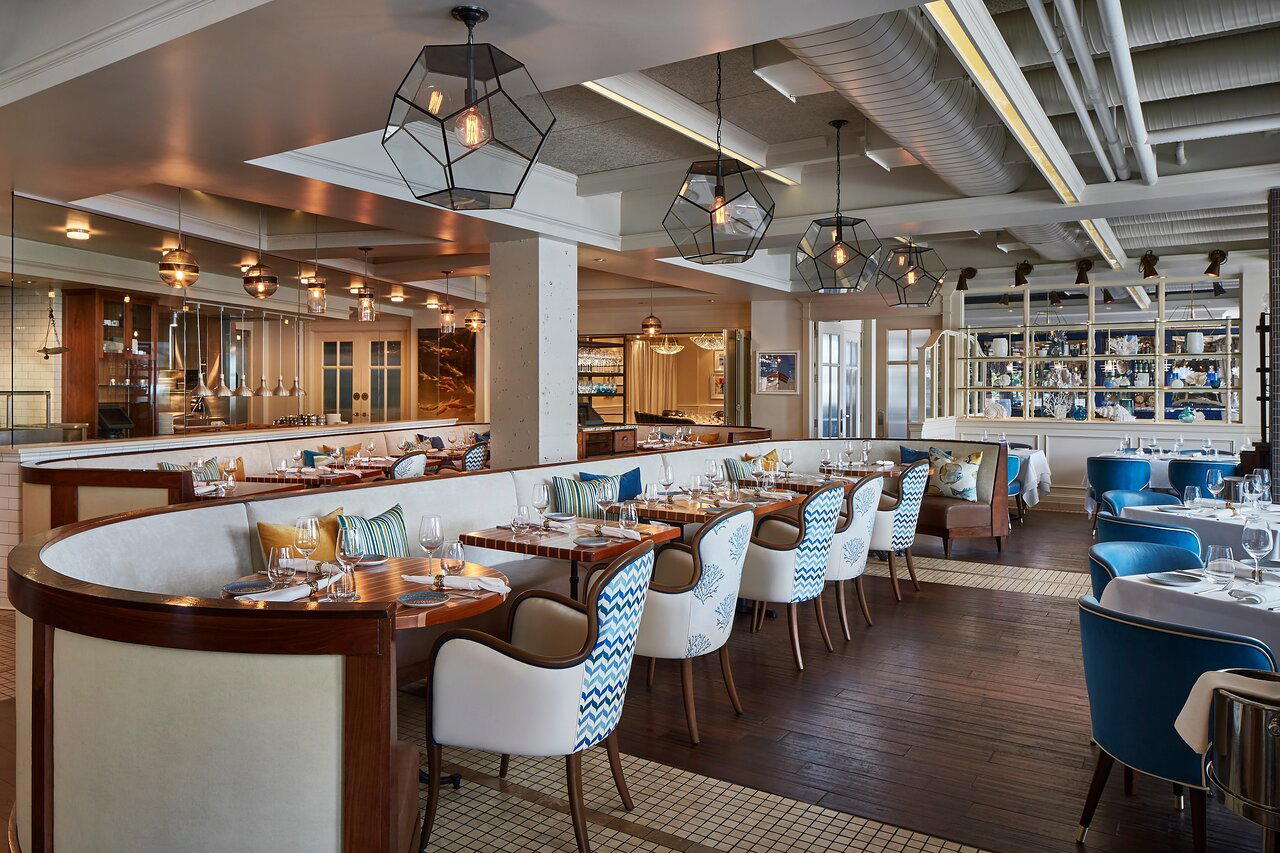
Bars in Washington DC
Browse all →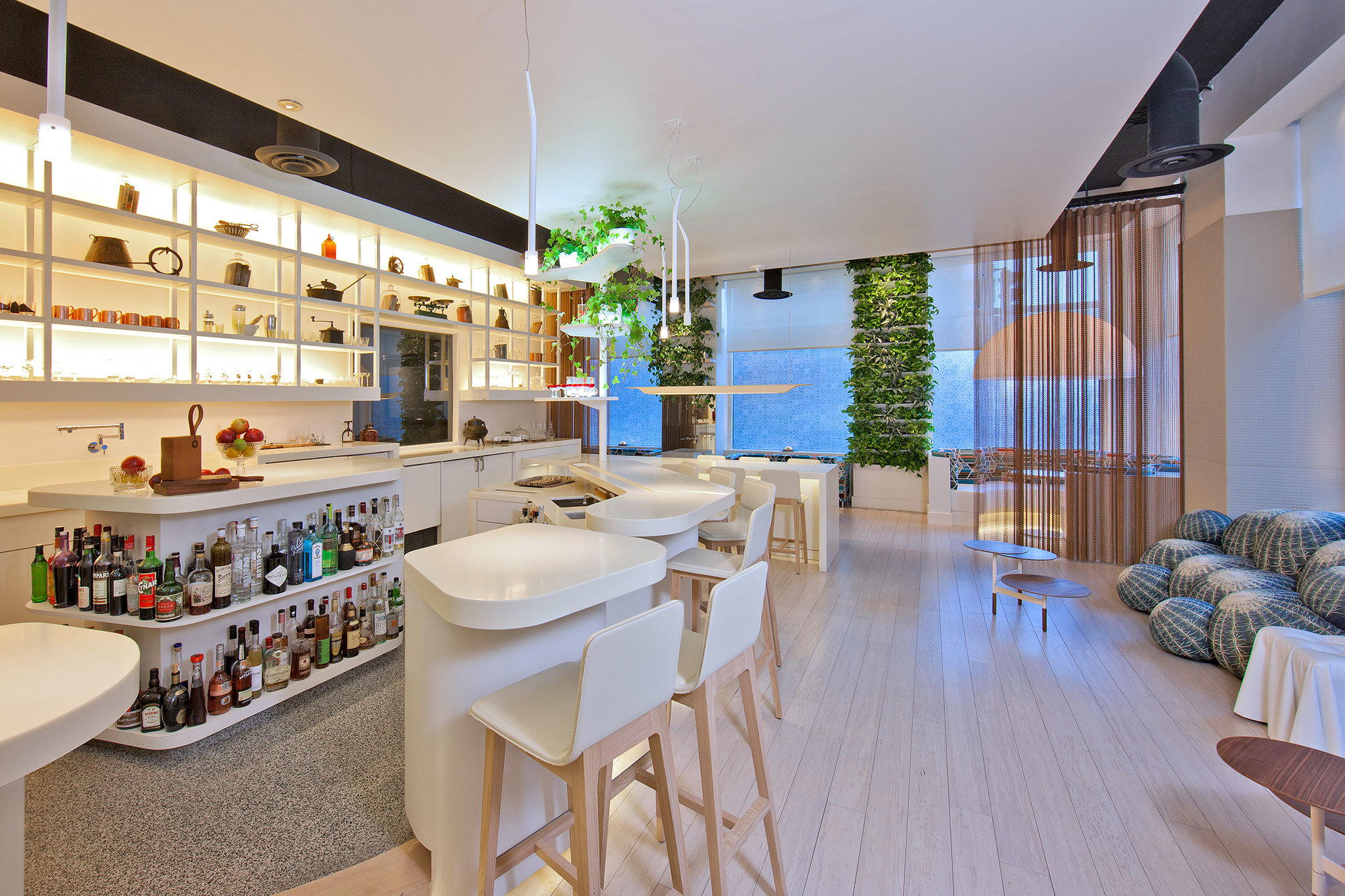
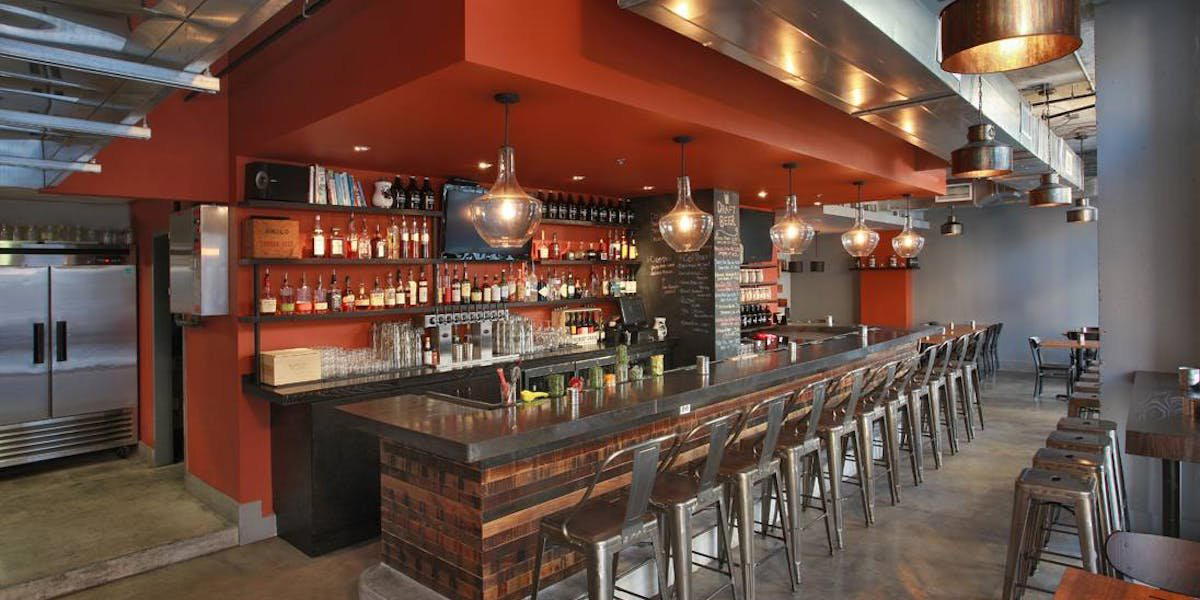
Hotels in Washington DC
Browse all →
At a Glance
- Lively
- Energetic
- Scenic
- Trendy
- Casual Hangout
- Group Dining
- After Work
- Celebration
- Date Night
- Waterfront
- Rooftop
- Terrace
- Standalone
- Design Destination
- Craft Cocktails
- Beer Program
- Waterfront
Current opening hours
- Monday
- 12–11 pm
- Tuesday
- 12–11 pm
- Wednesday
- 12–11 pm
- Thursday
- 12–11 pm
- Friday
- 12–11:30 pm
- Saturday
- 12–11:30 pm
- Sunday
- 12–11 pm
Hours can change for holidays and private events. Last verified .
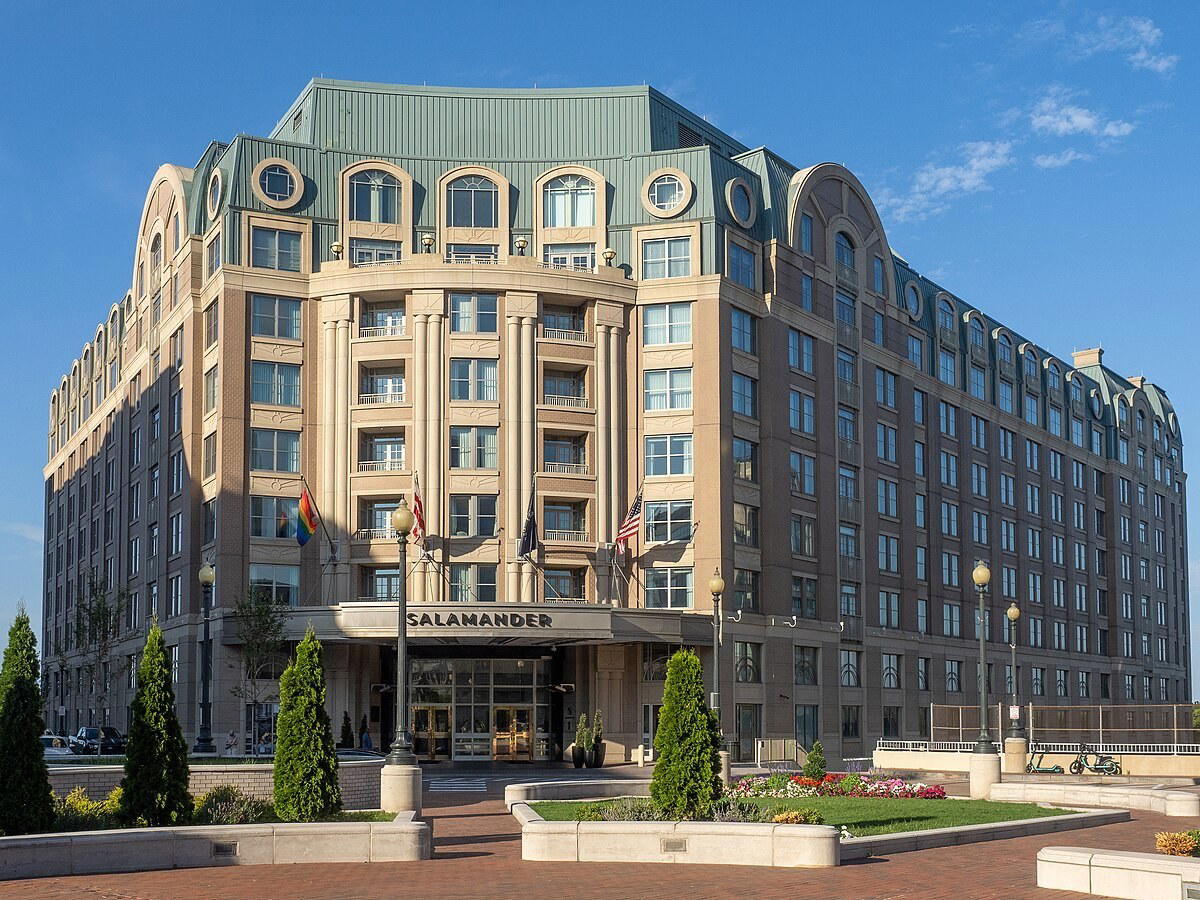
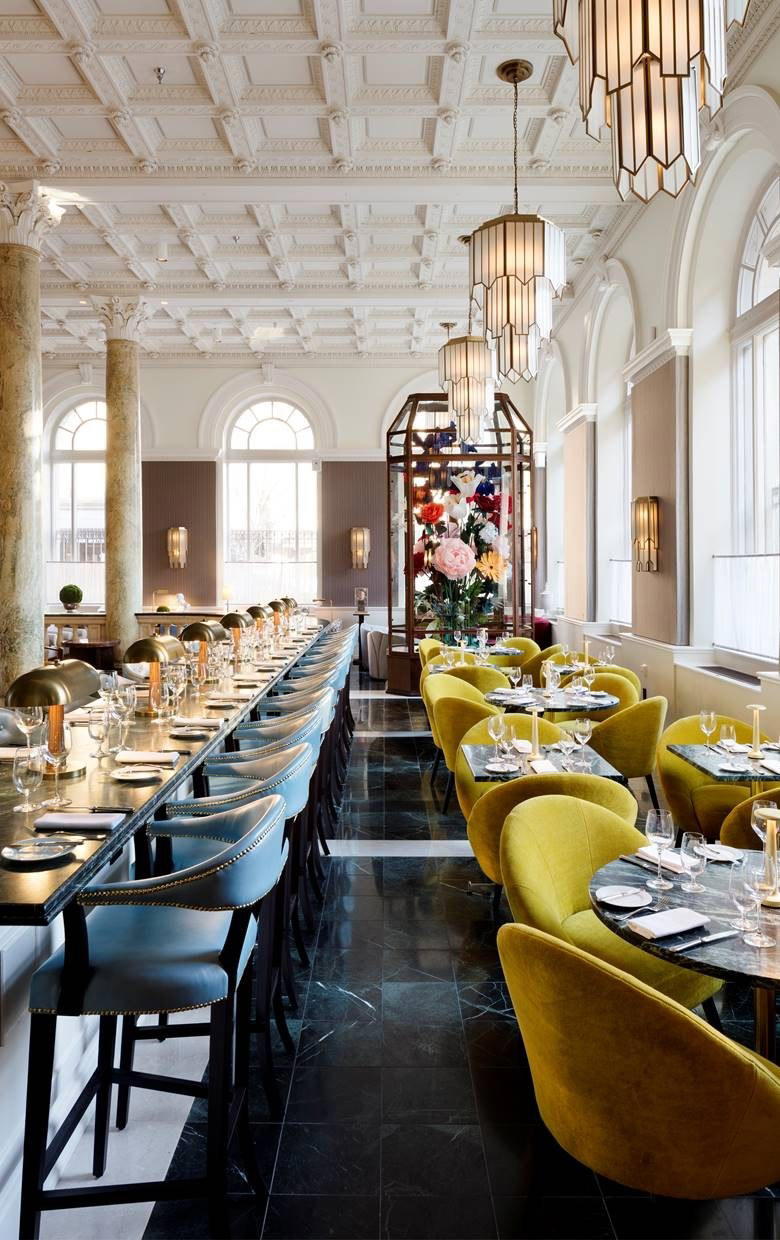
A high-energy, New Orleans-inspired indoor brasserie and sprawling patio/boil yard with louder-than-average music, frozen cocktails, and a casual, social waterfront vibe that leans more party-like than formal dining.