



1 Michelin Key · La Liste Top Hotels · Virtuoso Luxury Hotel Partner
Occupying floors 102 to 118 of the International Commerce Centre, The Ritz-Carlton, Hong Kong holds La Liste's Top Hotels recognition with 97.5 points in 2026 and positions itself at the upper tier of Kowloon luxury. Its 312 rooms combine neutral tones with Asian detail, while Ozone on the 118th floor operates as Hong Kong's highest rooftop bar. Tin Lung Heen remains the hotel's most decorated dining address.

Pearl is the En Primeur Club membership app — saves, bookings, and concierge access live there. Same editors, same standards.
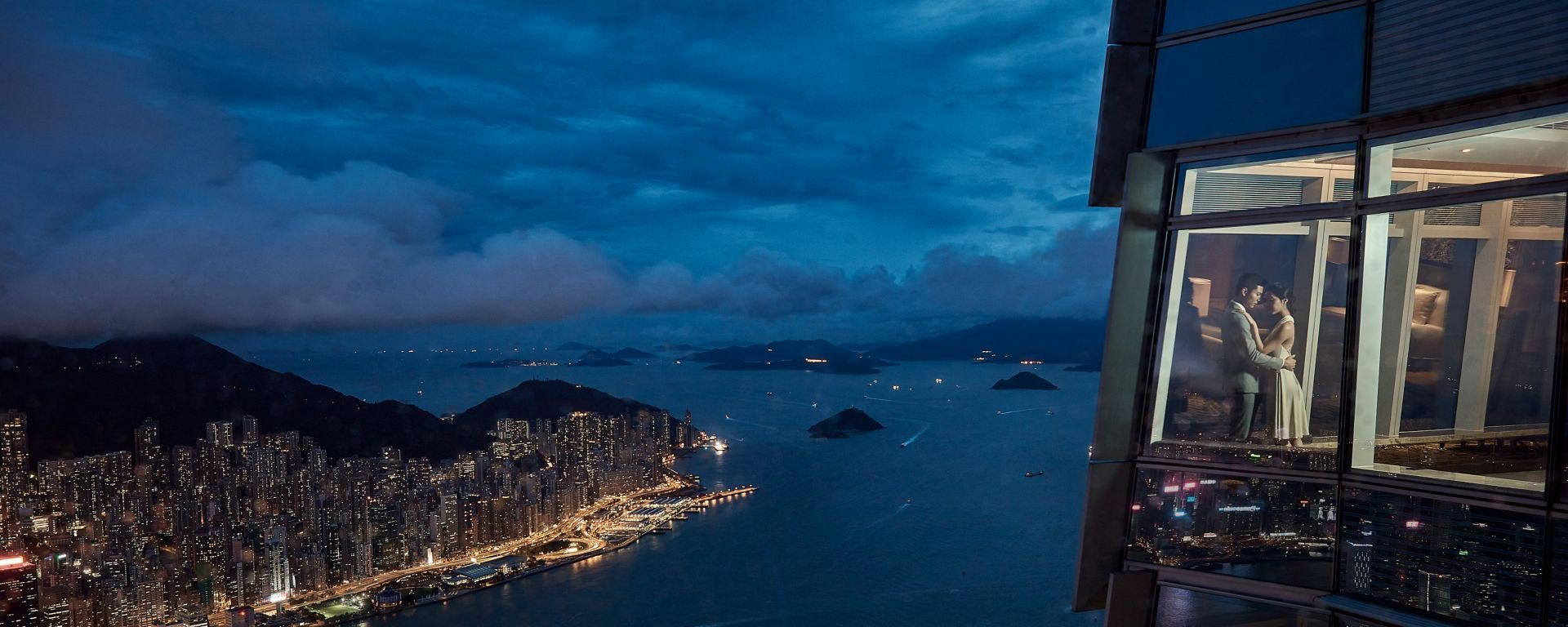
A City Reframed from 490 Metres Up
West Kowloon has undergone one of Asia's more deliberate urban transformations over the past two decades. What was reclaimed scrubland is now a Norman Foster-masterplanned cultural district anchored by M+, the Palace Museum Hong Kong, and the 484-metre International Commerce Centre. The ICC was the first architecturally ambitious building to define the district's character, and it remains the structural centrepiece around which West Kowloon's parks, waterside promenades, and public institutions have arranged themselves. The Ritz-Carlton, Hong Kong occupies floors 102 to 118 of that tower, a position that places it above the cloud line on overcast mornings and well above any competing sightline on clear ones. Rooms start at 50 square metres for a Deluxe category and reach 365 square metres in the Ritz-Carlton Suite, with 312 keys in total across those leading sixteen floors. Rates from approximately USD 439 per night place it at the sharper end of Hong Kong's luxury tier, alongside properties like the Four Seasons Hotel Hong Kong and Rosewood Hong Kong, though its altitude argument is singular in the city.
The Architecture of Position
Hong Kong's luxury hotel market has long been divided between traditional harbour-front addresses on Hong Kong Island and the newer, denser development corridors of Kowloon. Properties like the Mandarin Oriental, Hong Kong and The Peninsula Hong Kong carry institutional weight built over decades in those established zones. The West Kowloon address is a different proposition: a purpose-built luxury insert into a planned cultural district rather than a heritage institution with accumulated reputation. That distinction shapes the experience in concrete ways. The ICC's structural engineering means the hotel's indoor swimming pool, fitness centre with Technogym equipment, and the Ozone bar all sit on or near the 118th floor, creating an amenity stack at altitude that no comparable Hong Kong address can replicate. The The Landmark Mandarin Oriental, Hong Kong and The Upper House compete on design restraint and urban integration; the Ritz-Carlton competes on vertical spectacle and physical drama.
Six Dining Venues, One Clear Hierarchy
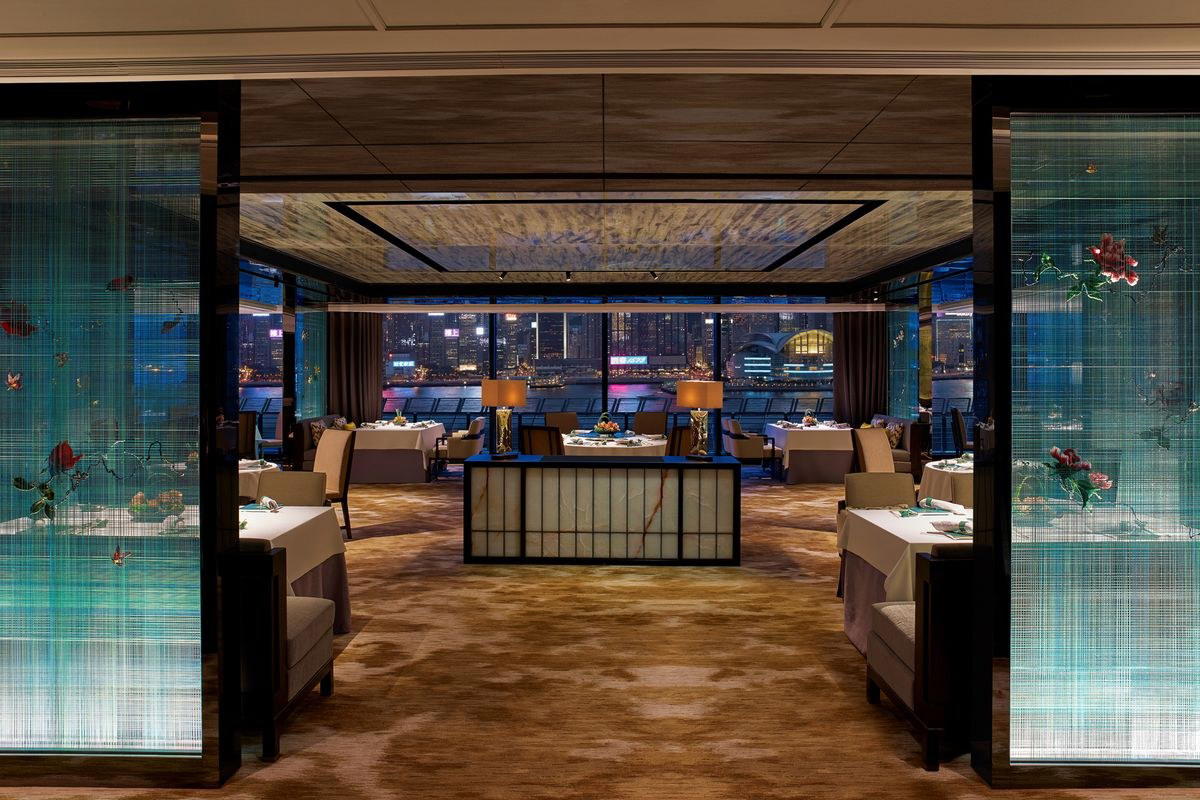
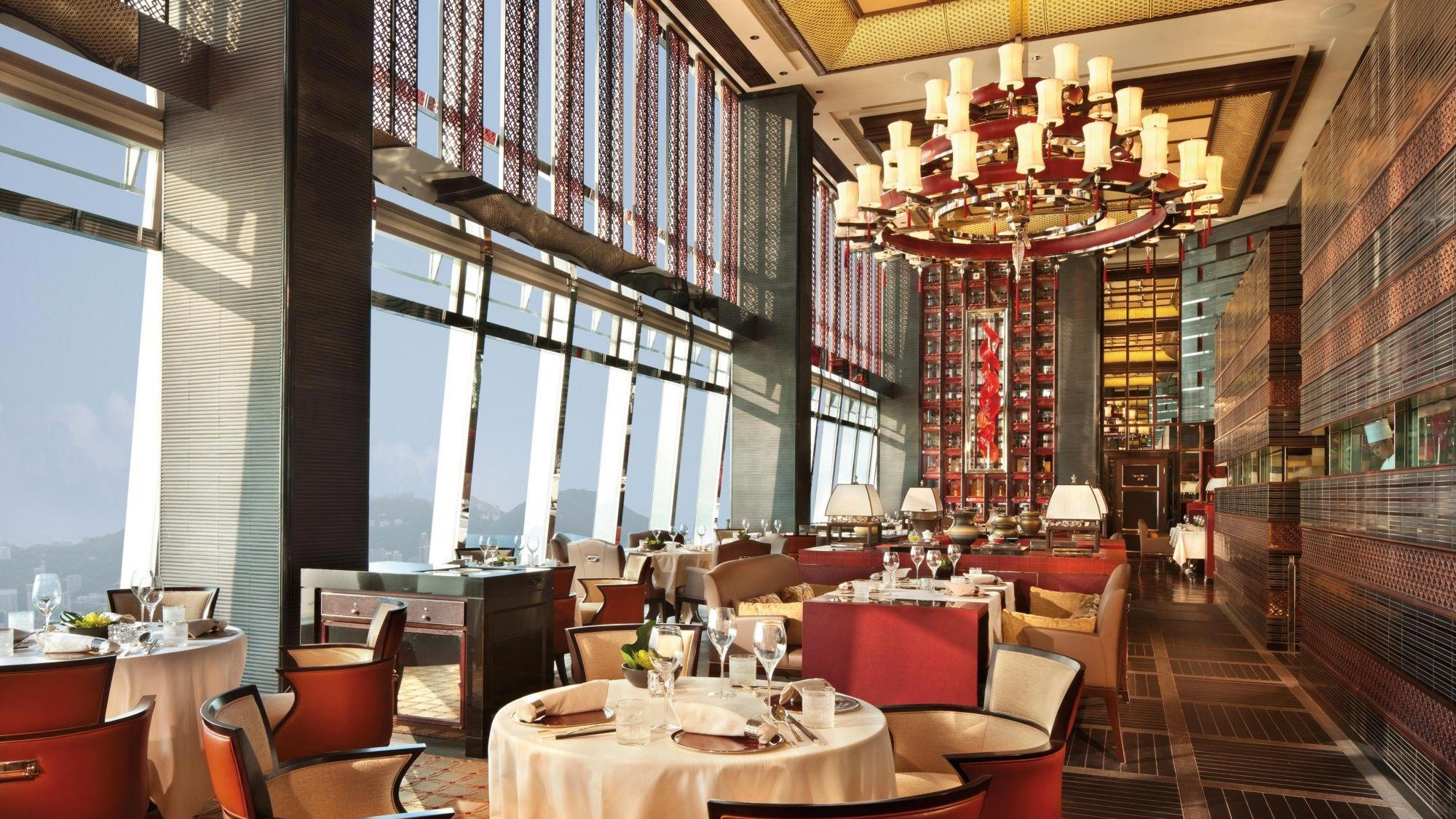
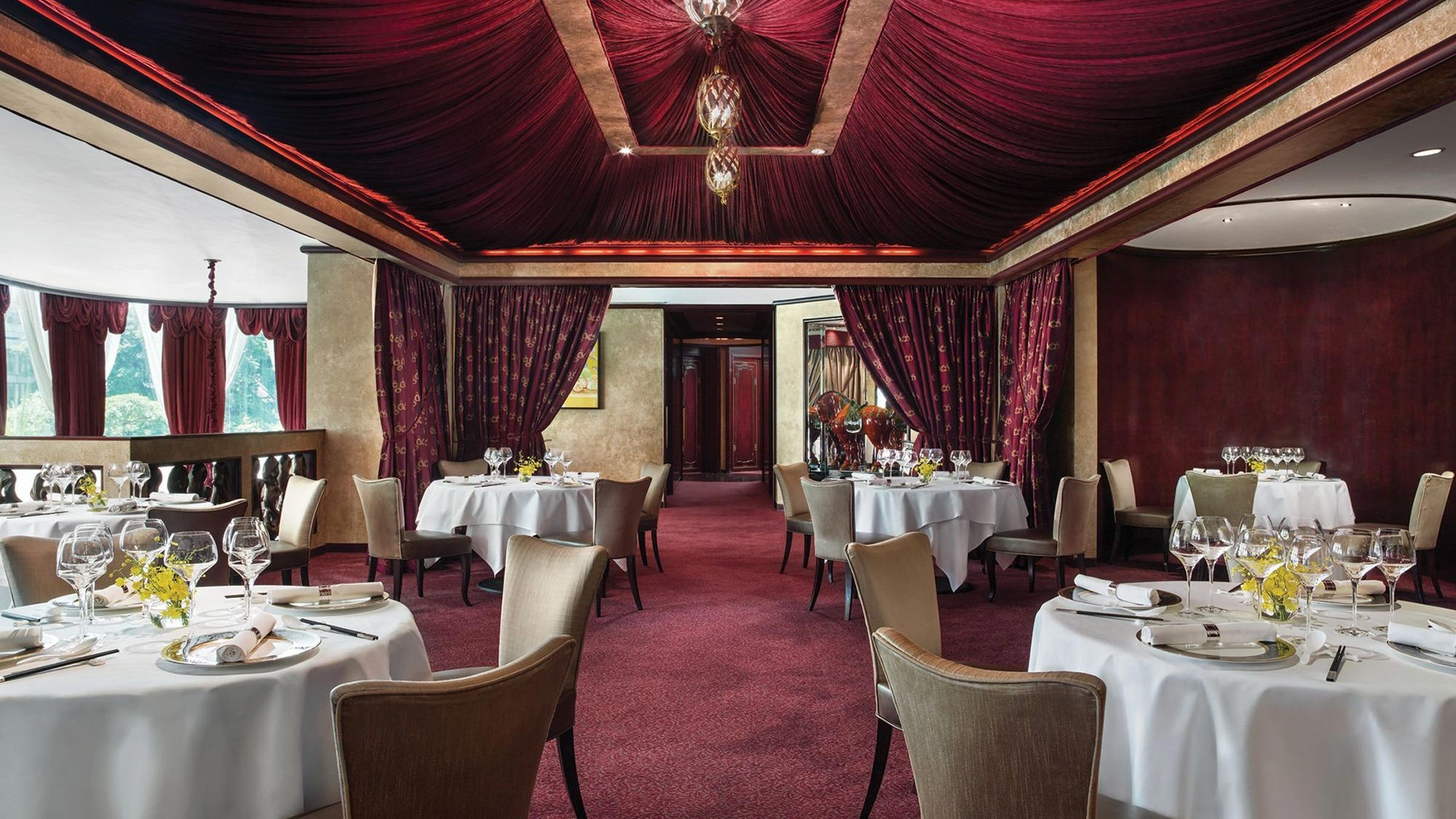
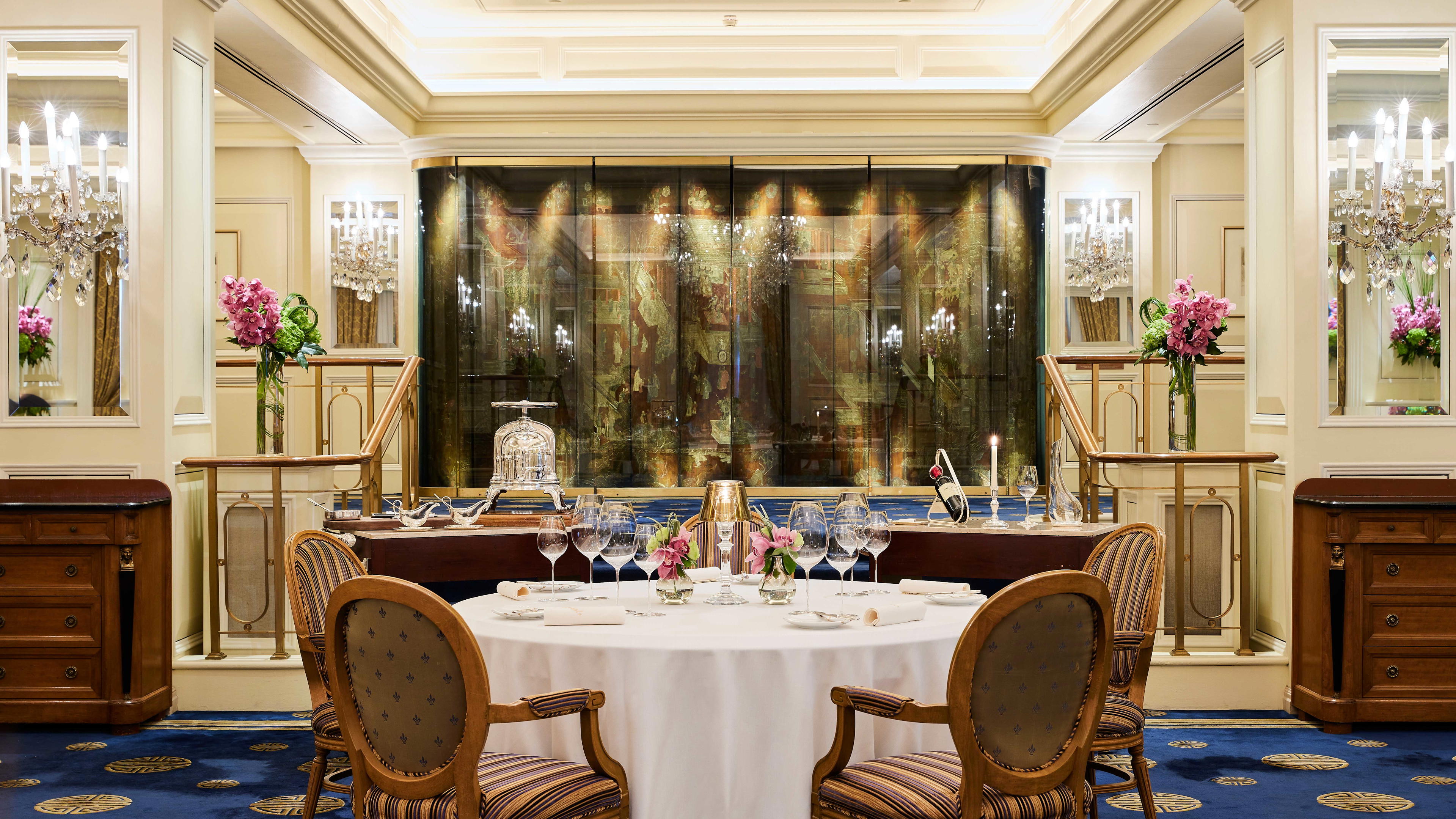
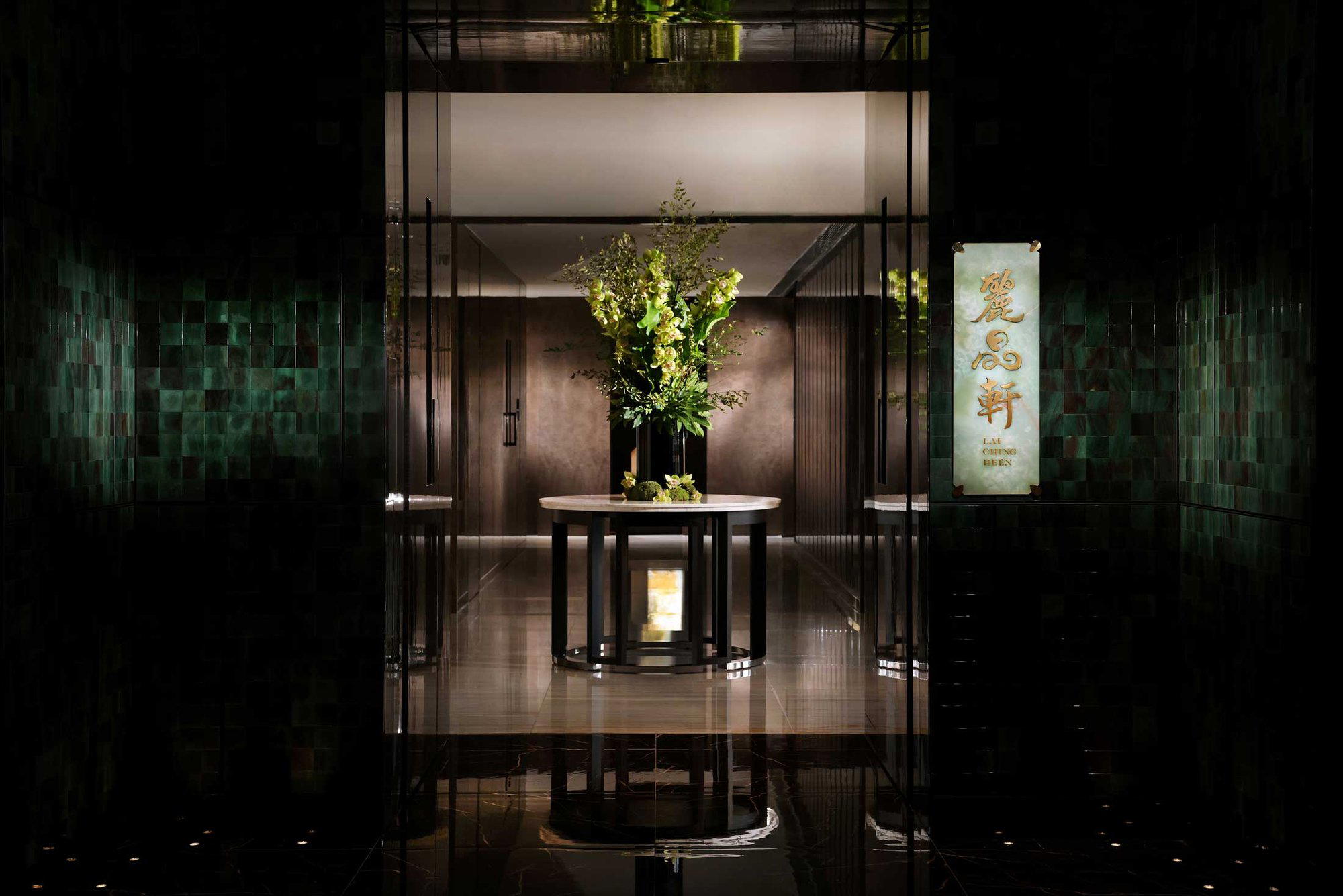
The hotel operates six dining venues, all beginning at the 102nd floor, and each is positioned to capture uninterrupted views of Victoria Harbour and Hong Kong Island. The range spans traditional Chinese, Italian, a lobby lounge with cocktails, a tea lounge, and the Ozone rooftop bar on the 118th floor. Within that range, Tin Lung Heen has attracted consistent international attention and award recognition as the property's premier dining address. The restaurant's reputation within Hong Kong's competitive Cantonese fine dining scene is well-documented, and a reservation there requires advance planning. Ozone, on the 118th floor, functions as one of the city's higher-profile refined bars, with a city-by-night perspective that extends across the entire harbour panorama. The Club Level guests who access the Ritz-Carlton Club Lounge on the 116th floor receive five daily food and beverage presentations alongside floor-to-ceiling harbour views, dedicated concierge service, and working facilities, making it a practical upgrade calculation for extended stays.
Rooms Built Around the View
The interior design logic across all 312 rooms prioritises the sightlines that the ICC's position makes possible. Neutral tones of beige and cream, natural wood surfaces, and marble bathrooms form the base palette, with black lacquer details, woven textiles, and ikebana-influenced floral arrangements adding regional reference without overplaying it. Every room delivers city or harbour views; the upper suites extend that orientation to mountain backdrops as well. Bathrooms are fitted with deep soaking tubs accompanied by scented bath salts, and bedding uses high thread-count Egyptian cotton with feather pillows. The turndown service includes a small chocolate presentation. At the suite tier, the Ritz-Carlton Suite reaches 365 square metres, which places it among Hong Kong's larger suite footprints, comparable in scale to the leading categories at the Four Seasons Hotel Hong Kong and Rosewood Hong Kong. For international benchmarking, the suite dimensions sit in the same bracket as properties like Cheval Blanc Paris and Hotel Plaza Athénée in Paris at the top tier of their respective categories.
West Kowloon as Context
Understanding the hotel's position requires understanding West Kowloon's recent trajectory. The district has spent two decades assembling a cultural infrastructure that now includes M+ — one of Asia's largest museums of visual culture — and the Palace Museum Hong Kong, which opened in 2022 to immediate regional significance. These institutions are not peripheral to the hotel's address; they are within walking distance along the waterside promenade that runs through the district. For guests who frame a Hong Kong stay around cultural programming rather than the financial district grid, West Kowloon now makes a substantive case. That case was weaker five years ago when the museums were still under construction. The Conrad Hong Kong operates in a different urban logic, embedded in Pacific Place and oriented toward the commercial Admiralty corridor. The Ritz-Carlton's Kowloon waterfront position, by contrast, puts the cultural district and the harbour access within immediate reach. For broader context on where this property fits within Hong Kong's dining and hotel scene, see our full Hong Kong restaurants guide.
Getting There and Staying Oriented
The logistics case for the ICC address is strong. The hotel connects to Hong Kong International Airport in approximately 20 minutes, and the MTR's Airport Express line at Hong Kong Station links to the West Kowloon area, making the transfer from Chek Lap Kok among the more frictionless in the region. Central Hong Kong is approximately five minutes by taxi or a short MTR hop across the harbour via the Tsuen Wan or Tung Chung lines. The ICC sits above Austin MTR station, which provides direct access to the East Rail and West Rail networks, expanding reach to the New Territories and cross-border connections to Shenzhen. For guests comparing this connectivity profile with similarly positioned tower hotels globally, the equation resembles properties like Bvlgari Hotel Tokyo or Aman New York in terms of urban transit access paired with architectural altitude. The hotel received a score of 97.5 points in the La Liste Leading Hotels 2026 ranking, placing it within the upper tier of globally recognised luxury properties, a peer group that internationally includes addresses like Badrutt's Palace Hotel in St. Moritz and Hôtel de Paris Monte-Carlo. The hotel is part of Marriott International's portfolio, which means loyalty points apply and elite tier benefits activate at check-in.
Family Logistics and the Practical Layer
The hotel positions itself as accessible to families travelling with children, with high chairs across all restaurant venues and a buffet format at Café 103 suited to varied appetites. The ninth floor of the ICC building contains a seating area; the ground floor entrance offers an additional food option worth noting for arrivals or departures before room access. The fitness facilities on the 118th floor run Technogym equipment with automated rep-counting capabilities, and the indoor infinity pool at that same elevation features 144 LED ceiling screens alongside an outdoor jacuzzi. These are not incidental amenities; they are the kind of specifications that distinguish this property from hotels that offer equivalent luxury at ground or mid-level elevation. For guests choosing between this and properties oriented more toward design restraint or intimate scale, such as The Upper House or internationally Castello di Reschio and Hotel Esencia in Tulum, the Ritz-Carlton ICC represents a different category of experience: large-footprint, vertically organised, with amenities that require the altitude to function as claimed.
A Pricing-First Comparison
Comparable venues nearby, for context on price, style, and recognition.
| Venue | Price | Awards | Notes |
|---|---|---|---|
| The Ritz-Carlton, Hong KongThis venue (the venue you are viewing) | Not listed | 1 Michelin Key · La Liste Top Hotels | Not listed |
| The Murray, Hong Kong, a Niccolo Hotel | Not listed | 1 Michelin Key · La Liste Top Hotels | Central, Contemporary heritage luxury hotel |
| Hotel ICON | $100–200 | 1 Michelin Key · La Liste Top Hotels | Yau Tsim Mong South, Contemporary upscale hotel with eco-friendly design and harbour views |
| The St. Regis Hong Kong | $300–500 | 1 Michelin Key · La Liste Top Hotels | Wan Chai, Contemporary luxury blending East-meets-West residential aesthetic |
| Regent Hong Kong | $200–300 | Michelin Guide New Hotels New Hotel · Michelin Selected | Yau Tsim Mong South, residential-style luxury retreat |
| The Silveri Hong Kong-MGallery | $100–200 | World Luxury Hotel Awards WLHA Country Winner | Islands, Contemporary luxury design hotel with emphasis on natural elements and verdant landscaping integrated into urban setting. |
Recognition history
Dated appearances from independent guides and award organizations, with the underlying list record or original source where available.
Michelin 1 Key
Michelin
La Liste Top Hotels
La Liste
Forbes 5-Star
Forbes
Virtuoso Luxury Hotel Partner
Virtuoso
Full recognition history (6 entries)
Forbes 5-Star
Forbes
Michelin 1 Key
Michelin
Continue exploring
More in Hong Kong
Hotels in Hong Kong
All hotels in Hong Kong →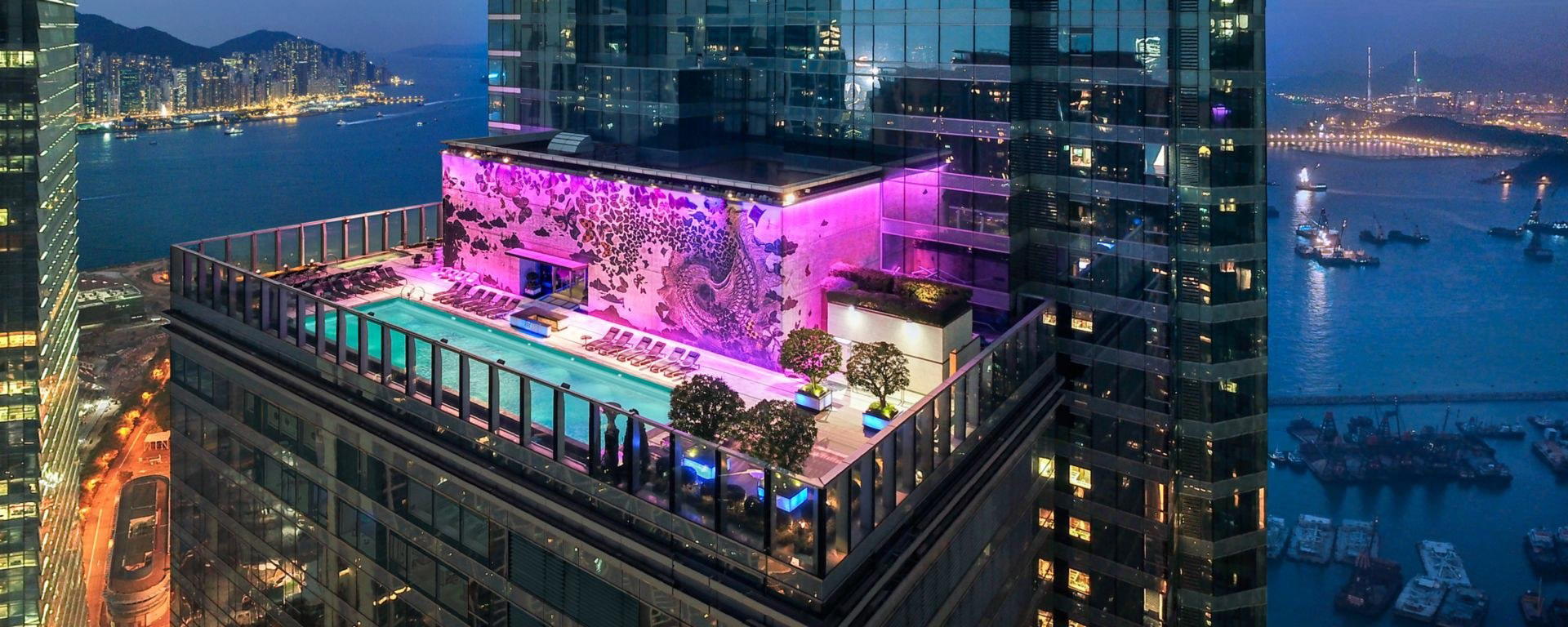
Bars in Hong Kong
All bars in Hong Kong →
Restaurants in Hong Kong
All restaurants in Hong Kong →
Wineries in Hong Kong
All wineries in Hong Kong →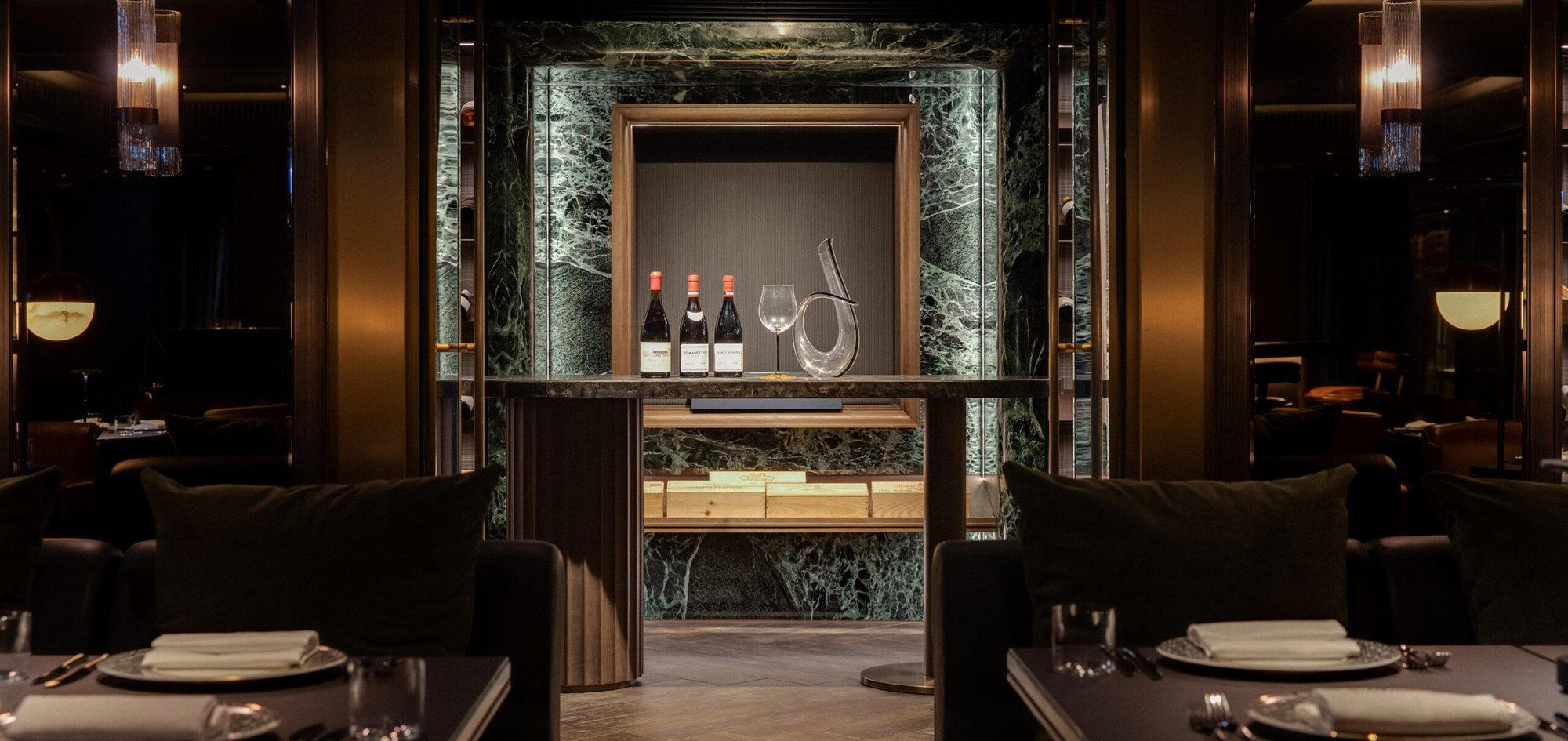
Details
- Elegant
- Sophisticated
- Ornate
- Modern
- Well Known
- Romantic Getaway
- Business Trip
- Honeymoon
- Celebration
- Rooftop Pool
- Infinity Pool
- Panoramic View
- Butler Service
- Wi Fi
- Pool
- Spa
- Fitness Center
- Room Service
- Concierge
- Business Center
- Valet Parking
- EV Charging
- Skyline
- Waterfront
- Wheelchair Accessible
- Elevator
- Step Free Entrance
Ornate and serene with floor-to-ceiling windows offering far-reaching city and harbour vistas, soundproofed rooms, and luxurious lighting creating a sophisticated, tranquil atmosphere.