
Thai Curry Pikinu belongs to Tokyo’s small but serious curry circuit, where Thai technique is filtered through a Japanese counter-restaurant rhythm rather than resort-dining theatre. Its Tabelog Curry TOKYO 100 selections in 2019, 2020, 2023, and 2024 place it among the city’s recognized curry specialists, with pricing in the JPY 1,000–1,999 range keeping the decision refreshingly low-risk.
Pearl is the En Primeur Club membership app — saves, bookings, and concierge access live there. Same editors, same standards.
- Address
- 東京都世田谷区駒沢1-4-10 サエキビル 1F
- Phone
- +81334227702
- Website
- pknoo.com
 Saves & bookings on Pearl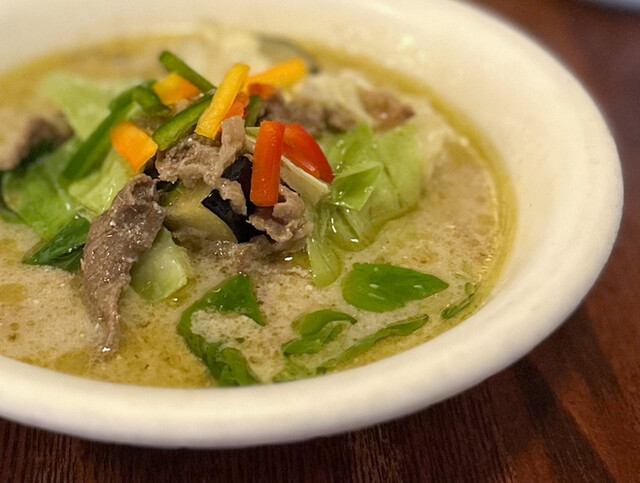
Komazawa’s curry culture does not announce itself with Ginza polish or Shibuya spectacle. It works at street level: compact rooms, counter seats, lunch queues, and regulars who treat curry as a weekly habit rather than a novelty. Thai Curry Pikinu fits that Tokyo pattern with unusual precision, taking a cuisine associated with heat, herbs, coconut, and rice, then placing it inside the city’s discipline for single-category restaurants.
That matters because Tokyo curry is not one tradition. It runs from Japanese roux curry to South Asian thali formats, soup curry, spice-curry hybrids, and Southeast Asian interpretations shaped by local produce and local expectations. The interesting places are rarely about replication. They translate. Thai methods bring the aromatic framework; Tokyo supplies the portion logic, counter tempo, and the expectation that a narrow specialty can carry an entire restaurant.
Thai curry filtered through Tokyo's specialist-counter culture
The useful way to read this address is not as a Thai restaurant competing with Bangkok-style dining rooms, but as a curry specialist in a city that rewards focus. The category listing is Curry and Thai, a pairing that explains the draw: the cooking sits where imported technique meets the Japanese appetite for precise, repeatable lunch-and-dinner formats. In Tokyo, that is a serious position. Curry specialists earn loyalty through consistency, not ceremony.
The Tabelog Curry TOKYO 100 selections in 2019, 2020, 2023, and 2024 give the restaurant a public marker within a crowded city category. Tabelog’s Hyakumeiten lists are not luxury awards; their value is different. They identify restaurants that have become reference points inside a specific genre. For curry, that is especially useful, because the field stretches from budget counters to destination spice rooms. Recognition across multiple years signals that the room has remained relevant beyond a single wave of attention.
Local-ingredient, global-technique angle is particularly persuasive in Tokyo curry. Thai cooking brings a vocabulary of paste work, herbs, aromatics, chile, coconut, and fish-sauce salinity; the Japanese setting tends to tighten the format around rice, speed, price discipline, and solo usability. The result is neither a hotel Thai menu nor a generic curry shop. It belongs to a Tokyo grammar: one focused category, modest footprint, limited frills, and a high bar for repeatability.
That grammar also explains why the restaurant’s price band matters. At JPY 1,000–1,999 for lunch and dinner, it sits far below the city’s tasting-menu economy and even below many casual dinner formats in central Tokyo. It is a specialist meal, not a long-format night out.
Komazawa keeps the experience local, not ceremonial
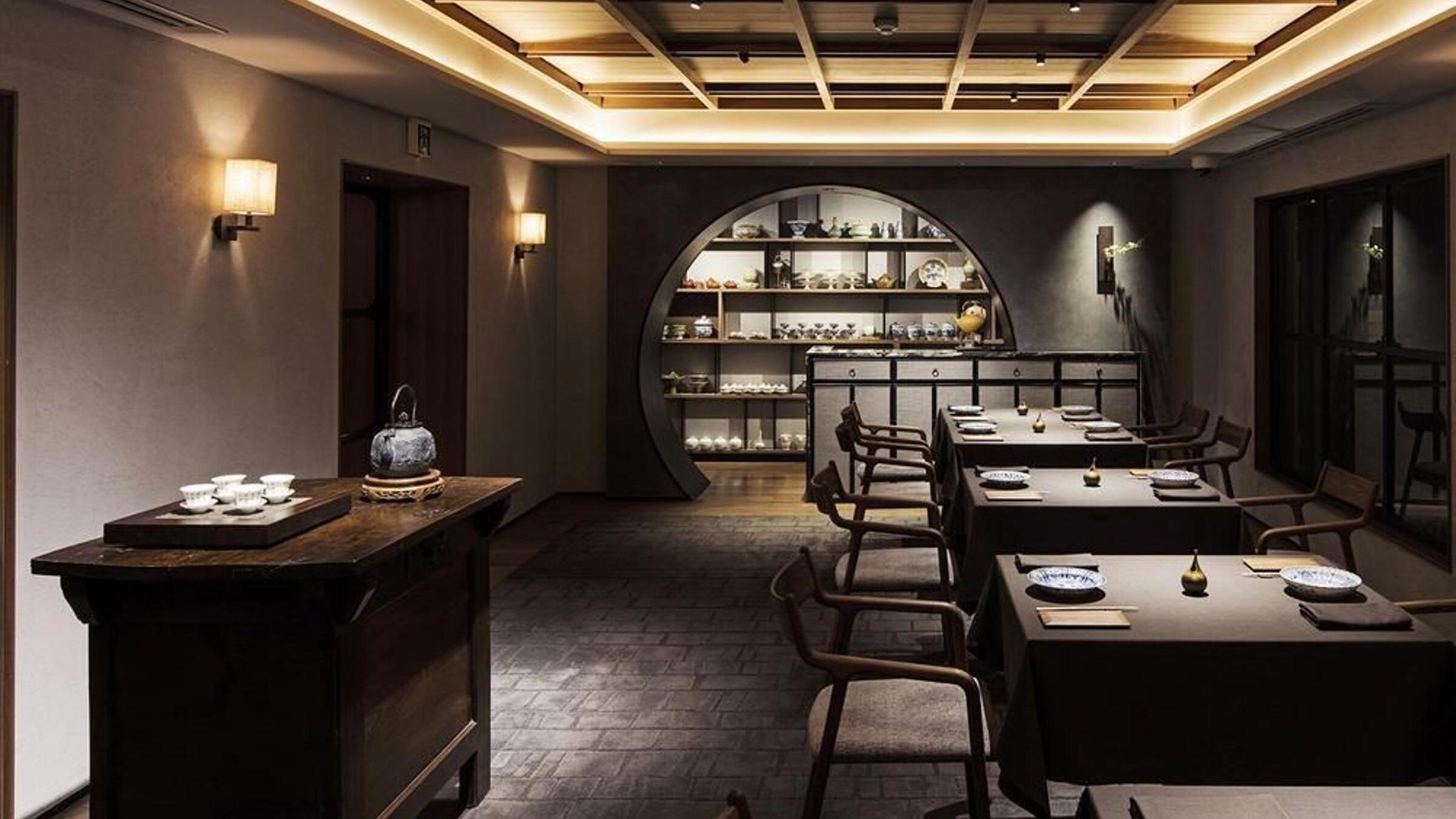
Komazawa Daigaku is not the Tokyo neighbourhood travelers usually build a first itinerary around, and that is part of the point. Setagaya’s dining character leans residential, practical, and habit-driven. A 25-seat curry room with counter seating makes sense here: small enough to stay focused, large enough to move through regular traffic, and casual enough for solo dining or a meal with friends.
The no-reservations format changes the reader’s calculus. This is not a table to plan three months around; it is a timing-sensitive stop that rewards flexibility. The restaurant is listed 152 meters from Komazawa Daigaku Station, which makes it more convenient than its low-profile neighbourhood setting suggests. Parking is unavailable, so the train is the practical choice. Payment is also part of the format: credit cards and electronic money are not accepted, while PayPay is accepted. That combination belongs to a Tokyo kind of casual seriousness, where the food category is precise and the transaction remains simple.
Counter seating also shapes the meal. Tokyo’s counter restaurants, from sushi to curry, compress the experience into a direct line between kitchen rhythm and guest. The format discourages lingering performance and favors pace. For curry, that can be an advantage: rice, sauce, heat, and garnish land as a complete plate rather than a staged meal. The room’s non-smoking policy keeps the focus on food rather than atmosphere management.
There is no need to inflate the experience with fine-dining language. The draw is narrower and more useful: a recognized Tokyo curry specialist in a residential pocket, working Thai flavors through the city’s compact, repeatable, solo-friendly restaurant model. For travelers who use food to read neighbourhoods, that is the stronger argument than spectacle.
How to place it inside a Tokyo food itinerary
For a curry-specific comparison inside Tokyo, 3 Chome no Curry Ya San gives another view of the city’s specialist curry culture. Those building a broader restaurant map can cross-reference . 鮪と炭火焼き うお炭 秋葉原店, 12/10 Shinjuku ten, 124. KAGURAZAKA (Yakitori), and 2D Cafe for different formats across the city.
For wider planning, use Our full Tokyo restaurants guide, then pair meals with Our full Tokyo hotels guide, Our full Tokyo bars guide, Our full Tokyo wineries guide, and Our full Tokyo experiences guide. Japan-wide comparisons can stretch the frame through -Grilled beef Sukiyaki- KAMAKURA TANUKIAN 鎌倉 たぬき庵 in Kamakura.cafe in Osaka.know in Kumamoto, (Shoku) Vietnam in Kawasaki, [Curry Senmon Ten] Maruyama Kyoju. in Sapporo, and [ki:] in Kyoto. For Japanese food culture abroad, Jōdo Saké Bar in Los Angeles and Onigiri Time in Pasadena show how tightly focused formats travel outside Japan.
Where the Accolades Land
Comparable venues at a glance for context.
| Venue | Cuisine | Price | Notes |
|---|---|---|---|
| Thai Curry PikinuThis venue — the venue you are viewing | Thai Curry House | $ | Not listed |
| ソムタムダー | Authentic Isaan Thai | $$ | Shibuya |
| Chao Bamboo (チャオバンブー) | Authentic Thai Street Food | $$ | Jingumae |
| Hasu no Sato Shin okachimachi honten | Authentic Thai & Curry House | $$ | Taitō |
| Ebisu Banh Mi Bakery | Authentic Vietnamese Banh Mi | $ | Ebisu |
| Sumibi Yakisakana Bento Sumisawa | Charcoal-Grilled Fish Bento | $ | Setagaya |
Recognition history
Dated appearances from independent guides and award organizations, with the underlying list record or original source where available.
Tabelog 100 #25 · No. 25
Tabelog · Tabelog 100 - Curry - TOKYO - 2024










At a Glance
- Cozy
- Intimate
- Solo
- Casual Hangout
- After Work
- Late Night
- Standalone
A small, casual curry shop with a warm, homey feel; it is run in a personal, almost solo style, with simple counter and table seating and an emphasis on the aroma of simmering Thai curries rather than decor.