
Baan Tum brings Thai and curry cooking into Okubo’s dense cross-border dining corridor, a part of Tokyo where immigrant kitchens and everyday price points matter as much as awards. Its Tabelog 100 selection for Asian and ethnic cuisine in Tokyo in 2022, 2023, and 2024 places a compact 21-seat basement room inside the city’s more closely watched casual Thai tier.
Pearl is the En Primeur Club membership app — saves, bookings, and concierge access live there. Same editors, same standards.
- Address
- Japan, 〒169-0072 Tokyo, Shinjuku City, Okubo, 2 Chome−19−1 セントラルル大久保 地下1階
- Phone
- +81 3-3205-5661
- Website
- s.tabelog.com
 Saves & bookings on Pearl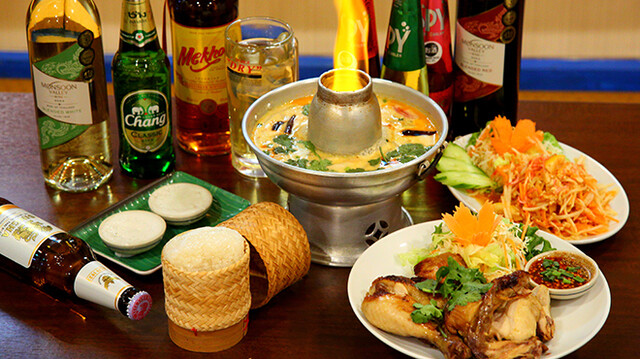
Okubo’s side streets compress Tokyo’s appetite for Asia into a few blocks: Korean storefronts, curry houses, Vietnamese counters, Thai kitchens, and rooms built for regulars rather than ceremony. Baan Tum sits below street level in that mix, a 21-seat Thai and curry address whose context matters. This is not Ginza imported luxury translated into Japanese precision. It belongs to another Tokyo tradition: affordable, high-frequency eating where regional technique, multilingual service, and neighborhood practicality outweigh tasting-menu theatre.
Its Tabelog 100 selection for Asian and ethnic cuisine in Tokyo is therefore useful. The list does not turn a modest restaurant into luxury; it marks where Tokyo diners distinguish convenience from a kitchen worth tracking. Baan Tum appeared on the Asian and ethnic Tokyo list in 2022, 2023, and 2024, with a Tabelog score of 3.55 on the 2024 listing. For this category, that signal matters more than imported fine-dining hardware. Thai cooking in Tokyo is judged by regular use, repeatability, and whether the room can serve lunch, dinner, families, solo diners, and takeout without losing identity.
Thai technique in a neighborhood built for everyday Asia
Tokyo’s Thai restaurants often split in two. One smooths the food for office lunches and safe drinking parties; the other stays closer to regional structure, especially the sour, hot, herbal, and grilled vocabulary of Isaan and central Thai cooking. Baan Tum’s listing frames the kitchen around Thai and curry, with attention to fish and health-minded choices, a useful clue in a city where Thai food is often reduced to noodles, green curry, and familiar stir-fries.
The more interesting point is how this style lands in Okubo. The neighborhood is not a polished international quarter but a working food district where global cooking adapts to Tokyo’s rhythms. Photo menus, English-language support, delivery, and takeout are not minor conveniences; they are how immigrant and regional cuisines become legible in Japan without becoming hotel food. The restaurant reflects that translation: Thai methods in a small, practical room, accessible to non-Thai-speaking diners yet recognized beyond the purely local category.
Price is part of the editorial story. Published budget is JPY 1,000 to JPY 1,999 for lunch and JPY 2,000 to JPY 2,999 for dinner, while review-based dinner spending is higher at JPY 4,000 to JPY 4,999. That gap tells experienced diners what to expect: lunch works as a low-commitment entry point, while dinner may expand with drinks or additional plates. Compared with high-ticket Japanese beef rooms such as Tokyo Niku Shabuya, which operates far higher, this is another Tokyo value proposition: frequency, spice, and neighborhood usefulness rather than ceremony.
Why the Tabelog signal matters more here than polish
For small ethnic restaurants in Tokyo, awards can be awkward. Michelin-style recognition often favors dining-room control, wine programs, and formal service; neighborhood Thai restaurants run on heat, turnover, and confidence with everyday formats. Tabelog’s Asian and ethnic category better fits this world because it compares restaurants within a relevant set. A 2024 selection, after appearances in 2022 and 2023, gives the restaurant continuity, not a single burst of attention.
The competitive field is broad. AANGAN operates in a similarly approachable Tokyo price tier, while Harukor Ainu Restaurant points to another form of regional identity inside the city. Nearby and adjacent EP Club listings, from 2D Cafe to 3 Chome no Curry Ya San, show that Tokyo’s casual dining map is not one hierarchy. It is specialized lanes: curry specialists, themed cafes, yakitori counters, seafood rooms, Thai kitchens, and drinking-led restaurants answering different needs.
The restaurant’s lane is Thai and curry cooking, small-room scale, and useful service details. A non-smoking policy, children-welcome listing, private-use availability, sofa seating, and free Wi-Fi put it closer to neighborhood utility than destination counter. Yet its award history keeps it from reading as merely convenient. It is a practical restaurant with enough critical traction to matter in Tokyo’s broader Asian-food conversation.
Know Before You Go
- Format: Thai and curry restaurant in Okubo, Shinjuku.
- Recognition: Selected for Tabelog 100 Asian cuisine and ethnic cuisine Tokyo in 2022, 2023, and 2024.
- Scale: 21 seats; private rooms are not listed, private use is available.
- Budget: Lunch is listed at JPY 1,000 to JPY 1,999; dinner at JPY 2,000 to JPY 2,999, with review-based dinner spending listed at JPY 4,000 to JPY 4,999.
- Access: The restaurant is listed as a 5-minute walk from Higashi-Shinjuku Station, 6 minutes from Shin-Okubo Station, and 10 minutes from Okubo Station.
- Service notes: Reservations are available; each guest is asked to order one drink. English menus, English-speaking staff, photo menus, takeout, and delivery are listed.
- Payments: Credit cards including VISA, Master, JCB, and AMEX are accepted; PayPay is accepted; electronic money is not accepted.
- For a wider Tokyo plan: See Our full Tokyo restaurants guide, plus the city guides for Tokyo hotels, Tokyo bars, Tokyo wineries, and Tokyo experiences.
As a decision, the restaurant suits diners who want Tokyo’s Asian-food scene at street-level scale rather than a staged evening. Pair it by mood: grilled fish and charcoal at. 鮪と炭火焼き うお炭 秋葉原店, Shinjuku dining at 12/10 Shinjuku ten, or yakitori at 124. KAGURAZAKA (Yakitori). For a broader Japan itinerary, the same casual-specialist logic extends beyond Tokyo, from (Shoku) Vietnam in Kawasaki and [Curry Senmon Ten] Maruyama Kyoju. in Sapporo to [ki:] in Kyoto, -Grilled beef Sukiyaki- KAMAKURA TANUKIAN 鎌倉 たぬき庵 in Kamakura.cafe in Osaka, and.know in Kumamoto. Across the Pacific, Jōdo Saké Bar in Los Angeles and Onigiri Time in Pasadena trace another version of the same question: how far a cuisine can travel while retaining the habits that made it worth following.
Peers You’d Cross-Shop
Comparable venues by category and price.
| Venue | Cuisine | Price | Notes |
|---|---|---|---|
| Baan TumThis venue — the venue you are viewing | Authentic Thai & Isaan Cuisine | $$ | Not listed |
| Thai Gohan Sensyu Yatai | Authentic Thai Street Food | $$ | Shibakoen |
| ソムタムダー | Authentic Isaan Thai | $$ | Shibuya |
| Tokyo Khao Man Gai (東京カオマンガイ) | Authentic Thai Khao Man Gai | $ | Chiyoda-ku |
| Hasu no Sato Shin okachimachi honten | Authentic Thai & Curry House | $$ | Taitō |
| Azabu Shokudo (麻布食堂) | Yoshoku Omurice | $$ | Nishiazabu |
Recognition history
Dated appearances from independent guides and award organizations, with the underlying list record or original source where available.
Tabelog 100 #93 · No. 93
Tabelog · Tabelog 100 - Asian cuisine / Ethnic cuisine - TOKYO - 2024














At a Glance
- Lively
- Cozy
- Energetic
- Group Dining
- Casual Hangout
- After Work
- Solo
- Date Night
- Standalone
- Design Destination
- Beer Program
Current opening hours
- Monday
- 11 AM–3 PM, 5–11 PM
- Tuesday
- 11 AM–3 PM, 5–11 PM
- Wednesday
- 11 AM–3 PM, 5–11 PM
- Thursday
- 11 AM–3 PM, 5–11 PM
- Friday
- 11 AM–3 PM, 5–11 PM
- Saturday
- 11 AM–3 PM, 5–11 PM
- Sunday
- 11 AM–3 PM, 5–11 PM
Hours can change for holidays and private events. Last verified .
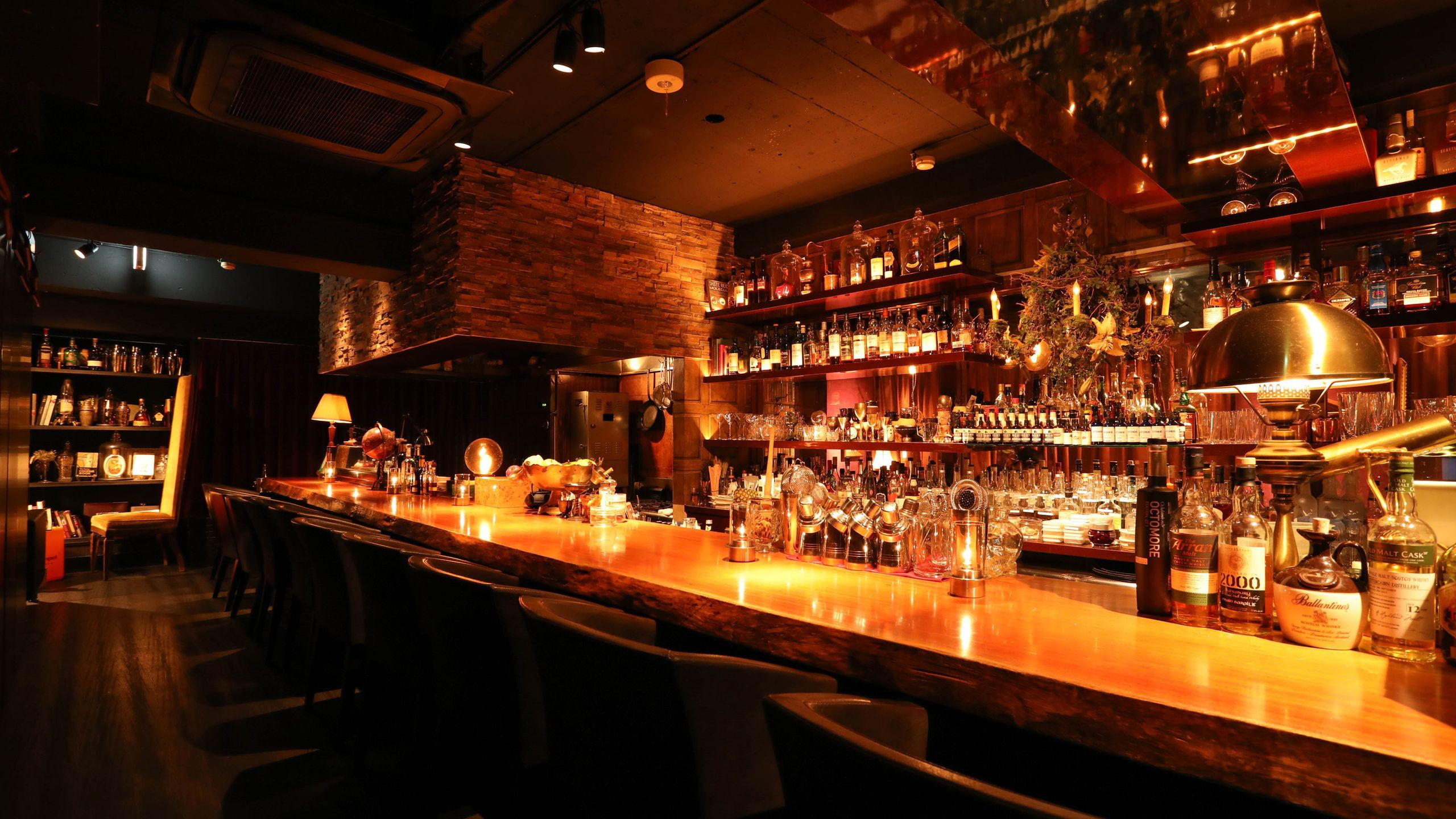
A cozy basement-level space decorated with photos of Bangkok’s cityscape, creating an intimate, slightly bustling room that feels like a casual Thai local eatery and gives a travel-like, exotic atmosphere.