In Gion Minamigawa, one of Kyoto's most architecturally preserved stretches, Teppan Tavern Tenamonya operates from a basement address that places it beneath the lantern-lit surface of the district. The teppan format here sits in the more casual, convivial register of Kyoto's dining spectrum, offering an accessible counterpoint to the kaiseki formality that defines the neighbourhood's upper tier.
Pearl is the En Primeur Club membership app — saves, bookings, and concierge access live there. Same editors, same standards.
- Address
- Japan, 〒605-0074 Kyoto, Higashiyama Ward, Gionmachi Minamigawa, 537-2 B1F
- Phone
- +81755515272
- Website
- tenamonyakyoto.com
- Directions
- Get directions
 Saves & bookings on Pearl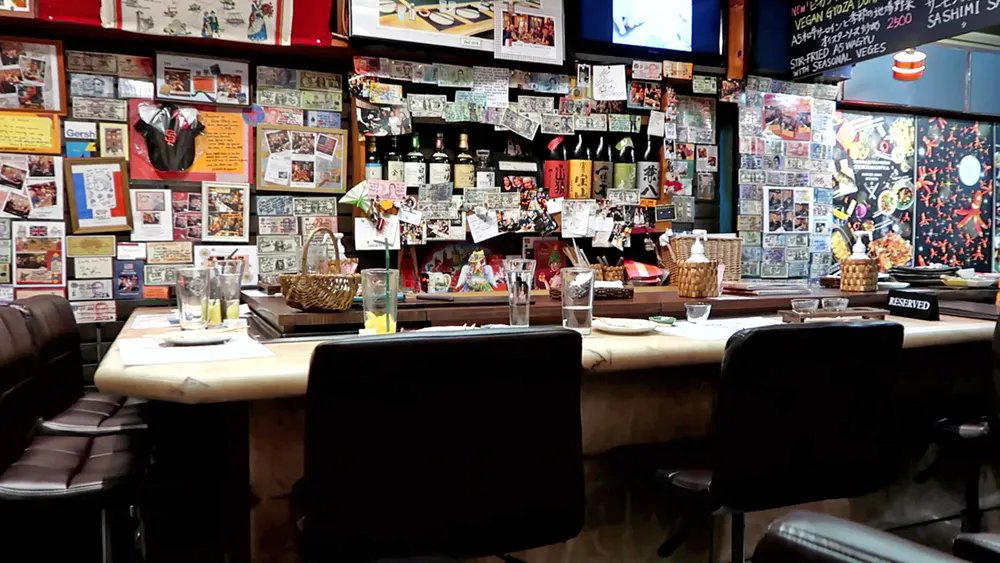
Beneath the Cobblestones of Gion Minamigawa
Gionmachi Minamigawa is, by most measures, one of Japan's most theatrically intact urban streets. The preserved machiya townhouses, the murmur of shamisen practice behind latticed screens, the particular quality of evening light in late autumn when maple colour bleeds into the canal reflections — all of it conspires to make this stretch feel less like a neighbourhood and more like a stage set. Which makes what happens underground here all the more interesting. Teppan Tavern Tenamonya occupies a basement-level address at 537-2, placing it physically beneath one of the most rarefied dining corridors in Japan and, by extension, at a certain productive remove from the formality that defines street level.
Kyoto's Gion district has long carried a dual identity in the city's dining map. The upper tier — kaiseki houses like Gion Sasaki, Kikunoi Honten, and Mizai, operates at price points and formality levels that treat dinner as ceremony. Below that bracket sits a separate and equally legitimate tradition: the izakaya, the teppan-yaki counter, and the neighbourhood tavern format that feeds the same district's residents, working geiko, and visitors who have no interest in a three-hour seated ritual. Tenamonya positions itself in this second register, and the basement address is not incidental to that positioning. It signals, architecturally, that this is a room for eating and drinking rather than a room for performance.
The Teppan Format in a Kaiseki City
Teppan-yaki as a category occupies a different social function in Japan than it does in its Western export versions. The iron griddle here is less about theatrical flame and more about direct, uncomplicated heat, a format that rewards quality ingredients with minimal intervention. In a city as ingredient-obsessed as Kyoto, where even mid-market restaurants source from recognised producers in the Tamba highlands or the waters off Maizuru, the teppan counter becomes a legitimate vehicle for that same seasonal logic, just without the multi-course choreography of kaiseki.
The seasonal dimension matters in Kyoto more than almost anywhere else in Japan. The city's dining culture, from the three-Michelin-star level at venues like Hyotei and Isshisoden Nakamura down to neighbourhood counters, is organised around the rhythm of the agricultural and natural calendar with a specificity that other Japanese cities gesture toward but rarely match. Spring brings bamboo shoots and cherry-viewing crowds; autumn brings matsutake mushrooms and the city's most concentrated tourist pressure. A basement teppan tavern in Gion, operating through those seasonal peaks, catches a particular cross-section of the city: travellers who have just come from a shrine walk, residents looking for something reliable and unfussy, workers from the hospitality industry finishing a long shift.
Comparable teppan and grill-forward formats in the Kansai region include operations as different in register as HAJIME in Osaka, which sits at the technical extreme of the spectrum, and neighbourhood-facing counters across Kyoto's Fushimi and Shimogyo wards. What defines Tenamonya's position is less what it cooks than where it cooks it, the Gion address carries cultural weight that no amount of marketing can replicate, and a tavern format that might read as ordinary in another postcode reads as grounded and deliberate here.
A Street That Has Seen Several Lifetimes of Dining
Gionmachi Minamigawa's dining character has shifted in layers over the past twenty years. The street once functioned almost entirely as a geiko district appendage, restaurants existing primarily to serve the ochaya teahouse economy. Gradual tourism pressure, changes in the ochaya client base, and a generation of younger restaurateurs comfortable operating outside the traditional hierarchy have broadened the range of formats operating here. The basement register of the street, physically and symbolically, now houses a wider range of concepts than it did in the early 2000s.
This pattern of ground-floor formality and basement informality mirrors broader dynamics in dense Japanese urban dining: Tokyo's back-alley yakitori counters operating under refined train tracks, Osaka's underground izakaya corridors beneath Namba, the basement restaurant floors of department stores that house both prestige sushi and casual ramen. In Kyoto, Gion's basement level is a quieter version of the same logic. Venues in that register tend to attract a more local-leaning clientele, simply because visitors following guidebook recommendations rarely descend the stairs when the street-level options are so compelling.
For the traveller oriented by neighbourhood rather than by Michelin tier, that calculus inverts. The basement address in Gion is precisely where you go when you want to be in one of Japan's most atmosphere-laden districts without the accompanying formality tax. Other regions offer analogous decisions: akordu in Nara and Goh in Fukuoka both represent instances where serious eating happens in settings that don't announce themselves loudly. The decision to eat at a teppan tavern in Gion rather than a kaiseki counter two hundred metres away is not a compromise, it is a different thesis about what Kyoto dining can be.
For a broader orientation to the city's restaurant options across price points and formats, our full Kyoto restaurants guide maps the range from neighbourhood-facing counters to the upper end of the kaiseki spectrum. Further afield, the precision-focused formats of Harutaka in Tokyo illustrate how different Japan's regional capitals approach the question of what a serious meal looks like. Internationally, Le Bernardin in New York City and Atomix in New York City show how other cities at the top of the global dining conversation handle the coexistence of formal and informal registers within the same culinary culture.
Know Before You Go
- Address: Gionmachi Minamigawa 537-2 B1F, Higashiyama Ward, Kyoto 605-0074
- Level: Basement (B1F), look for the staircase entrance on Minamigawa
- District: Gion, Higashiyama, walkable from Shijo-Kawaramachi and Gion-Shijo Station
- Format: Teppan tavern; expect a counter or table setting oriented around the iron griddle
- Booking: Specific booking method not confirmed, arrive early or contact directly to check current policy
- Seasonal note: Gion peaks in late March to early April (sakura) and mid-November (koyo); expect the neighbourhood to be at full capacity during those windows
- Dress: No confirmed dress code; the tavern format suggests smart-casual is appropriate
How Teppan Tavern Tenamonya Kyoto compares with similar nearby venues.
| Venue | Cuisine | Price |
|---|---|---|
| Izuju | Chinese | Not listed |
| Gion Duck Noodles | Not listed | JPY 2,000 - JPY 2,999 JPY 2,000 - JPY 2,999 |
| Chihana | Kaiseki | Not listed |
Continue exploring
More in Kyoto
Restaurants in Kyoto
Browse all →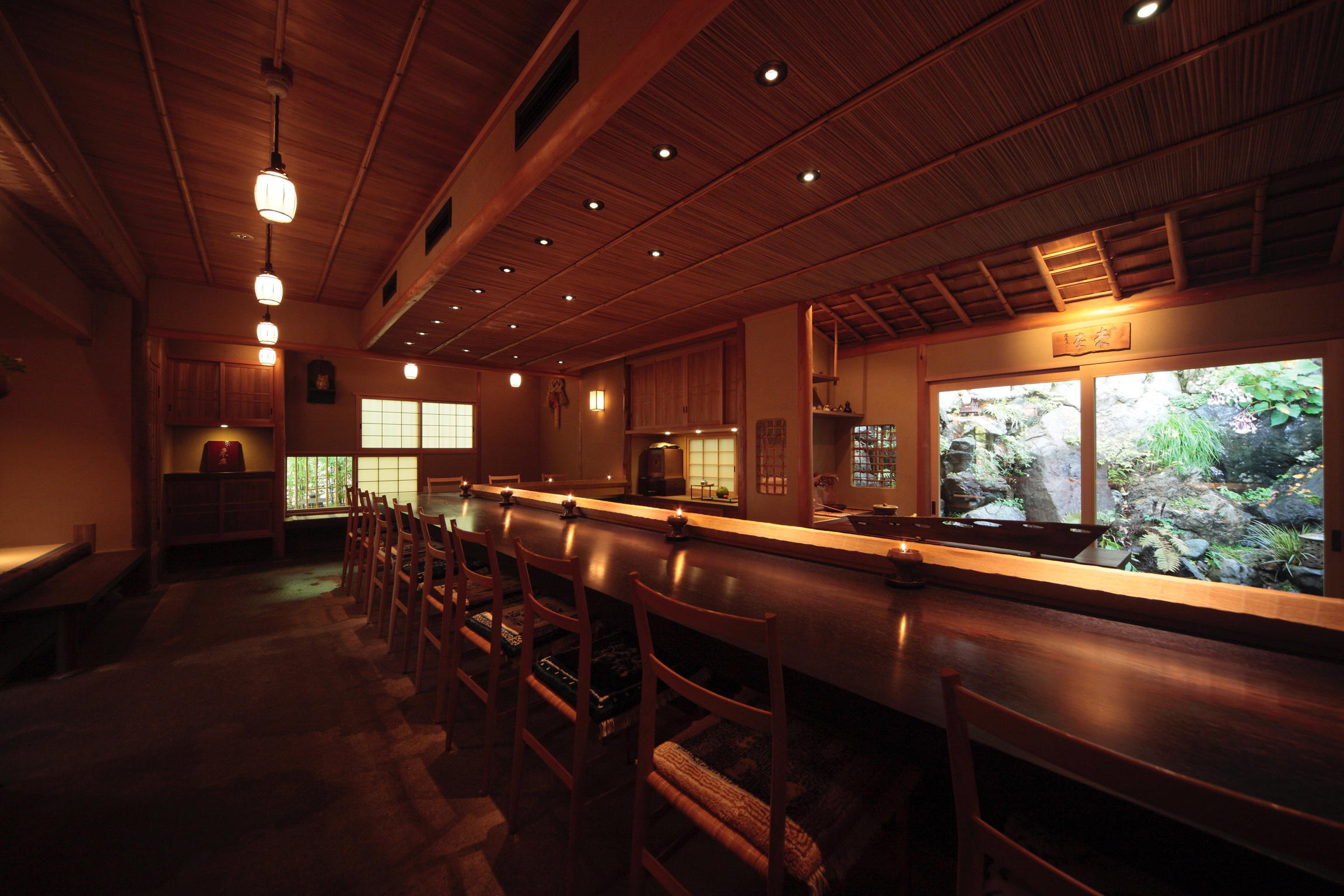
Bars in Kyoto
Browse all →
Hotels in Kyoto
Browse all →
Wineries in Kyoto
Browse all →
At a Glance
- Cozy
- Intimate
- Date Night
- Family
- Special Occasion
- Chefs Counter
- Open Kitchen
- Sake Program
- Local Sourcing
Current opening hours
- Monday
- 5–10 PM
- Tuesday
- 5–10 PM
- Wednesday
- Closed
- Thursday
- Closed
- Friday
- 5–10 PM
- Saturday
- 5–10 PM
- Sunday
- 5–10 PM
Hours can change for holidays and private events. Last verified .
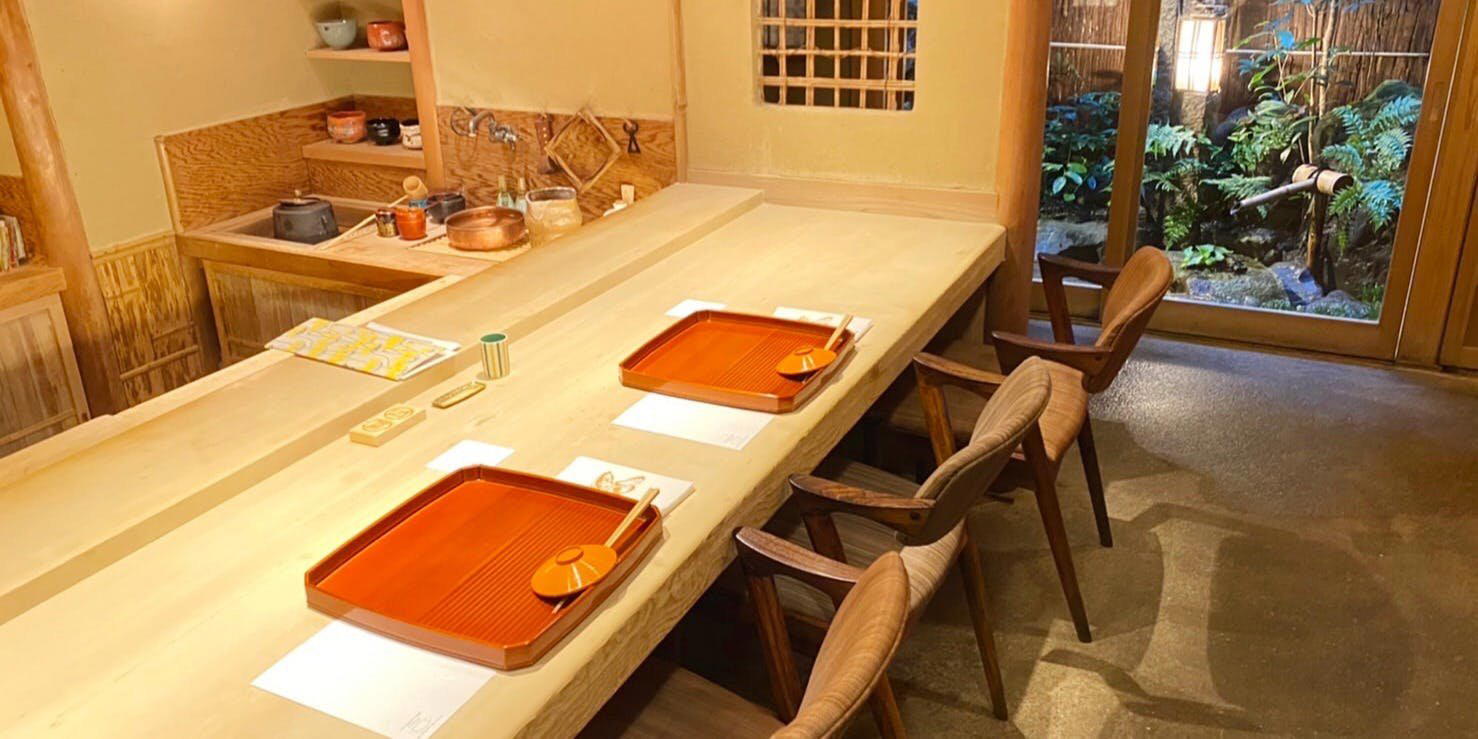
Warm, relaxed home-like atmosphere with open kitchen counter seating allowing interaction with the chef.
Know Before You Go
- Getting there
- Japan, 〒605-0074 Kyoto, Higashiyama Ward, Gionmachi Minamigawa, 537-2 B1F