Our verdict
A kaiseki counter in Minami-Aoyama that has risen steadily through Opinionated About Dining's Japan rankings, from Highly Recommended in 2023 to #262 in 2025, Ichita いち太 runs two seatings nightly through the week, closed Sundays. Chef Taichi Sato's kitchen operates in a format where seasonal ingredients carry the editorial weight of each meal, positioning the restaurant within Tokyo's mid-to-upper tier of contemporary kaiseki.

Pearl is the En Primeur Club membership app, where members save venues, book tables and use the concierge.
Minami-Aoyama and the Question of Where Tokyo Kaiseki Goes Next
The kaiseki tradition in Tokyo has never been a single thing. At the top of the register sit long-established houses like Kikunoi Tokyo, carrying the institutional weight of Kyoto lineage transplanted northward. A tier below, and in many ways more interesting to watch, is a cohort of younger counters where the seasonal produce logic of kaiseki is applied with less ceremony and more editorial precision. Ichita いち太, on the ground floor of a low-rise building in Minami-Aoyama's Chome-3 block, belongs to that second group, and its trajectory through the Opinionated About Dining rankings tells a clear story about where it sits.
OAD listed Ichita as Highly Recommended in 2023, ranked it #276 among Japanese restaurants in 2024, and moved it to #262 in 2025. That upward movement over three consecutive cycles is a meaningful signal in a ranking system where reviewers are drawn from a global network of engaged diners rather than anonymous inspectors. It suggests a kitchen finding its register, not coasting on an early reputation.
The Primacy of the Ingredient in Contemporary Kaiseki
Kaiseki, in its classical Kyoto form, was always a cuisine of restraint disciplined by season. The meal's structure, from sakizuke through hassun to shiizakana, was less a sequence of techniques than a sequence of seasonal arguments, each course making a case for a specific ingredient at a specific moment in the agricultural calendar. What Tokyo's better contemporary kaiseki kitchens have done is absorb that logic while adjusting the register: less formal, often counter-based, but equally dependent on supplier relationships and an almost obsessive attention to raw material quality.
At kitchens operating in this format, the dashi is usually the clearest indicator of where a chef's priorities lie. Whether drawn from kombu and katsuobushi in their classical proportions or adjusted to carry a specific seasonal vegetable or seafood, dashi functions as the kitchen's through-line. The seasonal produce argument, spring bamboo shoot, early summer ayu, autumn matsutake, is made more legible when the base stock doesn't compete with it. This is where ingredient-led kaiseki counters distinguish themselves from more technique-driven contemporaries. Compare this approach to, say, RyuGin, which operates at three Michelin stars and brings a more theatrical temperature and texture vocabulary to its seasonal structure; or Den, two Michelin stars, whose innovative Japanese format actively plays with the boundaries of the kaiseki sequence. Ichita's placement in the OAD rankings suggests a kitchen closer to material fidelity than formal experimentation.
For broader context on how this approach plays out in Kyoto's home territory, where the seasonal ingredient argument was first codified, Ifuki in Kyoto and Ankyu in Kyoto represent two reference points in how the tradition reads outside Tokyo. Nationally, Gion Sasaki in Kyoto and HAJIME in Osaka bracket the upper range of what the kaiseki and Japanese haute cuisine category produces across western Japan.
Minami-Aoyama as a Location Argument
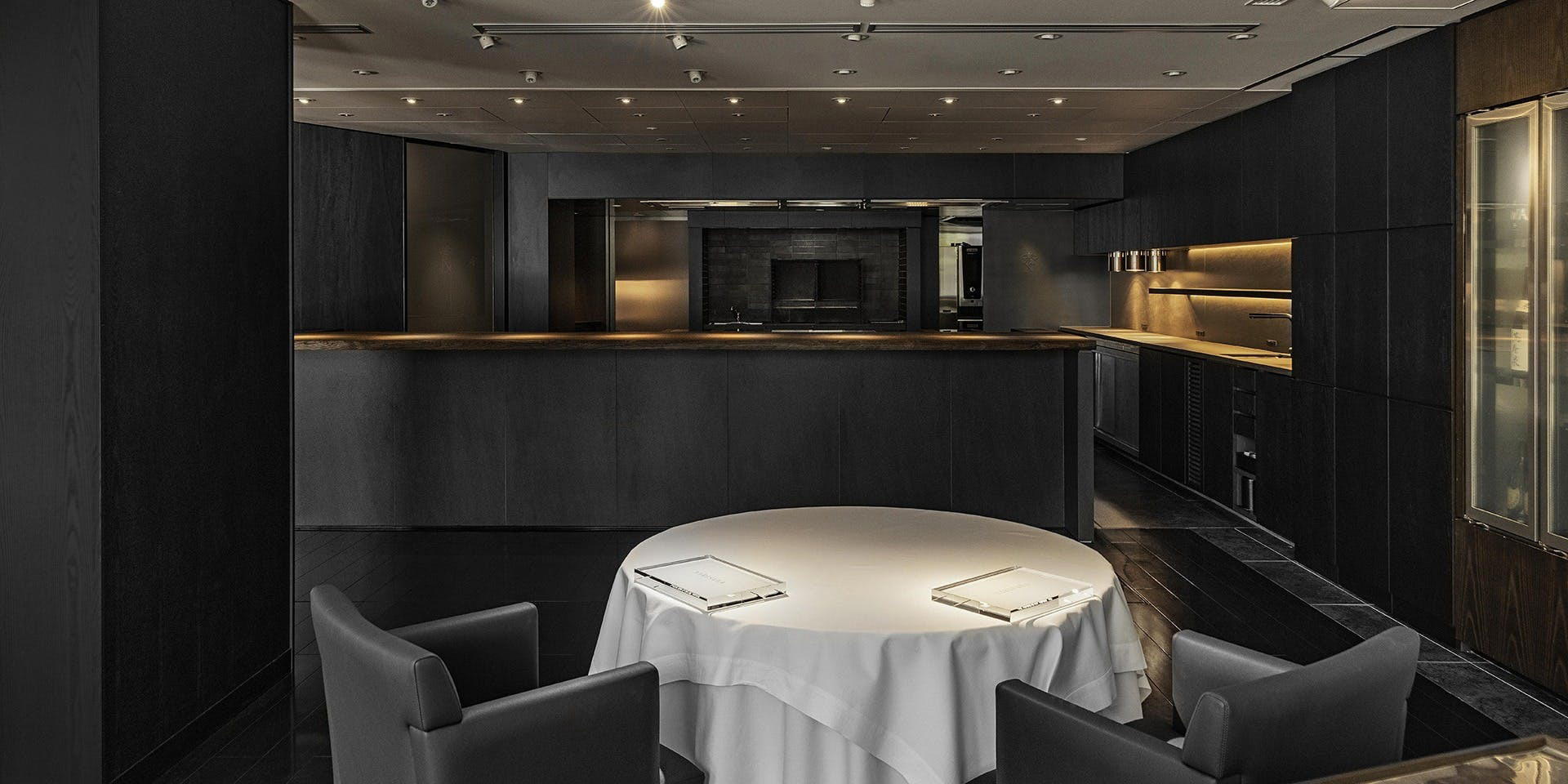
The neighbourhood context matters here. Minami-Aoyama is not a dining quarter in the way that Ginza or Nishi-Azabu are; it's a fashion-and-gallery precinct where restaurants succeed by drawing a local, repeat clientele rather than destination foot traffic. That demographic tends to produce a particular dining room character: quieter, more regular-led, with a rhythm shaped by the week's two seatings rather than a single late-night service. The address, 3 Chome-4-6 Aoyama346, 1F, puts Ichita within walking distance of the Omotesando strip but far enough from it to avoid the tourist gradient.
Other kaiseki-adjacent addresses in the broader Aoyama-Akasaka corridor include Akasaka Ogino and Aoyama Jin, both of which operate in the same general zone and serve as useful peer references. For Japanese dining that tracks a different register, kappo rather than kaiseki, Hirosaku and Ajihiro offer a sense of how the broader category plays out across the city.
Format and Structure: Two Seatings, Six Evenings
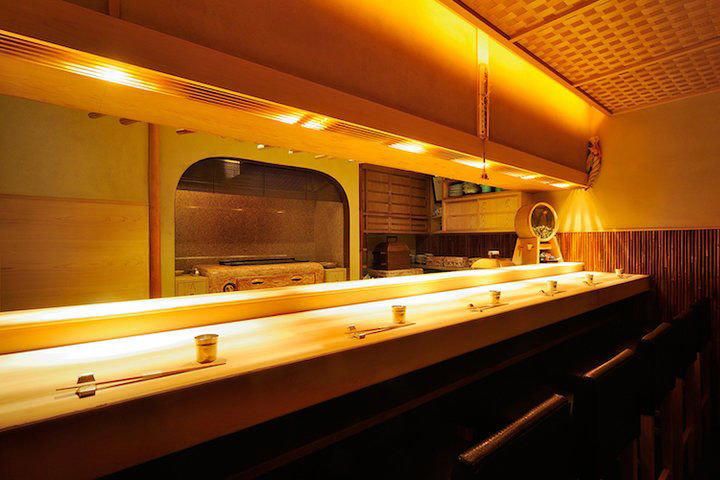
The operational format at Ichita is defined by its two nightly seatings: 5:00–7:30 pm and 8:00–10:30 pm, Monday through Saturday, with Sunday service closed. This is a standard configuration for serious kaiseki counters where the kitchen needs full reset time between covers and the chef's attention cannot be distributed across a rolling dinner service. The 2.5-hour window per seating is enough for a multi-course kaiseki sequence without compressing courses into uncomfortable succession.
The Sunday closure is worth flagging for planning purposes. For visitors structuring a Tokyo itinerary around kaiseki evenings, Saturday's late seating at 8:00 pm is the outer edge of availability within the week's schedule.
For broader Tokyo planning, our full Tokyo restaurants guide maps the city's dining tiers, while our Tokyo hotels guide, bars guide, and experiences guide cover the surrounding infrastructure. If your trip extends beyond the capital, the 1000 in Yokohama, Goh in Fukuoka, akordu in Nara, and 6 in Okinawa each represent high-signal regional destinations. Tokyo's wine programme context is available through our Tokyo wineries guide.
Planning Your Visit
Reservations: Book ahead; the two-seating nightly structure means limited total covers per evening. Contact via the restaurant directly, no booking platform or website is listed in current public records. Hours: Monday through Saturday, first seating 5:00–7:30 pm, second seating 8:00–10:30 pm; closed Sunday. Address: 3 Chome-4-6 Aoyama346, 1F, Minami-Aoyama, Minato City, Tokyo. Getting there: Omotesando Station (Tokyo Metro Ginza, Chiyoda, and Hanzomon lines) is the practical access point for the Minami-Aoyama address. Price: Not listed publicly; for kaiseki at OAD's #262 ranking level in Tokyo, dinner pricing typically falls in the upper-mid range, confirm on booking. Dress: No stated dress code, but the kaiseki format and neighbourhood context suggest smart casual at minimum.
Frequently asked questions
Is Ichita いち太 formal or casual?
Kaiseki as a format carries inherent structure, and Ichita operates within that tradition: multi-course, sequenced, and deliberate. The Minami-Aoyama address, a neighbourhood of galleries and fashion houses rather than traditional dining quarters, suggests an atmosphere that leans composed over ceremonial. OAD has ranked Ichita among its top 262 restaurants in Japan for 2025, which places it in serious dining territory, so dress accordingly.
When can I go to Ichita いち太?
Hours at Ichita いち太: Hours: Monday 5–7:30 pm, 8–10:30 pm Tuesday 5–7:30 pm, 8–10:30 pm Wednesday 5–7:30 pm, 8–10:30 pm Thursday 5–7:30 pm, 8–10:30 pm Friday 5–7:30 pm, 8–10:30 pm Saturday 5–7:30 pm, 8–10:30 pm Sunday Closed.
Is Ichita いち太 award-winning?
Ichita いち太 has received recognition including: Opinionated About Dining Top Restaurants in Japan Ranked #262 (2025); Opinionated About Dining Top Restaurants in Japan Ranked #276 (2024); Opinionated About Dining Top Restaurants in Japan Highly Recommended (2023).
What should I order at Ichita いち太?
Kaiseki is a fixed-sequence format, so the choice is made for you: the kitchen delivers a set seasonal course progression from lighter opening dishes through to rice and dessert. Chef Taichi Sato determines the menu based on what the season allows. Your only meaningful decision is which of the two seatings to book, 5:00–7:30 pm or 8:00–10:30 pm, available Monday through Saturday.
Is Ichita いち太 focused on a specific cuisine style?
Where is Ichita いち太 located?
Ichita いち太 is located at Japan, 〒107-0062 Tokyo, Minato City, Minamiaoyama, 3 Chome−4−6 Aoyama346, 1F, Tokyo.
Who is the chef connected to Ichita いち太?
The chef associated with Ichita いち太 is Taichi Sato.
Similar Picks
| Venue | Cuisine | Price | Awards | Notes |
|---|---|---|---|---|
| Ichita いち太This venue (the venue you are viewing) | Seasonal Japanese Kaiseki with House-made Soba | Not listed | Not listed | Not listed |
| Harutaka | Edo-Style Omakase Sushi | $200–300 | 3 Michelin Stars · World's 50 Best #76 | Sushi |
| RyuGin | Modern Kaiseki | $500+ | 3 Michelin Stars · World's 50 Best #41 | Kaiseki, Japanese |
| L'Effervescence | Modern French with Japanese Influences | $200–300 | 3 Michelin Stars · World's 50 Best #69 | French |
| HOMMAGE | Modern French with Japanese Influences | $150–200 | 2 Michelin Stars · World's 50 Best #78 | Innovtive French, French |
| MAZ | Innovative Peruvian-Japanese Fusion | $150–200 | 2 Michelin Stars · World's 50 Best #28 | Innovative |
Recognition history
Dated appearances from independent guides and award organizations, with the underlying list record or original source where available.
Opinionated About Dining Top Restaurants in Japan Recommended
Opinionated About Dining
Full recognition history (4 entries)
Opinionated About Dining Top Restaurants in Japan Ranked #262
Opinionated About Dining
Opinionated About Dining Top Restaurants in Japan Ranked #276
Opinionated About Dining
Opinionated About Dining Top Restaurants in Japan Highly Recommended
Opinionated About Dining