
Tensho Katahei places Kumamoto’s tempura conversation in a counter-only, reservation-led format, with soba and Japanese cooking folded into the same high-control evening. The restaurant was selected for Tabelog 100 Tempura in 2025 and 2023, and its JPY 20,000–29,999 dinner band puts it in a higher bracket than many local special-occasion rooms.
Pearl is the En Primeur Club membership app — saves, bookings, and concierge access live there. Same editors, same standards.
- Address
- 熊本県熊本市中央区上通町5-41 熊八長屋 3F
- Phone
- +81962882648
- Website
- katahei.jp
 Saves & bookings on Pearl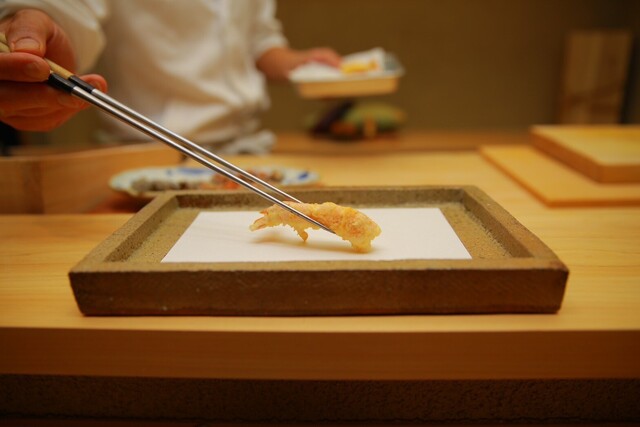
Kamitoricho’s restaurant floors can feel discreet even before dinner begins: upstairs addresses, compact rooms, and a preference for counters over spectacle. Tempura suits that scale. The cooking is immediate, technical, and unforgiving, with timing measured in seconds rather than courses staged for theatre. In Kumamoto, where the dining identity is often read through horse meat, local chicken, shochu, and market-driven Japanese cooking, a serious tempura counter gives the city a different kind of focus.
Tensho Katahei belongs to that smaller category. Its recognition on Tabelog 100 Tempura in 2025, following selection in 2023, matters because tempura is a crowded national field with a heavy concentration of attention in Tokyo and Kansai. A Kumamoto address on that list signals more than local popularity; it places a seven-seat counter in conversation with specialist rooms across Japan, not just with general Japanese restaurants in the city.
Tempura, soba, and the discipline of a seven-seat counter
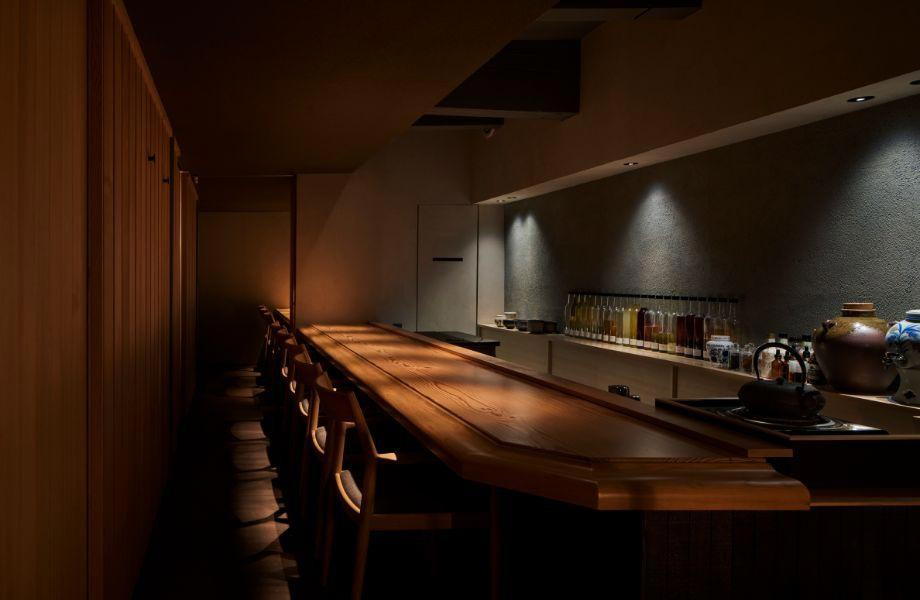
Tempura at this level is less about variety than control. Batter weight, oil temperature, ingredient moisture, and serving rhythm define the meal. The counter format makes that visible without turning it into performance: guests read the pace through the handoff, the pause, and the sequence. With only seven counter seats, the room is built for concentration rather than social sprawl.
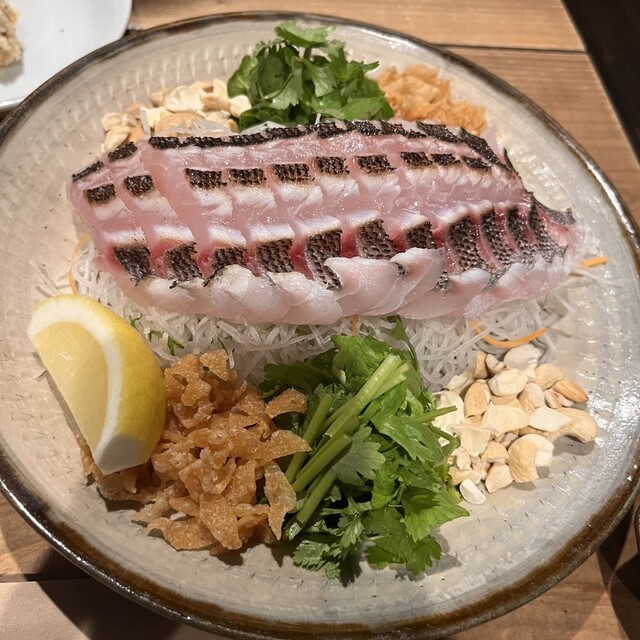
The category listing is telling: tempura, soba, and Japanese cuisine. That combination gives the meal a broader frame than a single-technique procession. Soba brings grain, texture, and regional familiarity into a format often associated with metropolitan luxury; Japanese cooking gives the kitchen room to shape the meal around balance rather than fried courses alone. The result is a useful Kumamoto reading of tempura: precise, formal, but not detached from everyday Japanese culinary grammar.
The price band also clarifies the intended audience. At JPY 20,000–29,999 for dinner, this sits above many Kumamoto special-occasion options. For comparison within the city, Amakusa Daiou Senmon Ten Tosaka occupies a lower dinner band, while China Sichuan Togen and yakiniku specialists tend to compete on a different idea of generosity and group dining. Tensho Katahei is the tighter proposition: fewer seats, narrower focus, higher scrutiny.
Kumamoto's high-end dining is broader than its famous dishes
Visitors often approach Kumamoto through regional signatures first, but the city’s stronger meals are not confined to a checklist of local foods. The better question is format. Counter dining, small Japanese rooms, French-leaning kitchens, Chinese restaurants, and ingredient-specific specialists all translate Kyushu’s produce through different rules. That is why a meal here should be compared less with casual soba shops and more with the city’s disciplined, reservation-led restaurants.
Within that map, .know, antica locanda MIYAMOTO, BARON, and China Sichuan Togen help show how Kumamoto’s upper tier has moved beyond one regional narrative. The value of a tempura counter is its refusal to hide behind abundance. It asks whether a city can sustain a room where dinner depends on attention, sequencing, and the guest’s willingness to follow a set pace.
That set pace is central. Service runs by reservation only, with shared start times rather than an open-ended arrival window. This matters for travellers because tempura loses authority when treated as a drop-in meal. The format rewards punctuality and a smaller party. It is not the natural choice for a loose group dinner after sightseeing, nor for a table that wants to graze and linger over separate orders. It is better read as a controlled evening in the middle of a Kumamoto itinerary.
How to place it in a Kumamoto trip
The address in central Kumamoto puts the restaurant in a convenient urban orbit rather than a destination requiring a rural detour. Its Suidocho/Kamitoricho setting works well for travellers staying around the city centre, and the restaurant’s own practical notes point to nearby coin parking rather than dedicated parking. The room is non-smoking, counter-based, and private rooms are not part of the format.
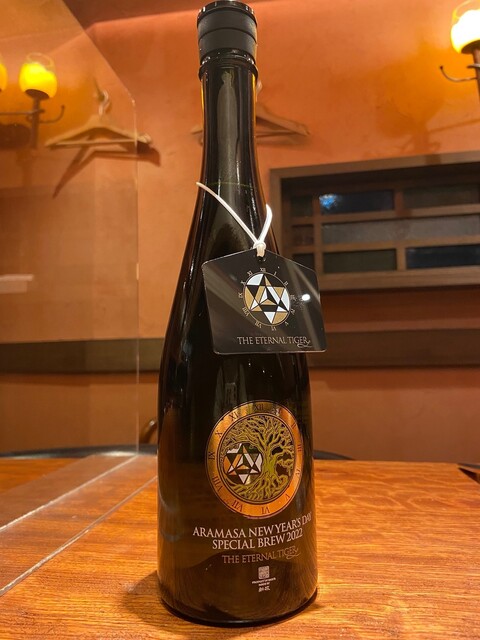
Drink-wise, the listed range covers sake, shochu, and wine, which is a sensible spread for Kyushu. Shochu has particular local relevance in this part of Japan, while sake remains the conventional partner for many counter-style Japanese meals. The presence of wine shows how tempura rooms increasingly accommodate guests who want acidity and texture beyond the expected pairings, though the meal’s structure remains Japanese in rhythm.
Family suitability is conditional rather than automatic. The restaurant’s guidance allows children only when they can take a meal equivalent to an adult’s, with age 12 and over given as the guideline. In practice, that makes the restaurant a better fit for older children already comfortable with long, quiet, counter-led meals at this price tier. Families seeking a broader range of moods can scan our full Kumamoto restaurants guide alongside our full Kumamoto hotels guide, our full Kumamoto bars guide, our full Kumamoto wineries guide, and our full Kumamoto experiences guide.
The broader lesson is not that every Kumamoto trip needs a tempura counter. It is that the city’s serious dining rewards precision in choosing format. For travellers building a Japan itinerary across regions, Tensho Katahei offers a compact, technically focused counter meal that sits apart from the louder pleasures of beef, noodles, izakaya cooking, and regional drinking. For additional context on how Japanese dining formats vary by city and genre, compare entries such as -Grilled beef Sukiyaki- KAMAKURA TANUKIAN 鎌倉 たぬき庵 in Kamakura,. 鮪と炭火焼き うお炭 秋葉原店 in Tokyo,.cafe in Osaka, (Shoku) Vietnam in Kawasaki, [Curry Senmon Ten] Maruyama Kyoju. in Sapporo, [ki:] in Kyoto, Jōdo Saké Bar in Los Angeles, and Onigiri Time in Pasadena.
Budget and Context
Comparable venues by cuisine and price in the same metro.
| Venue | Cuisine | Price | Awards | Notes |
|---|---|---|---|---|
| Tensho KataheiThis venue — the venue you are viewing | $$$$ | , | ||
| .know | Gionbashi, Creative Japanese Fine Dining | $$$ | , | |
| Sushi Nakamura | Chuo-Ku, Traditional Japanese Sushi | $$$ | ||
| Sekka Sanbo | $$ | , | Chuo Ward, Kamidori / Kaminoura-dori area, Handmade Soba & Sake | |
| Tsuru Hachi | Karashimacho, Traditional Tempura | $$$ | ||
| Hyogo Dori | Chuo Ward, Yakitori & Chicken Dishes | $$$ | , |
At a Glance
- Elegant
- Intimate
- Quiet
- Hidden Gem
- Date Night
- Special Occasion
- Business Dinner
- Solo
- Chefs Counter
- Standalone
- Design Destination
- Sake Program
- Local Sourcing
- Sustainable Seafood
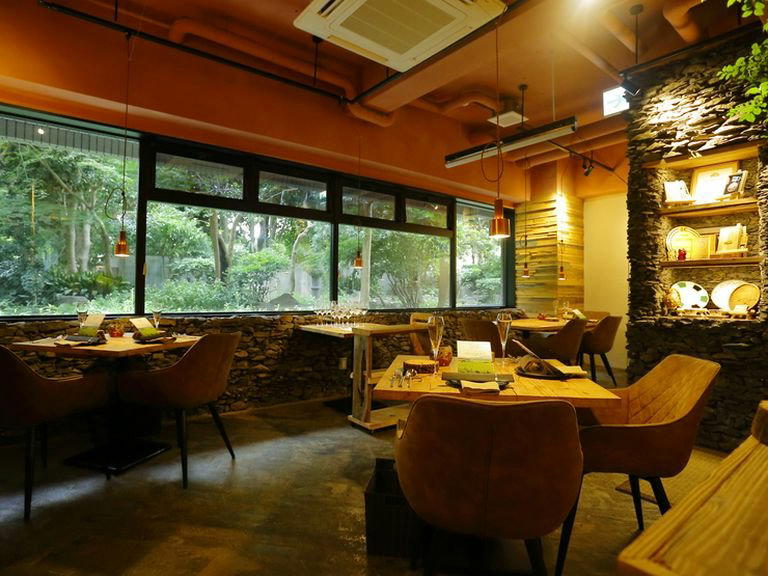
Calm, reservation-only counter with limited seats, where all guests are served in sync in a quiet, focused atmosphere suited to appreciating seasonal tempura and soba.