

Michelin Bib Gourmand · Tabelog 100 #84
Our verdict
A Michelin Bib Gourmand recipient in Osaka's Tenjinbashi district, Tenboshi sits inside the casual-access tier of Japan's tempura tradition, where Kyushu-sourced ingredients meet a sesame-and-cottonseed oil blend that produces a distinctly light fry. Chef Keiji Nakazawa's seafood-vegetable sequencing and considered dipping sauces make the ¥¥ price point one of the more credible value propositions in Osaka's mid-range dining scene.

Pearl is the En Primeur Club membership app, where members save venues, book tables and use the concierge.
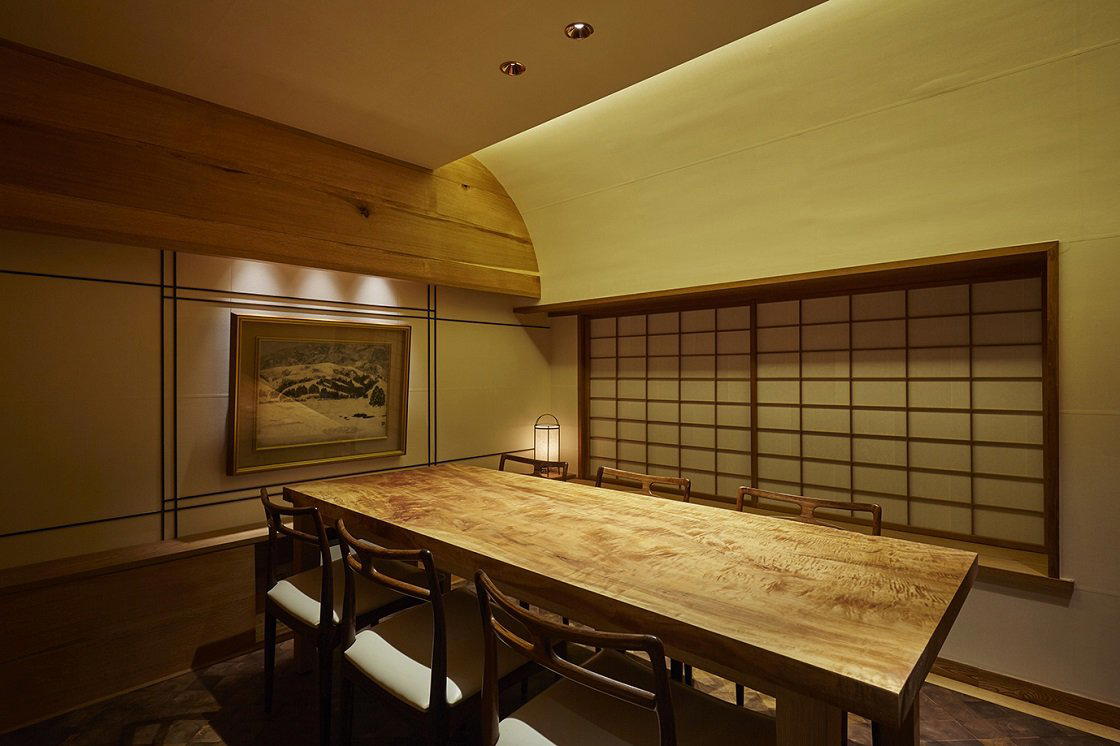
The Room Tenjinbashi Built
Tenjinbashi-suji, Osaka's longest covered shopping arcade, generates a particular kind of foot traffic: locals running errands, older residents from the surrounding Kita Ward streets, the occasional visitor who has wandered north from the tourist corridor. The storefronts along this stretch tend toward the functional rather than the curated. Tenboshi, occupying a ground-floor unit in the León Tenjinbashi building at 7 Chome, reads the room correctly. The entrance signals a working neighbourhood restaurant rather than a destination dining address, and that calibration is intentional. In a city where the gap between a polished kaiseki counter and a reliable neighbourhood specialist can run several hundred thousand yen per year in dining spend, that positioning carries weight.
Osaka's tempura scene has always been more democratic than Tokyo's. Where Tokyo's leading tempura counters, places like Tempura Ginya, skew toward the omakase-only, counter-prestige format, Osaka has historically accommodated both the formal and the casual within the same cuisine. Tenboshi sits in the casual-access tier: ¥¥ pricing, a relaxed physical environment, and a format built around accessibility rather than ceremony.
What the Oil Tells You
The technical foundation of any tempura restaurant is the frying medium, and this is where Tenboshi signals its intentions clearly. The kitchen uses a blended fresh-pressed sesame and cottonseed oil, a combination that produces a coating lighter and less oily than the more common pure sesame variants. Fresh-pressed sesame oil carries a different character from refined versions: less aggressive on the nose, with a cleaner finish that recedes rather than lingers on fried batter. Cottonseed oil, high in polyunsaturated fats, contributes to a crisper, more rapidly set batter shell. The result, when executed correctly, is tempura where the crust cracks rather than bends, and where the interior steam finishes the ingredient rather than the oil.
The sensory signature of a well-fried piece of tempura from this kind of oil blend is specific: minimal residual sheen on the surface, a brief audible snap when bitten, and an absence of the heavy, saturated aftertaste that marks cheaper frying operations. For a ¥¥ venue, maintaining this standard across a service period requires consistent oil temperature management and regular oil replacement, disciplines that separate a Bib Gourmand recipient from a comparable-priced competitor.
Chef Keiji Nakazawa, who was born in Amakusa in Kumamoto Prefecture, sources a significant portion of his ingredients from Kyushu. This geographic specificity matters in practice. Kyushu seafood, particularly from the waters around the Amakusa archipelago, tends toward the sweet and clean-finishing rather than the briny and pronounced. Vegetables from the Kyushu interior carry their own character. When paired with the lighter oil profile at Tenboshi, these ingredients arrive at the plate without the frying process masking what they actually are.
The Sequence and the Sauces
Tenboshi's approach to service sequencing, alternating seafood and vegetable pieces, reflects a considered structural logic rather than arbitrary rotation. Alternating between the two categories allows the palate to reset between richer, more iodine-forward seafood pieces and the earthier, sometimes bitter registers of vegetable tempura. A straight run of seafood would accumulate intensity; a straight run of vegetables would flatten the experience. The interleaved sequence keeps each piece in better relief.
The dipping sauces function as compositional tools within this structure. Tempura dipping sauce (tentsuyu), typically a dashi-mirin-soy combination, is calibrated to complement rather than overwhelm. When the kitchen provides different sauces for different pieces, a salt with certain seafood, tentsuyu with another, a citrus-forward option with vegetable items, it is making an argument about what each ingredient needs rather than offering a one-size approach. This kind of differentiation is one of the signals that Michelin's inspectors look for when awarding a Bib Gourmand: the evidence that the kitchen has thought carefully about flavour structure, not just execution.
The Bib Gourmand, awarded in 2025 (following a Michelin Plate recognition in 2024), denotes good cooking at a price point that represents value relative to the standard achieved. The progression from Plate to Bib Gourmand in consecutive years indicates a kitchen that consolidated its technique rather than drifting. For comparison, Osaka's higher tier of tempura-adjacent formal Japanese dining includes kaiseki rooms like Shunsaiten Tsuchiya and Hiraishi at ¥¥¥ price levels, and French-inflected tasting menu operations like Gochiso nene. Tenboshi operates in a different register entirely.
The Chain Question
Tenboshi is managed by Numata, a developer of tempura restaurants with multiple locations. In Japanese dining, a chain association can carry negative connotations in certain segments, particularly in the premium kaiseki tier. In the casual-specialist category, however, the relationship is different. A well-run multi-location operator often has better ingredient sourcing infrastructure, more consistent oil management protocols, and more developed kitchen training systems than a standalone operation at the same price point. Tenboshi's Bib Gourmand recognition suggests the Numata framework supports rather than constrains the kitchen's output.
For tempura at similar or higher price points in other Japanese cities, the context shifts. Harutaka in Tokyo represents the counter-prestige end of the national scene. Gion Sasaki in Kyoto illustrates how ingredient-focused Japanese cooking operates at the formal tier in a different city. Internationally, Mudan Tempura in Taipei shows how the format travels. Tenboshi sits firmly within the Osaka casual-specialist tradition, closer in character to a neighbourhood craftsman than a destination counter.
The OIMATSU Tempura Suzuki represents a higher-register tempura option within the city for those seeking a more formal framing of the same cuisine. Osaka's broader dining picture, for those building a longer itinerary, is covered in our full Osaka restaurants guide, alongside hotels, bars, wineries, and experiences. For other regional options, akordu in Nara, Goh in Fukuoka, 1000 in Yokohama, and 6 in Okinawa each offer distinct perspectives on the Japanese dining spectrum.
Planning Your Visit
Address: 7 Chome-10-9 Tenjinbashi, Kita Ward, Osaka (León Tenjinbashi building, 1F). Price range: ¥¥ (mid-range by Osaka standards). Recognition: Michelin Bib Gourmand 2025; Michelin Plate 2024. Reservations: Contact details not published; walk-in is a viable approach given the casual neighbourhood format, though peak mealtimes on weekends may require a wait. Dress code: None; the setting reflects the covered-arcade neighbourhood it occupies. Leading timing: Weekday lunch or early dinner allows the fullest engagement with the frying sequence without the compressed pace of a full-house service.
Frequently asked questions
What is the signature dish at Tenboshi?
Is Tenboshi formal or casual?
Is Tenboshi good for families?
Similar Picks
| Venue | Cuisine | Price | Awards | Notes |
|---|---|---|---|---|
| TenboshiThis venue (the venue you are viewing) | Tempura Omakase | $50–100 | Michelin Bib Gourmand · Tabelog 100 #84 | Not listed |
| HAJIME | Avant-Garde Japanese Fine Dining | $300–500 | 3 Michelin Stars · World's 50 Best #83 | French, Innovative |
| La Cime | Modern French with Japanese Ingredients | $150–200 | 2 Michelin Stars · World's 50 Best #13 | French |
| Kashiwaya Osaka Senriyama | Seasonal Kaiseki Omakase | $200–300 | 3 Michelin Stars · La Liste Top Restaurants | Japanese |
| Taian | Traditional Japanese Kaiseki Omakase | $150–200 | 3 Michelin Stars · La Liste Top Restaurants | Kaiseki, Japanese |
| Fujiya 1935 | Modern Japanese with European influences | $100–150 | 2 Michelin Stars · La Liste Top Restaurants | Innovative |
Recognition history
Dated appearances from independent guides and award organizations, with the underlying list record or original source where available.
Michelin Bib Gourmand
Michelin
Tabelog 100 #84 · No. 84
Tabelog · Tabelog 100 - Tempura - 2025
Full recognition history (4 entries)
Michelin Bib Gourmand
Michelin
Michelin Plate
Michelin
Continue exploring
More in Osaka
Restaurants in Osaka
All restaurants in Osaka →


Bars in Osaka
All bars in Osaka →


Hotels in Osaka
All hotels in Osaka →



Wineries in Osaka
Browse all →
Details
- Casual
- Cozy
- Intimate
- Date Night
- Solo
- Special Occasion
- Chefs Counter
- Open Kitchen
- Sake Program
- Omakase
- Counter Dining
Current opening hours
- Monday
- Closed
- Tuesday
- 12–2 PM, 5:30–11 PM
- Wednesday
- 12–2 PM, 5:30–11 PM
- Thursday
- 12–2 PM, 5:30–11 PM
- Friday
- 12–2 PM, 5:30–11 PM
- Saturday
- 12–2 PM, 5:30–11 PM
- Sunday
- 12–2 PM, 5:30–11 PM
Hours can change for holidays and private events. Last verified .
Casual counter seating with a comfortable, composed atmosphere focused on the chef's craft.