

A Michelin-starred tempura counter in Osaka's Kita Ward where the chef fries in sesame oil and advocates champagne and white wine as natural pairings. The tatami-matted interior draws from the ozashiki-tempura tradition, placing guests at low tables as each piece is prepared. At ¥¥¥, Hiraishi occupies the serious mid-tier of Osaka's specialist tempura scene.
Pearl is the En Primeur Club membership app — saves, bookings, and concierge access live there. Same editors, same standards.
- Address
- ビル, 菱富, 302, 1 Chome-9-6 Sonezakishinchi, Kita Ward, Osaka, 530-0002, Japan
- Phone
- +81 6-6341-7172
- Directions
- Get directions
 Saves & bookings on Pearl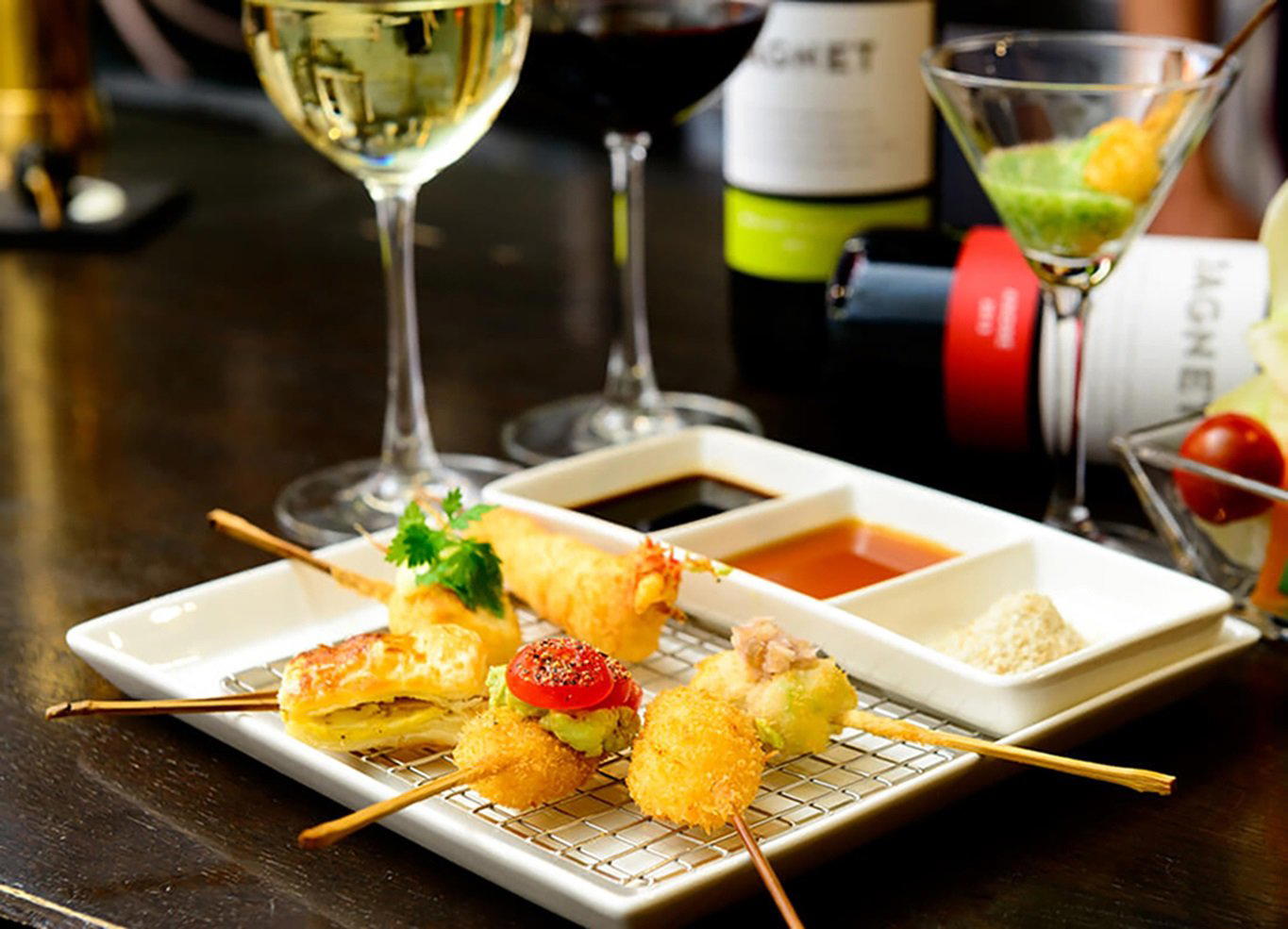
Where Tempura Becomes a Measured Ritual
In Osaka's Kita Ward, a short walk from the dense restaurant grid of Sonezakishinchi, the ozashiki-tempura tradition shapes the dining experience at Hiraishi in ways that separate it from the casual counter format most visitors associate with fried Japanese cuisine. Ozashiki-tempura, the practice of frying tempura in front of guests seated on tatami mats around a low table, carries a formality and pacing that aligns the meal with Japanese private dining culture rather than the brisk, stool-and-counter model common at lunchtime tendon spots. At Hiraishi, the tatami-matted interior is not decorative nostalgia; it functions as the structural logic of the meal. The seating position, the low table, the proximity to the fryer: together they make the cooking inseparable from the eating.
This format demands something from the diner as much as the chef. Sitting on tatami, watching each piece of batter dissolve into sesame oil, there is a sequential attention built into the meal that faster formats actively dissolve. Japan's most deliberate dining traditions, from kaiseki at Taian to the omakase pacing of leading sushi counters, treat time as an ingredient. Hiraishi positions tempura within that same logic.
The East-West Synthesis at the Heart of This Kitchen
Japanese culinary training rarely stays in one city. The geography of apprenticeship matters: Tokyo and Osaka have historically approached Japanese cuisine differently, Tokyo tending toward refinement and Osaka toward richness and directness. Hiraishi's chef trained across both cities, absorbing flavour study in Tokyo and technique in Osaka, and has framed the kitchen's philosophy explicitly around what can be taken from each tradition. That framing is rare in Japanese restaurants, where single-lineage training is often the badge of credibility. Working across both cities and consolidating the learning into a single counter represents a different kind of authority.
This is not fusion in the casual sense. It is a conscious synthesis of regional technique applied to a single discipline. Tempura fried in sesame oil, as practised here, produces a different result from the more neutral oils common in many Tokyo establishments: the oil has its own mild flavour contribution, the colour of the crust develops differently, and the aromatic register shifts. These are not minor variables. For serious tempura, oil choice is foundational, and sesame oil grounds the kitchen in a specifically Osaka-facing tradition.
The Michelin Guide awarded Hiraishi one star in 2024, placing it in a tier that also includes Osaka kaiseki counters such as Numata and Gochiso nene, as well as the broader set of single-star specialists across the city. At ¥¥¥¥, Hiraishi prices into the serious high-tier: above everyday tempura, below the expensive bracket occupied by HAJIME and La Cime, and level with the kind of focused specialist counter where the ingredient sourcing and technique justify the spend.
The Argument for Wine with Tempura
Most tempura counters in Japan stay firmly within the sake and beer pairing model. Hiraishi makes an explicit case for wine, specifically champagne and white wine, on the grounds that acidity does work the other beverages do not: it cuts through the oil's coating and sharpens the flavour of whatever ingredient sits inside the batter. This is a defensible technical argument, not a concession to Western preference. The high-acid, mineral structure of good Champagne interacts with fried food in a way that has some logic in French bistro culture too, where fried dishes are sometimes paired with Chablis or Muscadet for exactly the same reason.
In the Osaka context, where sake culture runs deep and many specialist restaurants treat wine as an afterthought, the explicit advocacy of wine pairing at Hiraishi places it in a small sub-category of Japanese restaurants actively thinking about the beverage dimension of their cuisine. For those interested in the intersection of Japanese cooking and European wine culture, the pairing programme here is worth attention in its own right. Restaurants elsewhere in Japan exploring similar territory include Harutaka in Tokyo, though the context and cuisine differ.
The dipping sauce served warm alongside the tempura is another traditional anchor. Warm tsuyu maintains the temperature of the fried piece rather than cooling it on contact, a detail that matters at a counter where pacing is controlled by the chef. Each piece is intended to be eaten at a specific temperature window, and the warm sauce supports rather than disrupts that sequence.
Tempura in Osaka's Fine Dining Hierarchy
Osaka's Michelin-starred restaurant count is, per capita, among the highest of any city in the world. The concentration of three-star Japanese restaurants, including Kashiwaya Osaka Senriyama and Taian in kaiseki, and the density of two- and one-star specialists across multiple cuisines, means that a single-star result in this city represents real competitive positioning rather than a thin field. The comparison set for Hiraishi within Osaka's tempura category is instructive: OIMATSU Tempura Suzuki occupies the same general discipline, and the city's specialist tempura scene, while smaller than its kaiseki or sushi tiers, rewards those who seek it out.
Across Japan, tempura at this level tends to separate into two camps: Tokyo-style counters with neutral oil, lighter batter, and a purer ingredient focus, and Osaka-style counters that lean into richer frying mediums and more assertive presentation. Hiraishi's approach straddles both, which is part of what the chef's dual-city training was designed to produce. For a comparative view of how Tokyo handles the same discipline at high level, Tempura Ginya offers a different reference point.
Those building a broader itinerary around Japan's specialist restaurant culture might also consider Gion Sasaki in Kyoto, akordu in Nara, or Goh in Fukuoka as counterpoints in different cities and cuisines. For something further from the Japanese mainland, Mudan Tempura in Taipei shows how the discipline travels. Closer to Hiraishi's price tier and culinary register, Shintaro represents another facet of Osaka's mid-to-upper dining scene.
Planning a Visit
Hiraishi is located in Kita Ward at 1 Chome-9-6 Sonezakishinchi, within a building in one of Osaka's densest restaurant districts. The Sonezakishinchi area is walkable from Higashiumeda and Nishi-Umeda stations. Given the one-star Michelin status and the intimate tatami format, reservations are advisable well in advance; ozashiki-style counters of this calibre in Osaka do not typically keep available tables at short notice. The ¥¥¥ price range places the meal firmly in planned-occasion territory. Contact details and current booking windows are best confirmed through direct inquiry or an Osaka-based restaurant concierge, as public booking information for counters of this type changes seasonally.
our full Osaka restaurants guide, our full Osaka hotels guide, our full Osaka bars guide, our full Osaka wineries guide, and our full Osaka experiences guide.
Style and Standing
Comparable venues nearby, for context on price, style, and recognition.
| Venue | Cuisine | Price | Awards | Notes |
|---|---|---|---|---|
| HiraishiThis venue — the venue you are viewing | Michelin-Starred Tempura Omakase | $$$$ | Michelin 1 Star | Not listed |
| Oryori Yamada | Japanese Kappo Omakase | $$$$ | Michelin 1 Star | Kita |
| Konoha | Traditional Tempura Kaiseki | $$$$ | Michelin 1 Star | Chūō |
| Shinchi Yamamoto | Modern Japanese Kaiseki Omakase | $$$$ | Michelin 1 Star | Kita |
| Ryoriya Inaya | Refined Seasonal Japanese Kaiseki Omakase | $$$$ | Michelin 1 Star | Kita |
| Ichiju Nisai Ueno Minoten | Seasonal Japanese Kaiseki | $$$ | Michelin 1 Star | Nishi |
Recognition history
Dated appearances from independent guides and award organizations, with the underlying list record or original source where available.
Michelin 1 Star
Michelin
Tabelog 100 #39 · No. 39
Tabelog · Tabelog 100 - Tempura - 2025
Michelin 1 Star
Michelin
Continue exploring
More in Osaka
Restaurants in Osaka
Browse all →




Bars in Osaka
Browse all →



Hotels in Osaka
Browse all →




Wineries in Osaka
Browse all →
At a Glance
- Intimate
- Elegant
- Sophisticated
- Date Night
- Special Occasion
- Chefs Counter
- Open Kitchen
- Sake Program
Current opening hours
- Monday
- 6–10 PM
- Tuesday
- 6–10 PM
- Wednesday
- 6–10 PM
- Thursday
- 6–10 PM
- Friday
- 6–10 PM
- Saturday
- 6–10 PM
- Sunday
- Closed
Hours can change for holidays and private events. Last verified .
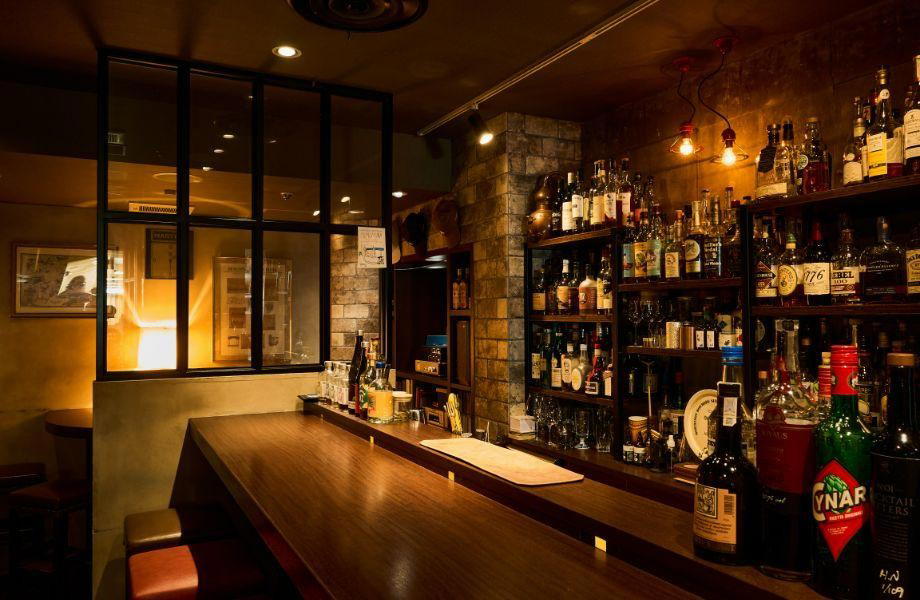
Refined counter seating for 9-10 guests with meticulous Japanese detailing, creating an intimate and elegant atmosphere.