
Tabelog 100 #59
Our verdict
Tempura Tokoro Kyorynsen gives Kyoto Station a serious tempura address rather than a transit compromise. Its Tabelog 100 Tempura 2025 selection, fish focus, sake emphasis, and hotel-restaurant setting place it in the city’s practical luxury tier: precise enough for a planned meal, accessible enough for rail-day timing.

Pearl is the En Primeur Club membership app, where members save venues, book tables and use the concierge.
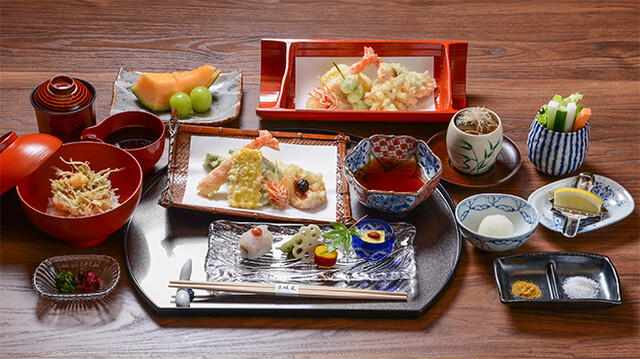
The menu
What to order
- Seasonal Kyoto vegetable tempura
- Fresh seafood tempura
- Soft Naruto sweet potato tempura
- Fu (wheat gluten) with chestnut
The approach is Kyoto at full volume: travel plans, shifting schedules, then a dining room built around the quiet mechanics of frying. The contrast matters. Kyoto’s food identity is often tied to lanes, gardens, and formal Japanese meals, but the city also has another stage: efficient, international, and serious about specialist cooking. Tempura Tokoro Kyorynsen belongs to that Kyoto, where a meal can be convenient without surrendering craft.
Tempura is unforgiving in a way that suits this setting. It depends on sequencing, oil control, batter restraint, and making ingredients feel distinct rather than coated into sameness. In Kyoto, the question sharpens because the city’s broader food culture puts pressure on seasonality, balance, and restraint. Here, the most reliable public facts place the restaurant inside the tempura category, with recognition that makes it more than a generic stop for visitors passing through the city.
Specialist tempura with a Kyoto argument
Kyoto’s premium dining often asks visitors to choose between ceremony and convenience. Tempura Tokoro Kyorynsen narrows that gap. Its selection for Tabelog 100 Tempura 2025 gives it a measurable recognition signal in a category where small differences matter: frying temperature, ingredient timing, and the shift between courses. Its Tabelog score of 3.67 is another useful marker, not a verdict on taste, but evidence that diners who care about the genre are watching.
The ingredient angle is the point, stated carefully. Tempura is not only technique; it is sourcing tested in public view. A focused tempura kitchen changes the meal’s center of gravity, especially in a city internationally known for broader Japanese dining traditions and seasonal cooking. That is more useful than asking whether a convenient Kyoto restaurant feels atmospheric enough. The better question is whether the format protects the frying, the pacing, and the clarity of each piece.
Against other Kyoto options, the position is clear. Gozan Nozomi sits in a higher spend bracket, while Saikyo Yaki Kyoto Yamaroku occupies a more everyday grilled-fish lane; OGAWA COFFEE Kyoto eki ten, Hosen JR shinkansen kyoto eki ten, and Mangetsu JR kyoto isetan ten serve lighter-price needs. Tempura Tokoro Kyorynsen takes the middle ground Kyoto does well: specialized, formal enough to justify planning, but not detached from the practical rhythms of a visitor’s day.
Why the format matters more than the setting
Convenient restaurants in Japan can be misread by travelers as backup plans. In Kyoto, the category is more complicated. Well-run dining rooms can provide controlled environments for guests who want Japanese form without small-shop etiquette, language friction, or late-night navigation. The useful question is not street-level romance, but whether the format protects the cooking.
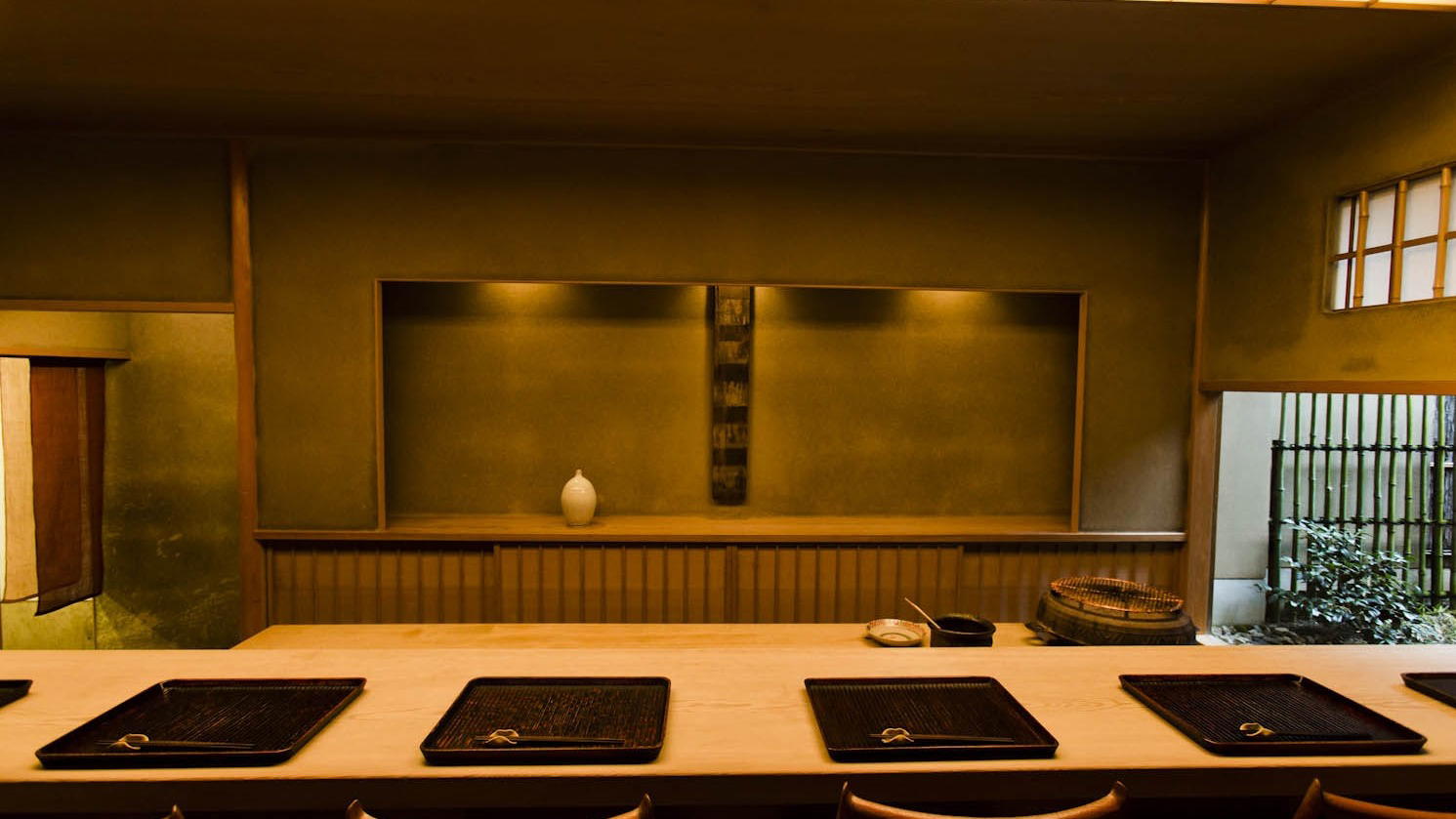
Tempura benefits from proximity. A counter, where available, can make the sequence legible: the meal is built piece by piece, and the kitchen’s rhythm becomes part of the experience without theatricality. Table seating, where available, can suit families, groups, and travelers who want the cuisine without the intensity of a tiny room. The broader point is fit: tempura works best when the room lets pacing, heat, and timing stay central.
The restaurant’s public profile matters, though it should not be over-romanticized. The confirmed recognition is contemporary rather than mythic: Tabelog 100 Tempura 2025 and a 3.67 score. That is enough to frame expectations without inventing a founding story, chef biography, or ranking narrative. For tempura, consistency is not minor; it is the proposition.
Kyoto’s broader dining map gives context. Travelers comparing this meal with other parts of the city can look at other Kyoto dining rooms for a different urban register, while sweets shops and casual bites show how varied the city’s food culture can be. The contrast defines Kyorynsen: not casual refueling, not ryotei theater, but a controlled specialist meal within Kyoto’s practical dining landscape.
How to read it within a Kyoto itinerary
This is a strong choice when the day needs a meal that is precise rather than sprawling: arrival in the city, a base in Kyoto, routes returning through town, or a final meal before leaving. The value is not only convenience. It is the chance to eat a tightly defined Japanese genre in a low-friction setting, with a public price signal that keeps expectations clear.
Tabelog lists dinner at JPY 8,000 - JPY 9,999 and lunch at JPY 4,000 - JPY 4,999, placing the restaurant below Kyoto’s most expensive special-occasion tier while still above casual everyday dining. That makes it useful for travelers who want a planned tempura meal without building the entire evening around a high-formality destination.
For EP Club readers building the wider trip, treat this as a precision stop rather than a whole-evening destination. Pair it with the broader city edit in Our full Kyoto restaurants guide, then use Our full Kyoto hotels guide, Our full Kyoto bars guide, Our full Kyoto wineries guide, and Our full Kyoto experiences guide to decide how Kyoto should function in the itinerary. Readers extending the Japanese food comparison beyond Kyoto can also compare it generically with other tempura, grill, cafe, curry, sake-bar, and casual Japanese formats in Japan and abroad.
The editorial case is simple: Kyoto does not have to mean compromise. Tempura Tokoro Kyorynsen works because its category is narrow, its recognition specific, and its public price positioning is easy to understand. For travelers who want tempura with structure, a clear Kyoto setting, and low logistical drag, it is a serious answer.
Frequently asked questions
How much does it cost to eat at Tempura Tokoro Kyorynsen?
Pricing at Tempura Tokoro Kyorynsen is listed as dinner: JPY 8,000 - JPY 9,999; lunch: JPY 4,000 - JPY 4,999.
Where do I go for Tempura Tokoro Kyorynsen?
Kyoto.
Do I need a reservation for Tempura Tokoro Kyorynsen?
Given its 2025 Tabelog 100 Tempura selection and Tabelog score of 3.67, planning ahead is the sensible move.
What is Tempura Tokoro Kyorynsen known for?
Tempura Tokoro Kyorynsen is known as a Kyoto tempura restaurant recognized in Tabelog 100 Tempura 2025.
At-a-Glance Comparison
Comparable venues to anchor price and recognition.
| Venue | Cuisine | Price | Awards | Notes |
|---|---|---|---|---|
| Tempura Tokoro KyorynsenThis venue (the venue you are viewing) | Kyoto-style Tempura by Kyoyamato | $50–100 | Tabelog 100 #59 | Not listed |
| 祇園 一道 | Kyoto Kaiseki Omakase | Not listed | Tabelog 100 #50 | Higashiyama |
| Takamatsu | Traditional Kyoto Kaiseki | $50–100 | Not listed | Nakagyō |
| Uzura Ya Kyoto ・ shijo | Traditional Yakitori Counter | $50–100 | Tabelog 100 #81 | Higashiyama |
| Tempura Kawatatsu | Kyoto-style Tempura & Wine Pairing | $50–100 | Tabelog 100 #68 | Minami |
| Okuniya Manbei Unagi | Kansai-Style Unagi Kabayaki | $50–100 | Not listed | Nakagyo-Ku |
Recognition history
Dated appearances from independent guides and award organizations, with the underlying list record or original source where available.
Tabelog 100 #59 · No. 59
Tabelog · Tabelog 100 - Tempura - 2025
Continue exploring
More in Kyoto
Restaurants in Kyoto
All restaurants in Kyoto →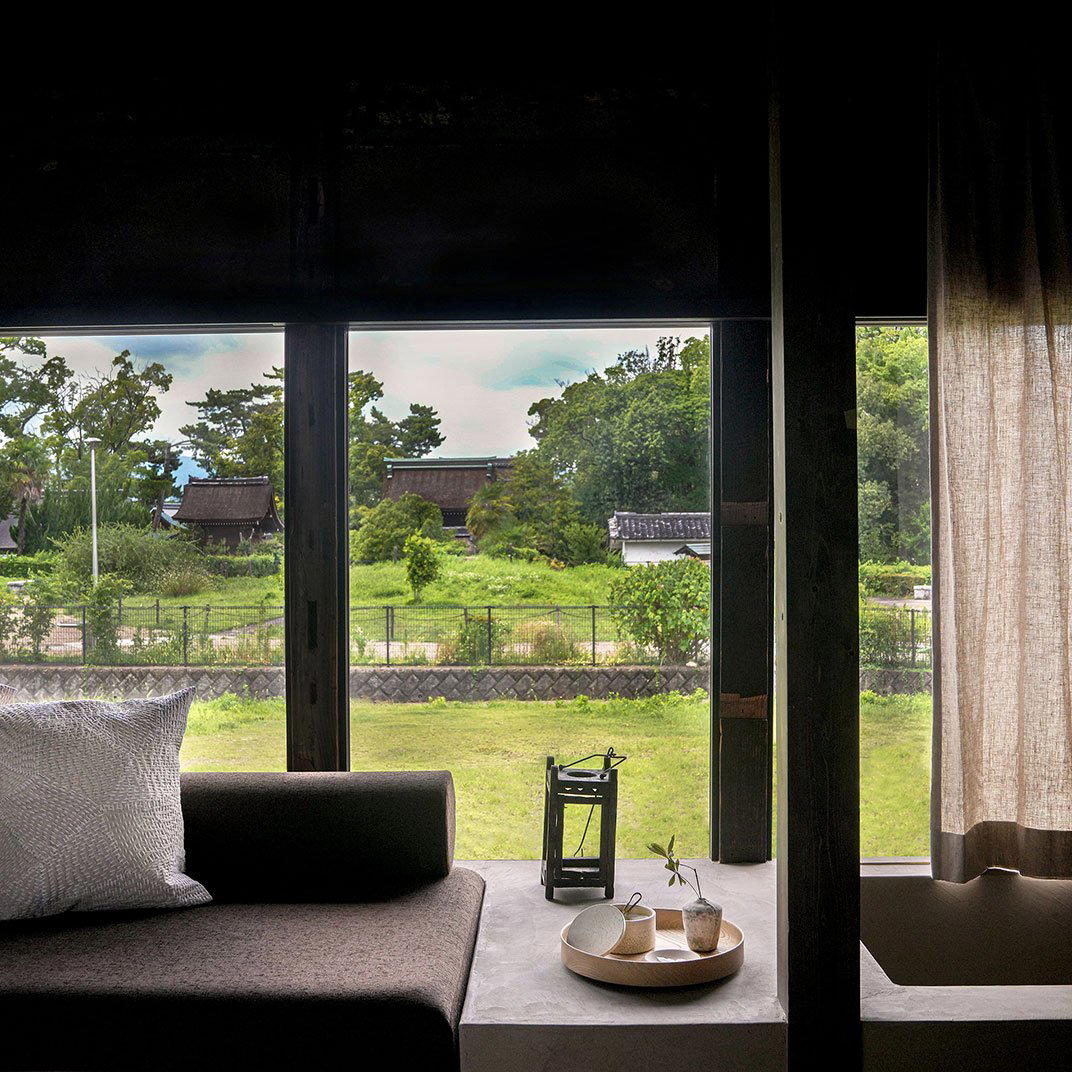
Bars in Kyoto
All bars in Kyoto →
Hotels in Kyoto
All hotels in Kyoto →
Wineries in Kyoto
Browse all →
Details
- Classic
- Elegant
- Quiet
- Intimate
- Special Occasion
- Business Dinner
- Date Night
- Solo
- Chefs Counter
- Hotel Restaurant
- Sake Program
- Local Sourcing
- Counter Dining
- Set Menu
- Tasting Menu
- Sake
- Beer
- Tea
- Pescatarian Friendly
A calm, understated Kyoto aesthetic within a hotel setting, with a small counter-focused room where guests watch chefs fry tempura to order amid soft lighting and a relaxed, hushed atmosphere.