
Tabelog 100 #68
Our verdict
Tempura Kawatatsu places Kyoto tempura in a quieter residential register: fish-focused frying, Japanese cuisine structure, and a room split between counter seats and sunken kotatsu seating. Its Tabelog Tempura 100 selection in 2025, following earlier selections in 2022 and 2023, gives it a clear signal among serious tempura addresses in Kyoto without pushing it into formal hotel-dining territory.

Pearl is the En Primeur Club membership app, where members save venues, book tables and use the concierge.
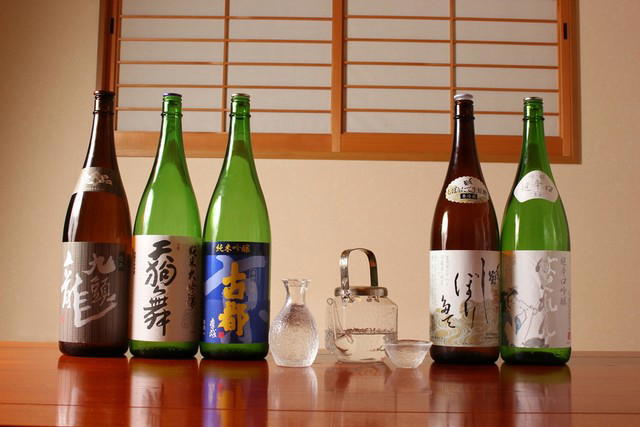
The menu
What to order
- Kyoto vegetable tempura
- Sweet potato tempura
- Tempura course menus
Approaching Kyoto for a tempura meal changes dinner’s tempo. The city’s ceremonial center, temple routes, and polished dining associations can give way to quieter meals that feel less staged than the most famous central dining rooms. That setting matters for tempura. Frying is public in many of Japan’s serious tempura rooms, yet the mood ranges from austere counter theater to relaxed seasonal cooking. Tempura Kawatatsu sits in a Kyoto context while keeping the discipline that separates specialist tempura from a mixed Japanese meal with fried courses attached.
Kyoto’s ingredient culture gives tempura a different argument from Tokyo’s Edo-style lineage. Tokyo tempura often carries sesame oil, seafood history, and counter precision; Kyoto tempura tends to read through vegetables, seasonal timing, and a softer relationship with broader Japanese cuisine. The category is not just batter and oil. It is how a kitchen handles produce and seafood without disguising either. Kawatatsu’s appeal is tempura and Japanese cuisine expressed through a technique refined and codified across Japan rather than treated as novelty.
Kyoto ingredients, tempura technique, and a quieter specialist tier
The restaurant’s public positioning is concise: tempura and Japanese cuisine, with pricing that suggests a planned meal rather than a quick snack. Those signals matter because tempura in Kyoto is often judged by restraint. Heavy batter, excessive oil fragrance, or a parade of luxury ingredients can flatten the city’s seasonal vocabulary. A better Kyoto tempura meal gives vegetables and seafood space to register as themselves, with frying used as sharpening tool rather than decoration.
Kawatatsu was selected for Tabelog’s Tempura 100 in 2025, with a listed Tabelog score of 3.70. In Japan, that category recognition is useful because tempura is a narrow field with a high technical floor. It does not place the restaurant with Kyoto’s grand kaiseki houses or beef specialists such as Miyoshi and Kuishinbo Yamanaka; it places it in a focused discussion about frying, seasonality, and value. Compared with casual Kyoto staples such as Ryuhei Soba, Okashi Tsukasa Nakamura Ken, or Mr. Gyoza, this is a planned tempura meal rather than a low-commitment stop between temples or train transfers.
The public profile reinforces that middle path in spirit: it is suited to diners who want a focused tempura meal without treating the choice as a once-in-a-lifetime destination booking. The draw is neither the hushed severity often associated with ultra-exclusive counters nor the convenience-first atmosphere of a station restaurant, but a Kyoto category for diners willing to make a deliberate choice for a more local expression of the form.
How to read the format before choosing seats
For tempura, the way a meal is paced changes the experience. A closer view of the frying can make batter, oil, timing, and sequence part of the meal’s logic, while a more conversation-led meal shifts attention toward the overall progression. Kyoto restaurants often manage different audiences without diluting kitchen identity. Kawatatsu is best approached as specialist cooking rather than as a generic Japanese restaurant stop.
The restaurant also sits within Kyoto’s broader dining map, which can work in its favor. Central Kyoto restaurant districts reward convenience and reputation density; quieter choices need a clearer reason to travel. Here, the reason is specific: tempura anchored by Japanese cuisine and category recognition. Diners building a wider Kyoto itinerary can treat it as a counterpoint to central-room dining, then use Our full Kyoto restaurants guide for nearby and citywide planning. For a broader stay, Our full Kyoto hotels guide, Our full Kyoto bars guide, Our full Kyoto wineries guide, and Our full Kyoto experiences guide help separate dining logistics from the rest of the trip.
Kyoto rewards contrast across meals. A serious tempura dinner reads differently after a quick casual stop, a contemporary meal, French-leaning cooking, or a snack rooted in local tradition. For diners mapping Kyoto by neighborhood rather than cuisine, unnamed Kyoto dining rooms offer further reference points inside the city’s broad dining spread.
Where it fits in a Japan dining itinerary
Kawatatsu does not replace Kyoto’s ceremonial dining rooms. It does something narrower: gives tempura a local frame without requiring travelers to chase only the most rarefied formats. That makes it useful for travelers who have already scheduled kaiseki, sushi, or beef and want clear technique in a more practical slot. The Tabelog Tempura 100 selection provides public credibility; the listed dinner budget of JPY 6,000 - JPY 7,999 and lunch budget of JPY 3,000 - JPY 3,999 explain part of its practical appeal.
Across Japan, the lesson is similar: regional dining is strongest when format and ingredient base line up. Kyoto tempura should not feel like Tokyo tempura transplanted west. Other Japanese dining formats, from cafés and izakaya-style rooms to contemporary restaurants, curry shops, Vietnamese cooking, beef specialists, and sake bars abroad, all work by different rules. The useful comparison is not name-dropping; it is understanding how formats travel once removed from their local supply chains.
Kawatatsu is strongest as a deliberate Kyoto choice: specialist tempura with enough recognition to justify the detour, enough practical ease to fit into a wider itinerary, and enough local ingredient logic to feel grounded in the city rather than merely competent in the technique. In a Kyoto itinerary crowded with temple-area dining and famous-name rooms, that specificity is the point.
Frequently asked questions
What's Tempura Kawatatsu's location?
Kyoto.
How much does it cost to eat at Tempura Kawatatsu?
Pricing at Tempura Kawatatsu is listed as dinner: JPY 6,000 - JPY 7,999; lunch: JPY 3,000 - JPY 3,999.
Can I walk in to Tempura Kawatatsu?
The safest plan is to contact the restaurant directly before going for a Kyoto tempura meal at this Tabelog Tempura 100 venue.
What has Tempura Kawatatsu built its reputation on?
Its public profile points to tempura and Japanese cuisine, and Tabelog selected it for the Tempura 100 list in 2025. The restaurant is listed with a Tabelog score of 3.70.
What if I have allergies at Tempura Kawatatsu?
The menu focus is tempura and Japanese cuisine, so anyone with allergies should contact the restaurant before booking and mention the issue clearly. Tempura Kawatatsu can be reached by phone at +81-75-921-0865.
Price and Recognition
Comparable venues to anchor price and recognition.
| Venue | Cuisine | Price | Awards | Notes |
|---|---|---|---|---|
| Tempura KawatatsuThis venue (the venue you are viewing) | Kyoto-style Tempura & Wine Pairing | $50–100 | Tabelog 100 #68 | Not listed |
| Tomikyu | Traditional Fugu & Hamo Kaiseki | Not listed | Not listed | Higashiyama, Traditional Fugu & Hamo Kaiseki |
| MERCY Vegan Factory KYOTO STATION | Vegan Japanese | $30–50 | Not listed | Shimogyō, Vegan Japanese |
| Kuchibashi Modern | Modern Yakitori Omakase | $50–100 | Tabelog 100 #62 | Shimogyō, Modern Yakitori Omakase |
| 悠々 | Michelin 1-Star Kyoto Kappo | $50–100 | Not listed | 北大路 (Kitaoji), Michelin 1-Star Kyoto Kappo |
| GYUKATSU Kyoto Katsugyu Teramachi Kyogoku | Gyukatsu (Breaded Beef Cutlet) | $20–30 | Not listed | Nakagyō, Gyukatsu (Breaded Beef Cutlet) |
Recognition history
Dated appearances from independent guides and award organizations, with the underlying list record or original source where available.
Tabelog 100 #68 · No. 68
Tabelog · Tabelog 100 - Tempura - 2025
Continue exploring
More in Kyoto
Restaurants in Kyoto
All restaurants in Kyoto →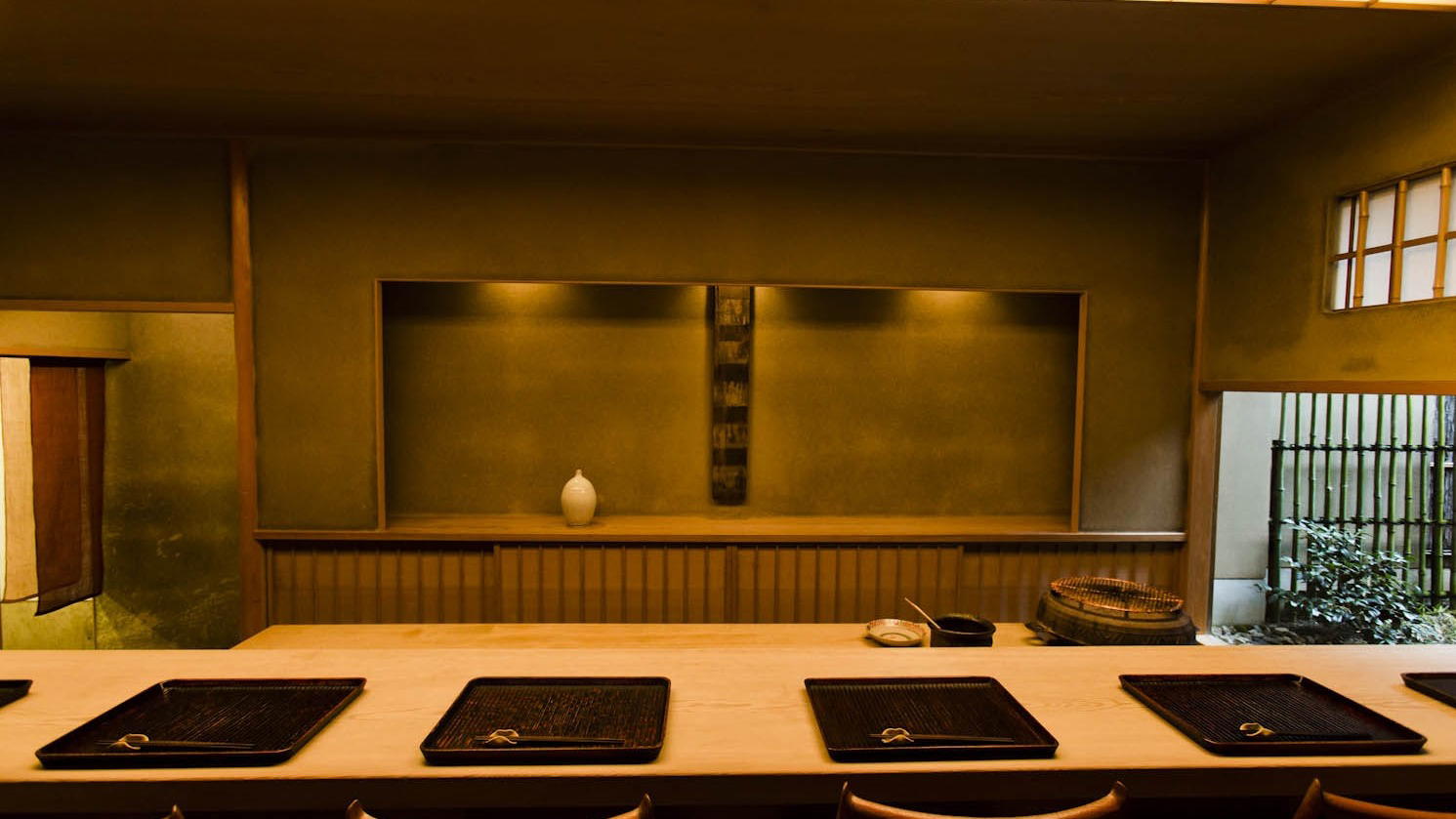
Bars in Kyoto
All bars in Kyoto →
Hotels in Kyoto
All hotels in Kyoto →
Wineries in Kyoto
Browse all →
Details
- Cozy
- Intimate
- Classic
- Date Night
- Business Dinner
- Group Dining
- Special Occasion
- Private Event
- Chefs Counter
- Private Dining
- Standalone
- Extensive Wine List
- Sake Program
- Local Sourcing
- Tasting Menu
- Set Menu
- Counter Dining
- Wine
- Sake
- Pescatarian Friendly
Relaxed and intimate hideaway with traditional tatami rooms and sunken kotatsu seating, designed for guests to unwind over leisurely tempura courses and wine or sake in a calm, non-smoking atmosphere.