

Michelin Plate
Our verdict
An Okinawan-French hybrid operating out of Kashihara in Nara Prefecture, Tama holds a Michelin Plate and has climbed steadily through Opinionated About Dining's Casual Japan rankings since 2023. Chef Fumihiro Tamayose runs an evening-only counter from 6 pm Tuesday through Saturday, making this one of the more deliberately paced dining propositions in a city better known for kaiseki and traditional Japanese formats.

Pearl is the En Primeur Club membership app, where members save venues, book tables and use the concierge.
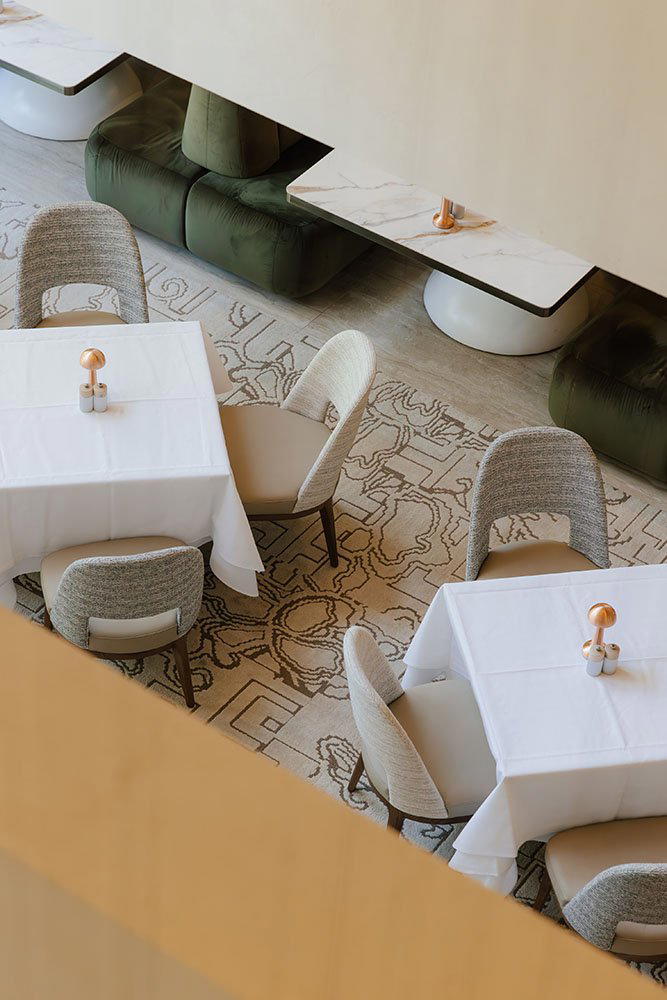
A Room Built for the Evening
Kashihara sits at the southern edge of Nara Prefecture, a district associated more with Shinto shrines and agricultural calm than late-night dining. That context matters when you arrive at Tama, which operates exclusively after dark, opening at 6 pm and running until 1 am six evenings a week. The physical proposition here aligns with that nocturnal schedule: this is a space designed to slow down, not to turn tables. In a prefecture where much of the serious dining conversation centres on kaiseki rooms and traditional Japanese formats, a venue running Okinawan-French cooking at this hour occupies a genuinely different register.
The address in Imaicho, a historic neighbourhood of Kashihara with low wooden merchant houses and preserved streetscapes, positions Tama inside a built environment that already resists the pace of modern restaurant culture. That architectural surround, narrow lanes, older facades, the absence of the commercial signage that clusters around Kintetsu stations, does some of the atmospheric work before you step inside. The interior, by the standards of the surrounding neighbourhood, represents a deliberate contrast: a space shaped for the evening meal rather than the daytime visit, with the timing and atmosphere of a late-running bar-counter hybrid rather than a formal dining room.
The Okinawan-French Combination in Context
Japan has produced a number of interesting cross-cultural kitchen propositions over the past two decades, but the Okinawan-French combination remains a relatively narrow category. Okinawan cooking draws on ingredients and techniques distinct from mainland Japanese cuisine: island vegetables, pork preparations, fermented products, and flavour profiles shaped by centuries of Ryukyu Kingdom trade networks with China and Southeast Asia. French technique, applied to that pantry, produces something different from the Franco-Japanese synthesis you find at high-end kaiseki-adjacent restaurants in Osaka or Kyoto.
For comparison, the Franco-Japanese register at HAJIME in Osaka operates in a maximalist, three-Michelin-star idiom. Gion Sasaki in Kyoto sits inside a more traditional Japanese framework with French references as accent rather than structure. Tama occupies neither of those positions. The Okinawan ingredient base anchors it to a specific regional identity that mainland Japan's Franco-Japanese restaurants do not share. For a closer parallel within the island tradition, 6 in Okinawa offers a point of comparison, though operating in a different prefectural context and competitive set.
Within Nara itself, the ¥¥¥ tier across different cuisines includes akordu (Spanish, Innovative), NARA NIKON, Oryori Hanagaki, Tsukumo, and Ajinokaze Nishimura. Among those, Tama's cuisine type stands apart. The others operate within Japanese culinary frameworks or established international categories. Tama brings a regional Japanese identity from outside the Kinki region entirely, Okinawa is geographically and culturally distinct from the Yamato heartland that Nara represents, and frames it through French cooking logic.
Recognition and Competitive Position
Tama has accumulated a consistent record across two of the most credible casual-dining tracking systems in Japan. Opinionated About Dining, which scores and ranks venues through a systematic crowd-sourced methodology weighted toward frequent, experienced diners, placed Tama at #63 in its Casual Japan ranking in 2023, moved it to #80 in 2024, and then re-ranked it at #90 in 2025. The trajectory is not a simple climb, but the sustained presence inside the top 100 across three consecutive years signals a stable, maintained operation rather than a flash-of-attention opening. Michelin has awarded a Plate designation in both 2024 and 2025, which confirms recognition from a second independent system without overstating the case.
For context on where the Michelin Plate sits in Japan's recognition hierarchy: the Plate denotes a restaurant serving food of good quality, below the one-star threshold but above the unrecognised baseline.
1000 in Yokohama similarly represents a city-specific casual proposition with cross-system recognition. Tama's distinction is operating at this level from a secondary city, in a neighbourhood with no natural footfall from the restaurant tourism circuits that concentrate around Nara's deer park and major temple precincts.
How the Format Works
Chef Fumihiro Tamayose runs the kitchen, and the evening-only format, six days a week with Sunday closed, positions Tama as a venue where the kitchen's pace sets the terms rather than the other way around. The late closing time of 1 am creates a different kind of hospitality arc from a kaiseki room closing at 10 pm: there is space for the meal to extend, for the counter dynamic to develop over the course of an evening, in a way that compressed formats do not allow. This temporal structure is worth factoring into any visit, Tama is not a venue to slot into an early evening before catching a train back to Osaka or Kyoto, both of which are accessible from Kashihara via the Kintetsu line.
Practically speaking: Tama is open Monday through Saturday from 6 pm, located at 4 Chome-5-14 Imaicho, Kashihara, Nara 634-0812. Walking in during early evening service or consulting local hotel concierge resources for current booking protocols are the most reliable approaches. Pricing sits at ¥¥¥, mid-to-upper range for Nara, comparable to the city's other serious dining propositions at the same tier.
For a broader view of the city's dining options, our full Nara restaurants guide maps the range across cuisines and price points. For accommodation context, our Nara hotels guide covers the property options within reach of both the main temple district and the Kashihara area. Visitors interested in the full evening scope of the city can also consult our Nara bars guide, our Nara wineries guide, and our Nara experiences guide.
For diners building a broader Kansai itinerary around serious eating, the contrast between Tama's Okinawan-rooted register and the technically precise Franco-Japanese idiom found at venues like Atomix in New York City or Le Bernardin in New York City illustrates how differently French technique can land depending on the ingredient tradition it is applied to. Tama's version starts from a southern Japanese island pantry and stays close to it.
Frequently asked questions
What do regulars order at Tama?
Tama's cuisine sits at the intersection of Okinawan ingredients and French technique, with Chef Fumihiro Tamayose at the pass. The awards pattern across three years points to consistency as a defining quality, which is itself what regulars tend to return for.
Awards and Standing
| Venue | Cuisine | Price | Awards | Notes |
|---|---|---|---|---|
| TamaThis venue (the venue you are viewing) | French with Local Nara Ingredients | $50–100 | Michelin Plate | Not listed |
| akordu | Modern Spanish with Nara Influences | $150–200 | 2 Michelin Stars · La Liste Top Restaurants | Spanish, Innovative |
| Wa Yamamura | Traditional Kaiseki | $100–150 | 1 Michelin Star | Kaiseki, Japanese |
| Araki | Seasonal Japanese Tempura and Kaiseki | $100–150 | Michelin Plate · Tabelog Bronze #23 | Not listed |
| NARA NIKON | Kaiseki | $150–200 | 2 Michelin Stars · La Liste Top Restaurants | Japanese |
| Chugokusai Naramachi Kuko | Yakuzen Chinese Fine Dining | Not listed | 1 Michelin Star | Chinese |
Recognition history
Dated appearances from independent guides and award organizations, with the underlying list record or original source where available.
Michelin Plate
Michelin
Opinionated About Dining Casual in Japan Ranked #90
Opinionated About Dining
Full recognition history (6 entries)
Michelin Plate
Michelin
Michelin Plate
Michelin
Opinionated About Dining Casual in Japan Ranked #80
Opinionated About Dining
Opinionated About Dining Casual in Japan Ranked #63
Opinionated About Dining
Tama
Featured Guides

Continue exploring
More in Nara
Restaurants in Nara
All restaurants in Nara →
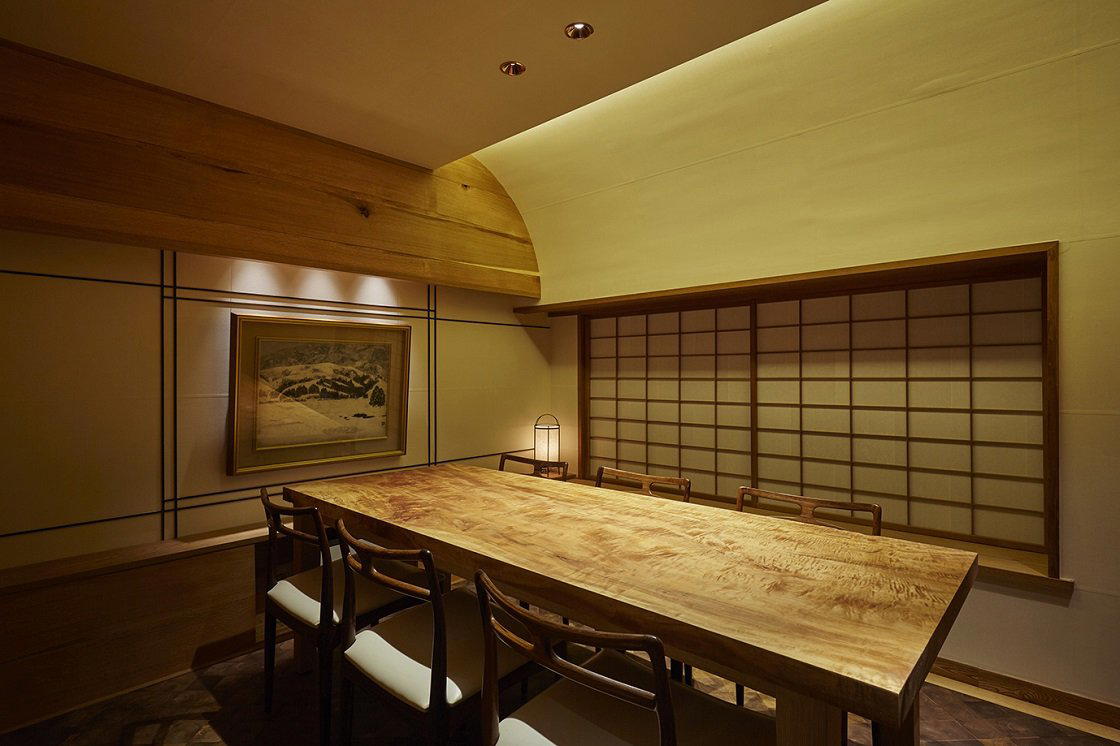

Bars in Nara
All bars in Nara →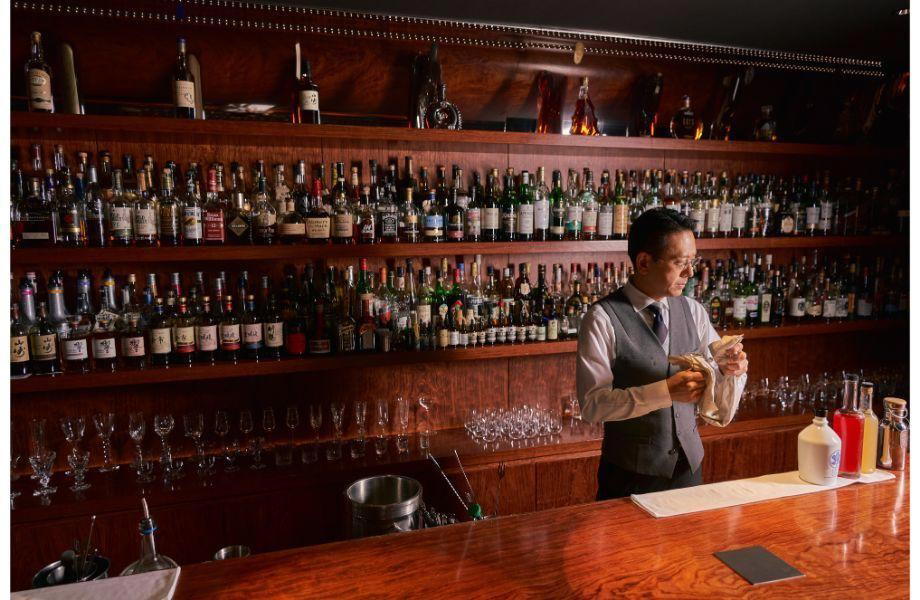
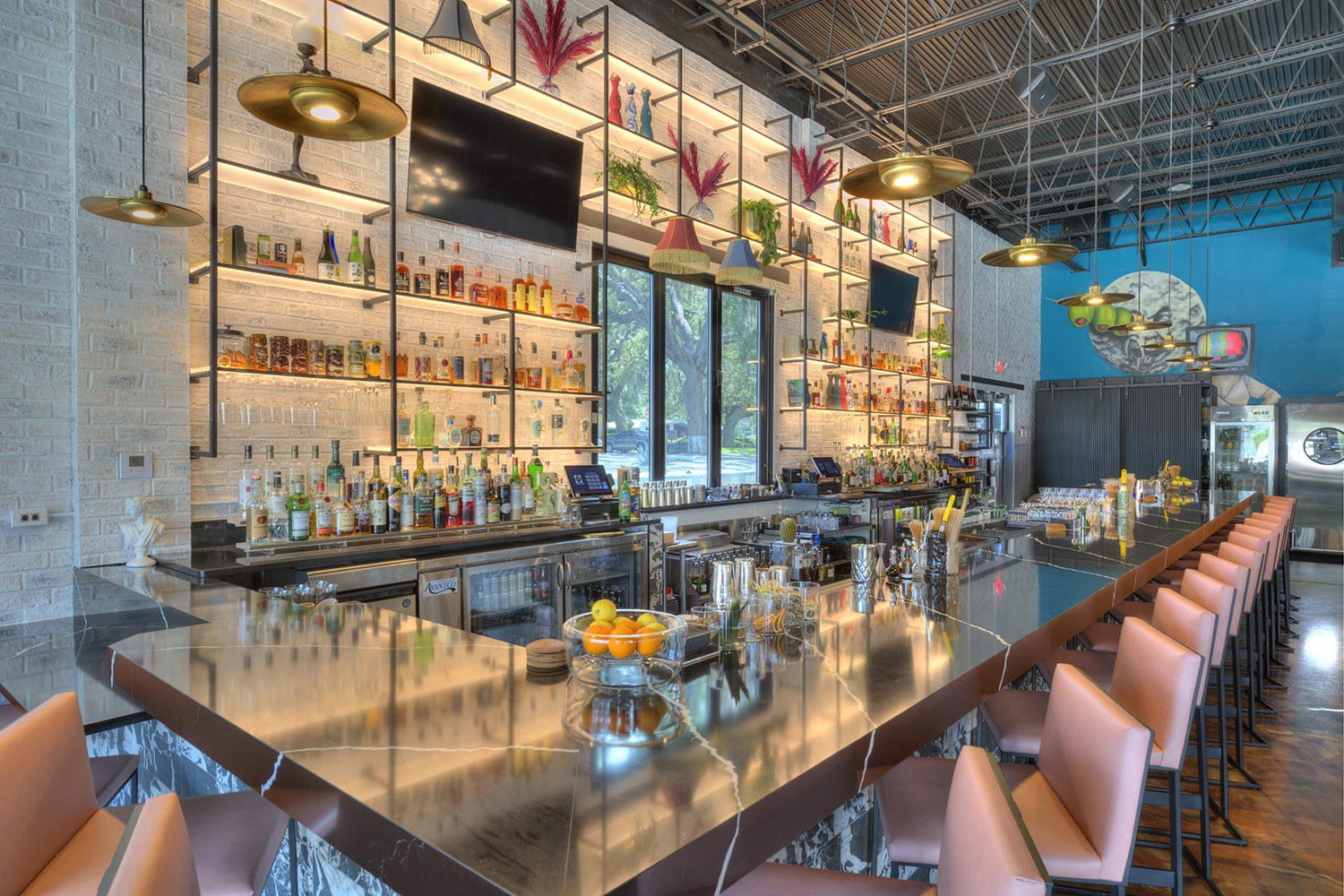
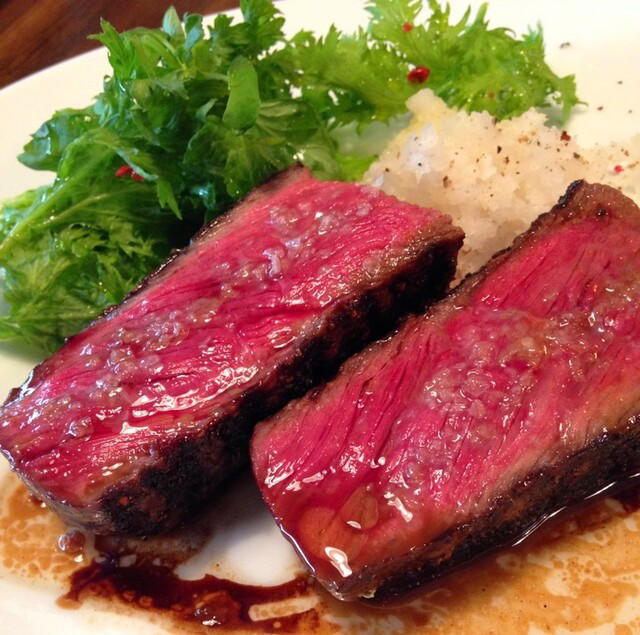
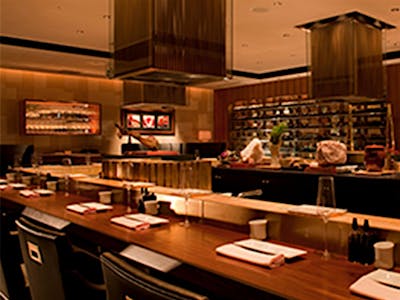
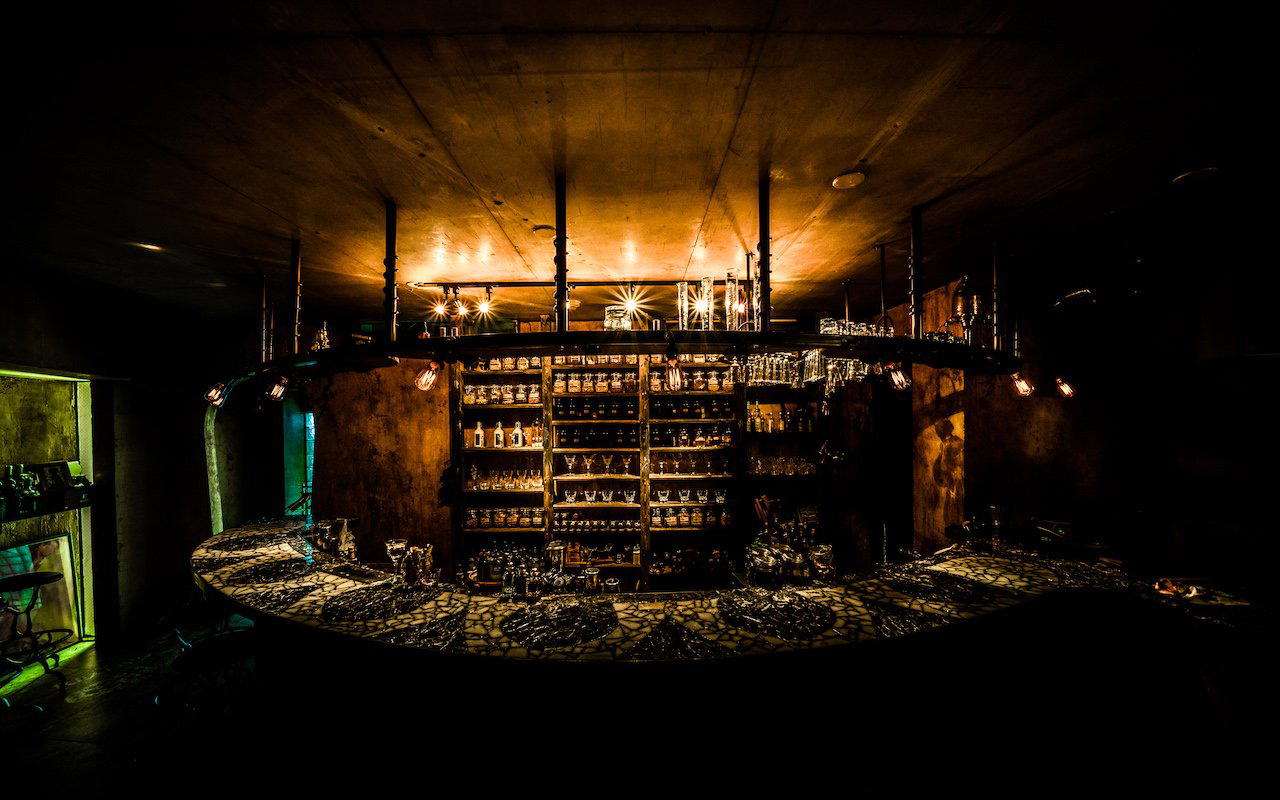
Hotels in Nara
All hotels in Nara →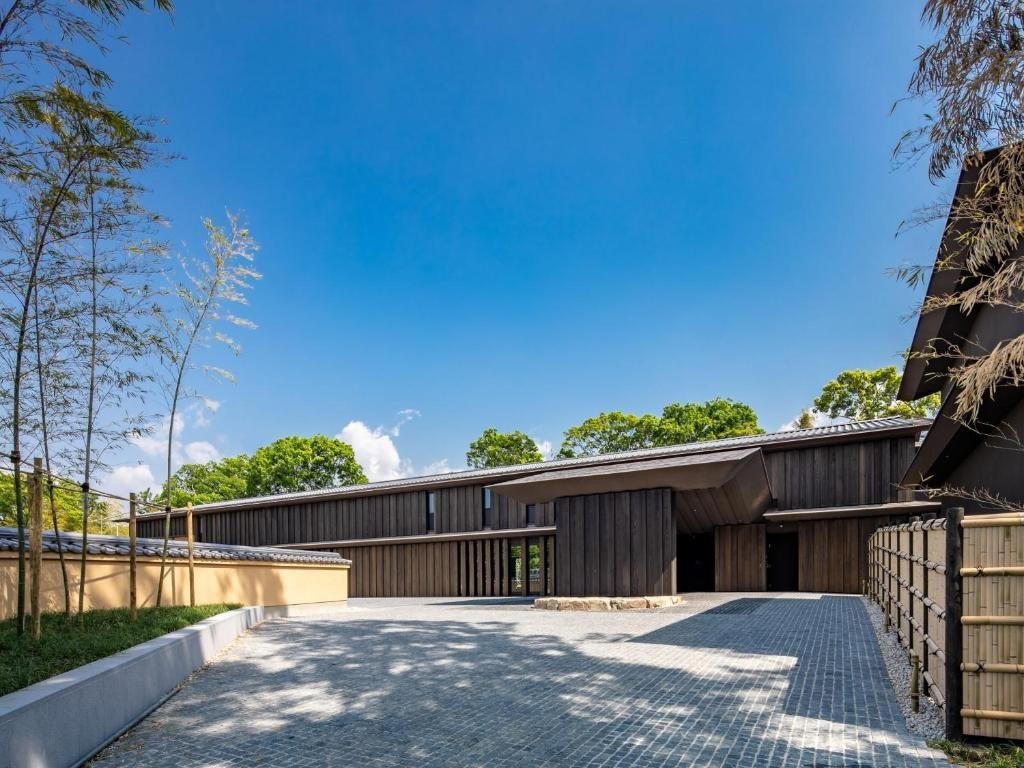

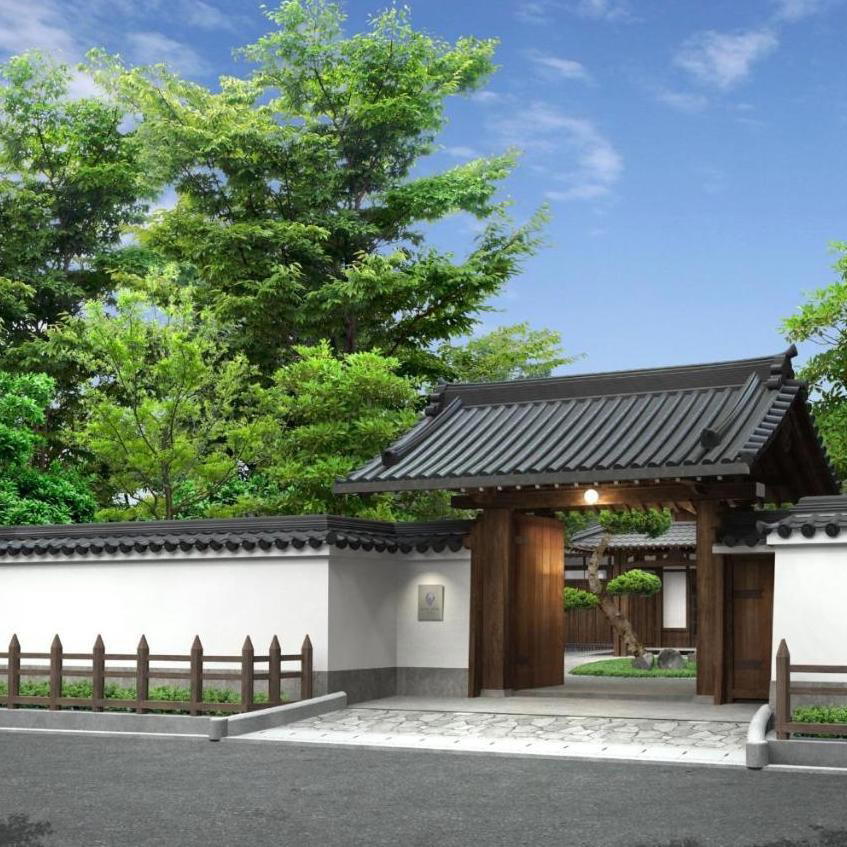
Wineries in Nara
Browse all →
Details
- Classic
- Elegant
- Intimate
- Historic
- Date Night
- Special Occasion
- Historic Building
- Sake Program
- Local Sourcing
- Garden
- Set Menu
Current opening hours
- Monday
- 12–2:30 PM, 6–10 PM
- Tuesday
- 12–2:30 PM, 6–10 PM
- Wednesday
- Closed
- Thursday
- 12–2:30 PM, 6–10 PM
- Friday
- 12–2:30 PM, 6–10 PM
- Saturday
- 12–2:30 PM, 6–10 PM
- Sunday
- 12–2:30 PM, 6–10 PM
Hours can change for holidays and private events. Hours as of .
Nostalgic Japanese traditional interior with Edo-era charm, warm and appropriate service, and a serene garden view.