
Tokyo yakiniku has moved into a sharper, more curated tier, where controlled smoke, course pricing, and reservation discipline matter as much as beef sourcing. Yakiniku Hiromiya Shin honten sits in that bracket in Tomihisacho, selected for Tabelog 100 - Yakiniku - TOKYO - 2025, with a dinner budget in the JPY 8,000 to JPY 9,999 range and private rooms available.
Pearl is the En Primeur Club membership app — saves, bookings, and concierge access live there. Same editors, same standards.
- Address
- 東京都新宿区富久町9-1
- Phone
- +81333536101
- Website
- sites.google.com
 Saves & bookings on Pearl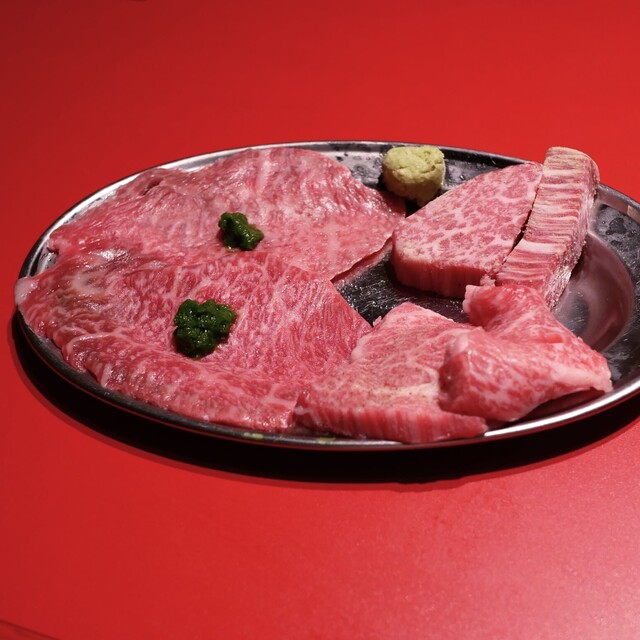
Tomihisacho is not theatrical Shinjuku. Around Yotsuya Sanchome the mood is lower-lit and residential, which suits yakiniku: the pleasure is the hiss of fat on metal, a quick plume of smoke, and small grill adjustments that separate a rushed dinner from a controlled one. In Tokyo, serious yakiniku is judged less by decoration than by pacing, heat management, and whether the room lets the table focus on beef rather than performance.
Yakiniku Hiromiya Shin honten sits in the city’s compact middle-to-premium yakiniku tier, between everyday grill houses and luxury beef temples. Its selection for Tabelog 100 - Yakiniku - TOKYO - 2025 places it in a dense, technically unforgiving Tokyo category. A Tabelog score of 3.64 is not casual decoration here; Tokyo diners use such signals as practical shorthand when sorting crowded categories, especially yakiniku, ramen, sushi, and tempura.
Smoke, pacing, and the Tokyo yakiniku threshold
Yakiniku is often misunderstood by visitors as Japanese barbecue. In Tokyo, the better rooms are closer to a shared table ritual: meat arrives in controlled sequences, sauces and condiments provide structure rather than garnish, and the grill makes diners participants without turning dinner into work. The difference is calibration, not hotel-style luxury: cuts portioned for short cooking windows, service that keeps the table moving, and a room that absorbs the smell and sound of charcoal, gas, or radiant heat without losing focus.
That is why the Tomihisacho address matters. Shinjuku’s dining geography splits between high-volume entertainment zones, station-adjacent convenience, and quieter pockets where specialists draw diners without street-level theatre. Yotsuya Sanchome, 514 meters from the nearest station, belongs to the latter: removed from the terminal crush yet inside central Tokyo’s practical evening radius.
The format also reflects a current Tokyo habit: diners will cross wards for tightly defined genres, but expect the meal to justify the trip with clarity. For beef-focused dining, the room must do more than offer premium cuts. It has to control rhythm. A table crowded with plates turns messy; a stronger yakiniku sequence builds heat, smoke, fat, and salt deliberately. Yakiniku Hiromiya Shin honten’s 2025 Tabelog 100 recognition suggests it is judged against that demanding citywide standard, not neighborhood convenience alone.
Where it sits against Tokyo's specialist dining circuit
Tokyo’s specialist restaurants rarely compete across cuisine in a simple hierarchy. A ramen counter, yakitori room, curry shop, and yakiniku restaurant answer different cravings and clocks. The useful comparison is not which is grander, but which gives the cleanest version of its category. Across the city, that spectrum runs from ramen at RAMEN MATSUI to yakitori at 124. KAGURAZAKA (Yakitori), curry at 3 Chome no Curry Ya San, or Shinjuku formats such as 12/10 Shinjuku ten. Yakiniku has its own lane because the table becomes the cooking station.
Price clarifies the position. A dinner budget of JPY 8,000 to JPY 9,999 puts it above casual yakiniku and below Tokyo’s more extravagant beef counters. The course fee revision to 8,800 yen from November 1, 2024 gives the meal a current benchmark in a city where omakase sushi and tasting menus climb far higher. Compared with CHEF'S in Tokyo, listed in the JPY 10,000 to JPY 14,999 dinner band, or TAIZEN in the JPY 6,000 to JPY 7,999 band, this sits where value depends on cut quality, sequence, and service discipline rather than lavish extras.
The relocation opening date, January 14, 2023, also matters. Tokyo restaurant reputations can survive moves, but a new room changes circulation, table spacing, ventilation, and grill feel. For yakiniku, these are central. A tighter room can intensify aroma and energy; a better-managed one keeps smoke present without letting it dominate. The 2025 recognition indicates the current address has been judged on its own terms after the move, not carried by older memory.
Travelers building a food-led Tokyo itinerary should treat yakiniku as a separate evening from sushi or kaiseki, not a substitute. It is more physical, social, and less silent. For context, Our full Tokyo restaurants guide maps the broader dining field, while Our full Tokyo bars guide helps pair a grill dinner with a later drink. Those extending the trip beyond restaurants can use Our full Tokyo hotels guide, Our full Tokyo experiences guide, and Our full Tokyo wineries guide for a wider city plan.
Know Before You Go
- Area: Tomihisacho, Shinjuku, near Yotsuya Sanchome Station.
- Address: 東京都新宿区富久町9-1.
- Recognition: Selected for Tabelog 100 - Yakiniku - TOKYO - 2025.
- Price signal: Dinner budget is listed at JPY 8,000 to JPY 9,999; course fees were revised to 8,800 yen from November 1, 2024.
- Format details: Reservations are available, private rooms are available, private use is available, and the room is non-smoking.
- Payment: Credit cards are accepted; PayPay is accepted; electronic money is not accepted.
- Parking: Unavailable, so station access or taxi routing is cleaner.
For readers comparing Japanese dining across cities, the useful thread is specialization rather than geography alone. Beef-focused meals such as -Grilled beef Sukiyaki- KAMAKURA TANUKIAN 鎌倉 たぬき庵 in Kamakura sit in a related but distinct tradition from tabletop yakiniku; Osaka café culture at.cafe in Osaka, Kumamoto’s.know in Kumamoto, Kyoto dining at [ki:] in Kyoto, and Sapporo curry at [Curry Senmon Ten] Maruyama Kyoju. in Sapporo show how tightly Japanese restaurants define category identity. The same applies abroad, where Jōdo Saké Bar in Los Angeles and Onigiri Time in Pasadena translate Japanese formats into different city habits. Within Tokyo, casual visual dining such as 2D Cafe, seafood-and-grill formats like. 鮪と炭火焼き うお炭 秋葉原店, and regional cooking such as (Shoku) Vietnam in Kawasaki sharpen the point: Tokyo rewards restaurants that know exactly which appetite they serve.
The Essentials
Comparable venues at similar price and category levels.
| Venue | Cuisine | Price | Notes |
|---|---|---|---|
| Yakiniku Hiromiya Shin hontenThis venue — the venue you are viewing | Not listed | $$ | Not listed |
| 食堂 わた | Shinjuku, Casual Japanese Izakaya | $$ | Not listed |
| MOKUBAZA | Not listed | $$ | Shibuya, Modern Japanese keema curry & bar |
| 赤坂詠月 | Minato, Japanese Tea Ceremony Dining | Not listed | Not listed |
| Chacha no Ma | Shibuya, Japanese tea room & cafe | $$ | Not listed |
| Oboro | Minato, Japanese Izakaya | $$ | Not listed |
Recognition history
Dated appearances from independent guides and award organizations, with the underlying list record or original source where available.
Tabelog 100 #62 · No. 62
Tabelog · Tabelog 100 - Yakiniku - TOKYO - 2025













At a Glance
- Lively
- Cozy
- Intimate
- Group Dining
- After Work
- Celebration
- Casual Hangout
- Special Occasion
- Standalone
- Beer Program
- Sake Program
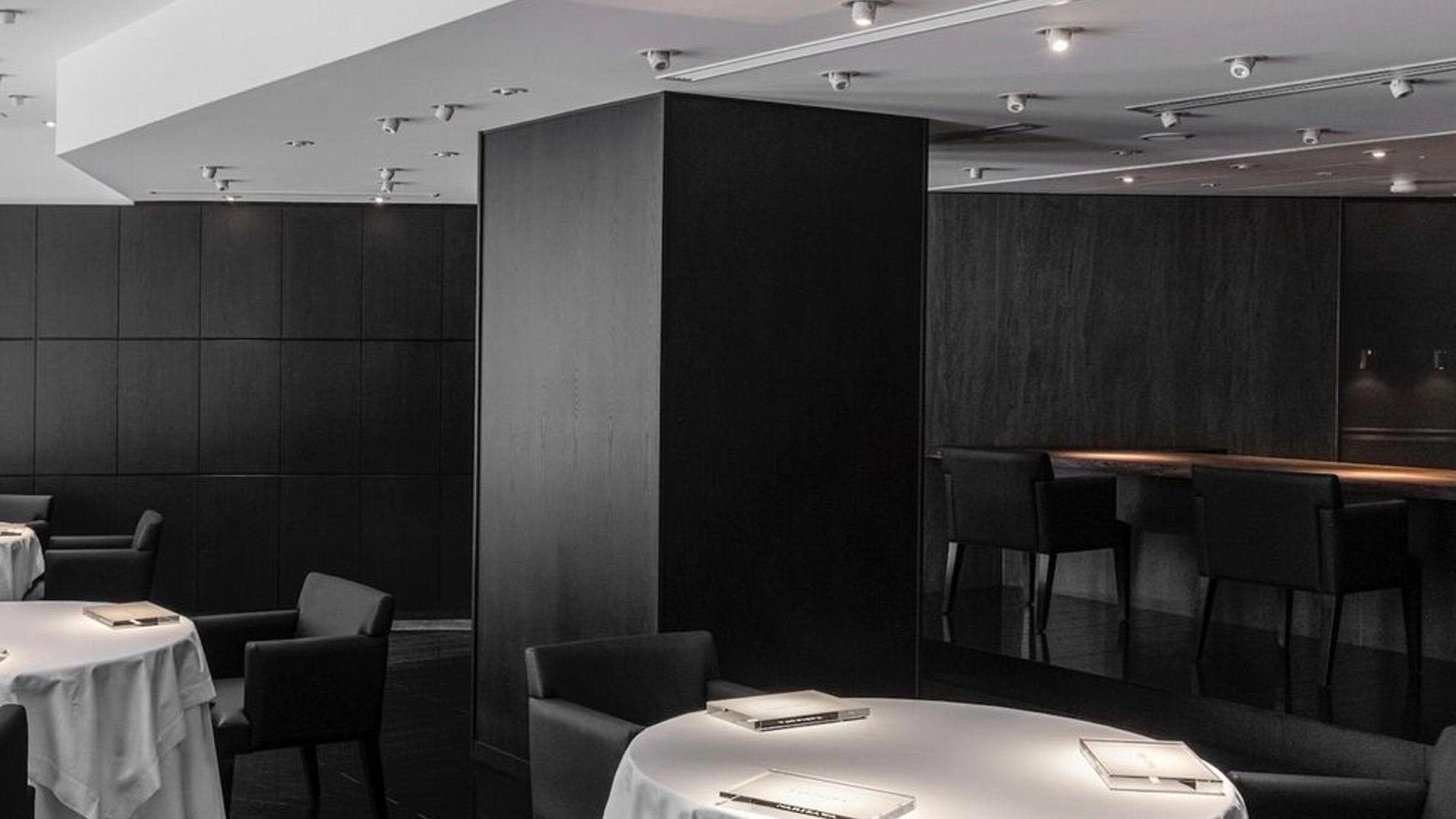
Casual, lively neighborhood yakiniku with compact tables and grills, dim but functional lighting, and a relaxed, no-frills atmosphere focused on meat and drinks rather than decor.