
Tokyo curry has become a serious category rather than a quick lunch fallback, and MOKUBAZA belongs to the compact Jingumae tier where curry, bar service and small-room dining overlap. Its Tabelog Curry TOKYO 100 selection for 2024, long run since 2004 and 20-seat format make it a useful marker for how independent curry shops compete in a city crowded with specialist counters.
Pearl is the En Primeur Club membership app — saves, bookings, and concierge access live there. Same editors, same standards.
- Address
- 東京都渋谷区神宮前2-28-12 1F
- Phone
- +81334042606
- Website
- mokubaza.com
 Saves & bookings on Pearl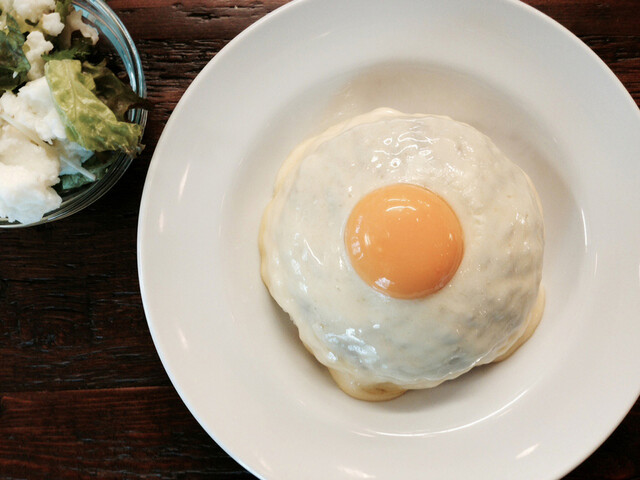
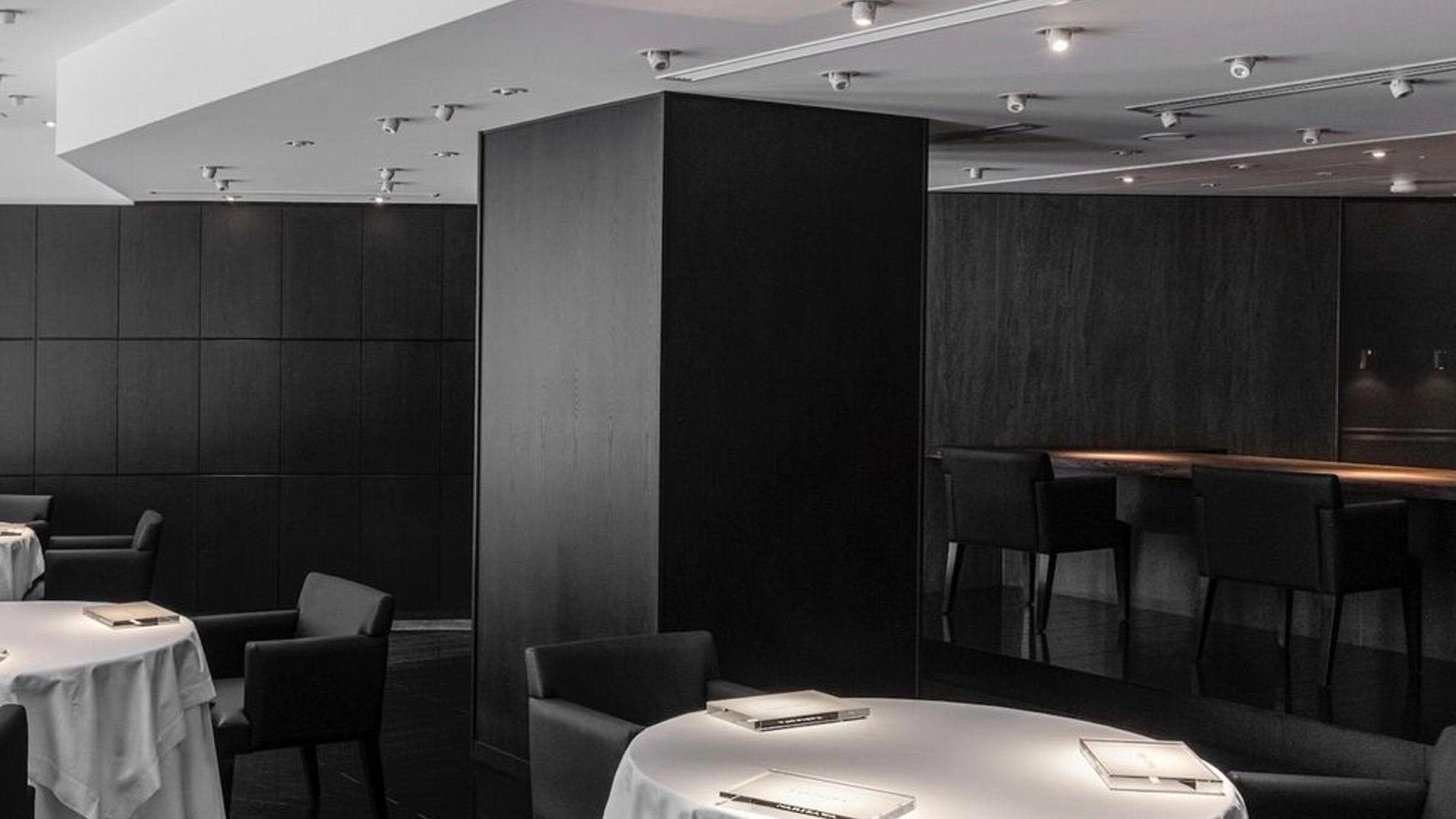
Jingumae’s curry rooms announce themselves quietly: small frontage, short threshold, dining rooms scaled for regulars rather than spectacle. Here, curry is not background fuel between Harajuku shopping stops but a full-format meal, where rice, spice, heat, dairy, meat and drink service all involve real choices. MOKUBAZA belongs to this independent Tokyo curry tradition: a 20-seat curry-and-bar address split between tables and a small counter, with enough local gravity to earn repeated attention from Tabelog’s curry lists.
The sustainability angle is less slogan than scale. Tokyo’s stronger low-waste dining often appears in small operations with narrow production, disciplined prep and menus that avoid excessive choice. Curry suits that logic: long cooking, controlled batching, aromatics used deeply rather than decoratively, and sauces built on concentration rather than abundance. The published house description cites keema curry made from domestic beef and pork, whole spices, onions, coconut milk, a spice blend and house broth from aromatic vegetables, with cooking measured in hours. It is not a zero-waste claim, but it places the kitchen in a format where extraction, reduction and full use of base ingredients are central.
Tokyo curry with bar-room discipline, not fast-food shorthand
Tokyo curry culture splits into quick counter plates for office districts, old-school yoshoku roux comfort, South Asian specialists, soup curry migrants from Hokkaido, and newer independents treating spice as craft vocabulary. Jingumae and Kita-Sando favor the last lane: small rooms, design-conscious customers, and cooking that must justify itself against nearby soba, yakitori, Italian and Japanese dining. In the comparison set, Handmade buckwheat Matsunaga occupies a similarly restrained lunch-and-dinner price band, while YOGORO sits lower in the curry bracket. EMILIA and Jingumae Higuchi pull the neighborhood toward formal spending. MOKUBAZA lands in the useful middle, where curry can feel deliberate without ceremony.
The award signal matters in a crowded, segmented Tokyo curry scene. A 2024 Tabelog Curry TOKYO 100 selection places the restaurant in a citywide curry conversation, not a casual neighborhood footnote. Its Tabelog score of 3.73 adds another local reference, though the sharper read is repeated recognition: selections also appear across 2019, 2020, 2022 and 2023. In a category where fashion moves quickly from cheese-topped keema to spice-curry hybrids and regional reinterpretations, repetition often says more than one spike.
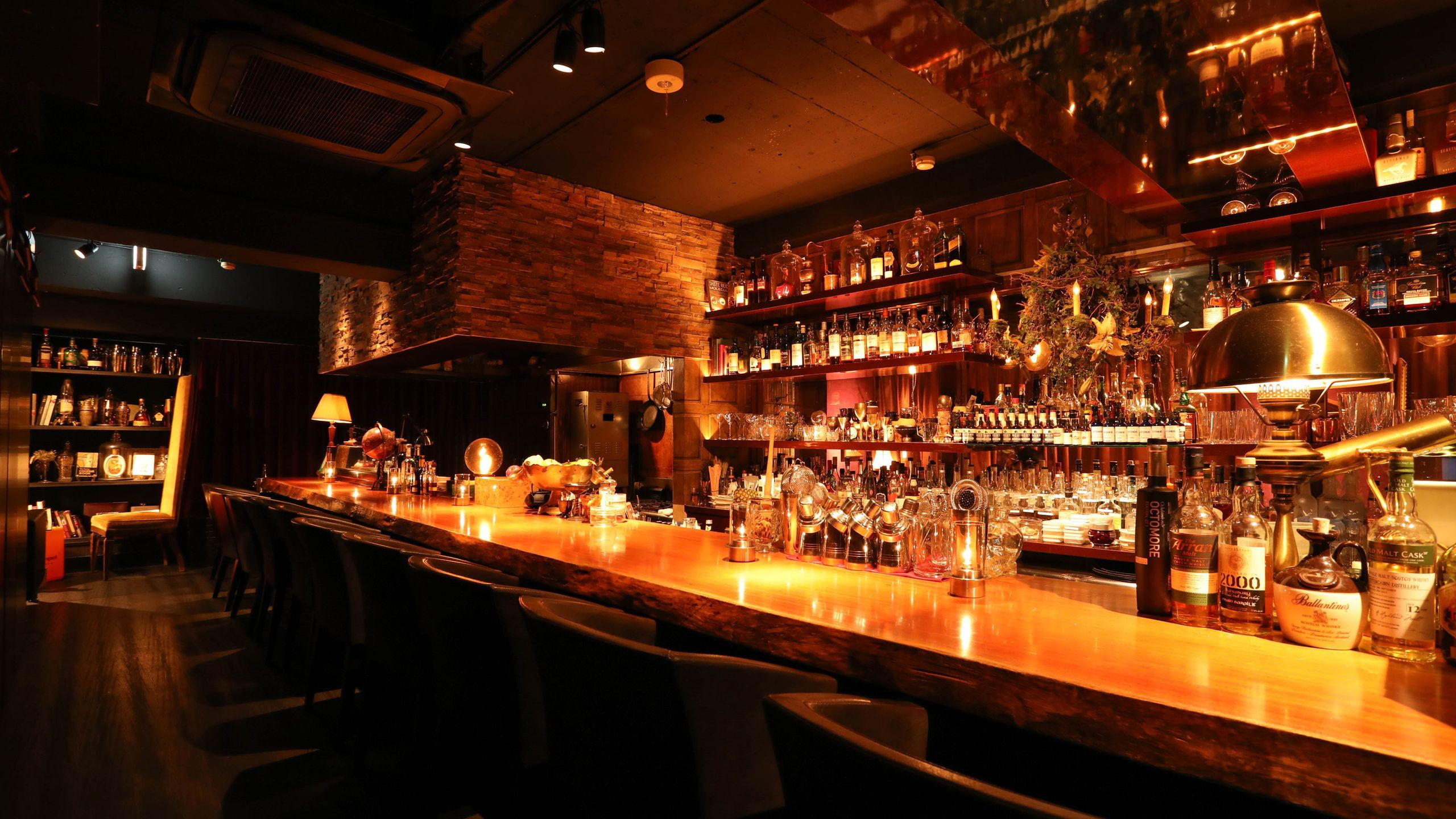
The bar category is also telling. Curry shops carrying sake, shochu, wine and cocktails operate differently from turnover-only counters. The format invites dinner pacing even when the plate remains the anchor, and reframes portion and production ethics: concise food identity, drinks broad enough for evening use, and few seats can be more coherent than a sprawling menu chasing every demand. Tokyo rewards places that do fewer things with more repetition and less noise.
Cheese keema, domestic meat and the question of restraint
Cheese keema curry is the public reference point, but the better question is why the style has endured in Tokyo. Keema gives curry compact structure: minced meat, spice, onion and sauce pulled into a dense center rather than a loose stew. Cheese adds fat and softness, a move that becomes heavy if the base lacks control. The house description’s domestic beef and pork, whole spices, onions, coconut milk and aromatic-vegetable broth, with cooking extending beyond 20 hours across stages, explain the appeal better than generic praise. The format depends on concentration, not novelty.
Environmental consciousness is often discussed through sourcing labels, but small Tokyo curry shops show another path: limited capacity, repeated prep, clear identity and minimal performative excess. MOKUBAZA’s 15 table seats and 5 counter seats create a scale where overproduction has less room to hide. Take-out is available, private rooms are not, and the non-smoking room keeps attention on food and drink rather than lounge behavior. Children are welcome, and small dogs are allowed inside only in carrier bags, a practical detail tied to neighborhood function as much as restaurant ambition.
Its pending move adds urgency without nostalgia. The Harajuku location is scheduled to close on April 18, 2026, with relocation planned to Tateyama City in Chiba Prefecture and reopening targeted for summer 2026. That changes its meaning: in Tokyo, it is part of dense Jingumae curry-and-small-dining culture; in Tateyama, the same craft may align with regional travel, seaside pacing and destination dining. For 2026 planning, this is not a static Tokyo listing.
How to place it within a Tokyo dining day
MOKUBAZA suits travelers who care about Tokyo’s everyday specialist categories as much as sushi counters and kaiseki rooms. Its value is not formality but category literacy. Anyone wanting to understand curry as serious urban craft will learn more here than from another generic multi-cuisine stop. The better comparison is the city’s focused independent network: soba shops, yakitori counters, kissaten, ramen specialists and curry bars that build loyalty through repetition.
For broader Tokyo planning, use it as a Jingumae anchor rather than a full-night destination. Pair the area with nearby small-format dining or bar research through Our full Tokyo restaurants guide, Our full Tokyo bars guide, Our full Tokyo hotels guide, Our full Tokyo wineries guide and Our full Tokyo experiences guide. Nearby and category-adjacent reading can include 3 Chome no Curry Ya San, [Curry Senmon Ten] Maruyama Kyoju. in Sapporo, 124. KAGURAZAKA (Yakitori), 12/10 Shinjuku ten. 鮪と炭火焼き うお炭 秋葉原店 and 2D Cafe. For Japan and overseas cross-reading, see -Grilled beef Sukiyaki- KAMAKURA TANUKIAN 鎌倉 たぬき庵 in Kamakura.cafe in Osaka.know in Kumamoto, (Shoku) Vietnam in Kawasaki, [ki:] in Kyoto, Jōdo Saké Bar in Los Angeles and Onigiri Time in Pasadena.
The editorial verdict is narrow but firm: this is a Tokyo curry address for diners who want proof that informal food can carry craft, sourcing choices and format discipline without becoming tasting-menu performance. Its small scale, repeated Tabelog Curry recognition and defined keema identity make the case more convincingly than a larger menu would.
Peers Worth Knowing
Comparable venues side-by-side for orientation.
| Venue | Cuisine | Price | Notes |
|---|---|---|---|
| MOKUBAZAThis venue — the venue you are viewing | Modern Japanese keema curry & bar | $$ | Not listed |
| Enseigne d'angle Harajuku ten | Classic Japanese kissaten & coffeehouse | $$ | Shibuya |
| Gyukatsu Motomura Behind Shinjuku Alta Branch | Japanese Beef Cutlet (Gyukatsu) | $$ | Shinjuku |
| USHIO | Okonomiyaki & Japanese comfort food | $$ | Minato |
| 赤坂 島袋 | Japanese Robatayaki | Not listed | Minato |
| Tatemichiya | Punk Rock Izakaya | $$ | Shibuya |
Recognition history
Dated appearances from independent guides and award organizations, with the underlying list record or original source where available.
Tabelog 100 #76 · No. 76
Tabelog · Tabelog 100 - Curry - TOKYO - 2024











At a Glance
- Cozy
- Trendy
- Intimate
- Solo
- Casual Hangout
- After Work
- Late Night
- Date Night
- Standalone
- Design Destination
- Local Sourcing
A small, cozy curry-and-bar space in a quiet Jingumae side street, with a stylish yet relaxed feel that shifts from casual lunch spot by day to a slightly moodier bar atmosphere in the evening.