In Kiyosumi, one of Tokyo's quieter east-bank districts, Takahara sits at the intersection where Japanese ingredient discipline meets international culinary technique. The address places it away from the concentrated fine-dining corridors of Ginza or Nishiazabu, making it a reference point for the growing cohort of serious Tokyo restaurants operating outside the usual tourist circuit.
 Discover on Pearl
Pearl is the En Primeur Club membership app — saves, bookings, and concierge access live there. Same editors, same standards.
- Address
- Japan, 〒135-0024 Tokyo, Koto City, Kiyosumi, 2 Chome−15−4 清澄白河 1F ベイウィンドウ
- Phone
- +81362403037
East Bank, Quiet Block, High Stakes
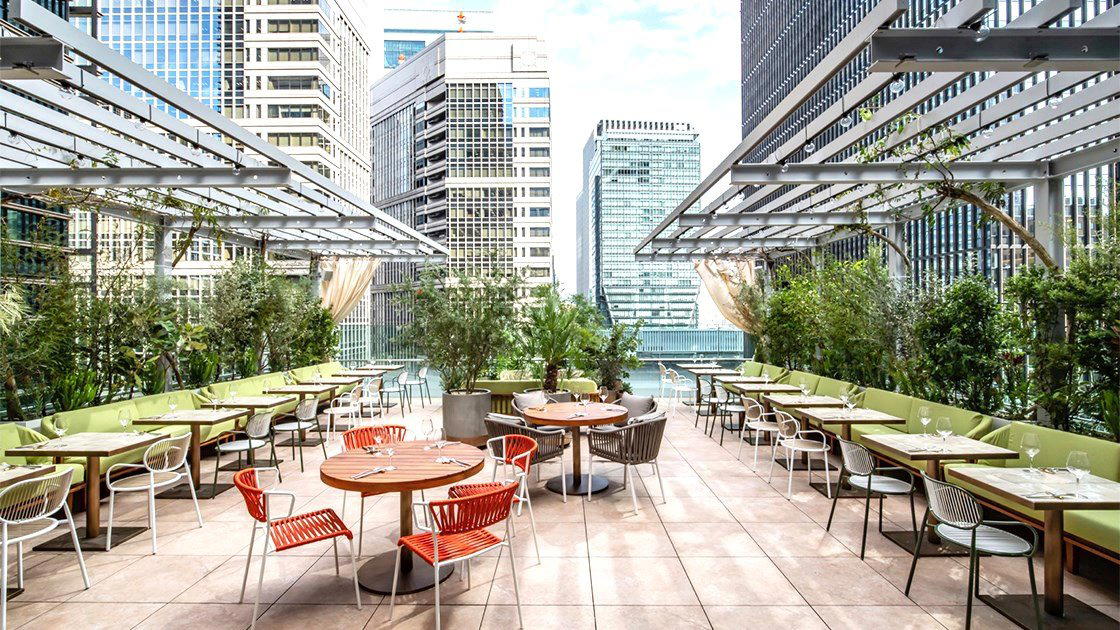
Kiyosumi is not a neighbourhood that announces itself. The district sits east of the Sumida River in Koto City, better known to most Tokyoites for its riverside parks and the Museum of Contemporary Art than for its dining scene. That relative quietness is precisely the point. A new generation of Tokyo kitchens has been opening in areas like Kiyosumi, Sumida, and Minami-Senju, where rent pressure is lower and the surrounding community tends toward the locally rooted rather than the tourist-facing. Takahara Kiyosumi is a Kyoto-style Kaiseki restaurant in Tokyo's Koto City, priced at about $750 per person, occupying a ground-floor space in a building on Kiyosumi's 2-chome grid, away from the concentrated fine-dining corridors that run through Ginza, Roppongi, and Nishiazabu.
The shift matters because it changes the operating logic of a serious kitchen. Restaurants in Ginza price against foot traffic and brand adjacency. Restaurants in Kiyosumi price against a different calculation: the commitment of a diner who travels deliberately. That deliberateness tends to attract a more focused clientele, and kitchens in these districts often take more risks with their menus as a result.
The Intersection of Indigenous Product and Imported Method
It is how Japanese ingredient culture and global technique are being combined, and whether that combination reads as synthesis or pastiche. The answer varies sharply by kitchen.
At one end of the spectrum sit the kaiseki houses, where centuries of Japanese codification govern everything from the seasonal calendar to the geometry of plating. RyuGin represents that tradition at its most technically demanding, using modern tools in service of a framework that remains fundamentally Japanese. At the other end sit restaurants like L'Effervescence and Sézanne, where French structure is the dominant architecture and Japanese ingredients enter as supporting cast. Between those poles, a smaller group of kitchens works to make the two traditions genuinely interdependent, where neither the French nor Japanese element could be removed without the dish collapsing.
Takahara Kiyosumi occupies territory in that middle ground. The Kiyosumi address situates it outside the branded confidence of the Ginza omakase tier, closer in spirit to the exploratory posture of places like Crony, which has built its identity around technique-led innovation rather than inherited prestige. The editorial interest in a kitchen operating in this way lies in what Japanese ingredient culture actually makes possible: vegetables from specific regional farms, fish landed through relationships with particular fishing communities, fermented condiments tied to a particular prefecture's production tradition. When those specifics meet a technique vocabulary absorbed from European training, the resulting combinations can be more precise than either tradition would produce alone.
The same dynamic plays out across Japan's regional fine-dining scene. HAJIME in Osaka has spent years exploring this intersection at a highly decorated level. Gion Sasaki in Kyoto approaches it from the opposite direction, working within kaiseki's seasonal logic but absorbing European ideas about reduction and concentration. Akordu in Nara brings a Spanish framework to a deeply Japanese setting. What connects these kitchens is a willingness to let the ingredient be the non-negotiable constant and let the technique be the variable.
What Tokyo's Dispersed Fine-Dining Geography Signals
Tokyo's fine-dining geography has been dispersing for the better part of a decade. The Michelin Guide's annual concentration on central-city addresses masked a broader movement: kitchens moving to less legible postcodes and building audiences through word-of-mouth and repeat reservations rather than walk-in discovery. This is not a Tokyo-specific phenomenon. It mirrors patterns in cities like New York, where Atomix built its reputation in a Koreatown side street rather than on a restaurant row, and in Europe, where destination dining in smaller cities has grown steadily.
For Tokyo specifically, the east-bank districts represent the clearest current expression of this dispersal. The neighbourhood character of Kiyosumi, with its working-class grid and relative absence of tourist infrastructure, creates a particular kind of dining experience by default: the restaurant is the reason for the trip, not an extension of a broader neighbourhood evening. That dynamic concentrates attention on the food in a way that a Ginza address, surrounded by retail and hotel bars, cannot quite replicate.
Comparable forces are visible at the regional level: Goh in Fukuoka built a serious destination-dining reputation in a city that most foreign visitors overlook, and restaurants in smaller cities like Nanao and Takashima have begun drawing specialist travelers who are less interested in capital-city prestige than in the ingredient access that proximity to specific coastlines or agricultural regions provides.
Peer Context and Price-Tier Positioning
Takahara Kiyosumi sits firmly in the $750 per person range. What the address and format suggest is positioning in the high-end bracket occupied by Harutaka and the leading omakase counters of Ginza. Kitchens in Kiyosumi's neighbourhood comparable set tend to price at a level that reflects lower operating overhead and a more local audience, which often makes them more accessible as an entry point into Tokyo's serious dining scene than their central-city counterparts.
That positioning has a secondary effect: it draws diners who have already done the Ginza circuit and are looking for something less rehearsed. The comparison is not with lesser kitchens but with a different kind of ambition, one that trades the certainty of an established format for the risk of a developing one. Internationally, the closest reference points are restaurants like Le Bernardin in New York, which operates from a position of established technical mastery, versus newer kitchens in outer boroughs that are still building their language. The outer-borough kitchen is not worse; it is at a different moment in its development, and for certain diners, that is exactly the draw.
For a broader map of where Takahara sits within Tokyo's full dining picture, our full Tokyo restaurants guide covers the range from established Ginza counters to the newer kitchens in the city's east-bank and northern districts.
Planning Your Visit
Kiyosumi-Shirakawa Station on the Tokyo Metro Hanzomon Line and Toei Oedo Line is the closest transit access to the Kiyosumi 2-chome address, making the restaurant reachable from central Tokyo in under twenty minutes by train. The east-bank location means the surrounding area is quieter on weekday evenings than the restaurant districts of Minato or Chuo wards, which suits a focused dinner without late-night extensions into a bar district afterward. Given the restaurant's essential reservation policy and published opening hours, advance planning is advisable before travel.
Comparable restaurants in secondary districts across Japan, such as Bistro Ange in Toyohashi or Birdland in Sakai, often operate with smaller teams and tighter reservation windows than their urban counterparts. Advance planning is advisable.
Quick reference: Takahara Kiyosumi, 2-15-4 Kiyosumi, Koto City, Tokyo 135-0024. Nearest station: Kiyosumi-Shirakawa. Hours: Mon to Sat 11:30 AM to 1:30 PM and 6:30 to 10 PM; Sun 6:30 to 10 PM.
Credentials Lens
Comparable venues nearby, for context on price, style, and recognition.
| Venue | Cuisine | Price | Awards | Notes |
|---|---|---|---|---|
| Takahara KiyosumiThis venue — the venue you are viewing | Kyoto-style Kaiseki | $$$$ | , | |
| 3110NZ By LDH Kitchen | Modern Omakase Sushi with Art Gallery | $$$$ | , | Naka-Meguro |
| Yakatabune Izanagi | Wagyu Omakase on Tokyo Bay Yakatabune | $$$$ | , | Shinagawa |
| GINZA KOKORO | French-Inspired Kobe Beef Steakhouse | $$$$ | , | Chūō |
| Azabu Muroi | Seasonal Kaiseki Omakase | $$$$ | , | Chūō |
| Zigi im Tokyo Baycourt Club | Premium Japanese Kaiseki & Teppanyaki | $$$$ | , | Kōtō |



At a Glance
- Intimate
- Elegant
- Hidden Gem
- Sophisticated
- Special Occasion
- Date Night
- Chefs Counter
- Sake Program
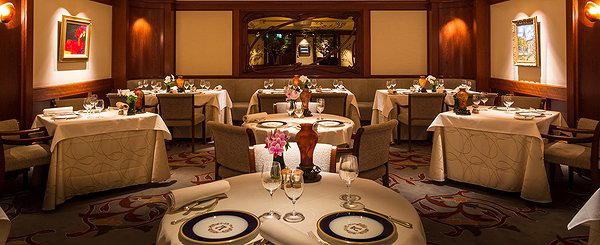
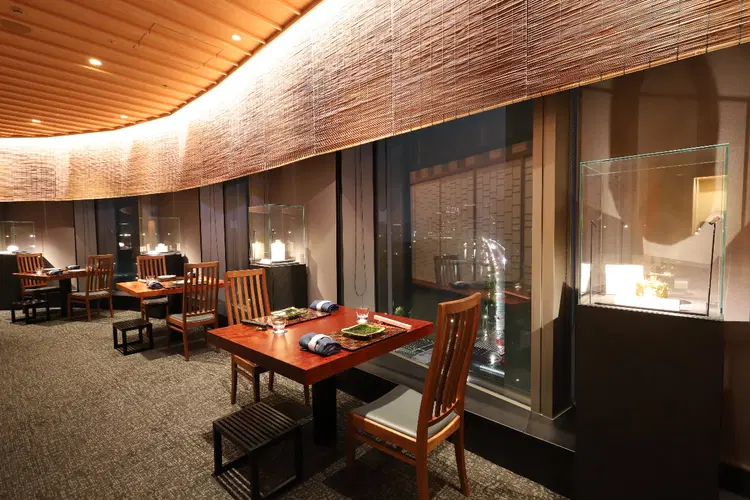
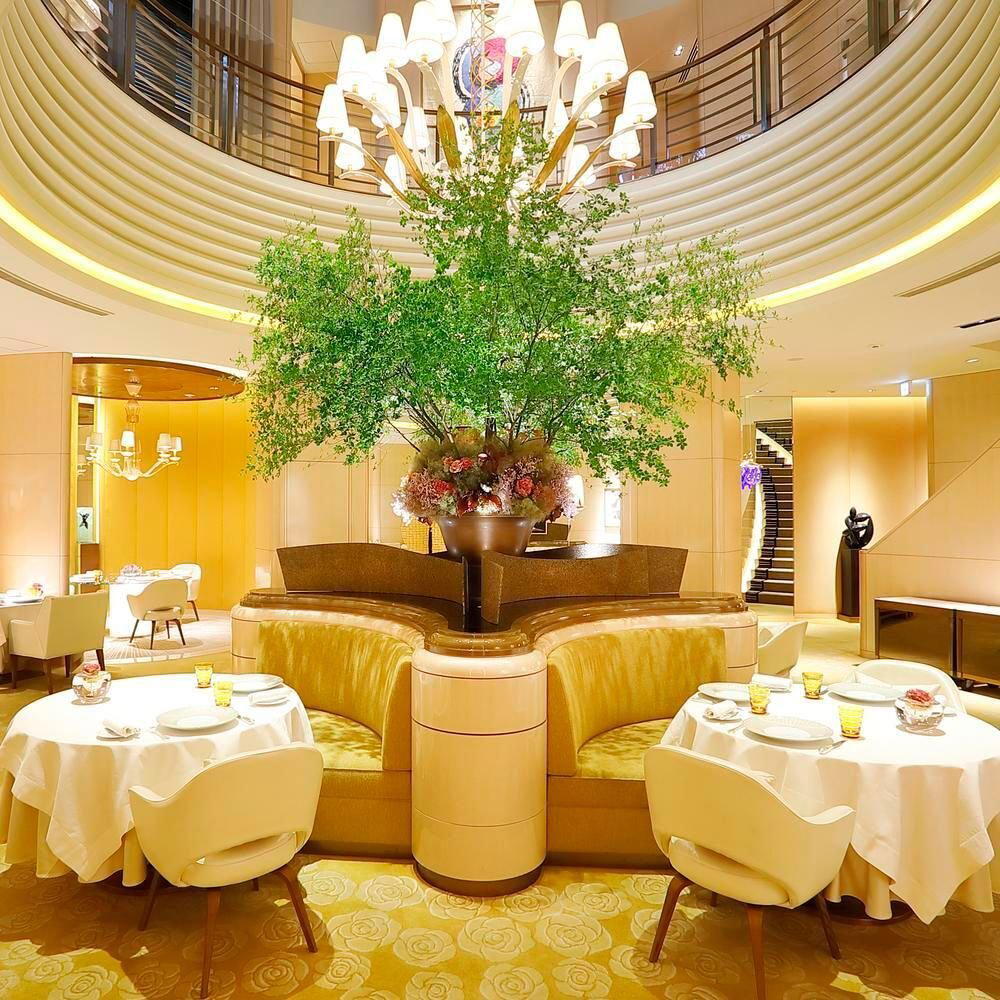
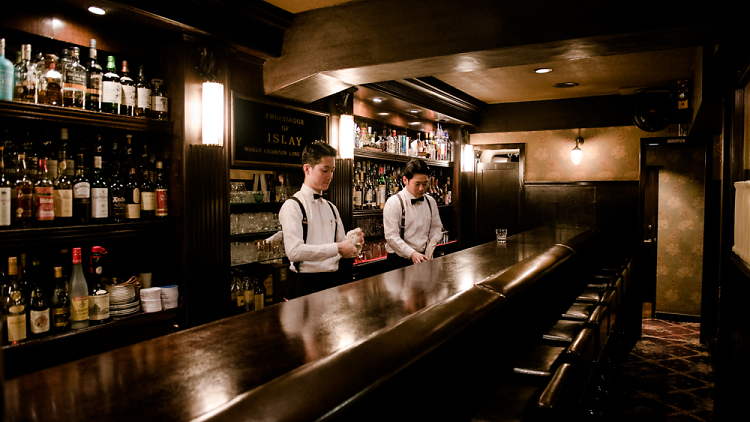
Cozy and intimate atmosphere in a small 10-seat space featuring counter seating and a private room, emphasizing a peaceful dining experience.