Taiwan sits on Albert Flórián út in Budapest's 9th district, representing the city's growing appetite for Asian dining beyond its Central European core. The restaurant draws from Taiwanese culinary traditions in a city where such references remain relatively rare, positioning it as a point of difference in a dining scene more typically defined by Hungarian gourmet and Modern European cooking.
Pearl is the En Primeur Club membership app — saves, bookings, and concierge access live there. Same editors, same standards.
- Address
- Budapest, Albert Flórián út 3/B, 1097 Hungary
- Phone
- +3612151236
- Website
- taiwanrestaurant.hu
- Directions
- Get directions
 Saves & bookings on Pearl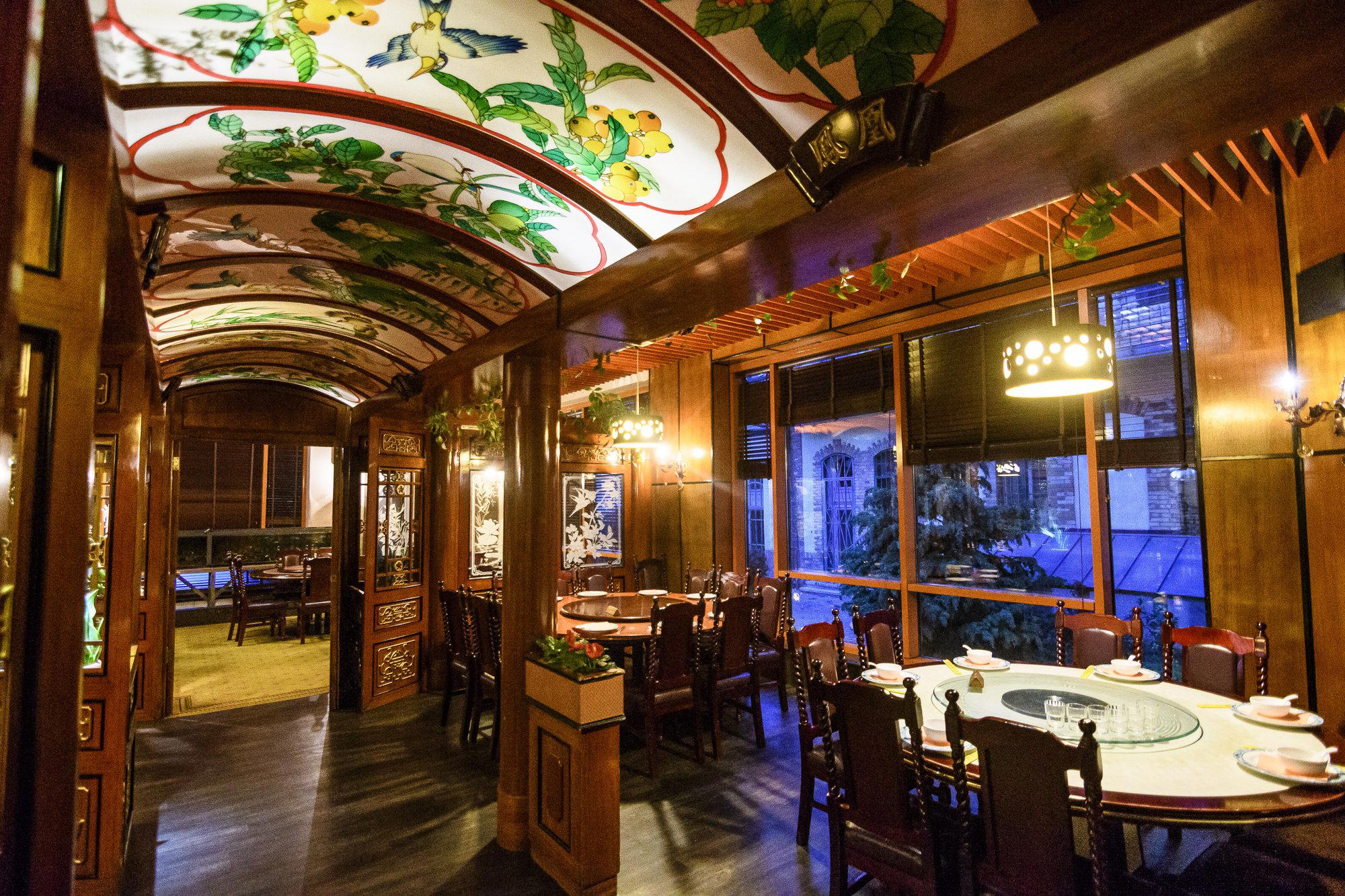
Budapest's 9th district runs south from the Grand Market Hall toward Ferencváros, a neighbourhood that has shifted over the past decade from post-industrial quiet to a mixed dining and residential corridor. Albert Flórián út sits within this zone, a stretch that sees local foot traffic rather than tourist concentrations. It is precisely this kind of address that hosts the city's more neighbourhood-rooted dining, where the audience is drawn by word of mouth rather than proximity to Buda Castle or the Chain Bridge.
Taiwanese Cooking in a Central European Context
Taiwan's culinary traditions are among the most layered in East Asia. The island's cooking absorbed waves of influence: indigenous ingredients, Fujianese and Hakka migration patterns, Japanese colonial-era food culture (which lasted fifty years and left structural marks on everything from knife technique to tofu preparation), and the 1949 influx of mainland Chinese culinary traditions across all regional schools. The result is a cuisine that does not resolve neatly into a single register. Night market snacks, beef noodle soup, braised pork rice, oyster vermicelli, and scallion pancakes all occupy the same cultural space without contradiction.
In European cities, Taiwanese cooking has historically been underdistinguished from broader Chinese restaurant categories. London, Amsterdam, and Paris each saw Taiwanese-specific restaurants emerge more clearly in the 2010s, often driven by second-generation diaspora operators who wanted precision in how their cuisine was named and framed. Budapest's Asian dining scene is less developed in this regard, which means a venue identifying specifically as Taiwanese occupies a relatively sparse category in the city's restaurant mix.
For context, Budapest's high-end dining conversation concentrates heavily on Modern Hungarian and European fine dining: Stand (€€€€ · Modern Cuisine), Babel (€€€€ · Modern Cuisine), and Costes (€€€€ · Modern Cuisine) anchor the Michelin-active tier, while Borkonyha Winekitchen (€€€ · Modern Cuisine) bridges the gap between wine-led casual and serious kitchen work. essência (€€€€ · Modern Cuisine) adds a Portuguese-rooted angle to the city's Modern European tier. Against this backdrop, a Taiwanese restaurant at a neighbourhood address is operating in a genuinely different register, for a different kind of dining decision.
What the Address Signals
Albert Flórián út 3/B is not a destination dining street in the conventional sense. It does not appear in the same breath as Ráday utca or the ruin bar corridors of the 7th district. That is not a criticism — it is a structural observation about how neighbourhood Asian restaurants function in mid-sized European capitals. They tend to build a loyal local base, operate on repeat-visit economics, and remain below the radar of the city's formal dining press. This is a pattern visible in comparable cities: Vienna's outer-district Asian restaurants, Prague's neighbourhood-level Korean and Vietnamese spots, and Warsaw's growing off-centre Chinese dining corridor all follow similar dynamics.
For visitors to Budapest who have covered the headline dining tier — and who want something that sits outside the Hungarian gourmet circuit entirely, a neighbourhood-rooted Taiwanese restaurant on a working street represents a different kind of proposition. The experience is likely to feel closer to eating among residents than among other tourists.
Exploring the Broader Hungarian Dining Picture
Those building a wider trip around Hungarian food beyond Budapest have strong options in the regions. Platán Gourmet in Tata and Pajta in Őriszentpéter represent the rural fine dining direction that has gained ground in Hungary over the past several years. BoriMami in Gyöngyös, Forst-Ház Étterem és Kávézó in Eger, and Halasi Pince Panzió in Villány each anchor their respective towns as reasons to extend beyond the capital. Aranysárkány Vendéglő in Szentendre is worth the short trip north, particularly for visitors already spending time on the Danube Bend. Further afield, Classic Grill Serbian Restaurant Underground in Szeged and Astro Tea & Kávéház in Gyor reflect how Hungary's secondary cities are developing their own dining identities. See our full Budapest restaurants guide for the complete city picture.
For reference beyond Hungary, Taiwanese-rooted cooking has reached its clearest high-end articulation at restaurants like Atomix in New York City, which (while Korean in foundation) demonstrates how East Asian diaspora fine dining can operate at the top of the market in a major Western city. The gap between that tier and neighbourhood-level Asian dining in Central European capitals is considerable, which is part of why venues like Taiwan in Budapest occupy a structurally distinct space, they are not competing with Michelin-rated peers but with a different set of reader expectations entirely. Separately, La Pizza Del Lupo in Onga and Almalomb in Hosszúhetény show that Hungary's appetite for non-Hungarian cooking extends well beyond the capital, and Le Bernardin in New York City provides a useful benchmark for what sustained culinary seriousness at the top of any category looks like over decades.
Know Before You Go
- Address: Albert Flórián út 3/B, Budapest 1097, Hungary
- District: 9th district (Ferencváros), south of the city centre
- Phone: Not publicly listed
- Website: Not publicly listed
- Awards: No listed awards at time of publication
- Price range: Not publicly listed
How Taiwan Budapest compares with similar nearby venues.
| Venue | Cuisine |
|---|---|
| Rosenstein Vendéglő | Jewish-Hungarian |
Continue exploring
More in Budapest
Restaurants in Budapest
Browse all →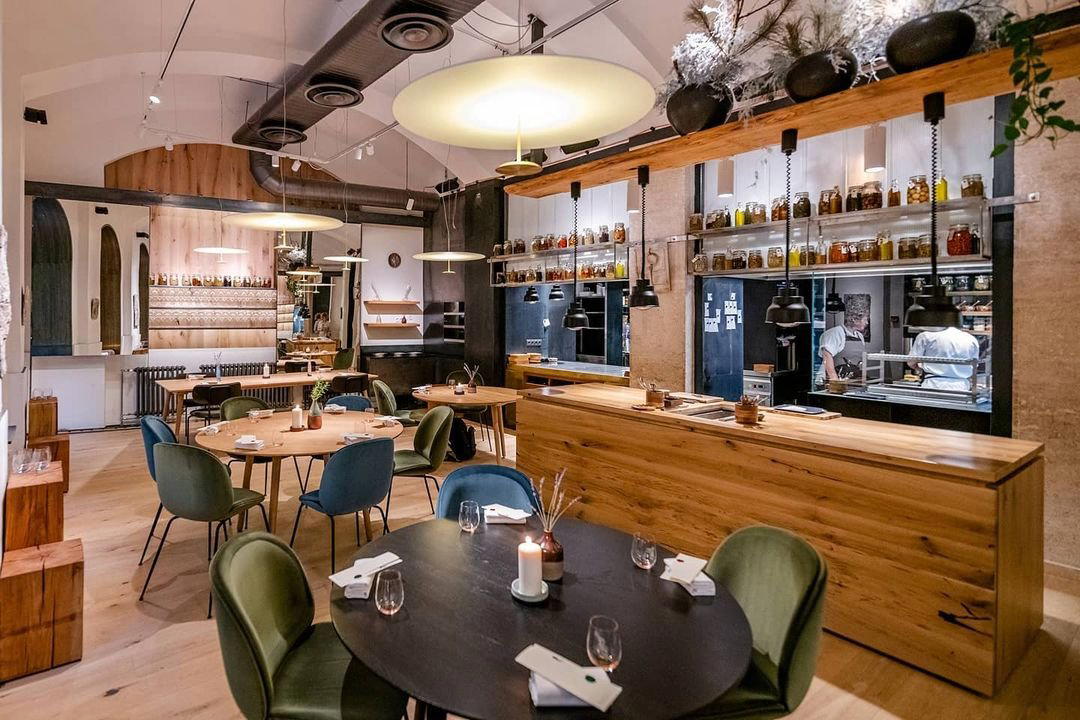
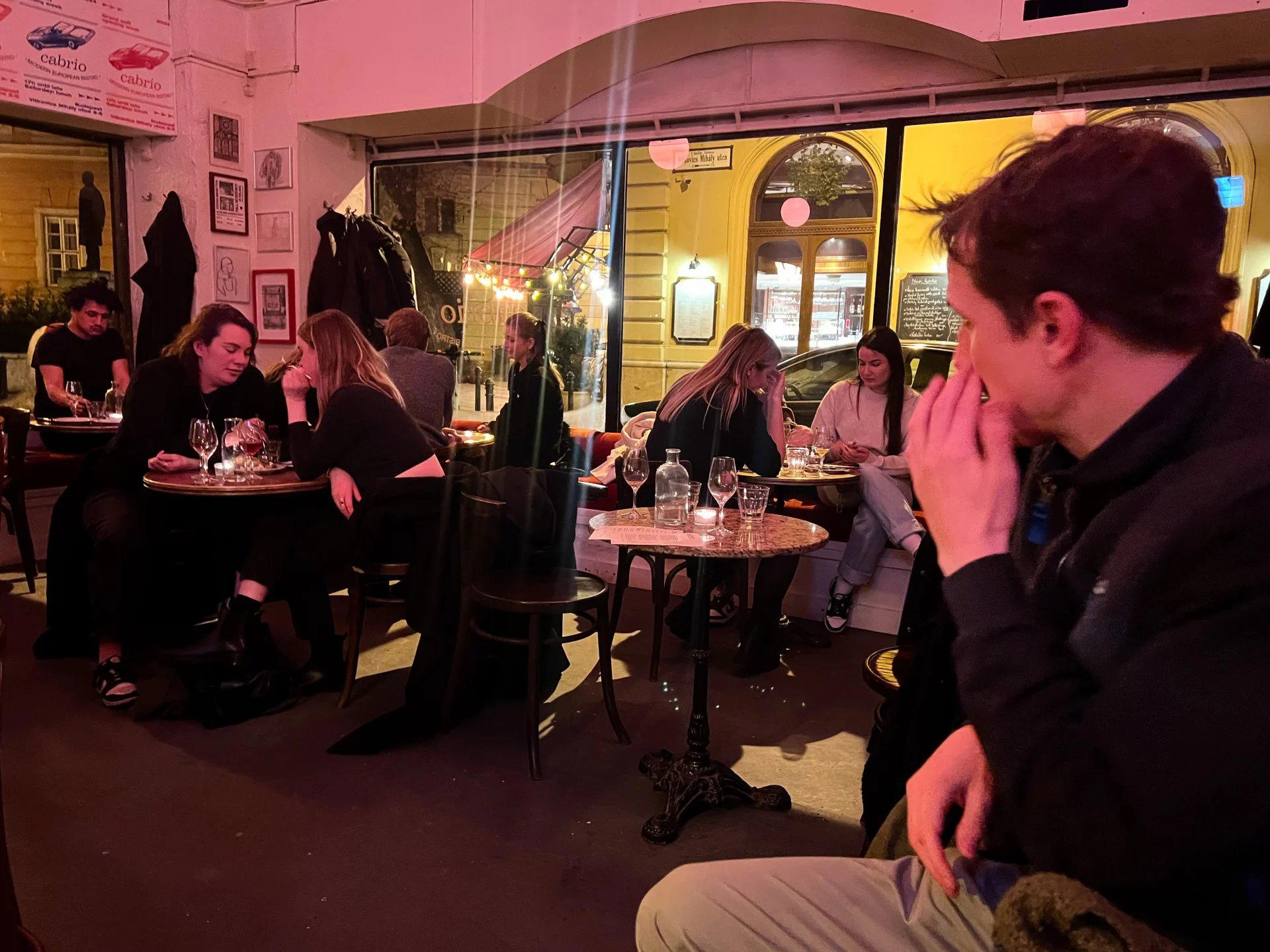
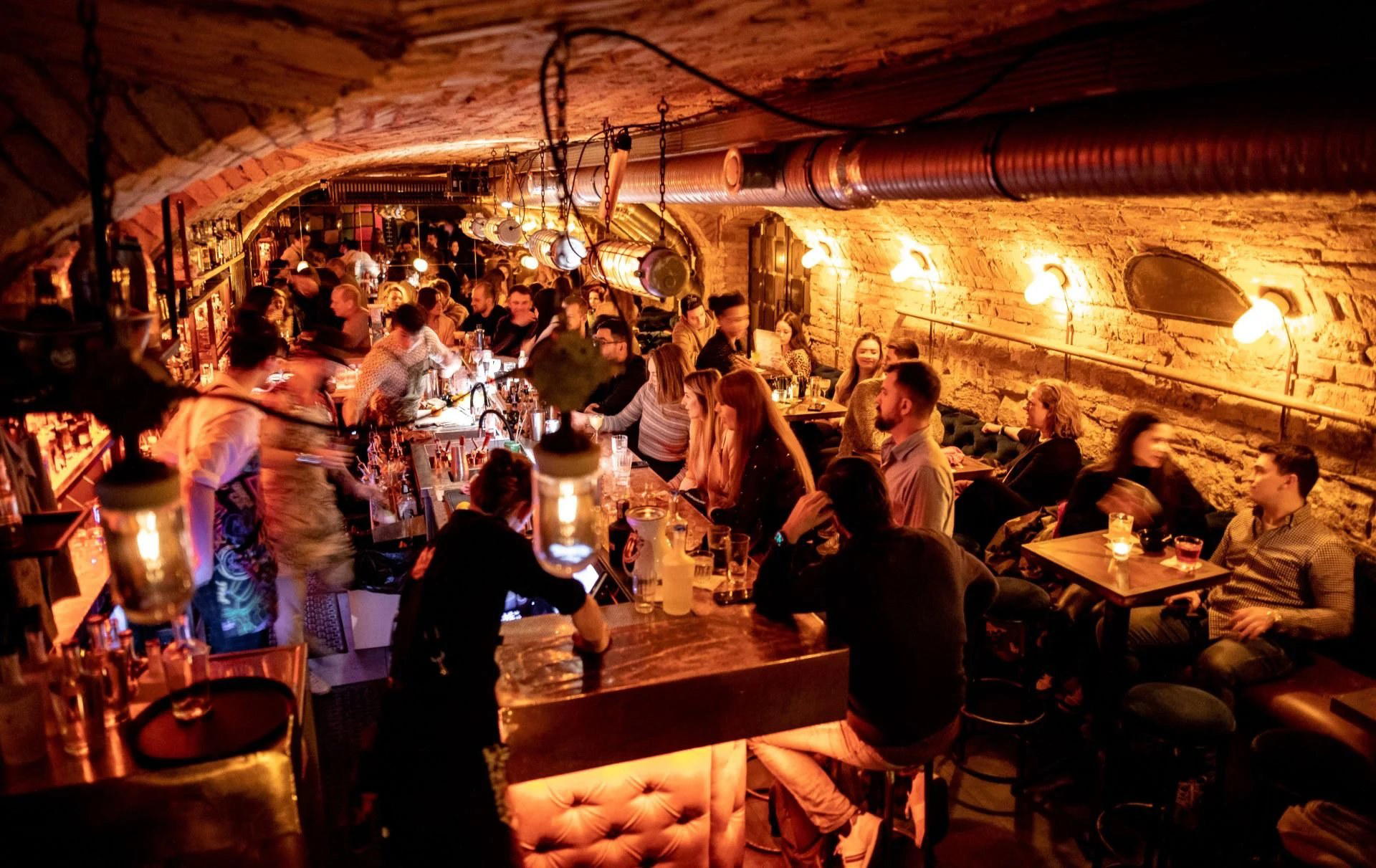
Bars in Budapest
Browse all →
Hotels in Budapest
Browse all →

At a Glance
Current opening hours
- Monday
- 12–11 PM
- Tuesday
- 12–11 PM
- Wednesday
- 12–11 PM
- Thursday
- 12–11 PM
- Friday
- 12–11 PM
- Saturday
- 12–11 PM
- Sunday
- 12–11 PM
Hours can change for holidays and private events. Last verified .
Know Before You Go
- Getting there
- Budapest, Albert Flórián út 3/B, 1097 Hungary