Pajta

1 Michelin Star
Our verdict
A Michelin-starred barn conversion in the remote Őrség region of western Hungary, Pajta earns its star through strict seasonal menus rooted in local Őrség produce, with fermentation and pickling at the centre of its technique. The glass-fronted restaurant opens on Sundays only, with evening sittings mid-week in season. A tri-country wine pairing draws from Hungary, Austria, and Slovenia.

Pearl is the En Primeur Club membership app — saves, bookings, and concierge access live there. Same editors, same standards.
- Address
- Őriszentpéter, Templomszer 7, 9941 Hungary
- Phone
- +36 70 416 3388
- Hours
- Mon–Wed ClosedThu 4–7 PMFri–Sun 12–2 PM, 6–7 PM
- Website
- pajta.hu
- Directions
- Get directions
- Booking
- Book on the venue's website
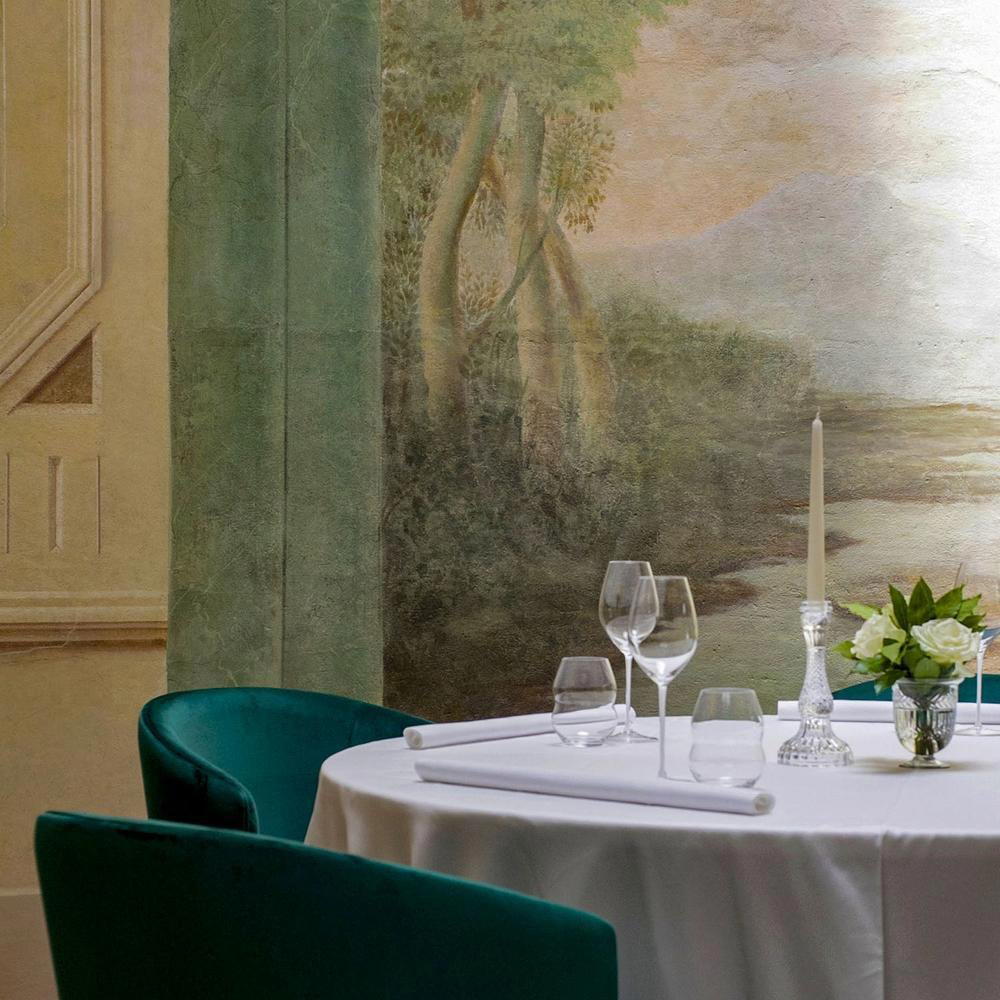
Where the Ingredients Come First
The Őrség region of western Hungary sits close to the triple border where Hungary, Austria, and Slovenia meet — a stretch of forest, meadow, and smallholding farming that has remained relatively insulated from the pressures of large-scale agriculture. This geographical position matters for understanding what Pajta is doing and why it registers as more than a restaurant that happens to hold a Michelin star. The kitchen is designed around what the surrounding countryside produces, not the other way around.
Approaching Templomszer 7 in Őriszentpéter, the glass-fronted building announces itself against a backdrop of meadow in a way that is deliberate rather than decorative. The structure grew out of the small barn that originally housed the project's earliest work — fermentation, preserving, and the slow accumulation of technique that now underpins a menu operating at Michelin level. That lineage from barn to glass-fronted dining room is visible in the material sensibility of the space itself.
For context on how this kind of destination restaurant fits into the broader Hungarian Michelin scene, see our full Őriszentpéter restaurants guide. Comparable ambition at the €€€€ tier in Hungarian cities includes Stand in Budapest and Platán Gourmet in Tata, though Pajta operates under very different supply-chain conditions than either urban or peri-urban peers.
The Őrség as a Kitchen Garden
The Őrség National Park designation covers much of the area around Őriszentpéter, protecting a cultural and agricultural landscape that includes traditional Hungarian farmstead patterns. This has practical consequences for a kitchen committed to local sourcing: the produce available is genuinely different from what arrives at a Budapest restaurant ordering from the same national distribution networks. Heritage vegetables, foraged ingredients, and small-batch dairy from the region carry flavour profiles that commercial-scale supply cannot replicate.
Pajta's menus change with the seasons and are framed explicitly around Őrség produce and historical Hungarian dishes. This is not a loose claim of farm-to-table proximity, the kitchen's identity depends on the specificity of the region. Fermentation and pickling are central techniques here, which makes sense both as a preservation strategy for a kitchen working with seasonal surpluses and as a flavour approach: the acidity and depth that fermented and pickled elements introduce can carry a menu through the leaner months of late winter and early spring without resorting to imported substitutes.
The tri-country wine pairing, drawing from Hungary, Austria, and Slovenia, reflects the same geographic logic applied to the cellar. The Őrség borders both countries, and the wines of western Transdanubia, Styria, and Slovenian Štajerska share soil types and climate patterns that make the pairing more coherent than a purely nationalist list would allow. This is a region where the administrative border and the culinary region have never been the same thing.
For a wider picture of where to drink in the area, our Őriszentpéter wineries guide covers the regional producers in more depth, and our bars guide maps out where to drink before or after a meal.
Format, Access, and What to Expect
The format enforces this: the kitchen is open on Sundays from 12 PM to 2 PM for lunch and from 6 PM to 7 PM for dinner. The window is narrow. The Sunday-only schedule means that planning a visit requires treating Pajta as the anchor of a longer trip to the Őrség rather than a standalone evening out.
Accommodation is available through the two-storey, nature-inspired forest lodges a kilometre from the restaurant, with transport arranged between the lodge and the restaurant. For anyone travelling to the Őrség specifically for Pajta, this integrated overnight option resolves the practical problem of distance from major urban centres and removes the question of whether to factor in a long evening drive. Our Őriszentpéter hotels guide covers the full accommodation picture in the area for those who prefer to arrange their own stay.
Technique Inside the Barn Philosophy
The emphasis on fermentation and pickling at Pajta sits within a wider European conversation about what skilled preservation technique can achieve at the fine-dining level. Across Scandinavia, the Alpine regions, and increasingly in Central Europe, kitchens with genuine seasonal constraints have developed fermentation not as a stylistic gesture but as a structural pillar of the menu, the thing that allows a kitchen tied to one landscape to maintain flavour depth year-round without importing ingredients that contradict its core premise.
In Hungary, this connects to a deep historical tradition of preserving: the pantry culture of Hungarian farmsteads, the lacto-fermented vegetables of cold-weather cooking, the layered acidity that runs through Central European cuisine in ways that are sometimes overlooked when the region is discussed primarily through its meat and paprika vocabulary. Pajta operates in that tradition at a level of technical refinement that earned Michelin recognition, which is a different kind of claim than simply being a restaurant that uses pickles.
Comparable approaches to rigorous local sourcing at the fine-dining level appear in very different European contexts. The commitment to a specific geography as the primary creative constraint is what links Pajta methodologically to destination restaurants such as De Librije in Zwolle or De Bokkedoorns in Overveen, even though the ingredients, traditions, and price contexts differ considerably. The shared logic is that the geography generates the menu, rather than the menu shopping across geographies for the leading available produce.
For other Hungarian kitchens working within a defined regional philosophy, Botanica in Dánszentmiklós, Alkimista Kulináris Műhely in Szeged, and A Konyhám Stúdió 365 in Fonyód represent comparable points of reference at different price tiers. 67 Sigma in Székesfehérvár and Avalon Ristorante in Miskolc show how the regional creative model operates in urban settings. Casa Christa in Balatonszőlős offers a lakeside counterpart to Pajta's inland forest setting.
Planning Your Visit
The practicalities of a Pajta visit require more advance thought than most Michelin-starred meals. The restaurant operates on Sundays only, with a lunch service running from 12 PM to 2 PM and a dinner window from 6 PM to 7 PM. The compressed evening service window in particular suggests a tasting menu format with a fixed start time rather than the flexible arrival windows of a more conventional restaurant. Travel to Őriszentpéter from Budapest is approximately 230 kilometres by road, making the trip a natural overnight stay. The forest lodge accommodation, with transport to and from the restaurant arranged, is the most integrated option. The Őriszentpéter experiences guide covers what to do in the Őrség beyond the meal itself, which is worth considering given the travel distance involved. The region offers hiking, cultural heritage sites, and access to the national park landscape that supplies the kitchen.
Frequently asked questions
What kind of setting is Pajta?
Pajta is a glass-fronted restaurant in Őriszentpéter, a small village in the Őrség region of western Hungary, attached to a working complex that includes the original barn from which the project developed and forest lodge accommodation a kilometre away. The overall feel is rural and nature-oriented rather than formally grand. At the €€€€ price point with a 2024 Michelin star, it sits at the serious end of regional Hungarian dining, a destination rather than a local choice. Guests travelling from Budapest or Vienna are doing so specifically for the food and the Őrség setting.
Is Pajta good for families?
Pajta's format, a Sunday-only tasting menu at €€€€ pricing with a narrow dinner window of 6 PM to 7 PM, is structured around a focused dining experience. Whether that works for families depends largely on the ages of the children involved. The meadow setting and natural surroundings are genuinely child-friendly in terms of environment, and the forest lodges nearby provide a more relaxed base than a city hotel. For families travelling to the Őrség more broadly, the experiences guide for the area is worth consulting alongside the restaurant booking.
at Pajta?
At a Michelin-starred kitchen operating at the €€€€ tier with a seasonal, produce-led philosophy, the menu format almost certainly does not offer à la carte choices, the kitchen defines what is served based on what is available and at its finest. The fermentation and pickling elements that run through the menu are the technical signatures worth paying attention to, as these are not decorative flourishes but central to how the kitchen builds flavour depth from Őrség produce alone. The tri-country wine pairing, drawing from Hungary, Austria, and Slovenia, is the pairing route most aligned with what the kitchen is doing and the region it sits within.
Fast Comparison
| Venue | Cuisine | Price | Awards |
|---|---|---|---|
| PajtaThis venue — the venue you are viewing | Modern Hungarian Fine Dining | $50–100 | 1 Michelin Star |
| Babel | Modern Cuisine | Not listed | Michelin 1 Star |
| Borkonyha Winekitchen | Modern Cuisine | Not listed | Michelin 1 Star |
| Rumour by Rácz Jenő | Creative | Not listed | Not listed |
| Stand25 Bisztró | Traditional Cuisine | Not listed | Not listed |
| Bilanx | Contemporary | Not listed | Not listed |
Recognition history
Dated appearances from independent guides and award organizations, with the underlying list record or original source where available.
Michelin 1 Star
Michelin
Full recognition history (2 entries)
Michelin 1 Star
Michelin
Continue exploring
More in Őriszentpéter
Restaurants in Őriszentpéter
Browse all →

Hotels in Őriszentpéter
Browse all →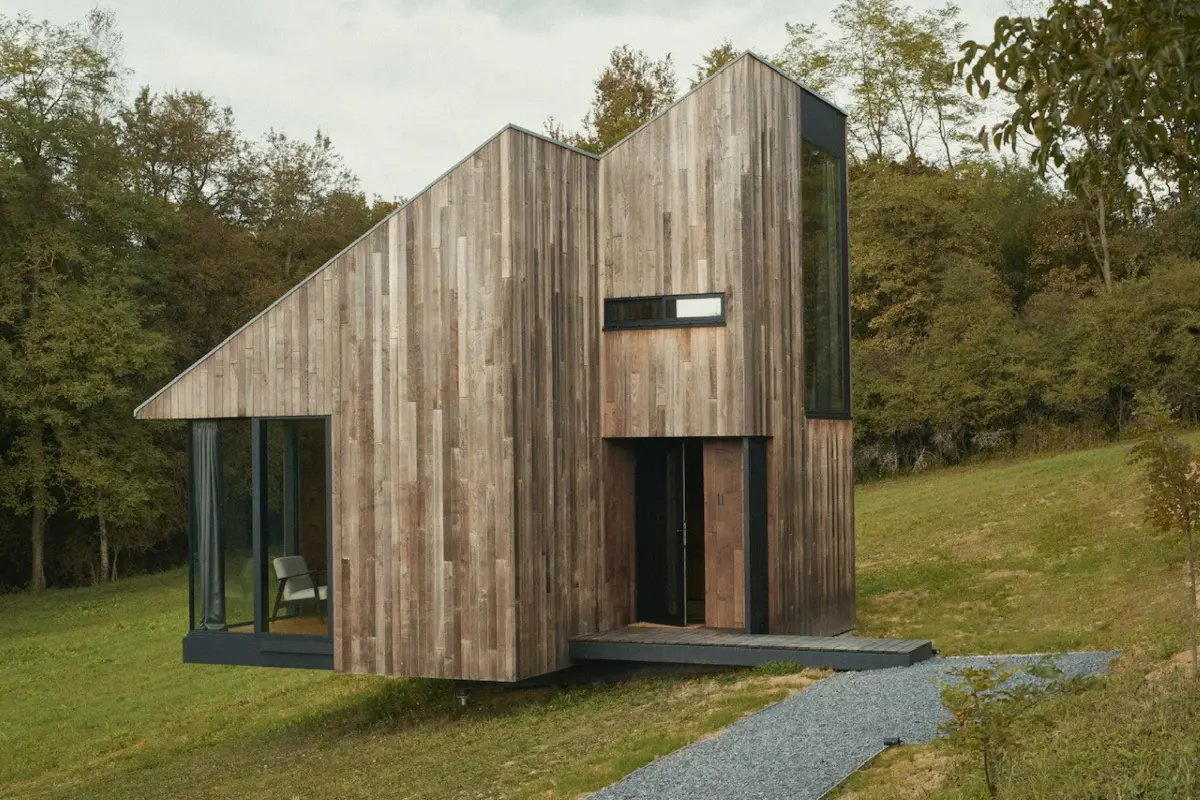


Details
- Rustic
- Cozy
- Scenic
- Intimate
- Date Night
- Special Occasion
- Open Kitchen
- Extensive Wine List
- Local Sourcing
- Garden
- Tasting Menu
- Vegetarian Friendly
- Gluten Free Options
Current opening hours
- Monday
- Closed
- Tuesday
- Closed
- Wednesday
- Closed
- Thursday
- 4–7 PM
- Friday
- 12–2 PM, 6–7 PM
- Saturday
- 12–2 PM, 6–7 PM
- Sunday
- 12–2 PM, 6–7 PM
Hours can change for holidays and private events. Last verified .
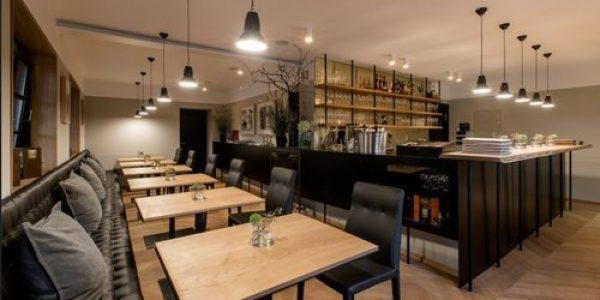
Cozy and natural with natural light through glass walls overlooking meadows and forests, calm atmosphere blending rustic charm and modern elegance.