Our verdict
Table Bistro sits in Shanghai's Minhang District, away from the downtown dining circuit that dominates most visitor itineraries. The restaurant operates in a part of the city where neighbourhood regulars define the room rather than hotel concierge lists. For those willing to travel beyond the Bund, it represents a different register of Shanghai dining.

Pearl is the En Primeur Club membership app — saves, bookings, and concierge access live there. Same editors, same standards.
- Address
- 59CJ+HG7, Hongquan Rd, Minhang District, Shanghai, China, 201103
- Directions
- Get directions
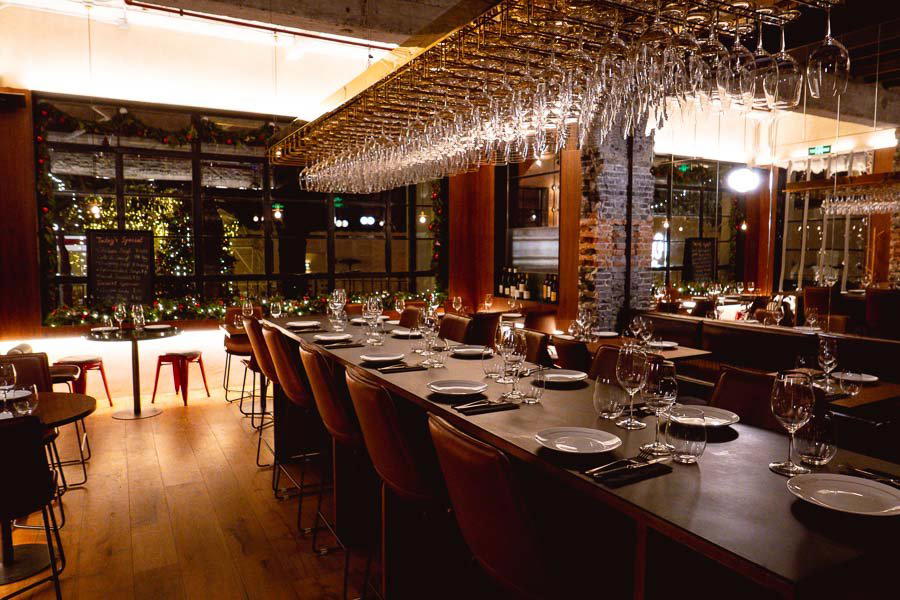
Minhang and the Question of Where Shanghai Actually Eats
The restaurants that appear on international shortlists tend to cluster along a familiar axis: the Bund, Xintiandi, Jing'an. That concentration is real, and the credentials behind venues like Taian Table or 8 1/2 Otto e Mezzo Bombana are well-documented. But Shanghai is a city of 24 million people spread across districts that most visitors never reach, and the dining culture in those outer rings operates by different rules. Minhang, a southwestern district that functions more like a dense self-contained city than a suburb, has its own restaurant economy, one oriented toward local professional households rather than expense accounts or international recognition systems.
Table Bistro sits on Hongquan Road in this part of the city. The address alone positions it outside the standard reference frame for Shanghai dining, and that positioning carries implications for what the restaurant is and who it is for.
Ingredient Logic at the Neighbourhood Scale
In Shanghai's higher-profile dining tier, sourcing has become a competitive signal. Venues in central districts publish supplier relationships, reference specific farms, and build tasting menus around provenance narratives. That apparatus requires both the marketing budget to communicate it and a clientele primed to read it. The sourcing question at a neighbourhood bistro in Minhang operates differently: proximity to wet markets along the district's residential grid means access to daily turnover produce, live seafood from suppliers serving local households, and seasonal vegetables that move through the city's distribution network at a pace central-district restaurants rarely match because their procurement is locked into longer-lead supplier contracts.
This is not an argument that neighbourhood restaurants source better. It is an observation about how ingredient logic works at different scales. Where a destination restaurant in Jing'an builds sourcing into its identity and price architecture, a local bistro format in Minhang is more likely to source reactively, adjusting to what arrived that morning rather than what was specified three weeks earlier. For diners who value that kind of market-responsive cooking, the outer districts of Shanghai have always offered something the centre cannot easily replicate.
The broader pattern is visible across Chinese cities. In Hangzhou, Ru Yuan demonstrates how serious cooking can anchor itself in a city's residential fabric rather than its tourist infrastructure. In Suzhou, Pingjiangsong shows a similar relationship between local ingredient culture and the restaurants that grow from it. Table Bistro occupies a comparable position in Minhang's local dining fabric.
What a Bistro Format Signals in This Context
The word "bistro" carries different freight in Shanghai than it does in Paris or Lyon. In France, a bistro is a specific culinary and social institution, defined by a short menu, chalkboard specials, and wine-by-the-carafe informality. In Shanghai, the term has been absorbed into a broader vocabulary of casual-leaning, non-ceremonial dining that sits between the hawker-stall tier and the white-tablecloth format. Restaurants using the bistro label in the city tend to signal approachable pricing, a room without strict formality codes, and menus that do not require extensive explanation.
That positioning places Table Bistro in a cohort that includes French bistros, modern Chinese small-plate formats, and hybrid operations that use the label to signal intent rather than cuisine origin. Fu He Hui, though at a higher price point, demonstrates how Shanghai has developed appetite for restaurants that break from the banquet-hall template while still taking food seriously. 102 House and Xin Rong Ji (West Nanjing Road) represent different points on the spectrum of how the city frames serious eating in accessible formats.
Getting to Minhang, and Why It Is Worth the Transit
Minhang District is served by Lines 1, 5, and 12 of the Shanghai Metro, with travel times from People's Square running roughly 30 to 45 minutes depending on the specific station. Hongquan Road is in the western portion of the district, and the surrounding neighbourhood reads as residential and commercial rather than destination-dining. Visitors accustomed to the polished approach roads of central Shanghai restaurants should calibrate expectations accordingly: the street-level context is ordinary in the way that streets in functioning cities tend to be ordinary.
That ordinariness is part of the information. Restaurants that survive without location advantage, without a hotel lobby feeding them covers, and without walk-in traffic from tourism infrastructure are sustained by repeat local custom. That is a different quality signal than a Michelin star, but it is a signal. For context on how Chinese regional cooking operates across the country's dining circuits, the network of Xin Rong Ji in Chengdu, Beijing, and Dai Yuet Heen in Nanjing illustrates how regional identity and local loyalty interact differently in each city.
This is standard practice for neighbourhood restaurants in Chinese cities, where hours can shift seasonally and reservation systems vary from platform booking to walk-in only.
How Table Bistro Sits Within Shanghai's Wider Dining Map
For readers building a Shanghai itinerary around food, the city's credentialed restaurants cover the recognisable ground: destination tasting menus, Cantonese fine dining, Italian and French imports at the luxury tier. Our full Shanghai restaurants guide maps that terrain across price points and neighbourhoods. Table Bistro answers a different question, one about where the city eats when it is not performing for visitors. Venues like Fleurs Et Festin in Xiamen, Wenru No.9 in Fuzhou, and Shang Palace in Yangzhou each demonstrate how serious eating in Chinese cities does not require the international recognition framework to be worth attention. The same logic applies in Minhang.
For comparison points further afield, the neighbourhood-anchored model has precedents in markets like San Francisco, where Lazy Bear built its identity around community-oriented dining, and New York, where Le Bernardin demonstrates a different version of how sourcing rigour and institutional commitment coexist. The bistro format Table Bistro occupies sits at a more accessible register than either of those, but the underlying question of what a restaurant owes its neighbourhood, and what the neighbourhood provides in return, is the same.
For diners visiting Imperial Treasure Fine Chinese Cuisine in Guangzhou or Chef Tam's Seasons in Macau and travelling through Shanghai, Table Bistro represents a different register of the same regional dining culture, one stripped of ceremony and closer to how the city's residents actually eat.
Frequently asked questions
Is Table Bistro a family-friendly restaurant?
Minhang District restaurants generally skew toward neighbourhood family dining rather than the adult-only tasting-menu formats that dominate central Shanghai. Table Bistro's bistro format and location on Hongquan Road place it squarely in that local, practical register. It is a reasonable assumption for families, though EP Club's records do not confirm specific seating arrangements or children's menu options.
How would you describe the vibe at Table Bistro?
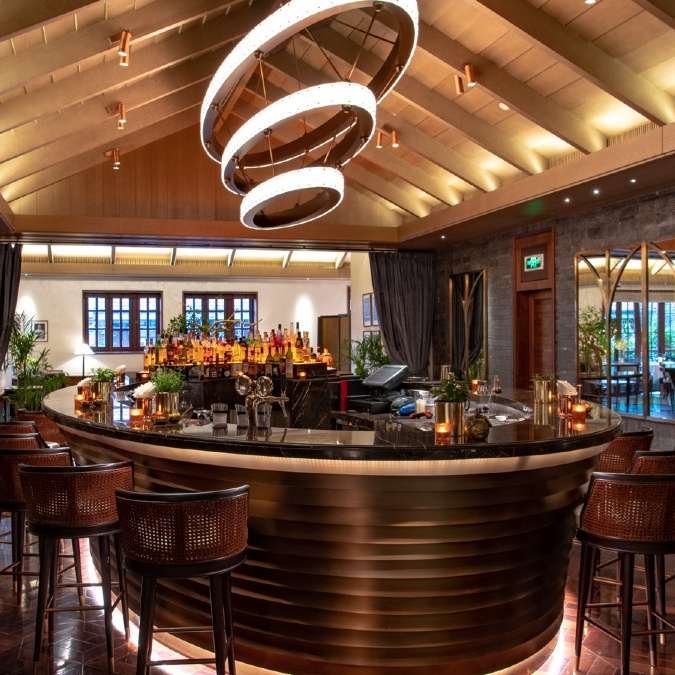
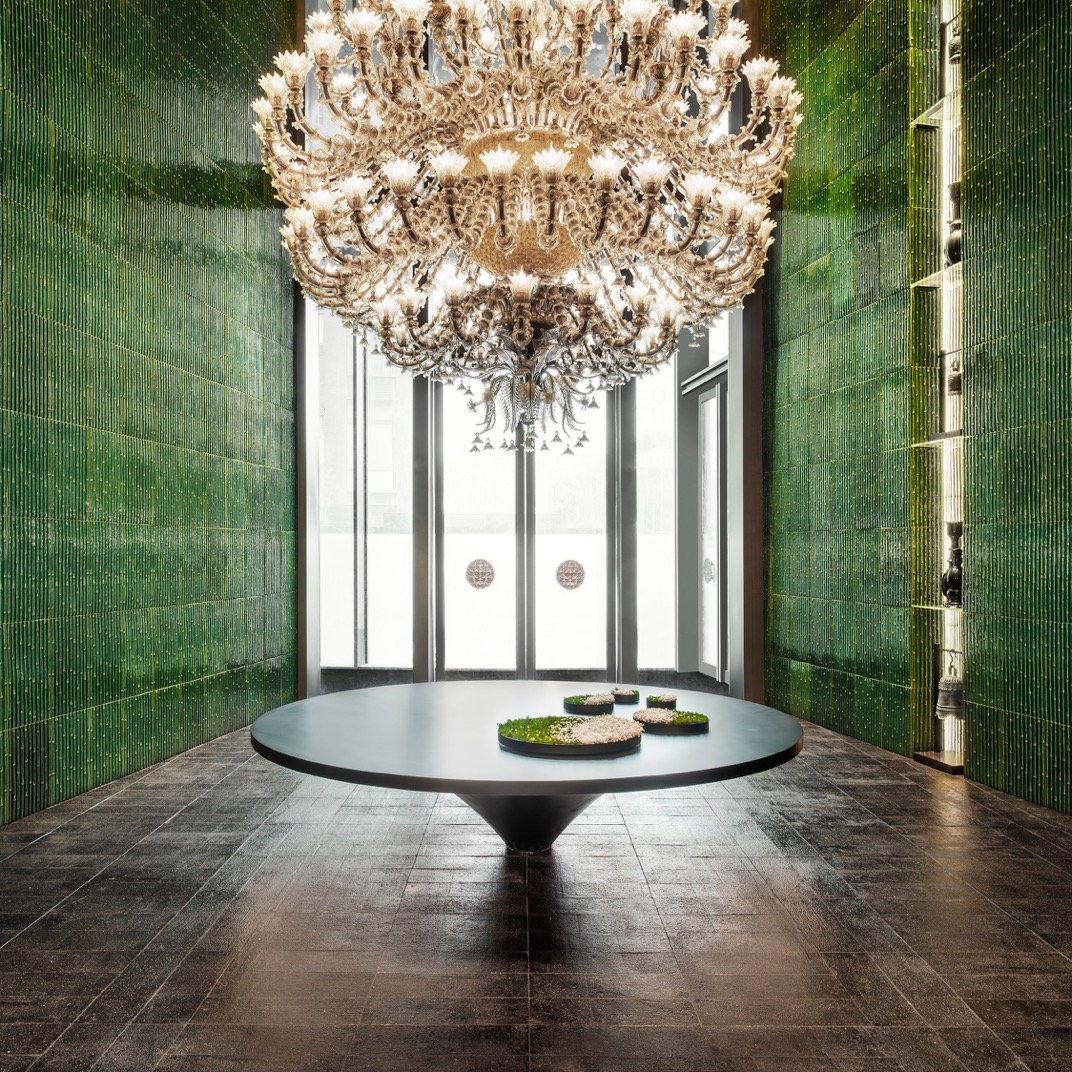
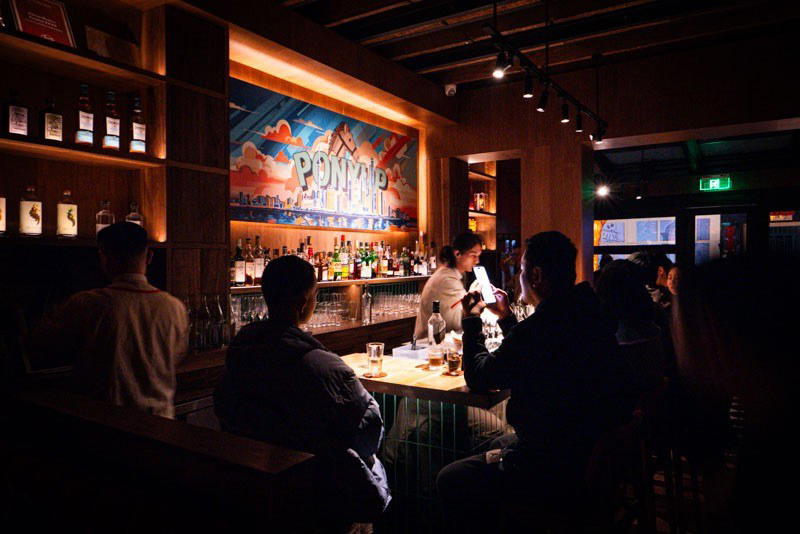
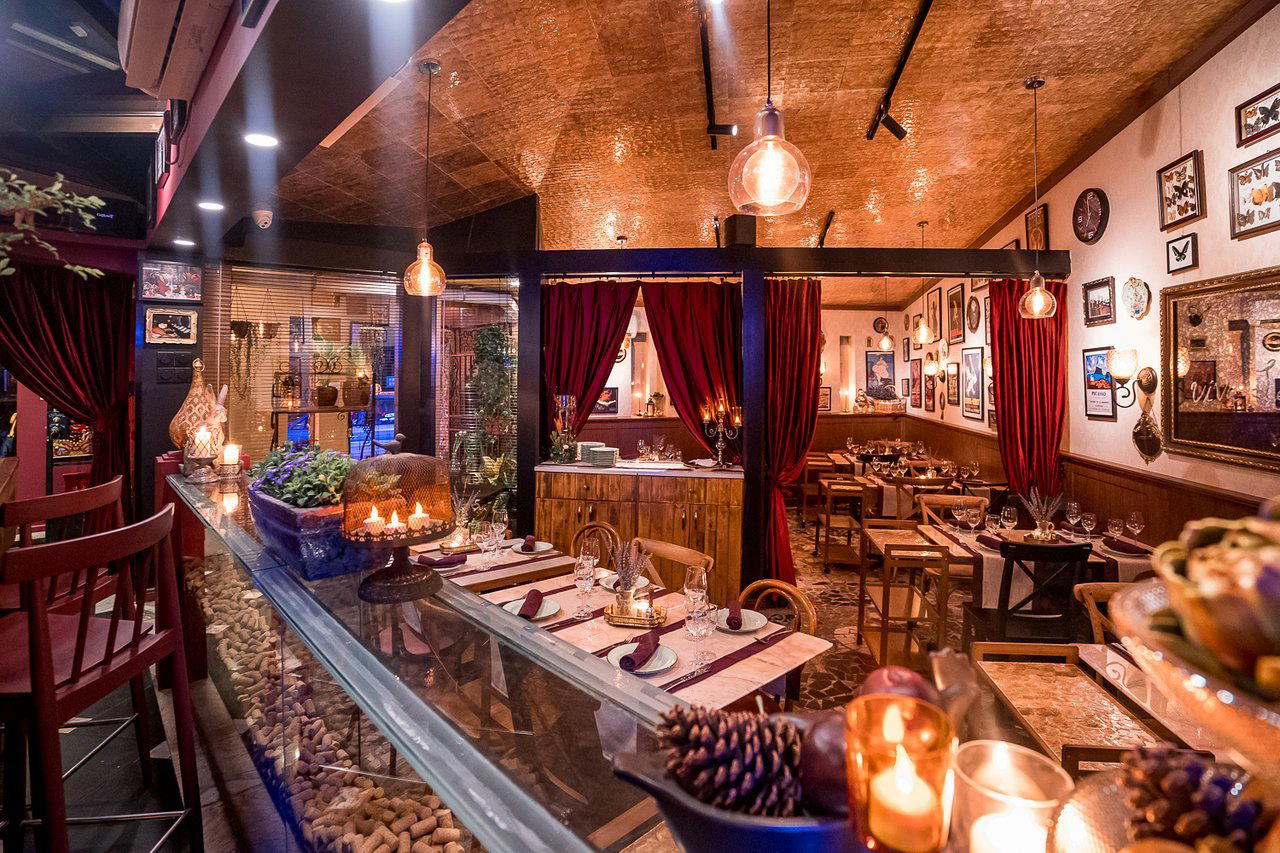
Minhang sits outside the central-district pressure to perform for international audiences, and its restaurant culture reflects that: practical, local, and unforced. Table Bistro's address on Hongquan Road puts it in a residential-commercial mix rather than a destination dining corridor. The bistro format signals an everyday rhythm rather than an occasion-driven one.
Is Table Bistro worth travelling to from central Shanghai?
Minhang District is accessible via Lines 1, 5, and 12 of the Shanghai Metro, with travel times from People's Square running roughly 30 to 45 minutes depending on the station. For readers whose Shanghai itinerary is already heavy on Bund-adjacent dining, Table Bistro offers a different register: neighbourhood scale, without the central-district pricing pressure that typically accompanies it.
What do people recommend at Table Bistro?
For a Minhang bistro operating outside Shanghai's credentialed central circuit, the reliable approach is to visit and follow what the room is ordering. Local regulars are usually a better guide than any shortlist.
| Venue | Cuisine | Price | Awards | Notes |
|---|---|---|---|---|
| Table BistroThis venue — the venue you are viewing | Innovative German-Asian Fusion Fine Dining | Not listed | Not listed | Not listed |
| Fu He Hui | Modern Seasonal Vegetarian Fine Dining | $200–300 | 2 Michelin Stars · World's 50 Best #11 | Vegetarian |
| Ming Court | Cantonese with Shanghainese Influences | $30–50 | 1 Michelin Star · Black Pearl 1 Diamond | Cantonese |
| Polux | French Bistro | $30–50 | Michelin Bib Gourmand | Not listed |
| Royal China Club | Cantonese Dim Sum | $100–150 | Michelin Plate · The Good Food Guide GFG Good | Not listed |
| Scarpetta | Refined Italian Pasta & Pizza | $50–100 | Michelin Plate · Wine Spectator Best of Award of Excellence | Not listed |
Details
- Intimate
- Modern
- Elegant
- Special Occasion
- Open Kitchen
- Tasting Menu
- Set Menu
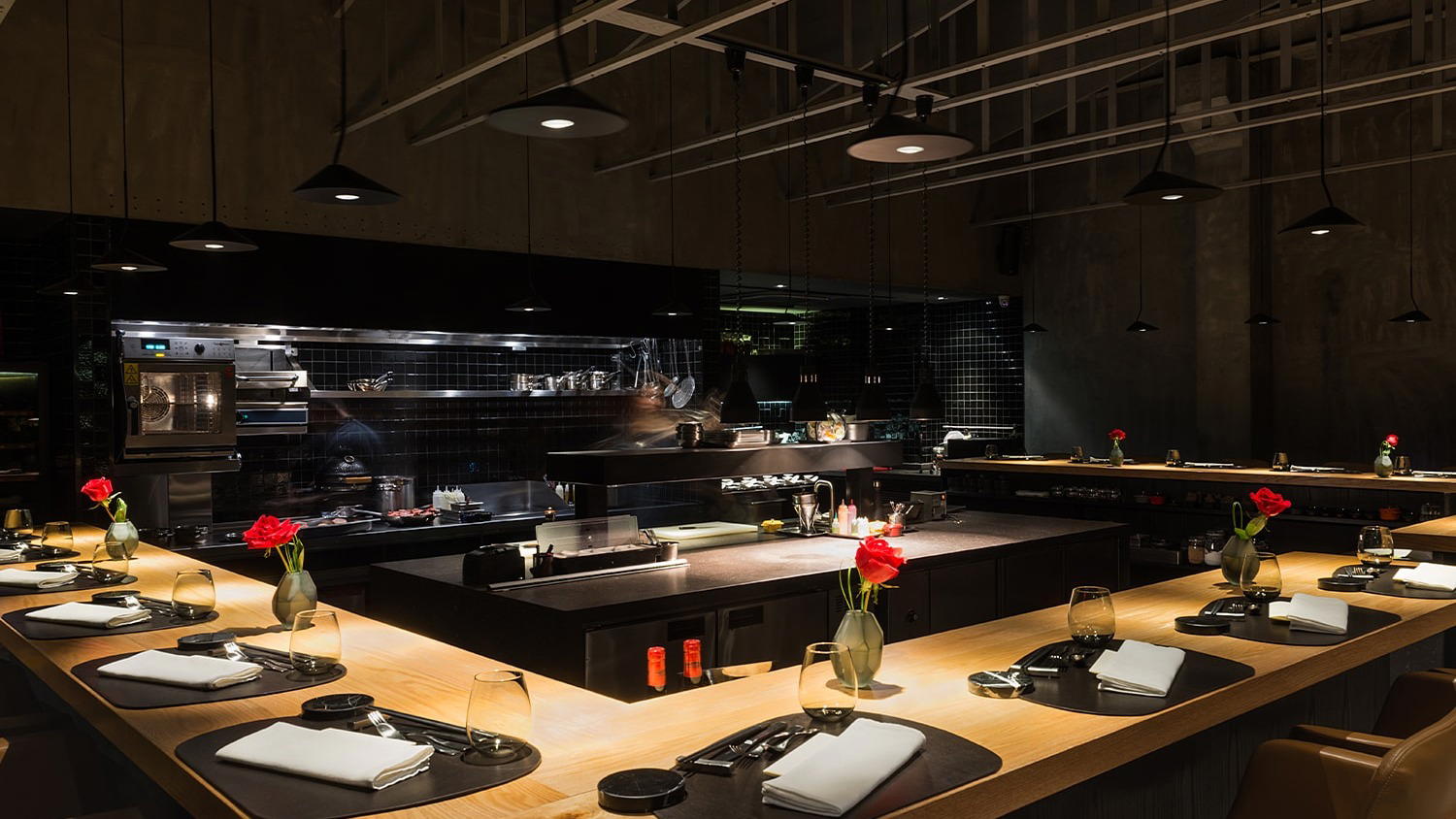
Lively and intimate atmosphere with guests closely surrounding the open kitchen island.