Three on the Bund occupies a storied address on Shanghai's most scrutinised waterfront strip, where the tension between heritage architecture and contemporary dining ambition has played out for decades. Positioned in the Huangpu district at the base of the Bund's celebrated building row, it represents a particular chapter in how Shanghai reconciled international fine dining with its colonial-era built fabric.
Pearl is the En Primeur Club membership app — saves, bookings, and concierge access live there. Same editors, same standards.
- Address
- China, Shanghai, Huangpu, Zhongshan Rd (E-1), 5号外滩5号B1 邮政编码: 200002
- Phone
- +86 21 6223 3355
- Website
- threeonthebund.com
- Directions
- Get directions
 Saves & bookings on Pearl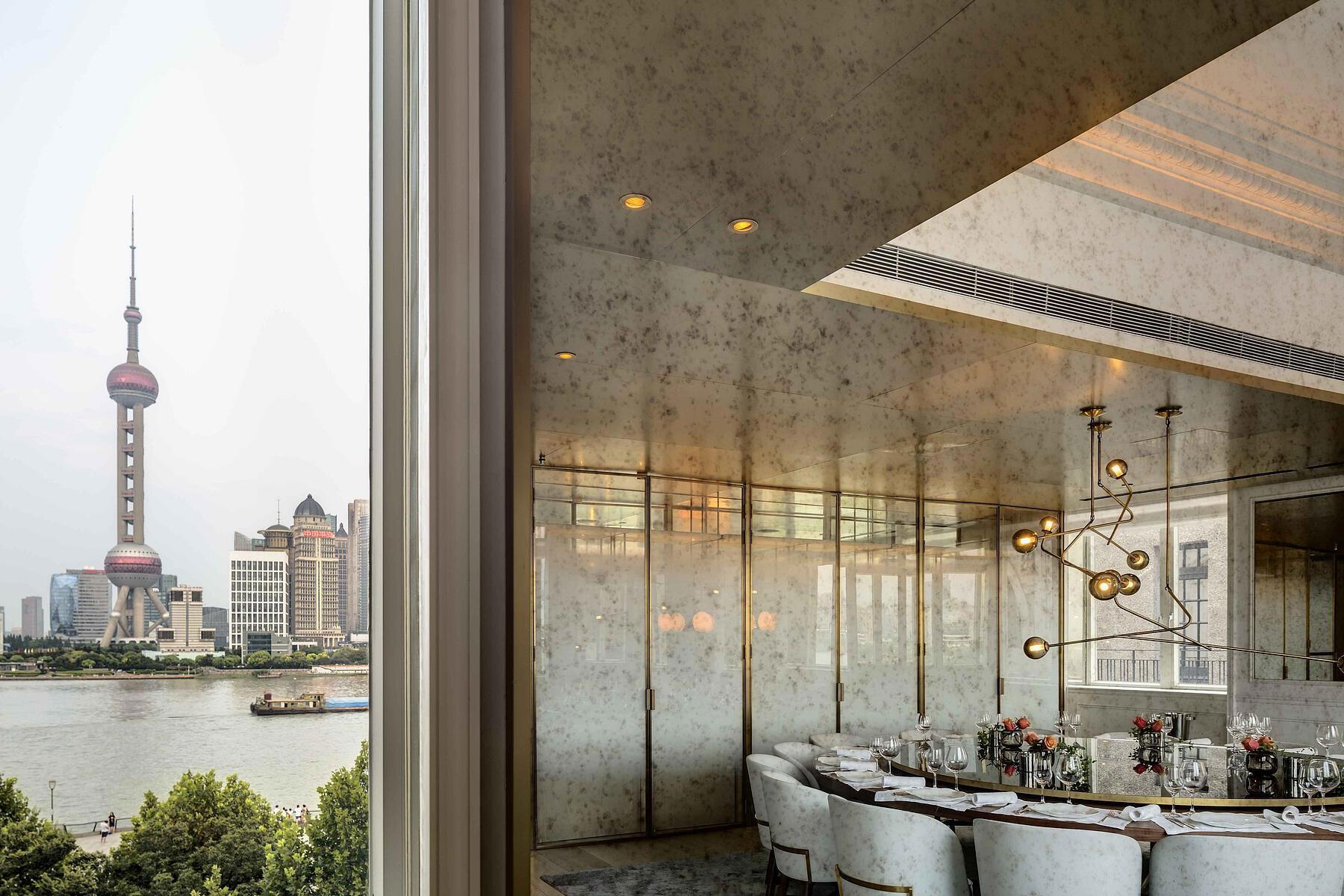
The Bund's Long Experiment with Fine Dining
Few stretches of riverfront in China carry as much accumulated dining history as the Bund's eastern embankment. Since the early 2000s, when developers began converting the strip's neoclassical bank buildings into multi-concept restaurant destinations, the address has functioned as a pressure test for what Shanghai's international dining scene could sustain. Three on the Bund, occupying a landmark building at No. 3 Zhongshan Road East, is an Asian Fusion Fine Dining restaurant in Shanghai. It sits within among the more consequential phases of that experiment, the city's first serious push to host internationally recognised restaurant brands alongside locally rooted concepts under one heritage roof.
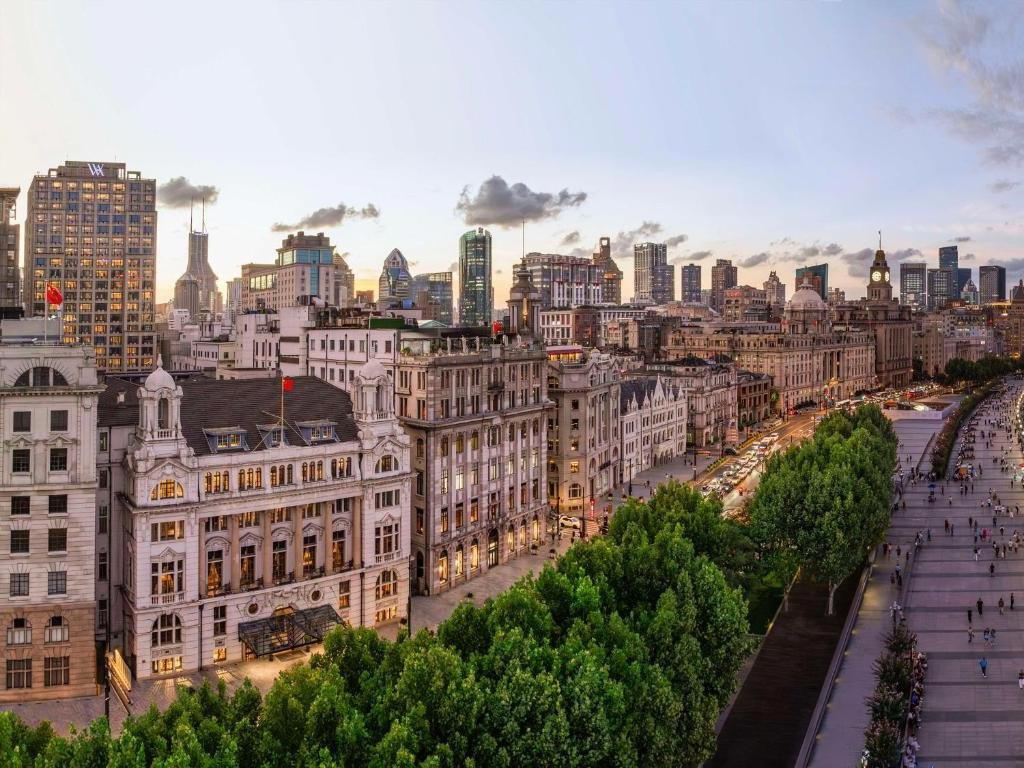
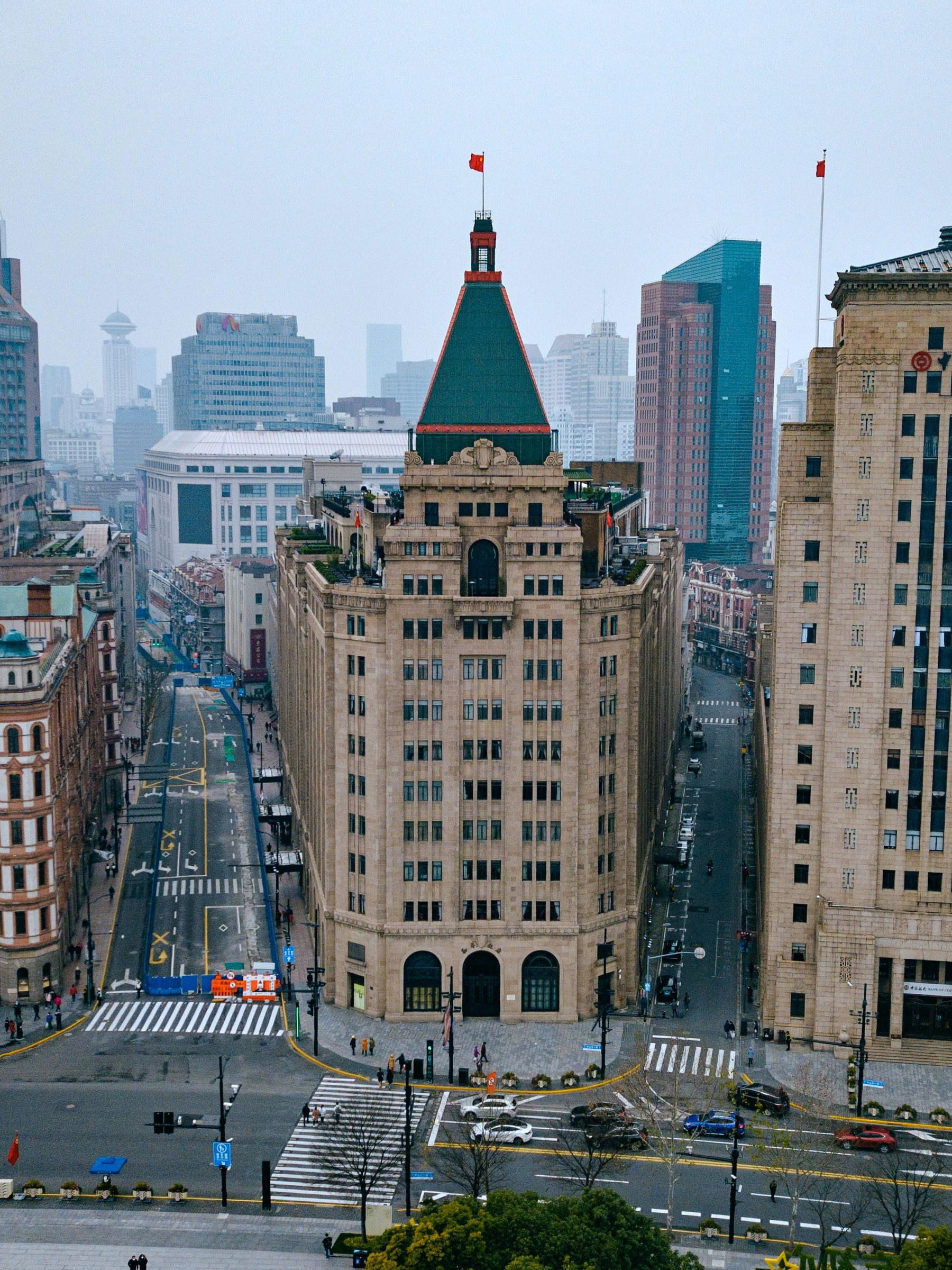
The Bund's architectural stock gave these projects a ready-made sense of occasion that few cities can replicate. Walking along the waterfront toward the building, the 1920s-era stone facade signals something different from the glass towers that define Pudong across the river. That contrast, solidity and history on one bank, ambition and speed on the other, has shaped how dining destinations along this strip have always positioned themselves. The physical environment does part of the work before a guest sits down.
From Flagship Concept to Multi-Layered Address
The evolution of dining at No. 3 mirrors a broader pattern visible across the Bund's premium stock. In the early phase, properties like this pursued single-concept or anchor-tenant models: one headline restaurant, bolstered by supporting bars or lounges, designed to project maximum prestige. That formula worked when Shanghai's high-end dining market was thinner and a single international name could generate enough draw. As the market deepened through the 2010s, with and a more sophisticated local diner base forming, the calculus shifted. Venues that had relied on novelty and address alone faced pressure to compete on food quality and format consistency.
Three on the Bund's trajectory reflects exactly that transition. The address has hosted multiple iterations of its dining offering over the years, moving from an earlier era of prestige-by-association toward something more editorially coherent. That kind of reinvention is common among the Bund's heritage buildings; the ones that have maintained relevance are those that treated the format revision as a genuine repositioning rather than a cosmetic refresh. The competitive set along this strip now includes properties that have gone through similar cycles, and diners comparing options will find meaningful differences in how each has landed after its own reinvention.
For context on where this kind of address-anchored fine dining sits in the broader Shanghai restaurant picture, the city's more format-disciplined offerings include Taian Table (Modern European, Innovative), which operates on a tight-count tasting menu basis, and Fu He Hui (Vegetarian), which has built a distinct identity around ingredient-led vegetarian cooking. Both represent the post-novelty phase of Shanghai fine dining: the format is the point, not merely the address.
The Bund's Competitive Architecture
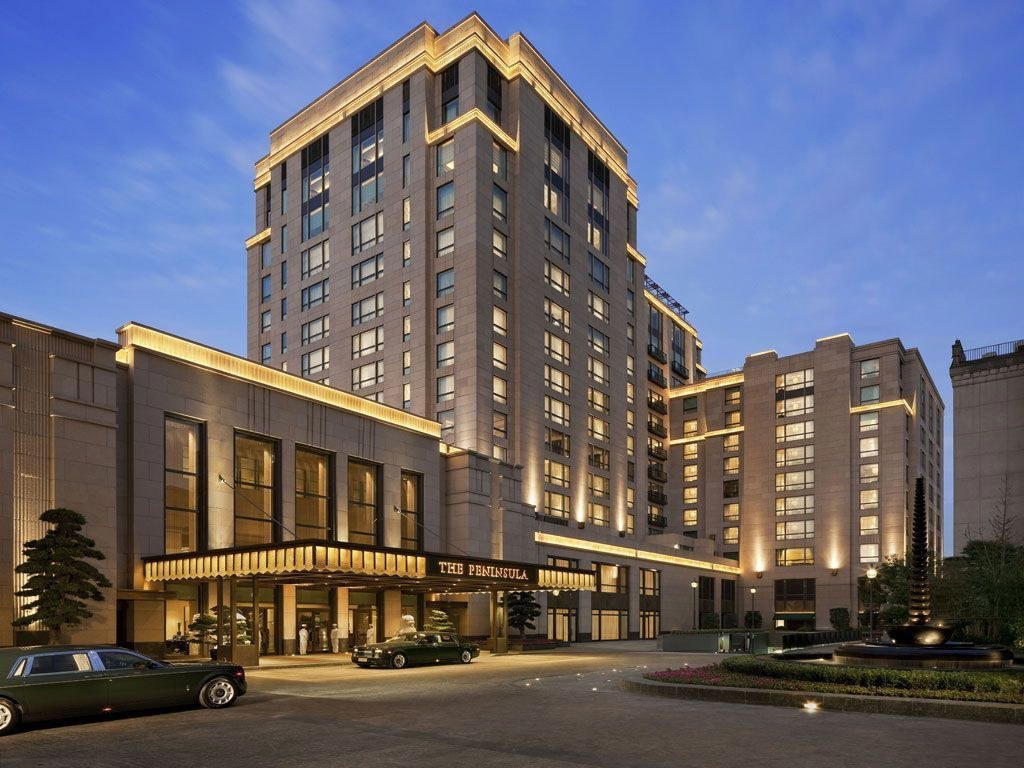
Understanding Three on the Bund requires understanding the tier it occupies relative to its immediate neighbours and to the city's broader fine dining map. The Bund's premium buildings have evolved into differentiated dining destinations rather than interchangeable luxury addresses. No. 18 anchors the Italian end of the market, 8 1/2 Otto e Mezzo Bombana (Shanghai) (Italian) holds three Michelin stars there and operates as a benchmark for European fine dining in the city. The Peninsula hotels and other riverside properties anchor a more traditional Chinese banqueting tier. The restaurant sits in a position that has historically bridged those categories, hosting both Western and Chinese concepts across its floors.
That multi-concept structure is worth noting because it changes how you approach a visit. Single-concept restaurants demand a single decision; multi-concept buildings require you to know which floor or room you are booking. Guests who arrive at No. 3 without knowing the current occupancy of the building will find the experience uneven. The Bund's buildings reward the prepared visitor. For context on how other formats handle the multi-restaurant question across China, Xin Rong Ji (West Nanjing Road) (Taizhou) in Shanghai and its counterparts in Beijing and Chengdu show how a regional Chinese cuisine can build brand consistency across formats and cities. 102 House (Cantonese) in Shanghai offers a point of comparison for how Cantonese fine dining has positioned itself in the same competitive market.
Planning a Visit: What the Address Demands
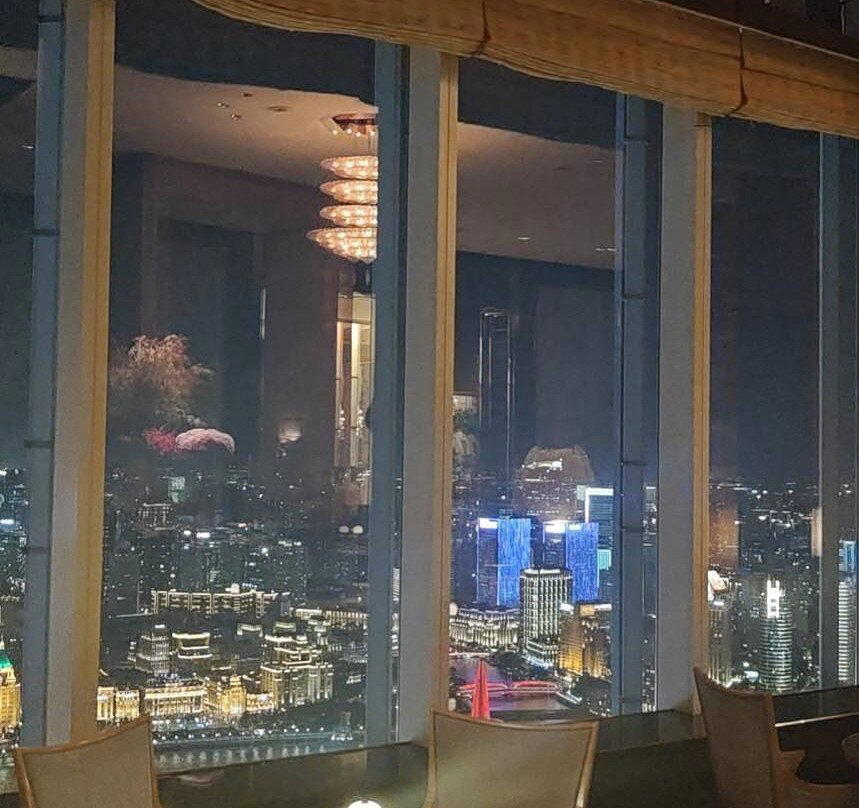
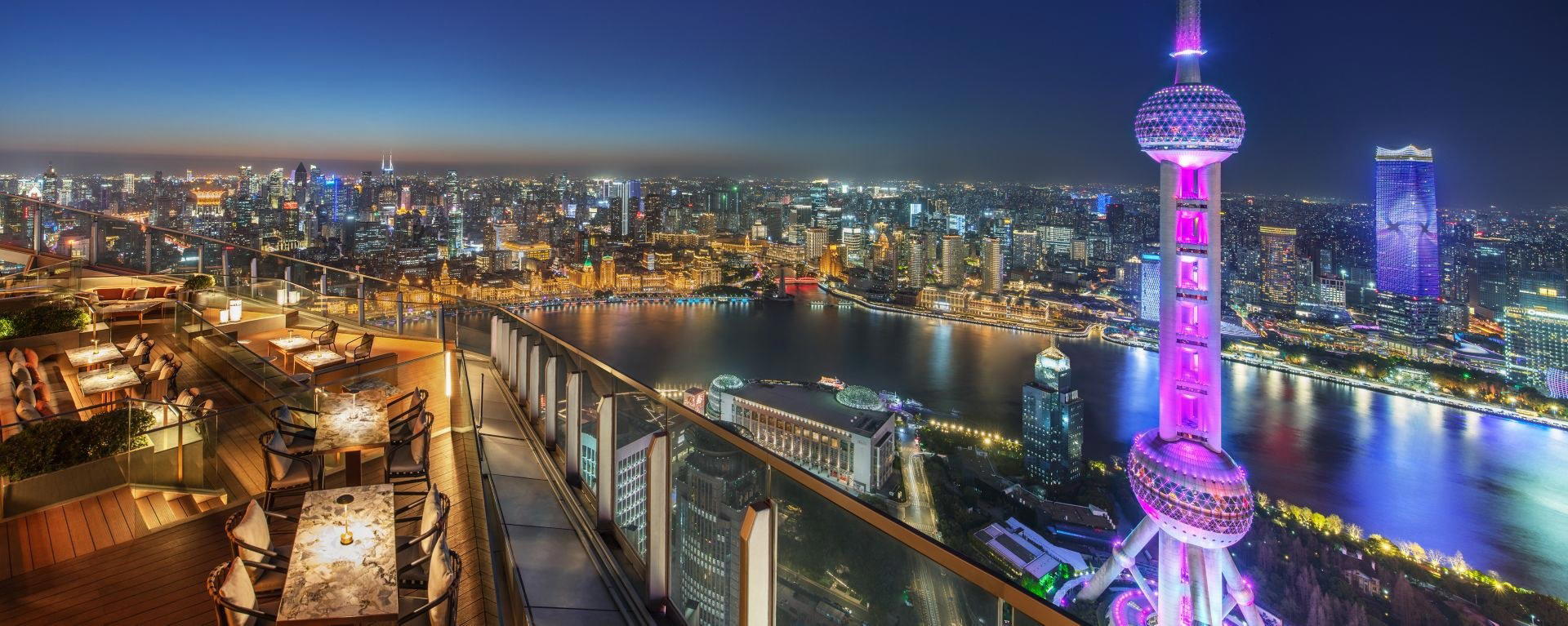
The Bund is one of the few dining districts in China where the journey to dinner is genuinely part of the experience. The waterfront promenade fills in the evening, and the approach along the embankment, with Pudong's skyline lit across the Huangpu River, provides a transition from city to occasion that few restaurant approaches in the world match on sheer visual scale. That said, the area is dense with tourist traffic, and the gap between a weekday evening and a weekend visit is significant in terms of crowd pressure and table availability.
The address at B1, 5 Zhongshan East Road places the venue in the lower ground floor configuration of the building, a detail that matters for understanding the spatial experience, since basement-level dining in a heritage building tends toward more enclosed, intimate proportions than the upper floors, which typically capture river views. Diners whose priority is the Pudong skyline from their table should confirm floor position before booking.
Logistics at a Glance
| Factor | The restaurant | Fu He Hui | 8½ Otto e Mezzo (Bund 18) |
|---|---|---|---|
| Price range | Not confirmed | ¥¥¥¥ | ¥¥¥¥ |
| Cuisine type | Not confirmed | Vegetarian | Italian |
| Format | Multi-concept building | Single-concept | Single-concept |
| Location character | Heritage waterfront | Former French Concession | Heritage waterfront |
| Booking lead time | Confirm directly | Advance recommended | Advance required |
Cuisine Lens
Comparable venues nearby, for context on price, style, and recognition.
| Venue | Cuisine | Price | Notes |
|---|---|---|---|
| Three on the BundThis venue — the venue you are viewing | Asian Fusion Fine Dining | $$$$ | Not listed |
| Bo Shanghai | X-Treme Chinese Fusion Fine Dining | $$$$ | Lan Ni Du |
| Flair | Modern Pan-Asian Tapas | $$$$ | Lu Jia Du |
| Taian Men | Contemporary French with Pan-Asian Influences | $$$$ | Jing An Si |
| Sushi Aoki | High-End Traditional Omakase Sushi | $$$$ | Changning |
| M on the Bund | Modern European with Mediterranean and Australian influences | $$$$ | Lan Ni Du |
At a Glance
- Elegant
- Sophisticated
- Well Known
- Scenic
- Ornate
- Date Night
- Business Dinner
- Special Occasion
- Rooftop
- Waterfront
- Private Dining
- Historic Building
- Panoramic View
- Craft Cocktails
- Waterfront
- Skyline
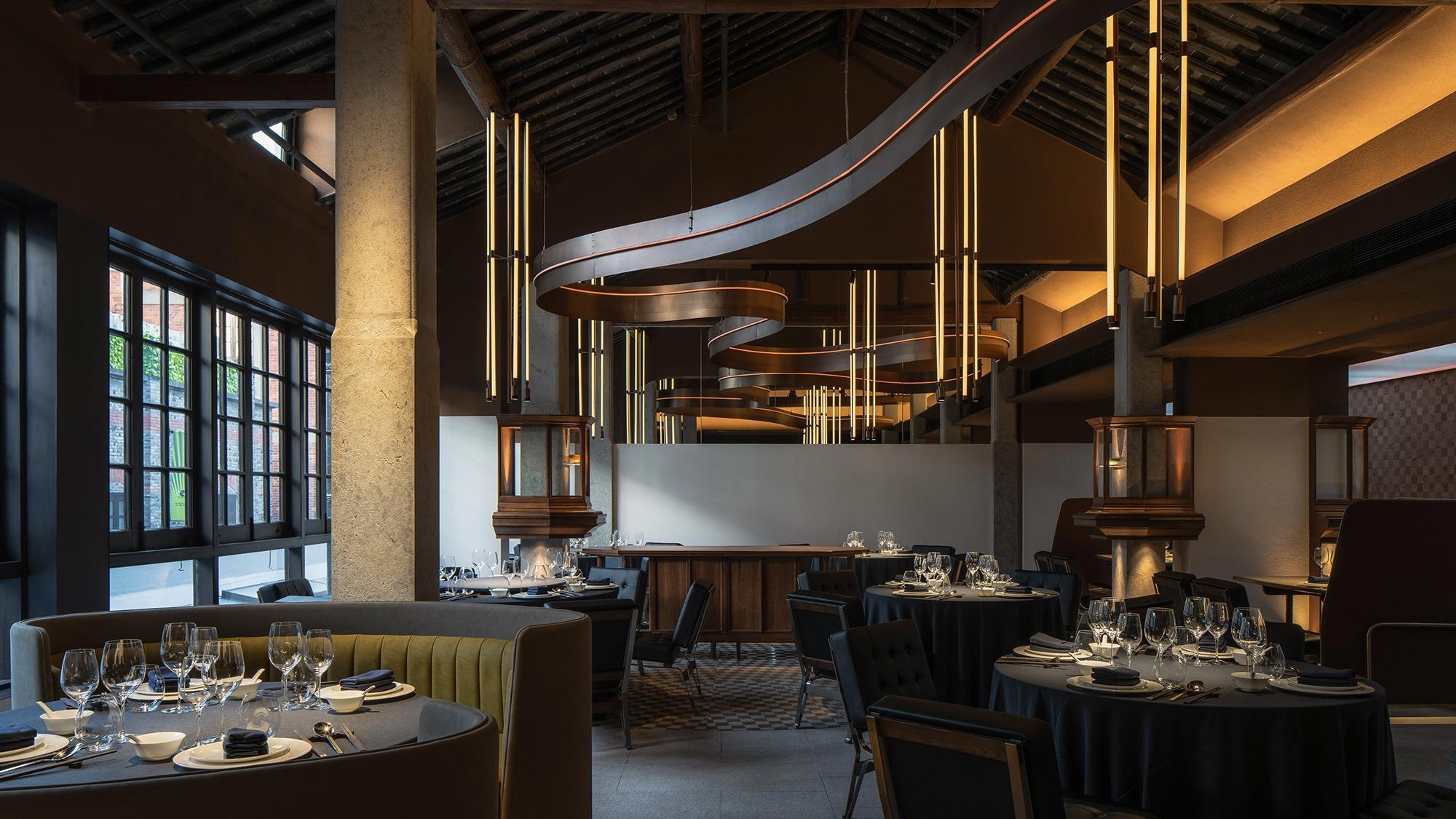
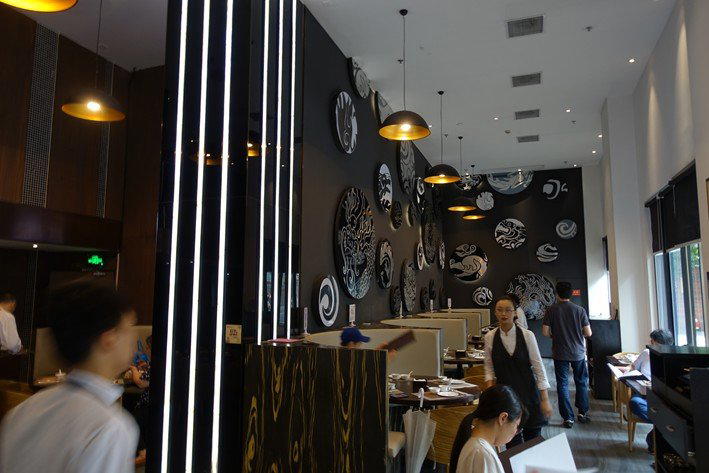
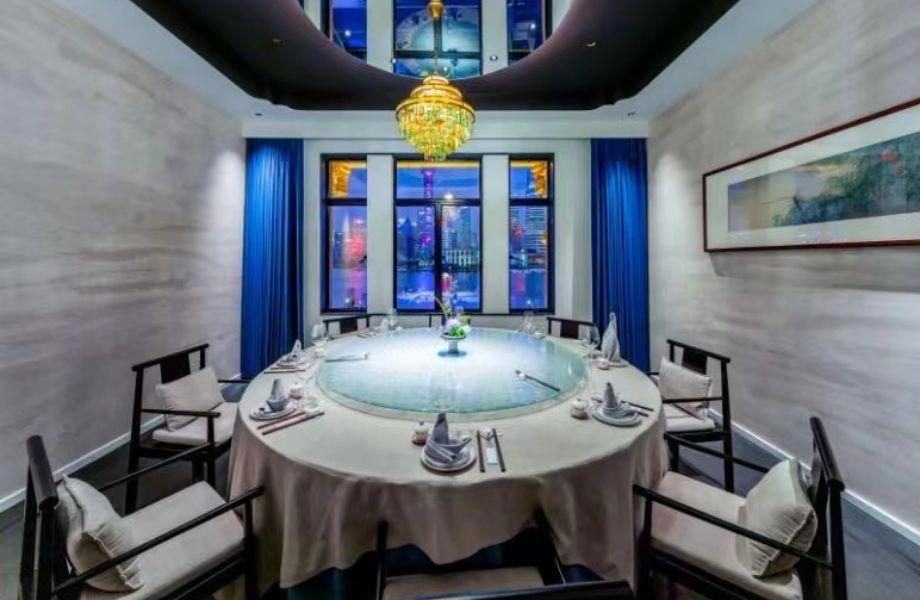
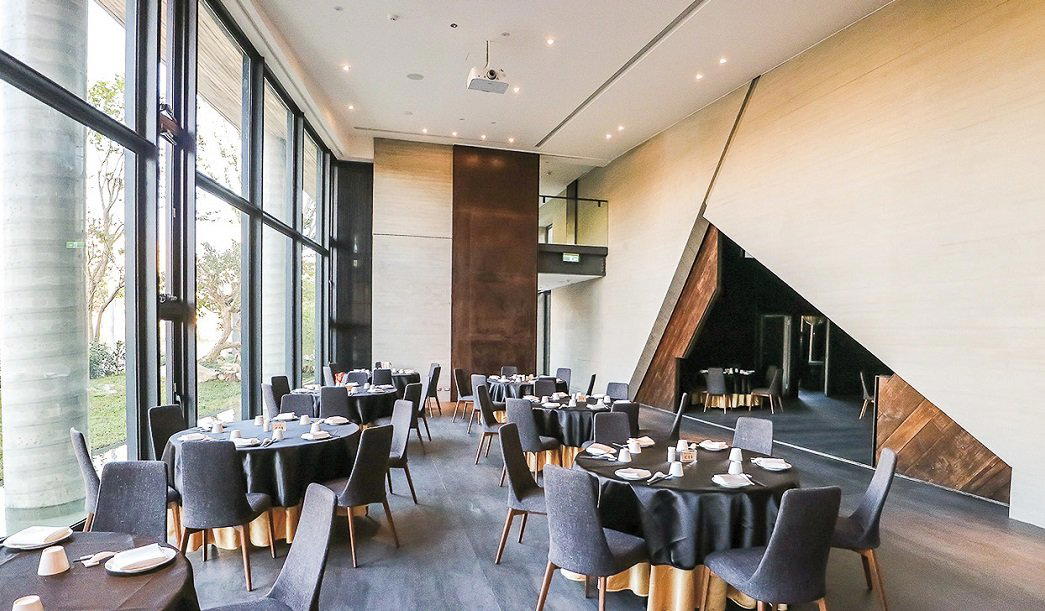
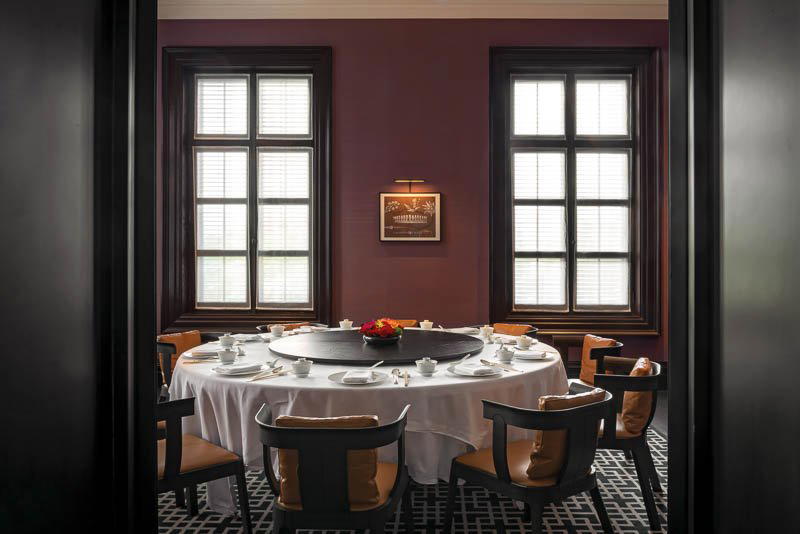
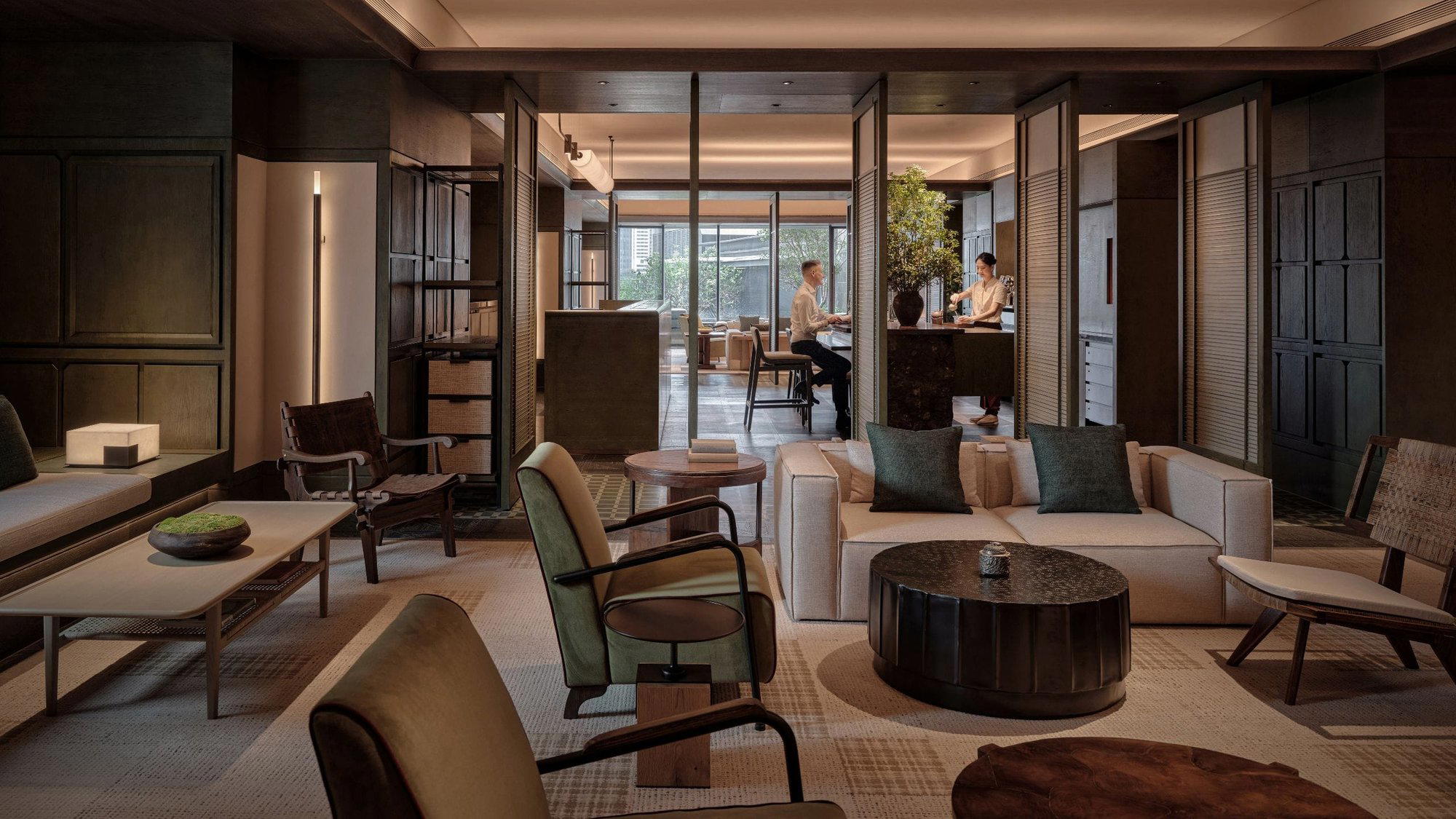
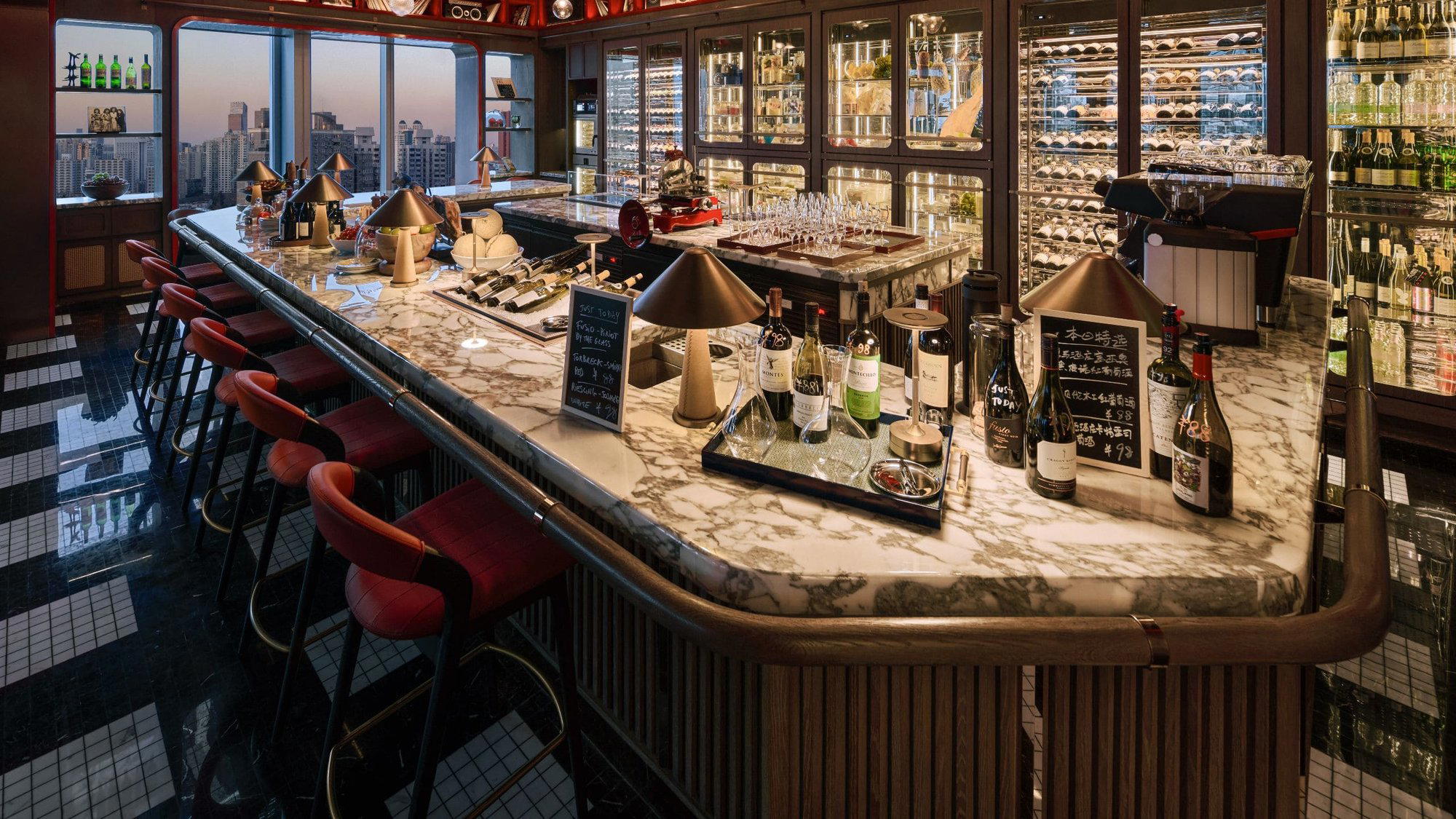
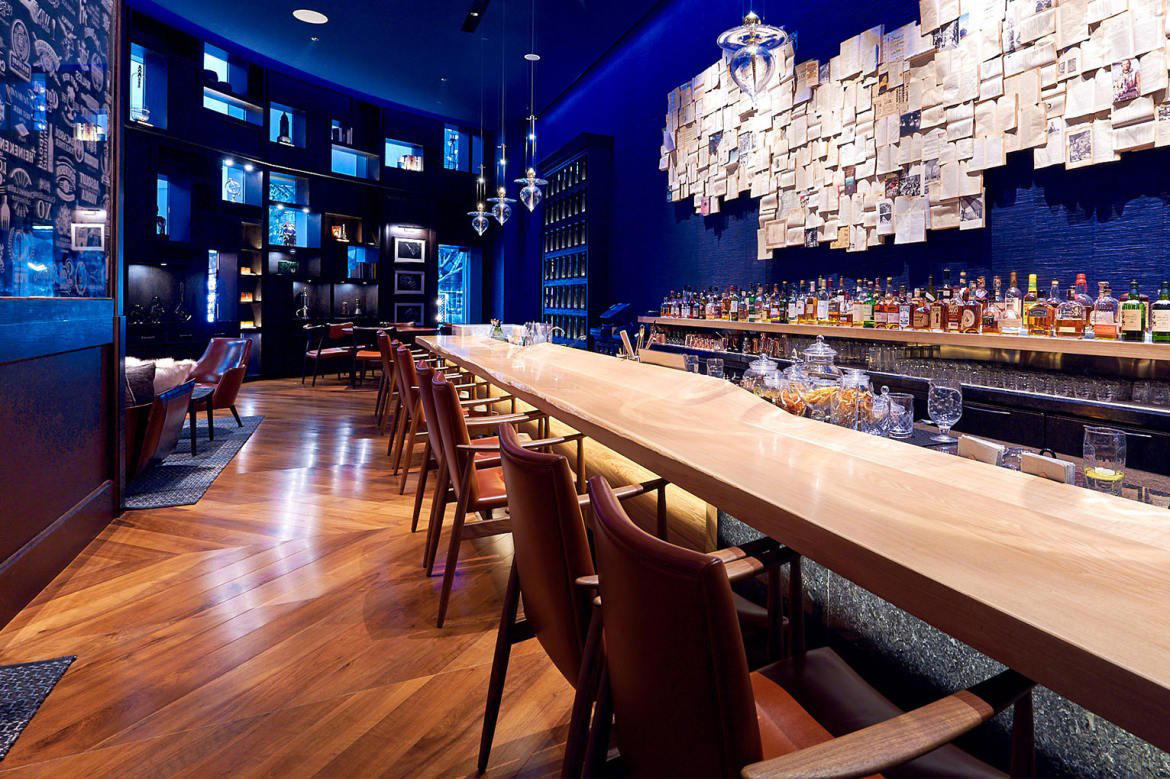
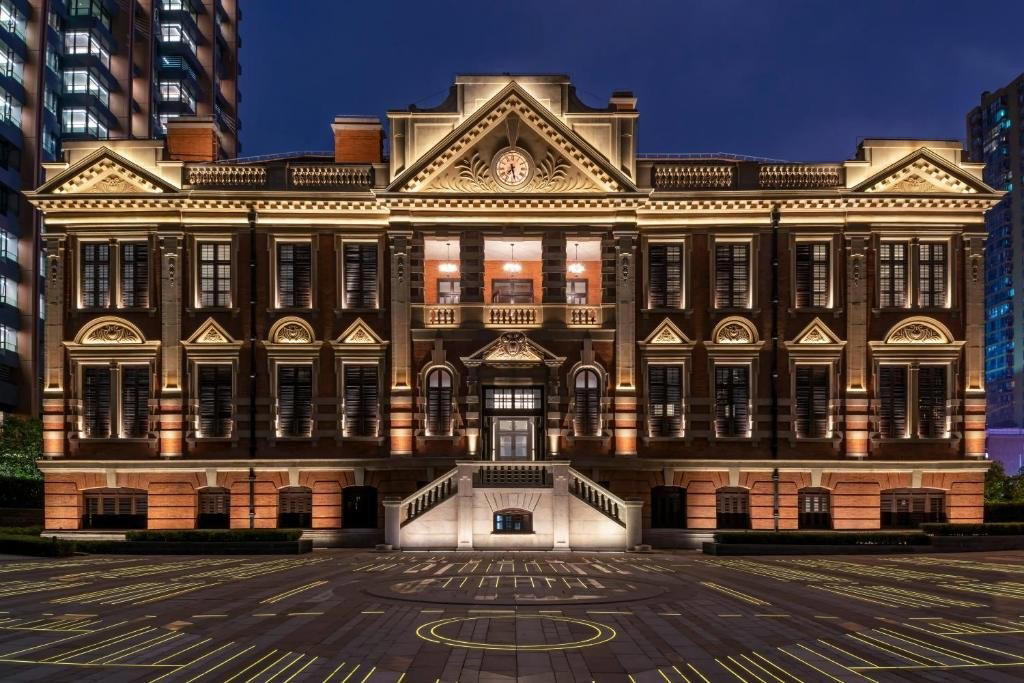
Ornate historic setting with rooftop terrace, exposed industrial elements, and elegant sophisticated atmosphere.