Aster sits in Shanghai’s fine-dining category, where the meal is judged less by spectacle than by pacing, restraint, and how confidently the room controls the evening. With no public awards, chef billing, or price structure attached here, the useful lens is ritual: a polished city dining room for guests who want a composed, adult meal rather than a casual drop-in.

Pearl is the En Primeur Club membership app — saves, bookings, and concierge access live there. Same editors, same standards.
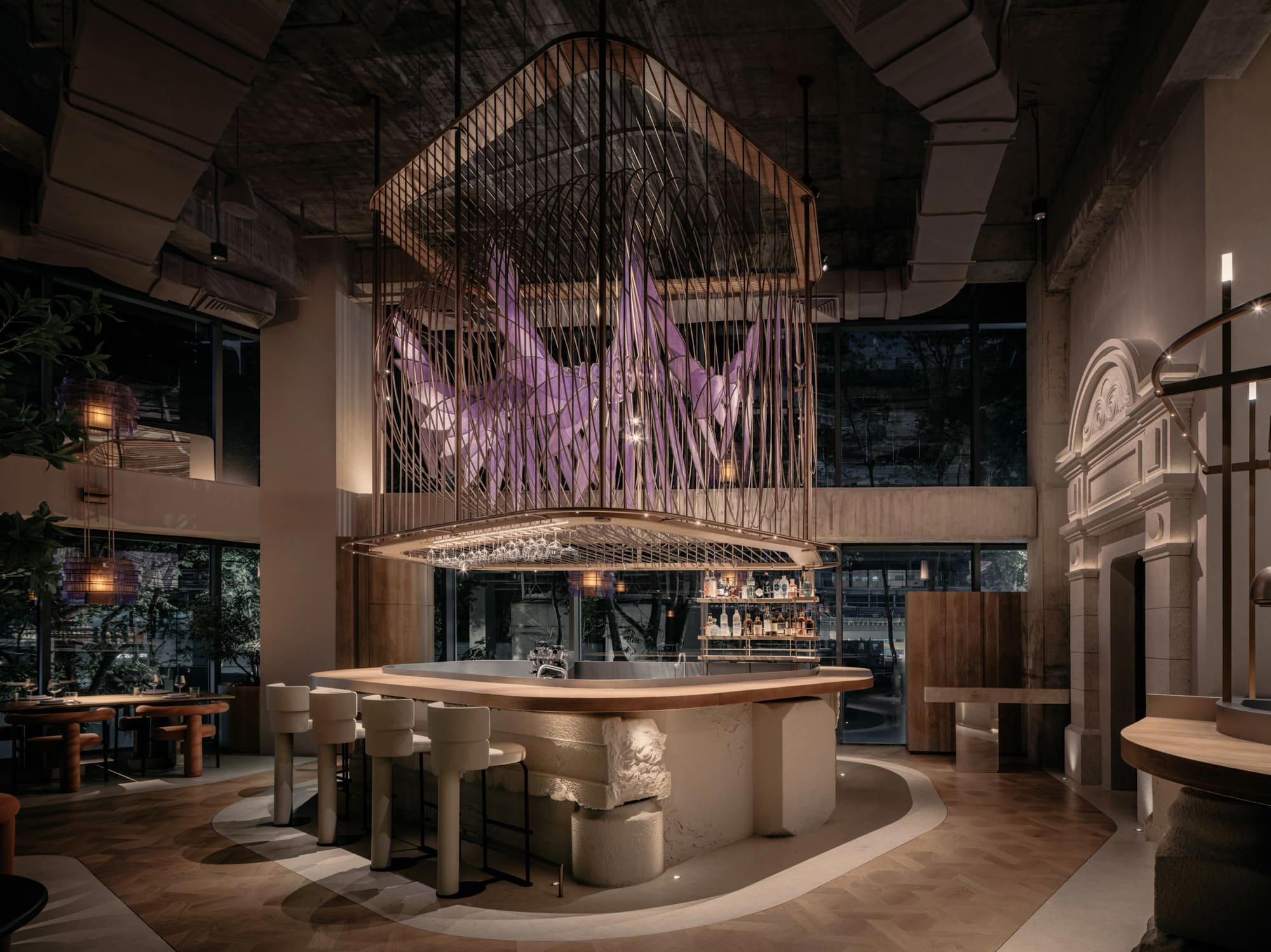
Shanghai fine dining begins before the first course: the room sets the tempo, the staff decide how much formality the evening can carry, and the table becomes a small stage for timing. Aster belongs to that polished end of the city’s dining culture, where a meal is expected to unfold with control rather than noise. In a city that can move from lane-house noodles to hotel dining rooms within a few blocks, this category asks for a different kind of attention: courses arrive in sequence, conversation slows, and the evening is built around the rhythm of service.
A composed fine-dining ritual in a city that rewards precision
Shanghai’s high-end restaurant culture has grown around ceremony as much as cuisine. The city has long been comfortable with private rooms, business dining, tasting formats, and rooms where wine service, pacing, and table choreography carry as much weight as the plate itself. Aster fits that fine-dining register. The point is not volume or trend-chasing; it is the controlled progression of a meal in which the guest accepts a slower cadence and the kitchen has room to build structure.
That matters in Shanghai because the city’s restaurant scene is unusually broad. Cantonese dining, steakhouse formality, regional Chinese cooking, hotel restaurants, and international fine dining all compete for the same evening occasions. A fine-dining room has to justify the time it asks from the guest. Without leaning on public award shorthand or a celebrity-chef narrative, Aster is best understood through format: it is a restaurant for a deliberate meal, not a quick refuel between appointments.
The dining ritual here is likely to suit guests who enjoy an orderly sequence, measured service, and the social codes of a serious table. In Shanghai, that can be as important as cuisine type. Business dinners often value discretion, couples may want a room that gives the evening shape, and visiting diners may use one polished meal to understand how the city’s contemporary dining scene presents itself beyond the obvious regional categories.
How to read Aster within Shanghai's broader dining map
Because no public awards or star rating are attached here, the restaurant should not be approached as a trophy reservation. That is not a weakness; it simply changes the decision. The case for Aster rests on whether the guest wants fine dining as a ritual: a composed room, a more formal meal structure, and a slower evening than Shanghai’s casual dining circuit.
Shanghai rewards diners who match the occasion to the room. For a regional-Chinese meal, the decision tree will look different from an international fine-dining booking. For a hotel-dining occasion, service infrastructure may matter more than culinary identity. For a relaxed night out, the city’s bars and neighborhood restaurants may make more sense. Aster’s role is narrower: a refined dinner when the ceremony of the meal is part of the reason for going.
That distinction is useful for visitors building a short Shanghai itinerary. One serious dinner can anchor the trip, but it should not carry every expectation at once. Pair a fine-dining reservation with more grounded meals elsewhere in the city: Cantonese rooms, Shanghainese cooking, and late-night drinking all reveal different parts of the local dining culture. For broader planning, use Our full Shanghai restaurants guide, then cross-check the wider city context through Our full Shanghai hotels guide, Our full Shanghai bars guide, Our full Shanghai wineries guide, and Our full Shanghai experiences guide.
Who should choose this kind of evening
Aster makes sense for diners who value cadence over novelty. Fine dining in Shanghai can be formal without feeling old-fashioned, but it does ask guests to participate in the rhythm: arrive ready for a full meal, allow the service team to set the pace, and treat the table as the main event rather than a stop before something else. That is the etiquette of the category, and it is where a restaurant of this type has room to work.
It is less suited to families looking for flexibility, groups wanting a loud celebratory room, or travelers who prefer to decide dinner at the last minute. Walk-in culture and fine dining rarely align neatly in Shanghai, especially for smaller, polished rooms where staffing and mise en place are planned around reservations. Dietary restrictions should be discussed ahead whenever possible, since fine-dining menus can depend on preparation sequences that are harder to alter once service begins.
For readers mapping China beyond Shanghai, the contrast is instructive. Chengdu, Hangzhou, Xiamen, Fuzhou, and Beijing each express formality through different culinary codes, from regional banquets to roast-duck rituals and contemporary tasting formats. Useful cross-city reference points include #8 in Chengdu, 167 Shan Hai Li in Fuzhou, 1913 in Hangzhou, 1927 Dong Yuan Si Chu in Xiamen, 1949 - Duck de Chine in Beijing, and 1980烧肉粽 in 厦门市. For Shanghai-specific contrast across formats, see Fabula (fine dining), 100 Century Avenue Cantonese, 100 Century Avenue Steakhouse, 102 House (Cantonese), and 102 House Shanghai. International fine-dining context can be extended through BEAR by Carlo Scotto, Fine dining in Beaconsfield and Chef Dave Beran's Restaurant, fine dining in Santa Monica.
In Context
Comparable venues nearby, for context on price, style, and recognition.
| Venue | Cuisine | Price | Notes |
|---|---|---|---|
| AsterThis venue — the venue you are viewing | Not listed | $$$$ | Not listed |
| Alinta | Not listed | $$ | Xuhui, Modern Australian Bistro with Asian Influences |
| Mi Shang Prada Rong Zhai | Not listed | $$$$ | Jing’an District, Italian–Chinese Fine Dining by Prada |
| Flair | Lu Jia Du, Modern Pan-Asian Tapas | $$$$ | Not listed |
| 楼上荟馆 | Jing'an, Luxury Hong Kong-Style Hotpot | $$$$ | Not listed |
| Sushi Aoki | Not listed | $$$$ | Changning, High-End Traditional Omakase Sushi |

At a Glance
- Modern
- Sophisticated
- Trendy
- Elegant
- Intimate
- Date Night
- Business Dinner
- Group Dining
- Special Occasion
- Private Event
- Private Dining
- Design Destination
- Standalone
- Terrace
- Open Kitchen
- Craft Cocktails
- Sommelier Led
- Extensive Wine List
- Sustainable Seafood
- Local Sourcing
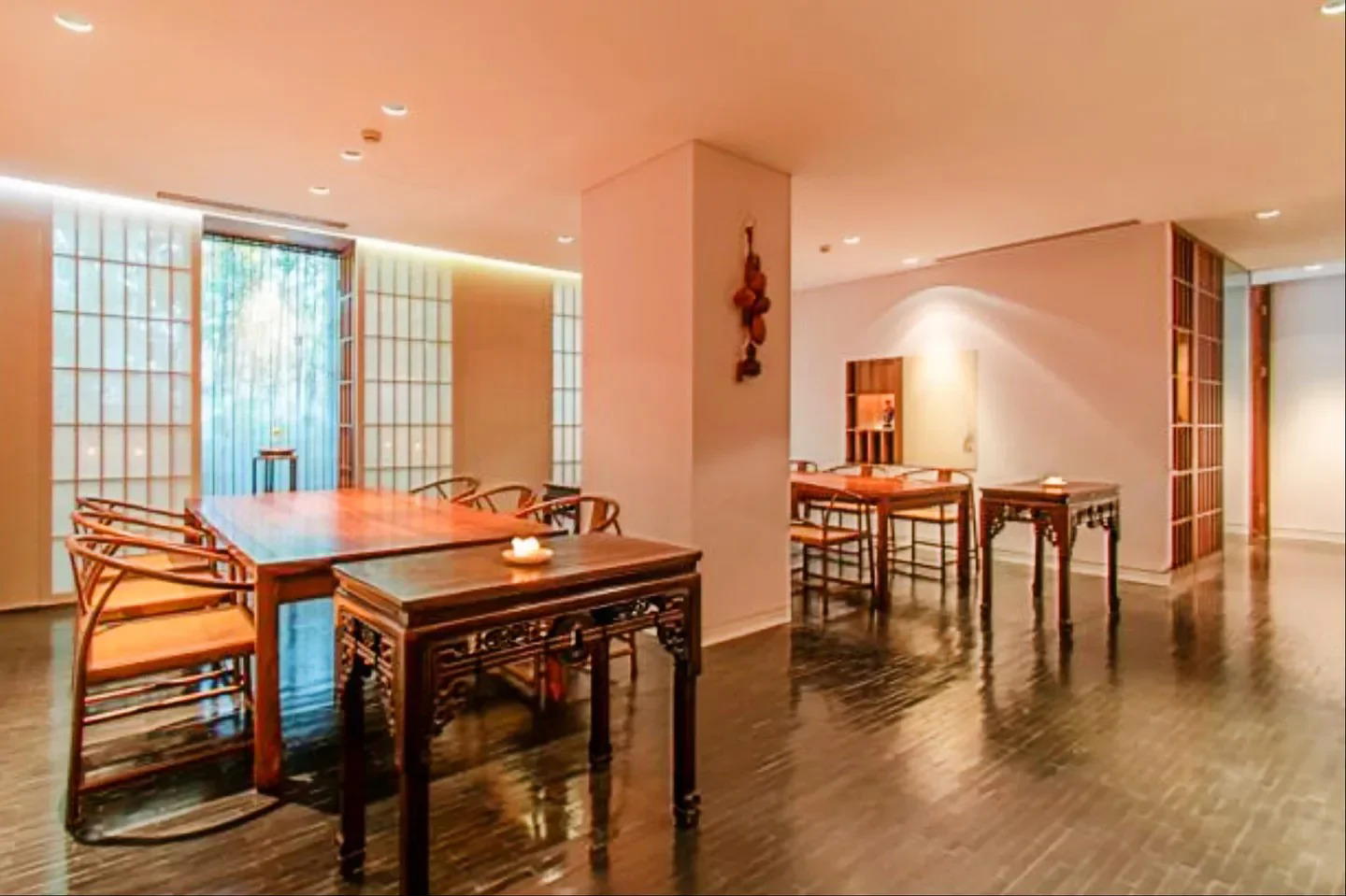
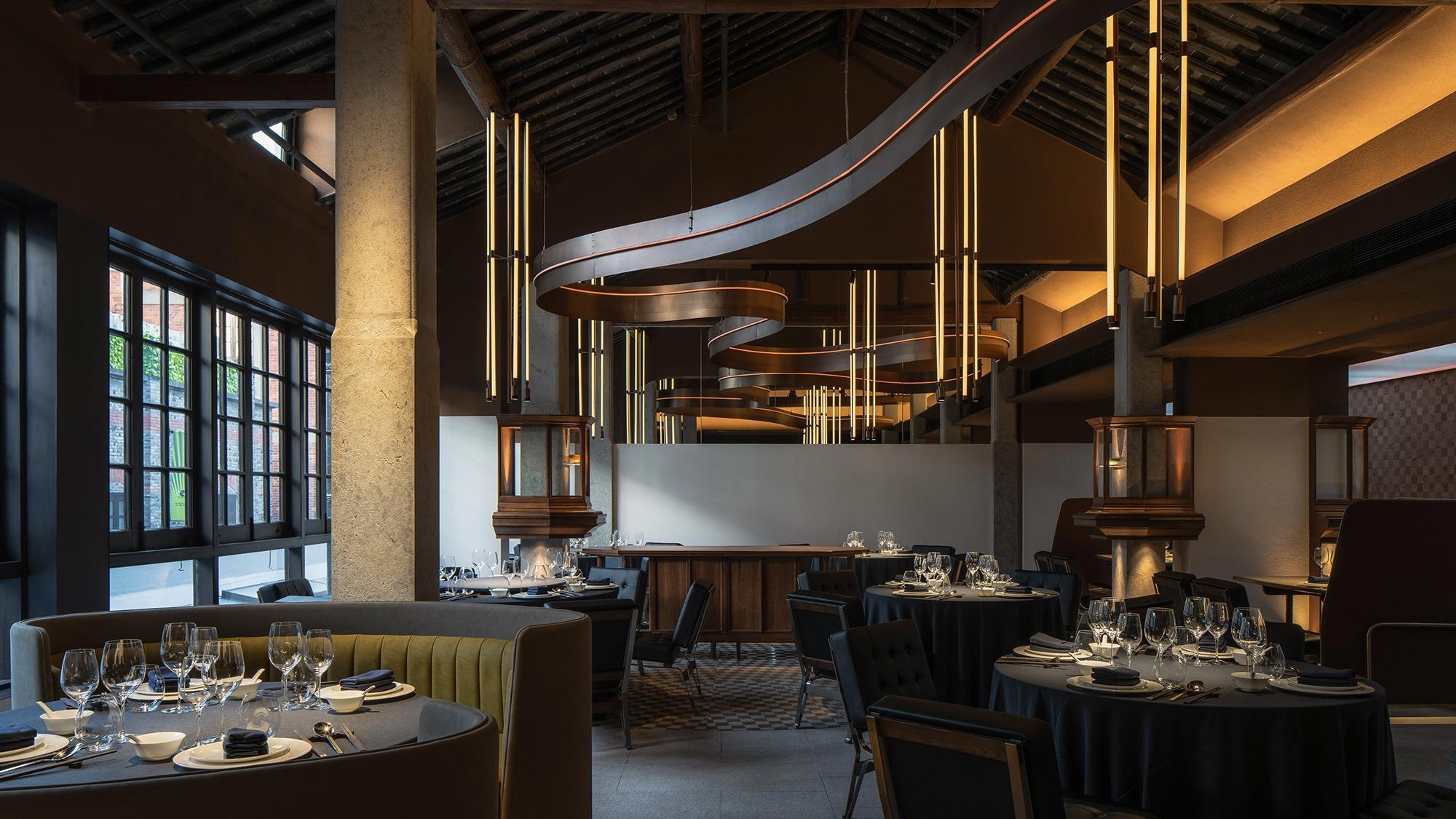
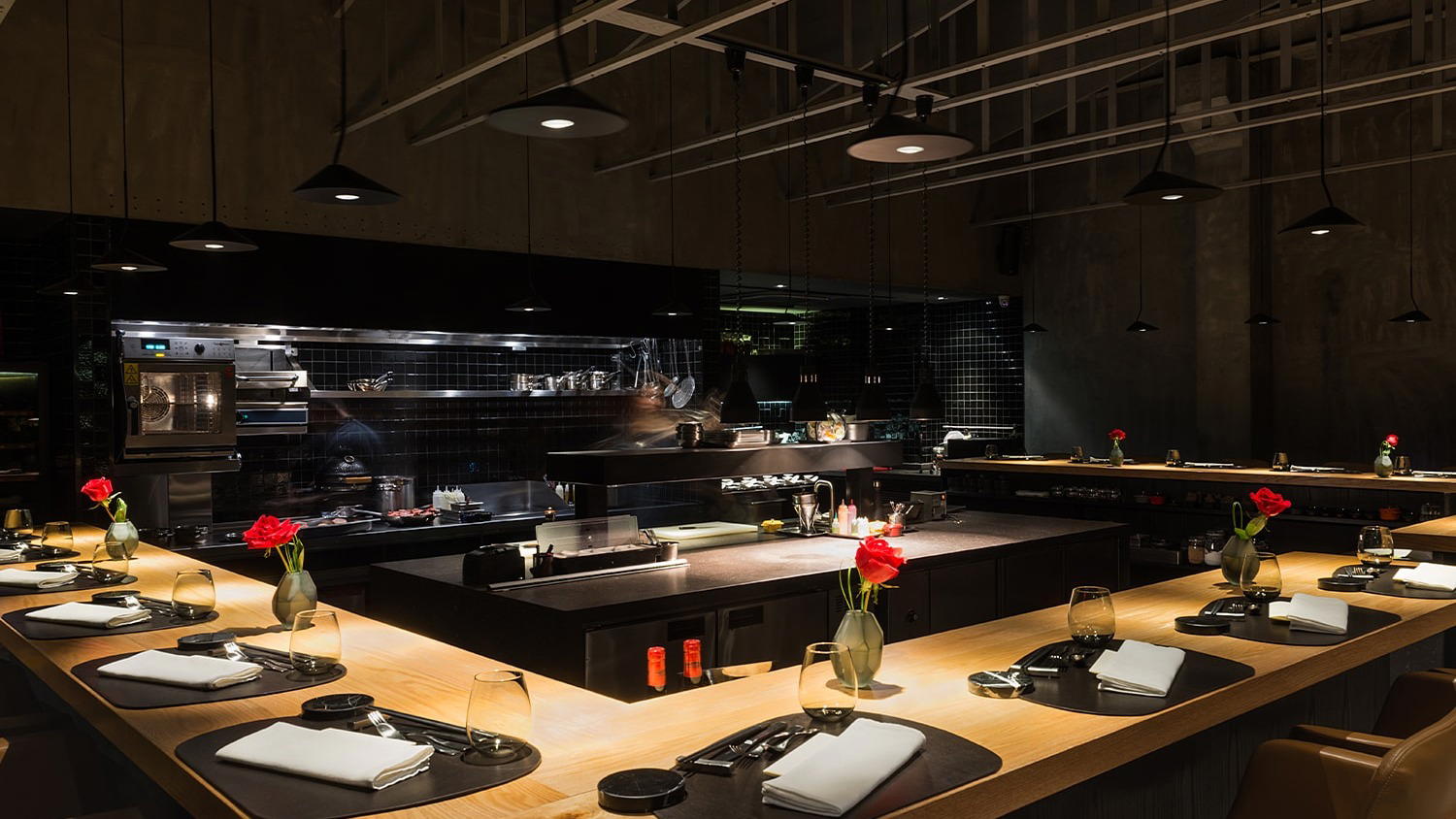
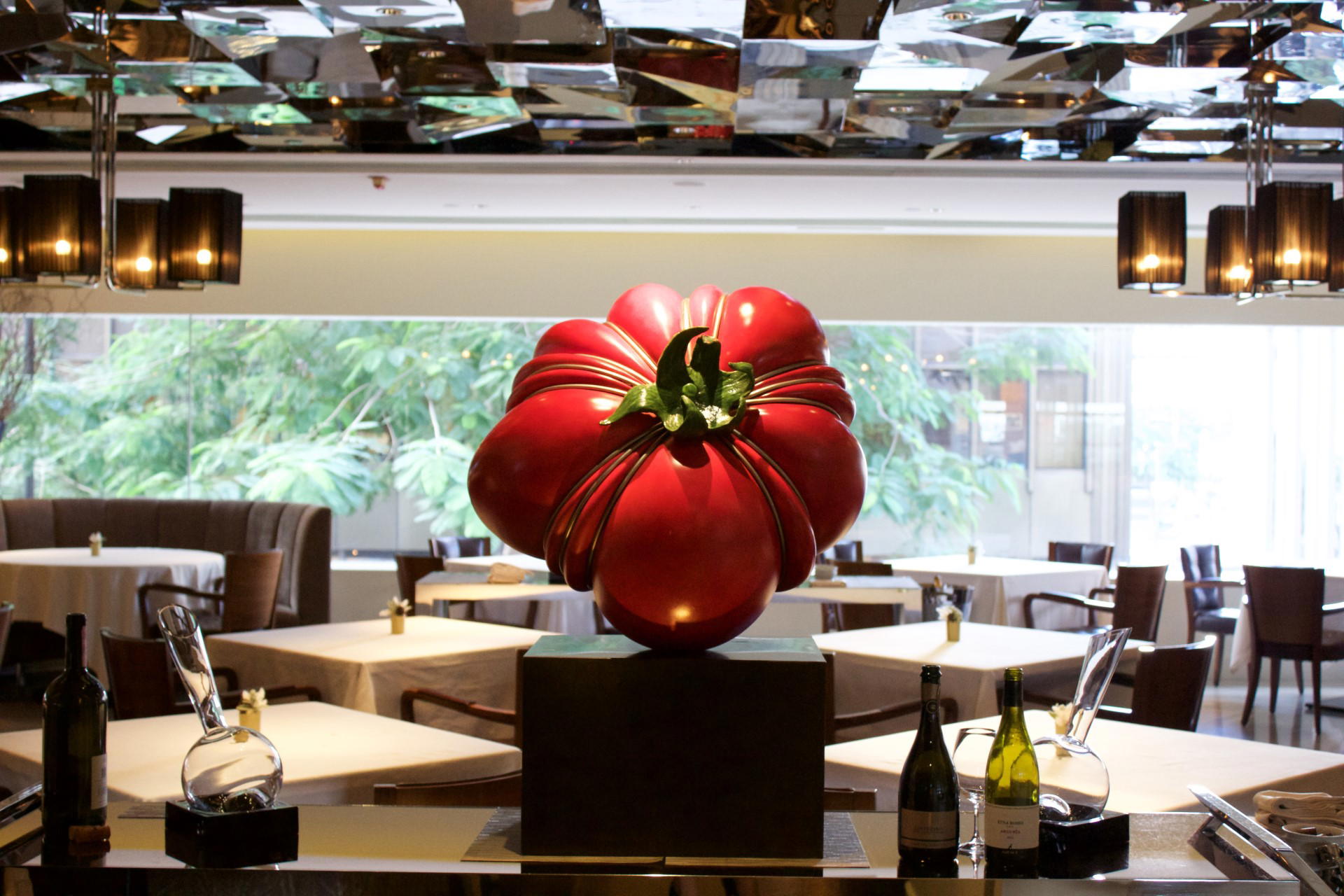
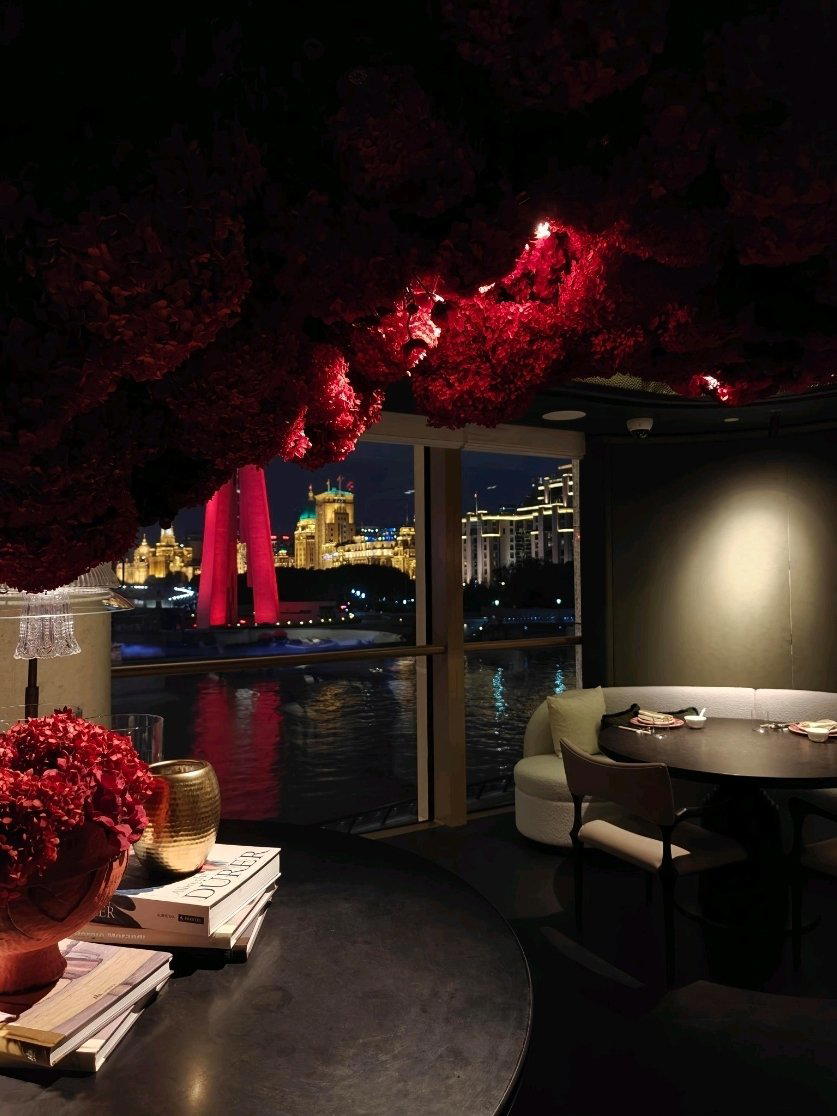
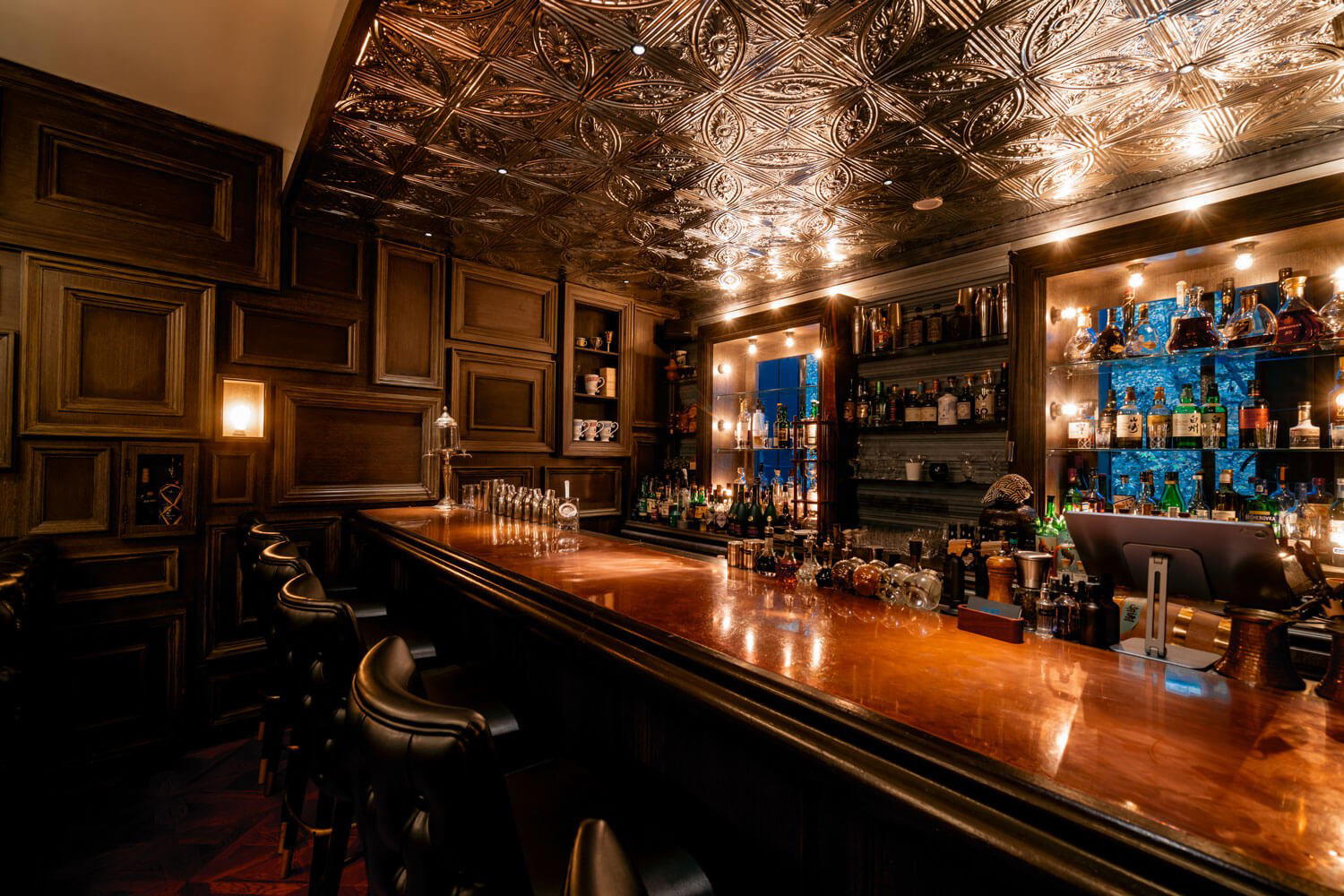
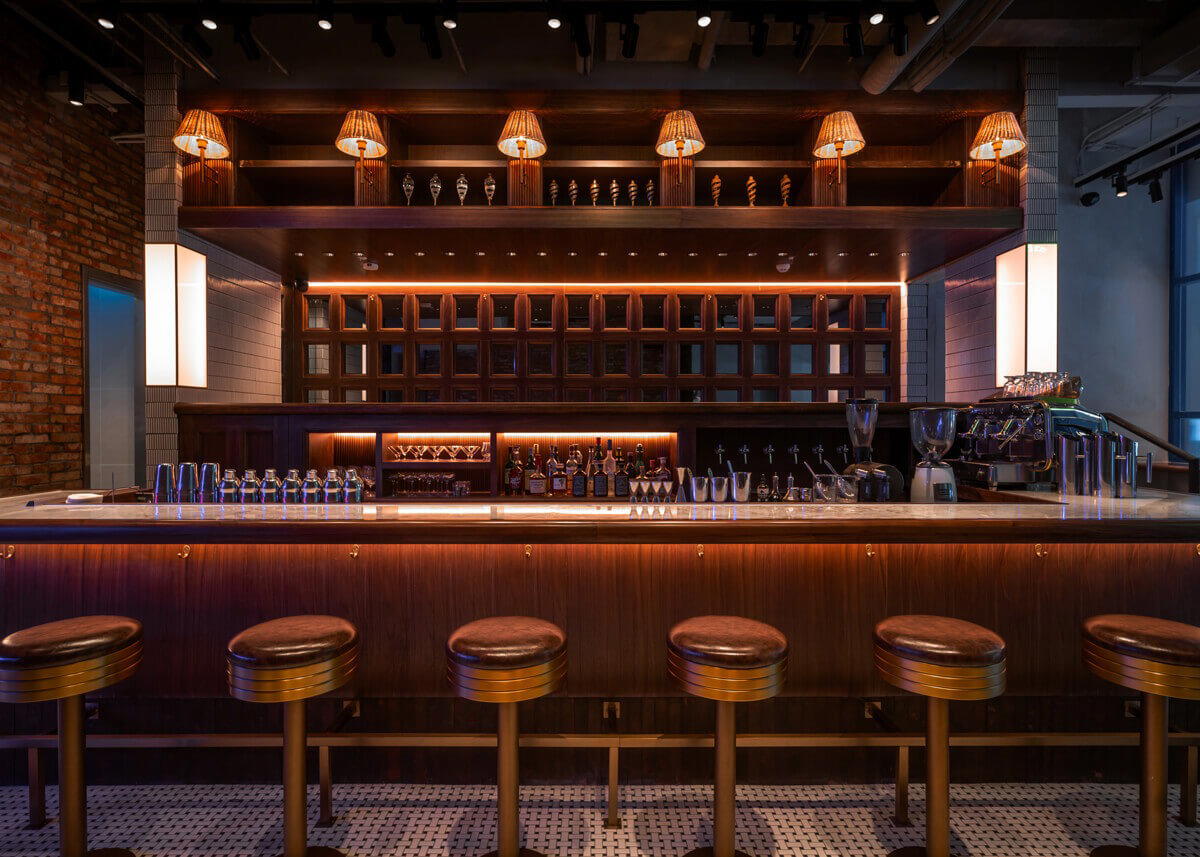
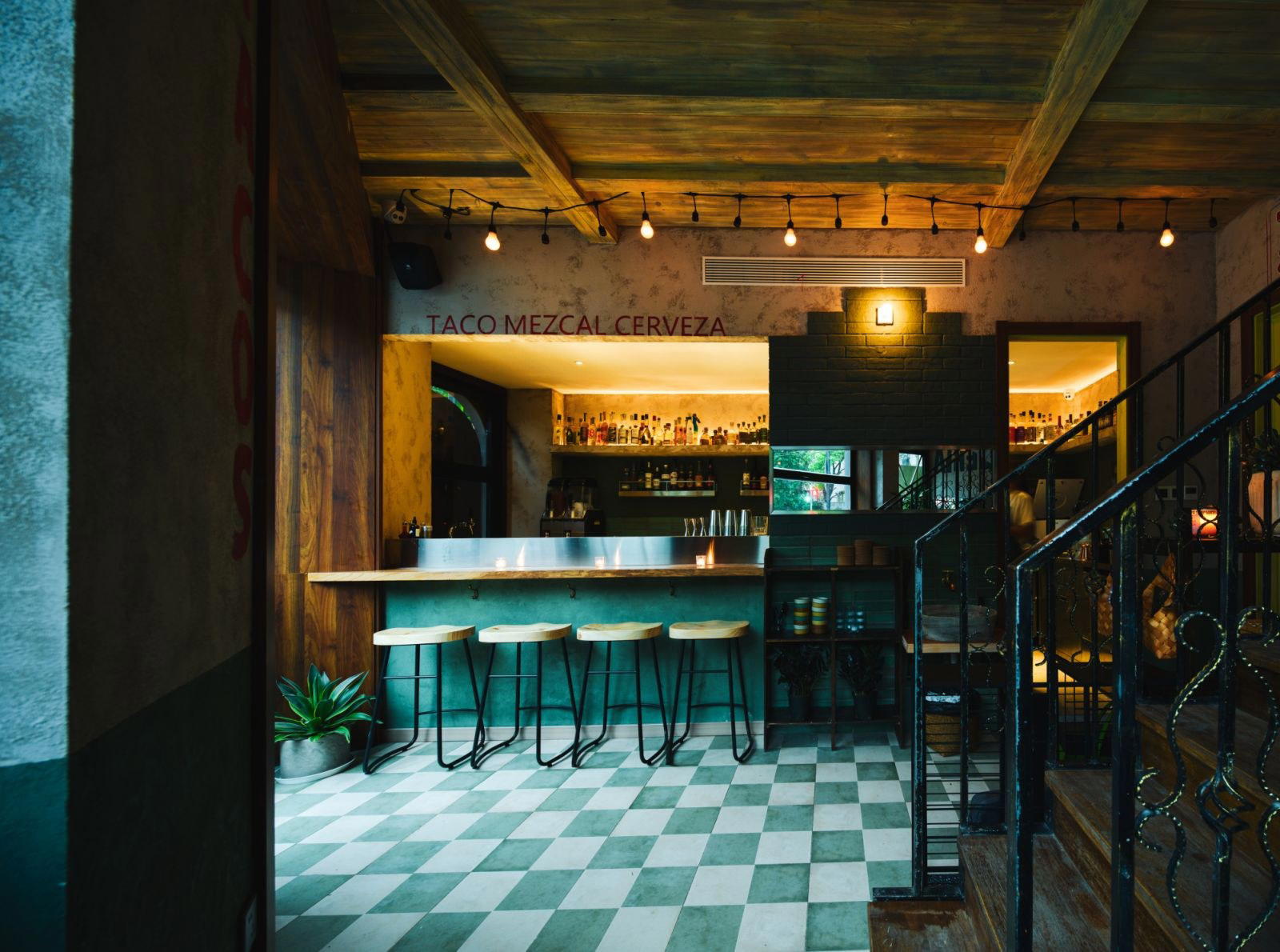
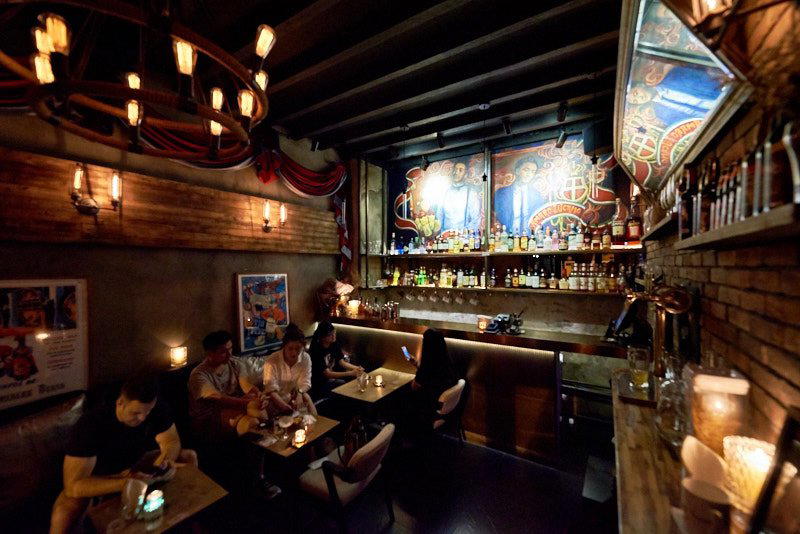
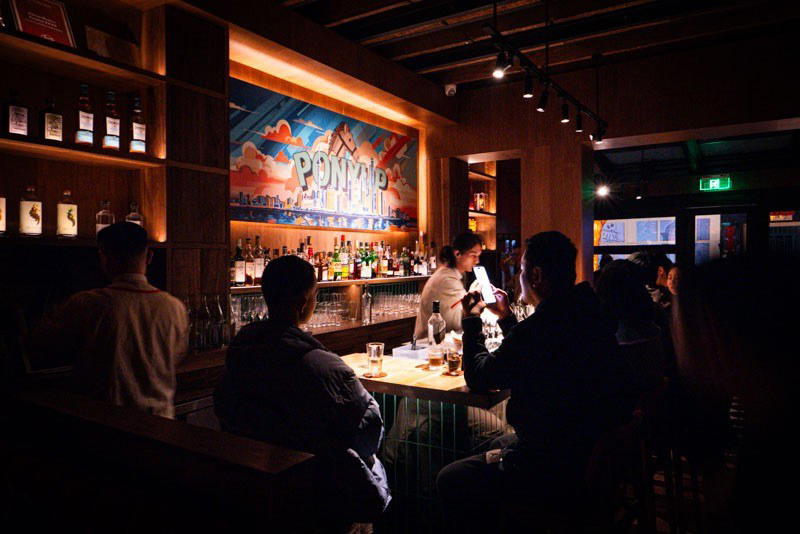
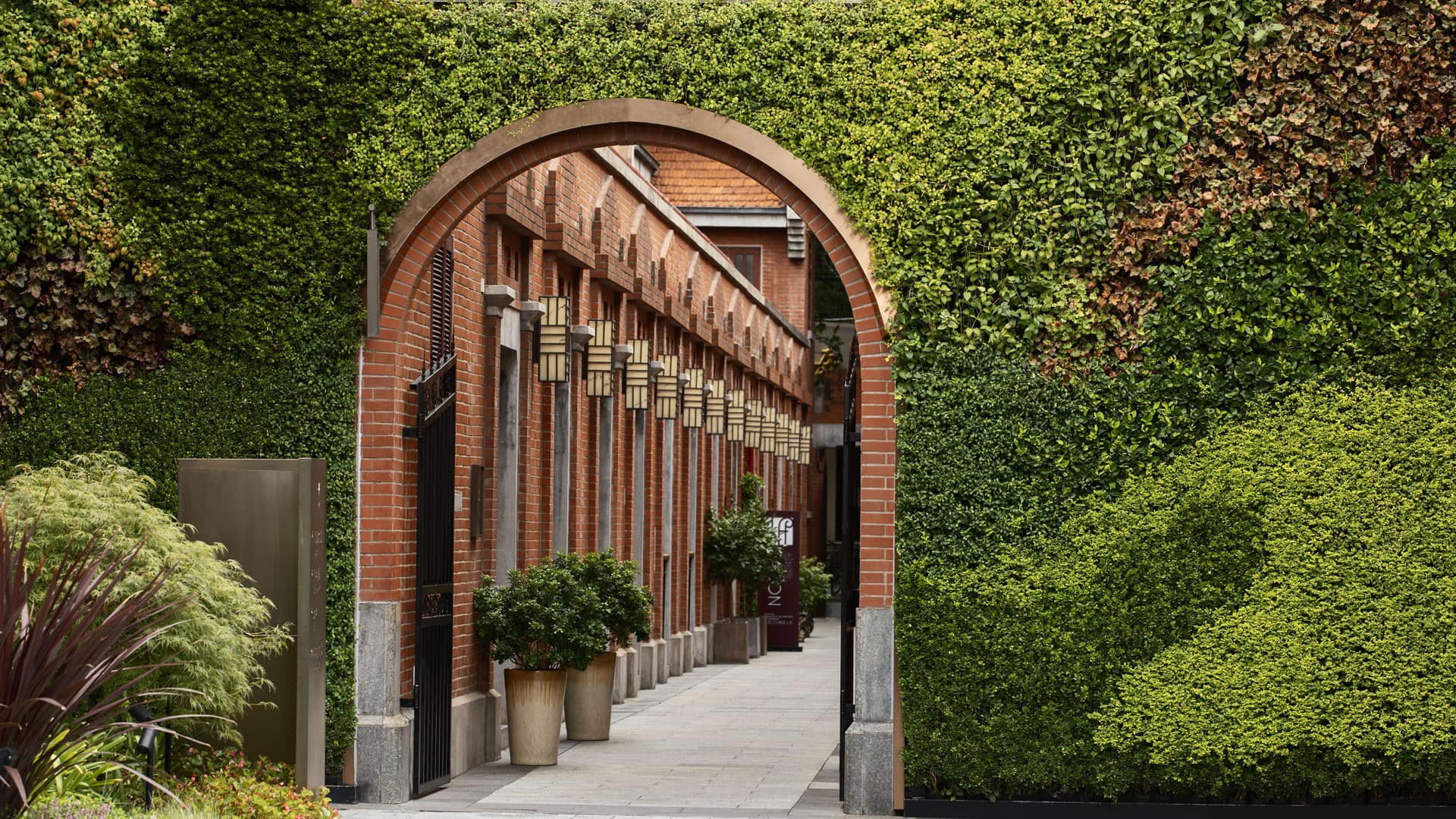
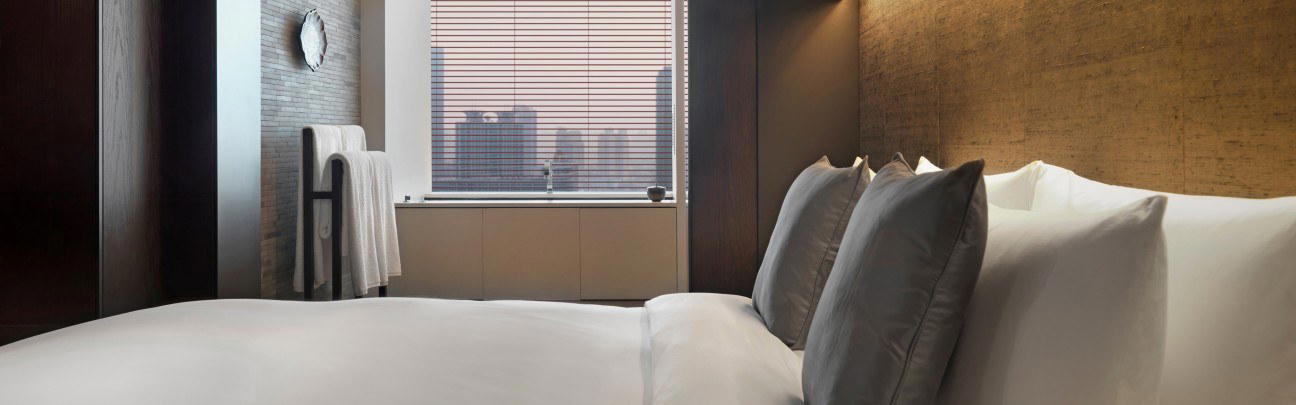
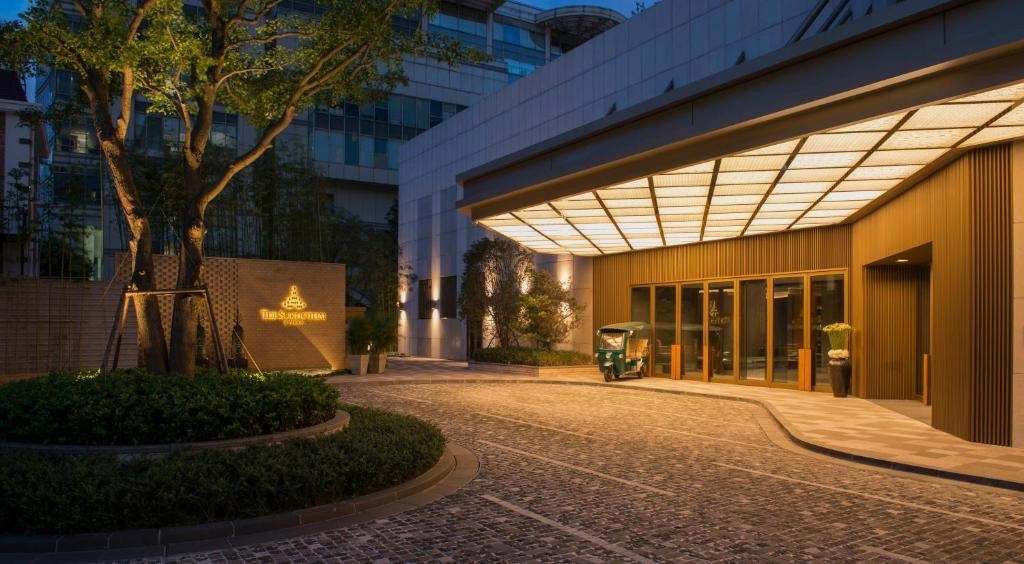
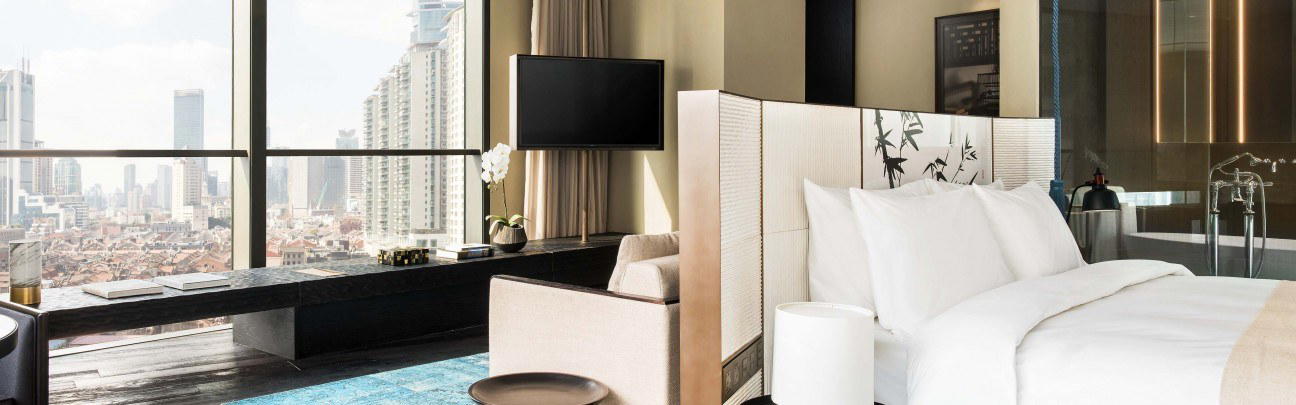
A refined but laid-back atmosphere with fine-dining-level hospitality, a stylish bar, and a space designed around the aster flower motif; the setting is described as fun, polished, and design-conscious.