
Preferred Hotels Preferred Residences
Primus Hotel Shanghai Hongqiao occupies the western business corridor of Shanghai, offering a scaled property with two distinct room configurations totalling 156 and 393 keys respectively. Positioned for transit-oriented stays near Hongqiao's transport hub, it represents a practical tier of Shanghai accommodation built around corporate and connecting-traveller demand rather than destination luxury.

Pearl is the En Primeur Club membership app — saves, bookings, and concierge access live there. Same editors, same standards.
- Address
- No. 100, Lane 1588, Shanghai, 上海市201702
- Phone
- +86 21 3979 6666
- Directions
- Get directions
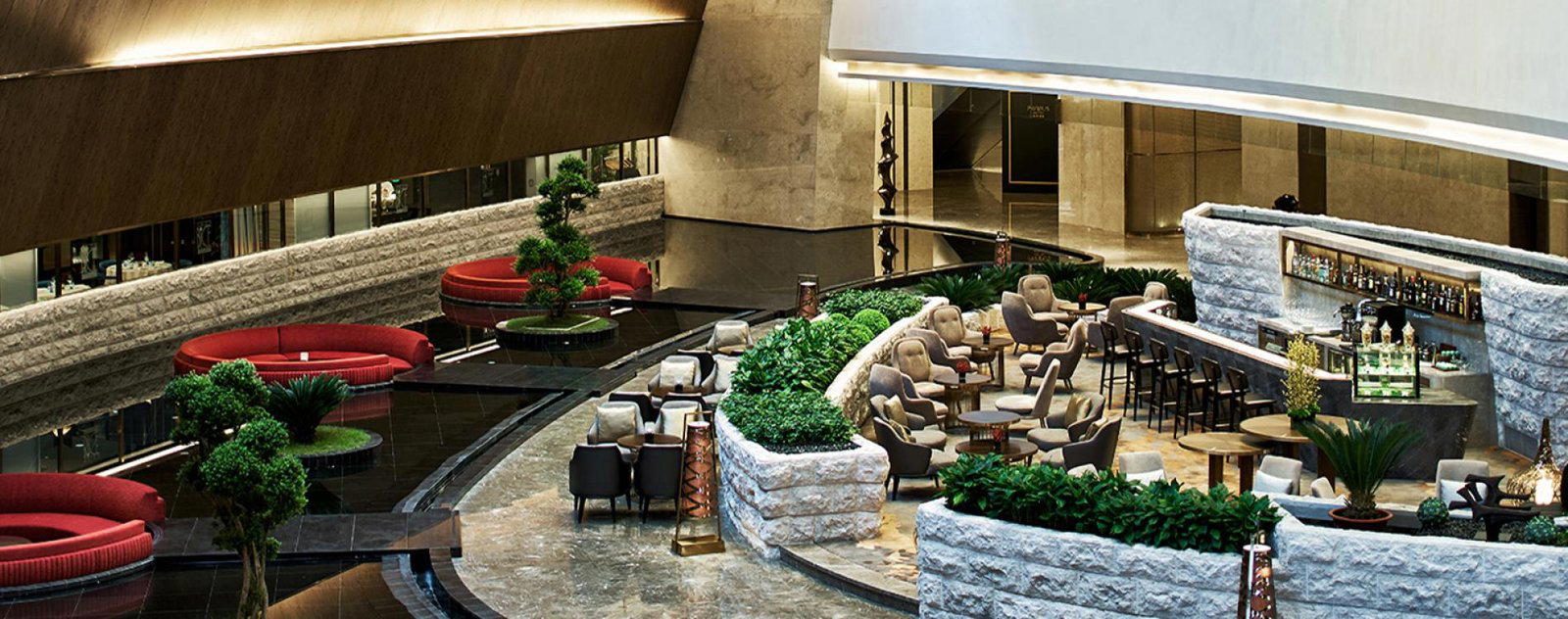
The Hongqiao Corridor and What It Asks of Hotels
Shanghai's western business district has undergone a structural shift over the past fifteen years. What began as a secondary transport node anchored by the older Hongqiao Airport has evolved, since the opening of Hongqiao Railway Station in 2010, into one of the most trafficked transit intersections in East Asia. The railway station alone handles tens of millions of passengers annually, funnelling travellers between Shanghai, Beijing, Hangzhou, Nanjing, and the broader Yangtze Delta network. Hotels in this corridor face a specific brief: serve a guest whose primary relationship is with schedules, not the city's cultural fabric. The Primus Hotel Shanghai Hongqiao is positioned squarely within that brief.
That context matters when assessing a property here. The Hongqiao zone is not where you come to absorb Shanghai's layered neighbourhoods or its restaurant culture. For that, properties closer to the Bund, Xintiandi, or the French Concession serve a different purpose entirely. If you want to understand how Shanghai's hotel market is segmented by geography and guest type, comparing a transit-corridor business hotel against something like Capella Shanghai, Jian Ye Li or Andaz Xintiandi, Shanghai illustrates the point cleanly. Those properties sell neighbourhood immersion and design narrative. Hongqiao sells access and efficiency.
Scale as a Strategic Choice
That figure, however it reflects the hotel's operational structure, places Primus in the mid-to-large tier for business hotels in this district. Properties of this scale in the Hongqiao corridor are not rare. The zone supports several hundred-plus-key hotels built during the infrastructure build-out that accompanied the railway station's completion and the subsequent National Exhibition and Convention Center development nearby. That convention centre, one of the largest in the world by gross floor area, generates consistent demand for hotels with volume capacity, and properties like this one are sized accordingly.
For comparison, the smaller-footprint, design-led properties that have defined Shanghai's recent luxury hotel conversation, places like Alila Shanghai or Cachet Boutique Shanghai, are built around a very different logic: limited keys, neighbourhood specificity, and a guest who has already decided where in the city they want to be. The Primus model inverts that. Volume and connectivity come first; the hotel configures around demand rather than creating it.
How the Hongqiao Hotel Market Has Evolved
The editorial angle here is evolution, and Hongqiao's transformation is genuinely instructive. In the early 2000s, this western pocket of Shanghai was a secondary address even by business-hotel standards. The older Hongqiao Airport served domestic routes, but the surrounding area had not yet attracted the density of corporate infrastructure that followed the railway expansion. Hotels that established themselves here before 2010 were making a speculative bet on the district's trajectory.
That bet paid out unevenly. Properties that positioned themselves as transit accommodation found their model validated by the explosive growth of high-speed rail travel in China. By the early 2020s, China's high-speed rail network had surpassed 40,000 kilometres, and Hongqiao had become a primary node. Hotels in the corridor moved from convenience options to near-essential infrastructure for the business traveller moving between Shanghai and other Yangtze Delta cities on same-day schedules. The calculation for a night's stay changed: proximity to the station became a premium in its own right, and hotels that had built for volume found occupancy patterns that rewarded their scale.
This is a different kind of evolution than the reinvention narratives you find at heritage properties elsewhere in China. Amanyangyun, for instance, is built around the physical relocation and restoration of Ming and Qing dynasty structures, a story of preservation and recontextualisation. The Hongqiao corridor story is infrastructural: the city built around the hotels, not the reverse. That external pressure, rather than internal reinvention, is what has shaped the competitive position of properties here.
Placing Primus in the Broader Shanghai Picture
Shanghai's hotel market has fragmented significantly over the past decade. At the leading, a concentration of trophy properties competes on design pedigree, Michelin-adjacent dining, and address cachet. Bvlgari Hotel Shanghai, Bellagio Shanghai, and Artyzen NEW BUND 31 Shanghai all occupy that upper register, where the hotel is itself a destination. Below that tier, a wide band of business-oriented properties competes on reliability, connectivity, and meeting infrastructure. Primus operates in that second band, and within it, the Hongqiao location is a specific sub-segment defined by transport access rather than cultural positioning.
For the traveller whose itinerary runs through Hongqiao Railway Station or the National Exhibition and Convention Center, the relevant comparison set is not downtown Shanghai luxury. It is other business hotels within walking or short-taxi distance of the station. In that peer group, the questions that matter are practical ones: room availability during major trade fairs, ease of check-in for early-morning or late-night arrivals, and whether the property can absorb the demand spikes that convention business generates. A property holding the scale this one appears to carry is built to answer those questions at volume.
For those whose schedule allows time in the city itself, Shanghai's dining and cultural offer is most accessible from properties closer to the centre. Our full Shanghai restaurants guide covers the city's dining in depth, and much of it is oriented around neighbourhoods that require a 30-to-45-minute journey from Hongqiao. That is not prohibitive, but it does reframe the Primus as a base for transit rather than exploration. Travellers who want to move between Shanghai and, say, Beijing or Hangzhou on the same trip might also consider how properties like Mandarin Oriental Qianmen in Beijing or Amanfayun in Hangzhou compare when building a multi-city itinerary.
Planning a Stay
The address, No. 100, Lane 1588, places the hotel in the outer western district of Shanghai, postcode 201702, within the Qingpu or Minhang corridor depending on exact routing. Travellers arriving at Hongqiao Railway Station or Hongqiao International Airport are in the right zone; both transport hubs are within the general Hongqiao district. The property's scale suggests it operates with standard business hotel booking infrastructure, though specific reservation methods, pricing, and availability should be confirmed directly with the property. During major trade fair periods at the National Exhibition and Convention Center, which runs large-scale events throughout the year, availability in this corridor tightens considerably and rates adjust accordingly. Booking ahead of any convention calendar dates is a direct precaution.
For travellers whose China itinerary extends beyond Shanghai, the country's mid-tier and premium hotel offer covers significant geographic range. Properties like Amandayan in Lijiang, 1 Hotel Haitang Bay, Sanya, and Xiamen Yunding Resort in Xiamen illustrate how dramatically different the hotel proposition becomes once you move from a transit-corridor business hotel to a leisure or resort context. Each serves a fundamentally different travel purpose, and Primus in Hongqiao is most honestly understood as part of the infrastructure tier: the hotel that gets you where you need to be, on time, without friction.
Frequently Asked Questions
- What is the atmosphere like at Primus Hotel Shanghai Hongqiao? The atmosphere is consistent with the Hongqiao district's character: functional, transit-oriented, and calibrated for business travellers moving through one of Shanghai's busiest transport corridors. This is not a property built around design experience or neighbourhood immersion. The guest profile skews toward corporate and convention travellers, and the overall tone reflects that. If the city's cultural and dining offer is a priority, properties closer to central Shanghai will serve that purpose more directly.
- What room configuration should I consider at Primus Hotel Shanghai Hongqiao? Without further specification from the property directly, the practical guidance is to confirm room type and floor plan details at the point of booking, particularly if space or quietness relative to convention-period noise is a factor.
- What does Primus Hotel Shanghai Hongqiao do well? Within the Hongqiao transit corridor, the property's primary strength is positional: access to Hongqiao Railway Station and the National Exhibition and Convention Center. For a traveller whose schedule is built around those two anchors, a mid-to-large-scale business hotel in this location removes meaningful logistical friction. That is a specific, narrow strength, but in the context of China's high-speed rail network and Shanghai's convention calendar, it is a genuinely useful one.
Pricing, Compared
Comparable venues nearby, for context on price, style, and recognition.
| Venue | Price | Awards | Notes |
|---|---|---|---|
| Primus Hotel Shanghai HongqiaoThis venue — the venue you are viewing | Not listed | Preferred Hotels Preferred Residences | Not listed |
| Habo Hotel Shanghai | $1–100 | Design Hotels Member | Huangpu, Historic reborn structure fusing Eastern and Western cultures |
| Nan Jing Dong Lu | Not listed | Not listed | Huangpu, Next-generation urban luxury retreat |
| The Yard Boutique Hotel Shanghai | $1–100 | Michelin Selected | Minhang District, Contemporary biophilic design boutique hotel positioned as an urban sanctuary and neighborhood guesthouse. |
| Moxy Shanghai Hongqiao NECC | Not listed | Michelin Selected | Hongqiao CBD Xujing Area, Playful and social lifestyle hotel with minimalist multifunctional rooms. |
| HUALUXE Shanghai Twelve At Hengshan | $100–200 | Michelin Selected | Da Pu Qiao, Urban luxury retreat fusing Chinese hospitality with contemporary design |
Recognition history
Dated appearances from independent guides and award organizations, with the underlying list record or original source where available.
Preferred Hotels Preferred Residences
Preferred Hotels
Full recognition history (2 entries)
Preferred Hotels L.V.X. Collection
Preferred Hotels
Details
- Modern
- Elegant
- Sophisticated
- Business Trip
- Weekend Escape
- Wi Fi
- Pool
- Spa
- Fitness Center
- Room Service
- Concierge
- Business Center
- Elevator
- Elevator
- Step Free Entrance
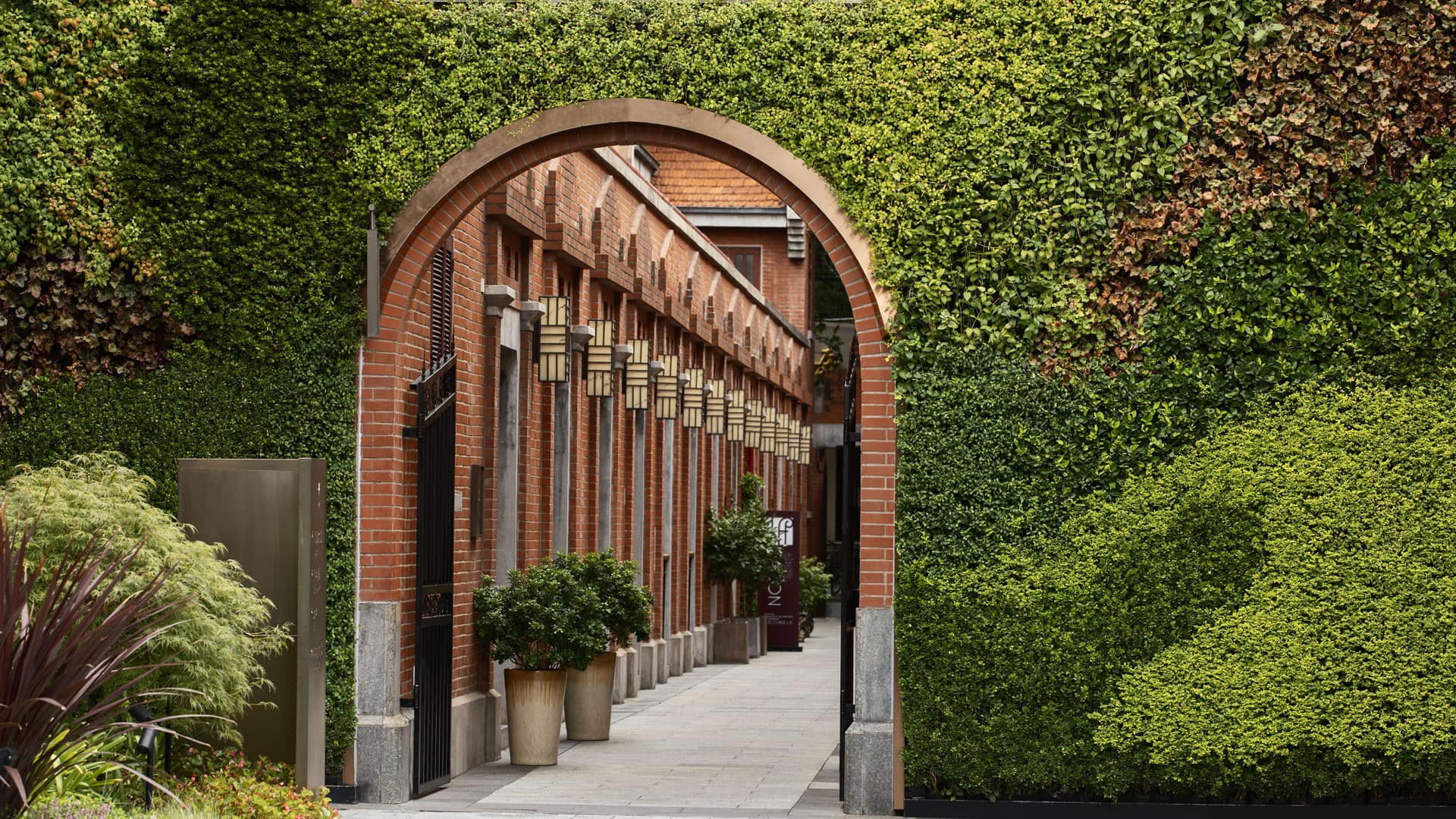
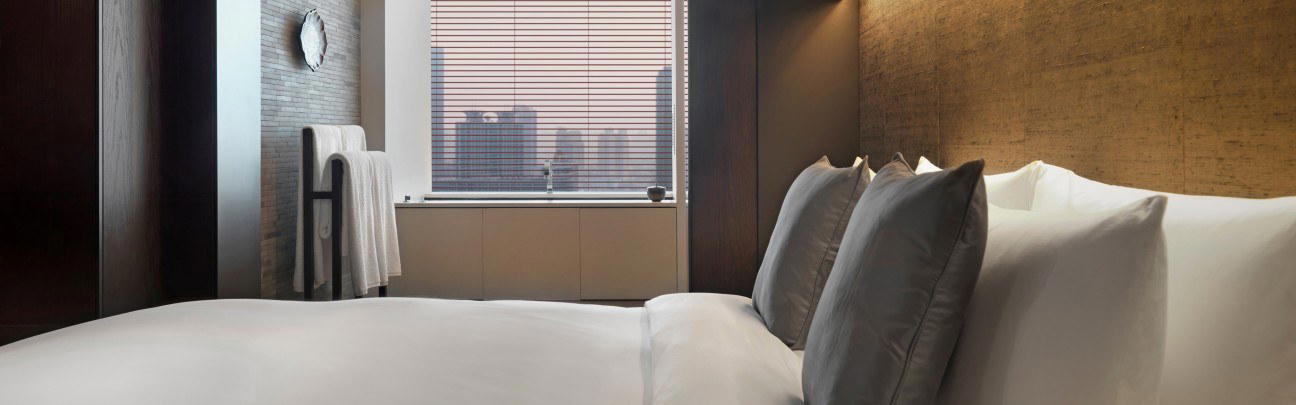
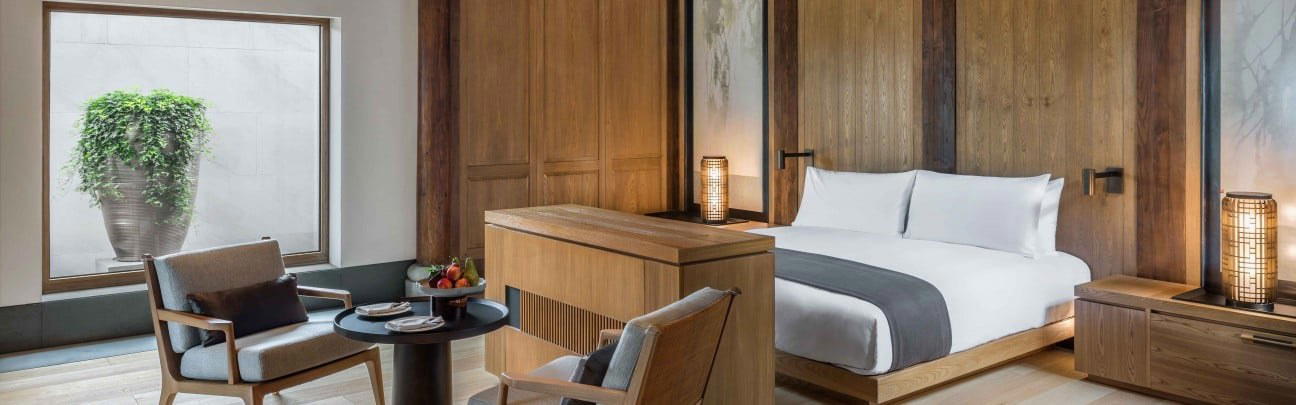
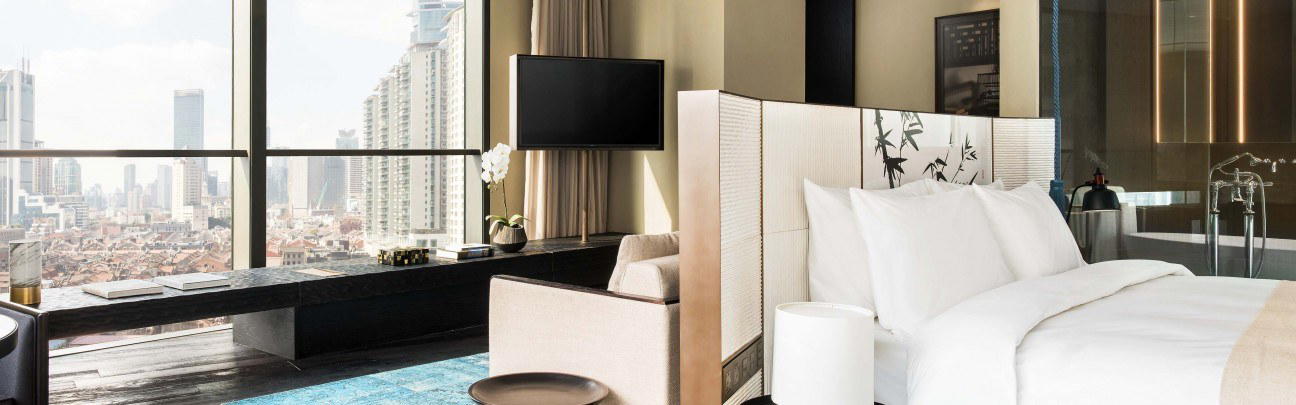
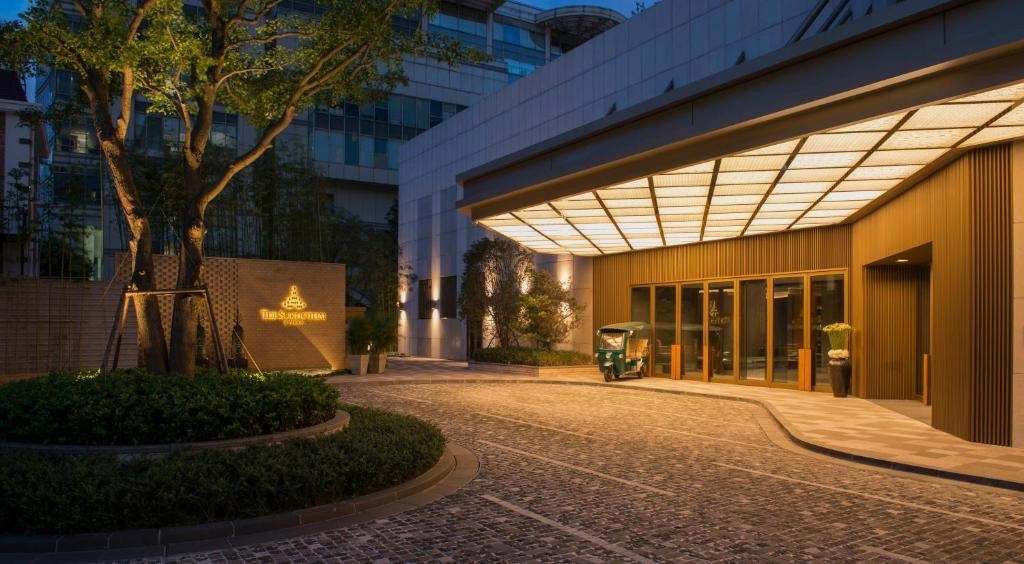
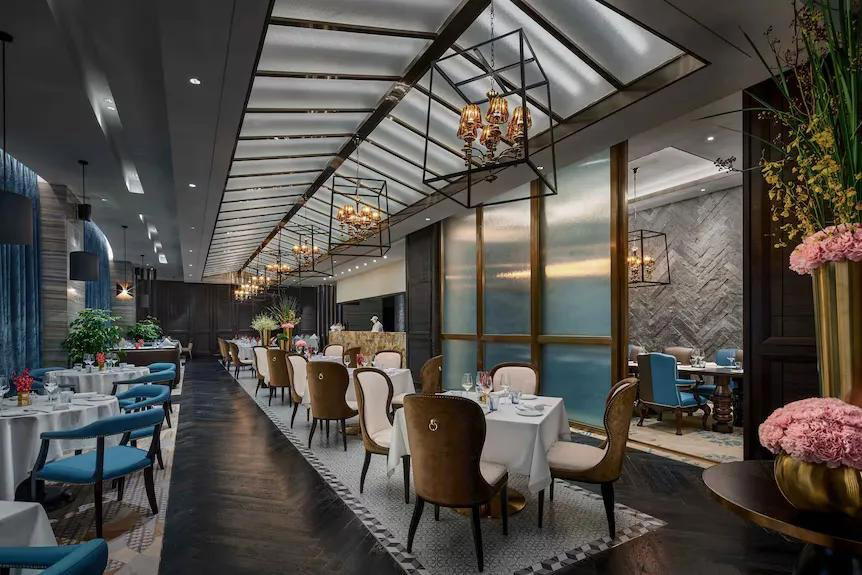
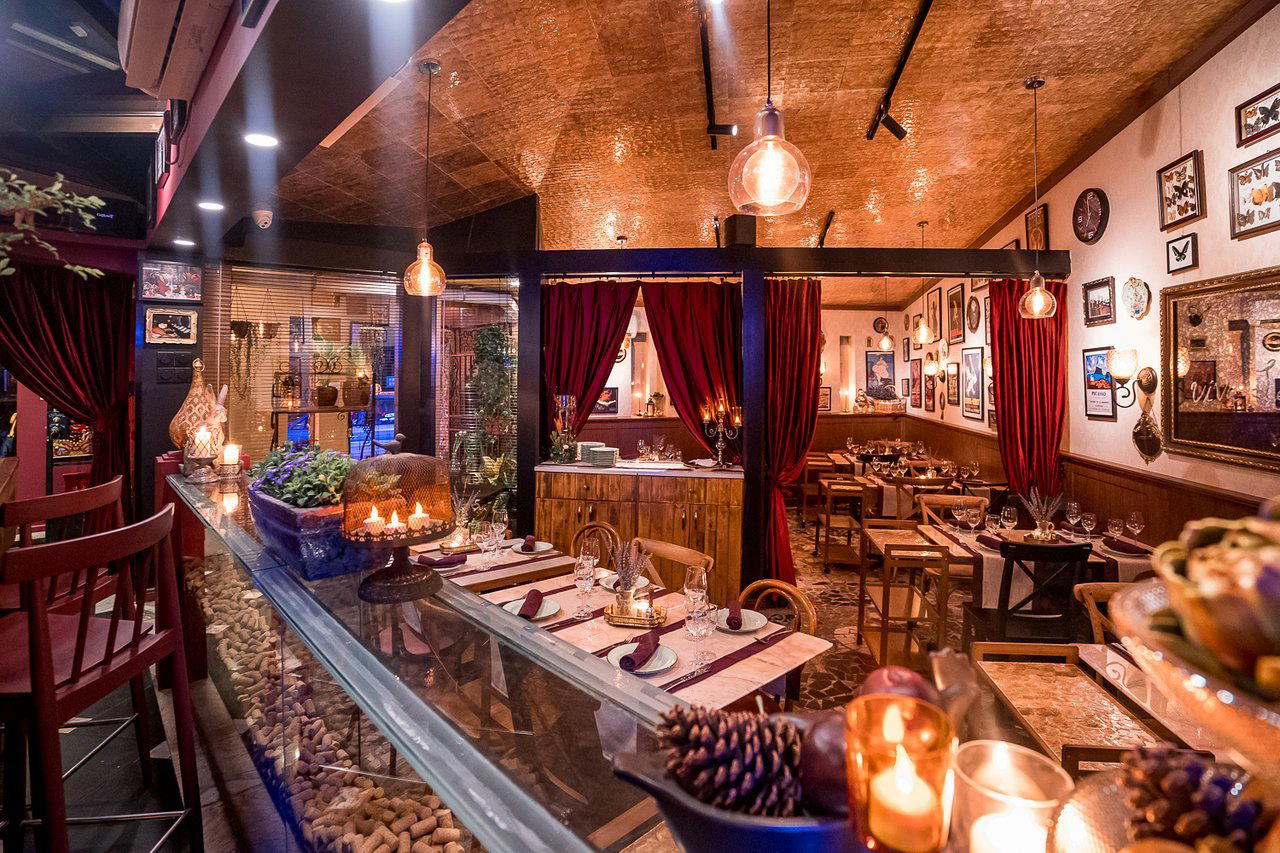
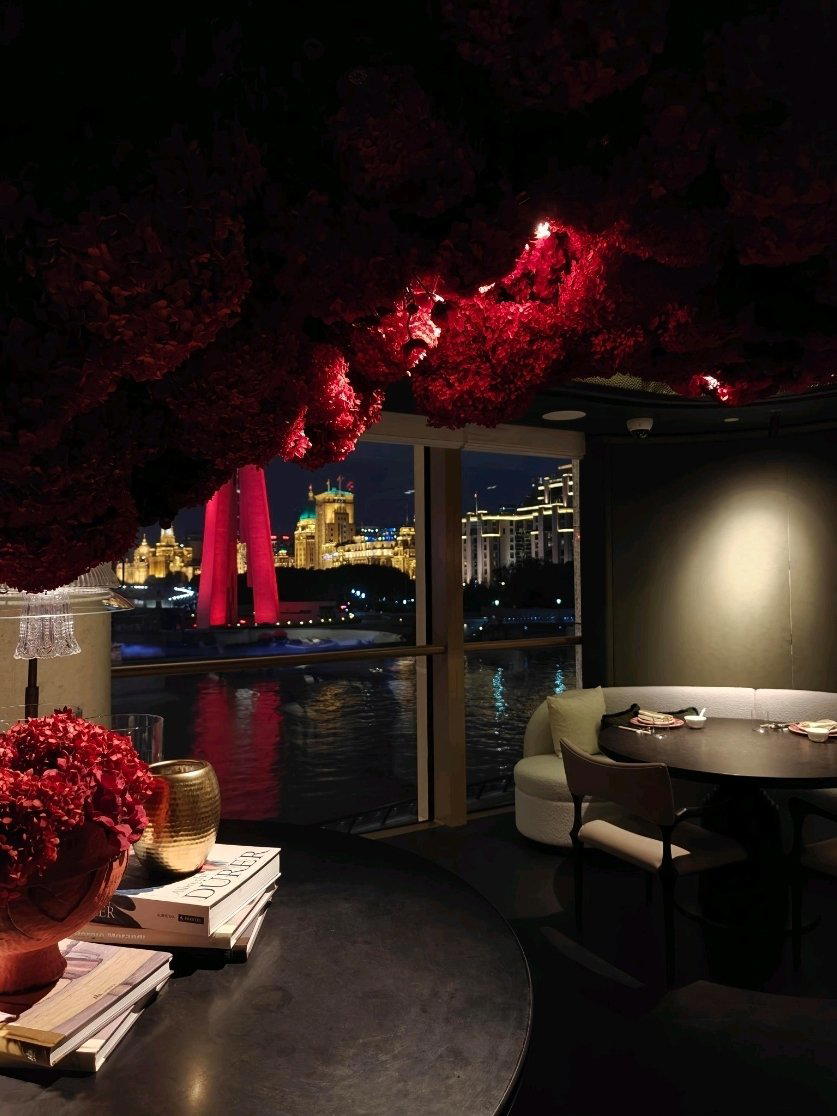
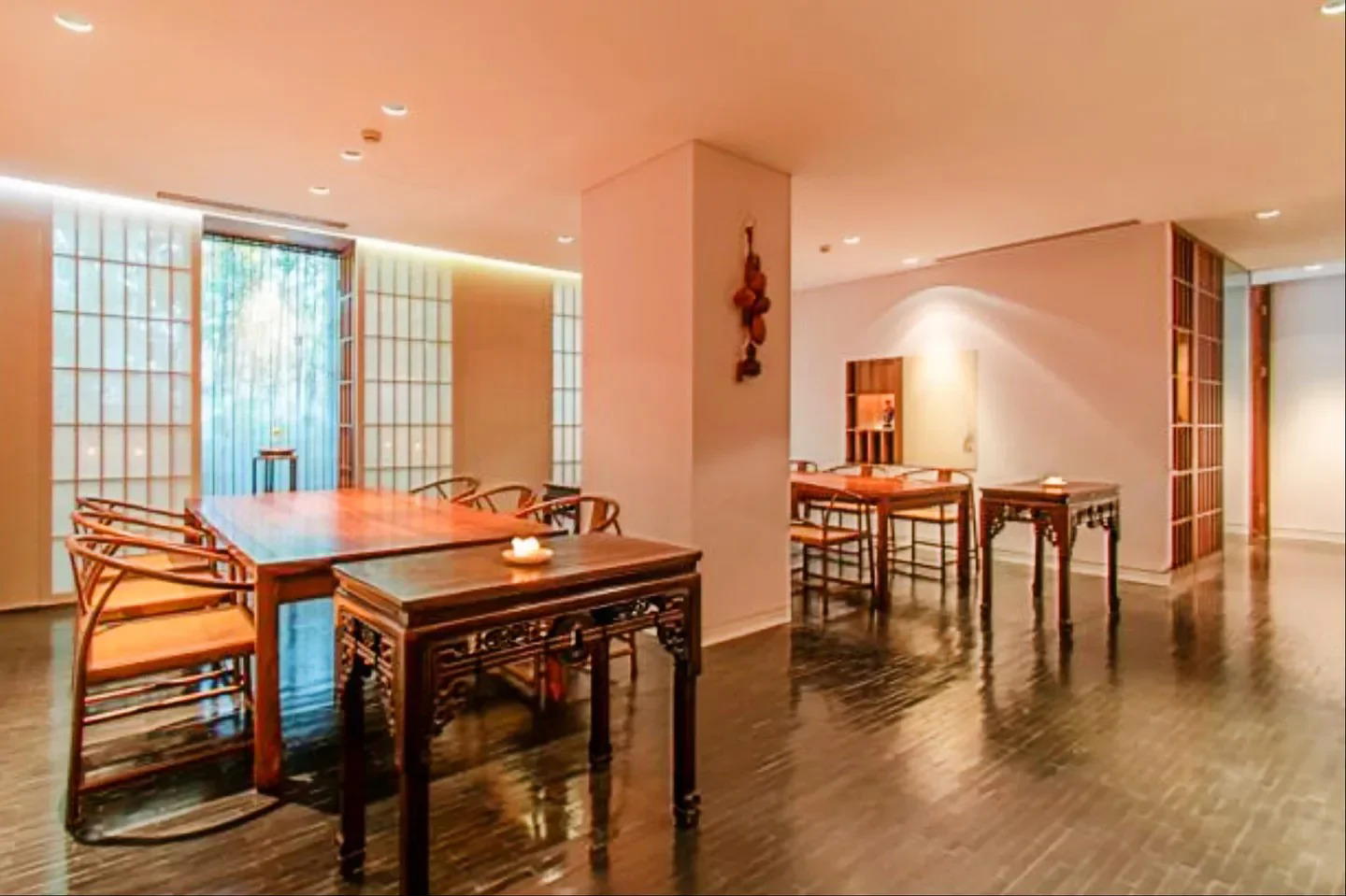
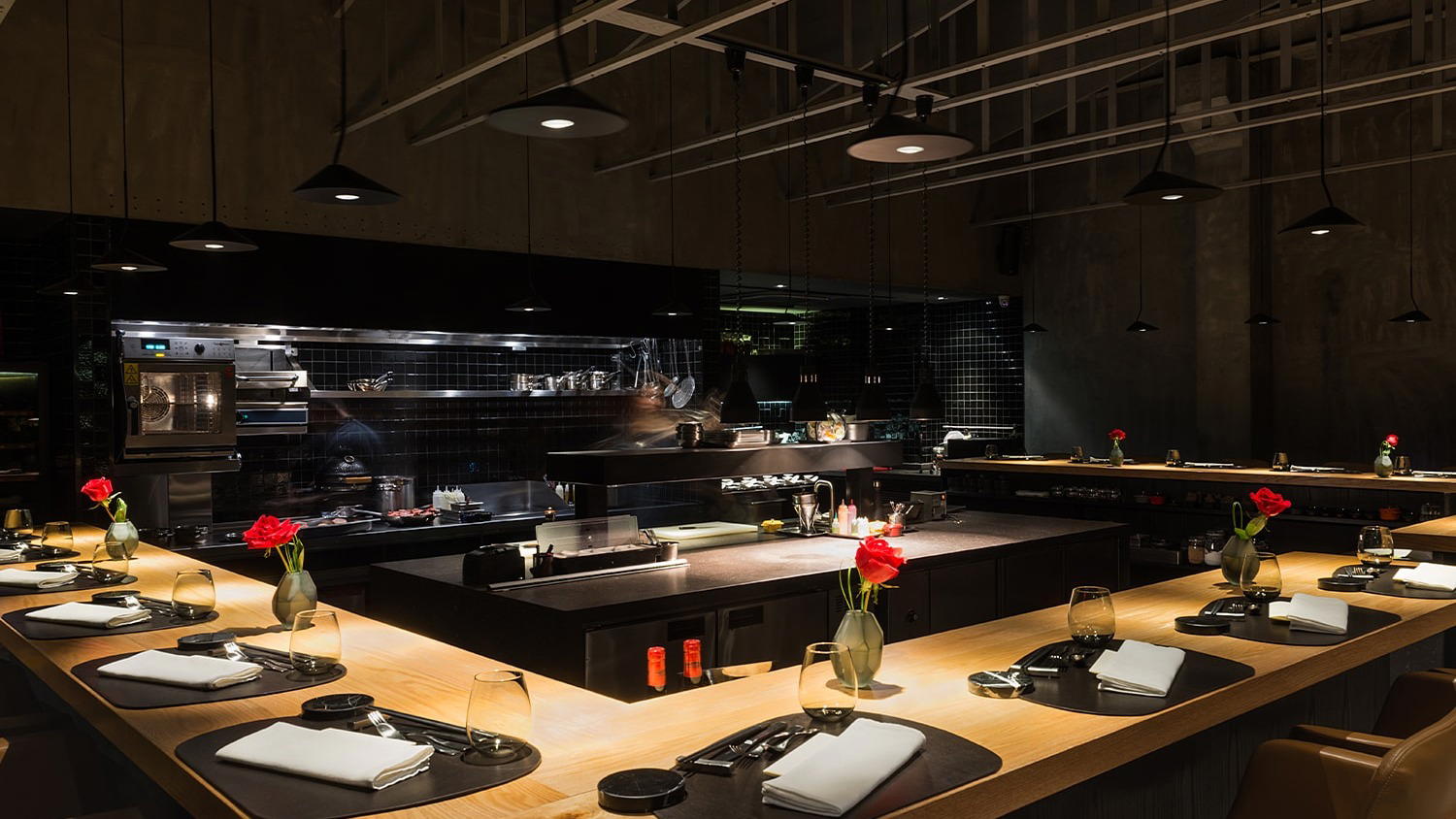
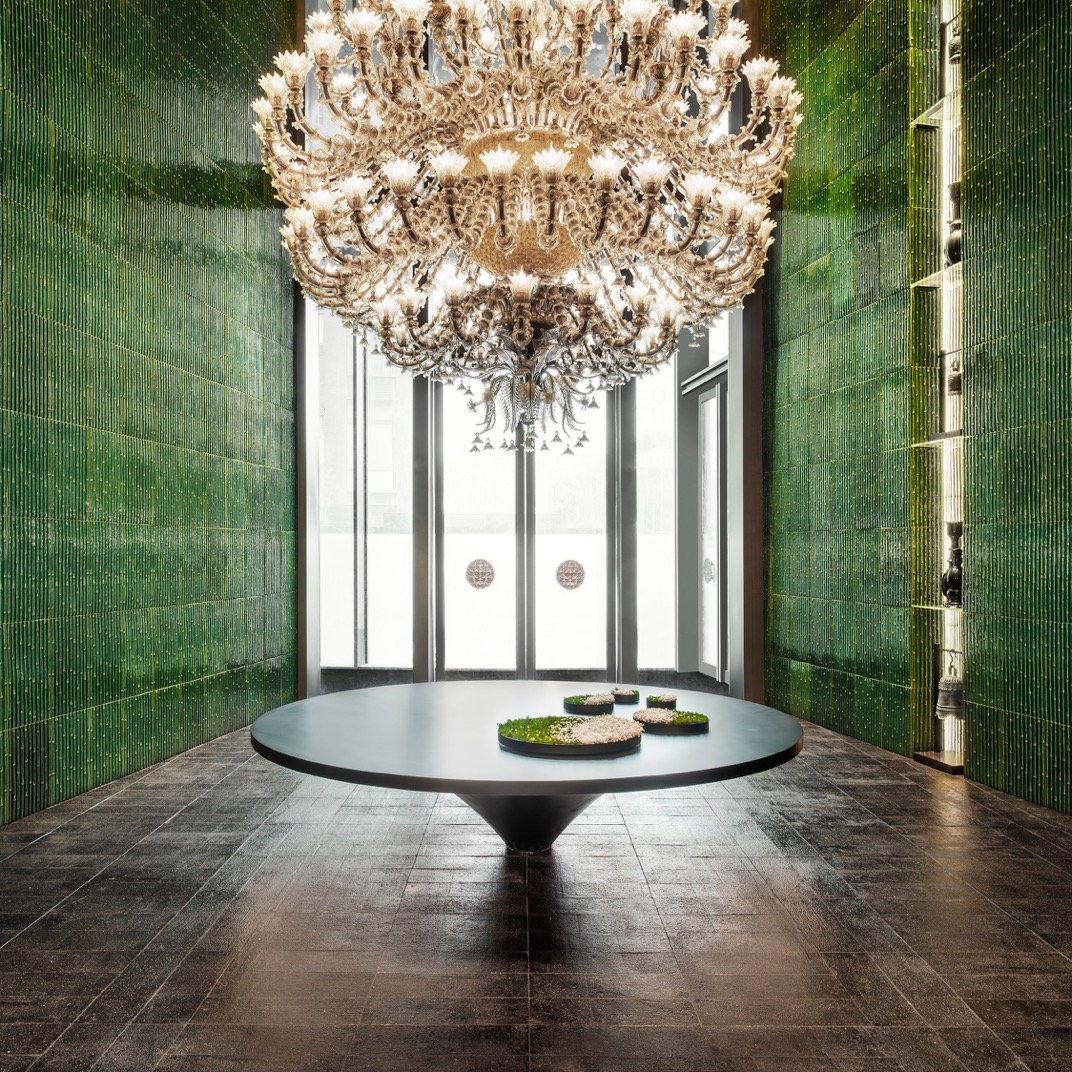
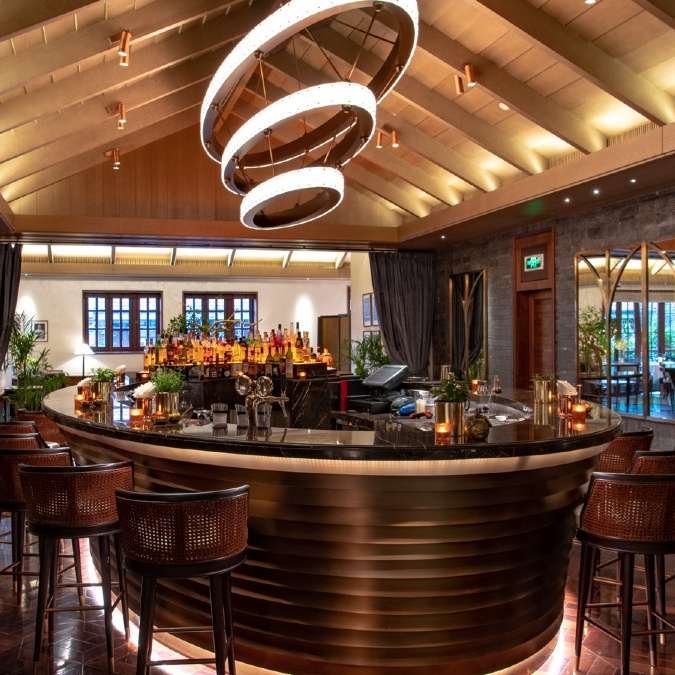
Sophisticated and elegant atmosphere with classic blue and gold decor, precise furniture, and modern facilities creating a deluxe impression.