



Shanghai’s Chaoshan cooking has a serious address in Amazing Chinese Cuisine, a five-room villa format where high-heat technique, seafood handling, and pre-ordered regional dishes define the meal. Black Pearl three-diamond recognition in 2025 and 2026, La Liste scores, and OAD Asia listings place it in the city’s tighter luxury Chinese dining tier rather than the casual Chaozhou canon.
Pearl is the En Primeur Club membership app — saves, bookings, and concierge access live there. Same editors, same standards.
- Address
- China, CN 上海市 长宁区 虹桥路 1665 1665号B5幢别墅 邮政编码: 200336
- Phone
- +86 21 6262 5677
- Website
- laliste.com
- Directions
- Get directions
 Saves & bookings on Pearl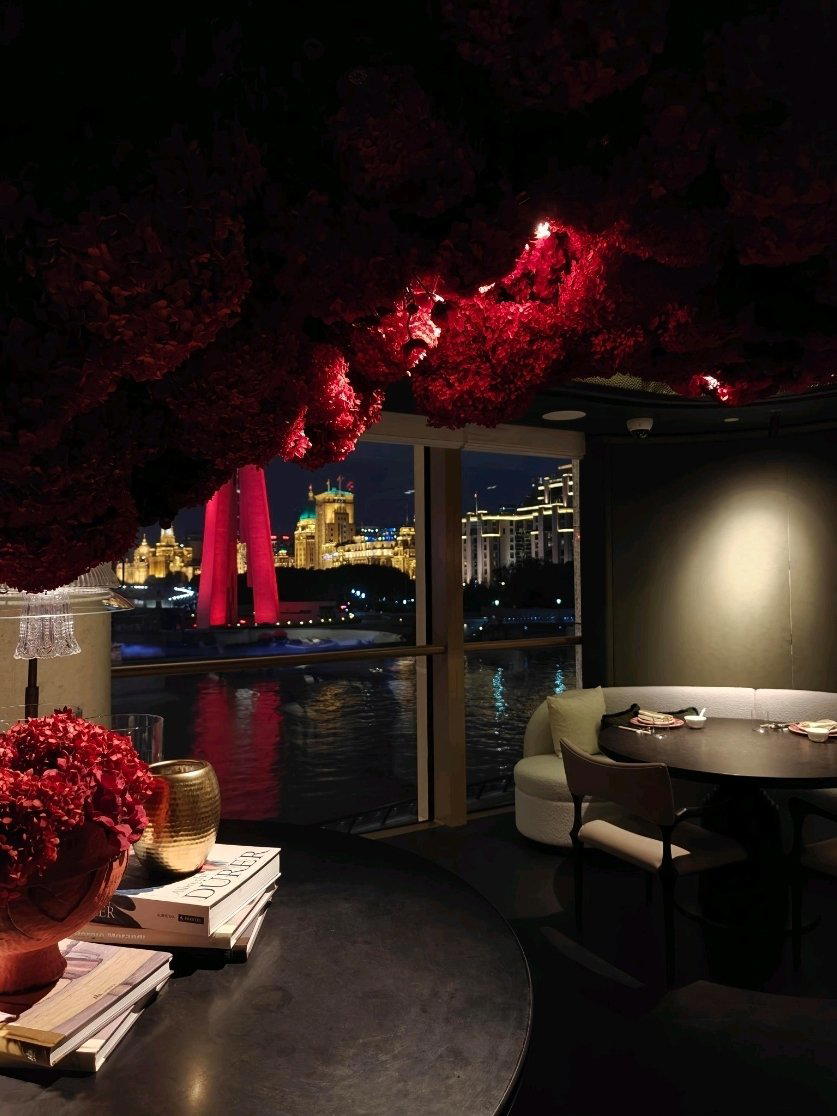
The approach is restrained rather than theatrical: measured pacing, careful service, and a kitchen presented around Chinese cooking with a Chaoshan connection. That matters for a restaurant whose identity is better read through regional focus than spectacle. At Amazing Chinese Cuisine, the point is precision and control, with the meal depending less on showmanship than on the kind of preparation and timing serious Chinese dining rooms are built to deliver.
Shanghai has deep Chinese dining culture, but its premium restaurants now split into camps: banquet grandeur, refined regional comfort, and smaller specialist formats for diners who know exactly what they want. Amazing Chinese Cuisine belongs to the last group. Its recognition includes Black Restaurant Guide 2026 three-diamond status, while the restaurant also appears in 2026 dining-guide source coverage. That gives it a current awards trail consistent with its reputation among serious Chinese-food travellers.
Chaoshan technique, Shanghai luxury pacing
Chaoshan cooking rewards restraint, but not softness. Its appeal depends on clarity: ingredients handled with care, preparations that do not need to announce themselves loudly, and a sense of balance that can make the food feel quieter than more overtly banquet-led rooms. In Shanghai’s upper Chinese tier, that puts a Chaoshan-focused restaurant apart from broader regional tables found elsewhere in the city.
The restaurant is best understood as a Chinese luxury format in which guests can think about the meal by season, occasion, and appetite rather than as a purely fixed-progression fine-dining room. A Chaoshan native, the chef sources ingredients with a clear connection to the region, giving the kitchen a more precise identity than a broad regional label alone. The strongest impression is likely to come from that combination of sourcing, preparation, and timing.
The technique story is less about visible theatre than discipline. In high-level Chinese cooking, the difference between simple heat and controlled execution can be narrow, and the dining experience depends on how confidently the kitchen manages that margin. Chaoshan food can use intensity beside gentler preparations, so the cuisine may feel understated next to grander Chinese dining yet demanding in its own way.
Shanghai’s premium Chinese scene gives context. Wang Lu sits in a more accessible Chinese price bracket, while Jade Mansion maps the city’s appetite for polished regional Chinese dining. Other Shanghai dining rooms add reference points for comparing Chinese restaurants by format rather than cuisine label alone. Against that field, Amazing Chinese Cuisine reads as more focused and more Chaoshan-specific.
What the awards trail says about the room
Awards do not cook dinner, but they sort Shanghai’s crowded Chinese field. Black ’s three-diamond tier carries weight in mainland China because it is judged inside the country’s own luxury dining culture, not only through a Western fine-dining lens. For the restaurant, the key confirmed signal is its Black Restaurant Guide 2026 three-diamond recognition, with additional 2026 source coverage reinforcing that it is part of the city’s current conversation.
Those signals matter because high-end Chaoshan restaurants can be hard to read from outside. The cuisine does not always declare ambition through luxury add-ons or theatrical plating. Its seriousness often appears in sourcing, pre-service work, and the confidence to serve food in a style demanding careful handling. The format reinforces that logic: this is not a room to judge only by decoration, but a controlled Chinese dining experience where planning shapes the meal.
The chef’s Chaoshan background is credential, not mythology. Shanghai has many restaurants borrowing regional labels; a Chaoshan native sourcing ingredients with that tradition in mind gives this kitchen a clearer claim to the cuisine. The larger point is that Shanghai’s luxury diners increasingly reward such regional specificity. Broad polish can still carry a premium Chinese room, but sharper restaurants define themselves by narrower regional command.
How to think about ordering
Approach the meal as a constructed table, not a famous-dish checklist. A balanced order should move across lighter, richer, quicker, and more considered preparations rather than chasing only particularly obvious luxury signals. Items that require advance planning are worth asking about when booking, because this style of restaurant often rewards diners who arrange the meal rather than simply scan the menu on arrival.
That style rewards diners who know luxury from excess. Chaoshan cuisine can be plain-spoken in presentation, especially beside Shanghai’s grand banquet rooms, but the technical ask is high. Clean handling, balance, and dishes that arrive with focus are better measures than decorative plating. Black ’s 2026 three-diamond recognition suggests the restaurant has been read through that lens.
For broader trip planning, Shanghai supports parallel eating routes: regional Chinese dining, hotel-led international rooms, cocktail bars, and specialist experiences. Start with our full Shanghai restaurants guide, then cross-reference our full Shanghai hotels guide, our full Shanghai bars guide, our full Shanghai wineries guide, and our full Shanghai experiences guide. Travellers building a wider China itinerary can also compare regional Chinese cooking through other dining rooms in Shanghai and beyond, keeping the restaurant as the Chaoshan-focused reference point.
The editorial case is clear: go for Chaoshan technique treated with luxury seriousness, not generic fine-dining theatre. The restaurant’s confirmed recognition, regional sourcing, and specialist focus place it among Shanghai’s more exacting Chinese tables. Expect a meal built on restraint, ingredient discipline, and regional confidence.
How It Stacks Up
Nearby venues at a similar price tier for orientation.
| Venue | Cuisine | Price | Awards | Notes |
|---|---|---|---|---|
| Amazing Chinese CuisineThis venue — the venue you are viewing | High-end Chaoshan Cuisine | $$$$ | Michelin 2 Star | Not listed |
| Xin Rong Ji (West Nanjing Road) | Taizhou Cuisine | $$$$ | Michelin 1 Star | Huangpu |
| 8 1/2 Otto e Mezzo Bombana (Shanghai) | Modern Italian Fine Dining | $$$$ | Michelin 2 Star | Lu Jia Zui |
| Ji Pin Court | Two-Michelin-Starred Cantonese | $$$$ | Michelin 2 Star | Jing An Si |
| Tou Zao | Cantonese Prix-Fixe | $$$$ | Michelin 2 Star | Huangpu |
| Bao Li Xuan | Haute Cantonese Fine Dining | $$$$ | Michelin 2 Star | Hongkou |
Recognition history
Dated appearances from independent guides and award organizations, with the underlying list record or original source where available.
Black Pearl 3 Diamond
Black Pearl
La Liste Top Restaurants
La Liste
Michelin 2 Stars
Michelin
Opinionated About Dining Top Restaurants in Asia Highly Recommended
Opinionated About Dining
Black Pearl 3 Diamond
Black Pearl
La Liste Top Restaurants
La Liste
Michelin 1 Star
Michelin
Opinionated About Dining Top Restaurants in Asia Ranked #273
Opinionated About Dining
Opinionated About Dining Top Restaurants in Asia Ranked #271
Opinionated About Dining
Opinionated About Dining Top Restaurants in Asia Highly Recommended
Opinionated About Dining
At a Glance
- Elegant
- Sophisticated
- Business Dinner
- Special Occasion
- Private Dining
- Terrace
- Skyline
- Street Scene
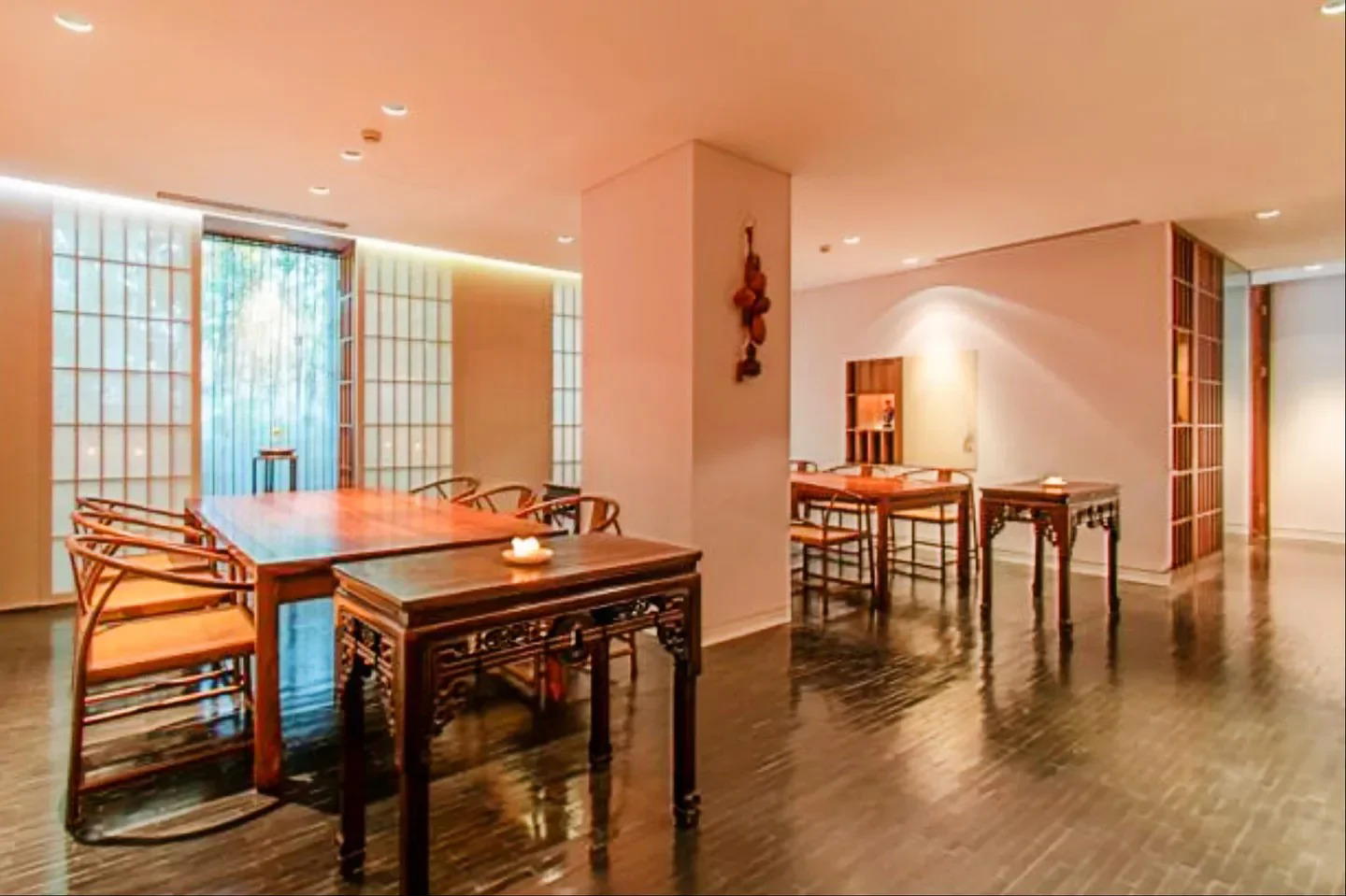
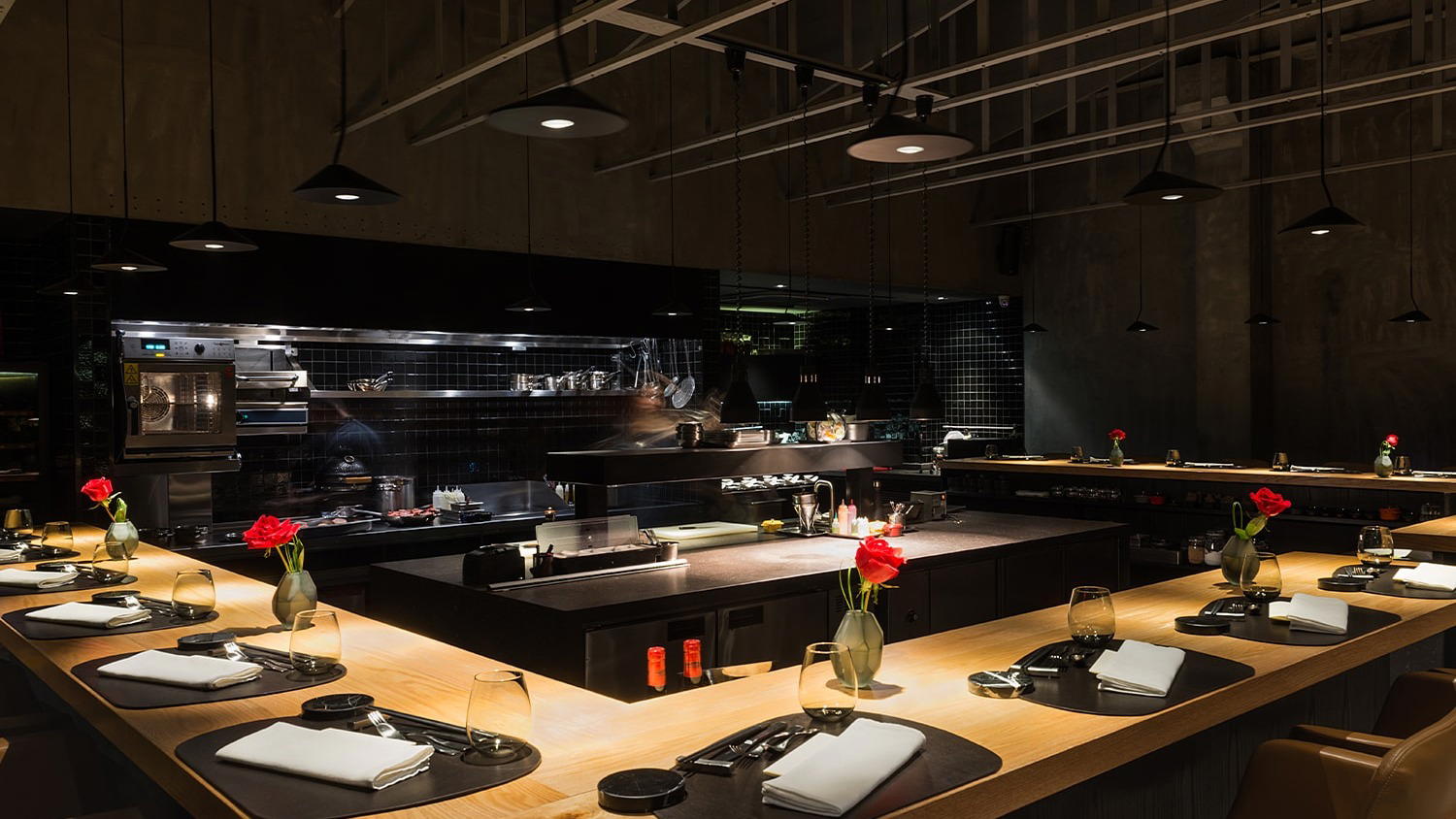
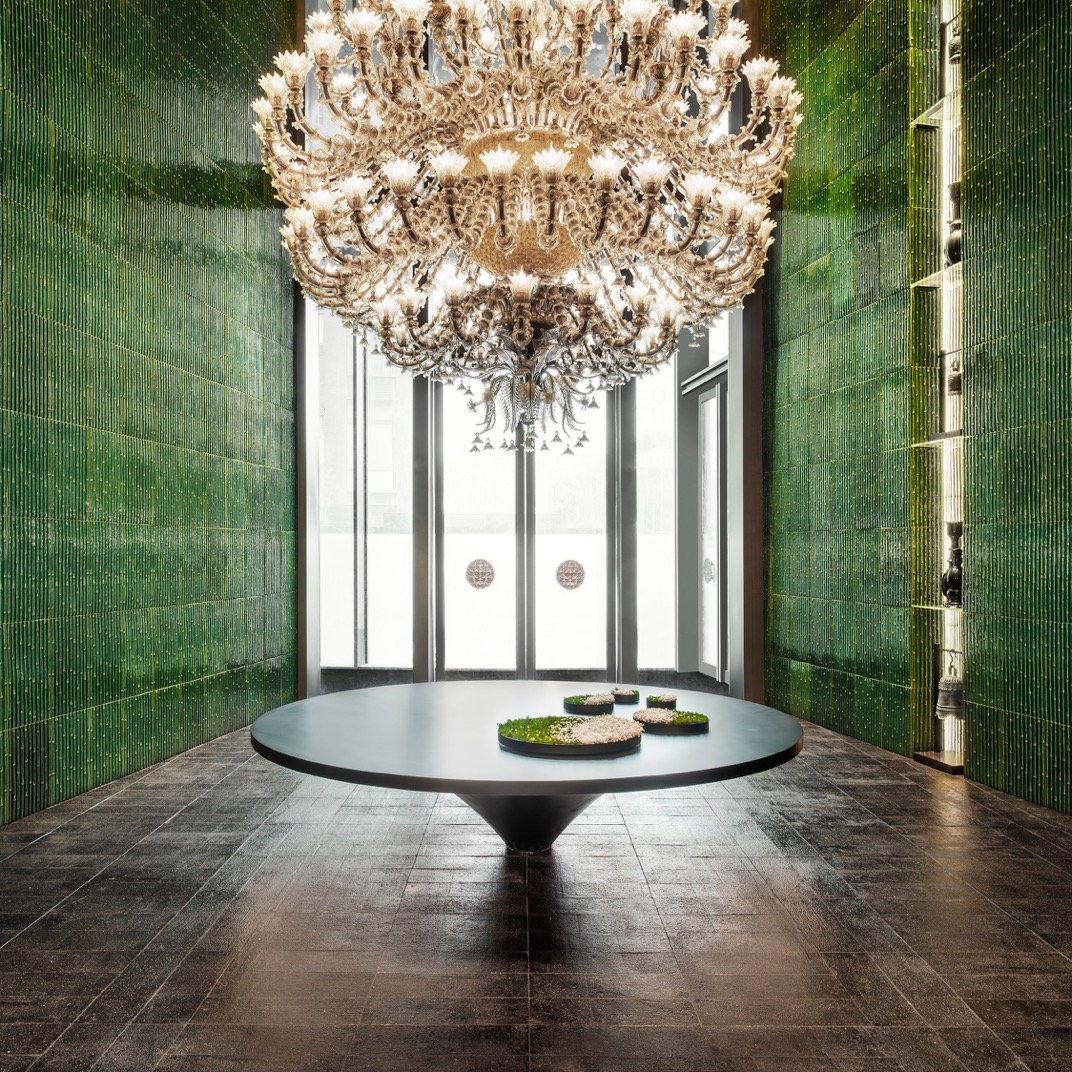
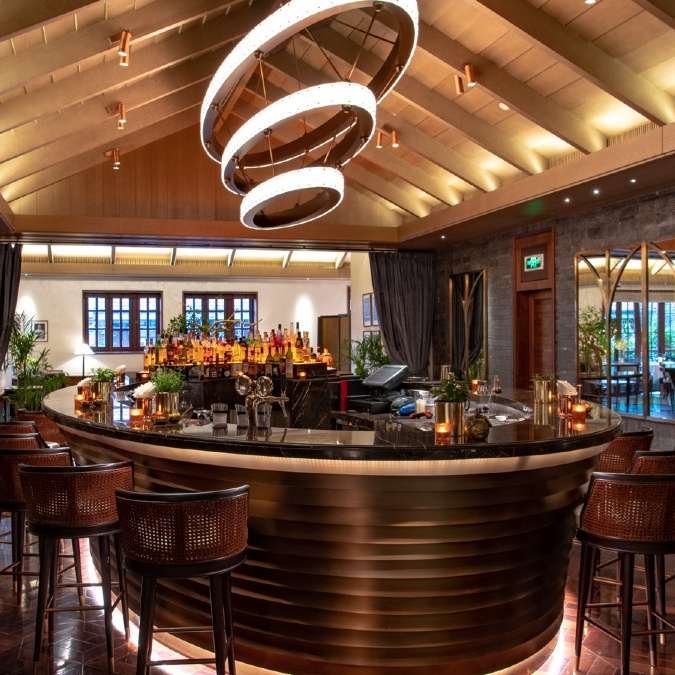
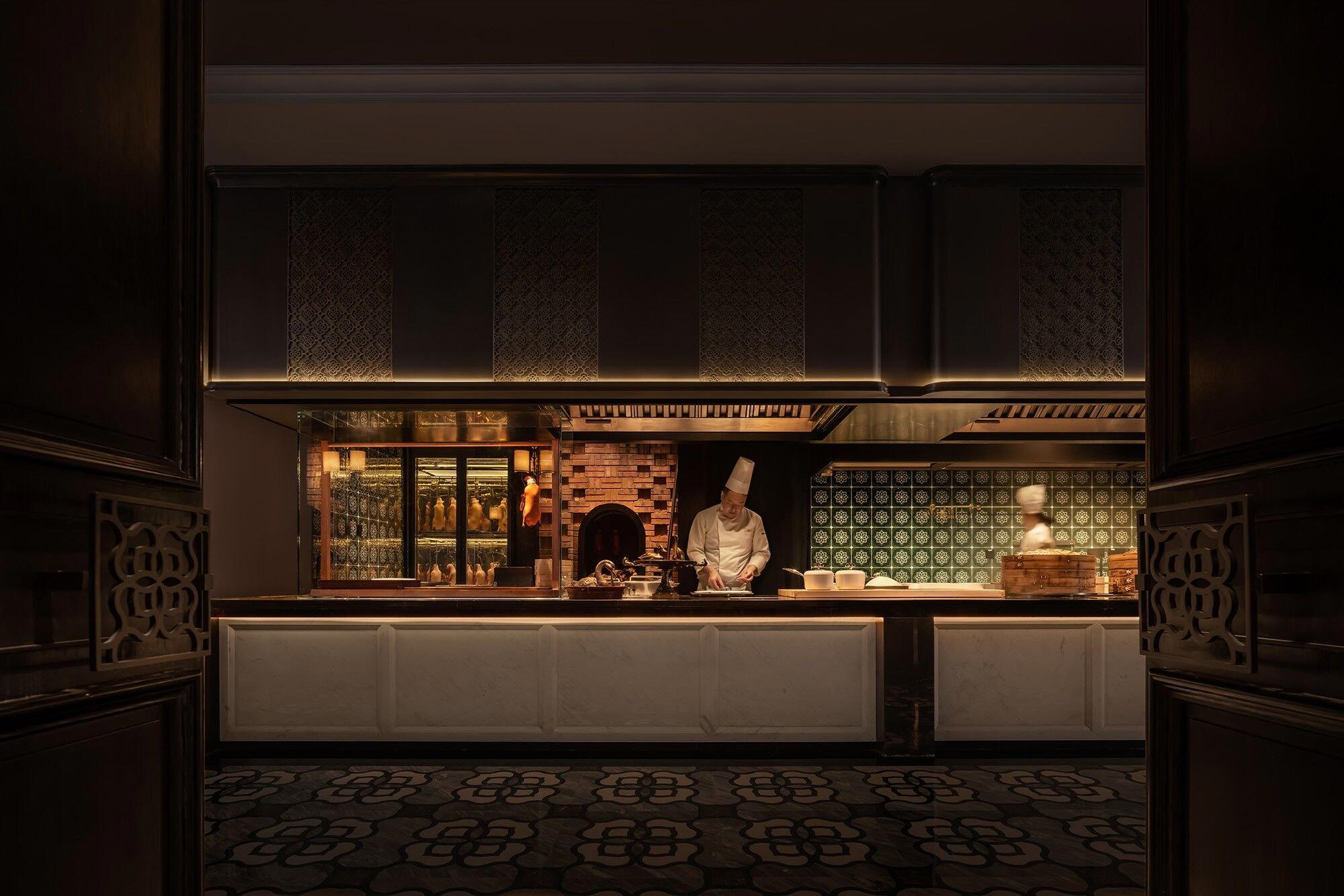
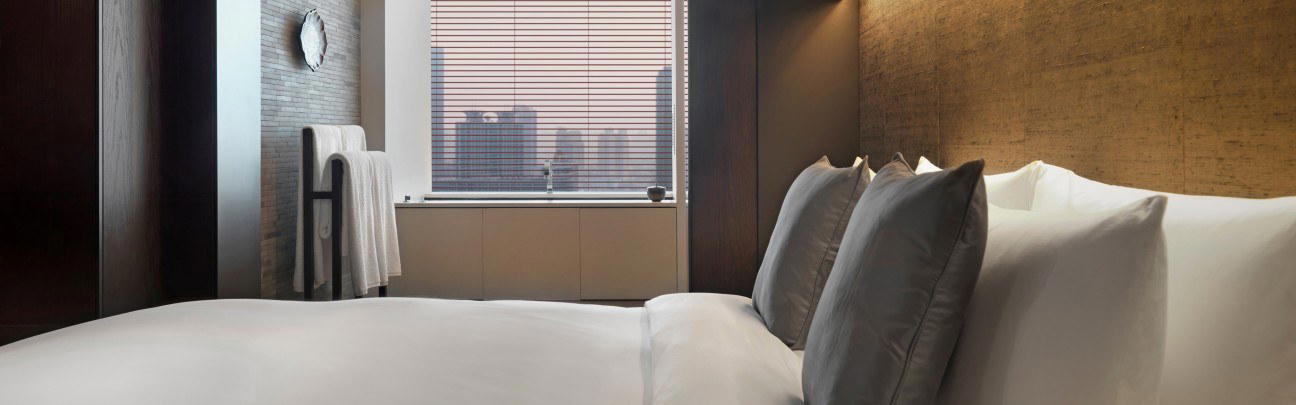
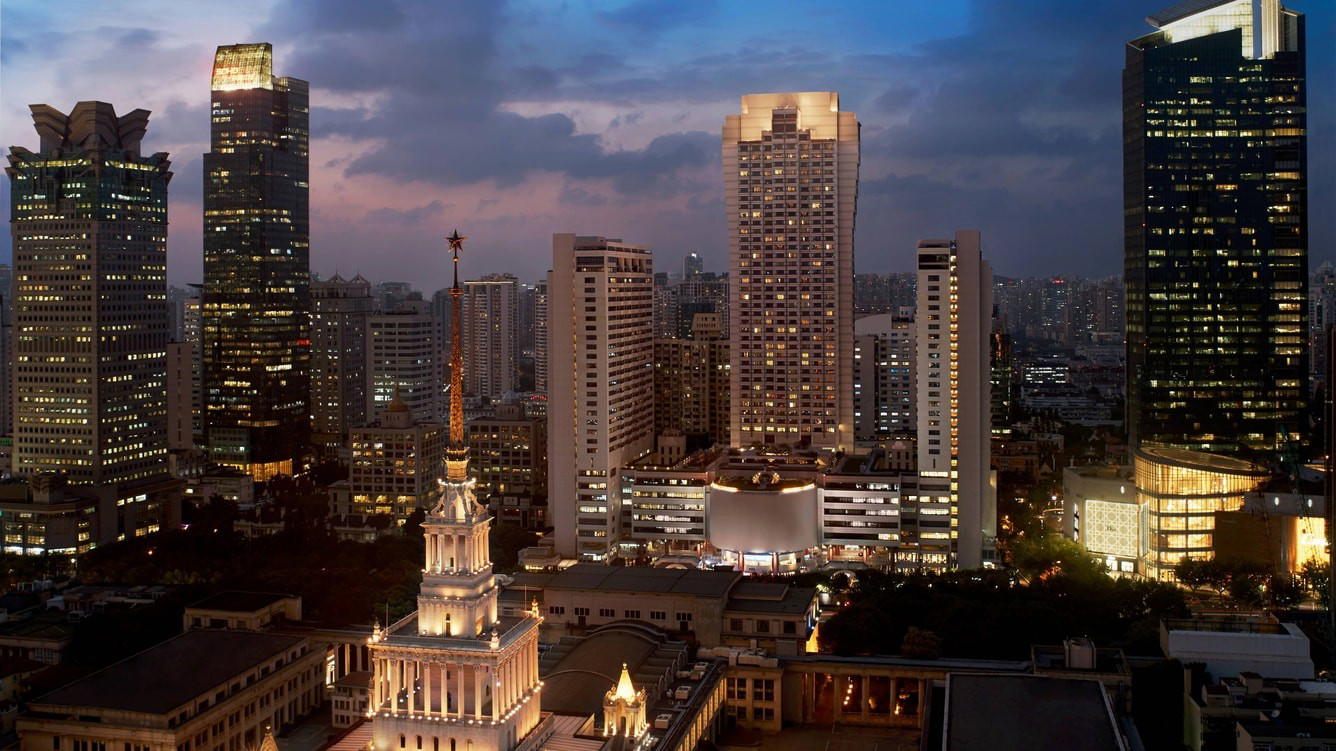
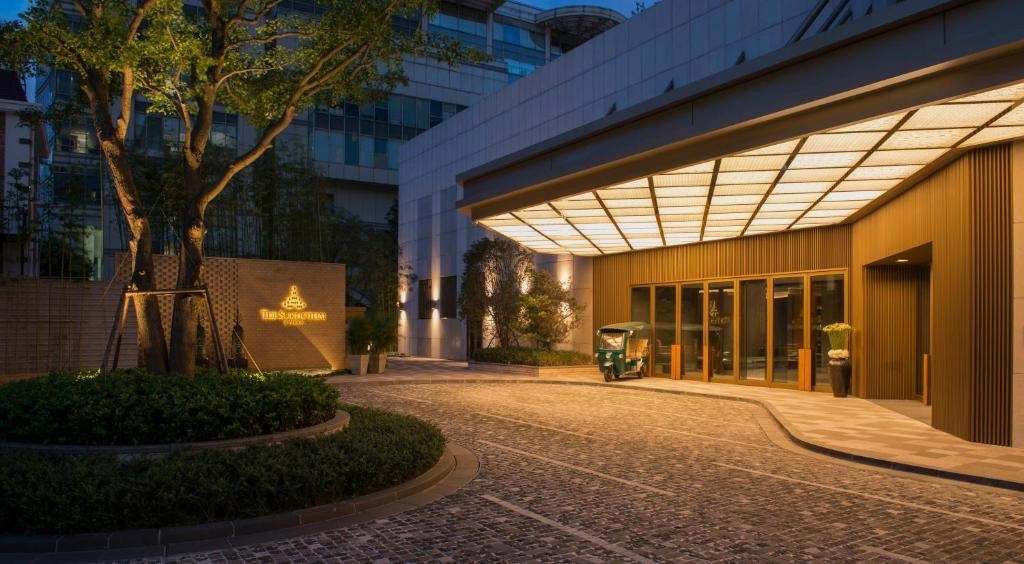
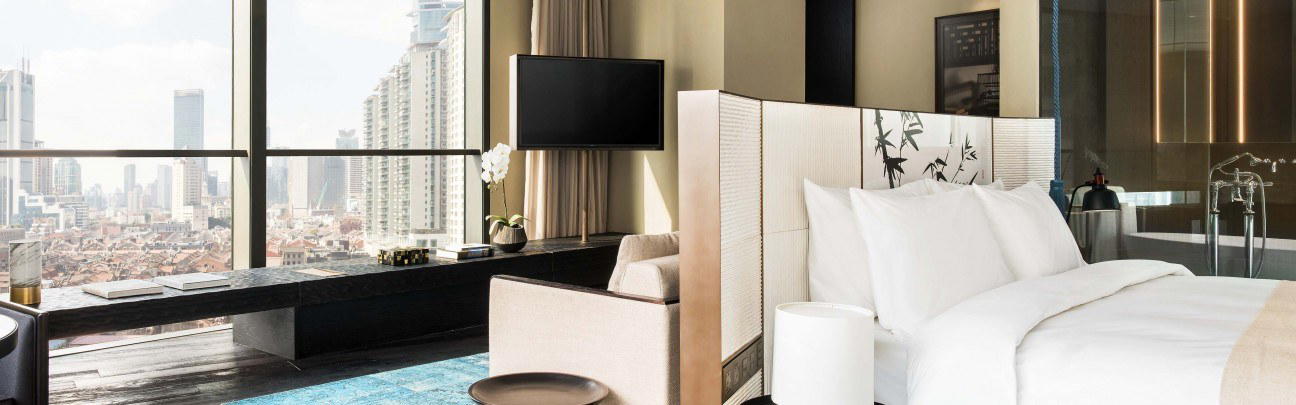
Stylish business banquet style with private rooms overlooking the Bund, terrace seating, and sophisticated atmosphere.