
Maggie 5 belongs to Shanghai’s Black Pearl one-diamond tier, a category where sourcing discipline and consistency matter more than spectacle. With cuisine, pricing, and booking details not publicly listed here, the useful read is contextual: treat it as a city restaurant to assess through ingredient quality, Chinese dining expectations, and the credibility implied by 2026 guide recognition.

Pearl is the En Primeur Club membership app — saves, bookings, and concierge access live there. Same editors, same standards.
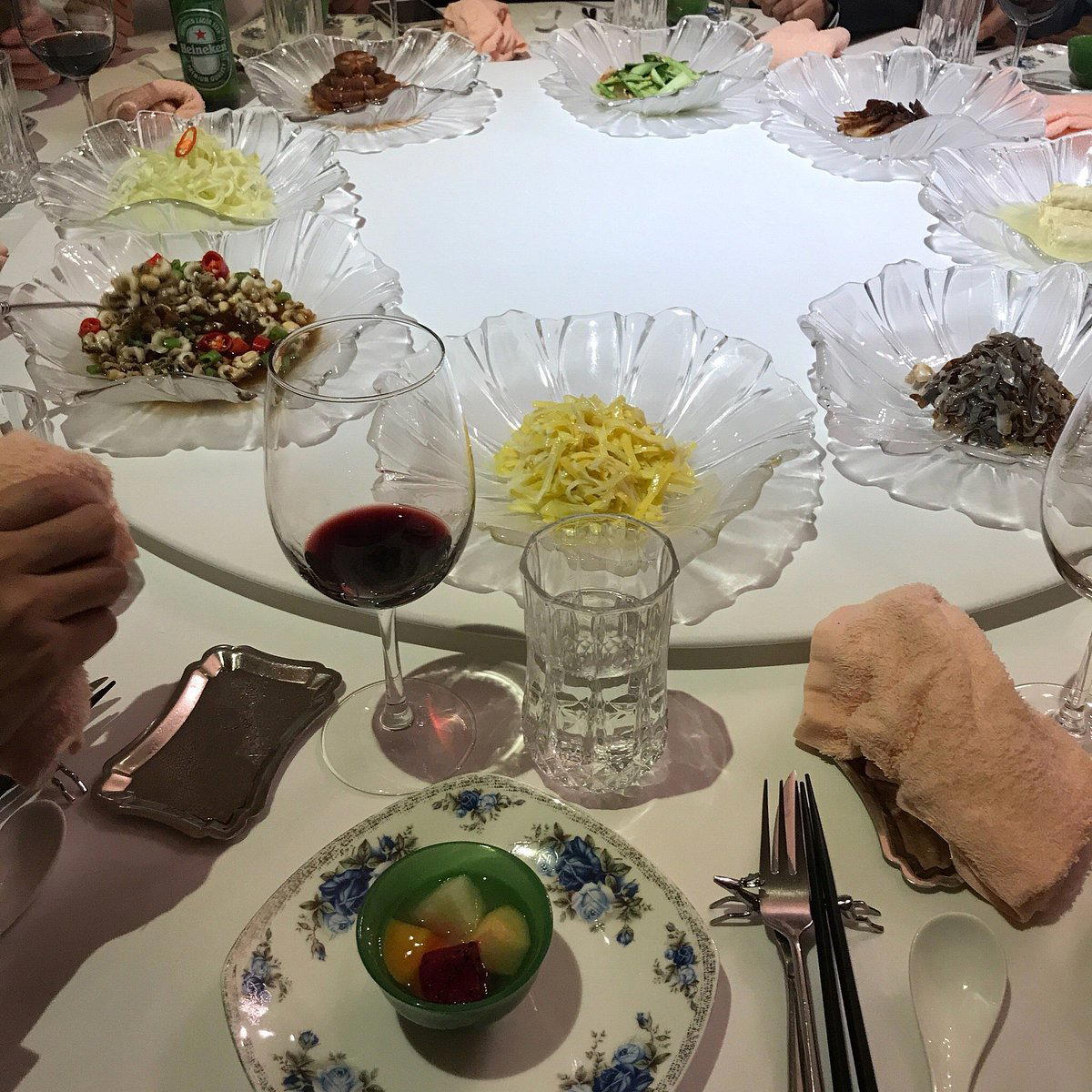
Shanghai dining often announces itself before the menu: polished lobbies, private-room choreography, business-dinner bass notes, and tables where provenance is part of the conversation. In that setting, Maggie 5 is less a mystery to decode than a marker of where the city’s higher-end restaurant culture has moved. The Black Restaurant Guide named it a 2026 one-diamond restaurant, placing it within a Chinese dining guide system that rewards cooking, reliability, service rhythm, and ingredient handling that survives repeat scrutiny.
Shanghai’s stronger rooms now compete on supply chains as much as technique. Live seafood, seasonal river fish, regional vegetables, cured products, and premium poultry all carry status in Chinese restaurant culture, but sharper kitchens are judged by how clearly they let those products read. Heavy saucing can hide cost-cutting; careful timing and restrained seasoning expose it. That is the useful lens for Maggie 5: a one-diamond signal suggests a restaurant above casual city dining, while the real question is how much of the meal is driven by product selection rather than decorative luxury.
Shanghai's sourcing conversation has moved from abundance to selectivity
For years, Shanghai’s premium dining leaned on abundance: long menus, banquet-friendly portions, imported luxury ingredients, and private dining rooms for corporate hosting. The current mood is more selective. Experienced diners increasingly separate restaurants that merely buy expensive products from those that know when a crab, fish, vegetable, broth, or dried ingredient is strongest. In Chinese cooking, sourcing is structure, not garnish. A soup depends on stock depth; a steamed preparation on freshness; a braise on collagen, cut, and patience.
Maggie 5’s one-diamond recognition in the 2026 Black guide gives it credible footing in that discussion. Black matters in mainland China because it reads the market through local dining expectations rather than a purely European fine-dining frame. A one-diamond award does not define the cuisine or guarantee a meal style. It indicates the restaurant has been assessed within a national system attentive to Chinese service formats, ingredient value, and the practical expectations of serious local diners.
Shanghai rewards restaurants that can serve both occasion dining and ingredient-led regulars. That dual audience is demanding: one group wants a composed evening with status cues; the other notices if produce, seafood, or stocks lack focus. The restaurant sits where those expectations overlap. For wider context, EP Club’s full Shanghai restaurants guide maps the local field across Cantonese rooms, steakhouse formats, regional Chinese restaurants, and international counters.
How to read a one-diamond restaurant in China
Black ’s diamond structure carries different implications from Michelin stars. Michelin often becomes shorthand for international fine dining, while Black resonates with Chinese diners weighing service, occasion value, regional cooking, and ingredient seriousness. A one-diamond listing signals consistency and polish, but not a blank cheque. Use the award as a filter, then judge the meal by sourcing clarity, pacing, and whether the cooking is built around the ingredients rather than the room.
That distinction matters because Shanghai has many polished restaurants, and polish alone is not a meal. High-end Cantonese dining, Shanghainese private kitchens, seafood-led banquet rooms, and imported-beef steakhouses can all look convincing from the doorway. The differences emerge in procurement and restraint: whether shellfish is handled simply enough to show freshness, vegetables arrive with seasonal snap, sauces support rather than flatten the main ingredient, and the kitchen edits the menu with discipline.
Readers building a broader Shanghai itinerary can use nearby category pages to calibrate expectations without forcing direct comparisons. The city’s range includes 100 Century Avenue Cantonese, 100 Century Avenue Steakhouse, 102 House (Cantonese), 102 House Shanghai, and 1515 West Chophouse (Steakhouse). Those links are useful less as substitutes than as evidence of breadth: Shanghai diners move easily between regional Chinese formats, steakhouse spending, and guide-recognized rooms.
Where Maggie 5 fits into a Shanghai food trip
The restaurant makes most sense for travelers wanting one dinner anchored in contemporary Shanghai expectations rather than old-city nostalgia. The city is not only xiaolongbao and red-braised pork. Its restaurant culture is shaped by capital, migration, luxury retail, hotel dining, private rooms, and serious appetite for regional Chinese cooking. A Black one-diamond room belongs to that modern ecology: local credibility, occasion use, and enough quality control to enter a national guide conversation.
Because cuisine type, price range, hours, and booking method are not stated here, plan conservatively. Treat it as an award-recognized Shanghai restaurant rather than a casual walk-in choice, especially for family gatherings, business dinners, or weekend meals. If the meal needs certainty, confirm format, budget, and reservation process before fixing the evening. For broader city coverage, balance it with other Shanghai categories through EP Club’s Shanghai hotels guide, Shanghai bars guide, Shanghai wineries guide, and Shanghai experiences guide.
China’s guide-recognized dining map also frames the scene beyond Shanghai. Regional references such as #8 in Chengdu, 167 Shan Hai Li in Fuzhou, 1913 in Hangzhou, 1927 Dong Yuan Si Chu in Xiamen, 1949 - Duck de Chine in Beijing, and 1980烧肉粽 in 厦门市 show how Chinese dining recognition stretches across regional identities rather than clustering only in first-tier luxury districts. For contrast outside China, Jōdo Saké Bar in Los Angeles and Onigiri Time in Pasadena point to a different ingredient conversation, shaped by Japanese formats and California dining habits.
The verdict is measured rather than breathless: the restaurant is worth reading through its 2026 Black one-diamond recognition and Shanghai’s current obsession with product quality. The award gives it a trust signal; the meal should be judged by sourcing clarity, service control, and whether the cooking lets ingredients carry the table.
Comparable Venues Nearby
Comparable venues nearby, for context on price, style, and recognition.
| Venue | Cuisine | Price | Notes |
|---|---|---|---|
| Maggie 5This venue — the venue you are viewing | Upscale Shanghainese Fine Dining | $$$$ | Not listed |
| House of Rong | Taizhou Seafood / Chinese Fine Dining | $$$$ | Jing'an District |
| Hot pot sun | Luxury Hot Pot | $$$$ | Jing An Si |
| W Shanghai The Bund - YEN (艳餐厅) | Contemporary Cantonese & Jiangnan | $$$$ | North Bund |
| Yong Fu(Ning Bo) | High-end Ningbo seafood fine dining | $$$$ | Huangpu |
| Bo Shanghai | X-Treme Chinese Fusion Fine Dining | $$$$ | Lan Ni Du |
Recognition history
Dated appearances from independent guides and award organizations, with the underlying list record or original source where available.
Black Pearl 1 Diamond
Black Pearl
At a Glance
- Ornate
- Elegant
- Classic
- Sophisticated
- Business Dinner
- Special Occasion
- Celebration
- Group Dining
- Date Night
- Private Dining
- Garden
- Design Destination
- Hotel Restaurant
- Historic Building
- Extensive Wine List
- Garden
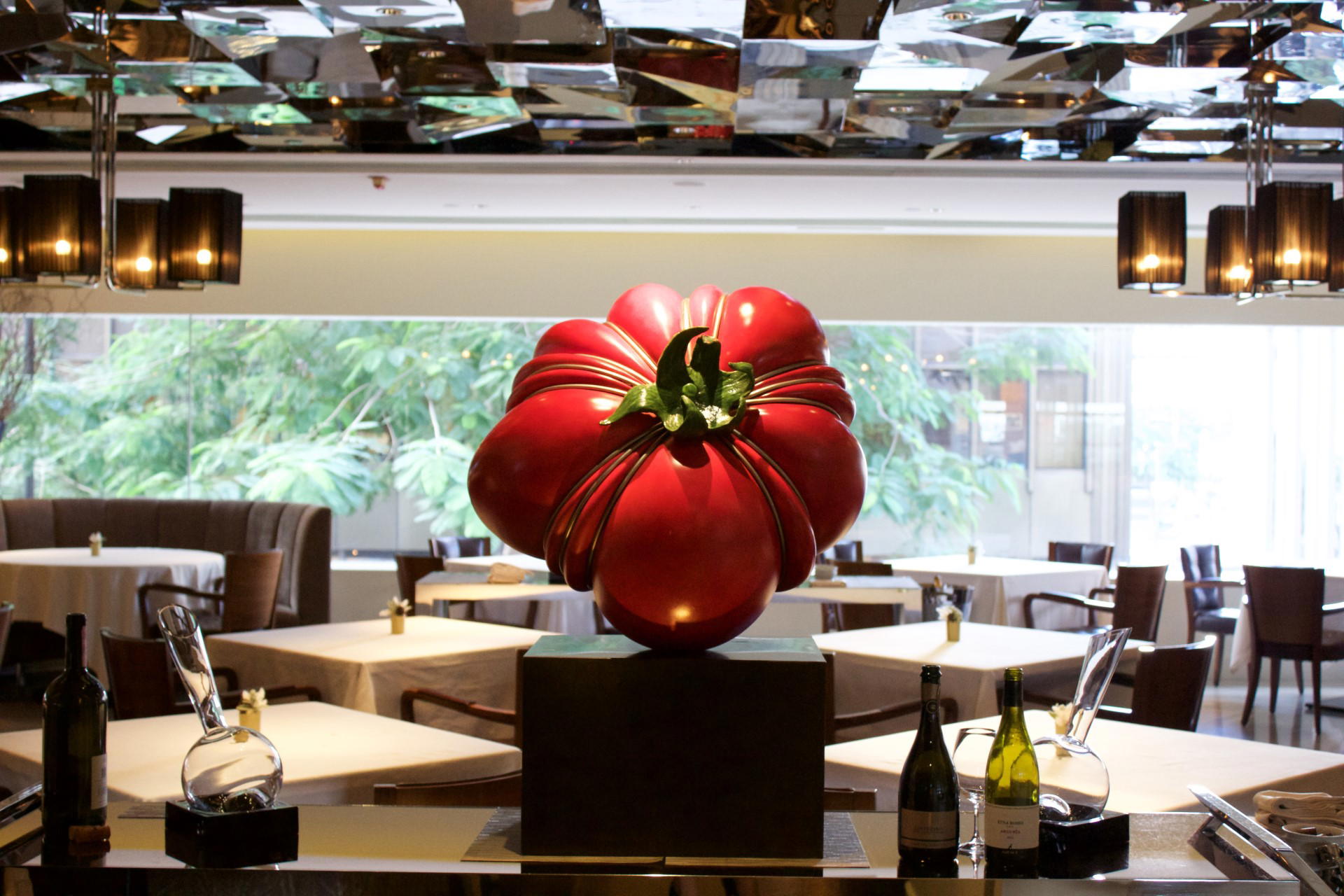
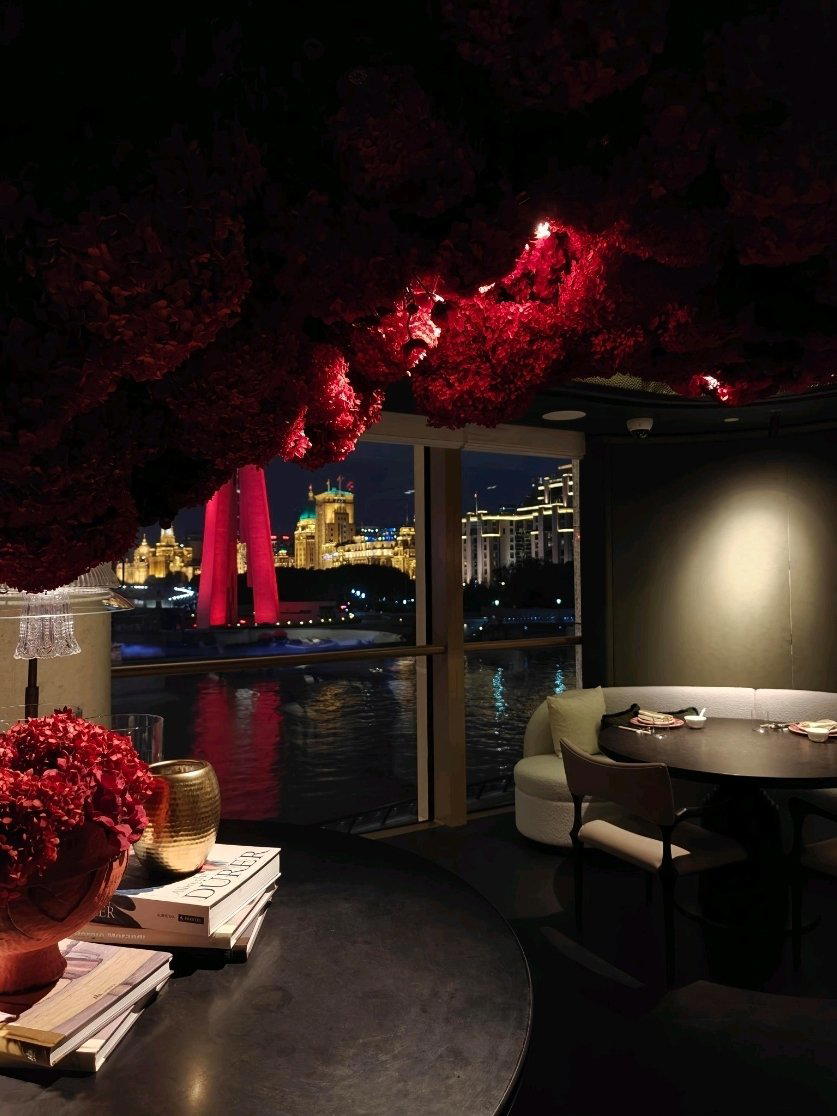
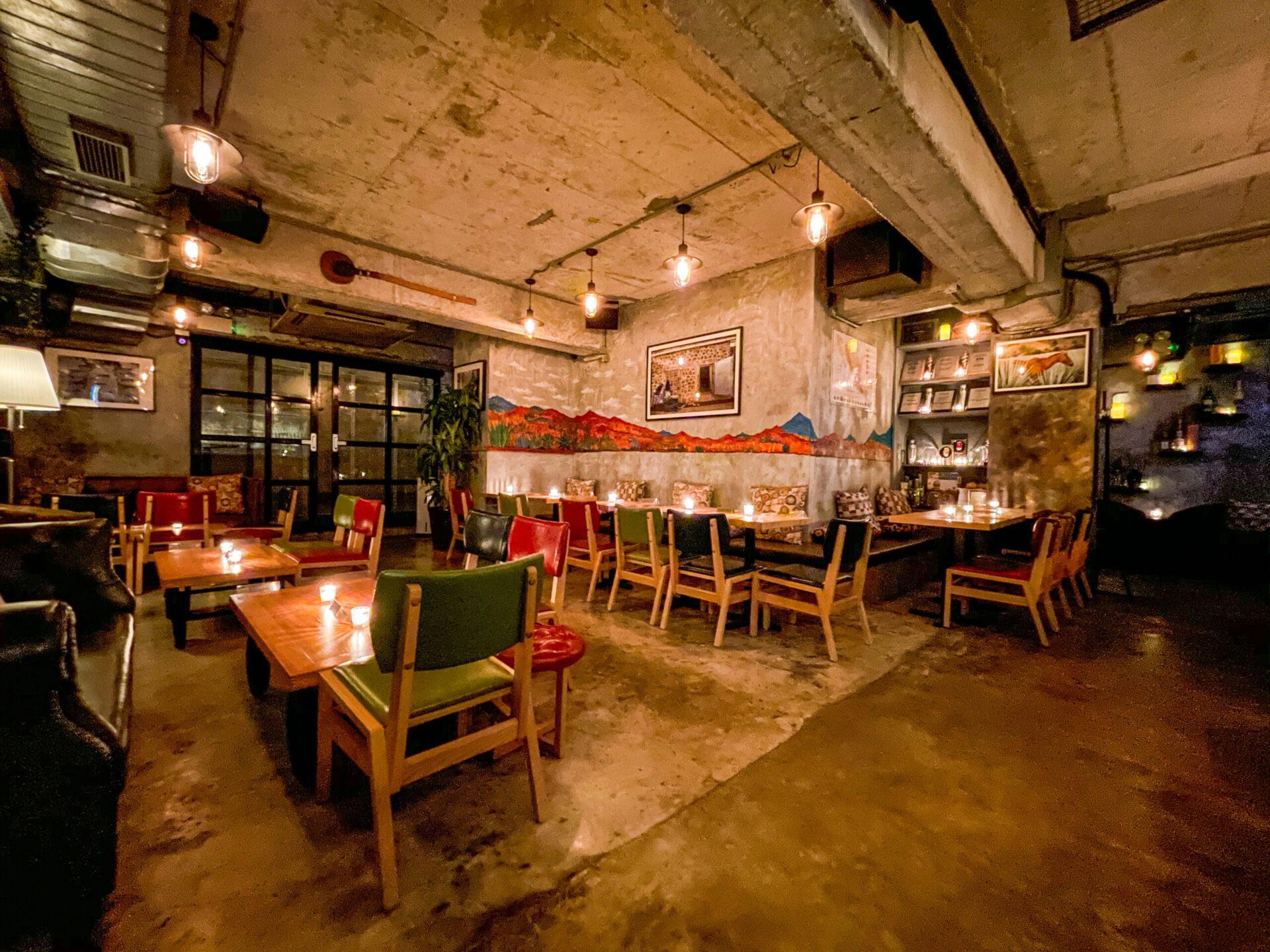
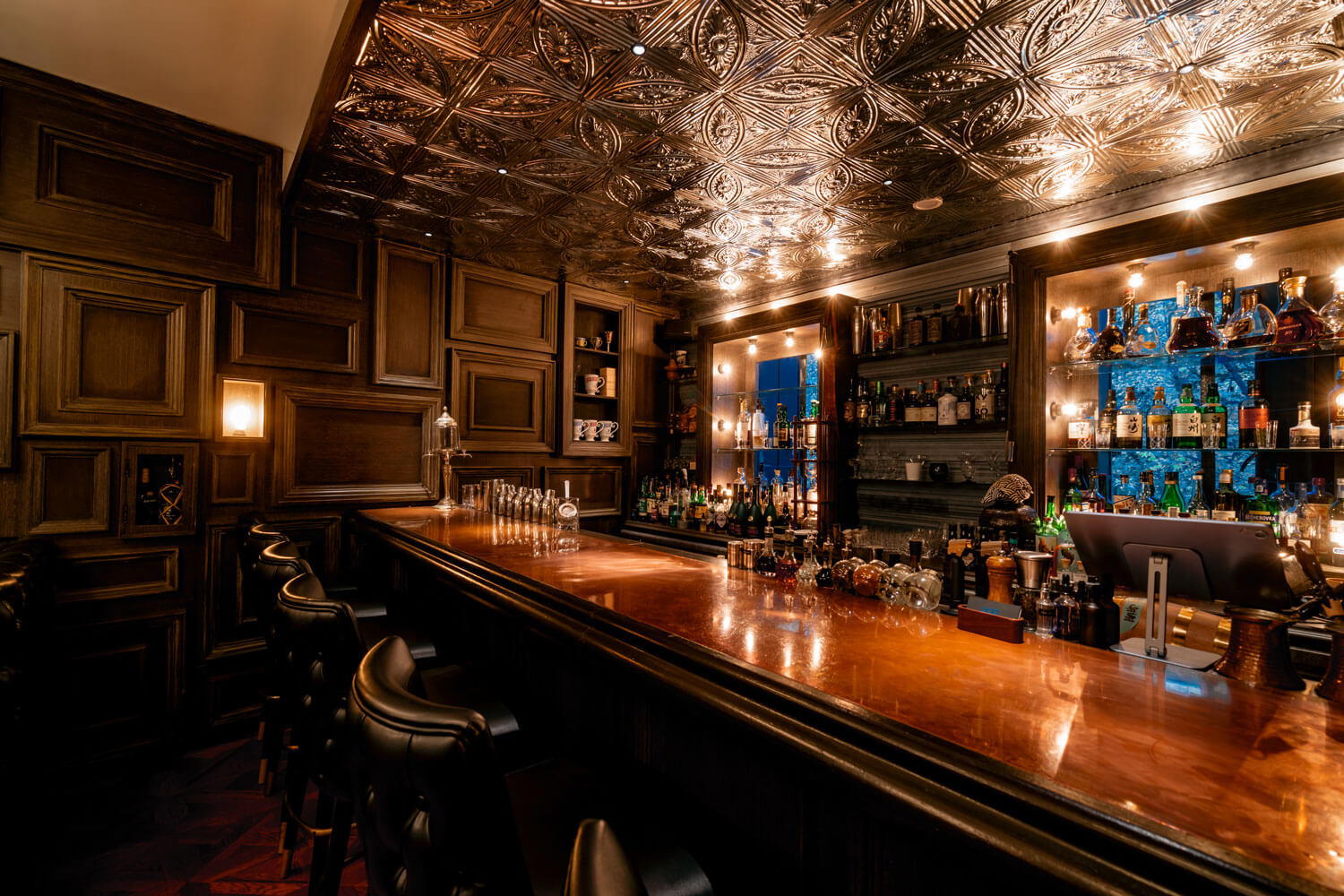
Lavishly decorated with an over-the-top European fantasy style featuring murals, double-vaulted ceilings, and elaborate table settings, creating a formal, ornate atmosphere that suits government officials and business elites while maintaining a quiet, refined dining room feel.